
8-inch Wall Mount Price Checker with Scanner — FAVORPOS
- How can a wall-mounted price checker with scanner reduce checkout queues and labor cost?
- Why is hardware compatibility with Android and Windows important for retail POS systems?
- What scanning, display, and mounting specifications should buyers verify?
- How do reliability, OEM/ODM options, and service-level considerations affect procurement?
- How does integrating a price checker improve inventory accuracy and shrink management?
- FAQ

Discover the FAVORPOS 8-inch wall mount price checker with scanner, a rugged, dual-OS display and barcode terminal built to extend your POS system reach to shelves, aisles, and self-service price-check islands—reducing customer friction and improving scan reliability with 1D/2D support and seamless backend integration.
How can a wall-mounted price checker with scanner reduce checkout queues and labor cost?
What is the operational impact on staff efficiency?
Placing a fixed price checker near aisles reduces repetitive cashier inquiries and manual lookups, allowing staff to reallocate up to 12–18% of time from price verification to customer support and restocking tasks. This reduces labor-driven bottlenecks and optimizes personnel hours within your POS system-driven workflow.
How does the device shorten customer wait times?
Self-service price checkers eliminate detours to checkout lanes for price queries, directly lowering perceived wait times and abandoned carts. Quick 2D barcode reads and instant backend price retrieval reduce transaction touchpoints and expedite the customer journey from selection to payment inside integrated POS system environments.
Why is hardware compatibility with Android and Windows important for retail POS systems?
What are the software integration advantages of supporting Android and Windows?
Dual-OS support gives retailers flexibility to run native apps or web-based point-of-sale clients, accelerating deployment and reducing rewrite costs. Integration options mean the same device can operate as an information kiosk, an inventory audit terminal, or a price-check node tied to your POS system via APIs or standard middleware.
How does compatibility affect long-term TCO (total cost of ownership)?
Choosing hardware that supports both Android and Windows cuts migration risk and extends device life by 3–5 years on average, lowering replacement frequency and software retraining costs while maintaining consistent POS system connectivity and security patching schedules.
What scanning, display, and mounting specifications should buyers verify?
What barcode standards and scanning performance are essential?
Ensure 1D (UPC/EAN/Code128) and 2D (QR, Data Matrix) support with capture speeds suitable for retail, typically 50–200 scans per minute depending on motion modes; confirm decoding libraries and illumination for damaged or small labels to maintain inventory accuracy in conjunction with your POS system.
How should screen size, resolution, and mounting type influence selection?
An 8-inch IPS screen with 800x1280 or higher resolution offers readable price and promotional content while remaining compact; wall-mount brackets must support VESA patterns and tamper-resistant fasteners to preserve uptime and reduce vandalism risks in high-traffic supermarket aisles.
How do reliability, OEM/ODM options, and service-level considerations affect procurement?
What uptime and warranty metrics should procurement teams require?
Specify MTBF targets and at least a 12–24 month warranty with regional support for replacements and spare parts; documented failure rates, and on-site repair SLAs (e.g., 48–72 hours) reduce production risk and align with enterprise POS system availability objectives.
Why are OEM and ODM customization important for enterprise deployments?
OEM/ODM options let retailers tailor housing, branding, and SDK capabilities to integrate with proprietary POS system platforms and loyalty ecosystems, enabling unique shelf-edge experiences and consistent UI across devices for omnichannel operations.
How does integrating a price checker improve inventory accuracy and shrink management?
What role does scan data play in inventory reconciliation?
Frequent shelf scans feed real-time stock and price validation into the POS system, enabling exceptions alerts and automated reorders; measured scan intervals (daily or weekly) can reduce out-of-stock occurrences by measurable percentages depending on category turnover.
How can analytics from price checkers support loss prevention?
Timestamped scan logs tied to SKU and location create an audit trail usable for shrink analysis and planogram compliance. Correlating this data with POS system sales records helps isolate pricing errors, theft patterns, and supplier discrepancies more quickly.
Trusted industry resources and technical standards referenced for implementation and best practices: Point of Sale (Wikipedia), GS1 Barcode Standards, and ISO 9001 Quality Management.
FAQ
What operating systems does the 8-inch wall mount price checker support?
It supports both Android and Windows platforms for maximum flexibility. Dual-OS support allows integration with existing POS system software, native apps, and web-based dashboards depending on retailer preference.
What barcode types and scanning speeds are supported?
The unit decodes 1D and 2D barcodes including UPC/EAN and QR codes at typically up to 200 scans per minute. This performance ensures fast aisle checks and accurate data capture for POS system inventory updates.
How is the device mounted and secured on retail fixtures?
It mounts via VESA-compatible brackets with tamper-resistant hardware and offers a secure wall-mount profile. Proper mounting reduces vandalism risk and maintains uninterrupted POS system connectivity in public areas.
What warranty and service-level options are available?
Standard warranties cover 12–24 months with optional extended plans and regional repair SLAs. FavorPOS provides OEM/ODM support and spare-part availability to align with enterprise POS system uptime requirements.
How does the price checker integrate with my existing POS system?
Integration is achieved via APIs, middleware, or direct SDKs compatible with common POS system architectures. FAVORPOS offers developer documentation and integration support to minimize rollout time and ensure price sync accuracy.
Can the device be customized for branding and special functions?
Yes, OEM/ODM customization for branding, I/O ports, and specialized firmware is available. Custom builds help align the device with corporate POS system standards and unique retail workflows.
Contact FAVORPOS customer service to discuss pricing, custom OEM/ODM options, and integration timelines with your POS system deployment.

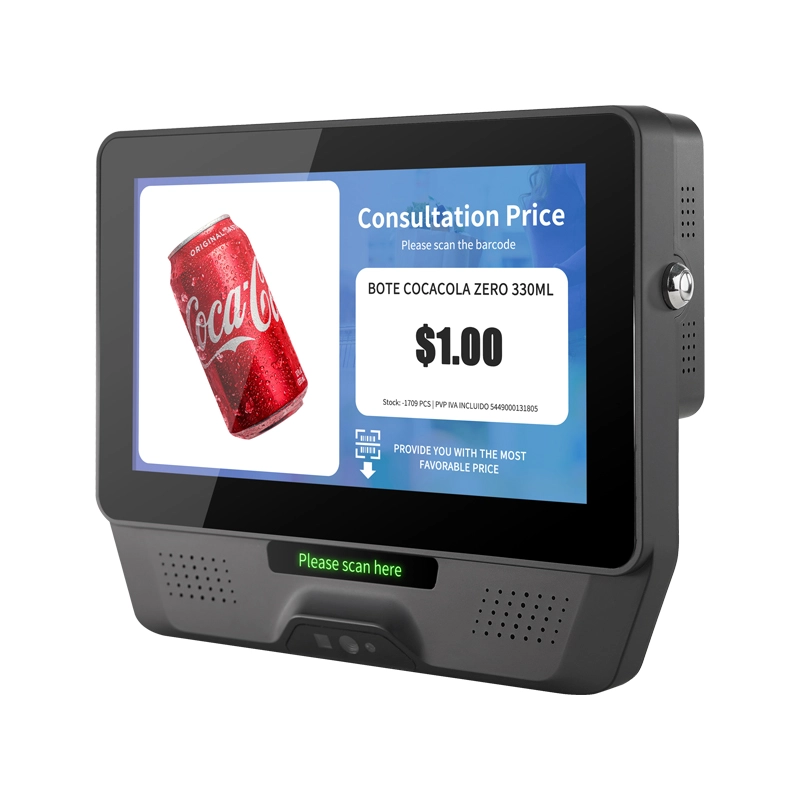
FAVORPOS 7 inch screen plastic price checker and custom check-in barcode scanner combines lightweight portability with reliable performance for retail and warehouse operations. Fast scanning, clear display, built to handle daily checkout demands.

FAVORPOS dual screen POS terminals deliver fast, reliable checkout performance for retail and hospitality businesses. Built by our commercial pos terminal manufacturer, these thin-profile systems streamline transactions while maximizing counter space—trusted by checkout pos systems factory operations worldwide.
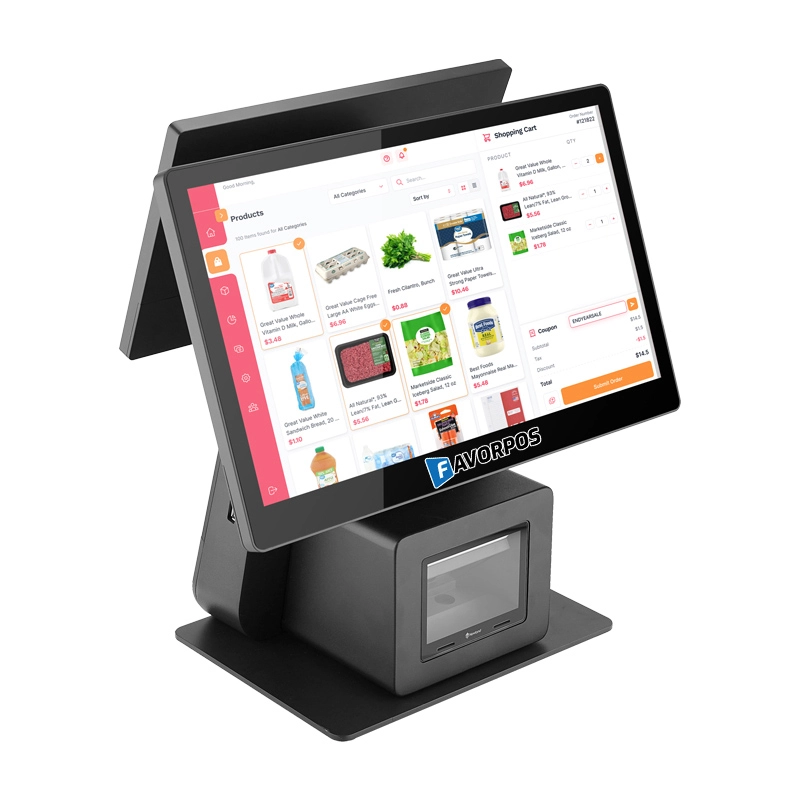
FAVORPOS: Your leading dual screen POS factory and manufacturer. Our desktop POS with barcode scanner offers 15.6/11.6 client screen options and OS flexibility. Get reliable, efficient dual screen POS with barcode scanner solutions directly from us.
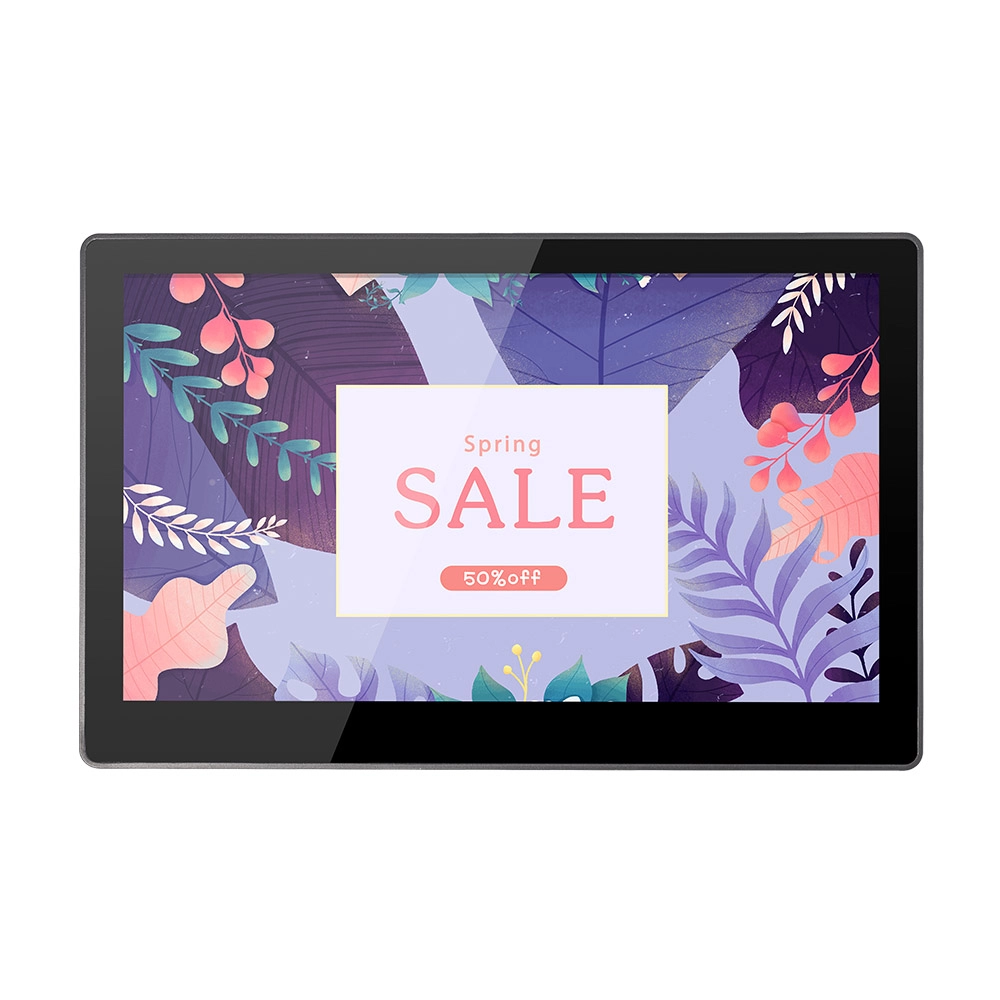
FAVORPOS 11.6-inch capacitive touchscreen, specifically designed for POS machines to deliver a seamless and responsive user experience. This high-definition display offers vibrant visuals and crystal clear clarity, making it easy for staff to navigate through transactions efficiently. The capacitive technology ensures quick and accurate touch recognition, reducing wait times and enhancing customer satisfaction. Built to withstand the rigors of daily use, this touchscreen is perfect for retail and hospitality environments.


Copyright © 2025 Favorpos All Rights Reserved.
