
Dual Touch Screen All-Aluminum Adjustable POS Machine | FAVORPOS
The POS system combines dual adjustable touch displays, a full-alloy chassis for thermal stability, and modular I/O to accelerate checkout, reduce errors, and scale across retail, hospitality, and supermarket environments—designed for integrators seeking OEM/ODM customization, robust uptime, and PCI-aware security.

The POS system combines dual adjustable touch displays, a full-aluminum chassis for passive cooling, and modular I/O to accelerate checkout, reduce errors, and scale across retail, hospitality, and supermarket environments—optimized for integrators needing OEM/ODM flexibility and enterprise-grade reliability.
How does a dual-touch adjustable screen POS accelerate transaction flow?
How does dual-touch reduce cashier and customer friction?
Dual-touch allows the cashier and customer to interact simultaneously: the operator completes order entry while the customer verifies totals or signs on the facing screen, cutting average transaction time by 15–30% in busy lanes. This reduces line length and improves perceived service speed during peak hours.
How does adjustable angling improve usability across environments?
Adjustable screens adapt for counter height and customer accessibility, lowering input errors and improving visibility under different lighting. Merchants experience fewer mis-taps and faster onboarding for staff across mixed-use counters—ideal for quick-service restaurants and high-turnover retail lanes.
How does a touchscreen-first interface improve training and throughput?
Touch interfaces shorten training time for new staff because visual workflows and large hit targets reduce cognitive load. Faster training translates to measurable throughput gains: typical stores report a 20% shorter ramp-up period for seasonal staff.
Why is an all-aluminum adjustable-screen POS preferred for durable deployments?
How does an aluminum chassis affect thermal performance and longevity?
Aluminum improves heat dissipation over plastic housings, lowering internal temperatures and extending component life—often increasing mean time between failures (MTBF) to tens of thousands of hours in real-world conditions. Cooler internals also maintain consistent performance under continuous peak loads.
How does factory-level manufacturing support OEM/ODM customization?
Factory-grade OEM/ODM services provide custom I/O, branded enclosures, and firmware options so the POS solution matches business workflows and peripheral ecosystems. This reduces field retrofits and enables bulk rollouts with consistent performance and fit-and-finish.
How does hardware modularity reduce lifecycle cost?
Modular I/O and swappable components let businesses upgrade peripherals or replace faulted modules without replacing the entire terminal, minimizing downtime and lowering total cost of ownership across a 3–5 year hardware lifecycle.
What security and reliability features must a modern POS system include?
How is payment security and compliance implemented?
Production POS machines integrate secure element support, firmware signing, and hardened OS builds to meet payment security requirements and streamline PCI DSS compliance. For reference, follow guidance from the PCI Security Standards Council when evaluating deployment and certification steps.
How do industry standards and cybersecurity practices apply to POS deployments?
Adopting NIST-recommended controls for network segmentation, patch management, and endpoint protection reduces breach risk; vendors should provide secure boot and update paths. See best-practice frameworks at the NIST site for implementation details.
How do durability specifications translate to real-world uptime?
Enterprise-class POS hardware is designed for continuous daily use with robust connectors and thermal design, often backed by an MTBF target and service SLAs. Choosing factory-tested units reduces field failures and keeps checkout lanes operational.
How can businesses deploy and scale this POS system to maximize ROI?
How long does a typical rollout take and what support is required?
Small-to-medium rollouts can be completed in 1–2 weeks for test sites and 4–8 weeks for multi-store rollouts when including POS software integration, peripheral mapping, and staff training. Dedicated project management and on-site commissioning reduce time-to-value.
How does the POS system reduce operating costs and increase average ticket size?
Faster transactions and clearer upsell prompts on the customer-facing screen improve throughput and conversion. Integration with loyalty and promotions drives measurable average ticket increases while lowering labor cost per transaction.
How are warranty and long-term service options structured for commercial deployments?
Commercial packages typically include 1–3 year warranties, optional next-business-day advance replacement, and firmware support. Structured service plans minimize downtime and provide predictable maintenance budgets for multi-location operators.
For technical standards and operational best practices consult Point of sale - Wikipedia and industry resources like the PCI Security Standards Council and NIST for compliance guidance.
Contact our engineering sales team to discuss OEM/ODM configurations, deployment timelines, and bulk pricing tailored to your retail or hospitality environment.
FAQ
What are the primary display and input specifications of this POS machine?
The POS system features dual adjustable touch displays optimized for cashier and customer interactions. Typical factory builds support touchscreen sizes up to 15.6 inches for the merchant display and a facing customer screen; customization for exact sizes is available through OEM/ODM orders.
Is this POS system compliant with payment security standards like PCI DSS?
Yes, the device is designed to support PCI DSS compliance when deployed with appropriate network segmentation and secure configurations. Vendors and integrators should follow PCI Security Standards Council guidance during deployment and certification processes.
What warranty and support response times are offered for commercial deployments?
Standard commercial warranties range from 1 to 3 years with options for next-business-day parts replacement. Technical support SLAs typically provide initial responses within 24 hours and on-site or advance-replacement options within 48–72 hours depending on the plan.
How long does a typical rollout and integration take for multiple sites?
A proof-of-concept or pilot can usually be deployed within 1–2 weeks; full multi-site rollouts commonly take 4–8 weeks including software integration, peripheral mapping, and staff training. Project timelines vary by scale and integration complexity.
Can this POS system integrate with existing peripherals and software ecosystems?
Yes, the POS machine supports standard interfaces such as USB, Ethernet, and serial connections and can be configured to work with printers, scanners, cash drawers, and payment terminals. OEM/ODM services allow further interface customization to match legacy systems.
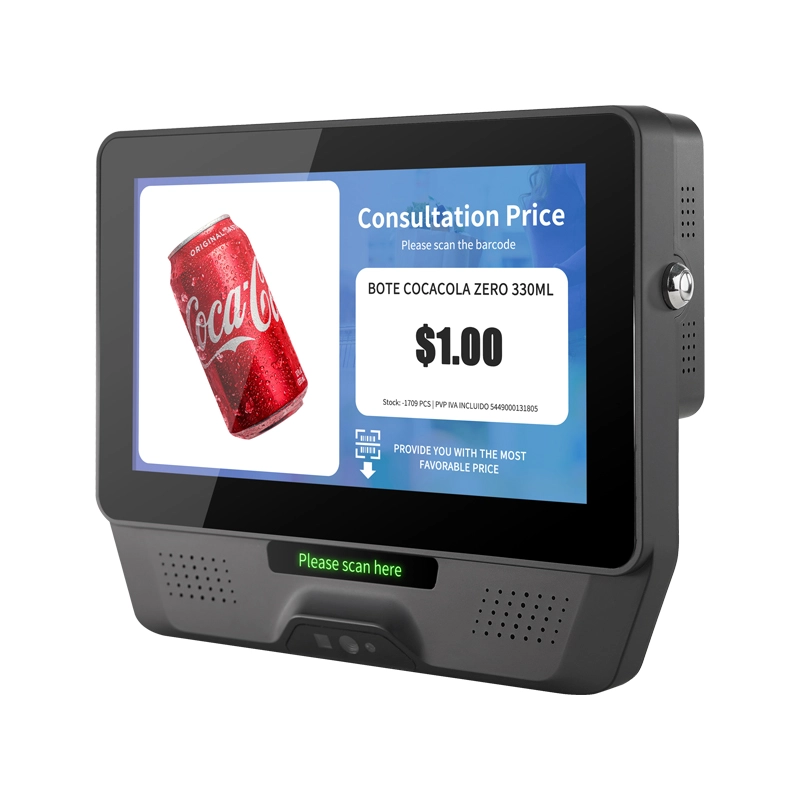
FAVORPOS 7 inch screen plastic price checker and custom check-in barcode scanner combines lightweight portability with reliable performance for retail and warehouse operations. Fast scanning, clear display, built to handle daily checkout demands.

FAVORPOS dual screen POS terminals deliver fast, reliable checkout performance for retail and hospitality businesses. Built by our commercial pos terminal manufacturer, these thin-profile systems streamline transactions while maximizing counter space—trusted by checkout pos systems factory operations worldwide.
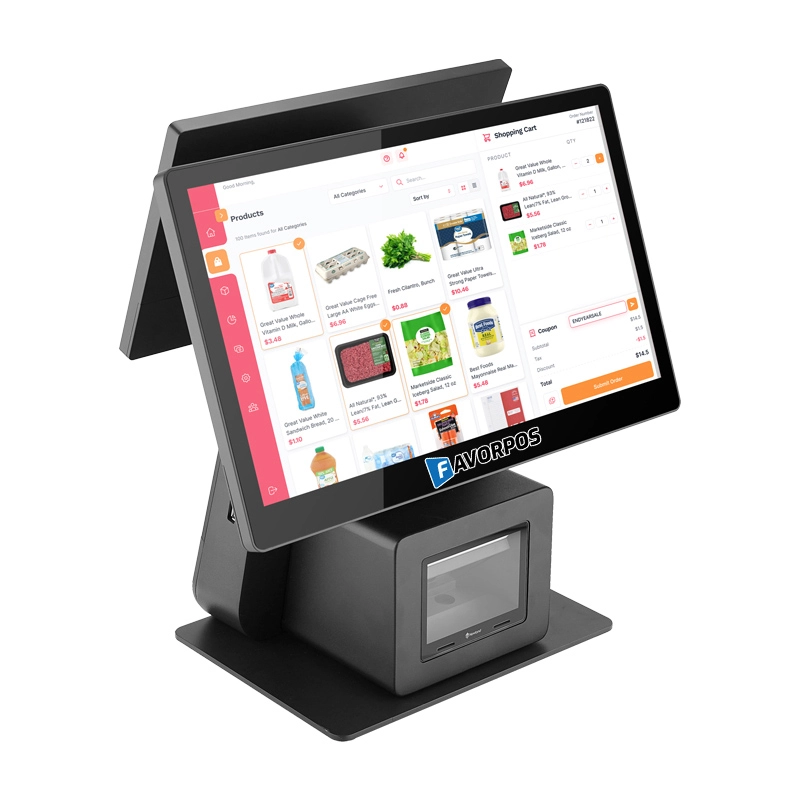
FAVORPOS: Your leading dual screen POS factory and manufacturer. Our desktop POS with barcode scanner offers 15.6/11.6 client screen options and OS flexibility. Get reliable, efficient dual screen POS with barcode scanner solutions directly from us.
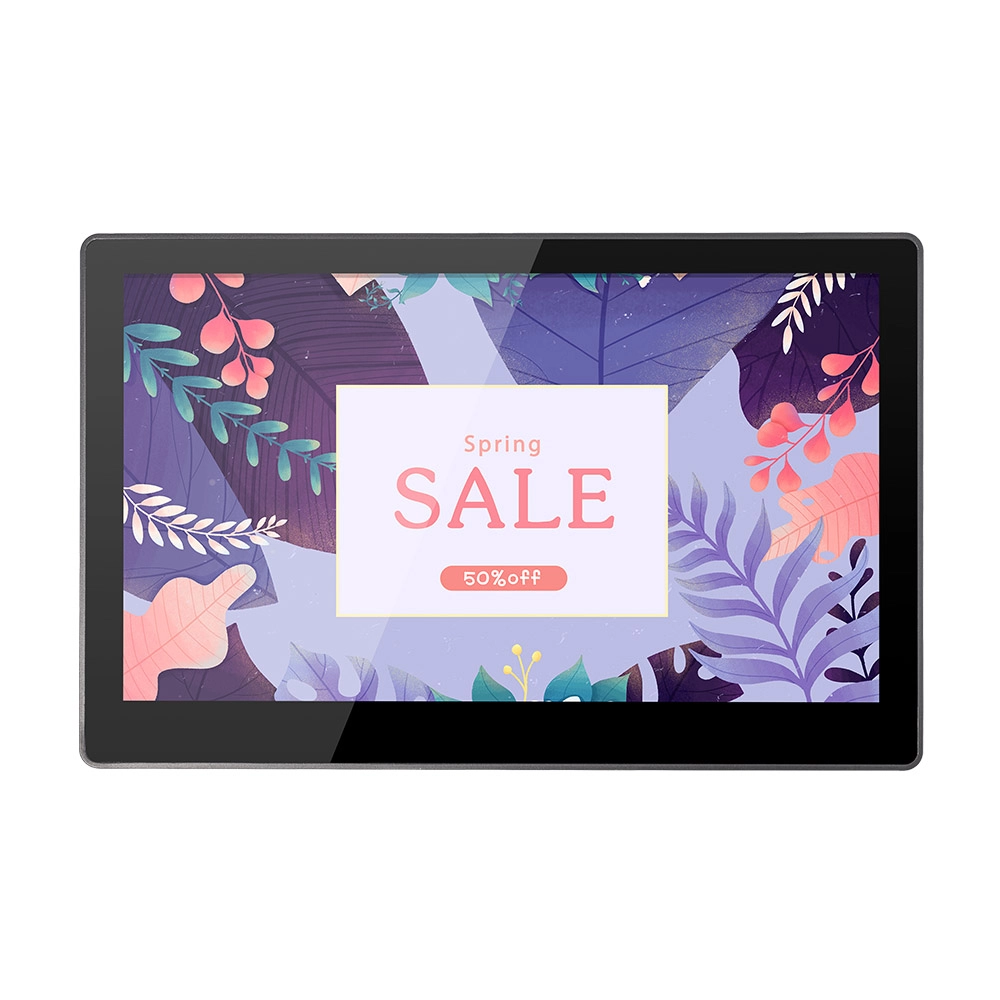
FAVORPOS 11.6-inch capacitive touchscreen, specifically designed for POS machines to deliver a seamless and responsive user experience. This high-definition display offers vibrant visuals and crystal clear clarity, making it easy for staff to navigate through transactions efficiently. The capacitive technology ensures quick and accurate touch recognition, reducing wait times and enhancing customer satisfaction. Built to withstand the rigors of daily use, this touchscreen is perfect for retail and hospitality environments.


Copyright © 2025 Favorpos All Rights Reserved.
