
Durable POS Touchscreen Monitors for High-Traffic Environments
- Designing for Continuous Service: Rugged Interactive Displays for Busy Outlets
- Operational Considerations: Reliability, Maintenance, and Total Cost of Ownership
- Integration & Deployment: Software, Security, and Compliance
- Why FAVORPOS Solutions Fit High-Volume Retail and Hospitality Projects
- Frequently Asked Questions
Durable POS touchscreen monitors built for continuous service in busy retail and hospitality locations combine hardened glass, industrial touch sensors, IP/IK ingress and impact protection, service-friendly architecture, and secure integration to deliver predictable uptime and simplified lifecycle management for operators and systems integrators; this guide explains procurement criteria, deployment best practices, and how advanced device manufacturing and OEM/ODM collaboration reduce operational risk and TCO for large-scale rollouts.
Designing for Continuous Service: Rugged Interactive Displays for Busy Outlets
Materials, panels and enclosure choices
Buying teams should prioritize chemically strengthened cover glass (such as chemically tempered or Gorilla Glass alternatives), aluminum or reinforced polymer chassis, and sealed bezels that prevent dust ingress. These construction choices minimize surface abrasion and preserve optical clarity under heavy use. For countertop and kiosk use, look for shatter-resistant glass laminates and bonded LCD stacks that reduce condensation and improve viewing angles in varying store lighting.
Touch sensor technologies and lifecycle trade-offs
Projected capacitive (PCAP) sensors offer multi-touch accuracy, gesture support, and higher touch durability, making them a common choice for fast-service restaurants and modern retail checkouts. Resistive and surface acoustic wave (SAW) technologies remain relevant where gloves or stylus input are required, but they typically need more frequent calibration. Procurement teams must weigh sensitivity, expected contact frequency, and service conditions when selecting the input layer to balance usability against long-term replacement costs.
Ingress, impact ratings and environmental sealing
Ingress protection level and impact resistance (IK) ratings are essential quantitative metrics for devices deployed in dusty, wet or vandal-prone areas. Targets for high-traffic counters often include IP54 to IP65 for dust and splash protection and IK06 to IK08 for impact resistance depending on the exposure profile. Refer to the global IP code definitions when specifying acceptance tests: IP Code (Ingress Protection) and IK rating references for mechanical impact resistance: IK Rating. These standards inform acceptance criteria in RFPs and factory test procedures.
Operational Considerations: Reliability, Maintenance, and Total Cost of Ownership
Serviceability, spare-part strategy and on-site repairability
Large deployments require a clear spare-parts strategy: spare touch modules, power supplies, bezel assemblies and mounting brackets should be stocked regionally to minimize Mean Time To Repair (MTTR). Devices designed with modular replaceable components and accessible service panels reduce downtime and labor costs during repairs. Buyers should specify replacement time targets and logistics SLA in vendor contracts to align with store opening hours and peak traffic windows.
Preventive maintenance, cleaning protocols and uptime optimization
Establishing SOPs for surface disinfection, screen cleaning, and scheduled diagnostics preserves display responsiveness and prevents microbial build-up in hospitality environments. Use manufacturer-approved cleaning agents to avoid coating degradation. For chain operators, standardized maintenance checklists and remote monitoring capabilities (health telemetry reporting) allow centralized ops teams to detect display anomalies before they cause checkout bottlenecks.
Warranty, lifecycle planning and TCO modeling
Warranties for commercial-grade interactive terminals commonly range from 1 to 3 years and can be extended via service contracts. Lifecycle planning should include expected replacement windows, recycling or refurbishment options, and software support timelines. Financial teams should model TCO including capital cost, spare parts inventory, field service labor, downtime cost per hour, and resale or recycling credit to compare vendor offers objectively.
| Attribute | Consumer-grade | Commercial-grade | Industrial-grade |
|---|---|---|---|
| Typical use-case | Home tablets, personal devices | Retail checkout, QSR counters, POS terminals | Manufacturing floors, outdoor kiosks, harsh environments |
| Ingress protection | Often IPX0–IPX2 | IP54–IP65 (splash and dust resistance) | IP65+ (dust-tight, water jet protection) |
| Impact resistance (IK) | Typically IK00–IK02 | IK04–IK08 | IK08–IK10 (vandal-resistant) |
| Warranty (typical) | 1 year | 1–3 years | 2–5 years (with service contracts) |
| Serviceability | Limited repair options | Modular parts, regional spares | Highly modular, field-replaceable modules |
Integration & Deployment: Software, Security, and Compliance
Operating systems, peripheral compatibility and POS ecosystem fit
Terminals for busy stores must support the store’s POS software stack and peripheral set (receipt printers, barcode scanners, cash drawers, customer displays). Verify driver support and certification with the POS application vendor. Many modern commercial displays support Android, Windows IoT, and Linux variants; choose an OS aligned with existing point-of-sale infrastructure to reduce integration work and certification time.
Data protection, tamper resistance and endpoint security
Payment and customer data protection are critical. Devices should include secure boot options, TPM-like hardware security modules, and tamper-evident fasteners to protect endpoints from physical tampering. Follow established cyber-risk frameworks for retail infrastructure such as the NIST Cybersecurity Framework to design layered defenses and incident response playbooks for checkout systems.
Regulatory compliance and quality management
Vendors should be able to demonstrate product conformity and factory quality controls. Certification to recognized quality standards such as ISO 9001 supports consistent manufacturing quality and traceability. Ensure payment industry requirements (PCI DSS) and local electrical safety approvals are addressed in procurement documents and acceptance testing.
Why FAVORPOS Solutions Fit High-Volume Retail and Hospitality Projects
Manufacturing capability, OEM/ODM flexibility and customization
FAVORPOS provides OEM and ODM services to tailor hardware for specific operational profiles: from bezel engraving and custom port layouts to bespoke mounting systems and thermal management for constant-use terminals. Our engineering team works with buyers to translate site conditions and traffic forecasts into device specifications, acceptance tests, and regional spares plans that reduce MTTR and improve rollout predictability.
Product portfolio: integrated terminals and complementary peripherals
Our product range covers core checkout and peripheral needs for omnichannel operators. Offerings include compact countertop terminals, durable handheld units for line-busting, price verification scanners for supermarkets, reliable thermal receipt printers for high-reliability printing, and secure cash drawers engineered for rapid reconciliation. This integrated approach simplifies procurement and ensures peripheral interoperability in large deployments.
Service, support and long-term quality commitment
We commit to quality through regional support centers, configurable extended warranties, and field service agreements that align with multi-site operators’ SLA needs. FAVORPOS’s manufacturing and QA processes are designed to meet enterprise expectations for repeatability, traceability and on-time delivery for phased rollouts across geographies. For more about our company and solutions visit FAVORPOS official site.
Deployments driven by thorough device specifications, preventive maintenance programs, modular spare policies and vendor partnerships reduce checkout downtime and protect revenue per ticket during peak periods.
If a deployment requires alignment with industry practices for terminal testing and environmental ratings, consult authoritative references such as the Point of Sale overview and the IP/IK standard definitions to include measurable acceptance criteria in RFPs.
Special considerations for large rollouts include power budget planning for peripherals, centralized device fleet monitoring, and staged OS update policies that validate new releases in pilot stores before chain-wide deployment. These operational controls protect transaction continuity and mitigate the risk of incompatible updates during peak trading periods.
Complete rollout programs also benefit from structured training packages for store staff, digital playbooks for frontline technicians, and a dashboarded KPI set (uptime %, average repair time, spare part turns) to quantify program ROI and continuous improvement.
For buyers evaluating vendors, request factory acceptance test (FAT) evidence, MTTR commitments, sample devices for burn-in testing, and a detailed spare-part lead-time schedule as part of contractual terms to ensure procurement and operations objectives align.
Manufacturers and integrators that align device specifications with operational processes reduce unexpected field failures and provide predictable lifecycle costs for high-traffic environments where every minute of downtime impacts revenue.
For technical reference on ingress and impact protection codes used to specify durability requirements, see the IP code overview and IK rating definitions cited above.
Frequently Asked Questions
What IP and IK ratings should be specified for countertop checkout terminals in busy retail stores?
For most indoor high-traffic counters, specifying IP54–IP65 provides adequate dust and splash protection; IK06–IK08 is typical for impact resistance. Higher ratings (IP65+/IK10) may be required for outdoor kiosks or vandal-prone locations. Use these metrics as objective acceptance criteria in RFPs and factory tests.
Which touch technology is best for fast-service restaurants and supermarkets?
Projected capacitive (PCAP) touch panels are recommended for fast-service and retail due to multi-touch responsiveness, gesture support, and robust surface durability; resistive or stylus-compatible technologies are more appropriate where gloved input is frequent or where cost constraints demand a simpler sensor.
How should large retailers manage spare parts and field repairs to minimize checkout downtime?
Implement a regional spares inventory for critical modules (touch assemblies, power supplies, bezels), specify MTTR targets in vendor contracts, and require modular device designs that enable field-replaceable units. Combine this with remote health telemetry to detect issues early and prioritized dispatching during peak hours.
Can rugged checkout terminals integrate with existing POS software and peripherals?
Yes, commercial-grade terminals typically support Windows IoT, Android or Linux variants and offer standard interfaces for printers, barcode scanners and cash drawers. Procurement should verify driver availability, certify compatibility with the POS application vendor, and request pilot integration tests before full rollout.
What OEM/ODM customization services does FAVORPOS provide for high-volume deployments?
FAVORPOS offers OEM and ODM services including custom bezel and port configurations, thermal management adjustments, tailored firmware, branded enclosure finishes, and coordinated acceptance testing. These services help align hardware to specific site conditions, regulatory needs and branding requirements.
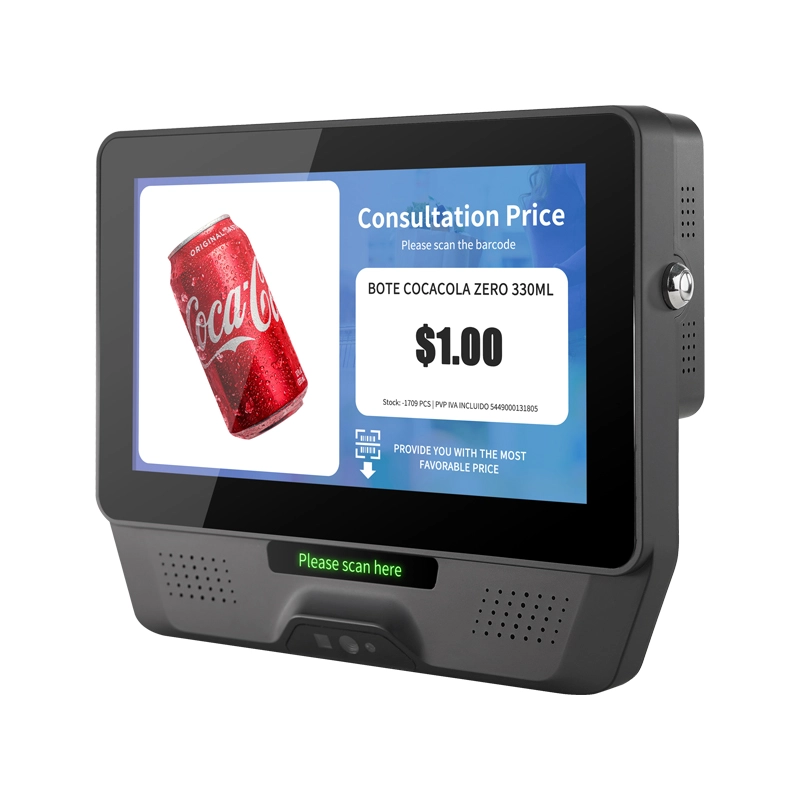
FAVORPOS 7 inch screen plastic price checker and custom check-in barcode scanner combines lightweight portability with reliable performance for retail and warehouse operations. Fast scanning, clear display, built to handle daily checkout demands.

FAVORPOS dual screen POS terminals deliver fast, reliable checkout performance for retail and hospitality businesses. Built by our commercial pos terminal manufacturer, these thin-profile systems streamline transactions while maximizing counter space—trusted by checkout pos systems factory operations worldwide.
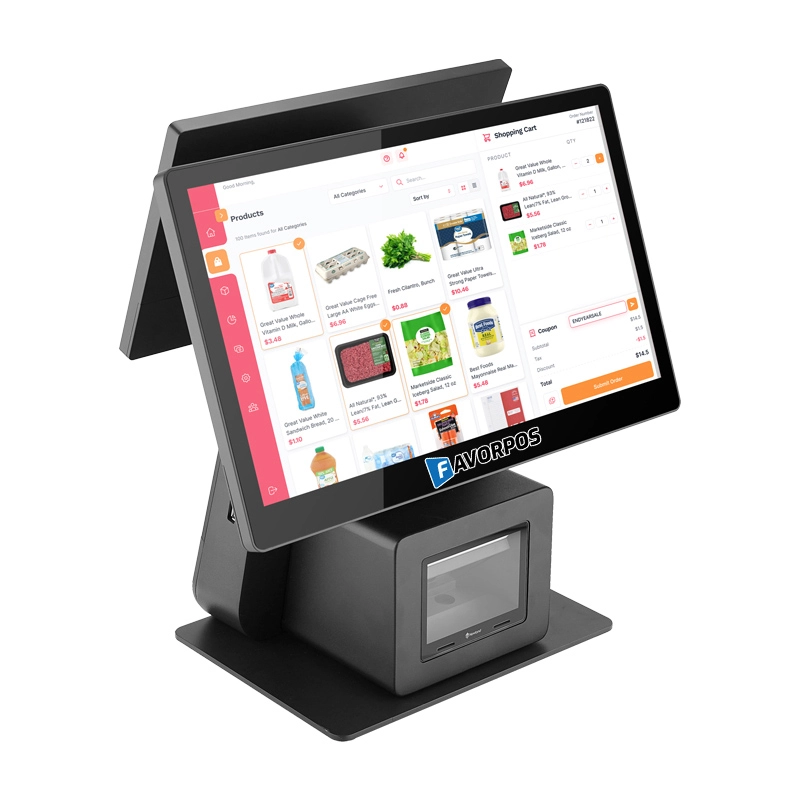
FAVORPOS: Your leading dual screen POS factory and manufacturer. Our desktop POS with barcode scanner offers 15.6/11.6 client screen options and OS flexibility. Get reliable, efficient dual screen POS with barcode scanner solutions directly from us.
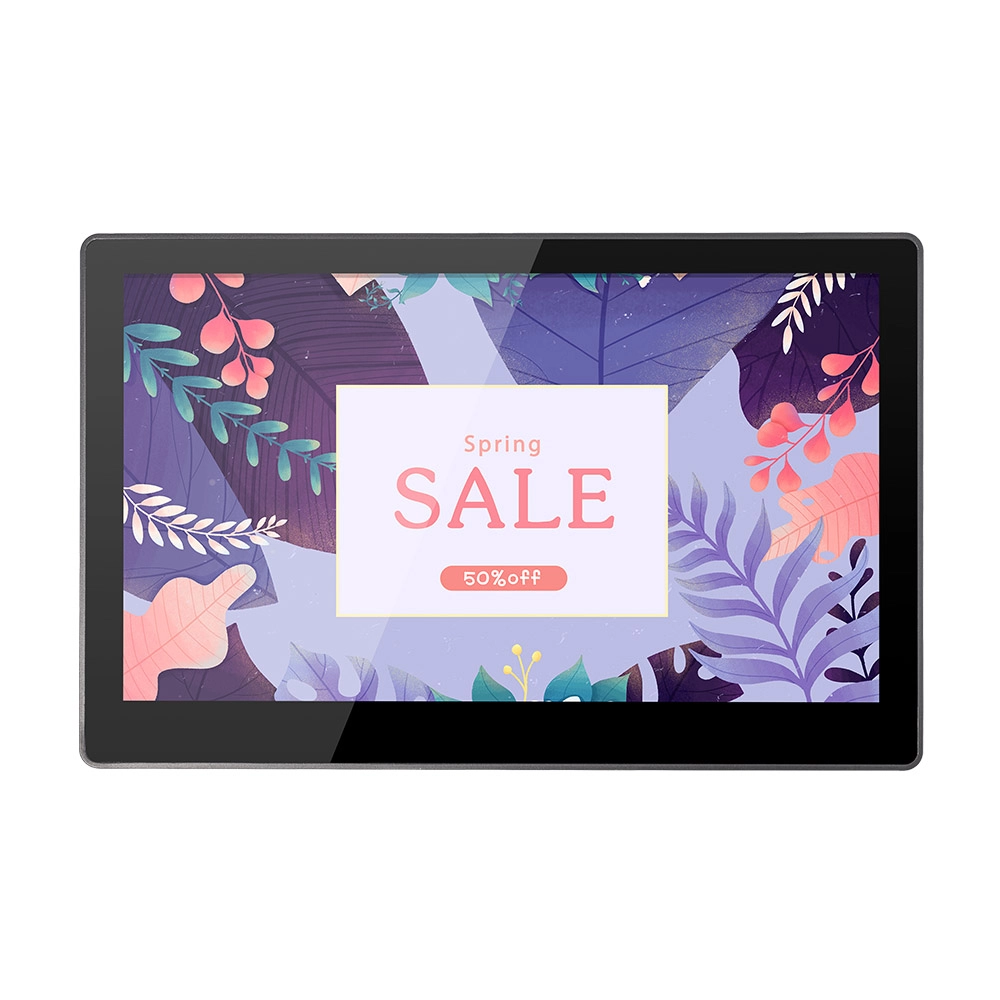
FAVORPOS 11.6-inch capacitive touchscreen, specifically designed for POS machines to deliver a seamless and responsive user experience. This high-definition display offers vibrant visuals and crystal clear clarity, making it easy for staff to navigate through transactions efficiently. The capacitive technology ensures quick and accurate touch recognition, reducing wait times and enhancing customer satisfaction. Built to withstand the rigors of daily use, this touchscreen is perfect for retail and hospitality environments.


Copyright © 2025 Favorpos All Rights Reserved.
