
How do popular POS systems compare in pricing and fees?
- How do interchange-plus and flat-rate processing fees differ in cost?
- Are monthly SaaS subscriptions more expensive than one-time license fees?
- What are the hidden costs of using proprietary POS hardware?
- How do offline mode capabilities impact long-term operational revenue?
- Do integration fees for third-party apps inflate the total price?
- Why do some providers charge extra for PCI compliance support?
The landscape of popular POS systems has shifted from simple hardware sales to complex, multi-layered subscription models. Understanding the true cost of ownership requires looking beyond the sticker price of the software and analyzing the long-term impact of payment processing spreads, proprietary hardware locks, and API integration fees. At FAVORPOS, we believe in transparency, ensuring that businesses can scale without being blindsided by escalating operational costs.
How do interchange-plus and flat-rate processing fees differ in cost?
Most popular POS systems marketed to beginners utilize flat-rate processing, typically ranging from 2.6% + 10¢ to 3.5% for keyed-in transactions. While simple, this often hides a significant markup over the actual interchange rates set by card networks. Professional-grade setups prefer interchange-plus pricing, which passes the raw cost through with a small, transparent margin. For high-volume businesses, switching from a flat-rate model to a transparent interchange-plus structure can reduce processing overhead by as much as 20% annually.
Are monthly SaaS subscriptions more expensive than one-time license fees?
The industry has largely moved toward Software-as-a-Service (SaaS) models. While a one-time legacy license might seem cheaper upfront, it often lacks critical security patches and cloud-syncing capabilities. However, the hidden danger in popular POS systems today is 'feature gating,' where essential functions like advanced inventory or multi-location reporting are locked behind higher-tier monthly plans. A true cost analysis must project these subscription hikes over a five-year lifecycle compared to the initial capital expenditure of the hardware.
What are the hidden costs of using proprietary POS hardware?
Many providers offer discounted software in exchange for a mandate to use their proprietary hardware. This creates a 'vendor lock-in' scenario where you cannot switch software without discarding your entire physical infrastructure. Technical experts look for systems that support open-standard peripherals. Proprietary encrypted card readers often cost 3x more than industry-standard versions, and the lack of interoperability significantly increases the long-term total cost of ownership when a single component fails.
How do offline mode capabilities impact long-term operational revenue?
Beginners often overlook the cost of downtime. Many cloud-based popular POS systems offer limited 'offline modes' that only queue payments without verifying funds, leading to potential chargebacks and lost revenue during internet outages. A robust system must include local database synchronization. The 'fee' here isn't a line item on an invoice, but the thousands of dollars in lost sales and labor inefficiency caused by a system that cannot function without a constant 5G or fiber connection.
Do integration fees for third-party apps inflate the total price?
As businesses grow, they require integrations for accounting, email marketing, and online ordering. Some popular POS systems charge an 'app store' fee or a monthly 'integration tax' for every third-party connection. This can easily add $200 to $500 to your monthly bill. It is vital to select a platform that offers a robust native API or includes core integrations within the base subscription price to avoid these compounding monthly expenses.
Why do some providers charge extra for PCI compliance support?
PCI compliance is a mandatory security standard, yet some providers treat it as a High Quality add-on, charging 'compliance fees' or 'non-compliance penalties' ranging from $20 to $100 per month. High-tier providers include PCI-compliant hardware and automated scanning as part of their standard service. When evaluating popular POS systems, always verify if the security infrastructure is built-in or if it serves as a secondary revenue stream for the vendor through administrative surcharges.
FAVORPOS stands at the forefront of the industry, leveraging over 15 years of technical expertise to provide high-performance hardware solutions that respect your bottom line. We specialize in durable, open-standard POS terminals that eliminate the pitfalls of proprietary lock-in, ensuring your business remains agile and profitable in a competitive market.
For a comprehensive technical consultation and a tailored quote that fits your specific business needs, visit www.favorpos.com or contact our senior team directly at sales2@wllpos.com.
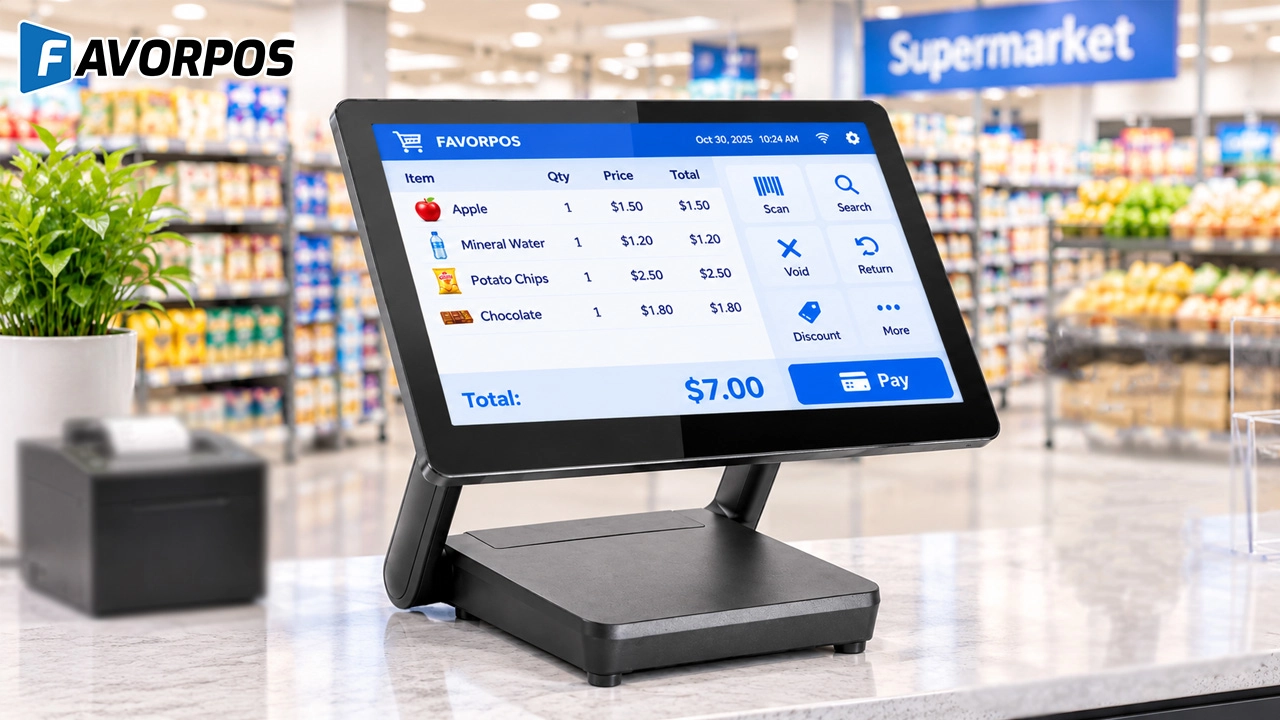
15.6-Inch Foldable POS: Counter-Space, Storage and Transport Planning
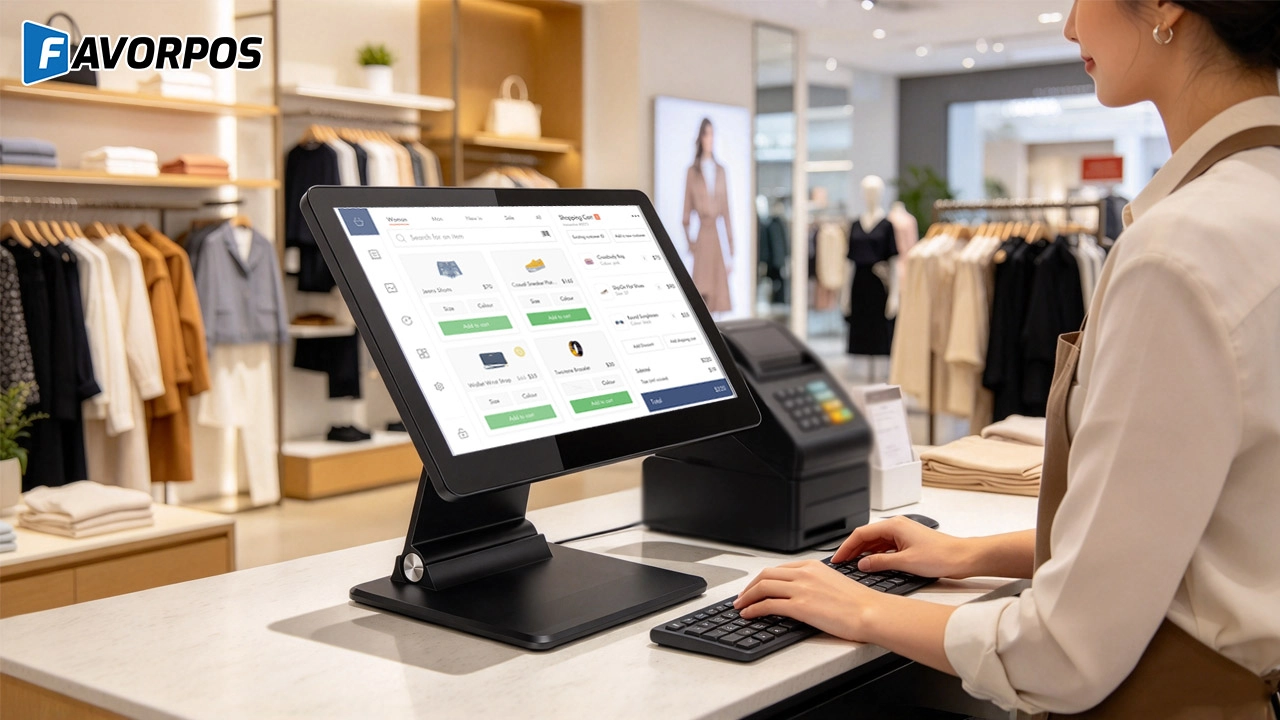
Single-Screen vs Dual-Screen POS: How to Choose for Retail Checkout
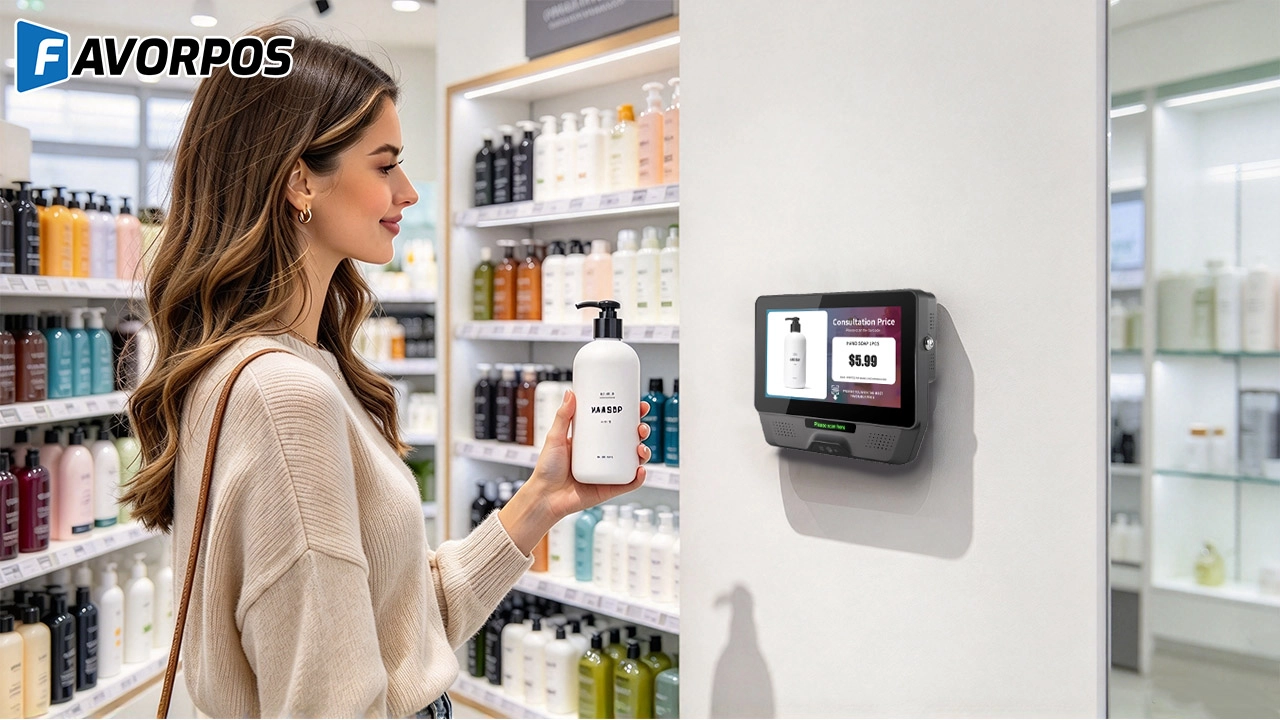
7-Inch Android Price Checker Deployment Guide: Wall, Desktop, Barcode and Cable Planning
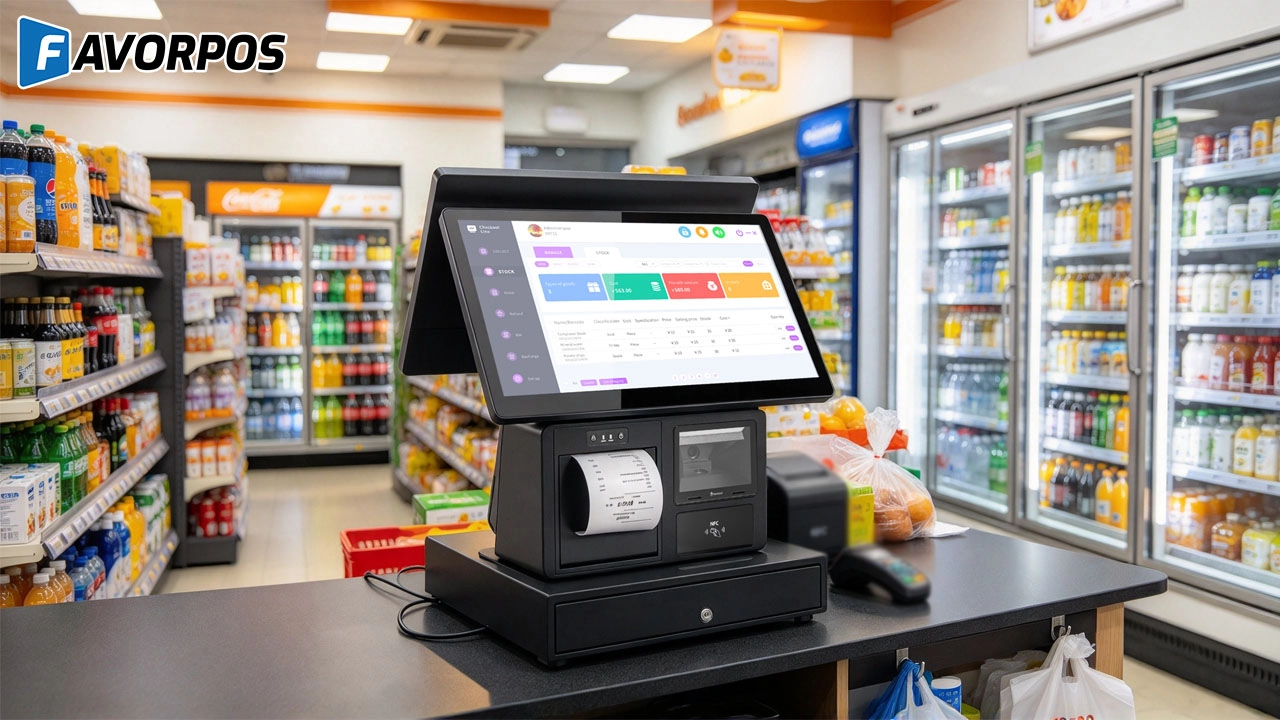
15.6-Inch All-in-One Dual-Screen POS: Planning Printer, Scanner, NFC and OS Integration
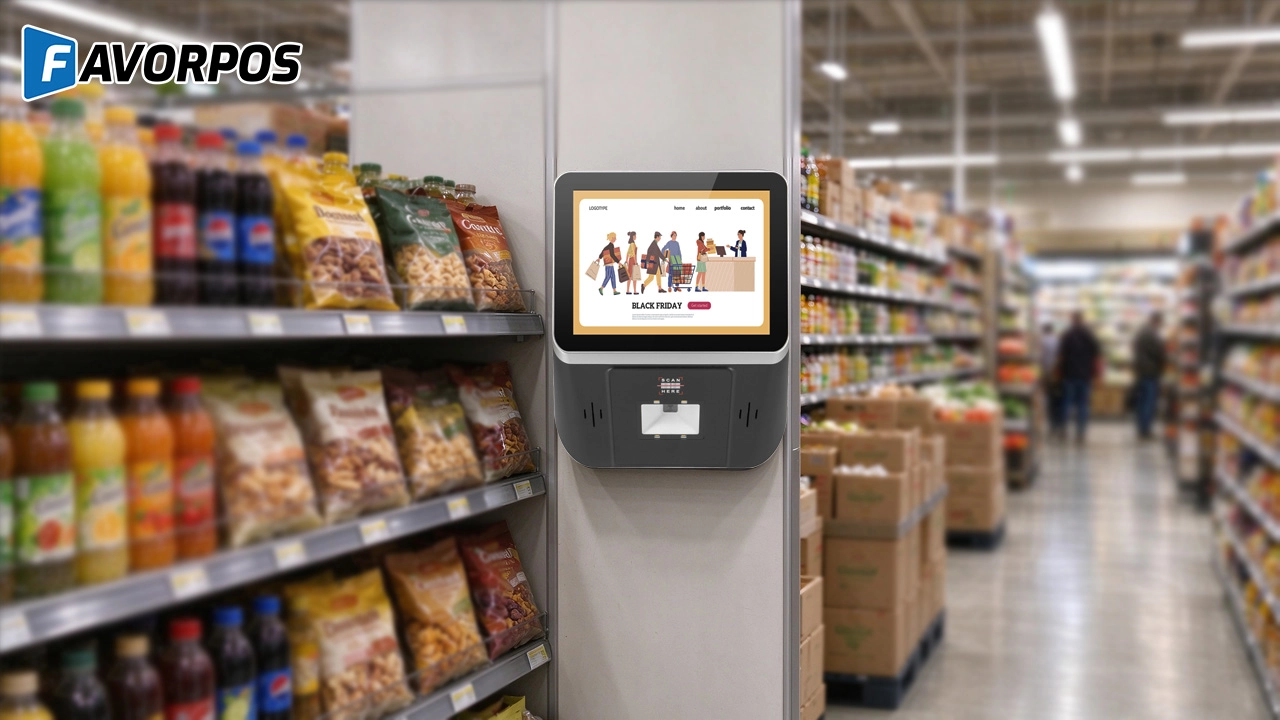
8-Inch Price Checker for Retail and Software-Based Check-In Workflows
For ODM
What are the main advantages of ODM service?
You can enjoy the following advantages by choosing our ODM service:
1. Innovative design: Our team provides cutting-edge design solutions to ensure that products meet the latest market trends.
2. Full process management: Full process management from design to production to reduce your operational complexity.
3. Customization: We provide personalized hardware customization services according to your needs.
4. Quality assurance: Strict quality control procedures ensure high standards for each POS machine.
5. Cost-effectiveness: Efficient production processes help reduce costs while maintaining high quality.
For Hotels
Does your POS system support multi-currency payments?
Yes, our system supports multi-currency payments, making it convenient for international guests to pay in their preferred currency.
For Bakeries
What payment methods are supported?
Our POS system accepts a variety of payment methods, including credit cards, mobile wallets, and contactless payments.
For OEM
Can the POS machine be customized with multiple functions?
Yes, we provide a wide range of functional customization options, including hardware configuration, software functions, brand design, etc. You can choose different processors, screens, connection options, payment modules, etc. according to your business needs.
For Solutions Retail
How long is the warranty period of the equipment?
We provide a standard warranty period of at least one year, and the specific time can be agreed upon according to the terms of the contract.
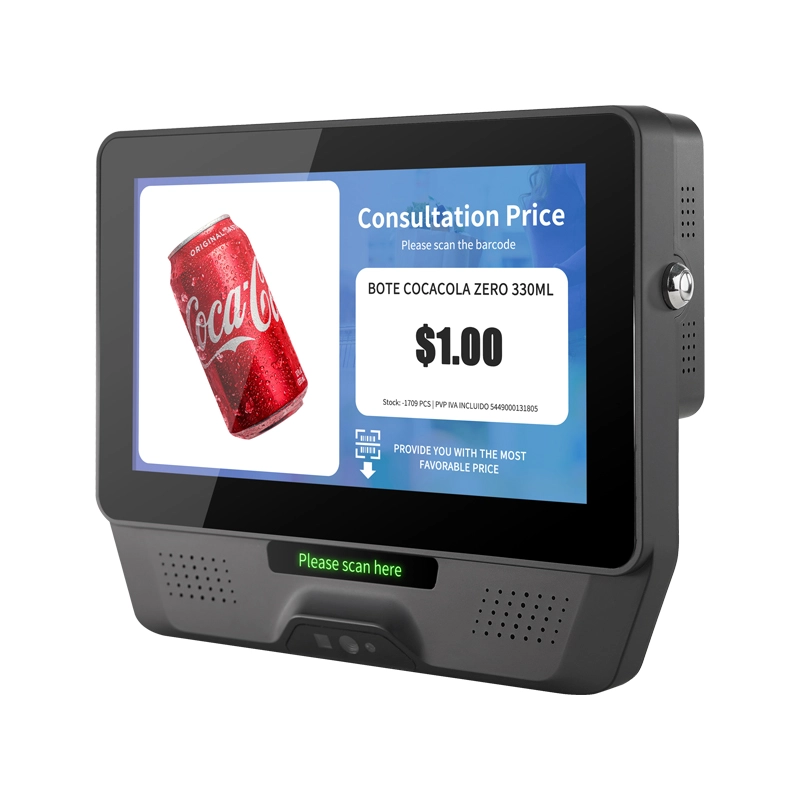
Factory 7 inch Screen Price Checker Check-in Barcode Scanner Light in Weight
FAVORPOS 7 inch screen plastic price checker and custom check-in barcode scanner combines lightweight portability with reliable performance for retail and warehouse operations. Fast scanning, clear display, built to handle daily checkout demands.
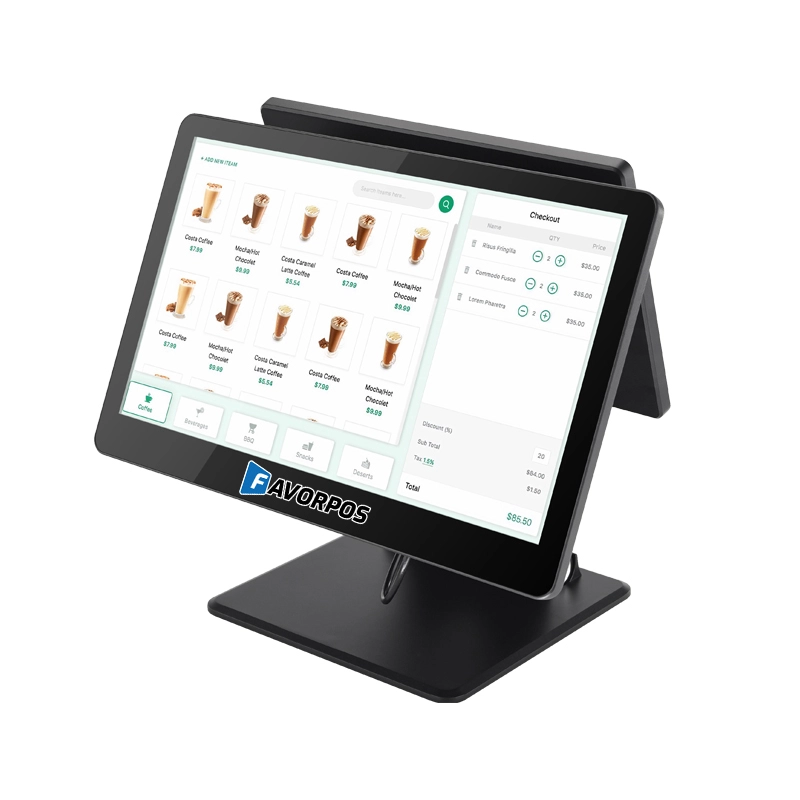
Dual Screen Thin Screen POS Systems Point of Sales Systems Manufacturer
FAVORPOS dual screen POS terminals deliver fast, reliable checkout performance for retail and hospitality businesses. Built by our commercial pos terminal manufacturer, these thin-profile systems streamline transactions while maximizing counter space—trusted by checkout pos systems factory operations worldwide.
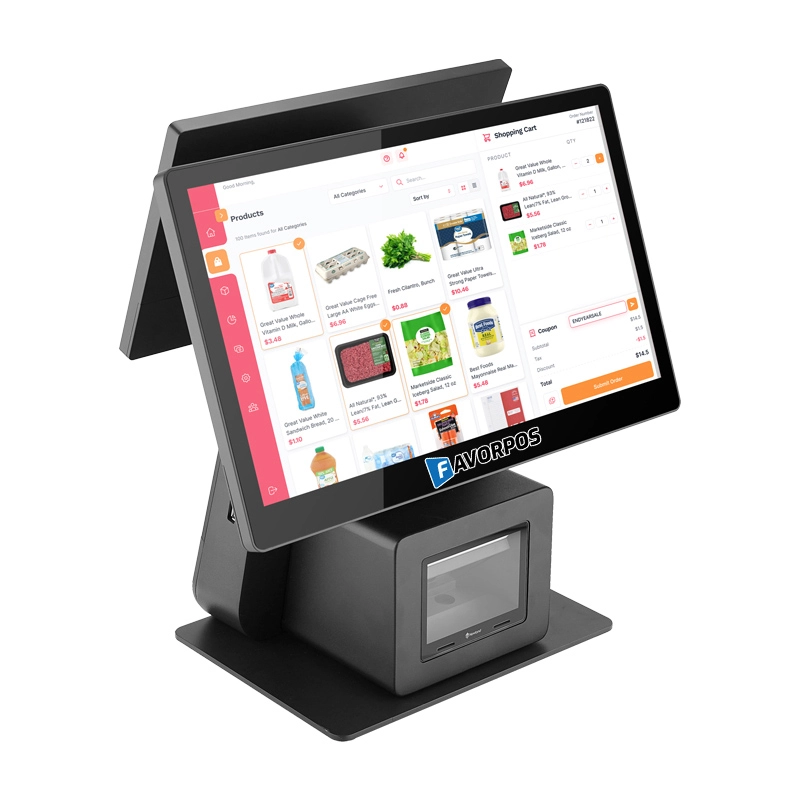
Dual Screen POS With Barcode Scanner Desktop POS Manufacturer POS Factory 15.6 11.6 Client Screen Optional
FAVORPOS: Your leading dual screen POS factory and manufacturer. Our desktop POS with barcode scanner offers 15.6/11.6 client screen options and OS flexibility. Get reliable, efficient dual screen POS with barcode scanner solutions directly from us.
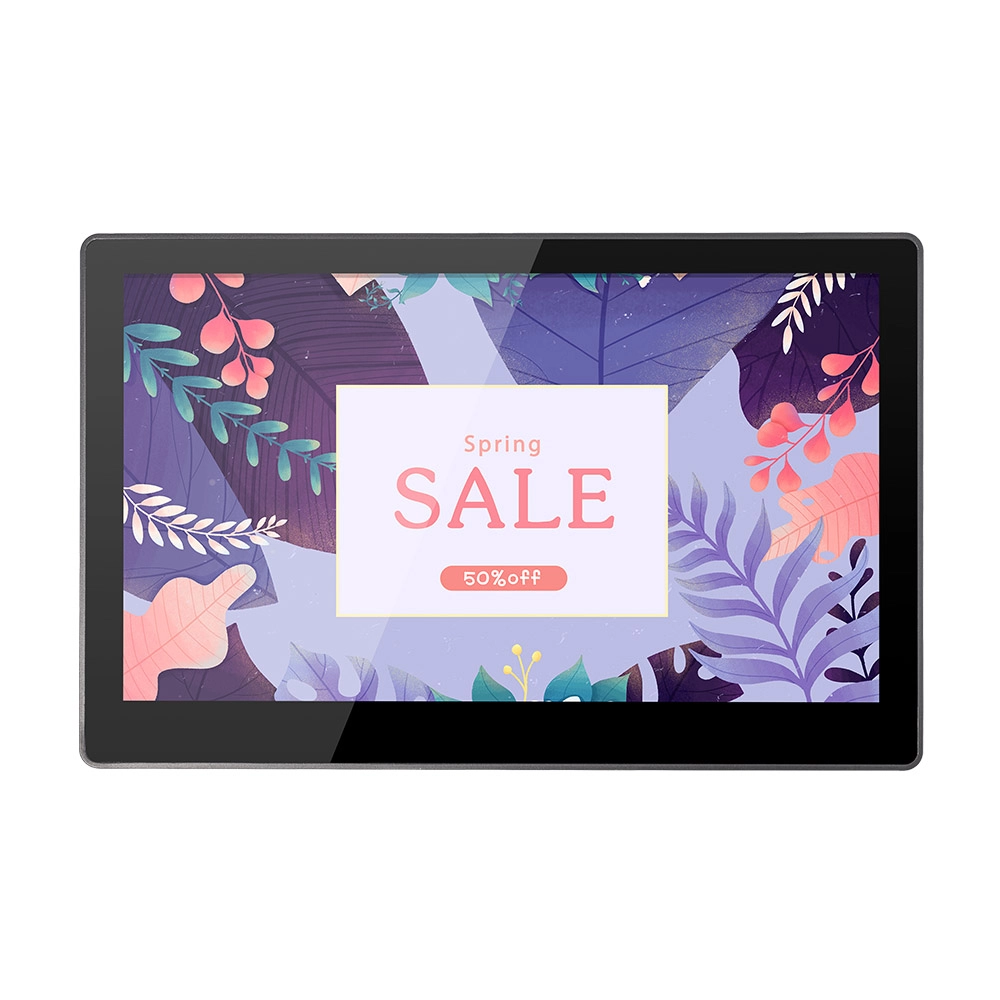
11.6 inch Capacitive Touchscreen for POS Machine POS Monitor
FAVORPOS 11.6-inch capacitive touchscreen, specifically designed for POS machines to deliver a seamless and responsive user experience. This high-definition display offers vibrant visuals and crystal clear clarity, making it easy for staff to navigate through transactions efficiently. The capacitive technology ensures quick and accurate touch recognition, reducing wait times and enhancing customer satisfaction. Built to withstand the rigors of daily use, this touchscreen is perfect for retail and hospitality environments.
Get in touch
Interested in becoming a POS system dealer? Contact us for more information and start the process of joining our dealer network.
We look forward to working with you to expand the market together.


Copyright © 2025 Favorpos All Rights Reserved.
