
Choosing Cloud vs On-Premise Gas Station POS
- Understanding the Core Architectures of Gas Station POS
- The Cloud-Based Paradigm: Agility and Accessibility
- On-Premise POS: Control and Customization
- Evaluating Key Factors: A Strategic Comparison for Gas Stations
- Cost Implications and ROI for Gas Station POS Systems
- Security, Data Management, and Compliance
- Scalability, Integration, and Future-Proofing
- Real-World Scenarios: Who Benefits Most from Each POS Type?
- Ideal Candidates for Cloud Gas Station POS
- When On-Premise Remains the Strong Choice
- Partnering with a Visionary in POS Solutions: FAVORPOS
- Conclusion: Making Your Informed Decision
- Frequently Asked Questions (FAQ) about Gas Station POS Systems
As a consultant deeply embedded in the world of POS systems, particularly within the dynamic landscape of fuel retail, I frequently encounter a pivotal question from gas station owners and operators: should I invest in a cloud-based or an on-premise POS solution? This isn't merely a technical choice; it's a strategic business decision that profoundly impacts every facet of your operation, from forecourt control and payment processing to inventory management and customer loyalty programs. My aim in this extensive guide is to cut through the jargon and provide you with actionable, expert insights to navigate this crucial decision. For any gas station looking to optimize its gas station POS systems, understanding the nuances of cloud versus on-premise is paramount for long-term success and profitability.
Understanding the Core Architectures of Gas Station POS
Before we delve into a direct comparison, it’s essential to grasp the fundamental differences between cloud and on-premise gas station POS systems. My experience has shown that a clear understanding of these architectures is the bedrock for making an informed decision that aligns with your business goals and operational realities.
The Cloud-Based Paradigm: Agility and Accessibility
Cloud-based gas station POS systems operate via the internet. The software and data are hosted on remote servers managed by the POS provider, not on your physical premises. This model offers unparalleled flexibility and remote access. Think of it like renting software as a service (SaaS), where you pay a recurring subscription fee to use the system. Your data, transactions, and inventory are all accessible from anywhere with an internet connection – whether you're at the station, at home, or on the go.
From a technical standpoint, cloud POS systems rely on robust internet connectivity for continuous operation. Providers often use a network of servers and data centers to ensure high availability and data redundancy. The security of your data is typically handled by the cloud provider, who invests heavily in cybersecurity measures, often far beyond what a single gas station could afford. Updates and maintenance are also managed remotely by the provider, meaning your system is always running on the latest software version with minimal disruption to your daily operations. This model is particularly appealing for gas station POS systems seeking agility and minimal IT overhead.
On-Premise POS: Control and Customization
On the other hand, an on-premise gas station POS system means the software is installed directly on your hardware, usually servers and terminals located within your gas station or convenience store. You own the software license and are responsible for managing the system, including data storage, backups, security, and maintenance. This model gives you complete control over your system and data, but it also comes with significant responsibilities.
With an on-premise setup, your initial investment is typically higher, as you're purchasing both the software license and the necessary hardware infrastructure. While it offers unparalleled customization options, allowing you to tailor the system precisely to your unique operational workflows, it also requires dedicated IT resources, whether in-house or outsourced, to manage and maintain the system. Data is stored locally, which can be a comfort for some owners, but it also means you bear the full responsibility for data security and disaster recovery protocols. For gas station POS systems where specific, proprietary integrations or unique hardware setups are critical, on-premise often provides the necessary autonomy.
Evaluating Key Factors: A Strategic Comparison for Gas Stations
When I consult with gas station owners, we meticulously evaluate several key factors to determine which POS architecture is the best fit. There’s no one-size-fits-all answer, and the ideal choice often depends on your specific business size, budget, operational complexity, and long-term vision.
Cost Implications and ROI for Gas Station POS Systems
Understanding the financial outlay is often the first step. The cost structures of cloud and on-premise systems differ significantly.
- Cloud POS: Typically involves lower upfront costs. You pay a recurring subscription fee (monthly or annually) that often includes software, updates, support, and data hosting. This shifts capital expenditure (CapEx) to operational expenditure (OpEx), which can be favorable for cash flow. However, over many years, the cumulative subscription fees can potentially exceed the initial cost of an on-premise system. My advice is to always look at the total cost of ownership (TCO) over a 5-10 year period.
- On-Premise POS: Requires a substantial upfront investment for software licenses, servers, networking hardware, and installation. While there are no ongoing subscription fees for the software itself, you will incur costs for hardware maintenance, software updates, security patches, and potential IT support. The initial capital outlay can be a barrier for smaller operations, but it can offer a better long-term ROI if managed effectively and amortized over its lifespan.
| Here’s a simplified breakdown to illustrate the difference: | Feature | Cloud Gas Station POS Systems | On-Premise Gas Station POS Systems |
|---|---|---|---|
| Initial Cost | Low (hardware only, subscription for software) | High (software license, servers, networking, hardware) | |
| Ongoing Costs | Monthly/annual subscription, internet, potential add-ons | Hardware maintenance, software updates, IT support, electricity | |
| IT Infrastructure | Minimal (terminals, network equipment) | ||
| Significant (servers, backups, network, dedicated space) | |||
| Maintenance | Handled by vendor (included in subscription) | Your responsibility (in-house or outsourced) | |
| Upgrades | Automatic, seamless (included in subscription) | Manual, scheduled, often incurs additional costs | |
| Scalability | Easy to scale up/down with subscription adjustments | Requires additional hardware/software investment and configuration | |
| Data Security | Managed by vendor (often enterprise-grade), shared responsibility | Your responsibility (requires expertise and investment) | |
| Accessibility | Anywhere, anytime with internet access | ||
| Primarily on-site, remote access requires additional setup | |||
| Payment Model | OpEx (operational expense) | CapEx (capital expense) |
Security, Data Management, and Compliance
This is a critical area, especially for gas station POS systems dealing with sensitive customer payment information and adhering to industry regulations like EMV compliance.
- Cloud POS: Security is a shared responsibility. The vendor is responsible for securing the cloud infrastructure, while you are responsible for securing your access credentials and local devices. Cloud providers typically employ advanced security measures, including encryption, firewalls, intrusion detection, and regular audits, often surpassing what individual businesses can implement. My experience has shown that reputable cloud providers for
gas station POS systemsinvest heavily in PCI DSS compliance and data protection, which is a significant advantage for merchants. However, reliance on internet connectivity means a robust and secure network at your station is still crucial. - On-Premise POS: You bear full responsibility for all security aspects. This includes securing your network, implementing firewalls, managing user access, performing regular data backups, and protecting against malware and physical breaches. While this offers maximum control, it demands a significant investment in IT security expertise and infrastructure. For businesses with highly sensitive proprietary data or unique compliance requirements, this level of control can be appealing, but it comes with a heavier burden of responsibility. According to industry reports, cyberattacks on small and medium businesses are on the rise, making robust on-premise security a complex and ongoing challenge. ((https://smallbiztrends.com/2023/10/small-business-cybersecurity-statistics.), general observation on SMB cybersecurity).
Scalability, Integration, and Future-Proofing
Your gas station POS system isn't just for today; it needs to adapt to tomorrow's challenges and opportunities.
- Cloud POS: Offers inherent scalability. As your business grows – adding new pumps, expanding your convenience store, or launching new loyalty programs – cloud systems can typically accommodate these changes by simply upgrading your subscription plan. Integration with third-party applications (accounting software, loyalty platforms, fuel management systems) is often simpler due to APIs and a more open architecture. This makes cloud solutions highly future-proof, as vendors continually update their platforms with new features and compliance requirements.
- On-Premise POS: Scaling an on-premise system often means purchasing additional hardware licenses, physical servers, and going through complex installation and configuration processes. While customization is a strength, integration with new technologies or third-party solutions can be more challenging and costly, requiring custom development or specialized IT expertise. Future-proofing an on-premise system demands proactive planning and significant investment in upgrades to keep pace with evolving industry standards and payment technologies like EMV and contactless payments.
Real-World Scenarios: Who Benefits Most from Each POS Type?
My extensive experience across various retail environments, including numerous gas station POS systems deployments, has given me a clear perspective on which solution aligns best with different business profiles.
Ideal Candidates for Cloud Gas Station POS
Cloud solutions are often the best fit for:
- Start-ups and Small to Medium-Sized Gas Stations: Those with limited upfront capital and IT resources. The lower initial cost and managed services reduce the burden of technology management, allowing owners to focus on operations.
- Multi-Site Operators: Businesses with multiple gas stations benefit immensely from centralized management, remote access, and standardized operations across all locations. My clients with several sites often leverage cloud
gas station POS systemsfor real-time inventory tracking, consolidated reporting, and consistent pricing across their entire network, enhancing efficiency and control. - Businesses Prioritizing Agility and Remote Management: Owners who need to monitor sales, manage inventory, or update pricing from anywhere. This is particularly valuable for hands-on owners who are not always physically present at the station. For example, a
Handheld POSdevice integrated with a cloud system allows for mobile inventory checks and sales on the forecourt. - Early Adopters of Technology: Those keen on leveraging the latest features, analytics, and integrations without manual updates. Cloud systems ensure you're always on the cutting edge of
gas station POS systemstechnology.
When On-Premise Remains the Strong Choice
Despite the rise of cloud, on-premise solutions still hold significant advantages for specific types of gas station POS systems:
- Large-Scale Operations with Complex, Proprietary Integrations: Gas stations or truck stops with highly specialized fuel management systems, unique loyalty programs, or deeply customized hardware that requires direct control over the software environment. For instance, integration with very specific back-office accounting systems or legacy forecourt controllers might be more robust with an on-premise setup.
- Businesses with Strict Data Sovereignty Requirements: While cloud security is robust, some businesses (or those in regions with specific data regulations) prefer to have their data physically located and managed within their own infrastructure for perceived greater control and compliance. This is less common for typical gas stations but can be a factor for large corporate entities.
- Locations with Unreliable Internet Connectivity: In areas where consistent and high-speed internet is a challenge, an on-premise system provides greater operational resilience. Transactions can still be processed even during internet outages, minimizing disruption to sales and payment processing.
- Companies with Existing IT Infrastructure and Expertise: Businesses that already have a dedicated IT team and existing server infrastructure may find the incremental cost and management of an on-premise
gas station POS systemmore efficient than transitioning to a new cloud model.
Partnering with a Visionary in POS Solutions: FAVORPOS
In my journey as a POS system consultant, I’ve had the privilege of working with various providers. I've seen firsthand how a truly dedicated partner can make all the difference. This is where a company like FAVORPOS stands out. FAVORPOS is a company that provides and develops advanced point of sale (POS) systems and solutions for businesses that are committed to using high-tech devices to drive success. Their current solutions include POS systems and peripherals, cash registers, handheld terminals and scanners, price checkers, thermal printers, and accessories for different market segments such as retail, catering, supermarkets, etc.
As a trusted company in the POS system industry, FAVORPOS provides OEM and ODM services to fully meet customer needs and optimize their business operations. This is a critical differentiator: their ability to customize and adapt solutions means they can cater to the specific demands of gas station POS systems, whether you lean towards a cloud-flexible setup or a robust on-premise infrastructure. They understand that one size does not fit all.
FAVORPOS is not just about selling hardware; it's about providing comprehensive solutions. Their long-term commitment to quality and industry development is evident in their product range, which directly addresses the needs I've discussed:
- Handheld POS: Perfectly complements cloud solutions, enabling mobile inventory management, line busting during peak hours, and even forecourt sales, significantly enhancing customer experience and operational fluidity for
gas station POS systems. - POS System: Their core POS systems are designed with the robustness needed for both cloud integration and stand-alone on-premise deployments, ensuring reliable transaction processing and data integrity.
- Price Checker: Essential for convenience store operations within a gas station, ensuring accurate pricing and customer satisfaction.
- Thermal Printer: Reliable, high-speed printing for receipts, critical for every transaction.
- Cash Drawer: Durable and secure, a fundamental component of any
gas station POS system.
With an outstanding dedication to quality and customers, FAVORPOS always strives to find the best solutions to support all businesses and improve their efficiency in this highly competitive field. Their vision to become the world's best manufacturer of Point of Sale (POS) systems and solutions speaks volumes about their commitment to innovation and customer success. Whether you're exploring the flexibility of cloud or the control of on-premise, FAVORPOS offers the foundational technology and expertise to build a POS solution that truly empowers your gas station business. Their website, (https://www.favorpos.com/), showcases their extensive range and commitment.
Conclusion: Making Your Informed Decision
The choice between cloud and on-premise gas station POS systems is a complex one, laden with implications for your budget, operational efficiency, security posture, and future growth. My professional judgment, drawn from years of consulting experience, is that while cloud solutions offer increasing appeal due to their agility and lower upfront costs, the best decision always hinges on a detailed assessment of your unique business needs, risk tolerance, and long-term strategic objectives.
Consider your internet reliability, your budget for IT infrastructure and support, your desired level of control over data, and your plans for expansion. Engage with reputable POS providers, like FAVORPOS, who can offer insights into both architectures and provide solutions tailored to your specific demands. By carefully weighing all these factors, you can confidently select a gas station POS system that not only meets your current needs but also positions your business for sustained success in a rapidly evolving market.
Frequently Asked Questions (FAQ) about Gas Station POS Systems
Q1: What are the main 'hidden' costs of cloud-based gas station POS systems?A1: While cloud POS has lower upfront costs, hidden costs can include recurring subscription fees that increase with additional features or users, high-speed internet costs, potential transaction fees, and the cost of integrations with existing legacy hardware like fuel pumps. Always clarify what's included in the subscription and what incurs extra charges.
Q2: How secure is my data if I choose a cloud POS for my gas station?A2: Reputable cloud POS providers invest heavily in enterprise-grade security measures (encryption, firewalls, regular audits, PCI DSS compliance) which are often more robust than what individual businesses can afford. However, your responsibility includes strong password policies, secure local network, and protecting your devices from malware. It’s a shared security model.
Q3: Can I integrate my existing fuel pumps and forecourt controllers with a new POS system, whether cloud or on-premise?A3: Yes, most modern gas station POS systems, both cloud and on-premise, are designed to integrate with a wide range of existing fuel dispensers and forecourt controllers. However, the ease and cost of integration can vary. It’s crucial to discuss your specific pump models and forecourt system with your POS provider during the evaluation phase to ensure compatibility and avoid unexpected expenses.
Q4: What happens if my internet goes down with a cloud-based gas station POS?A4: Many modern cloud POS systems for gas stations offer an 'offline mode' or 'store-and-forward' capability. This allows you to continue processing transactions (often only cash or pre-authorized card payments) locally during an internet outage. Once connectivity is restored, the stored transactions are synced with the cloud. Always verify this feature with your chosen provider.
Q5: How often do gas station POS systems need to be updated, and who is responsible for it?A5: Gas station POS systems require regular updates for security patches, feature enhancements, and compliance with evolving payment standards (e.g., EMV, contactless). For cloud systems, updates are typically automatic and managed by the provider. For on-premise systems, you (or your IT team/contractor) are responsible for scheduling and installing updates, which may incur additional costs and require downtime.
Ready to optimize your gas station operations?
Don't let the complexity of POS systems hold your business back. (https://www.favorpos.com/contact-us/) for a personalized consultation or to explore our advanced gas station POS systems and solutions, including Handheld POS, POS system, Price Checker, Thermal Printer, and Cash Drawer. Let us help you find the perfect system to drive your success. Visit our website at (https://www.favorpos.com/) to learn more!
FAVORPOS best professional pos cashier machine Manufacturers and supplier brand
OEM/ODM bluetooth receipt printer Manufacturers and Suppliers
OEM/ODM low cost thermal printer Manufacturers and Suppliers
What is pda data collector
For Bakeries
What payment methods are supported?
Our POS system accepts a variety of payment methods, including credit cards, mobile wallets, and contactless payments.
Can you run a loyalty program through the system?
Yes, our POS system supports loyalty and rewards programs, and you can offer incentives such as discounts, free items, etc. to returning customers.
For company
Are you a manufacturer?
Yes, we are a POS hardware manufacturer, based in Guangzhou, China.
How do you ensure product quality?
We follow stringent quality control processes, including multi-stage testing and compliance with international standards.
For Beauty and Wellness
Can your POS system handle both appointment scheduling and product sales?
Yes, our system can efficiently manage appointment scheduling, product sales and customer records to ensure the smooth operation of the beauty and health business.
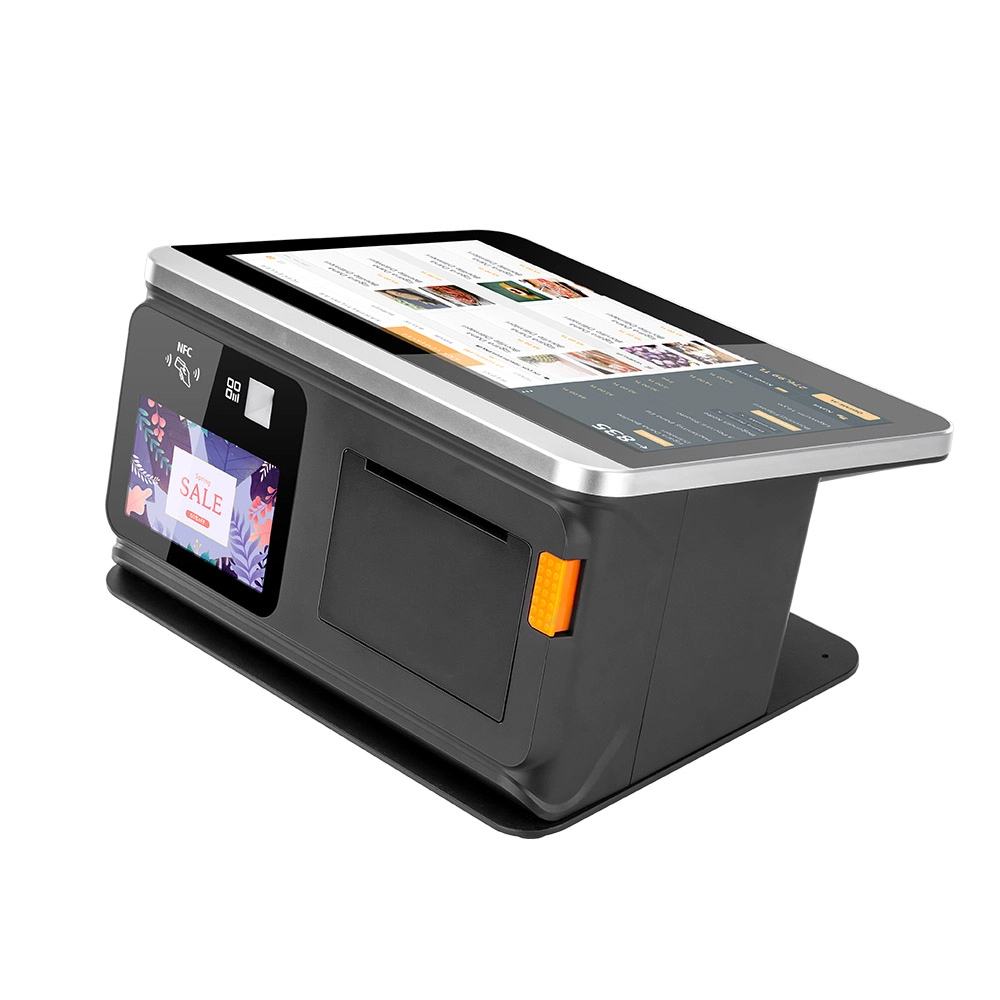
All in One POS Terminal Metal 11.6'' Touchscreen Android Windows with Printer
The All-in-One POS Terminal features an 11.6'' touchscreen display, compatible with both Android and Windows. This metal-constructed terminal combines durability with style, making it a perfect fit for any retail or hospitality environment. Equipped with a built-in printer, it streamlines transactions by allowing for instant receipt printing.
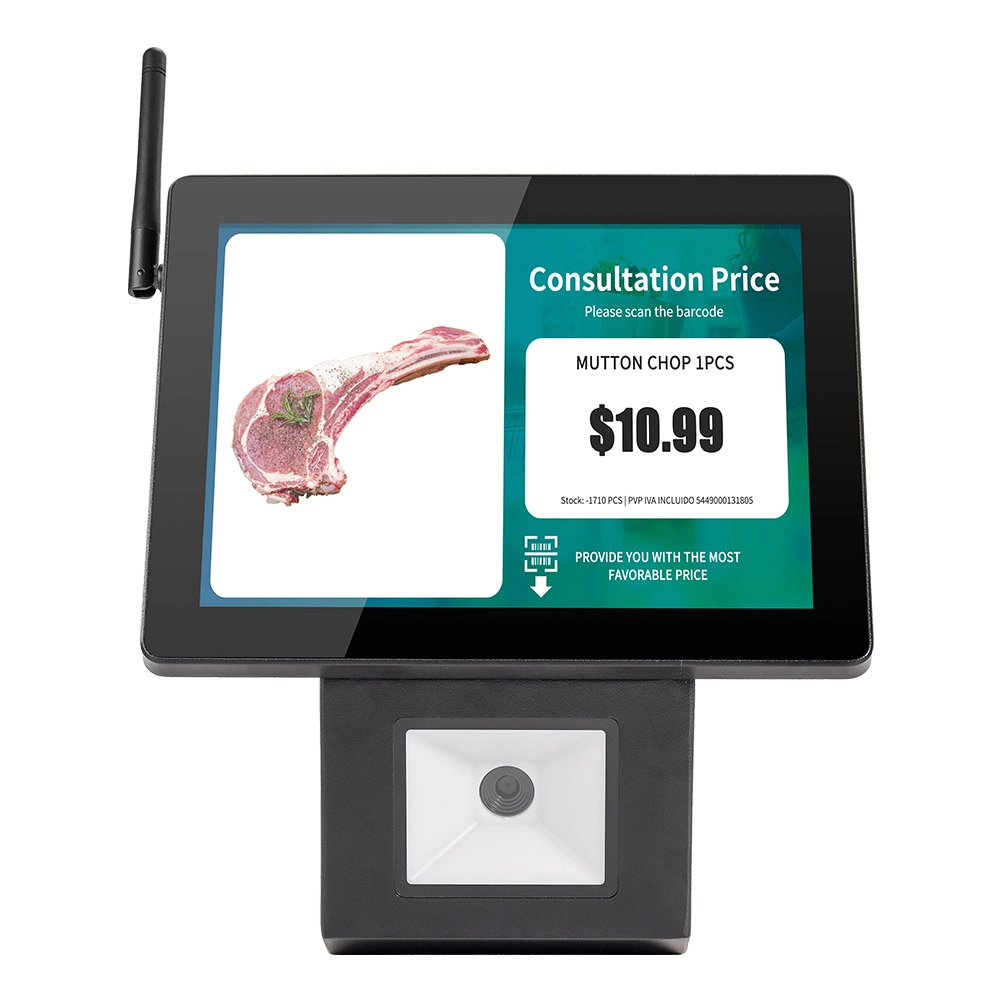
8 inch Touchscreen Price Checker Barcode Scanner Wifi Optional Android Win 10
FAVORPOS Touchscreen Price Checker offers a user-friendly interface, perfect for retail environments. With optional Wi-Fi connectivity, this device runs on Android or Windows, providing flexibility and ease of use. The integrated barcode scanner allows for quick price verification, enhancing the shopping experience for customers. Compact and efficient, it's designed to streamline operations and improve checkout speed.

Factory Fast Scan Barcode QR Code Scanner for Supermarket Price Check Device Manufacturer
FAVORPOS is a manufacturer specializing in Barcode/QR Code device. This new designed price check machine have thinner screen, more fashion appearance. 10.1 inch touch screen can bring convenience to customers. This machine can greatly improve the operational efficiency of a business environment.

New Dual Touch Screen Pos Factory Aluminum Adjustable Screen Pos Machine Manufacturer
This new-generation POS terminal features a durable aluminum alloy body and a flexible dual-screen design. The customer-facing secondary display can be adjusted vertically and horizontally to achieve the ideal viewing angle, with multiple screen size options available to meet different retail needs. Powered by either Windows or Android operating systems, the system offers strong compatibility with various POS software solutions. With its modern design, stable performance, and adaptable configuration, this POS machine is well suited for supermarkets, specialty retail stores, and other high-traffic commercial environments.


Copyright © 2025 Favorpos All Rights Reserved.
