
Cloud vs On-Premise Restaurant POS Systems List: Pros & Cons
- Understanding the Core: What Defines a Restaurant POS System?
- More Than Just a Cash Register: The Evolution of POS
- Key Features & Functionalities to Expect
- The Cloud Advantage: Benefits and Considerations for SaaS POS
- Accessibility, Scalability, and Lower Upfront Costs
- Data Security and Automatic Updates
- Potential Downsides: Internet Dependency and Customization Limits
- Embracing On-Premise: The Power and Pitfalls of Local POS
- Full Control and Data Ownership
- One-Time Cost and Offline Reliability
- Challenges: Maintenance, Upfront Cost, and Scalability
- Cloud vs On-Premise Restaurant POS Systems List: A Comparative Overview
- Making the Right Choice: Factors for Selecting Your Ideal Restaurant POS
- Budget, Infrastructure, and Operational Needs
- Future Growth and Integration Capabilities
- The Role of a Trusted Partner in Your POS Journey
- Frequently Asked Questions (FAQ)
- Q1: Is a cloud POS system truly secure for my restaurant's sensitive data?
- Q2: Can I still process payments if my internet goes down with a cloud POS?
- Q3: What's the typical upfront cost difference between cloud and on-premise systems?
- Q4: How easy is it to switch from an on-premise system to a cloud POS?
- Q5: Which type of POS is better for a multi-location restaurant chain?
In my years of consulting businesses on technology solutions, especially within the fast-paced hospitality sector, few decisions are as pivotal as selecting the right Point of Sale (POS) system. It's the central nervous system of your restaurant, managing everything from orders and payments to inventory and customer data. As an expert in SEO, , and a professional content creator specializing in POS systems, I've seen firsthand how the choice between cloud-based and on-premise solutions can profoundly impact a restaurant's operational efficiency, financial health, and future scalability. My goal here is to provide a detailed, unbiased, and experience-driven breakdown to help you navigate this complex landscape, ensuring your restaurant thrives in an increasingly competitive market.
The global POS market is dynamic, with cloud-based solutions rapidly gaining traction due as per industry reports, but on-premise systems continue to hold significant appeal for specific operational models. This article isn't just a 'restaurant pos systems list' of features; it's a deep dive into the pros and cons, designed to address your real-world challenges and empower you with actionable insights. Let's explore the fundamental differences and what they mean for your business.
Understanding the Core: What Defines a Restaurant POS System?
Before we dissect the 'cloud vs. on-premise' debate, it's crucial to establish a common understanding of what a modern restaurant POS system entails. Beyond simply processing transactions, today's POS solutions are integrated platforms that streamline virtually every aspect of restaurant operations. My experience shows that the best restaurant POS systems are comprehensive tools designed to boost efficiency and profitability.
More Than Just a Cash Register: The Evolution of POS
Gone are the days when a POS was merely a cash register. Modern systems are sophisticated software and hardware combinations that manage sales, track inventory, handle employee scheduling, integrate with kitchen display systems (KDS), manage customer loyalty programs, and generate invaluable business reports. They are the cornerstone of an efficient restaurant, providing real-time data that empowers owners and managers to make informed decisions. According to Wikipedia's definition of Point of Sale, it's where a retail transaction is completed, but for restaurants, it's so much more – it's an operational hub.
Key Features & Functionalities to Expect
When evaluating any restaurant POS systems list, certain core functionalities should always be present. These include intuitive order entry, payment processing (credit card, mobile, cash), table management, menu customization, inventory management with real-time tracking, employee management (time clock, payroll integration), robust reporting and analytics, and CRM capabilities. The depth and sophistication of these features will vary, but their presence is non-negotiable for effective restaurant operations. From fine dining to quick-service restaurants (QSRs), these elements form the backbone of efficient service.
The Cloud Advantage: Benefits and Considerations for SaaS POS
Cloud-based POS systems, often referred to as Software-as-a-Service (SaaS) solutions, have revolutionized the restaurant industry. They operate by storing data and running software on remote servers accessible via the internet. This model has gained immense popularity due to its flexibility and scalability, making it a prominent entry on any modern restaurant POS systems list.
Accessibility, Scalability, and Lower Upfront Costs
One of the most compelling advantages of cloud POS is its accessibility. You can manage your restaurant from anywhere, anytime, using any internet-enabled device. This means checking sales reports from home, updating menus on the fly, or even taking orders on a handheld device during peak hours. This level of flexibility is invaluable for multi-location businesses or owners who need to stay connected while off-site. Cloud POS also shines in scalability; as your business grows, you can easily add more terminals, locations, or features without significant hardware investment. The subscription-based model typically involves lower upfront costs, making it attractive for startups and small businesses. Instead of a hefty capital expenditure, you pay a predictable monthly or annual fee, turning a large investment into a manageable operational expense.
Data Security and Automatic Updates
While some initially express concerns about data security in the cloud, reputable cloud POS providers invest heavily in robust security measures. They employ encryption, regular backups, and compliance with industry standards (like PCI DSS for payment processing) that often surpass what individual restaurants could implement on their own. Moreover, cloud systems benefit from automatic software updates. This means your system is always running the latest version, with new features, bug fixes, and security patches applied seamlessly without any effort or downtime on your part. This ensures your restaurant POS systems list of features is always current and secure.
Potential Downsides: Internet Dependency and Customization Limits
Despite their numerous benefits, cloud POS systems do come with considerations. The most significant is internet dependency. A reliable internet connection is paramount; without it, your POS system might cease to function, potentially disrupting service. While many modern cloud solutions offer an 'offline mode' to mitigate this risk, it's still a critical factor to assess. Another point to consider is customization. While cloud platforms are highly configurable, they might offer less deep-level customization compared to some on-premise systems, especially for highly niche or proprietary operational workflows. You're often working within the framework provided by the vendor, which can be a limitation for businesses requiring highly specialized functionalities.
Embracing On-Premise: The Power and Pitfalls of Local POS
On-premise POS systems, also known as traditional or legacy systems, involve software and data stored directly on hardware servers located within your restaurant. While the industry trends lean towards cloud, on-premise solutions continue to be a strong contender for specific types of restaurants, warranting a closer look in any comprehensive restaurant POS systems list.
Full Control and Data Ownership
One of the primary reasons businesses opt for on-premise POS is the unparalleled level of control. The software and data reside entirely within your premises, giving you complete ownership and direct access. This can be particularly appealing for restaurants with stringent data privacy policies or those operating in areas with unreliable internet infrastructure. You manage the server, the data, and the software, offering a sense of autonomy that cloud solutions cannot fully replicate. This control extends to customization; on-premise systems often allow for deeper integration with other local systems and more tailored modifications to suit very specific, unique operational requirements.
One-Time Cost and Offline Reliability
From a financial perspective, on-premise systems typically involve a higher upfront capital expenditure for hardware and software licenses. However, once purchased, you own the system, potentially eliminating recurring subscription fees. This can lead to lower long-term costs for businesses that plan to use the system for many years without frequent upgrades. Another significant advantage is offline reliability. Since the system operates locally, it is less susceptible to internet outages. Even if your internet goes down, your POS can continue to process orders and payments (though credit card processing might be delayed until connectivity is restored), ensuring minimal disruption to service.
Challenges: Maintenance, Upfront Cost, and Scalability
The control and ownership of on-premise systems come with responsibilities. You are accountable for all maintenance, updates, and troubleshooting. This often requires dedicated IT staff or a reliance on third-party IT support, adding to operational costs. The initial investment can be substantial, encompassing server hardware, software licenses, installation, and training. Scaling an on-premise system can also be more complex and costly. Adding new terminals or locations typically requires purchasing additional hardware and licenses, and extending the system's capabilities often involves manual software upgrades, which can be time-consuming and disruptive. For a detailed comparison of general computing models, Wikipedia's article on Cloud computing vs. on-premises software provides excellent context.
Cloud vs On-Premise Restaurant POS Systems List: A Comparative Overview
To help visualize the distinctions, I’ve compiled a comparative table summarizing the key pros and cons of cloud vs. on-premise restaurant POS systems. This will serve as a quick-reference 'restaurant pos systems list' for crucial decision-making points.
| Feature | Cloud-Based POS | On-Premise POS |
|---|---|---|
| Cost Structure | Lower upfront costs (subscription fees), predictable monthly/annual expenses. | Higher upfront capital expenditure (hardware, software licenses), potentially lower long-term costs without recurring fees. |
| Accessibility | Anywhere, anytime, on any device with internet access. Remote management. | Limited to local network, typically on-site access only. |
| Data Storage | Securely stored on remote servers by the vendor. | Stored locally on your own servers within the restaurant. |
| Updates & Maintenance | Automatic, seamless updates by vendor. Vendor handles maintenance. | Manual updates, typically requiring IT staff or third-party support. Restaurant is responsible for maintenance. |
| Internet Dependency | Requires reliable internet (though many offer offline mode). | Functions largely offline, less susceptible to internet outages for core operations. |
| Security | Managed by vendor with advanced infrastructure, often PCI compliant. | Restaurant's responsibility; requires internal security measures and expertise. |
| Scalability | Easily scalable, add users/locations/features with subscription adjustments. | Can be complex and costly to scale, often requires additional hardware/licenses. |
| Customization | Highly configurable, but within vendor's framework. | Potentially deeper customization for highly specific needs, if supported by vendor/IT. |
| Data Ownership | Data typically remains yours, but hosted by vendor. | Full control and ownership of your data on your servers. |
Making the Right Choice: Factors for Selecting Your Ideal Restaurant POS
The decision between cloud and on-premise isn't one-size-fits-all. It hinges on your specific business needs, operational model, budget, and long-term vision. As a POS system consultant, I always advise clients to consider these critical factors:
Budget, Infrastructure, and Operational Needs
Your budget is often the first filter. Are you prepared for a significant upfront capital expenditure for an on-premise system, or do you prefer the predictable monthly operational expense of a cloud solution? Beyond direct costs, consider ongoing expenses for IT support (for on-premise) versus subscription fees (for cloud). Your existing infrastructure also plays a role. Do you have a robust, reliable internet connection? Do you have the internal IT expertise to manage servers and software, or would you rather offload that responsibility? Finally, your operational needs dictate many choices. Do you run a single, small café, or a multi-location restaurant chain? Do you require highly specialized features, or will off-the-shelf functionality suffice? For instance, a small food truck might prioritize a Handheld POS that’s inherently cloud-based for mobility, while a large, established restaurant might favor the control of an on-premise system.
Future Growth and Integration Capabilities
Consider your business's future. If you plan to expand rapidly, open multiple locations, or frequently update your menu and services, a scalable cloud system might be more agile. If you anticipate minimal growth and value stability and control, on-premise could be suitable. Integration capabilities are also paramount. Will your POS need to seamlessly connect with other systems like accounting software, online ordering platforms, loyalty programs, or third-party delivery services? Many cloud solutions offer extensive API integrations, making it easier to build a comprehensive tech stack. On-premise systems might require custom development for similar integrations, adding complexity and cost.
The Role of a Trusted Partner in Your POS Journey
No matter which direction you lean, the expertise and reliability of your POS provider are critical. In my experience, working with a partner who understands the intricacies of the restaurant industry and can offer flexible, high-tech solutions is paramount. This is where companies like FAVORPOS truly shine. FAVORPOS is a company that provides and develops advanced point of sale (POS) systems and solutions for businesses that are committed to using high-tech devices to drive success. Our current solutions include POS systems and peripherals, cash registers, handheld terminals and scanners, price checkers, thermal printers, and accessories for different market segments such as retail, catering, supermarkets, etc.
As a trusted company in the POS system industry, FAVORPOS provides OEM and ODM services to fully meet customer needs and optimize their business operations. This commitment to customization and adaptability is a significant differentiator. We have a long-term commitment to quality and industry development, which means businesses get not just a product, but a solution backed by deep expertise. With an outstanding dedication to quality and customers, FAVORPOS always strives to find the best solutions to support all businesses and improve their efficiency in this highly competitive field. Our vision is to become the world's best manufacturer of Point of Sale (POS) systems and solutions. Whether you're considering a cloud-integrated Handheld POS for mobility, a robust POS system for your main counter, or specialized peripherals like a Price Checker, Thermal Printer, or a reliable Cash Drawer, FAVORPOS offers the technology and support to optimize your operations. Visit https://www.favorpos.com/ to learn more about how our advanced solutions can drive your success.
The choice between cloud and on-premise POS for your restaurant is significant, but it doesn't have to be daunting. By carefully weighing the pros and cons against your unique business context, you can make a strategic decision that supports your current needs and future ambitions. Remember, the right POS system is an investment in your restaurant's efficiency, customer satisfaction, and long-term success.
Frequently Asked Questions (FAQ)
Q1: Is a cloud POS system truly secure for my restaurant's sensitive data?
A1: Yes, reputable cloud POS providers invest heavily in security measures, including advanced encryption, regular data backups, and adherence to industry standards like PCI DSS. In many cases, their security infrastructure is more robust than what an individual restaurant could afford or manage on its own. Always verify a vendor's security protocols and certifications.
Q2: Can I still process payments if my internet goes down with a cloud POS?
A2: Many modern cloud POS systems offer an offline mode feature. While in offline mode, you can typically continue to take orders and process cash payments. Credit card transactions might be queued and processed automatically once internet connectivity is restored. It's crucial to confirm this functionality with your chosen provider.
Q3: What's the typical upfront cost difference between cloud and on-premise systems?
A3: On-premise systems generally have a higher upfront cost, involving the purchase of hardware (servers, terminals) and software licenses. Cloud systems typically have lower or no upfront hardware costs (you might use your own tablets/computers) and a recurring subscription fee, making the initial investment significantly lower.
Q4: How easy is it to switch from an on-premise system to a cloud POS?
A4: Switching typically involves migrating your existing data (menus, customer information, inventory) from your on-premise system to the new cloud platform. While possible, it requires careful planning and execution, often with the help of the new POS provider's support team. It can take time and may involve some operational adjustments.
Q5: Which type of POS is better for a multi-location restaurant chain?
A5: For multi-location restaurant chains, cloud-based POS systems are generally more advantageous. Their inherent scalability, centralized data management, remote accessibility for reporting across all locations, and easier deployment of updates make them ideal for managing multiple outlets efficiently. On-premise systems would require separate infrastructure for each location, leading to higher complexity and cost.
Ready to optimize your restaurant operations with cutting-edge POS technology? Contact FAVORPOS today for a consultation or explore our range of advanced POS systems and solutions, including Handheld POS, POS systems, Price Checkers, Thermal Printers, and Cash Drawers, designed to drive your business success.
Increase Restaurant Revenue: POS Features That Drive Sales
How to Choose Right handheld pos device manufacturer and supplier in Europe?
Wholesale barcode scanner supplier manufacturer and supplier
Custom thermal label printer Manufacturers and Suppliers in Germany
For Entertainment & Events
Does your POS system support seat selection for events?
Of course, our system includes interactive seating maps, allowing customers to select seats in advance, making event management more organized.
For OEM
How do we start customizing POS machines?
To start customizing POS machines, please first contact our sales team with your needs and specifications. We will arrange a detailed consultation to understand your specific requirements and provide a design plan and quotation.
What is the minimum order quantity for customizing POS machines?
The minimum order quantity (MOQ) usually depends on the specific customization requirements and production scale. We recommend that you contact our sales representative to discuss your project requirements so that we can provide the most suitable production plan and MOQ.
For Beauty and Wellness
What payment methods does the system support?
Our system supports a variety of payment methods, including credit cards, digital wallets and contactless payments, providing customers with a convenient payment experience.
For Hotels
What types of reports can I generate through your POS system?
You can generate detailed real-time reports on sales, guest spending patterns, department performance, and more.
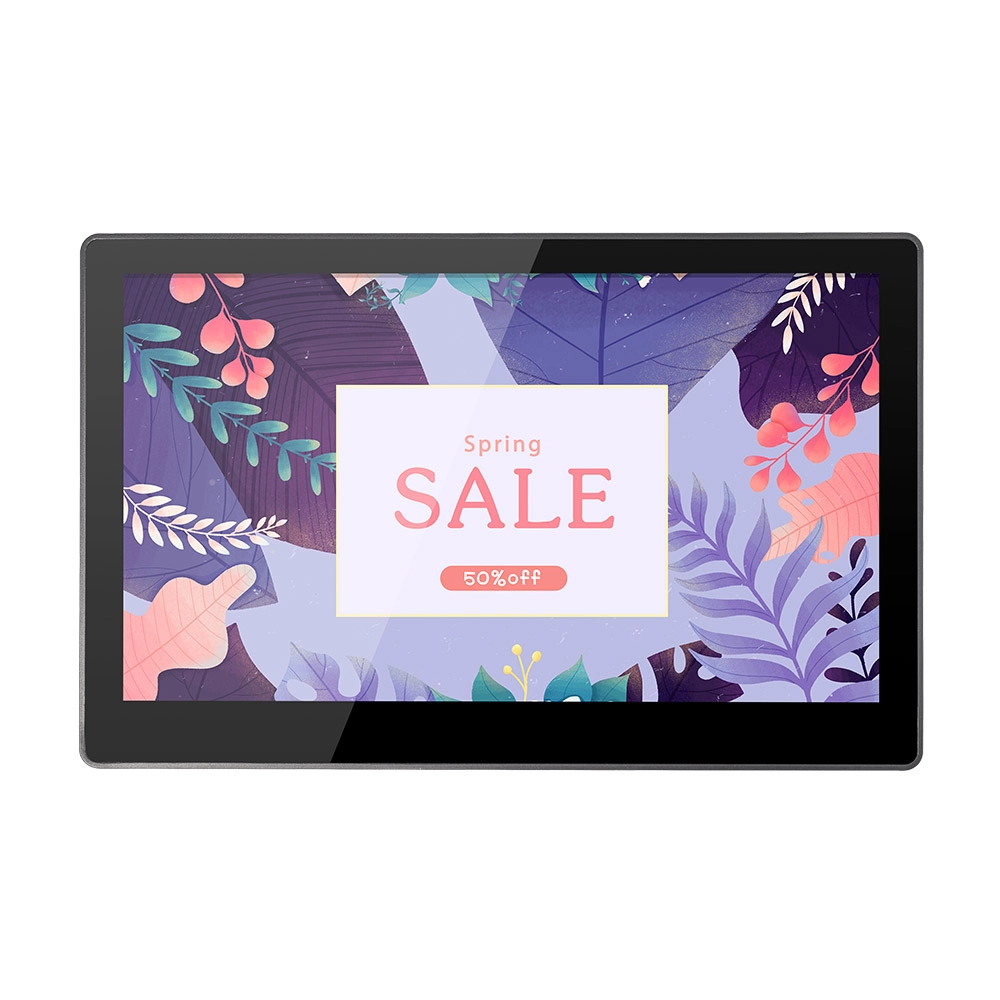
11.6 inch Capacitive Touchscreen for POS Machine POS Monitor
FAVORPOS 11.6-inch capacitive touchscreen, specifically designed for POS machines to deliver a seamless and responsive user experience. This high-definition display offers vibrant visuals and crystal clear clarity, making it easy for staff to navigate through transactions efficiently. The capacitive technology ensures quick and accurate touch recognition, reducing wait times and enhancing customer satisfaction. Built to withstand the rigors of daily use, this touchscreen is perfect for retail and hospitality environments.
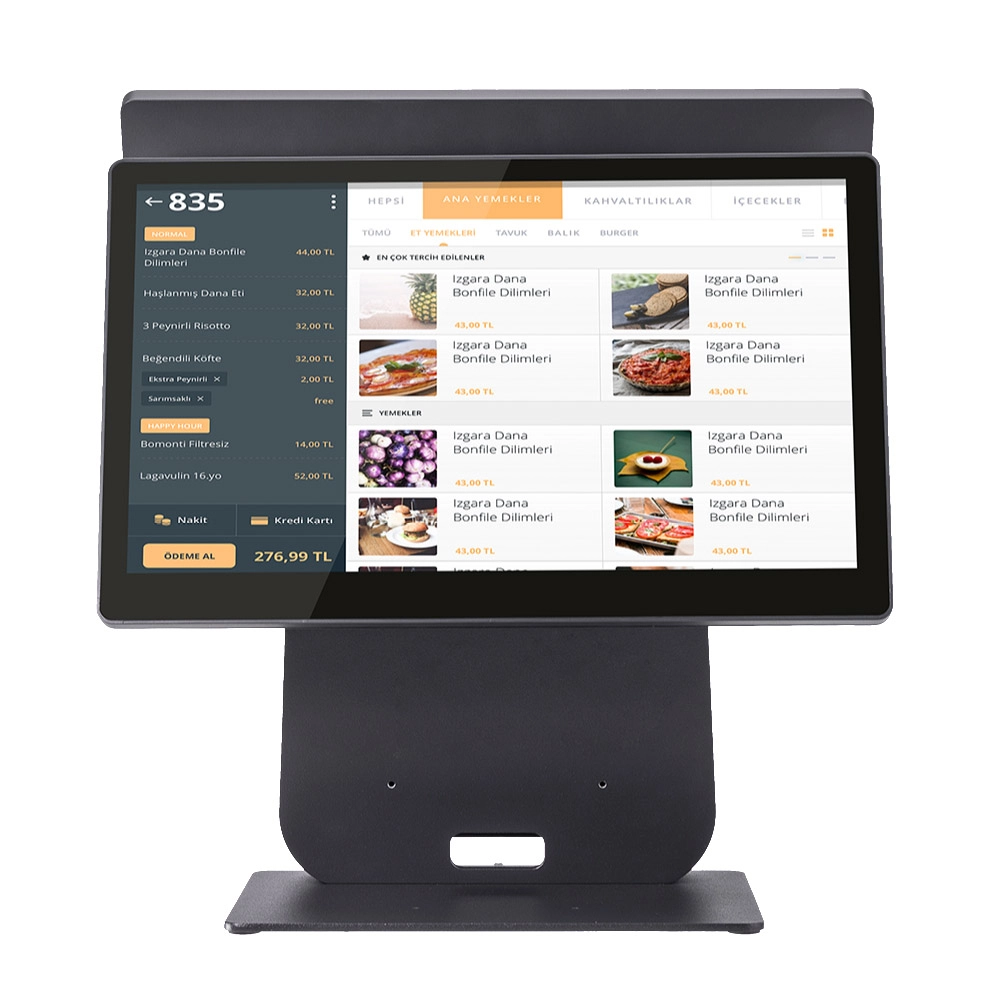
HD Dual Screen POS Machine Aluminum Hardware Android Windows Supplier
This dual-screen POS machine supports both Android and Windows systems, providing flexibility for various applications. The dual screens enhance customer interaction and streamline the checkout process, making transactions quicker and more engaging. Perfect for modern businesses looking to elevate their service and improve customer satisfaction, this POS machine is your ultimate partner in success!
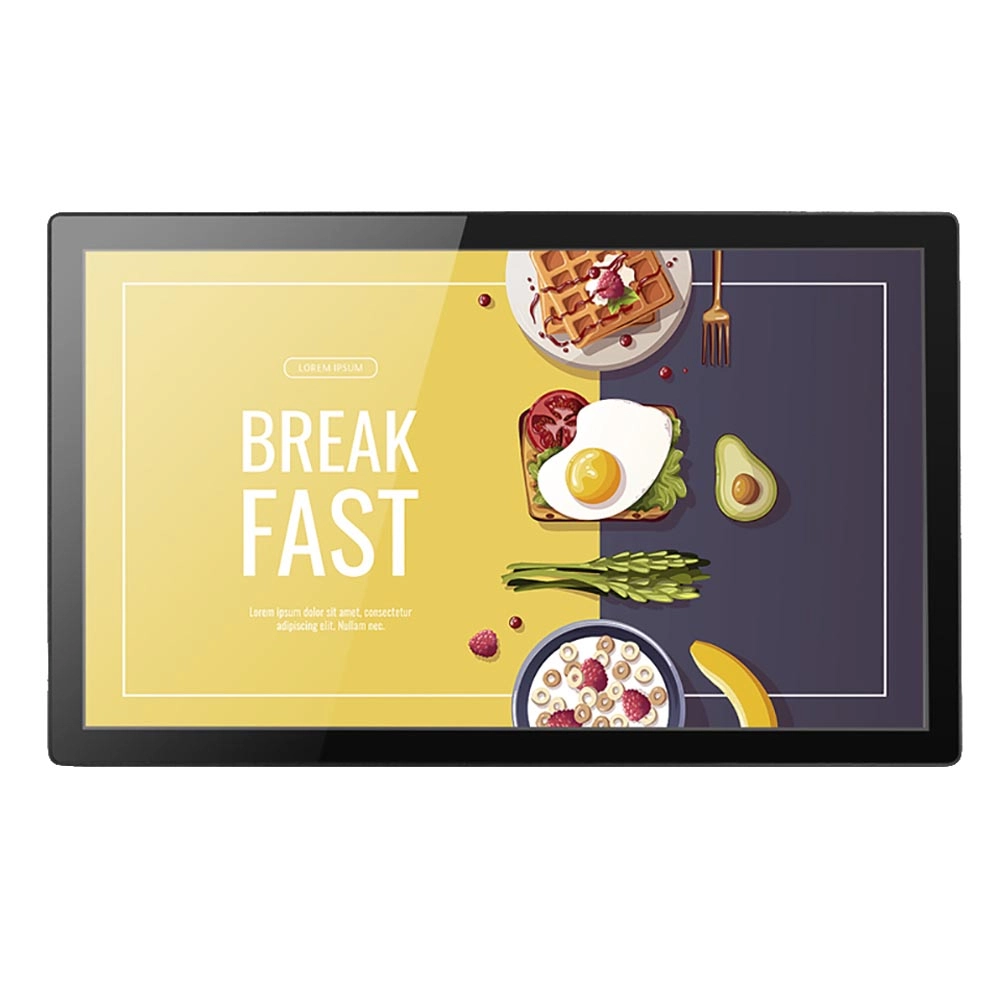
Wall Mount Cash Register POS 21.5 inch for Supermarket Touchscreen Windows Factory
Our sleek and modern wall-mounted POS system features a stunning 21.5-inch LED display, providing exceptional visibility and clarity for seamless customer interactions. The capacitive touchscreen ensures a highly responsive and intuitive user experience, perfect for fast-paced retail environments. With its space-saving wall-mounted design, this POS solution is ideal for optimizing floor space while maintaining a professional and contemporary appearance.
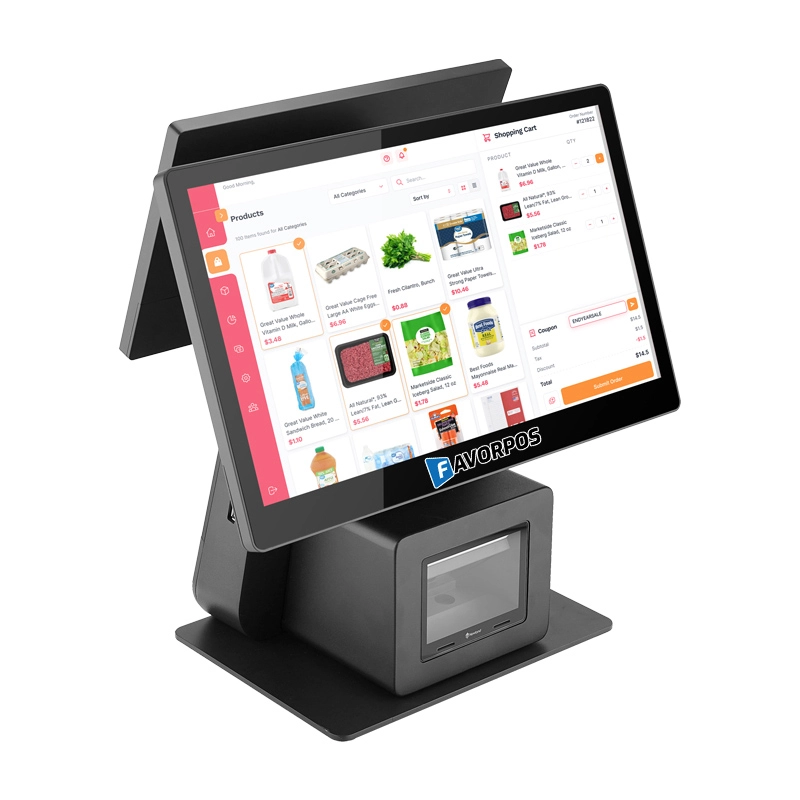
Dual Screen POS With Barcode Scanner Desktop POS Manufacturer POS Factory 15.6 11.6 Client Screen Optional
FAVORPOS: Your leading dual screen POS factory and manufacturer. Our desktop POS with barcode scanner offers 15.6/11.6 client screen options and OS flexibility. Get reliable, efficient dual screen POS with barcode scanner solutions directly from us.


Copyright © 2025 Favorpos All Rights Reserved.
