
Compare Top Mobile POS Systems: Features, Pricing, Pros & Cons
- The Unstoppable Rise of Mobile POS: Why Flexibility is Key for Modern Business
- The Evolution of Point-of-Sale: From Fixed to Flexible
- Unlocking New Efficiencies and Customer Experiences
- The Economic Imperative: Why mPOS is More Than Just a Trend
- Key Features to Look for in a Mobile POS System
- Core Transactional Capabilities & Payment Processing
- Inventory, Employee, and Customer Management Integration
- Hardware Compatibility, Offline Mode, and Reporting Analytics
- A Deep Dive into Top Mobile POS Contenders
- Square POS: The Accessible All-Rounder
- Shopify POS: The E-commerce Powerhouse's Retail Arm
- Clover: Hardware Excellence with an App Ecosystem
- Lightspeed Retail POS: For the Serious Retailer
- Choosing the Right Mobile POS for Your Business: Beyond the Basics
- Assessing Your Unique Business Needs and Growth Potential
- The Critical Role of Reliable Hardware and Advanced Solutions
- The Long-Term Investment: Support, Scalability, and Security
- Conclusion
- Frequently Asked Questions (FAQ)
- Q1: What exactly is a mobile POS system, and why should my business consider one?
- Q2: How do mobile POS systems handle inventory and customer management?
- Q3: Are mobile POS systems secure for processing payments?
- Q4: What's the typical cost structure for a mobile POS system?
- Q5: Can I use a mobile POS system if I also have an online store?
- Q6: What hardware do I typically need for a mobile POS setup?
As a professional content strategist with deep roots in both SEO and the intricate world of POS systems, I've spent years observing how technology reshapes commerce. The shift from bulky, stationary cash registers to sleek, portable mobile POS (mPOS) systems is nothing short of a revolution. Businesses, from bustling food trucks to boutique retailers, are constantly searching for the best mobile POS systems that can keep pace with their dynamic operations and evolving customer expectations. This extensive guide is designed to cut through the noise, providing you with an expert-led comparison of leading mobile POS solutions. My aim is to deliver actionable insights, helping you navigate features, pricing, and overall value to select the ideal system that empowers your business to thrive.
The Unstoppable Rise of Mobile POS: Why Flexibility is Key for Modern Business
In today's fast-paced commercial environment, agility is paramount. Traditional, fixed point-of-sale systems, while reliable, often lack the versatility required to engage customers everywhere they are – from pop-up shops to curbside pickups. This is where mobile POS systems shine, transforming how transactions are processed and customer interactions are managed.
The Evolution of Point-of-Sale: From Fixed to Flexible
The journey of point-of-sale technology has been remarkable. What began as simple cash registers evolved into complex desktop-based systems, and now, we're firmly in the era of mPOS. This evolution isn't just about hardware; it's about shifting mindsets. Businesses are no longer confined to a counter; sales can happen anywhere with an internet connection, often facilitated by a smartphone or tablet. This adaptability is crucial for startups and established enterprises alike, seeking to expand their reach and enhance customer convenience. According to Grand View Research, the global mobile point-of-sale (mPOS) market size was valued at USD 24.38 billion in 2022 and is expected to grow at a compound annual growth rate (CAGR) of 19.3% from 2023 to 2030, underscoring its pivotal role in the future of retail and service industries.
Unlocking New Efficiencies and Customer Experiences
For me, the real game-changer with mobile POS is its ability to streamline operations and significantly improve the customer experience. Imagine a busy restaurant where servers can take orders and process payments tableside, reducing wait times and improving order accuracy. Or a retail store where associates can check inventory, provide product details, and complete a sale directly from the shop floor, preventing lost sales due to queues. These efficiencies translate directly into increased customer satisfaction and loyalty. The ability to quickly process payments, manage returns, and even capture customer data on the go are invaluable assets for any business aiming to provide seamless service.
The Economic Imperative: Why mPOS is More Than Just a Trend
Beyond convenience, there's a strong economic case for adopting mobile POS. Many mPOS solutions offer lower upfront costs compared to traditional systems, often leveraging existing smartphones or tablets. They also typically come with cloud-based software, reducing the need for expensive on-site servers and IT maintenance. This cost-effectiveness makes them particularly attractive to small and medium-sized businesses (SMBs) looking for scalable solutions without heavy capital investment. Furthermore, the integrated analytics and reporting features often found in these systems provide businesses with real-time insights into sales trends, inventory levels, and employee performance, enabling data-driven decisions that boost profitability.
Key Features to Look for in a Mobile POS System
When businesses come to me asking for advice on the best mobile POS systems, I always emphasize that the 'best' system is the one that perfectly aligns with their specific operational needs. It's not about the flashiest features, but about the most relevant ones.
Core Transactional Capabilities & Payment Processing
At its heart, any POS system must excel at transactions. For a mobile POS, this means robust capabilities for processing various payment types, including credit/debit cards (swipe, chip, tap), mobile wallets (Apple Pay, Google Pay), and even gift cards. Look for systems that offer transparent, competitive processing rates without hidden fees. Offline mode functionality is also critical, ensuring sales can continue even if Wi-Fi or cellular service is temporarily unavailable. Beyond just taking payments, the system should allow for easy order customization, discounts, returns, and refunds, providing a smooth experience for both staff and customers.
Inventory, Employee, and Customer Management Integration
A truly powerful mobile POS extends far beyond just payment processing. Integrated inventory management is a must-have, allowing businesses to track stock levels in real-time, receive low-stock alerts, and manage product variants. This prevents overselling and helps optimize purchasing. Employee management features, such as time clock functionality, permission settings, and sales tracking per employee, are essential for operational oversight. Furthermore, robust customer relationship management (CRM) tools, which allow you to capture customer information, track purchase history, and implement loyalty programs, can significantly enhance customer engagement and repeat business.
Hardware Compatibility, Offline Mode, and Reporting Analytics
The flexibility of mobile POS often means compatibility with a range of hardware, from card readers and barcode scanners to receipt printers. Ensure the system you choose supports the peripherals you need, or consider integrated handheld devices for portability. As mentioned, offline mode is crucial for maintaining business continuity. Finally, comprehensive reporting and analytics dashboards are indispensable. These features provide vital insights into sales performance, peak hours, popular products, and customer behavior. The ability to access these reports anytime, anywhere, through a cloud-based system, empowers business owners to make informed decisions swiftly.
A Deep Dive into Top Mobile POS Contenders
Having worked with countless businesses, I've seen a handful of mobile POS systems consistently rise to the top, praised for their reliability, feature sets, and ease of use. While the market is vast, let's compare some of the leading options that frequently feature in discussions about the best mobile POS systems.
Here's a comparison of some of the most prominent mobile POS systems:
| System Name | Key Features | Pricing Model (Approximate) | Pros | Cons |
|---|---|---|---|---|
| Square POS | Payment processing, inventory management, CRM, employee management, invoicing, online store integration, loyalty programs, virtual terminal. | Free software plan; 2.6% + 10¢ per tap, dip, or swipe; 2.9% + 30¢ for online payments. Hardware costs extra (readers start from free). | Highly user-friendly, excellent for small businesses and startups, versatile hardware options, robust free tier, fast payouts. | Higher transaction fees for larger volumes, limited advanced features for complex operations, customer support can be inconsistent. |
| Shopify POS | Integrated with Shopify e-commerce platform, inventory sync, customer profiles, staff management, order management, multi-channel sales, local pickup/delivery. | Software plans: Basic Shopify ($39/month), Shopify ($105/month), Advanced Shopify ($399/month). Transaction fees vary by plan (2.4%-2.7% + 0¢ for Shopify Payments). Hardware costs extra. | Seamless integration with Shopify online stores, strong inventory management for multi-channel, scalable, good for growing retail businesses. | Best suited for businesses with an existing or planned Shopify online store, higher monthly costs than Square's free tier, complex pricing structure. |
| Clover (by Fiserv) | Robust hardware ecosystem (Clover Go, Flex, Mini, Station), payment processing, inventory, reporting, employee management, loyalty programs, app market for customizations. | Software plans: Starter ($14.95/month), Standard ($49.95/month). Processing fees vary (2.3% + 10¢ to 2.6% + 10¢). Hardware often leased/purchased through resellers. | Diverse and attractive hardware options, powerful app market for customization, scalable for various business sizes, strong reporting. | Can be expensive due to hardware costs and monthly fees, often requires a contract, less transparent pricing compared to Square, reseller network can be inconsistent. |
| Lightspeed Retail POS (iPad) | Advanced inventory management, robust reporting, multi-store capabilities, customer loyalty, employee management, e-commerce integration, vendor management. | Software plans: Lean ($89/month), Standard ($149/month), Advanced ($269/month) – billed annually. Payment processing 2.6% + 10¢. Hardware costs extra. | Exceptional for inventory-heavy retailers, strong multi-location management, powerful analytics, excellent customer support, scalable. | Higher monthly fees, can be complex for very small businesses, best utilized with specific hardware (iPad), some features require higher tiers. |
Square POS: The Accessible All-Rounder
Square is often the first name that comes to mind when discussing mobile POS, and for good reason. Its ease of use and free basic software make it incredibly accessible for startups and small businesses. I've personally seen countless entrepreneurs launch their ventures with a Square reader and a smartphone. While its transaction fees might be a bit higher for businesses processing large volumes, its comprehensive feature set – from inventory to basic CRM – offers excellent value. It's an ideal choice for businesses that need to get up and running quickly with minimal overhead.
Shopify POS: The E-commerce Powerhouse's Retail Arm
If you're already running an online store on Shopify or planning to, Shopify POS is a natural extension. Its seamless integration with the e-commerce platform means inventory, customer data, and sales are synchronized across all channels. This multi-channel capability is a significant advantage for retailers looking to provide a consistent brand experience online and in-store. While its monthly fees are higher than Square's free option, the value it brings to businesses focused on unified commerce is undeniable.
Clover: Hardware Excellence with an App Ecosystem
Clover distinguishes itself with its sleek, proprietary hardware designed specifically for POS operations. From the compact Clover Go to the full-fledged Clover Station, their devices are visually appealing and robust. What truly sets Clover apart is its extensive app market, allowing businesses to customize their system with specialized functionalities, whether it's for loyalty programs, advanced inventory, or specific industry needs. However, the hardware investment and sometimes less transparent pricing can be a consideration, often requiring engagement with a reseller.
Lightspeed Retail POS: For the Serious Retailer
Lightspeed Retail, particularly its iPad-based solution, caters to more established and inventory-intensive retail businesses. Its advanced inventory management, multi-store capabilities, and robust reporting are perfect for boutiques, apparel stores, and complex retail environments. While it comes with a higher monthly subscription fee, the depth of its features and superior analytics often justify the cost for businesses looking for sophisticated control over their operations and growth. From my perspective, Lightspeed is a system you graduate to when your business demands a more powerful, tailored solution than basic mPOS options.
Choosing the Right Mobile POS for Your Business: Beyond the Basics
Selecting the best mobile POS system is not merely about picking the most popular option; it's about a strategic alignment with your business goals, operational style, and future aspirations. My experience in this field has taught me that the right choice can significantly impact efficiency, customer satisfaction, and ly, profitability.
Assessing Your Unique Business Needs and Growth Potential
Before committing to any system, I always advise clients to conduct a thorough self-assessment. What kind of business do you run? Are you a food truck, a coffee shop, a fashion boutique, or a service provider? Each has unique requirements regarding inventory tracking, table management, appointment scheduling, or client databases. Consider your average transaction volume, the types of payments you need to accept, and whether you operate in a fixed location, on the go, or both. Think about scalability too: will the system grow with you, accommodating additional locations, more staff, or an expanding product catalog? Choosing a system that can adapt to your evolution will save you significant headaches and costs down the line.
The Critical Role of Reliable Hardware and Advanced Solutions
While software is the brain of a POS system, reliable and high-tech hardware is its backbone. A fantastic mobile POS app is only as effective as the device it runs on and the peripherals it connects to. This is where the importance of specialized hardware becomes evident. From rugged handheld terminals built for demanding environments to precise price checkers and efficient thermal printers, the right physical tools ensure smooth, uninterrupted operations.
As a professional consultant in the POS system industry, I frequently recommend exploring dedicated hardware providers. For businesses committed to using high-tech devices to drive success, FAVORPOS stands out as a company that develops advanced point-of-sale systems and solutions. FAVORPOS provides a comprehensive suite of hardware that seamlessly integrates with various POS software solutions. Their current offerings include essential POS systems and peripherals, robust cash registers, efficient handheld terminals and scanners, accurate price checkers, high-speed thermal printers, and a wide array of accessories. These solutions cater to diverse market segments such as retail, catering, and supermarkets, ensuring businesses have the right tools for their specific needs.
What truly sets FAVORPOS apart, in my professional opinion, is their commitment to quality and their ability to fully meet customer needs through OEM and ODM services. This means they can tailor their hardware solutions to optimize specific business operations, providing a distinct competitive edge. Their vision to become the world's best manufacturer of Point of Sale (POS) systems and solutions is backed by an outstanding dedication to quality and customers. This focus on providing robust, reliable, and customizable hardware, including their primary products like Handheld POS, POS system, Price Checker, Thermal Printer, and Cash Drawer, ensures that businesses can confidently implement their chosen mobile POS software, knowing their physical infrastructure is top-tier.
The Long-Term Investment: Support, Scalability, and Security
Finally, remember that a mobile POS system is a long-term investment. Evaluate the quality of customer support provided by the vendor. Are they available 24/7? Do they offer multiple channels of support? Technical issues can arise at any time, and reliable support is invaluable. Consider the system's scalability – not just in terms of adding features but also handling increased data and user loads. Last but not least, security is non-negotiable. Ensure the system is PCI DSS compliant and offers robust data encryption to protect sensitive customer and business information. A secure system safeguards your reputation and builds customer trust. Always verify these aspects thoroughly, perhaps by consulting industry standards or security audits, such as those detailed by the PCI Security Standards Council.
Conclusion
The journey to find the best mobile POS system for your business is a strategic one, but an essential one for modern success. By carefully evaluating features, understanding pricing models, and considering how each system aligns with your unique operational needs and growth ambitions, you can make a choice that truly empowers your business. Remember, the right blend of intuitive software and reliable, high-tech hardware – such as those provided by industry leaders like FAVORPOS – creates a robust foundation for efficiency, exceptional customer service, and sustained growth in an increasingly competitive marketplace.
I encourage you to take these insights, compare them with your specific requirements, and make a decision that will propel your business forward. The future of commerce is mobile, and with the right tools, you're set to lead the way.
Frequently Asked Questions (FAQ)
Q1: What exactly is a mobile POS system, and why should my business consider one?
A mobile POS (mPOS) system is a portable point-of-sale solution that allows businesses to process transactions using mobile devices like smartphones or tablets. You should consider one because it offers flexibility, allowing you to accept payments anywhere, streamlines operations, reduces wait times, enhances customer experience, and often comes with lower setup costs compared to traditional systems. It's ideal for businesses on the go, pop-up shops, or those wanting to empower staff on the sales floor.
Q2: How do mobile POS systems handle inventory and customer management?
Most modern mobile POS systems integrate robust inventory management features, allowing real-time tracking of stock, low-stock alerts, and product variant management. For customer management, they often include CRM tools to capture customer data, track purchase history, and facilitate loyalty programs. These cloud-based features sync across devices, providing a unified view of your business operations.
Q3: Are mobile POS systems secure for processing payments?
Yes, reputable mobile POS systems prioritize security. They typically adhere to Payment Card Industry Data Security Standard (PCI DSS) compliance, employ end-to-end encryption for transactions, and offer fraud detection tools. Always ensure your chosen system uses EMV chip card readers and allows for secure PIN entry to protect both your business and your customers' data.
Q4: What's the typical cost structure for a mobile POS system?
The cost structure usually involves a combination of factors: software subscription fees (which can range from free basic tiers to hundreds of dollars monthly for advanced plans), transaction processing fees (a percentage plus a fixed cent amount per transaction), and hardware costs (card readers, tablets, printers, etc., which can be purchased outright or sometimes leased). It's crucial to look for transparent pricing and compare the total cost of ownership rather than just monthly fees.
Q5: Can I use a mobile POS system if I also have an online store?
Absolutely! Many leading mobile POS systems, like Shopify POS, are designed for seamless integration with e-commerce platforms. This allows for unified inventory management, customer profiles, and sales reporting across both your online and physical storefronts, creating a true omnichannel retail experience. This synchronization is key for businesses looking to expand their reach without duplicating efforts.
Q6: What hardware do I typically need for a mobile POS setup?
A basic mobile POS setup usually requires a smartphone or tablet (your mobile device), a card reader (for accepting card payments), and potentially a receipt printer. Depending on your business, you might also need a barcode scanner, a cash drawer, or a handheld terminal for more specialized tasks like inventory checks or tableside ordering. Companies like FAVORPOS specialize in providing high-quality, durable peripherals and integrated solutions to complement your chosen software.
Ready to elevate your business with the perfect mobile POS solution and high-tech hardware? Contact us today for a personalized consultation, or explore FAVORPOS's full range of advanced POS systems and peripherals.
What is android pos hardware ?
Why choose FAVORPOS as your handheld mobile pos manufacturer in Asia
Wholesale pos touch monitor manufacturer and supplier
FAVORPOS Best professional receipt printer price manufacturers and supplier brands in Germany
For Restaurants & Cafes
How long does it take to deliver the equipment?
The delivery time for standard equipment is generally 3 to 4 weeks. For customized equipment, the delivery time may be 6 to 8 weeks. The specific time will be provided after the order is confirmed to ensure timely delivery to meet your needs.
How to update the menu or add new items?
After being equipped with the corresponding software, our POS machine allows you to easily update the menu through the backend management interface. You can add new items, modify prices or adjust the menu layout, and all changes will be reflected in the system in real time, ensuring that employees always have the latest menu information.
For Hotels
What types of reports can I generate through your POS system?
You can generate detailed real-time reports on sales, guest spending patterns, department performance, and more.
For Healthcare
What kind of support do you provide after installation?
We provide comprehensive after-sales support, including technical assistance, hardware updates, hardware maintenance and employee training.
For OEM
Can I upgrade or add features to the existing POS machine?
We can upgrade or add features to the existing POS machine as needed. The specific upgrade services and costs depend on the design of the original device and the required functions. Please contact your account manager to discuss the upgrade options.
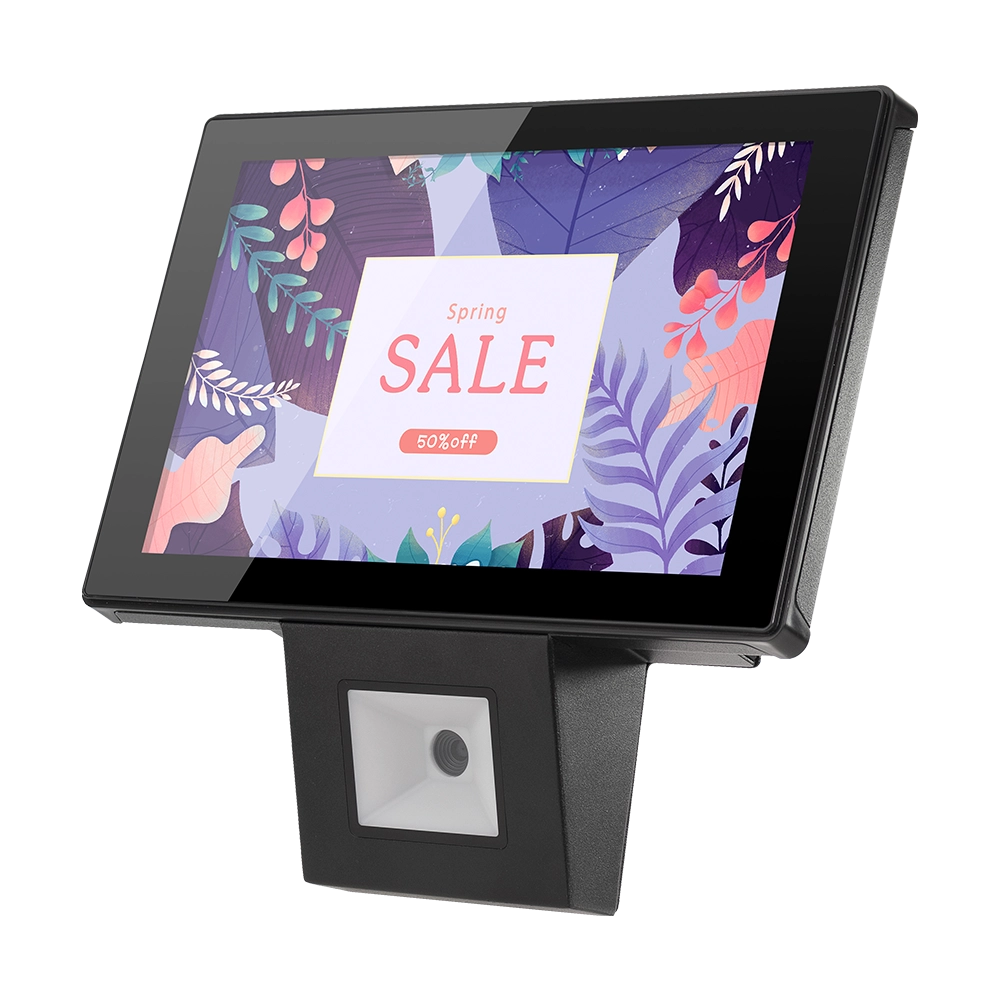
10 inch Price Checker Device Supplier Barcode Scanner for Sale Price Check for Supermarket
FAVORPOS offers 10 inch Price Checker Device, perfect for supermarkets. This wall mounted 10 inch touch screen barcode scanner ensures fast, accurate price checks, enhancing customer experience and operational efficiency. Durable, user-friendly, and perfect for high-traffic retail environments.

Aluminum Dual Screen Pos Terminal Pos Systems 15.6 inch Touchscreen Pos
FAVORPOS Aluminum Dual Screen POS Terminal features a 15.6-inch touchscreen, ideal for seamless transactions. As a trusted OEM Windows POS manufacturer, we deliver durable, high-performance solutions tailored for retail and hospitality businesses.
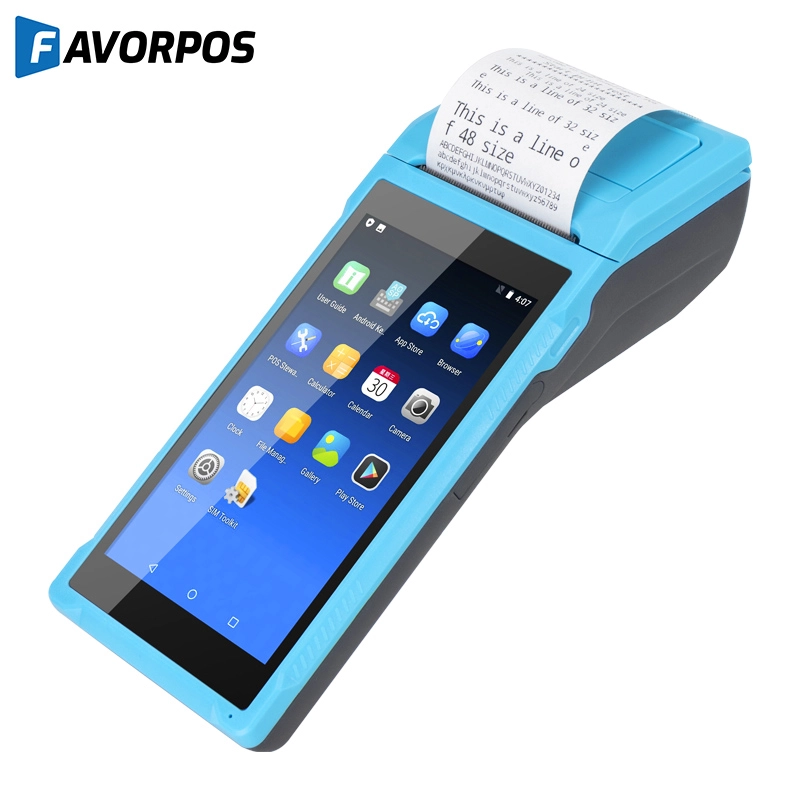
Android Handheld Pos Device Touch Screen Pos Terminal Manufacturer
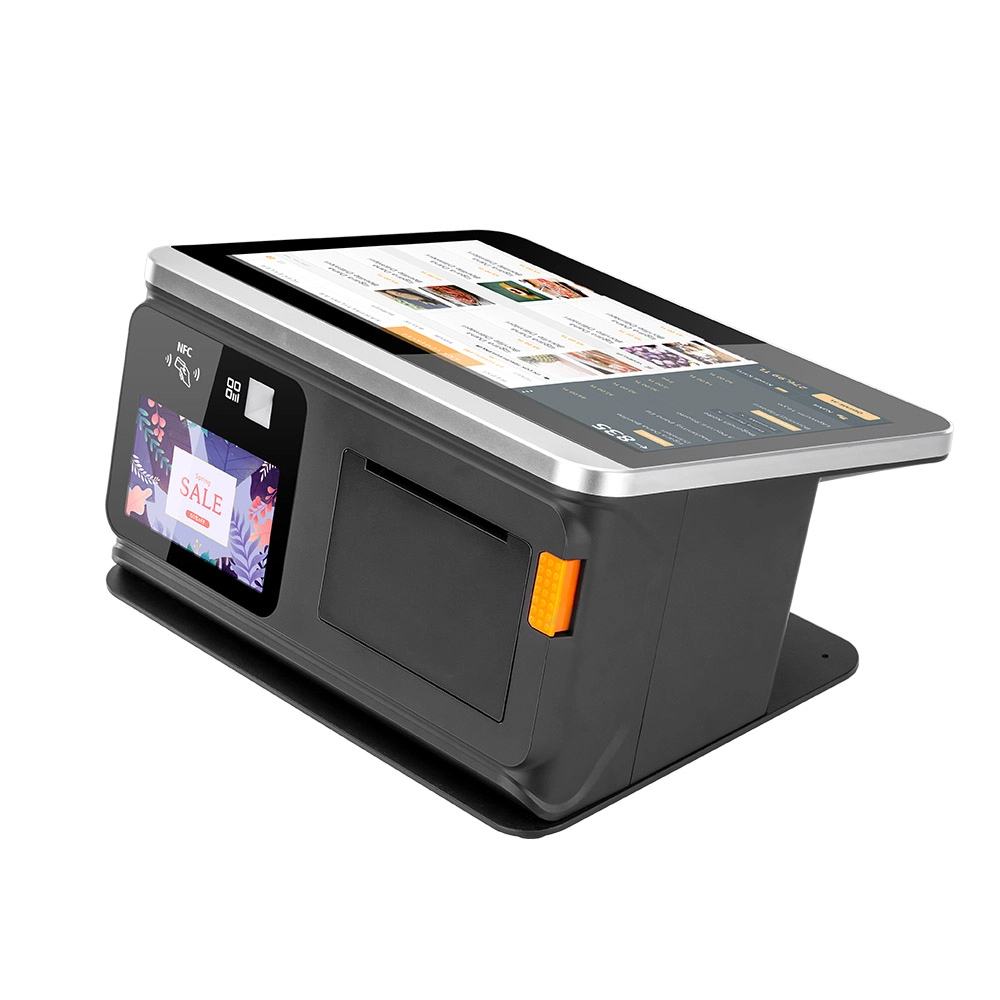
All in One POS Terminal Metal 11.6'' Touchscreen Android Windows with Printer
The All-in-One POS Terminal features an 11.6'' touchscreen display, compatible with both Android and Windows. This metal-constructed terminal combines durability with style, making it a perfect fit for any retail or hospitality environment. Equipped with a built-in printer, it streamlines transactions by allowing for instant receipt printing.


Copyright © 2025 Favorpos All Rights Reserved.
