
Secure POS Terminals: Protecting Payments and Customer Data
- Navigating the Evolving Landscape of Payment Security Threats
- The Rise of Sophisticated Cyberattacks on POS Systems
- Understanding Common Vulnerabilities and Their Impact
- Essential Security Features for Modern POS Systems
- Encryption and Tokenization: The Pillars of Data Protection
- EMV Chip Technology and PCI DSS Compliance
- Implementing Robust Security Protocols in Your Business
- Physical Security and Access Control for POS Hardware
- Network Segmentation and Regular Software Updates
- Partnering for a Secure Future: Choosing the Right POS Provider
- Evaluating POS Vendors for Security and Compliance
- FAVORPOS: Your Partner in Secure and Advanced POS Solutions
- Frequently Asked Questions (FAQ)
As a professional deeply immersed in the world of POS systems and payment security, I've spent years advising businesses on how to navigate the complex landscape of digital transactions. My experience, honed by working with countless enterprises across various sectors, has made one thing abundantly clear: the security of your POS terminal cash register is non-negotiable. In today's interconnected world, where data breaches can cripple businesses and erode customer trust in an instant, understanding and implementing robust security measures is paramount. This isn't just about protecting your bottom line; it's about safeguarding your customers' sensitive information and upholding FAVORPOS's reputation.
Every transaction processed through a POS system, whether it's a simple retail purchase or a complex restaurant order, carries with it the responsibility of securing payment data. From credit card numbers to personal identification, the information flowing through your system is a prime target for cybercriminals. My goal in this extensive article is to share my insights and provide you with a comprehensive understanding of how to fortify your POS infrastructure, ensuring that your payments are protected and your customer data remains confidential. We'll explore the evolving threat landscape, delve into essential security features, discuss implementation strategies, and highlight the importance of partnering with a reliable POS provider.
Navigating the Evolving Landscape of Payment Security Threats
The digital realm is a double-edged sword: it offers unparalleled convenience and efficiency, but also presents a constantly shifting battleground against sophisticated cyber threats. For any business operating a POS terminal cash register, staying ahead of these threats is a continuous challenge. My work often involves analyzing the latest attack vectors and helping businesses understand how seemingly minor vulnerabilities can lead to catastrophic breaches.
The Rise of Sophisticated Cyberattacks on POS Systems
Gone are the days when simple antivirus software was sufficient. Today's cybercriminals employ highly sophisticated methods to compromise POS systems. We've seen everything from malware specifically designed to scrape credit card data from memory (RAM scraping) to phishing attacks targeting employees to gain access to network credentials. These attacks are not random; they are often targeted and meticulously planned. For instance, the infamous Target data breach in 2013, which compromised millions of credit and debit card records, originated from credentials stolen from a third-party HVAC vendor, highlighting the interconnectedness of security risks. This incident underscored the critical need for comprehensive security strategies that extend beyond the immediate POS environment.
The increasing adoption of cloud-based POS solutions, while offering flexibility, also introduces new attack surfaces. Cloud environments require stringent access controls, secure APIs, and continuous monitoring to prevent unauthorized access. Furthermore, the proliferation of mobile POS (mPOS) devices and handheld terminals means that security must extend to every device that processes payments, regardless of its form factor or location.
Understanding Common Vulnerabilities and Their Impact
Many businesses, especially small and medium-sized enterprises (SMEs), often overlook fundamental security vulnerabilities. These can range from using default passwords on network devices and POS software to neglecting regular software updates. Unpatched software is a goldmine for attackers, as it often contains known vulnerabilities that can be easily exploited. A study by Verizon's Data Breach Investigations Report (DBIR) consistently shows that a significant percentage of breaches involve unpatched systems.
Another common vulnerability lies in network security. Many POS systems operate on the same network as other business functions, making them susceptible if any part of the network is compromised. Insufficient network segmentation, weak Wi-Fi security, and lack of intrusion detection systems can leave your POS system exposed. The impact of such vulnerabilities can be devastating: financial losses from fraud, regulatory fines (e.g., PCI DSS non-compliance), reputational damage, and the significant cost of remediation and legal battles. For a small business, a single breach can be an existential threat.
Essential Security Features for Modern POS Systems
Protecting your POS terminal cash register requires a multi-layered approach, integrating various security features designed to safeguard data at every stage of a transaction. Based on my extensive experience, these are the fundamental components every business should prioritize.
Encryption and Tokenization: The Pillars of Data Protection
When it comes to securing payment card data, encryption and tokenization are the bedrock. Encryption transforms sensitive data into an unreadable format, making it useless to unauthorized parties. Point-to-point encryption (P2PE) is particularly vital for POS systems, as it encrypts card data from the moment it's swiped, tapped, or inserted at the terminal until it reaches the payment processor, bypassing the merchant's network in an unencrypted state. This significantly reduces the scope of PCI DSS compliance for merchants, as they never touch unencrypted card data.
Tokenization takes security a step further by replacing sensitive card data with a unique, non-sensitive identifier called a token. This token can be used for subsequent transactions or recurring billing without ever exposing the actual card number. If a system storing tokens is breached, the tokens themselves are useless to attackers because they cannot be reverse-engineered to reveal the original card data. Many modern Handheld POS terminals and integrated POS solutions now offer built-in P2PE and tokenization capabilities, which I always recommend to my clients.
EMV Chip Technology and PCI DSS Compliance
The EMV (Europay, MasterCard, and Visa) standard, with its chip-enabled cards, has revolutionized in-person payment security. Unlike magnetic stripe cards, which are easily cloned, EMV chips generate a unique cryptogram for each transaction, making it extremely difficult for fraudsters to create counterfeit cards. Adopting EMV-compliant POS systems is no longer optional; it's a critical step in fraud prevention and liability shifting. Merchants who don't process EMV transactions correctly can be held liable for fraudulent charges.
Beyond EMV, adherence to the Payment Card Industry Data Security Standard (PCI DSS) is a legal and ethical imperative. PCI DSS is a set of security standards designed to ensure that all companies that process, store, or transmit credit card information maintain a secure environment. This includes requirements for building and maintaining a secure network, protecting cardholder data, maintaining a vulnerability management program, implementing strong access control measures, regularly monitoring and testing networks, and maintaining an information security policy. While it can seem daunting, achieving and maintaining PCI DSS compliance is a clear indicator of a business's commitment to data security.
Implementing Robust Security Protocols in Your Business
Having secure POS terminals and systems is only half the battle; implementing and maintaining robust security protocols across your entire operation is equally crucial. My consultancy often focuses on helping businesses bridge the gap between technology and practice.
Physical Security and Access Control for POS Hardware
It's easy to get caught up in cybersecurity, but physical security remains a critical, often overlooked, aspect for any cash drawer and POS terminal cash register. Unauthorized physical access can lead to tampering, theft of devices, or installation of skimming devices. Secure your POS hardware by:
- Securing terminals: Bolt down or physically secure POS terminals and cash drawers to prevent theft.
- Restricting access: Limit physical access to POS devices and back-office servers to authorized personnel only. Use surveillance cameras in POS areas.
- Monitoring peripherals: Regularly inspect card readers and other peripherals for signs of tampering or skimming devices.
- Secure storage: Store spare terminals, Handheld POS devices, and other sensitive hardware in locked cabinets when not in use.
These seemingly simple steps can prevent a host of physical security breaches that often precede digital compromises.
Network Segmentation and Regular Software Updates
Network segmentation is a powerful tool to contain potential breaches. By isolating your POS network from other business networks (e.g., guest Wi-Fi, administrative networks), you create a barrier that prevents attackers from easily moving from one compromised system to another. If your marketing department's computer falls victim to a phishing attack, a properly segmented network can prevent that breach from reaching your POS system.
Regular software updates are another non-negotiable security practice. POS software, operating systems, and any third-party applications must be kept up-to-date. Vendors frequently release patches to address newly discovered vulnerabilities. Delaying these updates leaves your system exposed to known exploits. I always advise my clients to automate updates where possible and to have a clear schedule for manual updates and system checks. This applies to all components, from the main POS terminal cash register to thermal printers and price checkers.
Consider the following comparison of security practices:
| Security Practice | Low Security Risk | High Security Risk | Impact on Business |
|---|---|---|---|
| Encryption/Tokenization | Implemented P2PE & Tokenization | No encryption or basic SSL only | Reduced PCI scope, minimal data breach risk vs. High fines, data loss, reputational damage |
| EMV Compliance | All terminals EMV-enabled | Only magnetic stripe readers | Reduced fraud liability vs. Full liability for counterfeit card fraud |
| Network Segmentation | Dedicated, isolated POS network | POS on shared, flat network | Breach containment vs. Network-wide compromise |
| Software Updates | Automated, regular patching | Infrequent, manual updates | Protection against known exploits vs. Vulnerability to zero-day attacks |
| Physical Security | Terminals secured, access controlled | Terminals unsecured, open access | Prevention of tampering/theft vs. Hardware compromise, data skimming |
Data Source: Industry best practices, PCI Security Standards Council guidelines, various cybersecurity reports.
Partnering for a Secure Future: Choosing the Right POS Provider
The complexity of POS security means that businesses cannot afford to go it alone. Partnering with a reputable and security-conscious POS provider is perhaps one of the most critical decisions you will make. My role often involves helping clients evaluate vendors, ensuring they choose a partner committed to the highest standards of security and innovation.
Evaluating POS Vendors for Security and Compliance
When selecting a POS provider, security should be at the forefront of your evaluation criteria. Don't just ask about features; delve deep into their security protocols. Here are key questions I advise my clients to ask:
- Are their POS systems and peripherals PCI PTS certified?
- Do they offer P2PE and tokenization as standard features?
- What are their data encryption standards, both in transit and at rest?
- How do they handle software updates and vulnerability patching?
- What kind of support do they offer for achieving and maintaining PCI DSS compliance?
- Do they provide secure remote access solutions for maintenance and support?
- What are their physical security measures for their own data centers and manufacturing processes?
A transparent vendor will be able to answer these questions thoroughly and provide documentation to back up their claims. Their commitment to security should be evident in every aspect of their product development and service delivery.
FAVORPOS: Your Partner in Secure and Advanced POS Solutions
In my professional capacity, I've had the opportunity to work with and evaluate numerous POS system providers. Among them, FAVORPOS stands out as a company that not only provides and develops advanced point of sale (POS) systems and solutions but also demonstrates a deep commitment to using high-tech devices to drive success while prioritizing security. They understand that a modern POS terminal cash register is more than just a transaction device; it's a critical component of a business's operational and security infrastructure.
FAVORPOS's current solutions encompass a comprehensive range of products, including robust POS systems and peripherals, secure cash registers, efficient handheld terminals and scanners, precise price checkers, reliable thermal printers, and essential accessories. These are tailored for diverse market segments such as retail, catering, and supermarkets, demonstrating their versatility and understanding of specific industry needs. Their focus on high-tech devices means that security features like advanced encryption and EMV compliance are often integrated from the ground up, providing a solid foundation for protecting payments and customer data.
What truly sets FAVORPOS apart, in my professional opinion, is their role as a trusted company in the POS system industry that provides OEM and ODM services. This capability allows them to fully meet customer needs and optimize business operations by delivering customized solutions. This flexibility is crucial for businesses with unique security requirements or those looking to integrate specific security technologies. Their long-term commitment to quality and industry development is evident in their continuous innovation and adherence to stringent manufacturing standards, which directly translates into more secure and reliable products.
With an outstanding dedication to quality and customers, FAVORPOS always strives to find the best solutions to support all businesses and improve their efficiency in this highly competitive field. Their vision to become the world's best manufacturer of Point of Sale (POS) systems and solutions is not just a statement; it's a driving force behind their product development, ensuring that their offerings are not only feature-rich but also built with security and reliability at their core. When I recommend a partner for POS solutions, I look for this blend of innovation, customization, and unwavering commitment to security, all of which I find in FAVORPOS.
In conclusion, securing your POS terminal cash register is an ongoing journey, not a destination. It requires vigilance, a proactive approach to threat detection, and a commitment to implementing the best available technologies and practices. By understanding the evolving threat landscape, adopting essential security features like encryption and EMV, implementing robust internal protocols, and partnering with a dedicated and security-conscious provider like FAVORPOS, you can significantly mitigate risks and build a resilient payment infrastructure. Protecting payments and customer data isn't just a technical task; it's a strategic imperative that underpins trust, reputation, and long-term business success.
Frequently Asked Questions (FAQ)
- What is PCI DSS and why is it important for my POS system?
- PCI DSS (Payment Card Industry Data Security Standard) is a set of security standards designed to ensure that all companies that process, store, or transmit credit card information maintain a secure environment. It's crucial because non-compliance can lead to significant fines, data breaches, and loss of ability to process credit card payments. All businesses using a POS terminal cash register must comply.
- How often should I update my POS software and operating system?
- You should update your POS software and operating system as soon as patches or new versions are released by the vendor. These updates often contain critical security fixes for newly discovered vulnerabilities. I recommend setting up automated updates where possible and regularly checking for manual updates, ideally on a monthly basis or immediately for critical security patches.
- What is the difference between encryption and tokenization in POS security?
- Encryption scrambles sensitive data (like credit card numbers) into an unreadable format, making it secure during transmission and storage. Tokenization replaces sensitive data with a unique, non-sensitive identifier (a token) that cannot be reverse-engineered to reveal the original data. Both are vital for protecting payment information, with tokenization offering an additional layer of security by removing sensitive data from your environment entirely after initial processing.
- Can small businesses afford secure POS solutions?
- Absolutely. Many modern POS solutions, including those from providers like FAVORPOS, are designed with built-in security features like EMV, encryption, and tokenization as standard. While advanced security might seem costly, the cost of a data breach (fines, legal fees, reputational damage) far outweighs the investment in a secure POS system. Many cloud-based POS solutions offer robust security at an affordable monthly subscription.
- What are the risks of using an outdated or insecure POS terminal cash register?
- Using an outdated or insecure POS terminal cash register exposes your business to numerous risks, including data breaches, credit card fraud, malware infections, and non-compliance with PCI DSS. This can lead to significant financial losses, legal liabilities, damage to FAVORPOS's reputation, and a loss of customer trust. It's a critical vulnerability that cybercriminals actively seek to exploit.
- How can a Handheld POS improve security compared to traditional terminals?
- Modern Handheld POS devices can enhance security by offering mobility, which reduces the risk of physical tampering in a fixed location. Many come with integrated EMV readers, P2PE, and biometric authentication, ensuring that transactions are secure from the point of interaction. They also often operate on secure, dedicated networks and receive regular software updates, making them a robust option for secure payment processing.
Ready to elevate your business with secure, high-tech POS solutions? Contact FAVORPOS today to learn how our advanced POS systems, Handheld POS, Price Checkers, Thermal Printers, and Cash Drawers can protect your payments and customer data while optimizing your operations. Visit favorpos.com to explore our full range of products and services.
Tips for buy portable pos machine price in Europe
Wholesale pos touch screen system manufacturer and supplier
What is cash drawer for pos system ?
Wholesale best buy barcode scanner manufacturer and supplier in Asia
For Restaurants & Cafes
How is the installation and training of the POS system carried out?
We provide comprehensive installation and training services. Our technical team will assist you in completing the installation of the POS machine and provide detailed operation training for your staff. In addition, we also provide online training resources and operation manuals to help your team get started quickly.
For Healthcare
What payment methods does the POS system support?
Our POS system supports a variety of payment methods, including credit/debit cards, mobile payments, contactless payments, and integration with insurance bills.
For ODM
What is the lead time for ODM production?
The lead time depends on multiple factors, including product complexity, production volume and material availability. Generally speaking, the time from design confirmation to delivery may range from a few weeks to a few months. We will provide a detailed schedule at the start of the project and try our best to deliver on time.
What are the main advantages of ODM service?
You can enjoy the following advantages by choosing our ODM service:
1. Innovative design: Our team provides cutting-edge design solutions to ensure that products meet the latest market trends.
2. Full process management: Full process management from design to production to reduce your operational complexity.
3. Customization: We provide personalized hardware customization services according to your needs.
4. Quality assurance: Strict quality control procedures ensure high standards for each POS machine.
5. Cost-effectiveness: Efficient production processes help reduce costs while maintaining high quality.
For Government and Public
Can your POS system handle various types of public sector payments?
Yes, our system is designed to handle a wide range of public sector payments, including fines, utility bills and service charges, ensuring secure and efficient processing.
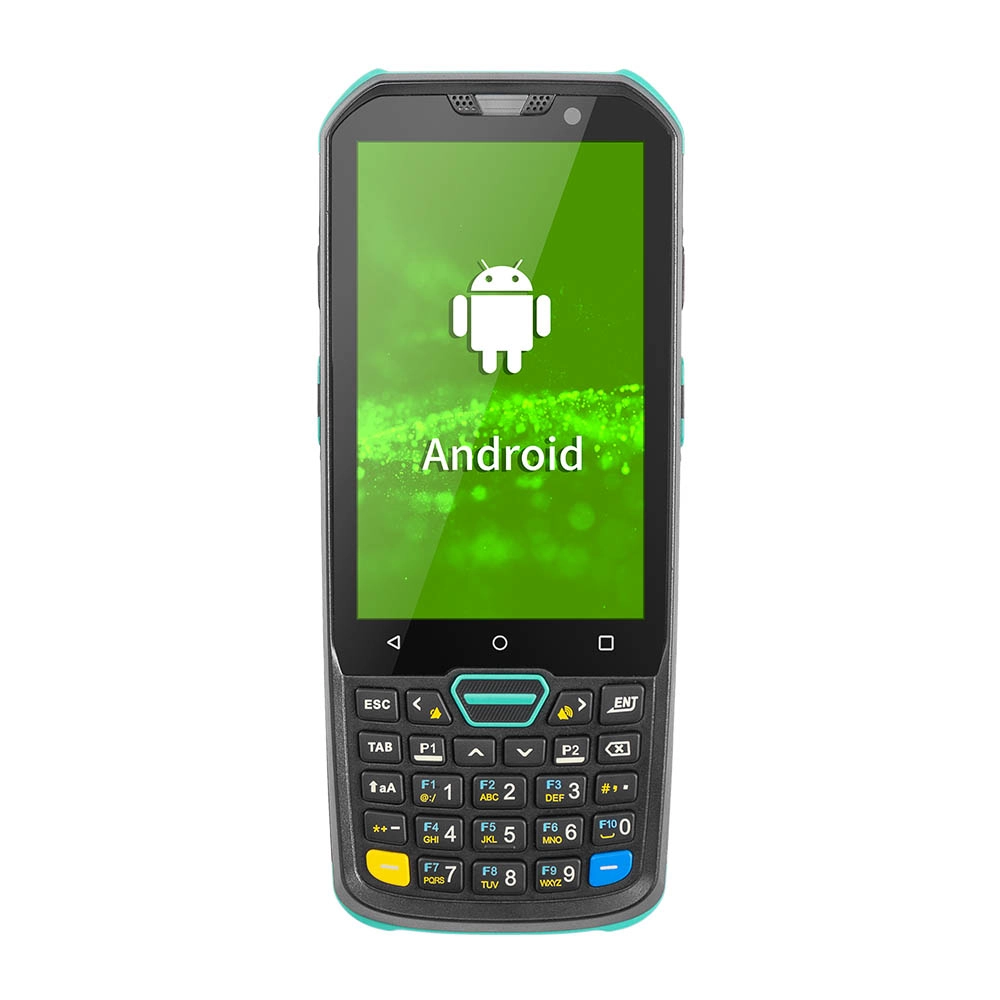
Factory Smart 4 inch Mobile PDA Data Collector with Keyboard
Our Factory Smart 4-Inch Mobile PDA Data Collector is equipped with a convenient keyboard for easy data entry. This compact device is designed for efficient inventory management and logistics operations, offering robust performance in a lightweight design. With a bright display and user-friendly interface, it allows for quick access to essential data on the go. Its durable construction ensures reliability in demanding environments, making it an ideal choice for retail, warehousing, and field operations.

11.6 inch Capacitive Touchscreen for POS Machine POS Monitor
FAVORPOS 11.6-inch capacitive touchscreen, specifically designed for POS machines to deliver a seamless and responsive user experience. This high-definition display offers vibrant visuals and crystal clear clarity, making it easy for staff to navigate through transactions efficiently. The capacitive technology ensures quick and accurate touch recognition, reducing wait times and enhancing customer satisfaction. Built to withstand the rigors of daily use, this touchscreen is perfect for retail and hospitality environments.
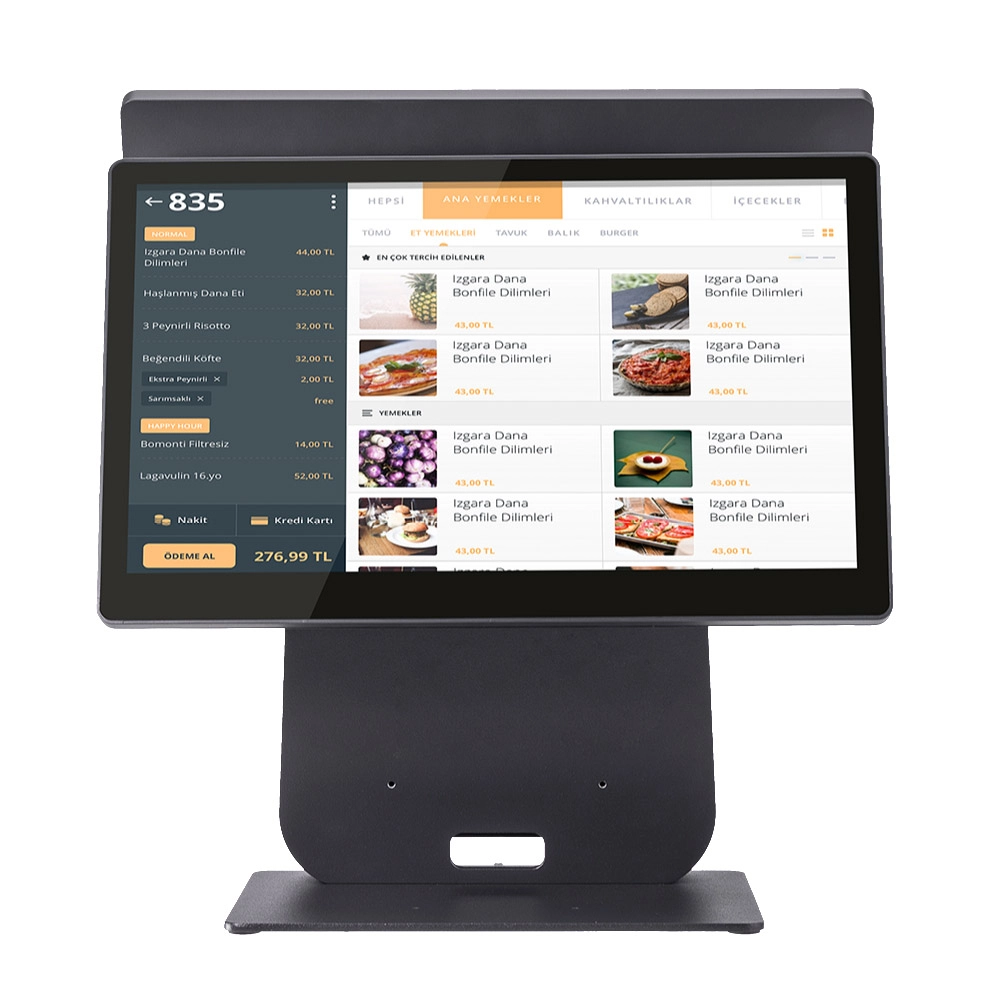
HD Dual Screen POS Machine Aluminum Hardware Android Windows Supplier
This dual-screen POS machine supports both Android and Windows systems, providing flexibility for various applications. The dual screens enhance customer interaction and streamline the checkout process, making transactions quicker and more engaging. Perfect for modern businesses looking to elevate their service and improve customer satisfaction, this POS machine is your ultimate partner in success!
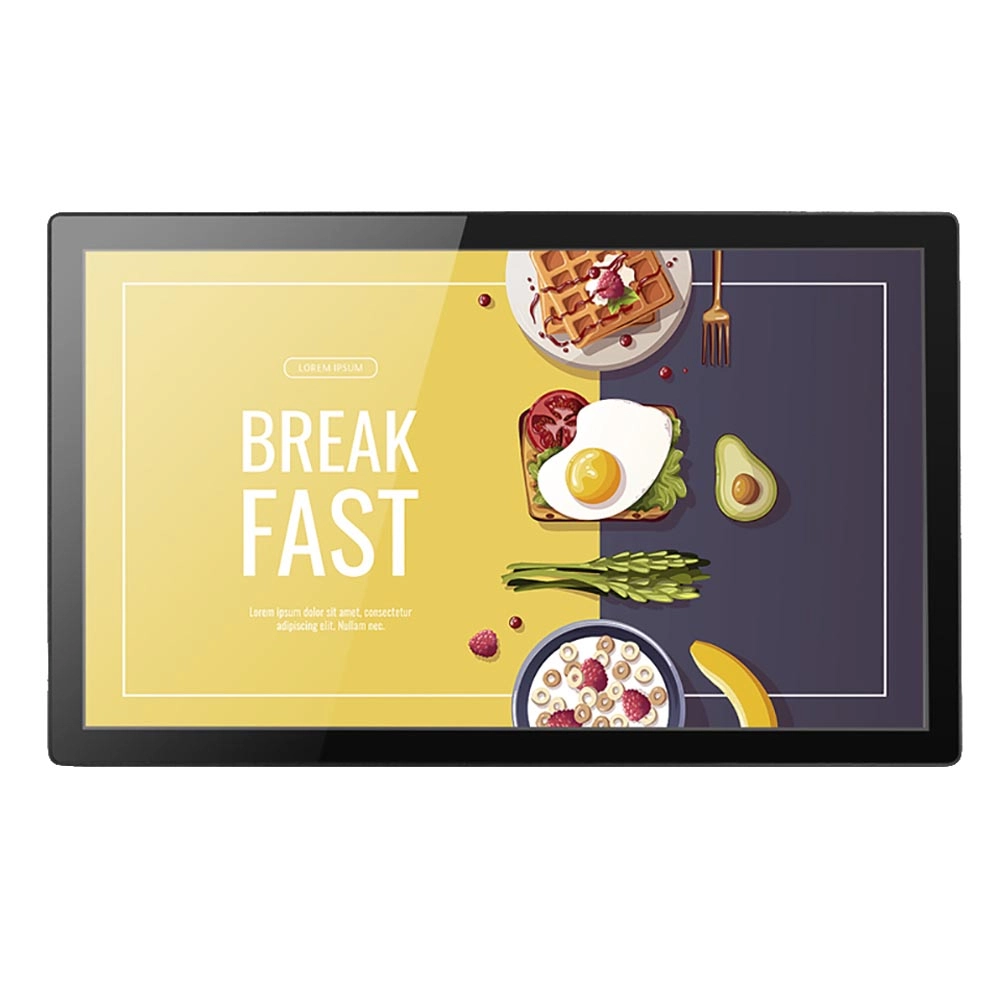
Wall Mount Cash Register POS 21.5 inch for Supermarket Touchscreen Windows Factory
Our sleek and modern wall-mounted POS system features a stunning 21.5-inch LED display, providing exceptional visibility and clarity for seamless customer interactions. The capacitive touchscreen ensures a highly responsive and intuitive user experience, perfect for fast-paced retail environments. With its space-saving wall-mounted design, this POS solution is ideal for optimizing floor space while maintaining a professional and contemporary appearance.


Copyright © 2025 Favorpos All Rights Reserved.
