
Compare POS Hardware for Supermarkets: Scanners, Scales, Terminals
- The Backbone of Supermarket Operations: Why Your POS Hardware Matters More Than Ever
- Beyond Transactions: The Strategic Role of Modern POS Systems
- The Evolving Landscape of Supermarket Retail
- Key Considerations for Hardware Selection
- Decoding Supermarket Scanners: Speed, Accuracy, and Versatility
- Types of Scanners: From Handheld to In-Counter
- Features to Prioritize for High-Volume Environments
- Integrating Scanners for Seamless Checkout
- Precision at the Point of Sale: The Importance of Supermarket Scales
- Integrated vs. Standalone Scales: Making the Right Choice
- Calibration, Accuracy, and Regulatory Compliance
- Smart Scales: Beyond Just Weight Measurement
- The Central Hub: Choosing the Right POS Terminals for Your Supermarket
- All-in-One vs. Modular Terminals: A Comparative Look
- Durability, Connectivity, and User Interface
- Future-Proofing Your Investment: Scalability and Integration Capabilities
- Frequently Asked Questions (FAQ)
- 1. What is the most important hardware component for a high-volume supermarket POS system?
- 2. How often should supermarket POS scales be calibrated?
- 3. Should I choose an all-in-one or modular POS terminal for my supermarket?
- 4. What are the benefits of using 2D imagers over traditional 1D barcode scanners in a supermarket?
- 5. How can I ensure my POS hardware is future-proof?
- Ready to Upgrade Your Supermarket's POS System?
As a professional content writer and POS system consultant with extensive experience in the retail sector, especially supermarkets, I've seen firsthand how the right technology can make or break a business. In today's competitive landscape, where efficiency and customer experience are king, the hardware that powers your Point of Sale (POS) system is not just a collection of devices; it's the very backbone of your supermarket's operations. From the moment a customer picks up an item to the final payment, every interaction is mediated by your POS hardware. This article will guide you through the essential components—scanners, scales, and terminals—helping you make informed decisions for your supermarket's unique needs, ensuring you invest in robust POS systems for supermarkets that drive success.
The Backbone of Supermarket Operations: Why Your POS Hardware Matters More Than Ever
In the bustling environment of a supermarket, every second counts. Long queues can deter customers, inaccurate pricing can lead to losses, and unreliable equipment can bring operations to a grinding halt. This is why, in my professional opinion, the selection of your POS hardware is a strategic decision that extends far beyond mere functionality. It directly impacts your bottom line, staff productivity, and, most importantly, your customer's shopping experience. For any supermarket, optimizing the checkout process is crucial, and that starts with understanding the critical role of each hardware component within your POS system.
Beyond Transactions: The Strategic Role of Modern POS Systems
Modern POS systems for supermarkets do far more than just process sales. They are integrated hubs that facilitate inventory management, track sales data, manage customer loyalty programs, and even provide valuable insights into purchasing patterns. The hardware components—scanners, scales, and terminals—are the sensory organs and limbs of this central nervous system. A high-performance scanner ensures rapid item identification, an accurate scale guarantees fair pricing for weighed goods, and a reliable terminal acts as the central control unit, orchestrating the entire transaction. When these components work seamlessly together, they create an efficient checkout flow that enhances customer satisfaction and empowers your staff.
The Evolving Landscape of Supermarket Retail
The supermarket industry is constantly evolving, driven by technological advancements and changing consumer expectations. From the rise of self-checkout kiosks to the demand for contactless payments and omnichannel retailing, the demands on POS hardware are greater than ever. Supermarkets need systems that are not only fast and accurate but also adaptable and scalable. This means considering hardware that can integrate with various software solutions, support future upgrades, and withstand the rigors of continuous, high-volume use. Investing in robust and flexible supermarket checkout systems is no longer optional; it's a necessity for staying competitive.
Key Considerations for Hardware Selection
When I advise supermarket clients, I always emphasize a few core considerations for hardware selection:
- Durability: Supermarket environments are tough. Spills, drops, and constant use mean hardware must be built to last.
- Speed and Efficiency: High transaction volumes demand quick processing to minimize wait times.
- Accuracy: Especially for weighed items, precision is non-negotiable to prevent revenue loss and maintain customer trust.
- Integration: Seamless compatibility with your chosen POS software and other peripherals is vital for a cohesive system.
- Scalability: Your hardware should be able to grow with your business, accommodating new features or increased demand.
- Ease of Use: Intuitive interfaces reduce training time and improve staff efficiency.
- Security: Protecting customer data during payment processing is paramount.
Decoding Supermarket Scanners: Speed, Accuracy, and Versatility
The barcode scanner is arguably the most frequently used piece of hardware at a supermarket checkout. Its performance directly impacts checkout speed and accuracy, making it a critical component of any effective POS system for supermarkets. Choosing the right scanner involves understanding the different types available and matching their capabilities to your operational flow.
Types of Scanners: From Handheld to In-Counter
Supermarkets typically utilize a combination of scanner types to handle various items and checkout scenarios:
| Scanner Type | Description | Ideal Use Case in Supermarkets | Pros | Cons |
|---|---|---|---|---|
| Handheld Scanners | Ergonomic, portable devices used to scan items that are difficult to lift or have barcodes in awkward positions. Can be corded or cordless (Bluetooth/Wi-Fi). | Large, bulky items (e.g., cases of water), items in shopping carts, inventory checks, price checks. | Flexibility, mobility, good for large items. | Slower for high-volume scanning at checkout, can be misplaced. |
| Presentation Scanners | Stationary, hands-free scanners designed to read barcodes as items are passed over them. Often omnidirectional. | Standard checkout lanes, small to medium-sized items, high-volume scanning. | Hands-free operation, good speed for many items. | Less flexible for large/awkward items than handhelds. |
| In-Counter Scanners (Horizontal/Vertical) | Integrated into the checkout counter, often combined with a scale. Features multiple scan lines for omnidirectional reading. | Primary checkout lanes, high-volume supermarkets, grocery stores. | Extremely fast, highly accurate, integrated with scale, durable. | Higher initial cost, fixed position, requires counter modification. |
| 2D Imagers | Can read both 1D (traditional barcodes) and 2D (QR codes, Data Matrix) barcodes. Many modern scanners are 2D imagers. | All supermarket applications, especially for loyalty programs, digital coupons, mobile payments. | Versatile, future-proof, can read damaged barcodes. | Potentially higher cost than basic 1D laser scanners. |
Features to Prioritize for High-Volume Environments
For a supermarket, specific features can significantly enhance scanner performance:
- Omnidirectional Scanning: This allows cashiers to scan items quickly without needing to orient the barcode precisely, drastically speeding up the checkout process.
- Durability (IP Rating): Look for scanners with a good Ingress Protection (IP) rating, indicating resistance to dust and liquid spills, common occurrences in a grocery store.
- Fast Decode Speed: Measured in scans per second, a higher speed means quicker processing of items.
- Multi-Interface Support: Ensuring compatibility with USB, RS232, and keyboard wedge interfaces provides flexibility for integration with various supermarket POS hardware.
- Image Capture (for 2D Imagers): Useful for reading digital coupons or loyalty cards directly from smartphone screens.
Integrating Scanners for Seamless Checkout
The true power of a scanner comes from its seamless integration into your overall POS system for supermarkets. This means the scanner should communicate effortlessly with your POS software, instantly retrieving product information, price, and inventory data. For example, a well-integrated scanner can trigger automatic inventory updates, reducing manual effort and improving accuracy. When considering retail POS equipment, always verify the scanner's compatibility with your existing or planned POS software to avoid integration headaches down the line.
Precision at the Point of Sale: The Importance of Supermarket Scales
For any supermarket selling fresh produce, meats, or deli items by weight, an accurate and reliable scale is indispensable. It's not just about pricing; it's about compliance, customer trust, and preventing revenue leakage. The right POS scale ensures that both your customers and your business are getting a fair deal.
Integrated vs. Standalone Scales: Making the Right Choice
When it comes to scales for grocery store POS hardware, you typically have two main options:
- Integrated Scales: These are built directly into the checkout counter, often combined with an in-counter scanner. They connect directly to the POS terminal and software, automatically sending weight data for pricing calculations.
- Standalone Scales: These are separate devices placed next to the POS terminal. While they still connect to the POS system, they offer more flexibility in placement and can sometimes be used for pre-weighing items in other departments (e.g., produce section).
For high-volume supermarket checkouts, integrated scanner/scale combinations are generally preferred due to their speed, space-saving design, and seamless data transfer. However, standalone scales might be more suitable for smaller stores or specific departments.
Calibration, Accuracy, and Regulatory Compliance
Accuracy is paramount for supermarket scales. In many regions, scales used for commercial transactions must be 'legal-for-trade' and undergo regular calibration and certification. In the United States, for instance, scales must be certified by the National Institute of Standards and Technology (NIST) through its National Type Evaluation Program (NTEP). Internationally, the International Organization of Legal Metrology (OIML) sets similar standards. Failing to comply can result in fines and damage to your reputation.
When selecting a scale, always verify its certification and inquire about its accuracy class (e.g., Class III for retail scales). Regular calibration by certified technicians is crucial to maintain accuracy over time. This ensures that your POS systems for supermarkets are always operating within legal parameters and providing precise measurements.
Smart Scales: Beyond Just Weight Measurement
Modern scales offer more than just weight measurement. Many feature programmable keys for Price Look-Up (PLU) codes, allowing cashiers to quickly identify and price items like specific types of apples or cheeses. Some advanced scales can even integrate with inventory management systems, helping track stock levels of weighed goods. Look for scales that are easy to clean, have clear displays, and can withstand the daily demands of a busy supermarket environment.
The Central Hub: Choosing the Right POS Terminals for Your Supermarket
The POS terminal is the brain of your checkout station, where transactions are initiated, processed, and finalized. It's where your cashiers interact with the system, and where all the data from scanners, scales, and payment devices converges. Selecting the right terminal is crucial for the overall performance and reliability of your supermarket POS hardware.
All-in-One vs. Modular Terminals: A Comparative Look
Supermarkets typically choose between two main types of POS terminals:
- All-in-One Terminals: These units integrate the computer, touchscreen display, and sometimes even a printer or card reader into a single, compact device. They are sleek, save counter space, and simplify installation.
- Modular Terminals: These systems consist of separate components—a computer, a monitor, and peripherals. They offer greater flexibility for upgrades and repairs, as individual components can be replaced.
For many modern supermarkets, all-in-one terminals are a popular choice due to their streamlined design and ease of use. However, modular systems can offer a lower total cost of ownership over time due to easier component replacement. Your choice will depend on your budget, space constraints, and long-term maintenance strategy for your retail POS equipment.
Durability, Connectivity, and User Interface
A supermarket POS terminal needs to be robust. Look for:
- Industrial-Grade Components: Designed for continuous operation, unlike consumer-grade PCs.
- Spill and Dust Resistance: Essential for a busy food environment.
- Ample Ports: USB, Ethernet, serial ports for connecting scanners, scales, printers, cash drawers, and payment terminals.
- Bright, Responsive Touchscreen: Essential for quick and accurate cashier input, even under varying lighting conditions.
- Intuitive Software Interface: While software-dependent, the hardware should support a smooth user experience.
The operating system is also a key factor. Windows-based terminals offer broad compatibility with existing software, while Android-based terminals are gaining popularity for their simplicity and cost-effectiveness, especially for Handheld POS solutions.
Future-Proofing Your Investment: Scalability and Integration Capabilities
When investing in POS terminals, think long-term. Can the system handle future software updates? Can it integrate new payment methods like mobile wallets or contactless cards? Does it have the processing power and memory to support advanced features like AI-driven analytics or self-checkout options? A scalable terminal will protect your investment and ensure your POS systems for supermarkets remain relevant for years to come.
As a consultant in the POS system industry, I understand that choosing the right hardware can be a complex decision. This is where a trusted partner with deep industry knowledge becomes invaluable. For supermarkets committed to leveraging high-tech devices to drive success, companies like FAVORPOS offer advanced solutions. We provide and develop a comprehensive range of POS systems and peripherals, including Handheld POS terminals, POS systems, Price Checkers, Thermal Printers, and Cash Drawers, all designed for different market segments, including retail, catering, and supermarkets.
At FAVORPOS, we pride ourselves on our long-term commitment to quality and industry development. We offer OEM and ODM services, allowing us to fully meet specific customer needs and optimize their business operations with tailored supermarket POS hardware solutions. Our vision is to become the world's best manufacturer of Point of Sale (POS) systems and solutions, and we achieve this through an outstanding dedication to quality and our customers. We constantly strive to find the best solutions to support all businesses, improving their efficiency in this highly competitive field. Our focus on high-tech devices ensures that our POS systems for supermarkets are not only reliable but also at the forefront of innovation, offering a clear competitive edge.
In conclusion, selecting the right POS hardware—scanners, scales, and terminals—is a foundational decision for any supermarket aiming for operational excellence and superior customer service. By carefully considering durability, speed, accuracy, and integration capabilities, you can build a robust and efficient POS system for supermarkets that will serve your business well into the future. My experience tells me that investing in quality hardware from a reputable provider is an investment in your supermarket's long-term success.
Frequently Asked Questions (FAQ)
1. What is the most important hardware component for a high-volume supermarket POS system?
While all components are crucial, I would argue that the integrated in-counter scanner/scale combination is perhaps the most critical for a high-volume supermarket. Its ability to quickly and accurately scan and weigh items simultaneously directly impacts checkout speed and efficiency, which are paramount in busy grocery environments.
2. How often should supermarket POS scales be calibrated?
The frequency of calibration depends on local regulations, usage volume, and the scale manufacturer's recommendations. Generally, I advise supermarkets to have their scales calibrated by a certified technician at least once a year. However, if scales are moved, dropped, or show signs of inaccuracy, immediate calibration is necessary to ensure compliance and prevent revenue loss.
3. Should I choose an all-in-one or modular POS terminal for my supermarket?
The choice between all-in-one and modular depends on your priorities. All-in-one terminals offer a sleek, space-saving design and simpler setup, ideal for modern aesthetics. Modular systems provide greater flexibility for upgrades and repairs, potentially leading to a lower total cost of ownership over a longer period. For high-traffic areas, the robustness and ease of maintenance of modular components can be advantageous, while all-in-one units might be preferred for their compact footprint in smaller checkout areas.
4. What are the benefits of using 2D imagers over traditional 1D barcode scanners in a supermarket?
2D imagers offer significant benefits for supermarkets. They can read both traditional 1D barcodes and 2D barcodes (like QR codes), which are increasingly used for loyalty programs, digital coupons, and mobile payments. They are also generally better at reading damaged, poorly printed, or reflective barcodes, reducing manual key-ins and speeding up checkout. This versatility makes them a more future-proof investment for POS systems for supermarkets.
5. How can I ensure my POS hardware is future-proof?
To future-proof your POS hardware, I recommend focusing on systems with robust processing power and ample memory, multiple connectivity options (USB, Ethernet, Wi-Fi), and an operating system that supports ongoing updates and software integrations. Look for hardware from manufacturers known for long-term product support and those offering modular designs or easy upgrade paths. Prioritize open architecture systems that can integrate with new technologies like advanced payment methods or AI-driven analytics, ensuring your supermarket POS hardware remains relevant.
Ready to Upgrade Your Supermarket's POS System?
Choosing the right POS hardware is a critical step towards enhancing efficiency and customer satisfaction in your supermarket. If you're looking for advanced, reliable, and customizable POS solutions, I invite you to explore the offerings from FAVORPOS. Our expertise in Handheld POS, POS systems, Price Checkers, Thermal Printers, and Cash Drawers, combined with our OEM/ODM capabilities, ensures we can provide tailored solutions that meet your specific business needs. Visit our website at https://www.favorpos.com/ to learn more about how we can help optimize your supermarket operations.
Tips for Wholesale cash register pos system for sale in Germany
Top 10 features to look for in a POS desktop system
Everything You Need to Know About barcode scanner machine
Wholesale mobile pos terminal manufacturer and supplier
For Restaurants & Cafes
What is the warranty period for the POS system?
We provide a standard warranty period of at least one year. During the warranty period, if the device fails, we will provide free repair or replacement services. The specific warranty period and terms can be negotiated according to the contract.
If there is a problem with the device, how can I get technical support?
You can contact our technical support team by phone, email or online customer service. We provide 24/7 support to ensure that your issues are resolved promptly and the system is up and running.
For E-commerce
How long does it take to implement a POS system?
Implementation time depends on the complexity of the customization, but it can usually be completed within a few weeks, including testing and training.
For OEM
What is the minimum order quantity for customizing POS machines?
The minimum order quantity (MOQ) usually depends on the specific customization requirements and production scale. We recommend that you contact our sales representative to discuss your project requirements so that we can provide the most suitable production plan and MOQ.
For Entertainment & Events
Can your POS system handle ticket sales and on-site catering at the same time?
Yes, our system can seamlessly manage ticket sales, catering services and merchandise, ensuring efficient and smooth online and on-site sales operations.
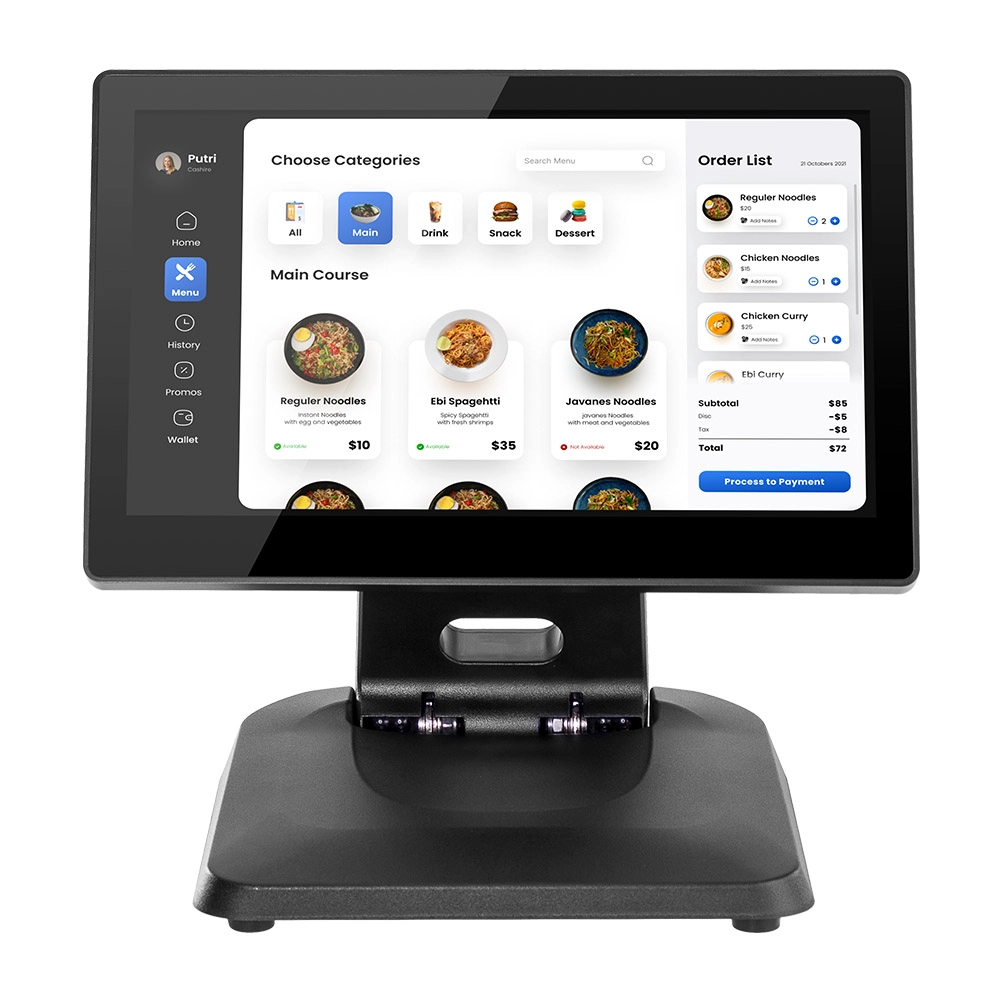
Factory 11.6'' Touch Screen POS Terminal Android Windows
The Factory 11.6'' Touch Screen POS Terminal is a versatile solution that supports both Android and Windows operating systems. Designed for durability and efficiency, this terminal is perfect for various retail environments. Its compact size and responsive touch screen enhance customer interactions, making transactions quick and seamless.
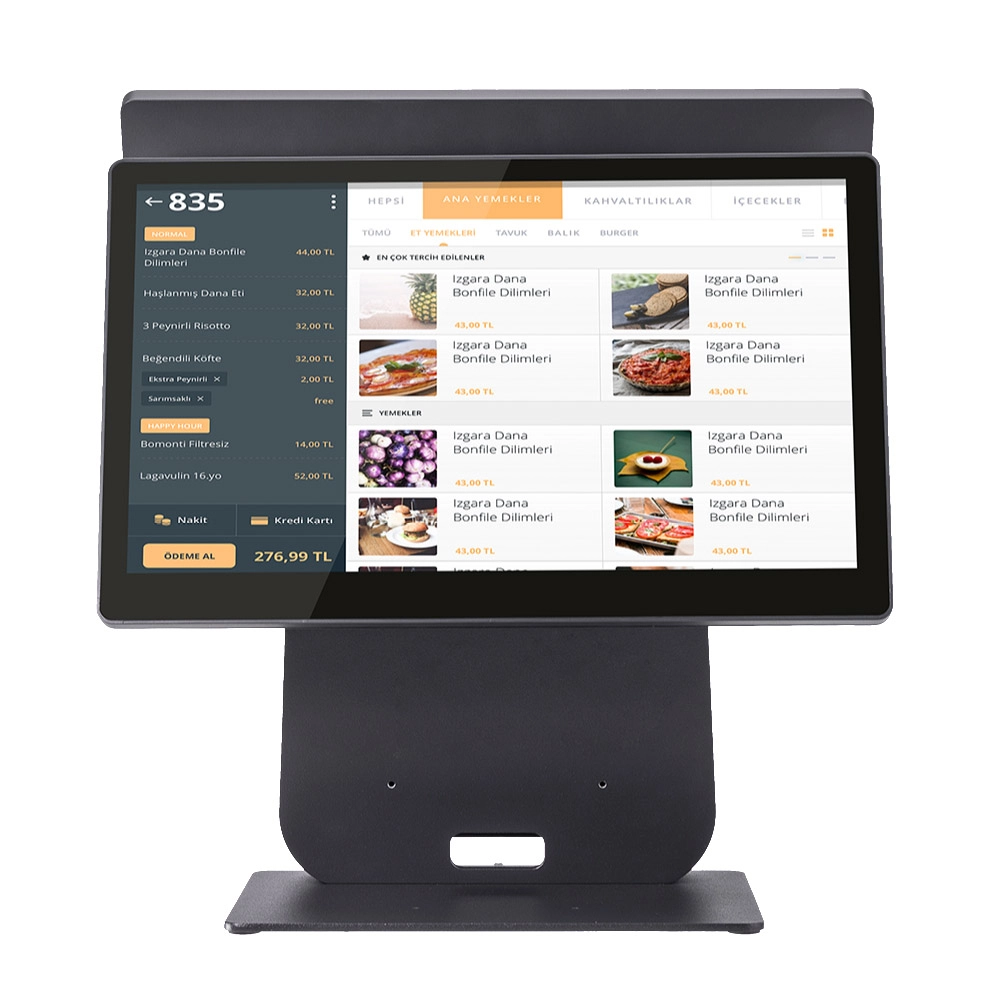
HD Dual Screen POS Machine Aluminum Hardware Android Windows Supplier
This dual-screen POS machine supports both Android and Windows systems, providing flexibility for various applications. The dual screens enhance customer interaction and streamline the checkout process, making transactions quicker and more engaging. Perfect for modern businesses looking to elevate their service and improve customer satisfaction, this POS machine is your ultimate partner in success!
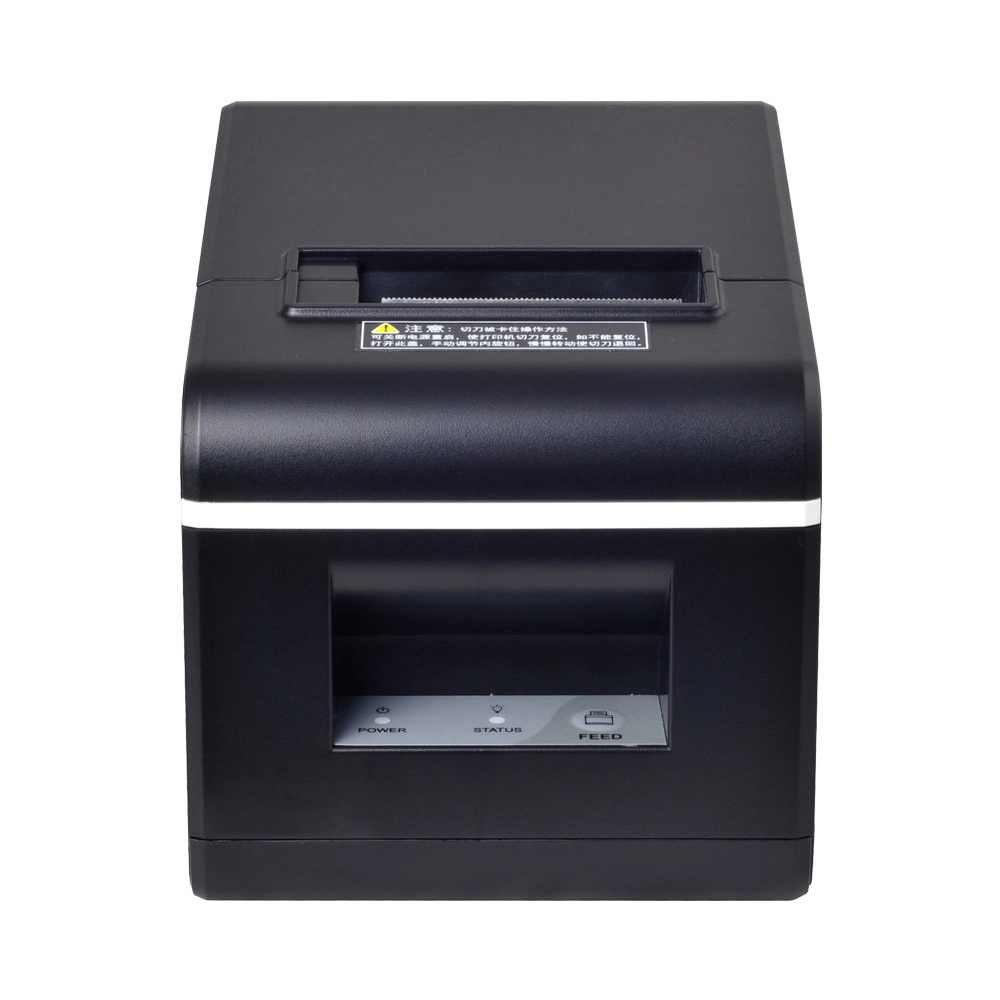
New Model Thermal Printer Bill Printer Manufacturer Portable Printer for Receipt
New Model Thermal Printer, a state-of-the-art bill printer designed for modern retail and hospitality environments. This printer combines advanced technology with user-friendly features, ensuring fast and efficient printing of high-quality receipts. Its sleek design complements any workspace, while multiple connectivity options make it easy to integrate into your existing POS systems.
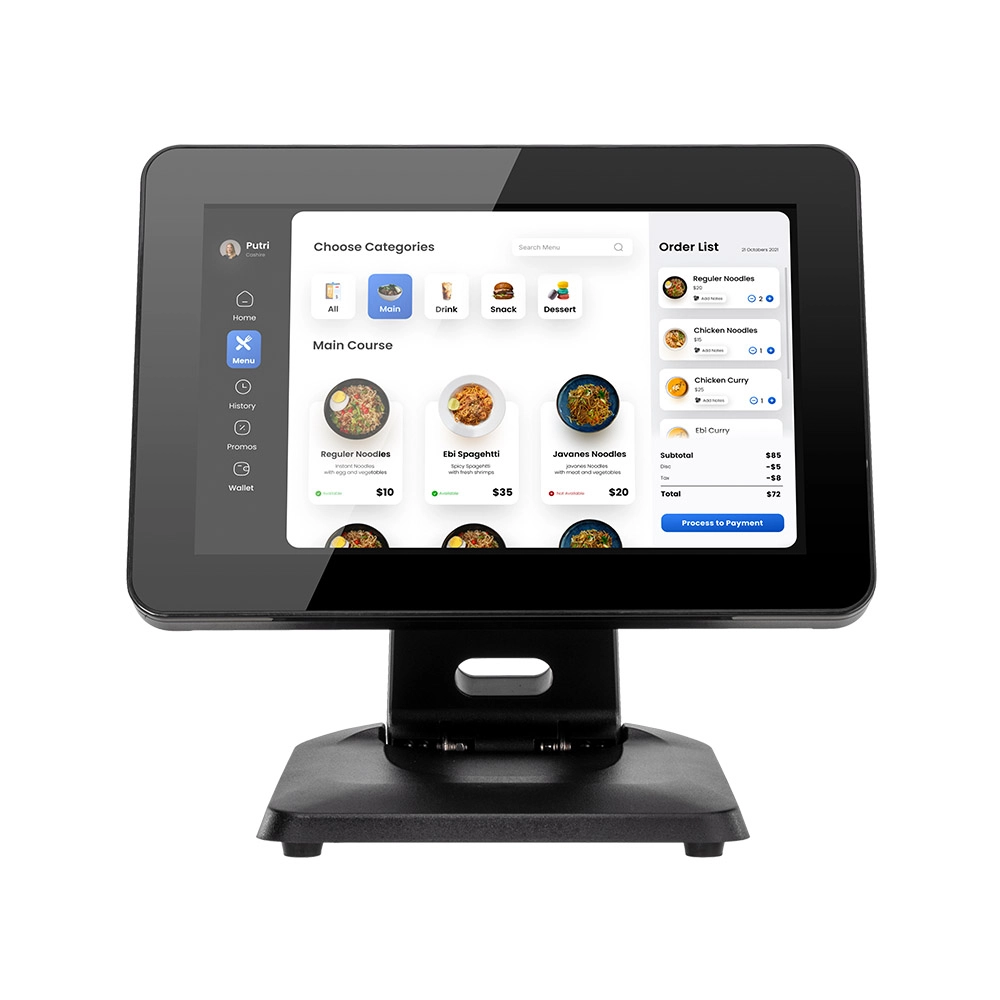
Desktop Touch Screen POS Systems 12.1'' Android Windows Manufacturer
Our Desktop Touch Screen POS Systems feature a 12.1'' display, supporting both Android and Windows platforms. Engineered for high performance. The intuitive touch interface simplifies transactions and enhances customer engagement. With a sleek design and robust construction, our POS systems are perfect for businesses looking to improve efficiency and elevate the shopping experience.


Copyright © 2025 Favorpos All Rights Reserved.
