
How reliable are touch screen POS terminals for high-volume stores?
- 1. How reliable are touch screen POS terminals for high-volume stores?
- 2. Which touch technology holds up best during peak shifts when staff wear gloves or work in wet conditions: capacitive or resistive?
- 3. What minimum hardware specs are essential for a touch screen POS terminal that must handle 1,000+ transactions per day?
- 4. How do I secure cardholder data on a touch screen POS terminal to meet PCI-DSS and local regulations?
- 5. How to design connectivity redundancy (LAN + cellular + UPS) so touch screen POS terminals keep processing during outages?
- 6. For multi-store rollouts, what spare parts, maintenance tasks, and SLA levels should I require from vendors for each touch screen POS terminal?
As POS hardware and cloud payments converge, beginners and procurement teams repeatedly encounter practical gaps in available guidance. Below are six focused, pain-point questions I see in multi-store and high-volume deployments, answered with field-tested best practices, standards (EMV, PCI PTS/P2PE, PCI DSS), and procurement checklists. The guidance assumes you will evaluate enterprise-grade touch screen pos terminal hardware (fanless designs, SSD storage, multi-core CPUs) and software stacks (cloud POS, local pos fallback) and plan redundancy and remote management.
1. How reliable are touch screen POS terminals for high-volume stores?
Short answer: Enterprise-grade touch screen POS terminals can be highly reliable in high-volume environments, but reliability depends on component choices, installed defenses (redundant connectivity, UPS), and vendor support.
What affects reliability:
- Hardware class: Commercial/retail-grade terminals (metal chassis, reinforced glass like Gorilla Glass, enterprise SoCs or low-power Intel chips, SSDs) are built for continuous duty. Consumer tablets are not designed for 12–16 hour daily retail shifts.
- Moving parts: Fanless designs and solid-state storage (SSD/eMMC with wear-leveling) lower failure points. Thermal printers and cash drawer mechanisms are typical wear items—choose durable printer mechanisms and planned maintenance.
- Ingress and environment: IP-rated enclosures (e.g., IP54) or splash-resistant designs matter in kitchens and bars. Dust, heat, and grease shorten life if the terminal isn’t protected.
- Payments stack: Use certified PIN-entry devices (PCI PTS) or integrated P2PE devices for secure PIN capture—these devices are designed and certified for heavy transactional use.
- Support & spares: On-site SLAs, spare-device pools, and replaceable modules (power supplies, cable harnesses, printer heads) determine how quickly you recover from hardware failure.
What you should expect in practice:
- Deployment lifespan: 3–7 years for enterprise-grade terminals depending on workload and maintenance. Warranties often run 1–3 years; extend to cover your expected lifecycle if available.
- Failure modes: Screen damage (impact/scratches), printer head wear, power supply or connector failure, and storage wear. Regular preventive maintenance reduces these incidents.
- Downtime mitigation: Design for redundancy—backup terminals, cellular failover for payments, UPS/battery for brief outages, and remote device management for fast diagnostics and recovery.
Takeaway: A properly specified touch screen pos terminal combined with a redundancy plan and supplier SLAs provides the reliability needed for high-volume stores.
2. Which touch technology holds up best during peak shifts when staff wear gloves or work in wet conditions: capacitive or resistive?
Choice depends on your operating environment and workflow.
Capacitive (projected capacitive / PCAP):
- Pros: Multi-touch gestures, fast, optical clarity, widely used in modern terminals; supports modern UI/UX and multi-finger shortcuts which speed checkout.
- Cons: Standard capacitive panels may fail to detect gloved fingers. However, many enterprise PCAP panels include a “glove mode” or are calibrated for thicker gloves and stylus use. They usually offer superior durability (tempered glass) and scratch resistance.
Resistive:
- Pros: Works reliably with gloves or any stylus/pen; resistant to accidental input from liquids; historically cheaper.
- Cons: Lower clarity, single-touch, wears faster under heavy tap usage, and often fewer commercial-grade ruggedization features.
Recommendation for high-volume stores:
- Default to PCAP (capacitive) for speed and modern UX—insist on glove-capable PCAP if your staff use gloves regularly.
- Ask vendors for glove-mode test reports and request field samples to validate in-store under real conditions (temperatures, gloves, condiments).
- Protect the screen with replaceable tempered glass protectors and specify vendor-supplied cleaning protocols (70% isopropyl where allowed) to avoid polish or chemical damage.
3. What minimum hardware specs are essential for a touch screen POS terminal that must handle 1,000+ transactions per day?
High throughput depends on both hardware and software. For hardware, prioritize these specs:
- Processor: Multi-core low-power CPU (modern Intel Atom/Celeron for Windows/Linux or a commercial Android SoC). Don’t use entry consumer tablets—choose commercial SoCs with sustained performance ratings.
- Memory: 4–8 GB RAM minimum for Windows/Linux; 2–4 GB for optimized Android builds. Memory affects simultaneous peripheral drivers, local caches, and background sync tasks.
- Storage: SSD or industrial eMMC with wear-leveling; avoid small consumer flash with no endurance specs. Fast storage reduces UI lag and speeds log writes.
- I/O and ports: At least 1Gbit Ethernet, dual-band Wi‑Fi, optional 4G/5G modem or USB cellular for failover, multiple USB ports, and one or more serial (RS232) ports for legacy printers/scales. USB-C with power delivery is increasingly useful for flexible peripherals.
- Peripherals compatibility: Integrated thermal printer options (if chosen) should be rated for the expected receipt volume; ensure easy paper roll changes and replaceable print heads.
- Display: 10–15 PCAP with anti-glare and reinforced cover glass for durability and fast tapping without ghost touches; consider customer-facing display or second screen options for upsell and verification.
- Thermal and cooling: Fanless designs reduce dust ingress. Ensure the vendor provides temperature specs for continuous operation at store ambient temperatures.
Also validate software performance: benchmark the target POS application on the device with scripted peak workloads (simulated multi-tender transactions, receipt printing, barcode scans, and inventory sync) before full rollout.
4. How do I secure cardholder data on a touch screen POS terminal to meet PCI-DSS and local regulations?
Security must be layered: certified payment hardware, hardened software, encrypted communications, and documented policies.
Key controls and standards:
- EMV acceptance and PCI PTS PIN-entry devices: Use devices certified for secure PIN entry (PCI PTS) or payment terminals that support P2PE (Point-to-Point Encryption). These prevent raw PANs and PINs from being exposed on your POS system.
- Tokenization & P2PE: Where possible, use processor-provided tokenization and P2PE so the terminal never stores plain PANs. This reduces PCI scope significantly.
- Network segmentation & TLS: Isolate POS VLANs from guest Wi‑Fi; use TLS 1.2+ for all payment traffic and secure tunnels (VPN) for cloud POS backends if required by your processor.
- OS hardening & updates: Disable unused services and ports, apply vendor-supplied OS/firmware updates promptly, and enforce application whitelisting where feasible.
- Endpoint monitoring & logging: Use remote device management to track device health, firmware versions, and unusual behavior; retain logs in a secure, tamper-evident store per your compliance needs.
- Vendor attestations: Require suppliers to provide PCI compliance documentation, P2PE/PIN-entry device certification, and written procedures for security patching, incident response, and chain-of-custody for RMAs.
Practical steps:
- Choose a payments processor and hardware that already meet P2PE or have a documented PCI-compliant integration.
- Document your architecture and maintain an inventory of devices and firmware versions as part of PCI SAQ/D validation.
- Train staff to never enter card data manually unless in certified fallback workflows and to report suspicious activity.
5. How to design connectivity redundancy (LAN + cellular + UPS) so touch screen POS terminals keep processing during outages?
High-volume stores must plan for network and power interruptions. A layered redundancy approach minimizes lost sales.
Recommended architecture:
- Primary connectivity: Wired 1 Gbit Ethernet to your router/switch for the lowest latency and highest stability for cloud POS and payment tokenization.
- Secondary connectivity: Dual-band Wi‑Fi as immediate backup within the store (different NIC and separate SSID/VLAN).
- Out-of-band failover: Cellular 4G/5G modem (integrated or USB) with automatic failover on WAN loss. Configure QoS and limit nonessential traffic during failover to preserve payment bandwidth.
- Power redundancy: Small UPS units for each terminal or a centralized UPS for the POS cluster and network gear. UPS should allow for graceful shutdown or sustained operation during the expected short outages (5–30 minutes typical). For longer outages, plan staff workflows and mobile payment alternatives.
- Payment processor support: Confirm with your acquirer/processor how they handle offline/force transactions and whether they support secure offline-authorize workflows. Prefer real-time authorization; offline modes increase fraud exposure and reconciliation complexity.
- Test failover regularly: Simulate LAN outage and validate that terminals switch to cellular and that payment throughput and receipts are unaffected. Document RPO/RTO and train staff on any fallback checkout procedures.
Network configuration tips:
- Use routers that support automatic WAN failover and keep NAT/DNS settings stable to avoid session drops during switchover.
- Ensure terminals have static IP configuration or reliable DHCP reservations to avoid re-provisioning after connectivity switches.
- Monitor bandwidth and latency—store-level QoS to prioritize payment traffic helps in contention scenarios.
6. For multi-store rollouts, what spare parts, maintenance tasks, and SLA levels should I require from vendors for each touch screen POS terminal?
Procurement for scale must include a field-service mindset. Insist on explicit SLAs, spare parts plans, and maintenance workflows in contracts.
Minimum spare parts and consumables:
- Replaceable touch panels or tempered glass protectors; power bricks and cables; spare thermal printer heads and cutter assemblies; spare paper rolls and inks where used; spare power supplies and mounting brackets.
Maintenance tasks and cadence:
- Weekly: Check and clear paper jams, verify printer alignment, clean screen with approved agents, and confirm peripheral connectivity (scanners, scales).
- Monthly: Review device logs via remote management, verify firmware/software patch levels, test card reader self-tests, and inspect mounting hardware.
- Quarterly: Replace consumables, run stress tests, and update inventories of spares.
SLA and vendor commitments to demand:
- RMA and repair SLAs (e.g., NBD on-site for enterprise accounts) and advance replacement options for critical devices.
- Spare pools: Vendor-managed spares shipped on demand or stocked in regional warehouses for rapid swap-out.
- Remote device management and telemetry included to pre-empt failures (fault alerts, predictive wear reporting for thermal print heads, disk health).
- Firmware signing and staged rollouts: Vendors should offer tested firmware and controlled rollouts to avoid mass outages from bad updates.
- Training and documentation: On-site or virtual training for basic part swaps and a clear escalation path with an assigned account manager and repairs portal.
Procurement checklist: include MTTR targets, replacement part lists, spare-unit minimums per store type, and mandatory acceptance testing (stress and environmental) before bulk installation.
Conclusion
When specified and supported correctly, a touch screen pos terminal delivers fast checkouts, modern payment acceptance (EMV and contactless/NFC), and centralized management that reduces long-term operating costs. Prioritize enterprise-grade hardware (fanless chassis, SSD, reinforced glass), certified payment peripherals (PCI PTS/P2PE), and a network/power redundancy plan (Ethernet + Wi‑Fi + 4G/5G + UPS). Combine that with clear vendor SLAs, spare-part planning, and remote device management and you get predictable uptime and lower TCO in high-volume stores.
For a pilot, hardware samples, or a multi-store rollout quote, contact us for a custom proposal: www.favorpos.com or sales2@wllpos.com.
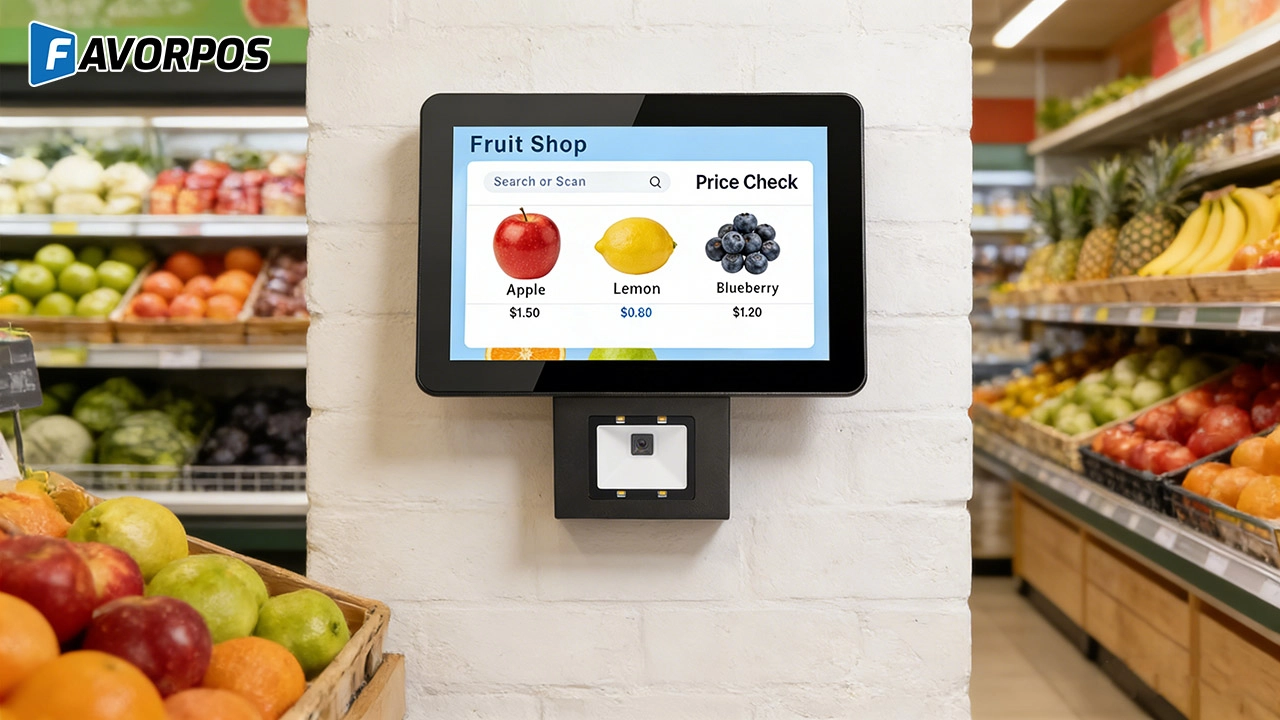
The Smart Way to Check Prices: How a 10.1-Inch Wall-Mounted Price Checker Transforms Retail Stores
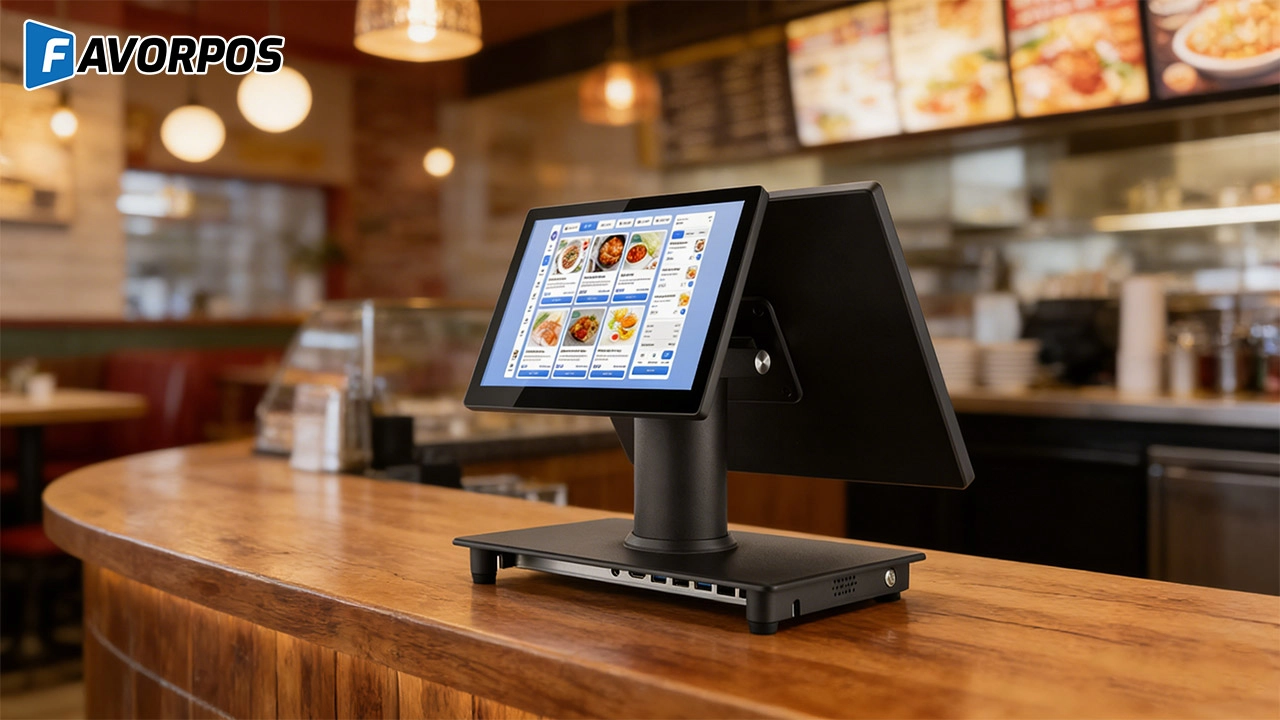
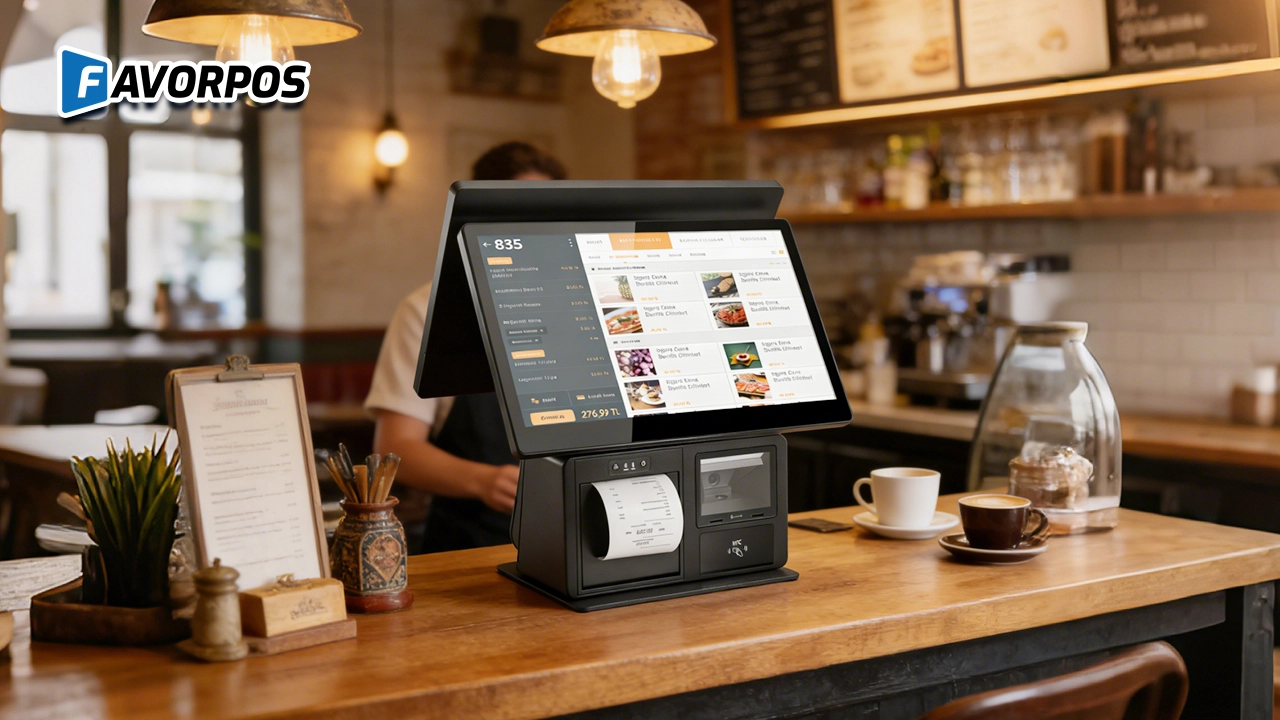
A Smarter Checkout Experience: The 15-Inch Dual-Screen POS Built for Modern Retail
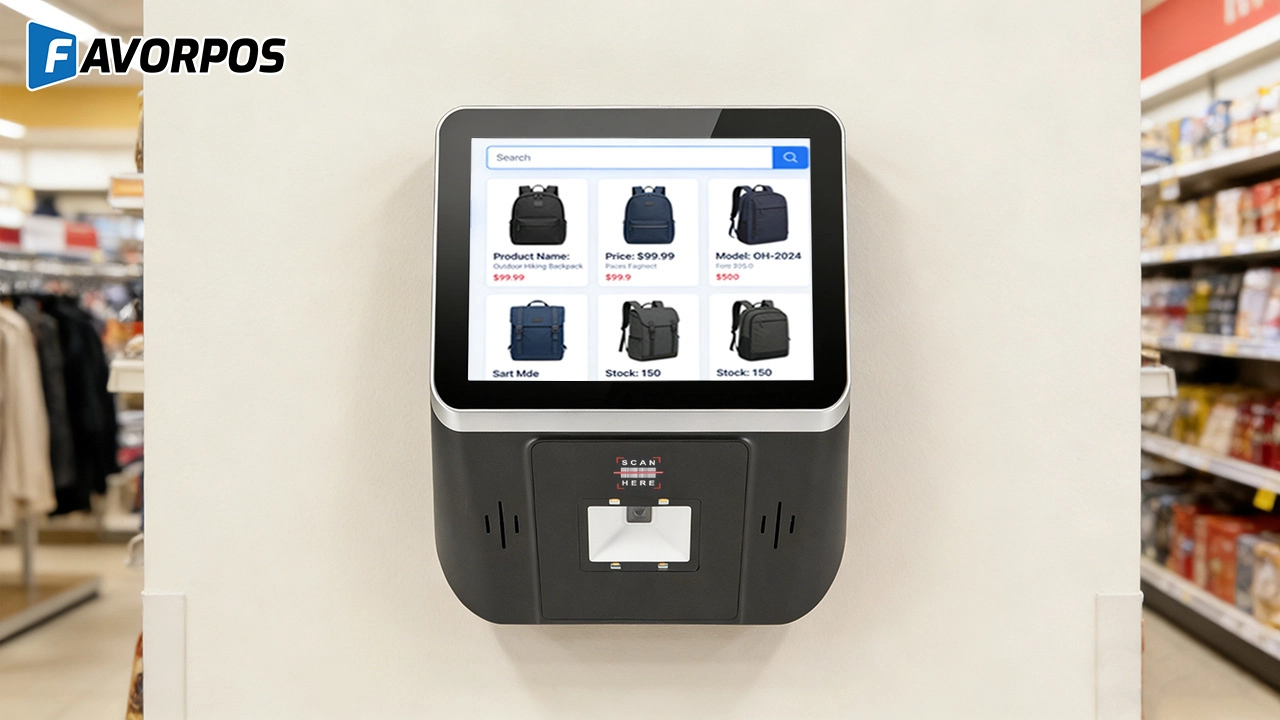
8-Inch Smart Price Checker: A Small Device Powering Smarter Retail Spaces
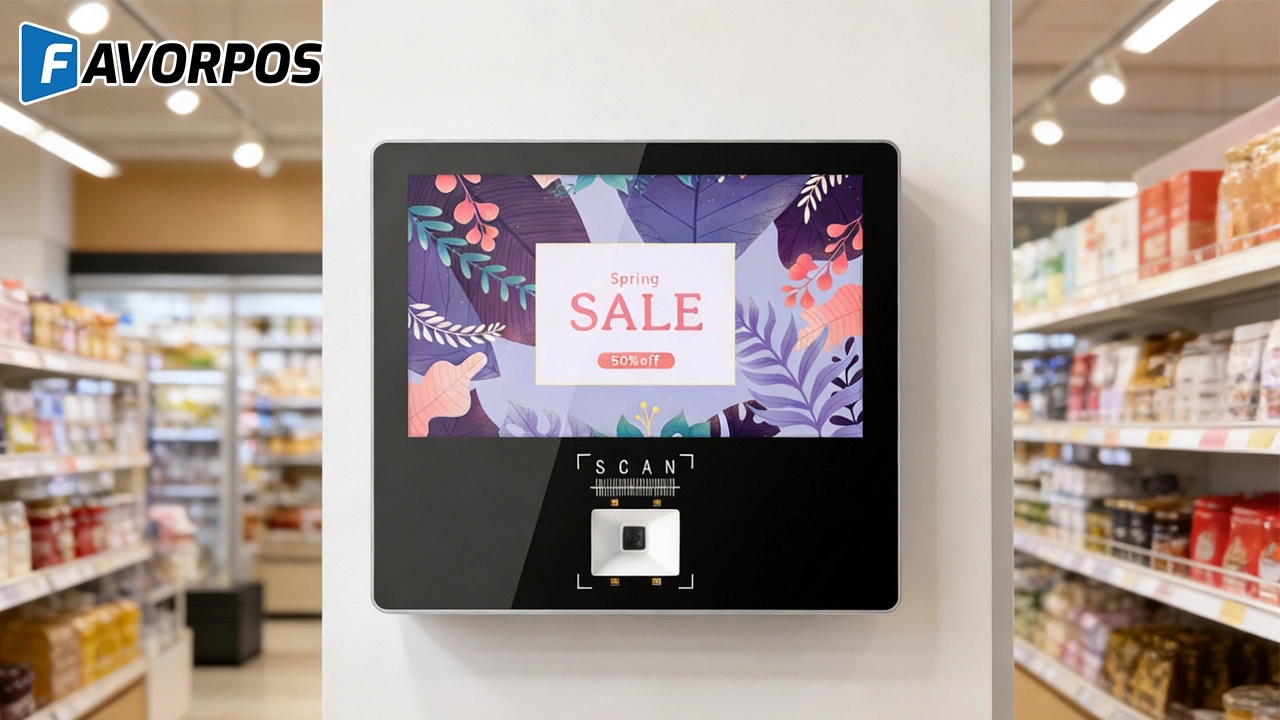
Built for Retail Precision: Manufacturing Excellence Behind the 11.6” Smart Price Checker
Building Stability in an Unstable Market: A 15.6-Inch All-in-One POS Designed for the Long Term
For E-commerce
Is your POS solution scalable to accommodate business growth?
Yes, our POS system is designed to be scalable, and you can easily add new sales channels, locations, and features to accommodate business growth.
For Healthcare
Do you provide training for our employees?
Yes, we provide comprehensive training materials to ensure that your employees are proficient in using the new machine.
For Beauty and Wellness
Can your POS system handle both appointment scheduling and product sales?
Yes, our system can efficiently manage appointment scheduling, product sales and customer records to ensure the smooth operation of the beauty and health business.
For Hotels
What types of reports can I generate through your POS system?
You can generate detailed real-time reports on sales, guest spending patterns, department performance, and more.
For Government and Public
How does your system ensure data security?
We use advanced encryption and security measures to protect all financial and personal data, ensuring compliance with industry standards and regulations.

Aluminum Dual Screen Pos Terminal Pos Systems 15.6 inch Touchscreen Pos
FAVORPOS Aluminum Dual Screen POS Terminal features a 15.6-inch touchscreen, ideal for seamless transactions. As a trusted OEM Windows POS manufacturer, we deliver durable, high-performance solutions tailored for retail and hospitality businesses.
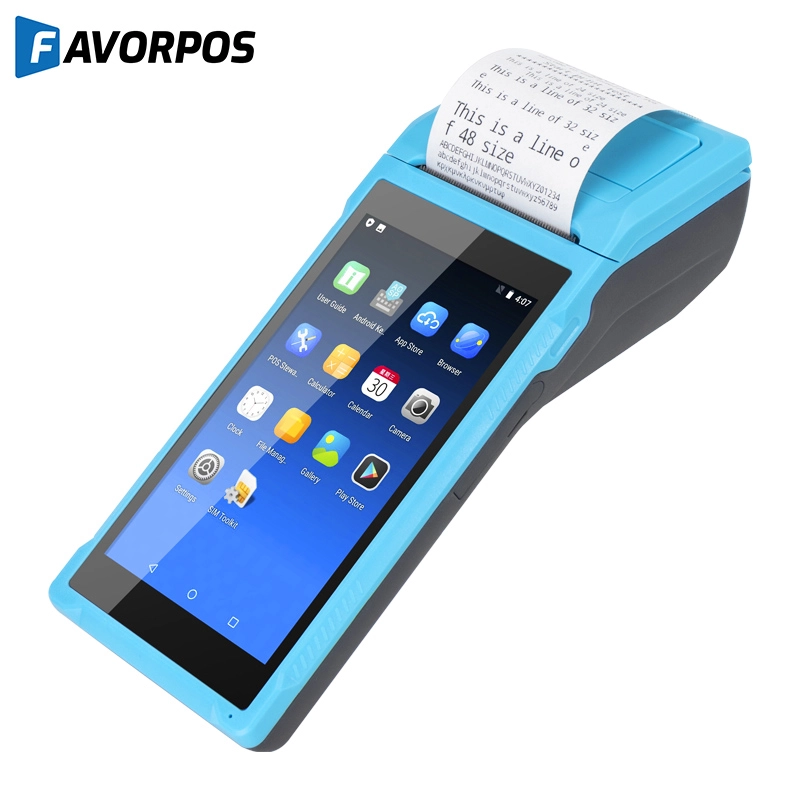
Android Handheld Pos Device Touch Screen Pos Terminal Manufacturer
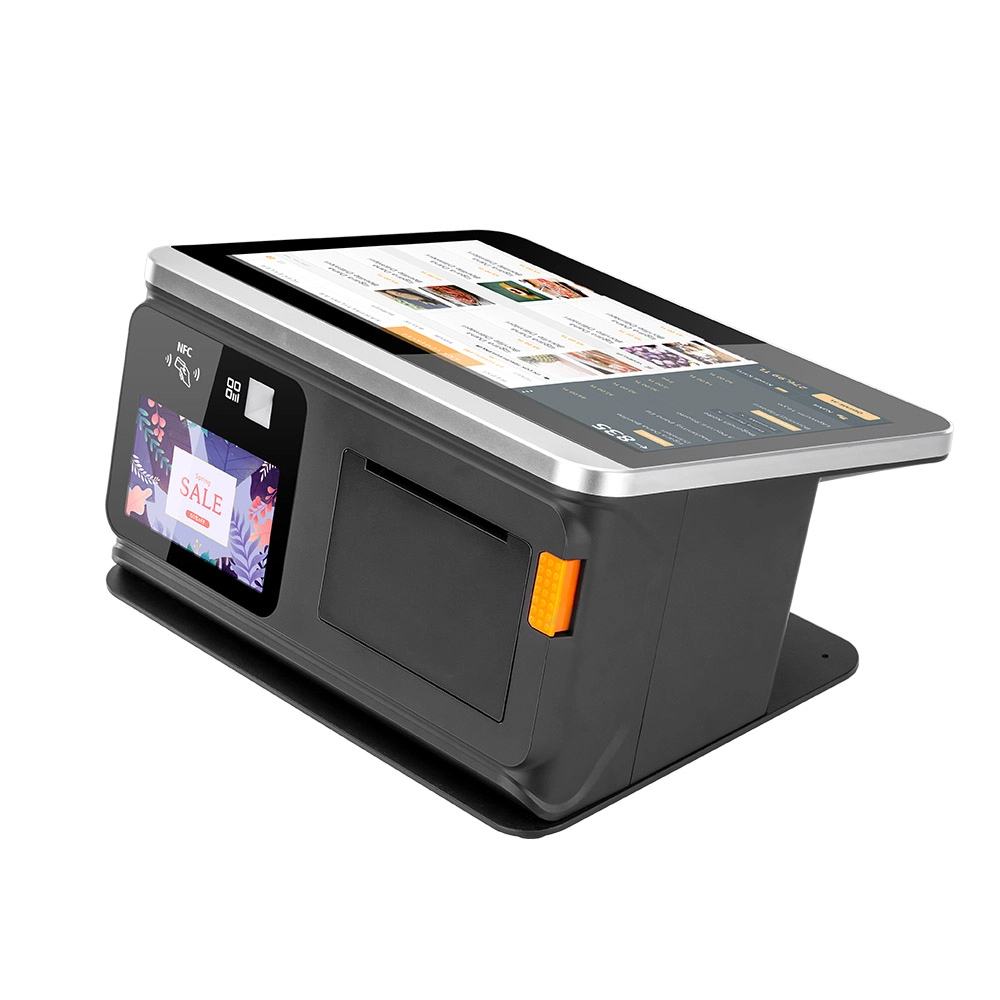
All in One POS Terminal Metal 11.6'' Touchscreen Android Windows with Printer
The All-in-One POS Terminal features an 11.6'' touchscreen display, compatible with both Android and Windows. This metal-constructed terminal combines durability with style, making it a perfect fit for any retail or hospitality environment. Equipped with a built-in printer, it streamlines transactions by allowing for instant receipt printing.
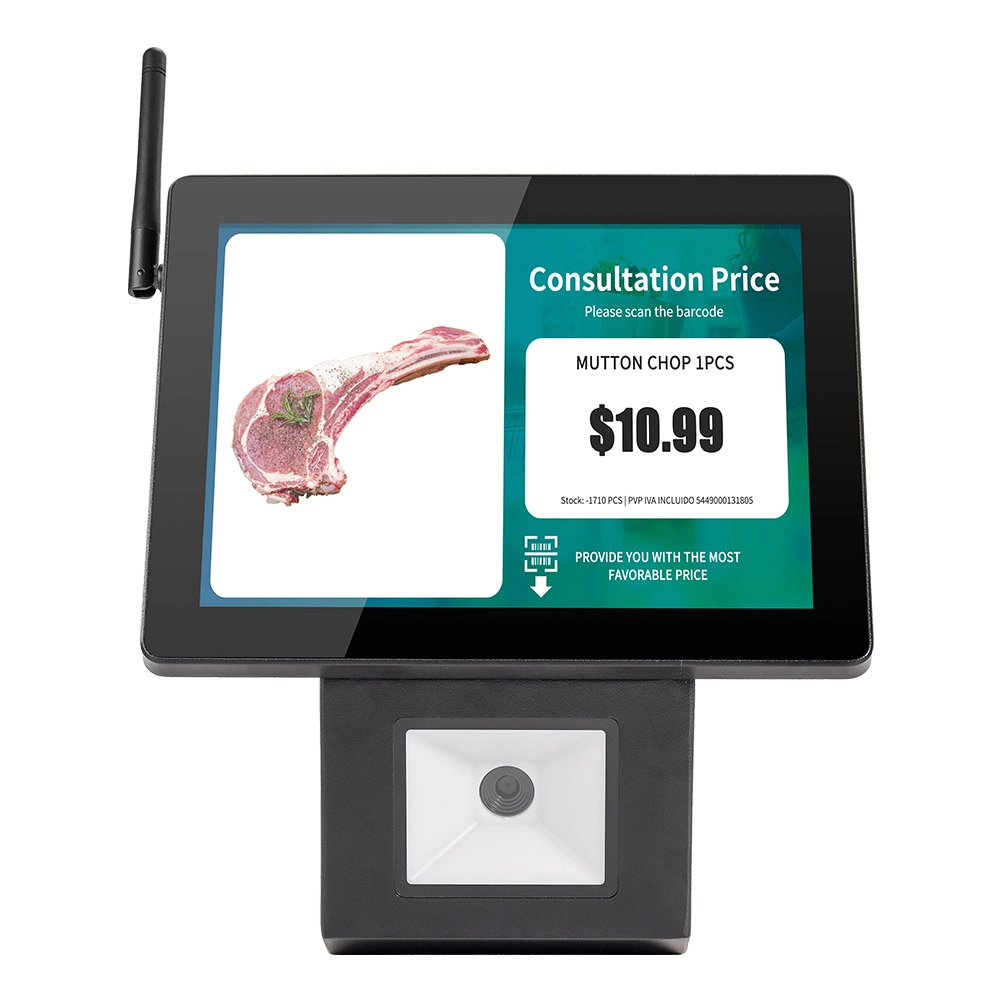
8 inch Touchscreen Price Checker Barcode Scanner Wifi Optional Android Win 10
FAVORPOS Touchscreen Price Checker offers a user-friendly interface, perfect for retail environments. With optional Wi-Fi connectivity, this device runs on Android or Windows, providing flexibility and ease of use. The integrated barcode scanner allows for quick price verification, enhancing the shopping experience for customers. Compact and efficient, it's designed to streamline operations and improve checkout speed.
Get in touch
Interested in becoming a POS system dealer? Contact us for more information and start the process of joining our dealer network.
We look forward to working with you to expand the market together.


Copyright © 2025 Favorpos All Rights Reserved.
