
What is the difference between POS and payment system?
Discover the key differences between a POS system and a payment system with FAVORPOS. Our detailed guide explains how a POS integrates various business operations, while a payment system focuses on processing transactions. Understand which solution best suits your business needs. Explore further to optimize your operations today with our expert insights.

This is important because although POS (point of sale) system and payment system are two terms that can be used interchangeably as they refer to similar aspects of the point of transaction, they are two distinct systems in any overall system of transaction. Here's a breakdown of their differences:
1. POS (Point of Sale) System
A POS is a complete package that is implemented by companies to handle all aspects of a sale transaction process. It comprises the physical parts that are used by the businesses to close sales, keep records of stocks, prepare reports, and manage different issues regarding customers.
Components of a POS system
Hardware: Some examples of point of sale equipment are cash registers, barcode scanners, receipt printers, touch-screen terminals, point of sale credit card printers, and cash drawers.
Software: POS software includes transactions and sales, customer management, inventory control, reporting, and occasionally employee affairs or payment. It is also frequently connected with accounting software.
Transaction Process: The POS system is also involved in a cash out area where customers use money to purchase goods or avail of services. It may apply to formal or informal modes of payment such as cash, credit/debit cards, or mobile wallets.
Functions of a POS system
These include tracking inventory and management of the same.
Sales and transactions brokering
Employee management
Reporting and analytics
Customer relationship management (CR),
Inventory controlling or management

2. Payment System
A payment system is a more specific term that describes the technological and operational area that covers the flow of money from the consumer to the merchant. It concerns a method, manner, or form in which payments are made or how payments are effected by anyone and between anyone. Payment systems can be both electronic and conventional, and conventional systems may also be referred to.
Types of Payment Systems
Card Payment Systems: Comprises systems that deal with the acceptance of debit/credit cards (example, Visa Master Card).
Mobile Payment Systems: Contactless payment methods where consumers have to use their smartphone (iPhone, Android, Samsung, etc.) to make payments like Apple Pay, Google Pay, and Samsung Pay.
Online Payment Systems: such as PayPal, Stripe, or Square, specifically to cover the payments between two parties through the internet.
Bank transfers: generally referred to as direct bank transfers, whereby funds are transferred from one account to another.
Cashless Payment Systems: Particularly applies NFC (Near Field Communication) or QR code-based systems.
Functions of a Payment System
- Payment authorization and authentication
- Secure processing of funds (via encryption and compliance with security standards like PCI-DSS)
- Payment clearing and settlement (the transfer of money from one party to another)
- Fraud detection and prevention
3. Key Differences
|
Feature |
POS System |
Payment System |
|
Purpose |
Facilitates the overall sales transaction process (sales, inventory, etc.). |
Handles the processing of payments and fund transfers. |
|
Scope |
Broader often includes inventory management, reporting, and employee management. |
Narrower, focused solely on payment processing. |
|
Hardware |
May include terminals, printers, barcode scanners, and card readers. |
Typically involves card readers, mobile wallets, or online payment gateways. |
|
Functionality |
Manages transactions and records; integrates with other business systems. |
Authorizes, processes, and settles payments. |
|
Payment Types |
Accepts various payment methods (cash, credit card, mobile payments, etc.). |
Focuses specifically on the technology for processing payments (cards, mobile apps, etc.). |
In essence, POS systems are broader systems that manage the sales process, and payment systems are the specific technologies that handle the actual monetary transaction. Many modern POS systems integrate with payment systems to offer seamless payment processing.
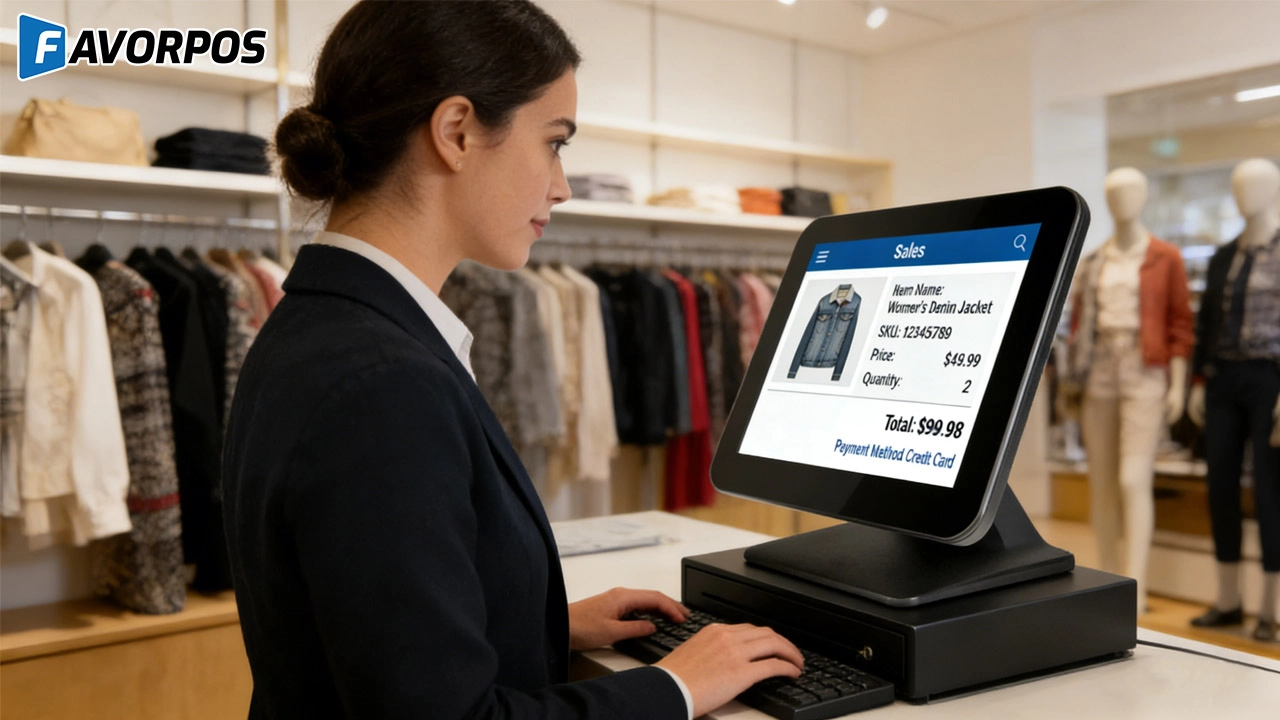
Understanding 15-Inch Aluminum POS Terminals in Modern Commercial Use
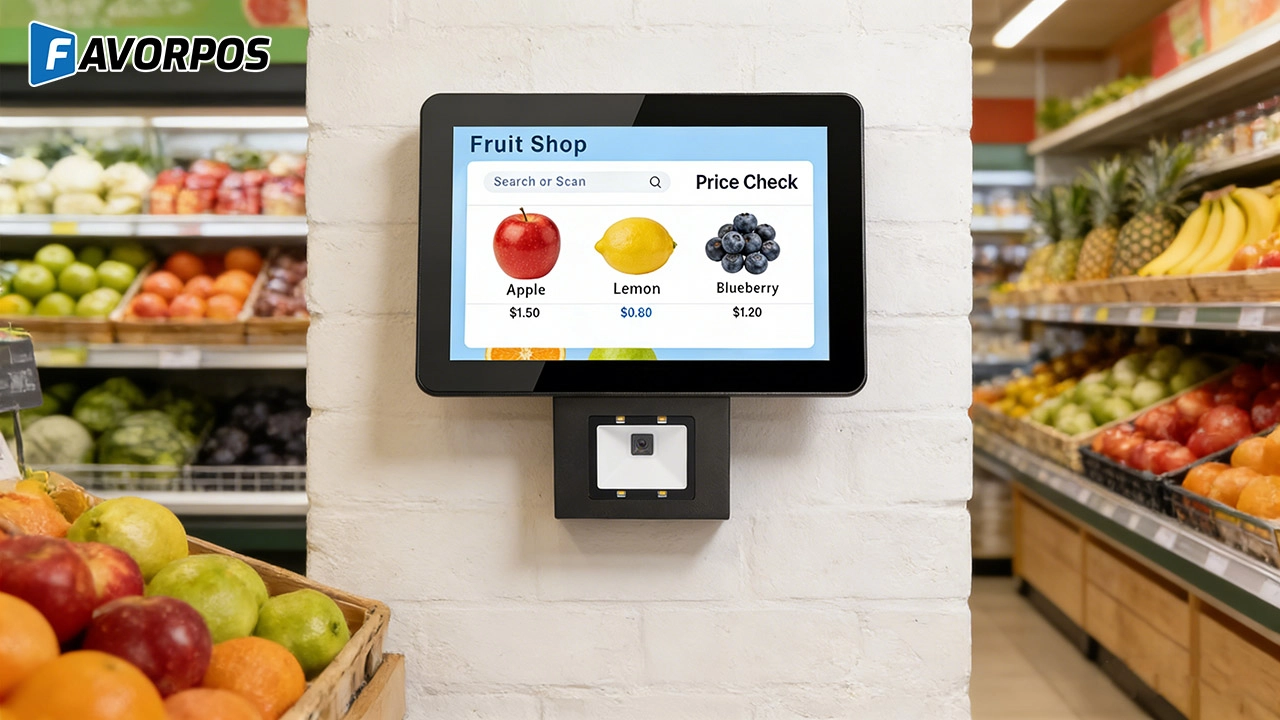
The Smart Way to Check Prices: How a 10.1-Inch Wall-Mounted Price Checker Transforms Retail Stores
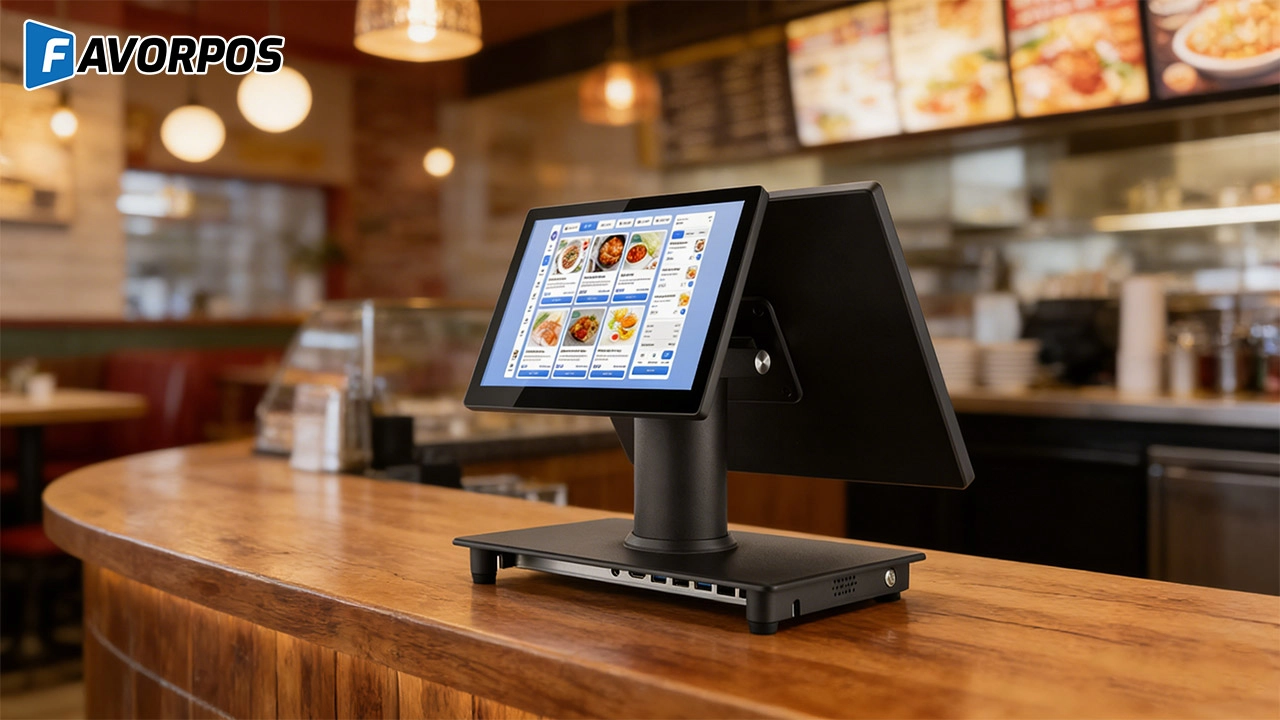
A Smarter Checkout Experience: The 15-Inch Dual-Screen POS Built for Modern Retail
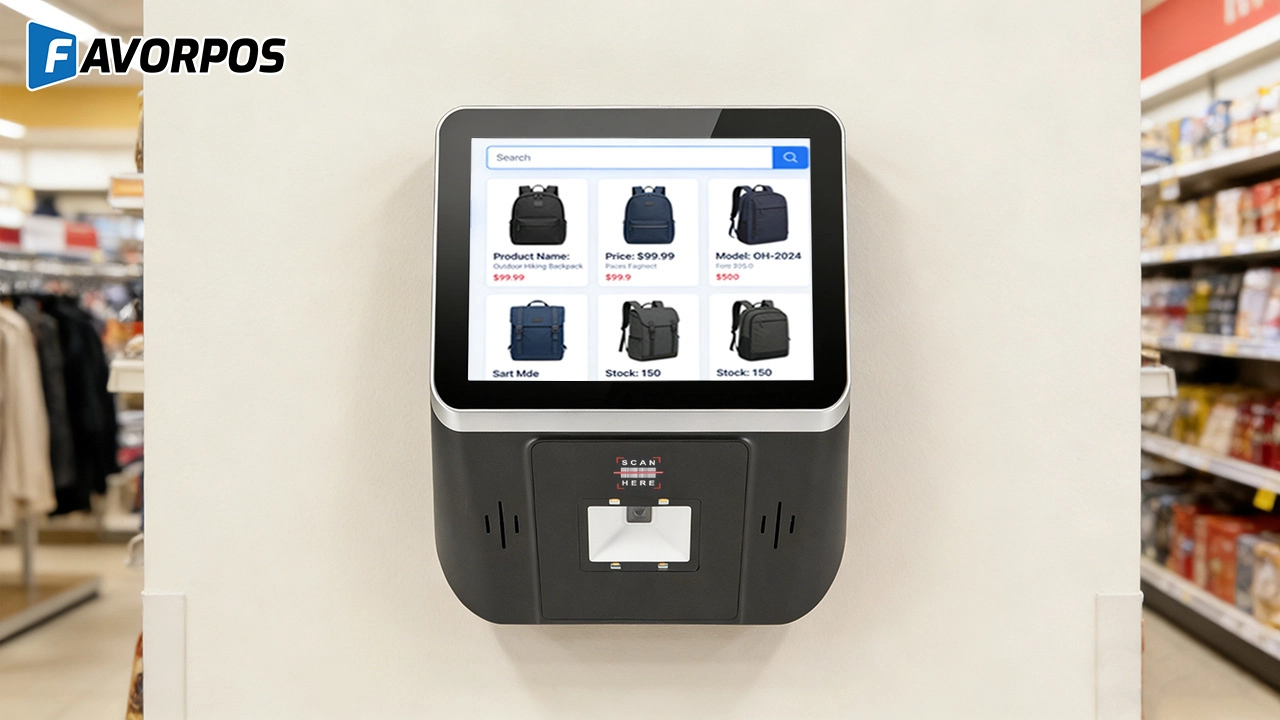
8-Inch Smart Price Checker: A Small Device Powering Smarter Retail Spaces
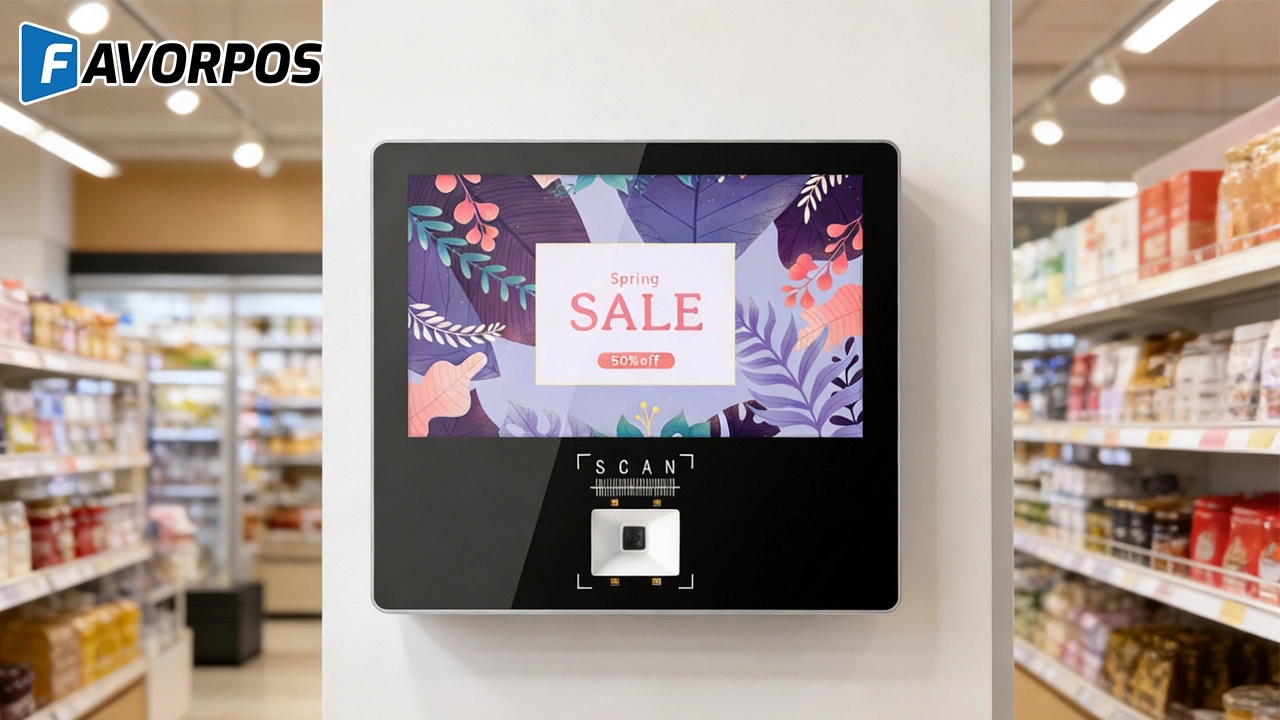
Built for Retail Precision: Manufacturing Excellence Behind the 11.6” Smart Price Checker
For Restaurants & Cafes
What is the warranty period for the POS system?
We provide a standard warranty period of at least one year. During the warranty period, if the device fails, we will provide free repair or replacement services. The specific warranty period and terms can be negotiated according to the contract.
For Healthcare
Can the POS system manage multiple locations?
Yes, our system supports multi-location management, allowing for centralized management of multiple facilities or departments.
How long does it take to implement the POS system?
Implementation time varies depending on customization requirements and usually ranges from a few weeks to a few months, including installation and employee training.
For Beauty and Wellness
What support is provided after the system is deployed?
We provide 24/7 technical support and regular hardware maintenance to ensure that the system continues to operate efficiently.
For Bakeries
Does the system provide real-time sales reports?
Yes, our system provides real-time reporting and analytics to help you monitor performance, track inventory, and optimize sales strategies.
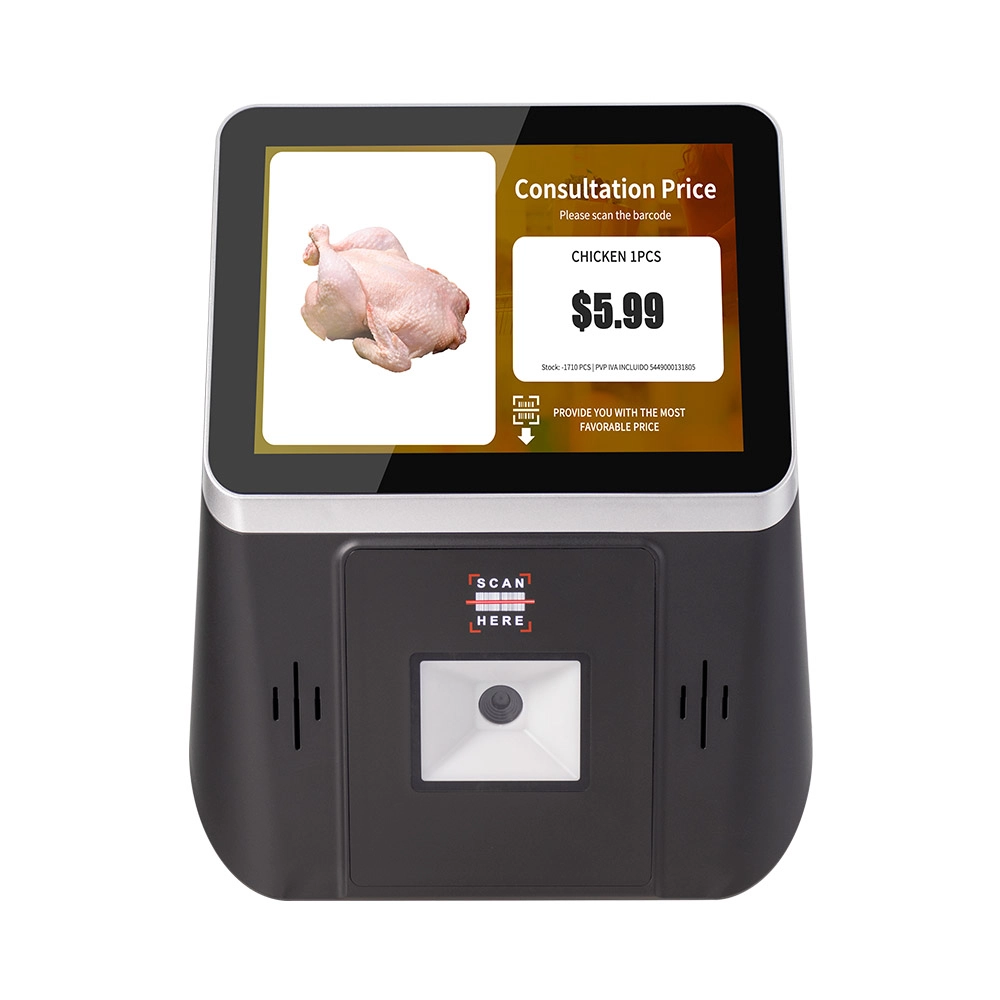
8 inch Wall Mount Price Checker with Scanner Android Windows Factory
Our 8-inch Wall Mount Price Checker is designed for optimal convenience in retail spaces, featuring a sleek design that fits seamlessly into any environment. Compatible with both Android and Windows, this unit includes an integrated scanner for quick and accurate price checks. Its wall-mounted design saves counter space while providing easy access for customers. Ideal for enhancing efficiency and improving the shopping experience.
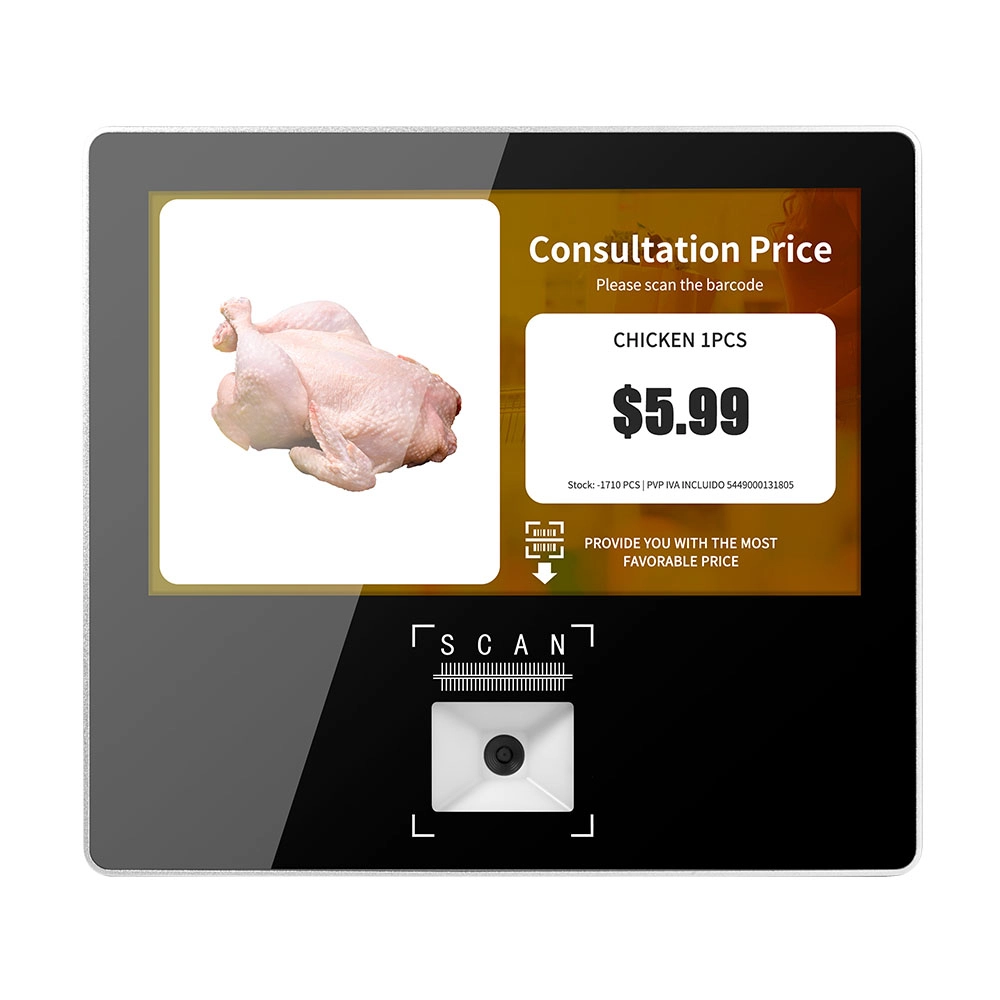
Metal 11.6 inch Price Scanner Machine Android Windows with Wifi Supplier
FAVORPOS Metal 11.6-inch Price Scanner Machine, designed for durability and efficiency in retail environments. This versatile device operates on both Android and Windows, providing seamless functionality for various applications. With built-in Wi-Fi connectivity, it allows for quick access to pricing data and updates. The 11.6'' display ensures clear visibility for easy operation, making it perfect for price checking and inventory management. Enhance your retail experience with this reliable and robust price scanner from a trusted supplier!
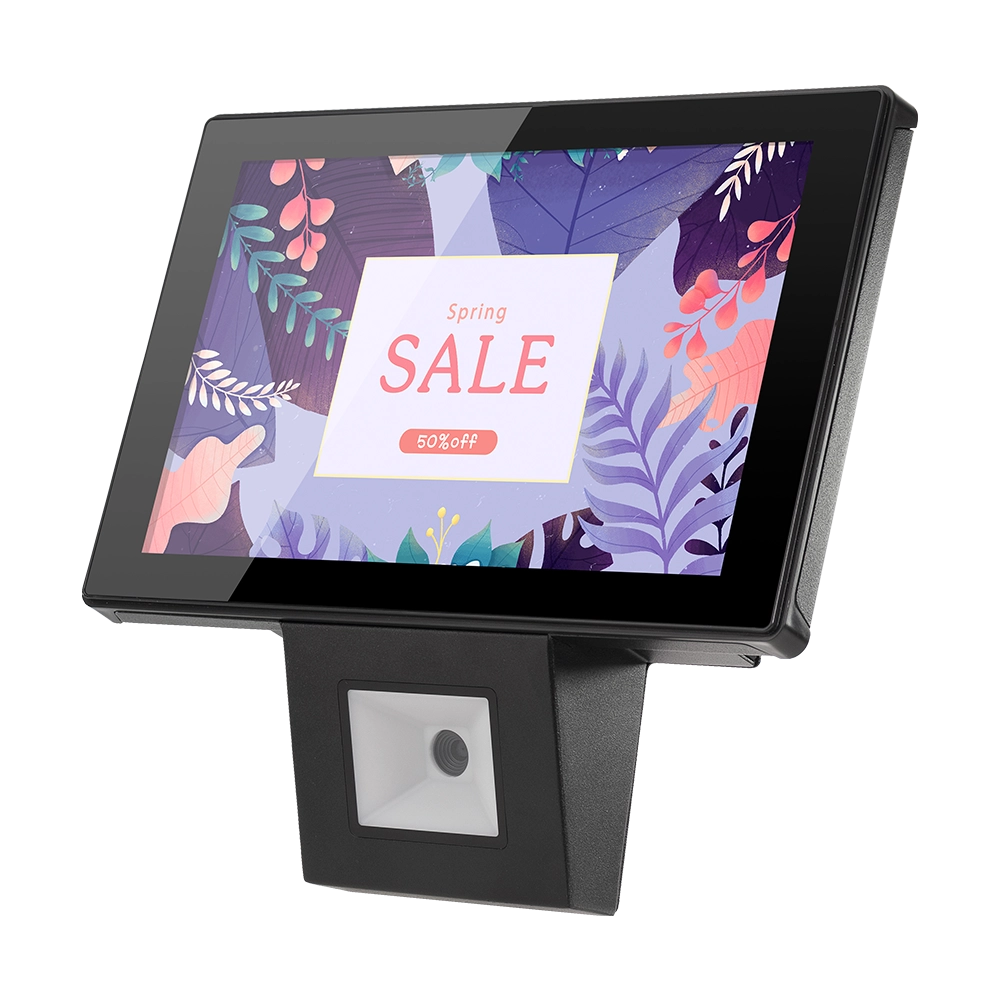
10 inch Price Checker Device Supplier Barcode Scanner for Sale Price Check for Supermarket
FAVORPOS offers 10 inch Price Checker Device, perfect for supermarkets. This wall mounted 10 inch touch screen barcode scanner ensures fast, accurate price checks, enhancing customer experience and operational efficiency. Durable, user-friendly, and perfect for high-traffic retail environments.

Aluminum Dual Screen Pos Terminal Pos Systems 15.6 inch Touchscreen Pos
FAVORPOS Aluminum Dual Screen POS Terminal features a 15.6-inch touchscreen, ideal for seamless transactions. As a trusted OEM Windows POS manufacturer, we deliver durable, high-performance solutions tailored for retail and hospitality businesses.
Get in touch
Interested in becoming a POS system dealer? Contact us for more information and start the process of joining our dealer network.
We look forward to working with you to expand the market together.


Copyright © 2025 Favorpos All Rights Reserved.
