
15 Best All-In-One POS Systems for Retail in 2026 [Ultimate Comparison Guide]
- What are All-In-One POS Systems for Retail?
- Quick Summary: Top 5 Key Takeaways for 2026
- 15 Best All-In-One POS Systems for Retail in 2026
- Crucial Features to Look for in a Modern EPOS System
- Emerging Trends: AI and the Future of Retail POS
- Expert Tips & Common Mistakes When Upgrading Your POS
- Conclusion
- How much does a complete retail POS system cost in 2026?
- What is the difference between a POS and an EPOS?
- Can I use my existing hardware with a new cloud POS?
- Does a retail POS system work offline if the internet goes down?
- Which POS system is best for multi-location retail stores?
- Are all-in-one POS systems secure for processing payments?
- How long does it take to implement a new POS system?
- Do retail POS systems integrate with e-commerce platforms?
What are All-In-One POS Systems for Retail?
All-in-one POS systems for retail are unified platforms combining physical hardware terminals and cloud-based retail EPOS software to process transactions, manage inventory, track customer data, and monitor employee performance simultaneously in one centralized dashboard.
Historically, retail checkouts were tied to a bulky, stationary cash register. However, as reported by Wikipedia, modern ePOS systems eliminate the need for manual price tags and now include vast functionalities such as CRM, advanced financials, and warehousing. By consolidating these mission-critical operations, modern retailers can seamlessly connect their brick-and-mortar storefronts with e-commerce channels. This eliminates redundant manual data entry, reduces operational silos across different departments, and drives accelerated sales growth.
Core Benefits of Implementation:
- Unified Dashboards: Synchronizes physical in-store data and digital online sales into a single, comprehensive view.
- Automated Data Syncing: Drastically reduces manual human error when updating product catalogs or tracking margins.
- Elastic Scalability: Adapts dynamically from managing a single local boutique to orchestrating a massive international chain.
Quick Summary: Top 5 Key Takeaways for 2026
The top five key takeaways for modernizing your checkout experience in 2026 center on embracing cloud mobility, mastering omnichannel synchronization, leveraging AI-driven forecasting, mitigating hidden payment processing fees, and prioritizing multi-location scalability.
How do these technological pillars impact your bottom line? As consumer expectations accelerate, relying on legacy retail infrastructure restricts organic growth and frustrates tech-savvy shoppers. Understanding these core takeaways ensures your software investment yields a high return on investment (ROI) over the coming decade.
- Cloud-based mobility is mandatory: Tethered, stationary cash registers are obsolete; mobile point-of-sale (mPOS) technology empowers your sales staff to check out customers anywhere on the floor.
- Omnichannel synchronization is non-negotiable: Your live inventory must synchronize in real-time between your physical shelves, your digital storefront, and social media channels using premium omnichannel POS software.
- AI-driven forecasting sets leaders apart: The absolute best 2026 software systems actively predict impending stockouts and automatically generate purchase orders using advanced machine learning models.
- Hidden processing fees will drain ROI: Always rigorously calculate the long-term operational cost of built-in payment processors versus agnostic systems that allow third-party gateways.
- Scalability matters: A system that works flawlessly for one pop-up boutique must be robust enough to handle complex multi-location inventory management across 50+ locations as your brand expands.
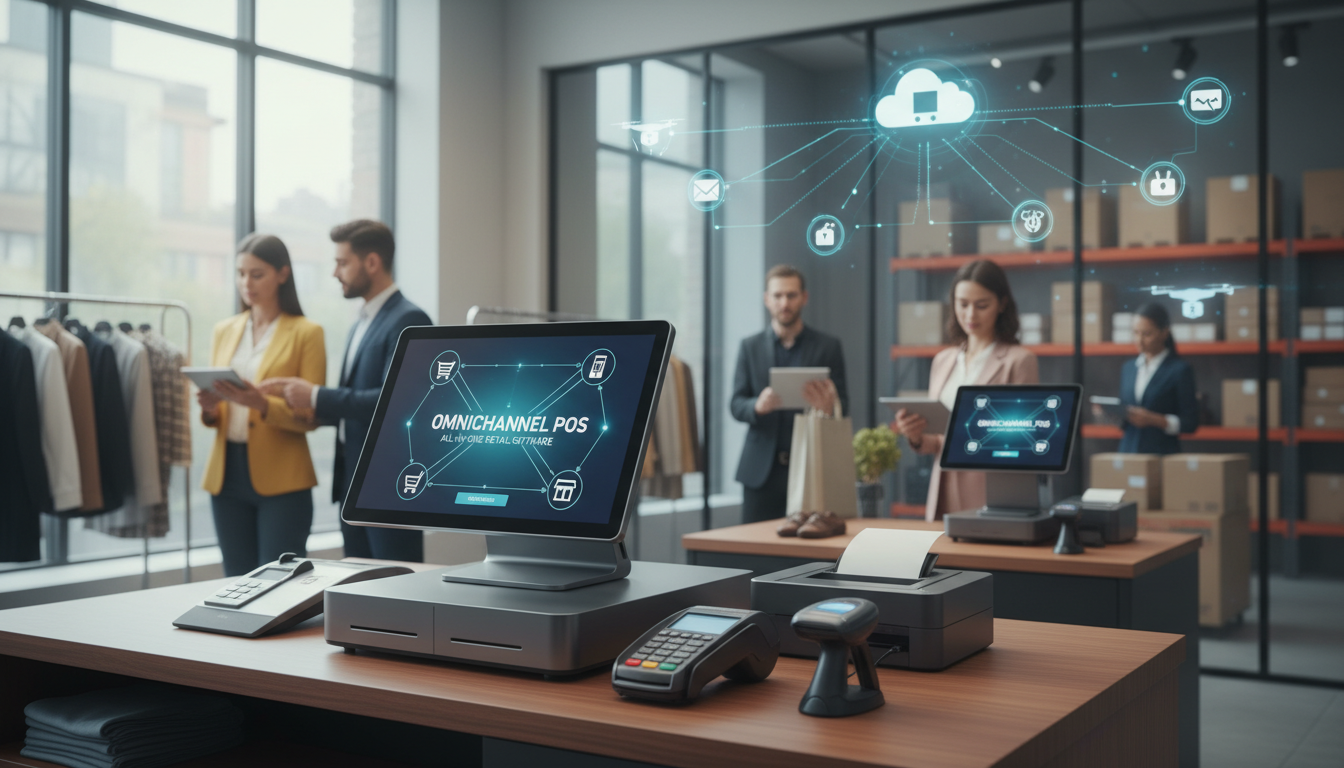
15 Best All-In-One POS Systems for Retail in 2026
The 15 best all-in-one POS systems for retail in 2026 include top-tier solutions like Square, Shopify POS, and Lightspeed Retail, which are uniquely designed to handle everything from seamless mobile checkouts to complex multi-location inventory synchronization.
Choosing the right technological ecosystem depends heavily on your specific retail business model, average transaction volume, and growth trajectory. Here is the ultimate comparison of this year's top performers:
- Square for Retail: Best overall all-in-one ecosystem for small to medium-sized boutiques needing quick setup, offering a free tier alongside seamless payment gateways.
- Shopify POS: Unrivaled for retailers prioritizing native e-commerce integration and seamless omnichannel selling, bridging digital and physical footprints effortlessly.
- Lightspeed Retail: The premier choice for complex matrix inventory management and multi-location scaling, easily handling intricate variant tracking for apparel.
- Clover: Top contender for plug-and-play proprietary hardware with a massive third-party app marketplace, enabling customized functionality tailored to specific niches.
- Revel Systems: Elite iPad-based scalability offering unmatched offline functionality for high-volume enterprise retail and robust backend architecture.
- Erply: Standout solution specifically engineered for centralized franchise management and warehouse tracking, making it a favorite for regional chains.
- Epos Now: Best budget-friendly complete hardware and software bundle for new brick-and-mortar setups looking for out-of-the-box readiness.
- KORONA POS: The definitive leader for high-risk retail, ticketing, and highly regulated industries (like CBD or liquor), featuring advanced loss prevention tools.
- POS Nation: Excellent turnkey solution offering robust lifetime hardware warranties and hands-on onboarding, removing the technical headache of implementation.
- eHopper: Best entry-level and free-tier system tailored for micro-retailers, kiosks, and pop-up shops requiring minimal hardware investment.
- Helcim: Top pick for transparent, interchange-plus payment processing with zero monthly software fees, highly recommended for businesses processing large volumes.
- Vend (by Lightspeed): Superior user interface and intuitive design, drastically reducing floor staff training time while retaining powerful backend features.
- Heartland Retail: Powerful built-in predictive analytics and custom reporting designed by real retailers, giving merchants actionable insights into purchasing behaviors.
- Retail Pro: Best legacy-to-cloud transitional system tailored for global specialty retail and luxury brands requiring extreme customization.
- Sitoo: Leading mobile-first POS (mPOS) driving unified global commerce and rapid cross-border expansion, perfect for international high-street brands.
Crucial Features to Look for in a Modern EPOS System
The crucial features to look for in a modern EPOS system include centralized inventory management, native customer relationship management (CRM) tools, flexible hardware compatibility, and a robust, real-time reporting suite.
When systematically evaluating these platforms, it is critical to understand why these features matter on a day-to-day operational level. Without them, retailers will inevitably struggle to maintain product accuracy, resulting in lost sales and diminished long-term customer loyalty.
- Centralized Inventory Management: Look for intelligent low-stock alerts, purchase order automation workflows, and comprehensive vendor management portals.
- Customer Relationship Management (CRM): Prioritize native loyalty programs, detailed purchase history tracking, and automated marketing tools to drive repeat business.
- Hardware Compatibility: Assess whether the system forces you into proprietary tablets and scanners, or allows you to confidently bring your own device (BYOD) when purchasing cost-effective mPOS hardware bundles.
- Robust Reporting Suite: Demand real-time, customizable analytics covering sell-through rates, individual employee shift performance, and aggregate profit margins.
Emerging Trends: AI and the Future of Retail POS
The emerging trends shaping the future of retail POS are heavily driven by Generative AI assistants, frictionless checkout experiences using computer vision, and hyper-personalized customer-facing terminals that automatically boost average order value.
The global landscape of retail operations is rapidly shifting toward intelligent automation. As reported by OSF Digital, modern cloud-based POS platforms are shifting away from outdated models toward flexible, scalable systems that embrace real-time agility and AI personalization. Adapting to these changes is no longer optional for brands that wish to remain competitive.
Top Retail Trends in 2026:
- Generative AI Assistants: The most advanced POS dashboards in 2026 feature conversational AI to instantly query sales data (e.g., "What were my top-selling shoes last Tuesday in the downtown location?").
- Frictionless Checkout: Seamless integration with RFID tags and computer vision allows hardware to process entire shopping baskets instantly without requiring manual barcode scanning.
- Hyper-Personalized Terminals: Intelligent customer-facing displays that actively suggest complementary add-ons and upsells based directly on the individual shopper's historical purchasing data.
Expert Tips & Common Mistakes When Upgrading Your POS
Expert tips for upgrading your POS involve meticulously auditing your inventory database before migration and negotiating custom credit card processing rates, while avoiding common mistakes like purchasing locked proprietary hardware.
Transitioning to new retail payment processing systems is a sensitive process, and backend security cannot be overlooked. As detailed by Wikipedia, any entity that stores, processes, or transmits cardholder data must adhere to strict operational guidelines to prevent fraud and massive financial penalties.
Expert Tips for a Smooth Migration:
- Clean Your Data: Always audit and completely clean your current inventory database—removing duplicate SKUs and fixing structural formatting errors—prior to migration. This prevents catastrophic data syncing issues from polluting your new software.
- Negotiate Processing Rates: If your retail volume exceeds $250,000 annually, strategically leverage your transaction history to negotiate custom credit card processing rates rather than passively accepting the provider's flat-rate defaults.
Common Mistakes to Avoid:
- Hardware Traps: Investing blindly in locked, proprietary hardware that strictly prohibits you from switching merchant service providers in the future, thereby trapping your business in escalating high rates.
- Training Gaps: Skimping on foundational employee training; failing to actively teach your floor staff how to effectively use advanced CRM and clienteling features severely limits the system's overall ROI.
Conclusion
Selecting the right all-in-one POS system in 2026 requires looking beyond basic cash registers to find a unified commerce platform that balances upfront hardware costs with long-term software scalability.
Whether you are launching a single seasonal pop-up shop or actively managing a rapidly expanding multi-location enterprise, upgrading to a modern, AI-enhanced cloud EPOS will definitively streamline your daily retail operations and significantly boost your bottom line. Taking the appropriate time to rigorously evaluate granular features, hardware compatibility, and payment processing terms ensures your business remains structurally competitive in an ever-evolving digital landscape.
Contact us today to optimize your retail payment processing systems strategy.
How much does a complete retail POS system cost in 2026?
Basic cloud software typically ranges from $0 to $100 per month per register, while advanced multi-location software can cost $150 to $300+ per month. Hardware bundles (terminal, receipt printer, cash drawer, scanner) generally cost between $500 and $1,500 upfront. You must also account for payment processing fees, which usually range from 2.2% to 2.9% plus 10 to 30 cents per transaction.
What is the difference between a POS and an EPOS?
A POS (Point of Sale) traditionally refers to the physical location where a transaction occurs, historically managed by a basic cash register. An EPOS (Electronic Point of Sale) refers to modern, computerized systems that connect to the internet, integrating sales processing with real-time inventory and CRM data. Today, the terms are frequently used interchangeably to describe cloud-based retail software.
Can I use my existing hardware with a new cloud POS?
It depends on the provider. Systems like Shopify or eHopper often allow you to use your own iPads or Android tablets (Bring Your Own Device). However, systems like Square, Clover, or Toast (for food service) often require proprietary hardware specifically encrypted for their software. Peripheral devices like USB barcode scanners and standard cash drawers are usually universal and easily repurposed.
Does a retail POS system work offline if the internet goes down?
Most modern cloud-based POS systems include an 'Offline Mode' feature to handle internet outages. In offline mode, the system securely caches credit card data locally and queues cash transactions. Once internet connectivity is restored, the system automatically processes the queued payments and syncs the updated inventory to the cloud.
Which POS system is best for multi-location retail stores?
For multi-location retailers, systems like Lightspeed Retail, Revel Systems, and Erply are top tier. They offer advanced 'matrix inventory' features, allowing you to transfer stock between stores, track variations (size/color), and generate location-specific performance reports. They also provide centralized franchise management, ensuring pricing and promotions are uniform across all branches.
Are all-in-one POS systems secure for processing payments?
Yes, reputable all-in-one POS systems are fully PCI-DSS (Payment Card Industry Data Security Standard) compliant. They utilize point-to-point encryption (P2PE) and tokenization, meaning sensitive credit card data is never stored on your local devices or servers. In addition to payment security, they offer user permissions and PIN codes to prevent employee theft and unauthorized voids.
How long does it take to implement a new POS system?
For a single-location small business, plug-and-play systems like Square or Shopify can be set up in a few hours to a couple of days. For mid-sized or multi-location retailers migrating thousands of SKUs, implementation typically takes 2 to 6 weeks. This timeline accounts for data formatting, hardware installation, network configuration, and comprehensive staff training.
Do retail POS systems integrate with e-commerce platforms?
Yes, almost all leading 2026 retail POS systems offer direct integrations with major e-commerce platforms like Shopify, WooCommerce, and BigCommerce. Shopify POS is natively built to sync with Shopify e-commerce, offering the most seamless omnichannel experience. These API integrations ensure that if an item is sold online, it is immediately deducted from the physical store's inventory, preventing overselling.
Everything You Need to Know About wireless pos device
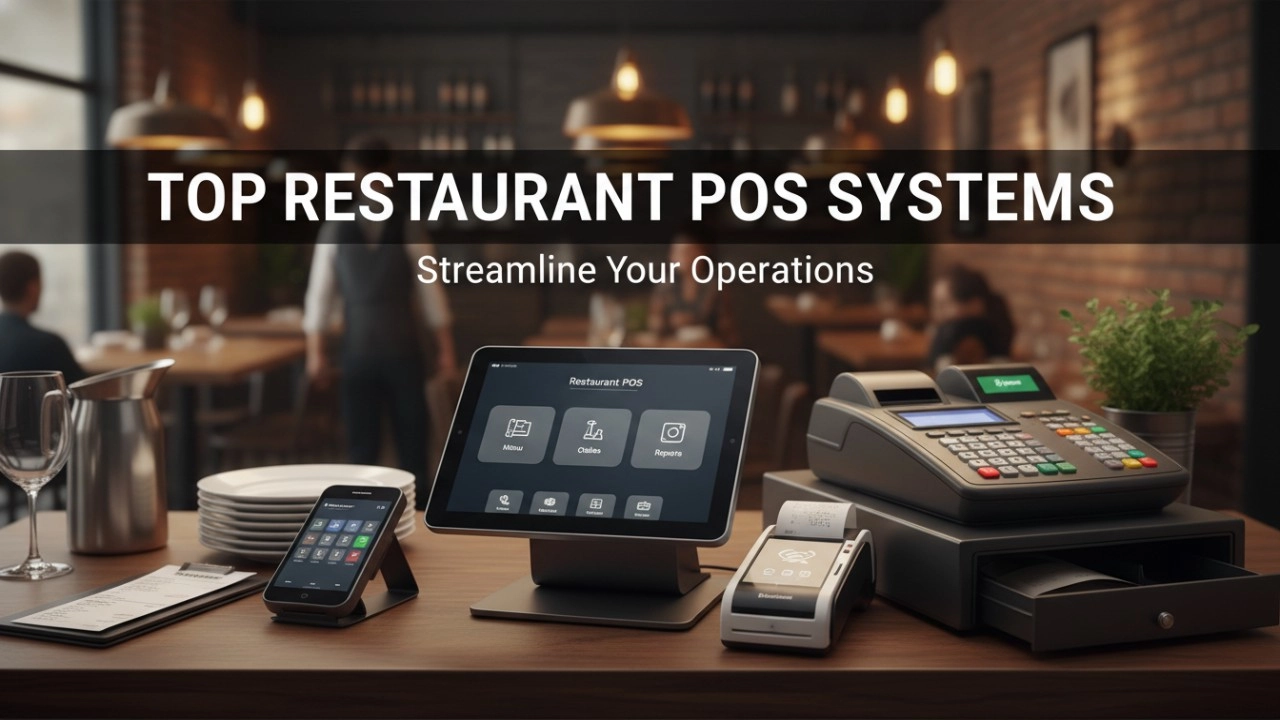
The Master List of 30+ Restaurant POS Systems for 2026 [Pricing & Features Compared]
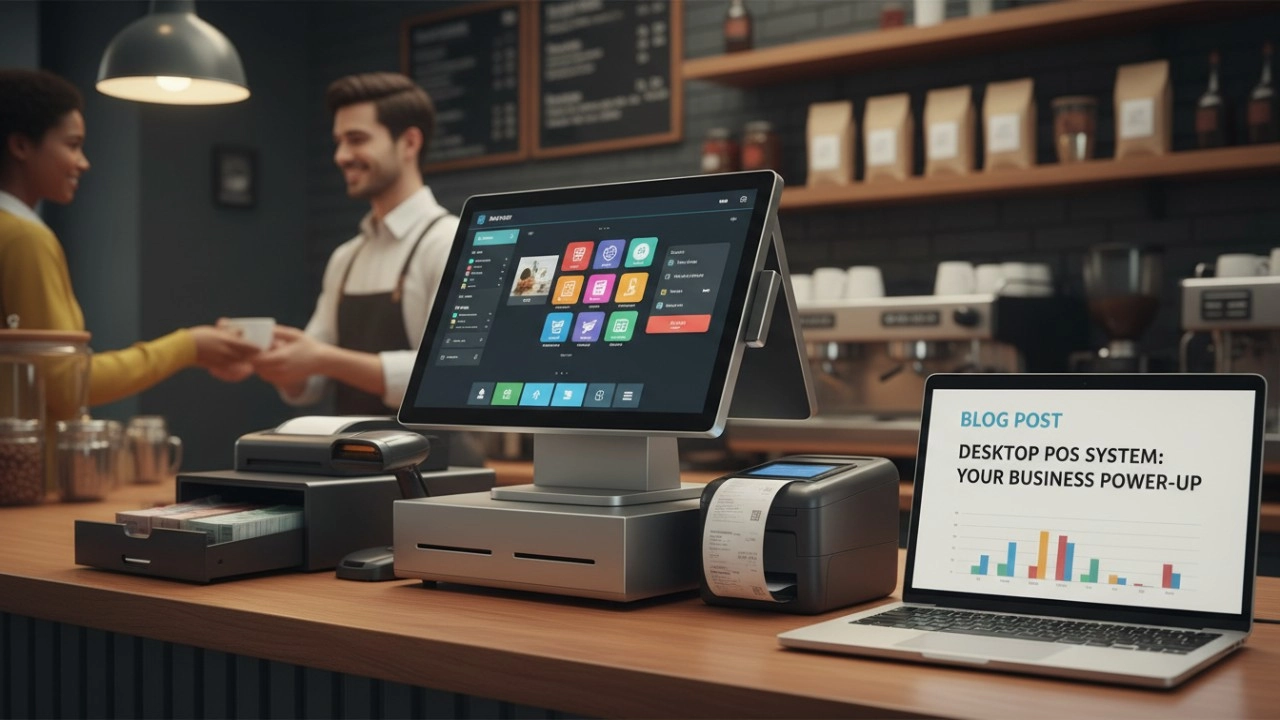
25 Best Desktop Based POS Systems for 2026: The Ultimate Comparison Guide [Updated]
OEM/ODM pos machine printer terminal Manufacturers and Suppliers
For E-commerce
Can your POS system integrate with my existing e-commerce platform?
Yes, our POS system is compatible with major e-commerce platforms (such as Shopify, WooCommerce, Magento) and supports custom platforms through API integration.
For Bakeries
Can your POS system handle both retail and wholesale orders?
Yes, FAVORPOS's system can manage both retail sales and wholesale orders and offer different price structures for each customer type.
For Grocery and Supermarkets
What types of reports can I generate?
You can generate detailed reports on sales, inventory, employee performance, and customer behavior, providing valuable insights to optimize store operations.
For Solutions Retail
How long is the warranty period of the equipment?
We provide a standard warranty period of at least one year, and the specific time can be agreed upon according to the terms of the contract.
For company
How do you ensure product quality?
We follow stringent quality control processes, including multi-stage testing and compliance with international standards.

Aluminum Dual Screen Pos Terminal Pos Systems 15.6 inch Touchscreen Pos
FAVORPOS Aluminum Dual Screen POS Terminal features a 15.6-inch touchscreen, ideal for seamless transactions. As a trusted OEM Windows POS manufacturer, we deliver durable, high-performance solutions tailored for retail and hospitality businesses.
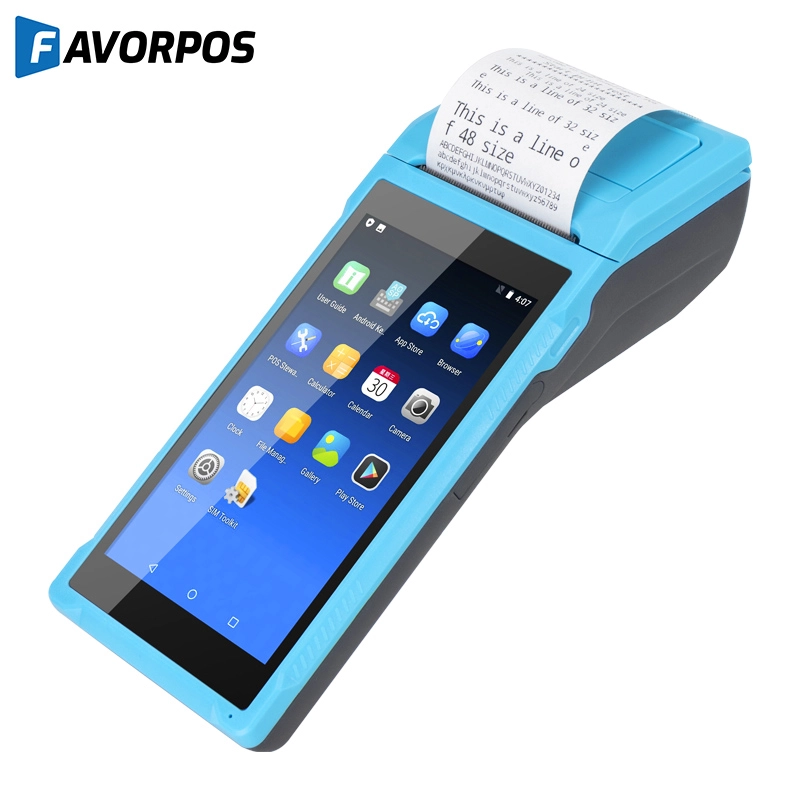
Android Handheld Pos Device Touch Screen Pos Terminal Manufacturer
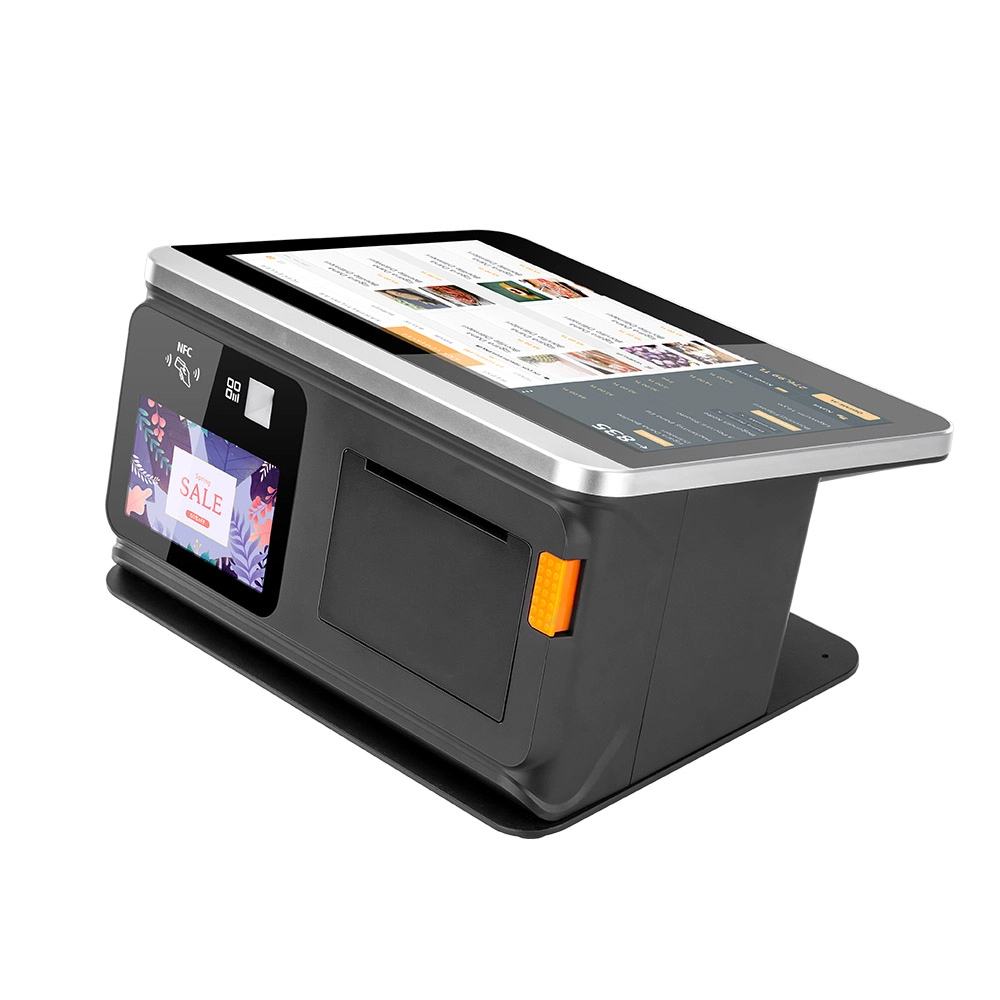
All in One POS Terminal Metal 11.6'' Touchscreen Android Windows with Printer
The All-in-One POS Terminal features an 11.6'' touchscreen display, compatible with both Android and Windows. This metal-constructed terminal combines durability with style, making it a perfect fit for any retail or hospitality environment. Equipped with a built-in printer, it streamlines transactions by allowing for instant receipt printing.
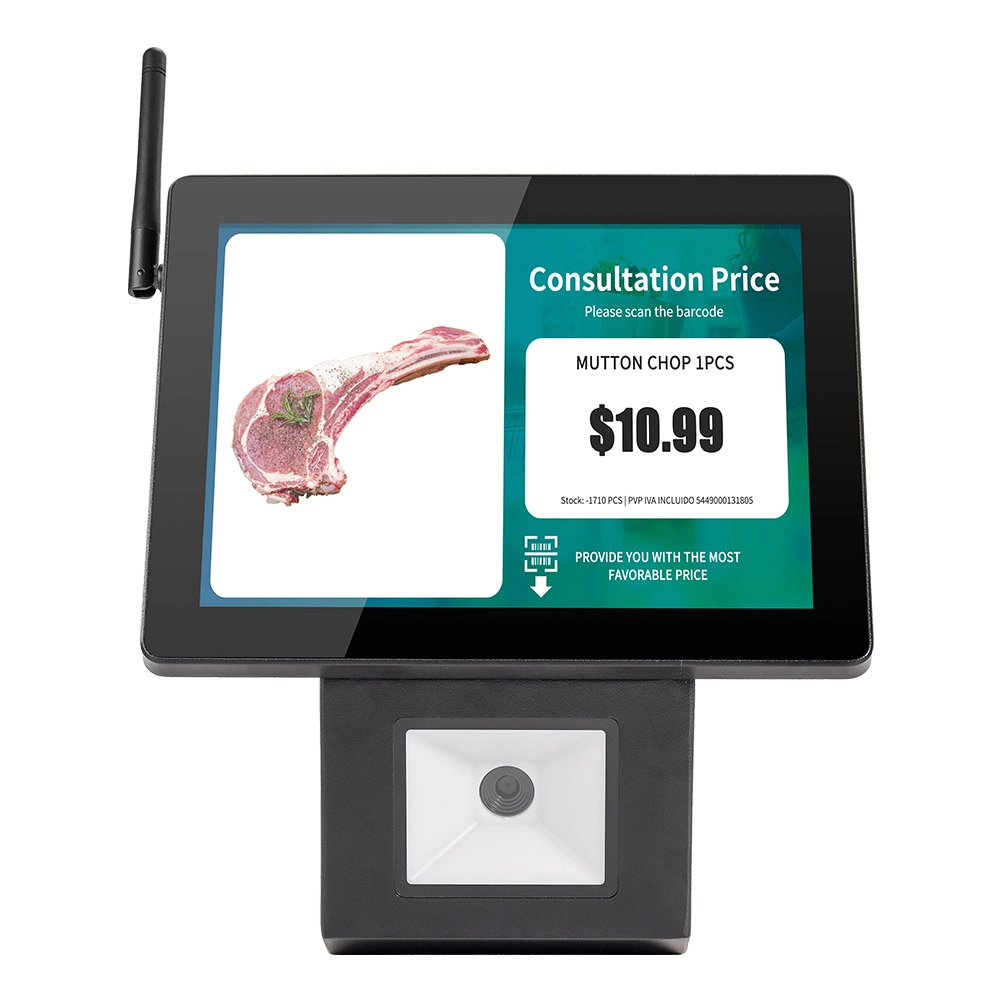
8 inch Touchscreen Price Checker Barcode Scanner Wifi Optional Android Win 10
FAVORPOS Touchscreen Price Checker offers a user-friendly interface, perfect for retail environments. With optional Wi-Fi connectivity, this device runs on Android or Windows, providing flexibility and ease of use. The integrated barcode scanner allows for quick price verification, enhancing the shopping experience for customers. Compact and efficient, it's designed to streamline operations and improve checkout speed.


Copyright © 2025 Favorpos All Rights Reserved.
