
25 Best Enterprise POS Systems for 2026: The Definitive Comparison Guide
- Key Takeaways: Quick Summary of 2026 Enterprise POS Trends
- The Software Ecosystem: Top 25 Enterprise POS Systems for 2026
- Bridging the Hardware Gap: Why Physical Terminals Define Success
- Industry-Leading Hardware Solutions by FAVORPOS (Guangzhou Licon Electronic Tec. Co., Ltd.)
- Expert Tips: Common Mistakes When Deploying Multi-Location POS
- Conclusion
- FAQs About enterprise pos systems
- What is the difference between standard and enterprise POS?
- How much does an enterprise POS system cost in 2026?
- Can enterprise POS systems work offline?
- What is an omnichannel POS strategy?
- How long does it take to implement a multi-location POS system?
- What hardware is essential for a retail enterprise POS?
- Do enterprise POS systems integrate with existing ERPs?
- How can OEM/ODM hardware benefit large-scale POS deployments?
The best enterprise POS systems function as unified commerce platforms designed specifically for large-scale businesses managing high transaction volumes across multiple physical and digital locations, acting as centralized command centers that seamlessly sync real-time inventory, sales data, and customer profiles.
While a basic terminal merely calculates the amount owed and serves as a simple point of purchase as detailed by Wikipedia, enterprise-grade solutions are built for massive, global scale. By integrating directly with supply chain management tools and acting as an ERP integrated POS, this advanced software enables omnichannel retail POS fulfillment and robust multi-store management. A true enterprise setup pairs this complex cloud software with highly durable, commercial-grade hardware for maximum offline reliability and transaction speed.
Key Takeaways: Quick Summary of 2026 Enterprise POS Trends
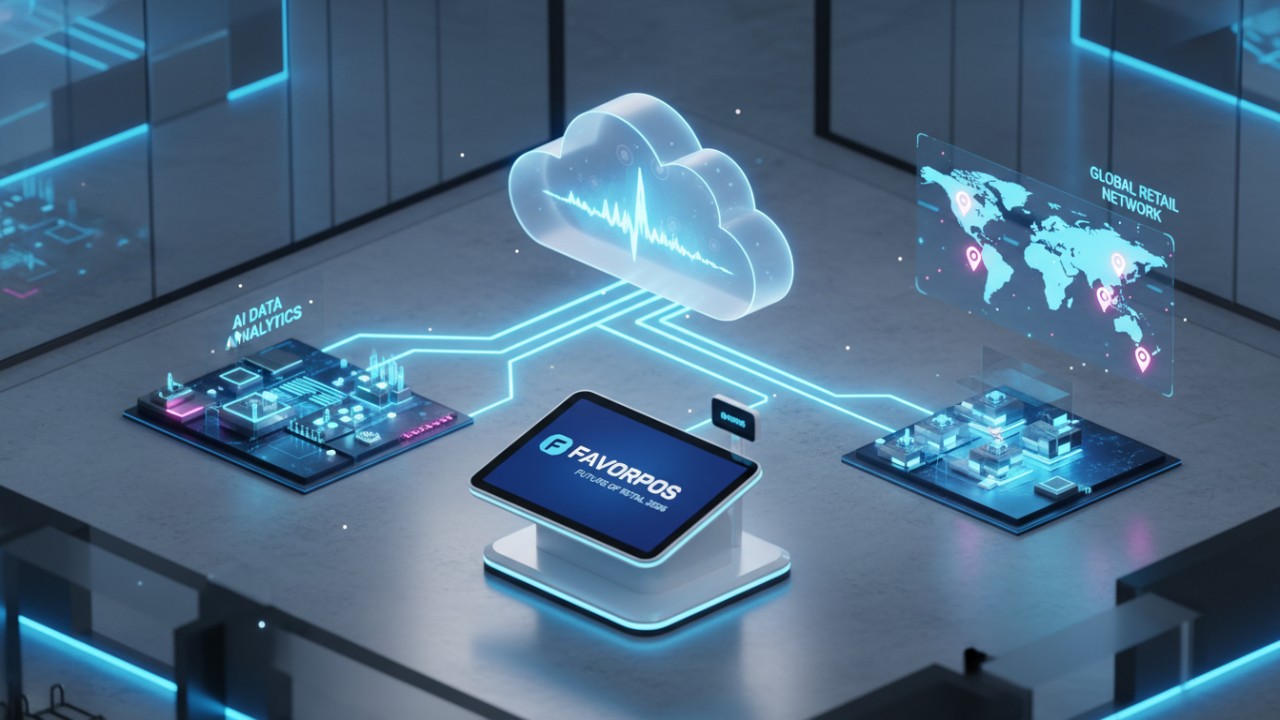
The defining trends for 2026 enterprise pos systems include a massive shift toward cloud-based enterprise POS architectures with offline edge computing, AI-driven predictive inventory management, and a surging demand for bespoke OEM POS hardware solutions to unify the checkout experience.
To maintain a competitive edge, multi-store brands are moving away from fragmented tech stacks. Key 2026 industry movements include:
- Offline Edge Computing: Cloud-native platforms with edge-computing capabilities are now the industry standard, guaranteeing uninterrupted checkout processes even during severe internet outages.
- AI Automation: Artificial Intelligence is actively driving conversational ordering and predictive inventory management across thousands of distributed retail locations.
- Customization via OEM/ODM: Enterprise brands increasingly demand customized hardware solutions to unify their specific brand experience directly at the physical checkout counter.
- Peripheral Integration: Seamless connectivity between multi-location POS software and advanced peripherals (like handheld scanners, scales, and price checkers) is critical for maximum operational efficiency.
The Software Ecosystem: Top 25 Enterprise POS Systems for 2026
The top 25 enterprise POS systems for 2026 are categorized into omnichannel retail giants, multi-location hospitality leaders, specialized supermarket suites, and high-growth agnostic platforms, all tailored to provide robust API integrations and advanced hybrid cloud architectures for global scaling.
Selecting the right software ecosystem is the first step in retail digital transformation. Our comprehensive categorization breaks down the top platforms dominating the market this year:
| Category | Representative Platforms (Top 25) | Best For | Key Enterprise Features |
|---|---|---|---|
| Omnichannel Giants (1-5) | Shopify Plus, Manhattan Associates, Aptos | Global Retail Chains | Omnichannel retail POS routing, unified global inventory visibility, BOPIS |
| Hospitality Leaders (6-10) | Oracle MICROS Simphony, Toast Enterprise | Food & Beverage | Advanced kitchen display systems (KDS), robust multi-location menu sync |
| Grocery/Supermarket (11-15) | ECRS CATAPULT, NCR Voyix, Toshiba | High-Volume Retail | Handling massive SKU counts, edge-infrastructure for self-checkout scales |
| High-Growth Agnostic (16-25) | Lightspeed Enterprise, Revel Systems | Expanding Franchises | Hybrid cloud architecture, deep API connections for an ERP integrated POS |
Why these categories matter:
- Omnichannel Giants: For global retailers, having a single view of the customer is paramount. These platforms provide native tools to route orders globally, manage complex multi-currency transactions, and empower associates with unified profiles.
- Hospitality Leaders: Multi-location restaurants have entirely different needs, excelling by offering direct kitchen display integration and delivery aggregator synchronization.
- Grocery & Supermarket Suites: High-volume grocers deal with unique pressures. These platforms are built to seamlessly scale self-checkout infrastructures and support integrated weighing scales.
- Agnostic & Hybrid Platforms: For rapidly expanding franchises that don't fit into a single box, hybrid architectures provide the flexibility to sync seamlessly with enterprise backend systems for unified accounting.
Bridging the Hardware Gap: Why Physical Terminals Define Success
Physical terminals define the ultimate success of an enterprise POS system because hardware dictates operational speed, frontline employee efficiency, and customer satisfaction at the actual physical point of purchase, ensuring that advanced cloud software features can be executed flawlessly.
While cutting-edge cloud-based enterprise POS software handles data routing in the background, the physical interaction point cannot be neglected. Many enterprises fail by pairing premium software with consumer-grade tablets that simply cannot withstand the rigorous, high-traffic environment of a bustling retail store or restaurant.
- Durability Matters: The most successful rollouts in 2026 prioritize enterprise-grade peripherals. Devices like heavy-duty cash drawers, rapid thermal printers, and rugged handheld terminals ensure continuous operation without hardware fatigue.
- Perfect Synergy: Customizing the physical interface through OEM POS hardware solutions ensures the hardware natively supports the specific software deployed. This alignment minimizes crashes, reduces lag, and ensures that peripheral drivers are perfectly optimized for the checkout software.
Industry-Leading Hardware Solutions by FAVORPOS (Guangzhou Licon Electronic Tec. Co., Ltd.)
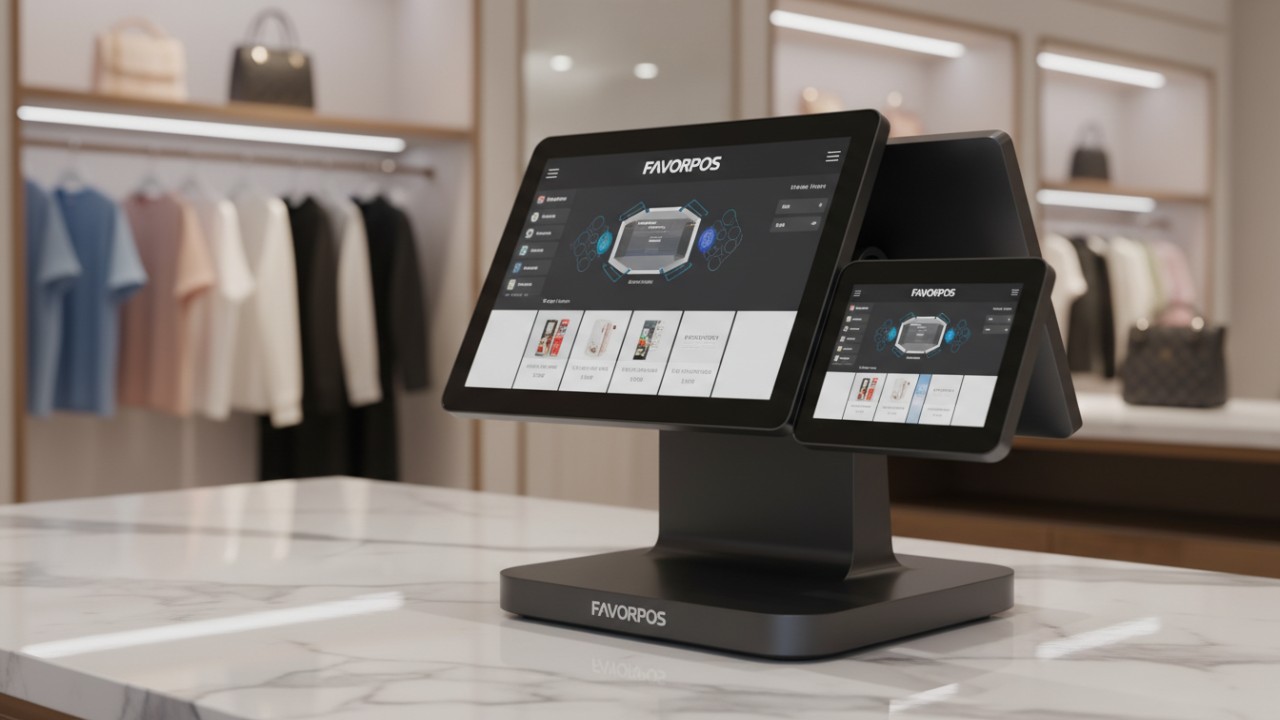
FAVORPOS (Guangzhou Licon Electronic Tec. Co., Ltd.) provides advanced POS hardware and dedicated OEM/ODM services tailored to equip large enterprises with the durable, high-tech physical devices required to drive unified commerce success across hundreds of demanding retail locations.
Serving as a trusted leader in the POS manufacturing industry, FAVORPOS bridges the critical gap between theoretical software capabilities and physical reality. As experts in hardware deployment, we understand that a software-only approach is inherently insufficient for enterprise scale.
- Unparalleled Customization: FAVORPOS provides robust OEM and ODM services. We custom-engineer POS systems, cash registers, and handheld terminals to meet exact enterprise specifications, offering truly Tailored POS System Solutions for large chains.
- Comprehensive Product Lineup: Our solutions encompass state-of-the-art price checkers, lightning-fast thermal printers, and rugged peripherals optimized for the most demanding retail, catering, and supermarket environments.
- Cost-Effective Scaling: For organizations deploying across hundreds of locations, sourcing directly from a manufacturer allows you to procure Affordable Mobile POS Systems without sacrificing commercial-grade quality.
Our vision at FAVORPOS is to become the world's best manufacturer of Point of Sale systems, delivering the unshakable physical foundation your software needs to succeed.
Expert Tips: Common Mistakes When Deploying Multi-Location POS
The most critical mistakes when deploying multi-location POS software include ignoring local offline mode capabilities, maintaining siloed data lakes without ERP integration, underestimating physical hardware compatibility under stress, and failing to provide adequate, hands-on training for frontline staff.
Deploying a new system across hundreds of stores is a massive logistical undertaking. Avoid these common pitfalls to ensure a smooth 2026 rollout:
- Ignoring Local/Offline Mode Capabilities: Always ensure your system can securely process payments during cloud outages. Edge computing is mandatory for enterprise reliability.
- Siloed Data Lakes: Standalone transactional data is useless for executive planning. As noted by Wikipedia, enterprise resource planning requires integrated management of main business processes. Ensure your POS features bi-directional data integration with your existing CRM and accounting ERPs to maintain a single source of truth.
- Underestimating Hardware Compatibility: Never assume that modern software will work perfectly on generic devices. Testing all peripherals—such as barcode scanners, thermal printers, and cash drawers—extensively in a lab environment before a multi-store rollout prevents catastrophic day-one operational failures.
- Poor Staff Training: The most advanced AI-enabled POS is entirely useless if frontline staff find the user interface confusing or the hardware clunky. Investing in comprehensive change management reduces employee churn and training times.
Conclusion

Selecting the right enterprise POS systems in 2026 requires a strategic balance between cutting-edge omnichannel software and durable, custom-engineered physical hardware to guarantee operational excellence at the checkout counter and seamlessly support multi-location scaling. By carefully reviewing the top 25 platforms, enterprises can easily identify the software architecture that best fits their specific digital transformation needs. However, to fully realize the ROI of these platforms, deploying specialized, commercial-grade enterprise peripherals through trusted manufacturing partners is absolutely non-negotiable. Contact us today to optimize your enterprise pos systems strategy.
FAQs About enterprise pos systems
What is the difference between standard and enterprise POS?
Standard POS systems are built for single or small multi-location businesses, focusing on basic sales and inventory. Enterprise POS systems are designed for large corporations, offering complex global inventory tracking, deep ERP integrations, custom API access, and unified omnichannel management across hundreds or thousands of locations.
How much does an enterprise POS system cost in 2026?
Enterprise POS pricing is typically custom-quoted based on transaction volume, the number of locations, and required API integrations. Software licensing can range from $100 to over $500 per terminal monthly, while hardware rollouts require significant capital expenditure that can be optimized via OEM manufacturing partners.
Can enterprise POS systems work offline?
Yes, the best enterprise POS systems utilize hybrid or edge-native architectures. This allows the hardware to store transaction data locally during internet outages and automatically sync with the centralized cloud backend once connectivity is restored.
What is an omnichannel POS strategy?
It is a unified approach that connects all sales channels, including brick-and-mortar stores, e-commerce websites, and mobile apps. An omnichannel POS allows customers to buy online and pick up in-store (BOPIS), return online orders at physical locations, and view real-time local inventory online.
How long does it take to implement a multi-location POS system?
Enterprise-level rollouts are complex and typically take between 3 to 9 months depending on the scale. The timeline includes software customization, ERP integration, hardware manufacturing and procurement, pilot testing, and staff training across all regions.
What hardware is essential for a retail enterprise POS?
Beyond the main touchscreen terminal, enterprises require rugged handheld POS devices for mobile checkout, rapid thermal receipt printers, heavy-duty cash drawers, and intuitive price checkers. Partnering with dedicated hardware manufacturers like FAVORPOS ensures these peripherals are commercial-grade and seamlessly compatible.
Do enterprise POS systems integrate with existing ERPs?
Yes, bi-directional integration with major ERP platforms (like Oracle, SAP, or NetSuite) is a defining feature of enterprise POS software. This ensures that sales data instantly updates central accounting, global supply chain metrics, and warehouse inventory management systems.
How can OEM/ODM hardware benefit large-scale POS deployments?
OEM (Original Equipment Manufacturer) and ODM (Original Design Manufacturer) services allow enterprises to custom-build POS hardware to their exact operational and aesthetic requirements. This reduces long-term hardware costs, eliminates unnecessary consumer features, and ensures the physical devices perfectly align with the brand's checkout experience.
What are the different types of cost of barcode scanner?
Everything You Need to Know About pos android machine
Mobile POS and EMV Tips for High-Volume Liquor Store POS Systems
What are the different types of pos machine with printer?
For Distributor
Can I distribute your products in multiple regions?
Yes, we support resellers who wish to operate in multiple regions. We will work with you to understand the regional market requirements and provide the necessary support to ensure successful operations.
What are the requirements to become a reseller?
We look for resellers with a strong market presence, relevant industry experience, and the ability to effectively promote and support our products. Specific requirements will be discussed during the application process.
For Hotels
Does your POS system support room service billing?
Absolutely, our system allows guests to charge services such as food and beverage, spa treatments, etc. directly to the room account, and all charges will be settled at the time of checkout.
For ODM
Does ODM service provide product warranty and after-sales support?
Yes, we provide product warranty and after-sales support. Our technical support team can assist with any problems that arise after production and provide maintenance and repair services to ensure the long-term use of the product.
Can we provide our own designs?
Of course. We welcome customers to provide their own design concepts and specifications. Our design team will work with you to ensure that your design is implemented in the manufacturing process and make necessary optimizations.
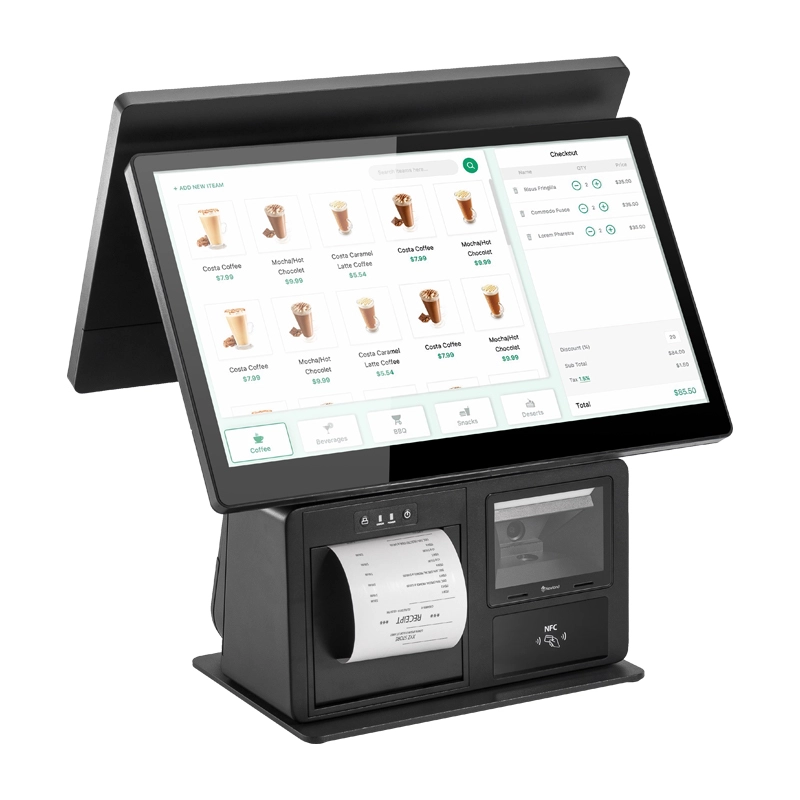
Point of Sale System with Thermal Printer All in One Pos Dual Touchscreen Pos with Barcode Scanner Supplier
FAVORPOS presents the all-in-one Point of Sale System with Thermal Printer, featuring dual touchscreens and an integrated barcode scanner. As a leading POS with NFC factory and barcode scanner supplier, we deliver reliable, efficient solutions tailored for your business needs.
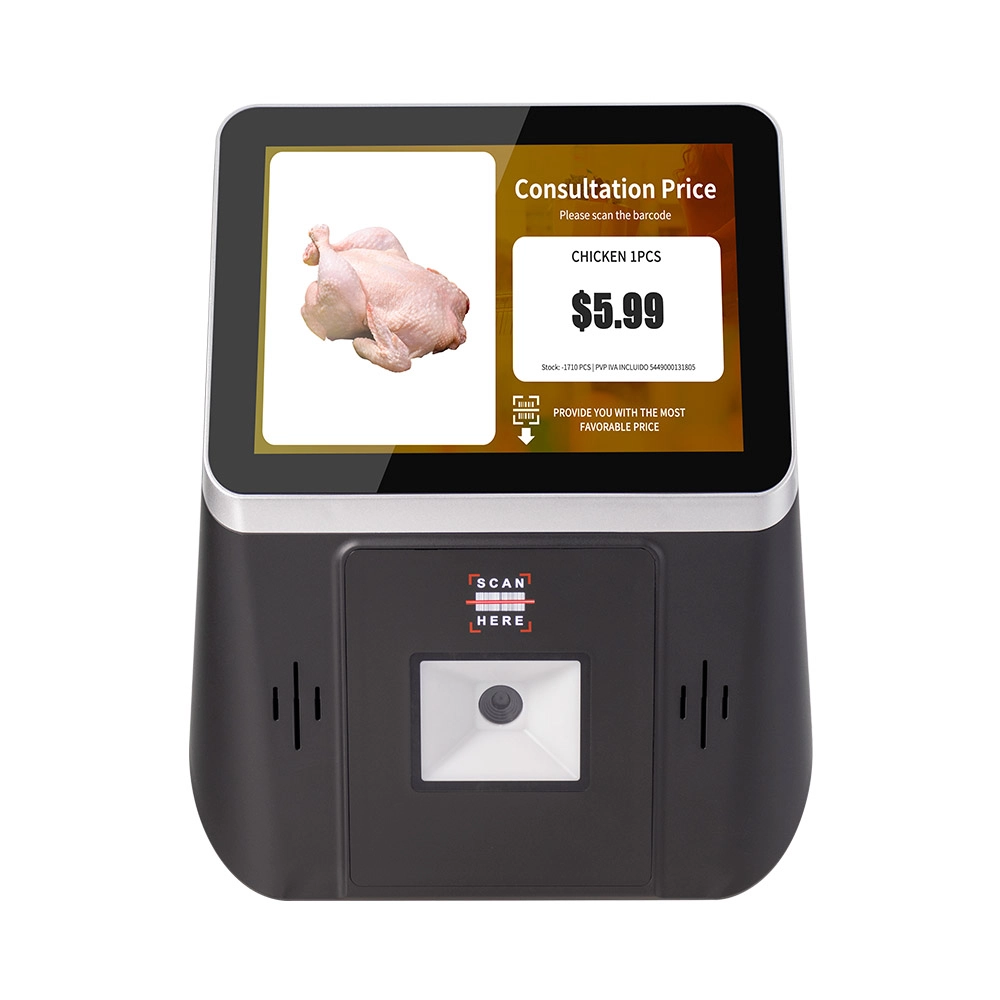
8 inch Wall Mount Price Checker with Scanner Android Windows Factory
Our 8-inch Wall Mount Price Checker is designed for optimal convenience in retail spaces, featuring a sleek design that fits seamlessly into any environment. Compatible with both Android and Windows, this unit includes an integrated scanner for quick and accurate price checks. Its wall-mounted design saves counter space while providing easy access for customers. Ideal for enhancing efficiency and improving the shopping experience.
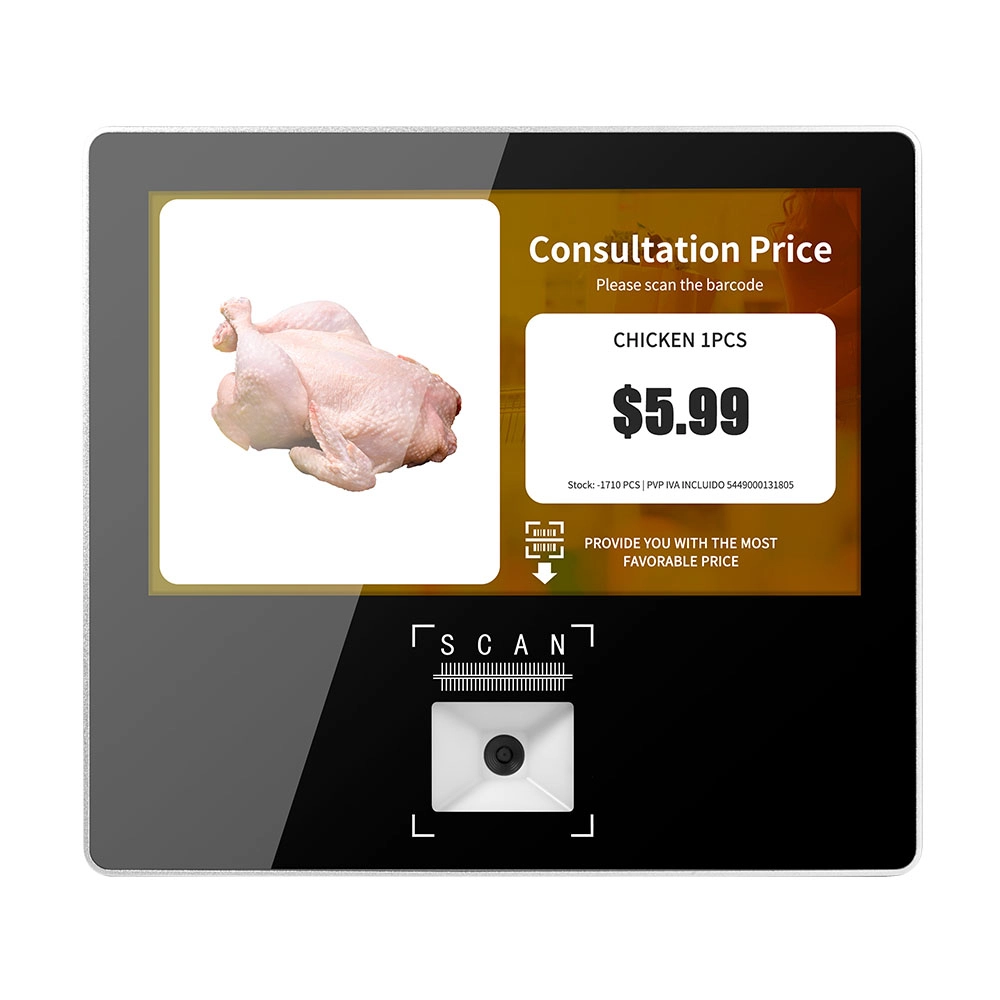
Metal 11.6 inch Price Scanner Machine Android Windows with Wifi Supplier
FAVORPOS Metal 11.6-inch Price Scanner Machine, designed for durability and efficiency in retail environments. This versatile device operates on both Android and Windows, providing seamless functionality for various applications. With built-in Wi-Fi connectivity, it allows for quick access to pricing data and updates. The 11.6'' display ensures clear visibility for easy operation, making it perfect for price checking and inventory management. Enhance your retail experience with this reliable and robust price scanner from a trusted supplier!
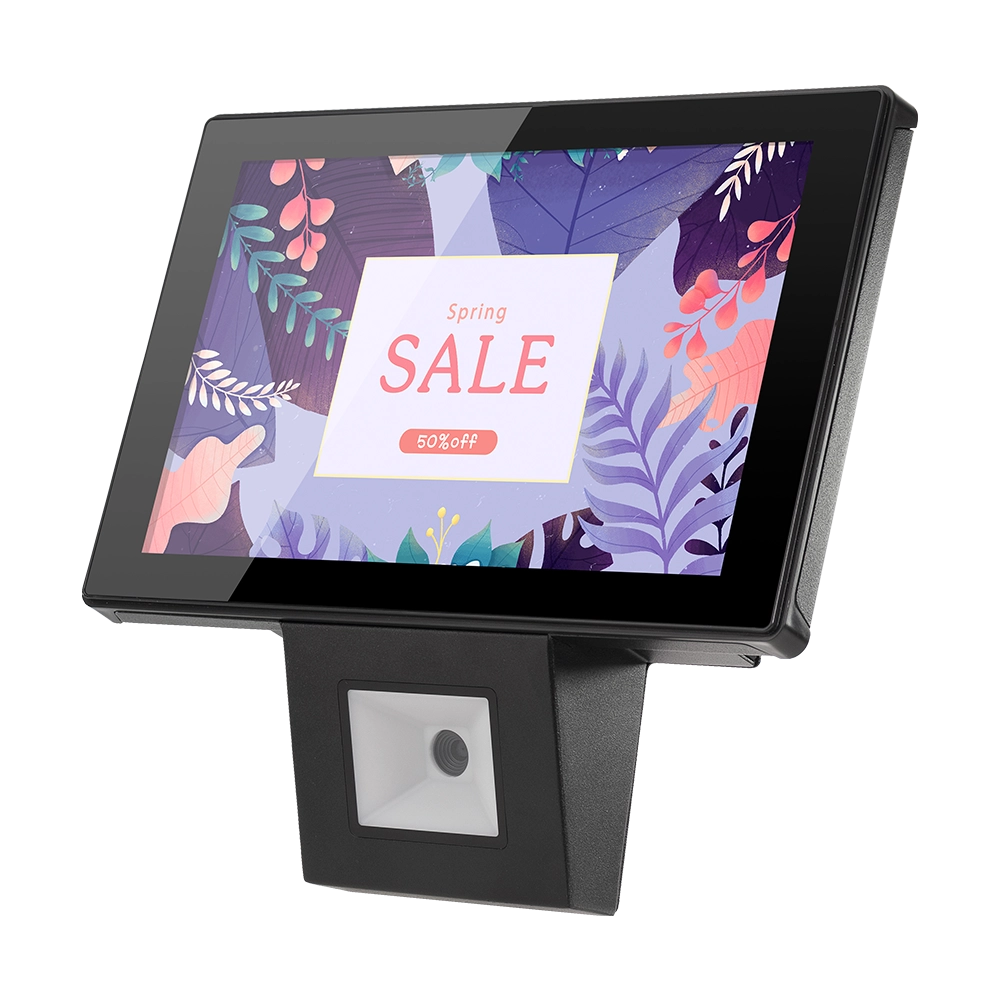
10 inch Price Checker Device Supplier Barcode Scanner for Sale Price Check for Supermarket
FAVORPOS offers 10 inch Price Checker Device, perfect for supermarkets. This wall mounted 10 inch touch screen barcode scanner ensures fast, accurate price checks, enhancing customer experience and operational efficiency. Durable, user-friendly, and perfect for high-traffic retail environments.


Copyright © 2025 Favorpos All Rights Reserved.
