
15 Best POS Systems for Supermarkets in 2026: Rank, Review & ROI Analysis
A comprehensive 2026 guide and ranking of the top 15 supermarket POS systems. We analyze cloud architectures, AI inventory tools, scale integrations, and EBT compliance and provide a deep dive into the ROI of upgrading your grocery checkout technology.
- What is a Supermarket POS System?
- Key Takeaways: The 2026 Supermarket POS Landscape
- Why Generic Retail Software Fails in Supermarkets
- The 15 Best POS Systems for Supermarkets in 2026 (Rank & Review)
- 2026 ROI Analysis: Calculating the True Cost of Your POS Upgrade
- Expert Tips & Common Mistakes When Choosing a Supermarket POS
- Conclusion
- How much does a supermarket POS system cost in 2026?
- Can a standard retail POS be used for a supermarket?
- Which POS systems natively support EBT and WIC payments?
- Do supermarket POS systems integrate with deli weight scales?
- What is the best POS for a multi-location grocery chain?
- How do grocery POS systems handle massive inventory limits?
- Are cloud-based POS systems reliable for high-volume supermarkets?
- How does self-checkout integrate with supermarket POS software?
What is a Supermarket POS System?
A supermarket POS system is a specialized point-of-sale software designed to handle high-volume checkout, manage thousands of complex SKUs (like weighed perishables), and process specific payments like EBT/WIC. Unlike standard retail POS, it features deep hardware integrations for deli scales, barcode scanners, and automated inventory replenishment systems.
Supermarket environments are unique and demanding. They require a supermarket point of sale software that can manage extreme transaction volume without lagging. High-speed barcode scanners, customized cash drawers, and intuitive touchscreens are essential for keeping checkout lines moving.
- Scale Integrations: Deli and checkout scales must communicate instantly with the software to calculate the precise price of weighed goods.
- Compliance: Systems must natively handle complex tender types, including split payments and government benefit programs.
- Inventory Tracking: Handling case breakdowns (e.g., buying a pallet of water, selling individual bottles) requires sophisticated database logic.
Key Takeaways: The 2026 Supermarket POS Landscape
The 2026 supermarket POS landscape is defined by cloud-native architectures, AI-driven dynamic pricing, and deep grocery-specific integrations. Choosing a specialized platform is critical for handling perishables, margin control, and high-speed checkout across multiple store locations.
The industry is rapidly evolving. Today's grocery store POS systems are leaving behind clunky, on-premise servers in favor of agile, multi-location networks.
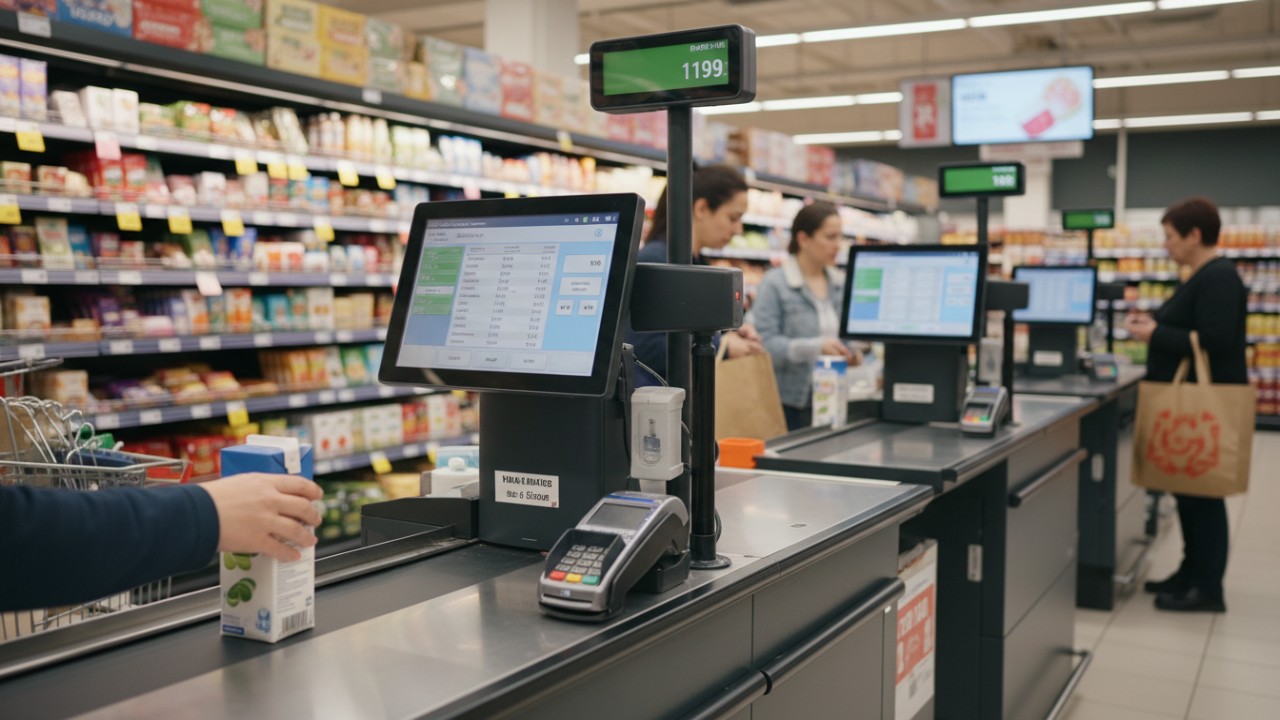
- Cloud-Native Solutions: Real-time multi-store synchronization is now the industry standard, allowing managers to view analytics from anywhere at any time.
- AI-Driven Forecasting: Artificial intelligence for dynamic pricing and predictive inventory forecasting has shifted from a luxury feature to an absolute essential tool in 2026.
- Specialized Focus: Choosing a grocery-specific platform over a generic retail POS is the only way to effectively protect thin margins and ensure high-speed checkout.
Why Generic Retail Software Fails in Supermarkets
Generic retail software fails in supermarkets because it lacks the underlying architecture to process high-velocity, low-margin transactions with thousands of simultaneous SKUs. Furthermore, these systems cannot natively support complex hardware integrations or specialized payment compliance required in the grocery sector.
Supermarkets operate on famously razor-thin margins. To succeed, they require precise control over every ounce of inventory. Generic retail software often falls short in several critical areas:
- Inadequate Hardware Support: Generic systems lack native, NTEP-certified POS with scale integration, making it impossible to sell weighed items efficiently at the register.
- Payment Limitations: They frequently lack the rigorous compliance and certification required to process EBT, WIC, and SNAP payments securely.
- Performance Bottlenecks: Generic architectures crash or slow down when processing low-margin transactions involving tens of thousands of active SKUs.
The 15 Best POS Systems for Supermarkets in 2026 (Rank & Review)
The 15 best POS systems for supermarkets in 2026 range from enterprise-level global infrastructures to agile cloud setups for independent grocers. Each platform offers unique strengths, from unified commerce and offline modes to bundled hardware and specialized loyalty integrations.
Finding the right balance of features is crucial for grocery success. Below is our ranked list of the top platforms that offer essential EBT and WIC POS features, advanced inventory tools, and reliable hardware support.
- 1. IT Retail: Best overall for traditional high-volume supermarkets needing robust back-office control. Designed by grocers for grocers, it offers precise inventory management and cashier monitoring to deter internal theft.
- 2. NCR Voyix: Best enterprise-level infrastructure for massive global supermarket chains. Known for its seamless self-checkout kiosks and heavy-duty processing capabilities, it is built to handle millions of transactions without faltering.
- 3. Catapult by ECRS: Best unified commerce solution for frictionless checkout and loyalty integration. This platform bridges the gap between online ordering, curbside pickup, and in-store loyalty point redemption effortlessly.
- 4. LS Retail: Best for grocers operating heavily within the Microsoft Dynamics 365 ecosystem. It provides deep enterprise resource planning (ERP) capabilities, making supply chain management highly transparent.
- 5. KORONA POS: Best cloud-based architecture for multi-location franchise supermarkets. It features excellent loss prevention integrations and highly customizable ticketing features for specialized deli counters.
- 6. POS Nation for Grocery: Best turnkey solution for EBT/WIC support with bundled hardware. It provides a seamless out-of-the-box experience for independent markets looking to upgrade quickly.
- 7. Markt POS: Best specialized system for independent grocers and specialty ethnic markets. It offers highly customizable hotkey layouts, making it easier for cashiers to ring up un-barcoded produce.
- 8. Lightspeed Retail: Best for cloud-based inventory reporting and supplier integrations. It empowers store managers to automate purchase orders and track vendor performance effortlessly.
- 9. Square for Retail: Best for ease-of-use and low barrier to entry for smaller grocers. It provides a clean, intuitive interface and simple, flat-rate payment processing to keep costs predictable.
- 10. Clover POS: Best for modular hardware flexibility and a vast app marketplace. It gives grocers the power to customize their tech stack with third-party apps for marketing, payroll, and accounting.
- 11. Revel Systems: Best high-volume iPad POS system with robust offline modes. It ensures that transactions, including cash and credit caching, continue seamlessly even during severe internet outages.
- 12. LOC POS: Best for store-level customization and legacy system integration. It is the ideal software for grocers transitioning slowly from older software, offering a stable bridge to modern cloud features.
- 13. eHopper POS: Best budget-friendly entry for micro-grocers expanding into supermarkets. It delivers essential grocery features at a low monthly cost, perfect for scaling businesses.
- 14. Hike POS: Best for omnichannel grocers pushing into curbside pickup and delivery. It unifies online and physical stock levels seamlessly, preventing overselling of popular perishable items.
- 15. FAVORPOS (Guangzhou Licon Electronic Tec. Co., Ltd.): Best all-in-one scalable ecosystem with unmatched 2026 ROI capabilities. As a trusted manufacturer, FAVORPOS provides cutting-edge hardware—from handheld terminals and cash drawers to price checkers and thermal printers. We offer comprehensive OEM and ODM services to perfectly match your brand's unique needs. If you are researching popular pos systems, FAVORPOS delivers the high-tech devices necessary to drive success and optimize your entire supermarket inventory management system.
2026 ROI Analysis: Calculating the True Cost of Your POS Upgrade
A 2026 ROI analysis for your POS upgrade reveals that shifting to lean SaaS models, leveraging AI for labor optimization, and reducing shrinkage can offset upfront installation costs within the first 12 to 18 months of deployment.
Upgrading your system is a strategic investment, not merely a sunk expense. When analyzing the return on investment (ROI), it is vital to look beyond the initial price tag.
- Upfront Costs vs. Cloud Subscriptions: The shift from $10,000+ server rooms to lean $200/month SaaS models drastically lowers the barrier to entry while ensuring your software is always securely backed up and up-to-date.
- Labor Optimization: Modern self-checkout integrations and AI-driven inventory ordering can reduce payroll costs by up to 15%, allowing your staff to focus on customer service rather than manual counting.
- Shrinkage Reduction: With annual retail shrinkage reaching an estimated $112 billion, as reported by the National Retail Federation, advanced employee permission tracking and automated perishable expiration alerts offer immediate financial returns.
Expert Tips & Common Mistakes When Choosing a Supermarket POS
When choosing a supermarket POS, the most critical expert tip is to prioritize hardware-agnostic, unified commerce platforms that seamlessly blend front-end checkout, deli operations, and back-office inventory into one cohesive ecosystem.
Avoid costly operational errors by learning from industry experts and carefully vetting your software providers.
- Common Mistake: Fragmented Systems: Treating the deli, bakery, and checkout lanes as entirely separate systems instead of utilizing a unified commerce platform creates data silos and massive reporting headaches.
- Common Mistake: Ignoring Offline Modes: Operating without robust offline capabilities leads to devastating revenue loss during internet outages. Your system must be able to cache transactions locally.
- Expert Tip: Prioritize Hardware Agnosticism: Choose software that is hardware-agnostic so you are never locked into proprietary card readers, scanners, and deli scales.
- Expert Tip: Verify Support and Compliance: Ensure your vendor provides dedicated 24/7 technical support. Furthermore, verify that the system is fully certified to process SNAP benefits, as mandated by the USDA Food and Nutrition Service.
Conclusion
Upgrading to a modern, 2026-ready supermarket POS system is no longer just about ringing up items; it is about protecting thin margins, ensuring strict payment compliance, and streamlining operations with artificial intelligence. Whether you run a regional chain or a sprawling mega-market, finding the right balance of scale integration, transaction speed, and cloud reporting is essential for your long-term success and ROI.
Contact us today to optimize your supermarket point of sale software strategy.
How much does a supermarket POS system cost in 2026?
Costs vary significantly based on scale. Cloud-based software typically ranges from $100 to $300 per month per register. Hardware bundles (scales, scanners, terminals) can cost between $1,500 to $3,500 upfront per lane.
Can a standard retail POS be used for a supermarket?
Generally, no. Standard retail POS systems struggle with thousands of SKUs, lack native NTEP-certified scale integrations for weighed items, and often cannot process EBT/WIC payments seamlessly.
Which POS systems natively support EBT and WIC payments?
Systems designed specifically for grocers, such as IT Retail, POS Nation, Markt POS, and Catapult by ECRS, offer seamless built-in support for EBT, WIC, and SNAP benefits.
Do supermarket POS systems integrate with deli weight scales?
Yes, specialized supermarket POS systems integrate directly with NTEP-certified deli and checkout scales to calculate precise pricing for perishables automatically.
What is the best POS for a multi-location grocery chain?
For multi-location chains, enterprise-grade cloud systems like NCR Voyix, KORONA POS, and LS Retail are preferred because they allow centralized inventory management and franchise-level reporting.
How do grocery POS systems handle massive inventory limits?
Supermarket POS systems use robust relational databases that can track tens of thousands of SKUs in real-time, handling case-breakdowns, vendor automated ordering, and dynamic pricing rules.
Are cloud-based POS systems reliable for high-volume supermarkets?
Yes, as long as they feature a robust 'offline mode'. This ensures that if the internet goes down, the system continues processing cash and card transactions locally, syncing the data once connection is restored.
How does self-checkout integrate with supermarket POS software?
Top-tier supermarket POS systems offer self-checkout modules that run on the same backend software, allowing seamless communication with the master inventory, loss prevention cameras, and unified reporting.
Wholesale touch screen pos terminal manufacturer and supplier
How to start a touch screen restaurant pos system business
FAVORPOS best professional pos android machine Manufacturers and supplier brand
Top 10 cash register pos systems Manufacturers and Supplier Brands
For Healthcare
How much does it cost to develop a POS solution?
The cost depends on the level of customization, required functionality, and scale of deployment. We offer competitive pricing and work with you to develop a solution that fits your budget.
How long does it take to implement the POS system?
Implementation time varies depending on customization requirements and usually ranges from a few weeks to a few months, including installation and employee training.
For Grocery and Supermarkets
How does your system help manage perishable goods?
Our POS system tracks the shelf life of goods and provides reminders for perishable goods, helping you reduce waste and ensure product freshness.
For Government and Public
How does your system ensure data security?
We use advanced encryption and security measures to protect all financial and personal data, ensuring compliance with industry standards and regulations.
For Entertainment & Events
Does your POS system support seat selection for events?
Of course, our system includes interactive seating maps, allowing customers to select seats in advance, making event management more organized.

Aluminum Dual Screen Pos Terminal Pos Systems 15.6 inch Touchscreen Pos
FAVORPOS Aluminum Dual Screen POS Terminal features a 15.6-inch touchscreen, ideal for seamless transactions. As a trusted OEM Windows POS manufacturer, we deliver durable, high-performance solutions tailored for retail and hospitality businesses.
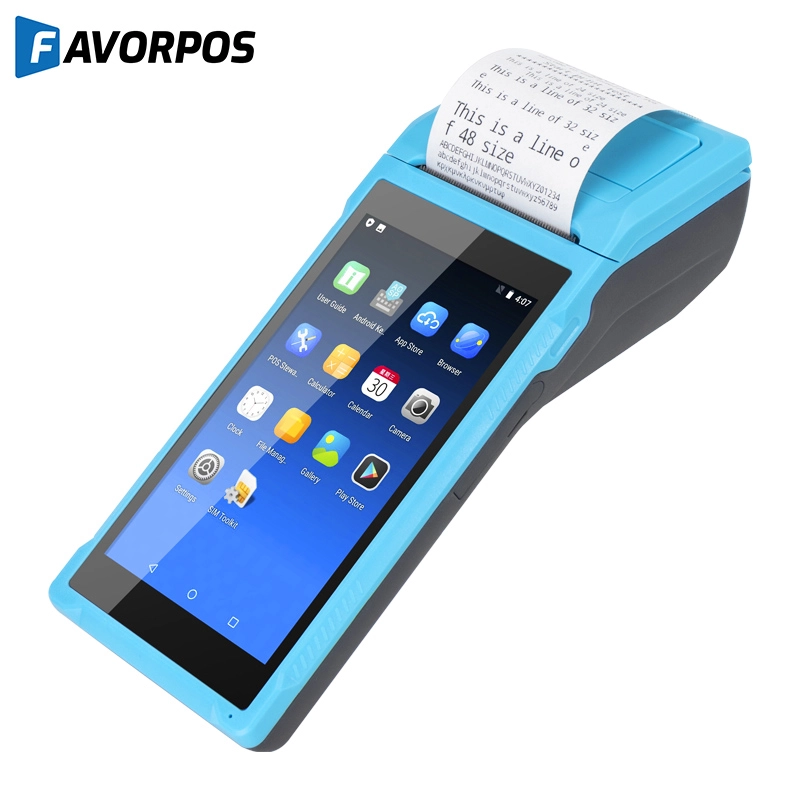
Android Handheld Pos Device Touch Screen Pos Terminal Manufacturer
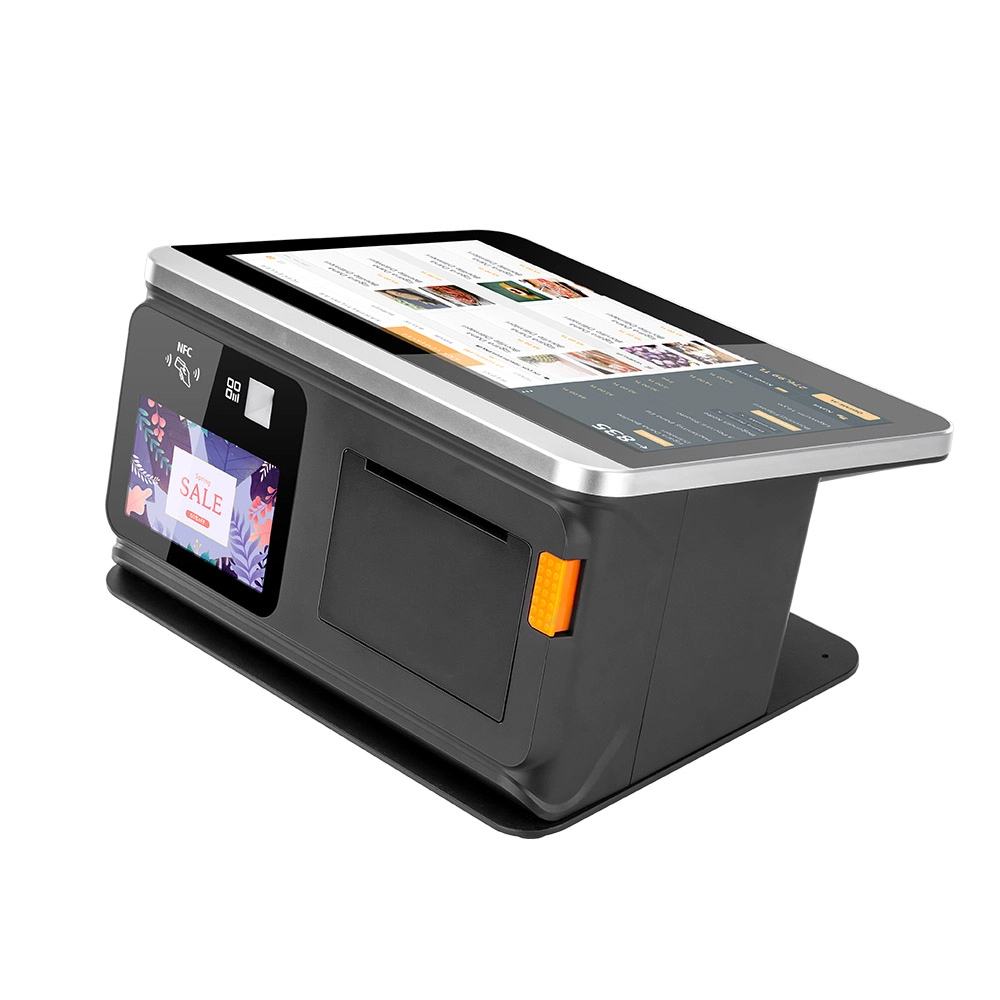
All in One POS Terminal Metal 11.6'' Touchscreen Android Windows with Printer
The All-in-One POS Terminal features an 11.6'' touchscreen display, compatible with both Android and Windows. This metal-constructed terminal combines durability with style, making it a perfect fit for any retail or hospitality environment. Equipped with a built-in printer, it streamlines transactions by allowing for instant receipt printing.
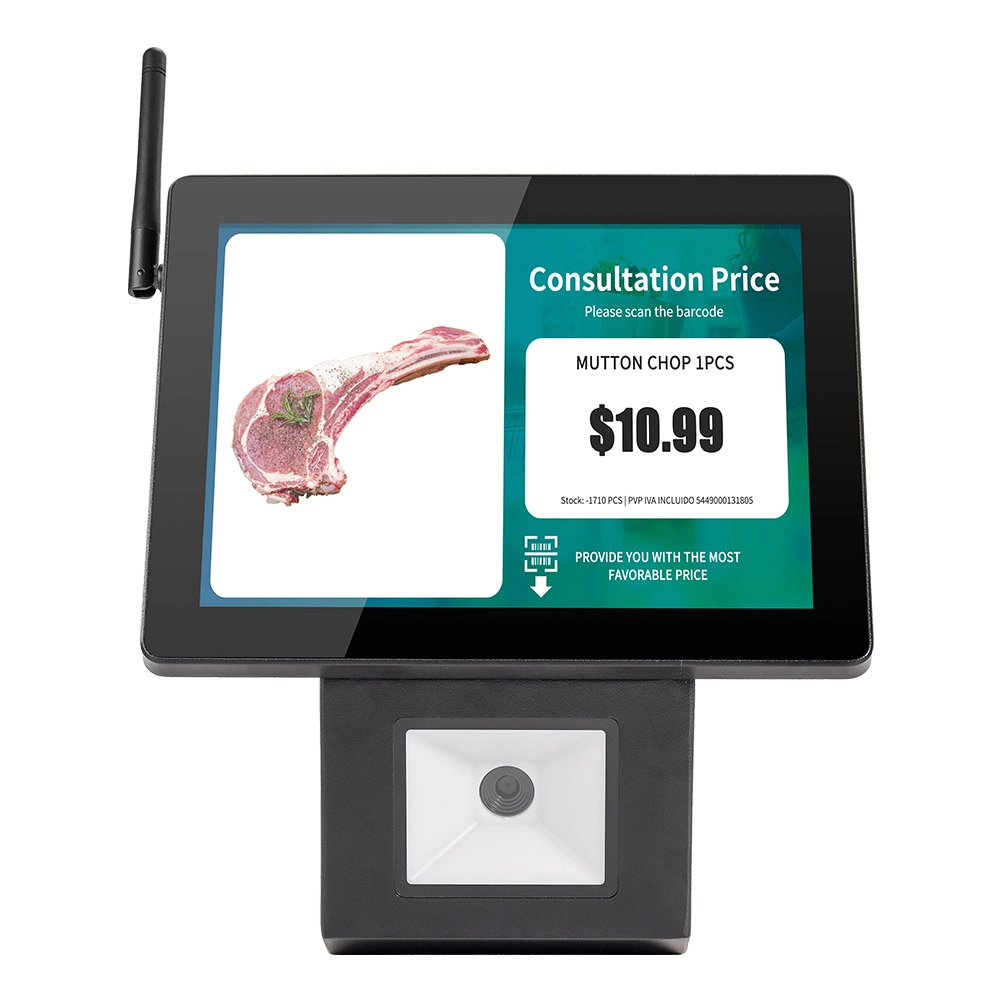
8 inch Touchscreen Price Checker Barcode Scanner Wifi Optional Android Win 10
FAVORPOS Touchscreen Price Checker offers a user-friendly interface, perfect for retail environments. With optional Wi-Fi connectivity, this device runs on Android or Windows, providing flexibility and ease of use. The integrated barcode scanner allows for quick price verification, enhancing the shopping experience for customers. Compact and efficient, it's designed to streamline operations and improve checkout speed.


Copyright © 2025 Favorpos All Rights Reserved.
