
Secure payment: touch screen POS terminal compliance tips
- The Evolving Landscape of Digital Payments: Why Security Matters More Than Ever
- The Rise of Touch Screen POS Terminals and Their Vulnerabilities
- Consumer Expectations and Trust in Payment Security
- Navigating the Compliance Maze: Key Standards for Your Touch Screen POS Terminal
- PCI DSS: The Foundation of Cardholder Data Security
- EMV Standards: Combating Counterfeit Card Fraud
- Regional & Industry-Specific Regulations (e.g., GDPR, CCPA Implications)
- Implementing Robust Security Measures: Practical Tips for Protecting Your Business
- Secure Hardware and Software Practices
- Network Security and Data Encryption
- Employee Training and Access Control
- Future-Proofing Your Payments: Staying Ahead in a Dynamic Threat Environment
- Leveraging Advanced POS Solutions for Enhanced Security
- Regular Audits and Vulnerability Assessments
- FAQ: Your Top Questions About Touch Screen POS Terminal Security & Compliance Answered
- Partner with an Expert for Unmatched POS Security
As a consultant deeply embedded in the POS system industry, I've witnessed firsthand the transformative power of technology in retail and hospitality. The touch screen POS terminal has become the heart of modern business operations, streamlining transactions and enhancing customer experiences. However, with this convenience comes a profound responsibility: ensuring the security of every payment processed. In an era where data breaches are not just headlines but significant business liabilities, understanding and implementing robust compliance measures for your touch screen point-of-sale system isn't merely good practice – it's absolutely essential. My goal with this article is to distill years of industry experience into actionable advice, helping you navigate the complexities of secure payment processing and compliance, protecting your business, and fostering unwavering customer trust.
The Evolving Landscape of Digital Payments: Why Security Matters More Than Ever
The shift towards digital and contactless payments has accelerated dramatically, making touch screen POS terminals more prevalent than ever. From bustling cafes to large retail chains, these devices are the primary interface for customer transactions. This widespread adoption, while offering efficiency and speed, also presents a larger attack surface for cybercriminals. As businesses, we must adapt our security posture to match the sophistication of emerging threats, recognizing that a single breach can devastate reputation and financial stability.
The Rise of Touch Screen POS Terminals and Their Vulnerabilities
Modern touch screen POS terminals offer intuitive interfaces, powerful processing capabilities, and integration with various business management tools. They often handle sensitive cardholder data, including primary account numbers (PANs), cardholder names, service codes, and expiration dates. This wealth of information makes them prime targets for fraudsters employing tactics like skimming, malware injection, and phishing. Many older POS payment terminals might lack the advanced security features of newer models, making upgrades or robust security overlays critical. I often see businesses overlook the basics, assuming their hardware alone provides sufficient protection. However, security is a multi-layered defense.
Consumer Expectations and Trust in Payment Security
Consumers today are highly aware of data privacy issues. They expect their payment information to be handled with the utmost care and security. A breach not only leads to financial losses but also erodes customer trust, which is incredibly difficult to rebuild. For businesses, maintaining a reputation for secure transactions is a competitive advantage. It's not just about meeting minimum compliance standards; it's about demonstrating a proactive commitment to protecting your customers' sensitive financial data. From my experience, proactive communication about security measures, where appropriate, can significantly bolster customer confidence in your retail POS solutions.
Navigating the Compliance Maze: Key Standards for Your Touch Screen POS Terminal
Compliance isn't a suggestion; it's a mandate for any business handling payment card data. The landscape of payment security standards can seem daunting, but at its core, it's designed to protect cardholders and mitigate risks across the payment ecosystem. Understanding and adhering to these standards is non-negotiable for anyone operating a secure POS terminal.
PCI DSS: The Foundation of Cardholder Data Security
For any business that accepts, processes, stores, or transmits credit card information, the Payment Card Industry Data Security Standard (PCI DSS) is the cornerstone of compliance. Developed by the major card brands (Visa, Mastercard, American Express, Discover, JCB), PCI DSS sets a baseline of technical and operational requirements to protect cardholder data. Its 12 core requirements cover areas from building and maintaining a secure network to regularly testing security systems and maintaining an information security policy.
When it comes to your touch screen POS terminal, PCI DSS dictates several critical aspects:
- Network Security: Ensuring your
POS terminalis connected to a secure network, protected by firewalls and robust configurations. - Data Protection: Encrypting cardholder data during transmission and never storing sensitive authentication data (e.g., CVV2/CVC2) after authorization.
- Access Control: Limiting access to your
POS systemand its data to authorized personnel only, with unique IDs and strong passwords. - Software Updates: Regularly updating
POS softwareand firmware to patch known vulnerabilities.
Failing to comply with PCI DSS can result in hefty fines, increased transaction fees, and even the termination of your ability to process card payments. The PCI Security Standards Council (PCI SSC) offers extensive resources and guidance, including self-assessment questionnaires (SAQs) and approved scanning vendors (ASVs) to help businesses validate their compliance. I always advise my clients to treat PCI DSS not as a checklist, but as an ongoing security philosophy. For more details, visit the official (https://www.pcisecuritystandards.org/){target=_blank}.
EMV Standards: Combating Counterfeit Card Fraud
EMV, which stands for Europay, MasterCard, and Visa, is a global standard for credit and debit payment cards based on chip card technology. These chip card readers found in modern touch screen POS terminals enhance security by generating a unique cryptogram for each transaction, making it extremely difficult for fraudsters to create counterfeit cards. The liability shift introduced by EMV means that if a merchant processes a chip card on a non-EMV compliant terminal, and a counterfeit card transaction occurs, the merchant may be liable for the fraud.
Integrating EMV capabilities into your payment processing terminal is crucial for fraud prevention and liability protection. This includes ensuring your POS terminal is certified for EMV chip card acceptance and that your staff are trained on how to properly process EMV transactions. The benefits of EMV are clear:
- Reduced Counterfeit Fraud: Unique transaction codes significantly deter card duplication.
- Enhanced Data Protection: Chip technology provides stronger encryption than magnetic stripes.
- Liability Protection: Merchants using EMV-compliant terminals are generally protected from counterfeit card fraud liability.
For comprehensive information on EMV specifications and benefits, the (https://www.emvco.com/){target=_blank} is an invaluable resource.
Regional & Industry-Specific Regulations (e.g., GDPR, CCPA Implications)
Beyond PCI DSS and EMV, businesses must also consider regional and industry-specific regulations that may impact their POS system operations. For instance, if your business serves customers in the European Union, the General Data Protection Regulation (GDPR) mandates strict rules on how personal data, including payment information, is collected, stored, and processed. Similarly, in the United States, regulations like the California Consumer Privacy Act (CCPA) and its successor, CPRA, impose specific requirements for handling personal information of California residents. While not directly about payment card data security in the same way as PCI DSS, these laws emphasize data privacy, consent, and consumer rights, which can certainly overlap with how your POS terminal interacts with customer data.
My advice is to conduct a thorough review of all applicable data privacy laws based on your operational locations and customer base. Ensure your POS software and data handling practices comply with these broader privacy frameworks, especially regarding how you might collect customer emails for loyalty programs or preferences, which often happen via touch screen POS interfaces.
Implementing Robust Security Measures: Practical Tips for Protecting Your Business
Achieving compliance is an ongoing journey, not a destination. Beyond understanding the standards, actively implementing and maintaining robust security measures is paramount. Here are practical tips I consistently recommend to my clients to safeguard their touch screen POS terminals.
Secure Hardware and Software Practices
- Choose Certified Hardware: Invest in
touch screen POS terminalsthat are certified for PCI compliance and EMV readiness. Reputable manufacturers design theirPOS hardwarewith security features like tamper detection and secure boot processes. Don't compromise on quality for cost; a cheap terminal could be an expensive liability. - Regular Software Updates: Keep your
POS software, operating system, and any integrated applications (like payment gateways) up to date. Software vulnerabilities are frequently discovered and patched. Delayed updates leave yourpayment terminalexposed to known exploits. Automate updates where possible, but always verify compatibility and functionality after patching. - Strong Password Policies: Implement and enforce strong, unique passwords for all
POS systemaccess, including administrator accounts and employee logins. Regularly change passwords and use multi-factor authentication (MFA) whenever available. Never use default passwords. - Endpoint Protection: Install and maintain anti-malware and antivirus software on any
POS terminalrunning on a general-purpose operating system. Regularly scan for threats and ensure definitions are current. While some dedicatedPOS devicesmay have proprietary OS and less vulnerability to common PC viruses, those running Windows or Android need robust protection.
Network Security and Data Encryption
- Isolate Your POS Network: Your
touch screen POS terminalshould operate on a segregated network segment, separate from your public Wi-Fi or administrative office network. This limits the potential damage if one part of your network is compromised. Use firewalls to control traffic in and out of thePOS network. - Strong Encryption: Ensure all cardholder data is encrypted both in transit (e.g., using TLS 1.2 or higher for online transactions) and at rest (if any sensitive data is temporarily stored). Point-to-Point Encryption (P2PE) solutions, where data is encrypted from the moment it’s swiped/inserted/tapped until it reaches the payment processor, offer the highest level of protection, often simplifying PCI DSS compliance.
- Secure Wireless Networks: If your
mobile POS terminalorhandheld POS deviceuses Wi-Fi, ensure it's secured with WPA2/WPA3 encryption and a strong, unique password. Avoid using public or unsecured Wi-Fi for payment processing.
Employee Training and Access Control
- Security Awareness Training: Your employees are often the first line of defense. Train all staff on
POS system securitybest practices, including recognizing phishing attempts, handling suspicious transactions, protecting login credentials, and the importance of reporting unusual activity. Emphasize that security is everyone's responsibility. - Principle of Least Privilege: Grant employees only the minimum level of access necessary to perform their job functions on the
POS system. For example, a cashier doesn't need administrative access to system settings. Regularly review access privileges, especially when employees change roles or leave the company. - Physical Security: Don't overlook physical security. Ensure your
touch screen POS terminalis securely mounted or located in a way that prevents tampering or theft. Restrict physical access to the back of the terminal and network connections. Be wary of unauthorized USB devices being plugged into yourPOS hardware.
Future-Proofing Your Payments: Staying Ahead in a Dynamic Threat Environment
The cybersecurity landscape is constantly evolving, with new threats emerging regularly. To stay ahead, businesses need to adopt a proactive and continuous approach to payment security. This means not only adhering to current standards but also anticipating future challenges and leveraging advanced solutions.
Leveraging Advanced POS Solutions for Enhanced Security
This is where partnering with a forward-thinking POS provider becomes critical. As a company dedicated to high-tech solutions, FAVORPOS understands the intricate demands of secure payment processing. We specialize in developing and providing advanced point-of-sale systems and solutions designed to meet the rigorous security requirements of today's market, from handheld POS devices for mobile operations to robust POS systems for fixed counters. Our commitment to quality and industry development ensures that our products, including thermal printers for secure receipt generation, cash drawers that integrate seamlessly, and price checkers for efficient inventory management, are built with security in mind. FAVORPOS provides OEM and ODM services, allowing businesses to customize solutions that perfectly fit their needs while upholding the highest security standards. Our vision is to become the world's best manufacturer of Point of Sale (POS) systems and solutions, driven by an outstanding dedication to quality and customers. You can explore our solutions at (https://www.favorpos.com/){target=_blank} and see how our POS system expertise can support your secure payment initiatives.
Our touch screen POS terminals are engineered to incorporate the latest encryption technologies and compliance features, reducing your exposure to risks and simplifying your path to PCI DSS and EMV compliance. We pride ourselves on offering solutions that are not only efficient and user-friendly but also provide robust, enterprise-grade security. Our continuous investment in R&D means our clients benefit from cutting-edge POS technology that addresses emerging threats proactively.
Regular Audits and Vulnerability Assessments
To truly future-proof your payment operations, regular security audits and vulnerability assessments are indispensable. These evaluations help identify weaknesses in your POS system, network, and processes before they can be exploited by malicious actors. An annual PCI DSS audit, for example, is mandatory for many businesses. Beyond formal audits, consider conducting:
- Penetration Testing: Ethical hackers attempt to breach your
POS systemand network to identify exploitable vulnerabilities. - Vulnerability Scanning: Automated tools scan your network and
POS devicesfor known security flaws. - Internal Reviews: Regularly review access logs, security configurations, and employee security practices.
By systematically evaluating your security posture, you can proactively address deficiencies, maintain a strong defense, and adapt your strategies as the threat landscape evolves. This continuous improvement cycle is what differentiates truly secure businesses from those constantly reacting to incidents.
FAQ: Your Top Questions About Touch Screen POS Terminal Security & Compliance Answered
I often receive questions from business owners and IT managers about the specifics of securing their payment terminals. Here are some of the most common ones, along with my expert insights.
Q1: What is PCI DSS and why is it crucial for my touch screen POS terminal?
A: PCI DSS (Payment Card Industry Data Security Standard) is a set of security standards designed to ensure that all companies that accept, process, store, or transmit credit card information maintain a secure environment. It's crucial for your touch screen POS terminal because these devices handle sensitive cardholder data. Non-compliance can lead to severe penalties, including fines, data breaches, and a loss of customer trust. Adhering to PCI DSS protects your business and your customers' financial information. Every POS payment terminal must operate within these guidelines.
Q2: How does EMV technology enhance payment security on my POS system?
A: EMV (Europay, MasterCard, and Visa) technology uses a microchip embedded in payment cards to generate a unique, cryptographically secured code for each transaction. This makes it significantly harder for fraudsters to clone cards or create counterfeits, a major security flaw with older magnetic stripe cards. For your POS system, an EMV-compliant chip card reader greatly reduces your liability for counterfeit card fraud, shifting the responsibility to the entity that failed to support chip technology if a fraudulent transaction occurs. It’s a vital layer of protection for any secure POS terminal.
Q3: What are the most common security risks for touch screen POS terminals?
A: The most common risks include malware (like memory scrapers or keyloggers), phishing attacks targeting employees, network vulnerabilities (e.g., insecure Wi-Fi, unpatched firewalls), insider threats (e.g., rogue employees), and physical tampering (e.g., skimmers attached to card readers). Additionally, outdated software on payment terminals is a huge vulnerability. Ensuring your touch screen pos terminal is robustly protected against these vectors is paramount.
Q4: How often should I update my POS system's software and firmware?
A: You should update your POS system's software and firmware as soon as updates are released by your vendor, after verifying compatibility. These updates often contain critical security patches that address newly discovered vulnerabilities. Regular, timely updates are one of the most effective ways to protect your payment processing terminal from evolving cyber threats. I recommend setting up a schedule for monthly checks at minimum, or enabling automatic updates if your POS solutions provider offers a secure way to do so.
Q5: Can employee training significantly impact my POS system's security?
A: Absolutely. Employees are a critical link in your security chain. Comprehensive training on POS system security best practices – including recognizing phishing emails, handling sensitive data correctly, using strong passwords, and being vigilant about suspicious activity – can dramatically reduce the risk of human error-related breaches. An untrained employee can inadvertently open the door for attackers, no matter how advanced your POS hardware is. For retail POS solutions especially, frontline staff interaction is constant, making their awareness vital.
Q6: What specific advantages do FAVORPOS touch screen POS terminals offer in terms of security and compliance?
A: FAVORPOS touch screen POS terminals are designed with security at their core. We prioritize integrating the latest encryption standards and compliance features, such as EMV chip card readers and robust PCI DSS ready architecture, directly into our POS hardware and POS software. Our solutions, including Handheld POS for secure mobile payments and POS systems for comprehensive fixed setups, are built to simplify your compliance journey while providing enterprise-grade protection against evolving threats. We also offer OEM/ODM services, ensuring customized, secure POS solutions tailored to your unique business needs, supported by our unwavering commitment to quality and industry development. Discover our secure solutions at (https://www.favorpos.com/){target=_blank}.
Partner with an Expert for Unmatched POS Security
Securing your touch screen POS terminal and ensuring continuous compliance is a complex but vital endeavor. It requires a deep understanding of evolving threats, industry standards, and the right technological solutions. As your trusted advisor, I encourage you to view payment security not as a burden, but as an investment in your business's future and customer trust. If you're looking for advanced, secure, and compliant POS solutions – from a robust POS system to specialized Handheld POS devices, Price Checkers, Thermal Printers, and Cash Drawers – FAVORPOS stands ready to support your success. With our expertise and commitment to quality, we help businesses like yours navigate the complexities of secure payments with confidence. Visit our website at (https://www.favorpos.com/){target=_blank} today to learn more about how our innovative POS technology can protect and empower your operations, or contact us for a personalized consultation. Let's build a secure payment future together.
Thermal Printer Price Guide 2024: Cost, Specs & Buying Tips
Wholesale china thermal wifi label printer manufacturers manufacturer and supplier
Custom touch screen pos systems Manufacturers and Suppliers in Saudi Arabia
![Handheld POS Terminal Comparison: Top 10 Models for Every Budget [2026 Review]](https://static.gooecloud.com/upload/img/ai-image/handheld-pos-terminal-comparison-top-10-models-for-every-budget-2026-review.png?x-oss-process=image/format,webp/quality,Q_100 "Handheld-POS-Terminal-Comparison:-Top-10-Models-for-Every-Budget-[2026-Review]")
Handheld POS Terminal Comparison: Top 10 Models for Every Budget [2026 Review]
For OEM
How long is the delivery time for customizing POS machines?
The delivery time depends on the complexity of the order and the production scale. Generally speaking, the whole process from confirming the design to delivery may take 6 to 12 weeks. We will provide a detailed delivery schedule at the beginning of the project and try our best to meet your time requirements.
For ODM
Does ODM service provide product warranty and after-sales support?
Yes, we provide product warranty and after-sales support. Our technical support team can assist with any problems that arise after production and provide maintenance and repair services to ensure the long-term use of the product.
For Grocery and Supermarkets
Can I manage multiple stores with your POS system?
Yes, our POS solution provides multi-store management capabilities, allowing you to control pricing, inventory, and promotions for all stores from a single platform.
For E-commerce
Does your POS system provide real-time analytics?
Yes, our system provides detailed real-time analytics to help you track sales performance, customer behavior, and inventory levels.
For Entertainment & Events
Does your POS system support seat selection for events?
Of course, our system includes interactive seating maps, allowing customers to select seats in advance, making event management more organized.

Aluminum Dual Screen Pos Terminal Pos Systems 15.6 inch Touchscreen Pos
FAVORPOS Aluminum Dual Screen POS Terminal features a 15.6-inch touchscreen, ideal for seamless transactions. As a trusted OEM Windows POS manufacturer, we deliver durable, high-performance solutions tailored for retail and hospitality businesses.
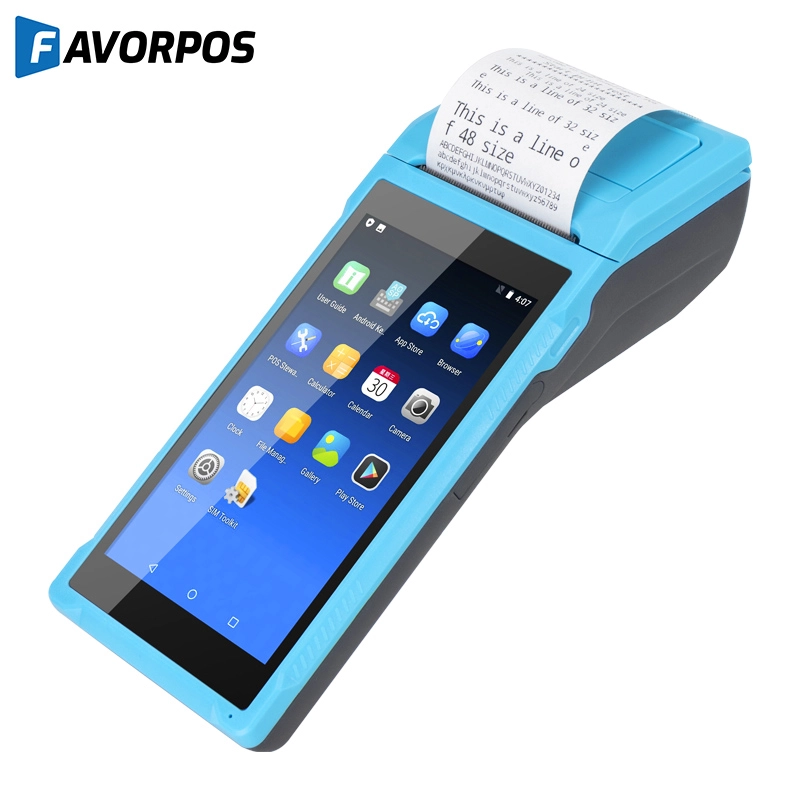
Android Handheld Pos Device Touch Screen Pos Terminal Manufacturer
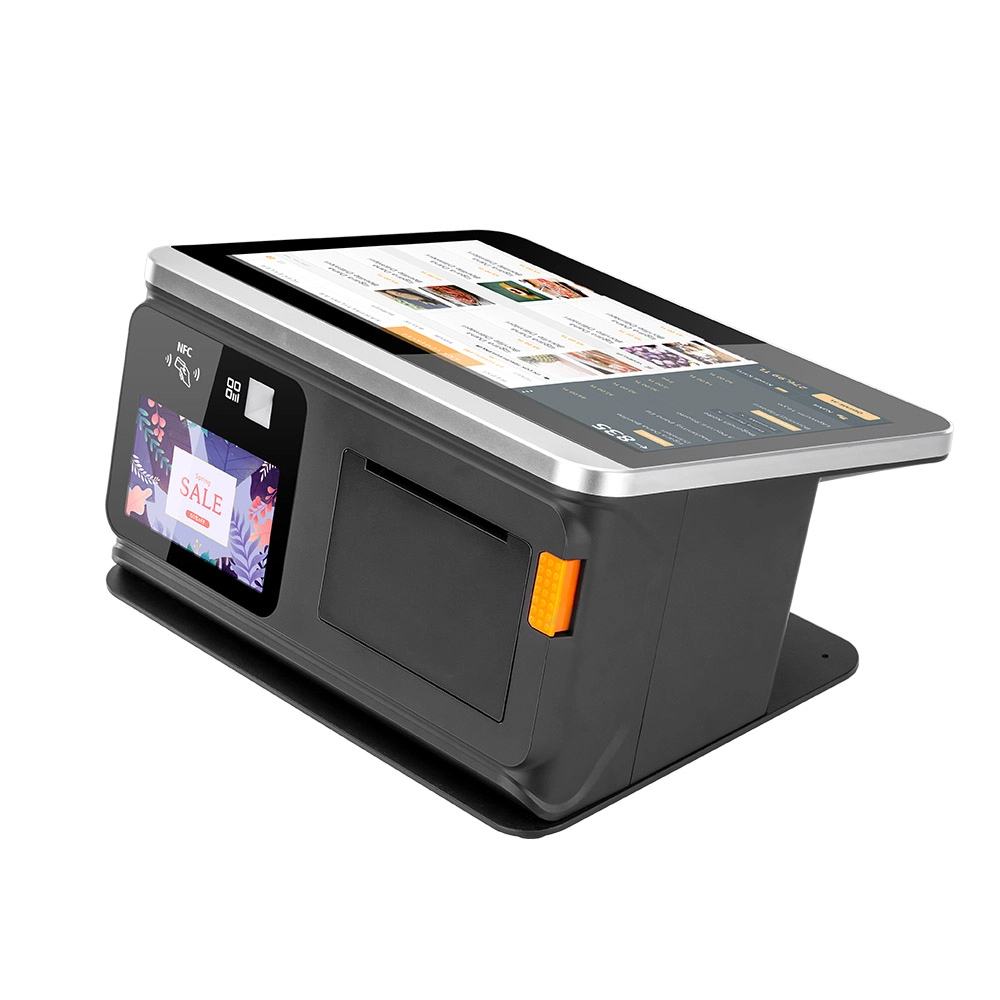
All in One POS Terminal Metal 11.6'' Touchscreen Android Windows with Printer
The All-in-One POS Terminal features an 11.6'' touchscreen display, compatible with both Android and Windows. This metal-constructed terminal combines durability with style, making it a perfect fit for any retail or hospitality environment. Equipped with a built-in printer, it streamlines transactions by allowing for instant receipt printing.
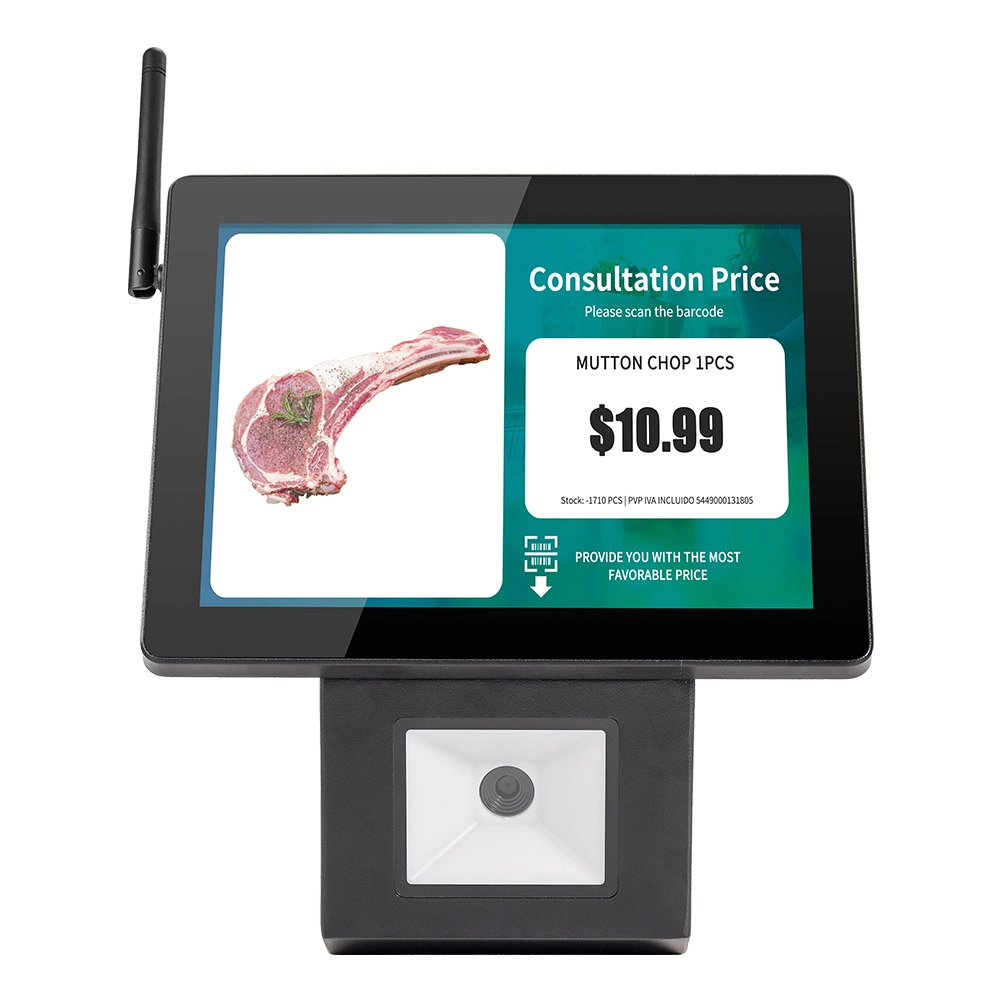
8 inch Touchscreen Price Checker Barcode Scanner Wifi Optional Android Win 10
FAVORPOS Touchscreen Price Checker offers a user-friendly interface, perfect for retail environments. With optional Wi-Fi connectivity, this device runs on Android or Windows, providing flexibility and ease of use. The integrated barcode scanner allows for quick price verification, enhancing the shopping experience for customers. Compact and efficient, it's designed to streamline operations and improve checkout speed.


Copyright © 2025 Favorpos All Rights Reserved.
