
Secure POS Terminals: PCI Compliance and Fraud Prevention
- The Evolving Threat Landscape for Point-of-Sale Systems
- Understanding Common POS Vulnerabilities
- The Impact of Data Breaches on Businesses
- Understanding PCI DSS: Your Blueprint for Secure Transactions
- What is PCI DSS and Why is it Crucial?
- Key Requirements for POS Terminal Compliance
- Beyond Compliance: Proactive Fraud Prevention Strategies
- Leveraging EMV, P2PE, and Tokenization
- Employee Training and Awareness
- Continuous Monitoring and Incident Response
- Choosing the Right Secure POS Solution for Your Business
- Evaluating POS Vendors and Solutions
- FAVORPOS: Your Partner in Secure and Advanced POS Solutions
- Conclusion
- Frequently Asked Questions (FAQ)
- 1. What is PCI DSS and who needs to comply?
- 2. How often do I need to validate my PCI compliance?
- 3. What are the most common vulnerabilities in POS terminals?
- 4. Can small businesses afford secure POS systems and PCI compliance?
- 5. What is the difference between EMV and P2PE?
- 6. How can I protect my POS terminal from physical tampering?
As a professional content writer with extensive experience in SEO, , and a deep understanding of the POS system landscape, I've seen firsthand how critical robust security measures are for businesses of all sizes. From the smallest boutique to the largest supermarket chain, the point-of-sale (POS) terminal, often seen as a modern cash register, is the heart of every transaction. Yet, it's also a prime target for cybercriminals. In an era where data breaches are increasingly common and regulations like PCI DSS are non-negotiable, ensuring the security of your POS terminals isn't just good practice—it's essential for survival and maintaining customer trust.
My goal in this comprehensive article is to demystify the complexities of POS security, providing actionable insights into PCI compliance and advanced fraud prevention. We'll explore the evolving threat landscape, delve into the intricacies of compliance, and discuss proactive strategies to safeguard your business. Let's embark on this journey to fortify your payment infrastructure.
The Evolving Threat Landscape for Point-of-Sale Systems
The digital age has brought unprecedented convenience to commerce, but it has also opened new avenues for malicious actors. The humble POS terminal, once a simple cash register, is now a sophisticated computer system handling sensitive cardholder data. This transformation has made it a lucrative target for cybercriminals seeking to exploit vulnerabilities for financial gain. From my vantage point as a consultant in this sector, I've observed a continuous arms race between security professionals and fraudsters, with new threats emerging constantly.
Understanding Common POS Vulnerabilities
POS systems, including traditional electronic cash registers and modern payment terminals, can be vulnerable at multiple points. One of the most common attack vectors is malware, often designed to scrape card data directly from the system's memory during transaction processing. These sophisticated programs, like 'BlackPOS' or 'TargetPOS,' can infiltrate systems through phishing emails, unpatched software, or insecure remote access tools. Once inside, they can operate silently, exfiltrating vast amounts of data before detection.
Another significant threat is physical tampering or 'skimming.' While more prevalent with standalone ATMs, POS terminals are not immune. Devices can be attached to card readers to illegally capture card numbers and PINs. Insider threats, though less common, also pose a risk, where employees with malicious intent can compromise systems or steal data. Furthermore, poorly configured networks, weak default passwords, and a lack of regular security updates create gaping holes that attackers are always ready to exploit.
The Impact of Data Breaches on Businesses
The consequences of a POS data breach extend far beyond immediate financial losses. For businesses, a breach can result in severe reputational damage, eroding customer trust that took years to build. Customers, once confident in your security, may take their business elsewhere. Financially, the costs are staggering: forensic investigations, legal fees, fines from card brands, credit monitoring services for affected customers, and potential lawsuits. According to IBM's Cost of a Data Breach Report 2023, the average cost of a data breach reached an all-time high of $4.45 million globally. IBM Cost of a Data Breach Report 2023. For small and medium-sized businesses, such an event can be catastrophic, potentially leading to bankruptcy. This underscores why proactive security for every payment terminal and cash register is not an option, but a necessity.
Understanding PCI DSS: Your Blueprint for Secure Transactions
The Payment Card Industry Data Security Standard (PCI DSS) is not just a set of rules; it's a comprehensive framework designed to protect cardholder data wherever it's processed, stored, or transmitted. Developed by the major card brands (Visa, MasterCard, American Express, Discover, and JCB), PCI DSS applies to all entities involved in payment card processing, including merchants, processors, acquirers, and service providers. From my perspective, achieving and maintaining PCI compliance for your POS terminal and entire payment ecosystem is the foundational step in any serious security strategy.
What is PCI DSS and Why is it Crucial?
PCI DSS outlines 12 core requirements categorized into six logically related goals, covering everything from building and maintaining a secure network to protecting cardholder data, maintaining a vulnerability management program, implementing strong access control measures, regularly monitoring and testing networks, and maintaining an information security policy. For instance, Requirement 3 mandates protecting stored cardholder data, which directly impacts how data is handled on your POS system. Requirement 4 insists on encrypting transmission of cardholder data across open, public networks, a vital safeguard for any payment terminal processing transactions.
The cruciality of PCI DSS cannot be overstated. Non-compliance can lead to severe penalties, including fines ranging from $5,000 to $100,000 per month from acquiring banks, increased transaction fees, and even the loss of the ability to process credit card payments. More importantly, it significantly increases your risk of a data breach, which as we discussed, carries devastating consequences. Adhering to PCI DSS provides a robust baseline for securing your electronic cash register and associated systems.
Key Requirements for POS Terminal Compliance
When it comes to POS terminals and payment systems, several PCI DSS requirements are particularly relevant:
- Requirement 1: Install and Maintain a Firewall Configuration to Protect Cardholder Data: Your POS system should be behind a properly configured firewall that restricts unauthorized access.
- Requirement 2: Do Not Use Vendor-Supplied Defaults for System Passwords and Other Security Parameters: Change all default passwords on your POS terminal and network devices immediately.
- Requirement 3: Protect Stored Cardholder Data: Minimize data storage. If data must be stored, it must be encrypted and protected.
- Requirement 4: Encrypt Transmission of Cardholder Data Across Open, Public Networks: All data transmitted from your POS device over public networks must be encrypted (e.g., using SSL/TLS).
- Requirement 6: Develop and Maintain Secure Systems and Applications: Ensure your POS software and operating systems are regularly patched and updated.
- Requirement 7: Restrict Access to Cardholder Data by Business Need-to-Know: Limit who can access your POS system's sensitive functions and data.
- Requirement 8: Identify and Authenticate Access to System Components: Use strong, unique passwords and multi-factor authentication where possible.
- Requirement 9: Restrict Physical Access to Cardholder Data: Secure your physical POS terminals and servers from tampering.
- Requirement 10: Track and Monitor All Access to Network Resources and Cardholder Data: Implement logging and monitoring for all POS system activities.
- Requirement 11: Regularly Test Security Systems and Processes: Conduct vulnerability scans and penetration tests.
Merchants are categorized into four levels based on their annual transaction volume, which dictates the validation requirements. For example, Level 1 merchants (over 6 million transactions annually) require an annual Report on Compliance (ROC) by a Qualified Security Assessor (QSA), while Level 4 merchants (fewer than 20,000 e-commerce transactions or up to 1 million total transactions) can typically complete a Self-Assessment Questionnaire (SAQ).
Beyond Compliance: Proactive Fraud Prevention Strategies
While PCI DSS provides a strong foundation, it represents a minimum standard. In today's dynamic threat landscape, businesses need to go beyond mere compliance and adopt proactive, multi-layered fraud prevention strategies. From my experience, the most secure businesses are those that integrate advanced technologies with robust internal policies and continuous vigilance. This holistic approach is crucial for any business operating a modern pos terminal cash register.
Leveraging EMV, P2PE, and Tokenization
Modern payment technologies offer powerful defenses against fraud:
- EMV (Europay, MasterCard, and Visa) Chip Technology: EMV cards generate a unique, one-time cryptogram for each transaction, making it extremely difficult for fraudsters to create counterfeit cards from stolen data. If a chip card is processed via swipe instead of chip read, liability often shifts to the merchant in case of fraud. Upgrading your POS terminal to accept EMV chip cards is a fundamental step in fraud prevention. EMVCo Official Website.
- Point-to-Point Encryption (P2PE): P2PE encrypts cardholder data at the moment of swipe or insertion at the POS device itself, before it enters the merchant's system. The data remains encrypted until it reaches a secure decryption environment, typically operated by the payment processor. This significantly reduces the scope of PCI DSS for merchants, as sensitive data never resides unencrypted on their systems. A P2PE-validated solution is a gold standard for securing payment terminals.
- Tokenization: Tokenization replaces sensitive cardholder data with a unique, randomly generated placeholder (a 'token'). This token can be used for subsequent transactions without exposing the actual card number. If a system storing tokens is breached, the stolen data is useless to criminals. Tokenization is particularly effective for recurring payments or storing customer card details for future use, making your electronic cash register environment much safer.
Here's a quick comparison of these critical technologies:
| Security Technology | Primary Benefit | How it Works | Impact on PCI Scope |
|---|---|---|---|
| EMV Chip | Prevents counterfeit card fraud | Generates unique transaction cryptogram | Reduces liability for card-present fraud |
| P2PE | Encrypts data at point of entry | Data encrypted from terminal to processor | Significantly reduces merchant's PCI scope |
| Tokenization | Replaces sensitive data with non-sensitive tokens | Actual card data stored off-site, tokens used internally | Reduces risk of data compromise if systems are breached |
Employee Training and Awareness
Technology alone is not enough. Human error remains a significant vulnerability. Comprehensive employee training is crucial for securing your POS environment. Staff must be educated on identifying phishing attempts, recognizing suspicious activity at the POS terminal, understanding proper data handling procedures, and adhering to strong password policies. They should know how to report potential security incidents and understand the importance of physical security for the cash register and payment devices. Regular refreshers and updates on the latest threats are also vital.
Continuous Monitoring and Incident Response
A proactive security posture includes continuous monitoring of your POS systems and network for unusual activity. This involves implementing intrusion detection systems, regularly reviewing transaction logs, and performing vulnerability scans. Just as important is having a well-defined incident response plan. In the event of a suspected breach, every second counts. A clear plan outlines who does what, how to contain the breach, how to notify relevant parties (card brands, customers, authorities), and how to recover. This preparedness can significantly mitigate the damage from a security incident affecting your pos terminal cash register.
Choosing the Right Secure POS Solution for Your Business
Selecting the right POS system is one of the most critical decisions a business owner makes. It's not just about processing sales; it's about safeguarding your business, your customers, and your reputation. As a consultant who has guided numerous businesses through this process, I emphasize looking beyond features to focus on security, reliability, and scalability. This is where advanced solutions, like those offered by FAVORPOS, truly shine.
Evaluating POS Vendors and Solutions
When evaluating a POS system, consider the following security-centric questions:
- PCI Compliance: Is the vendor's solution PCI-validated, especially for P2PE? Do they offer tools to help you maintain your own compliance?
- Encryption & Tokenization: Does the system support end-to-end encryption and tokenization for all transactions?
- Software Updates & Patching: How frequently are security updates released? Is the update process automatic and seamless?
- Access Controls: Does the system offer robust user roles and permissions, multi-factor authentication, and audit trails?
- Physical Security: Are the POS terminals tamper-resistant? What measures are in place to prevent physical skimming?
- Data Storage: Where and how is sensitive data stored? Is it encrypted at rest?
- Network Security: What network security features are built-in or recommended?
- Support: What kind of security support does the vendor offer in case of an incident?
A reliable POS system should integrate these security features seamlessly, making it easier for you to protect your business without disrupting operations. It should function not just as a cash register but as a secure, intelligent hub for all your transactions.
FAVORPOS: Your Partner in Secure and Advanced POS Solutions
In the dynamic landscape of retail and hospitality, businesses are constantly seeking high-tech devices to drive success. This is precisely where FAVORPOS stands out. As a company that provides and develops advanced point of sale (POS) systems and solutions, we are deeply committed to empowering businesses with technology that is not only efficient but also inherently secure.
Our current solutions encompass a wide range of products designed for different market segments such as retail, catering, and supermarkets. This includes state-of-the-art POS systems and peripherals, modern cash registers, versatile Handheld POS terminals, efficient scanners, precise Price Checkers, high-speed Thermal Printers, and robust Cash Drawers, along with various accessories. Each product is engineered with security and reliability at its core, understanding that every transaction processed through our payment terminals must be protected.
As a trusted company in the POS system industry, FAVORPOS provides OEM and ODM services, allowing us to fully meet customer needs and optimize their business operations with tailored solutions. This flexibility, combined with our long-term commitment to quality and industry development, sets us apart. We understand that security is not a one-size-fits-all solution, and our ability to customize ensures that your specific operational and security requirements are met.
With an outstanding dedication to quality and customers, FAVORPOS always strives to find the best solutions to support all businesses and improve their efficiency in this highly competitive field. Our vision is clear: to become the world's best manufacturer of Point of Sale (POS) systems and solutions. This vision drives our continuous innovation in security features, ensuring our products are not just compliant but also proactive in preventing fraud and protecting sensitive data. When you choose FAVORPOS, you're choosing a partner dedicated to securing your transactions and fostering your business's success.
Conclusion
Securing your POS terminals and payment infrastructure is a continuous journey, not a destination. From adhering to PCI DSS requirements to implementing advanced technologies like EMV, P2PE, and tokenization, and fostering a culture of security awareness among your staff, every step contributes to a stronger defense against fraud and data breaches. As an expert in this field, I cannot stress enough the importance of a proactive, multi-layered approach. By investing in secure, reliable POS solutions from trusted providers like FAVORPOS, you're not just buying a cash register or a payment terminal; you're investing in the future and integrity of your business. Stay vigilant, stay secure, and empower your business with the best protection available.
Frequently Asked Questions (FAQ)
1. What is PCI DSS and who needs to comply?
PCI DSS (Payment Card Industry Data Security Standard) is a set of security standards designed to ensure that all companies that process, store, or transmit credit card information maintain a secure environment. It applies to all merchants, regardless of size or transaction volume, as well as service providers and financial institutions involved in payment card processing. Compliance is mandatory for anyone handling cardholder data.
2. How often do I need to validate my PCI compliance?
The frequency of PCI compliance validation depends on your merchant level, which is determined by your annual transaction volume. Generally, merchants must validate compliance annually. This may involve completing a Self-Assessment Questionnaire (SAQ) and/or undergoing quarterly network vulnerability scans. Larger merchants (Level 1 and 2) typically require an annual Report on Compliance (ROC) by a Qualified Security Assessor (QSA).
3. What are the most common vulnerabilities in POS terminals?
Common vulnerabilities include malware infections (e.g., memory scrapers), unpatched software and operating systems, weak default passwords, insecure remote access configurations, lack of network segmentation, and physical tampering (skimming). Human error and social engineering attacks targeting employees also remain significant risks.
4. Can small businesses afford secure POS systems and PCI compliance?
Yes, absolutely. While security might seem like a large investment, the cost of a data breach far outweighs the cost of prevention. Many modern POS systems, including those from FAVORPOS, come with built-in security features like EMV, P2PE, and tokenization, making compliance easier and more affordable. Additionally, smaller businesses typically have less stringent PCI validation requirements (e.g., SAQ instead of ROC), reducing administrative burden.
5. What is the difference between EMV and P2PE?
EMV (Europay, MasterCard, and Visa) is a global standard for chip-based payment cards and terminals. Its primary function is to prevent counterfeit card fraud by generating a unique, dynamic cryptogram for each transaction. P2PE (Point-to-Point Encryption), on the other hand, focuses on encrypting cardholder data from the moment it's captured at the POS terminal until it reaches a secure decryption environment, significantly reducing the scope of PCI DSS for the merchant and protecting data in transit.
6. How can I protect my POS terminal from physical tampering?
Physical security measures include placing POS terminals in clear view, using tamper-resistant devices, securing terminals to countertops, regularly inspecting devices for any unusual attachments or modifications, and restricting physical access to sensitive areas where terminals are located. Employee training on identifying suspicious activities is also crucial.
Ready to elevate your business's security and efficiency with advanced POS solutions? Contact FAVORPOS today to learn more about our secure POS systems, Handheld POS, Price Checkers, Thermal Printers, Cash Drawers, and how we can tailor a solution to meet your unique needs. Visit our website at www.favorpos.com to explore our full range of products and services.
Compare POS Hardware for Supermarkets: Scanners, Scales, Terminals
10 Best Handheld POS Terminals for 2026: Expert Comparison & ROI Analysis
How to Choose the pos cash register for sale manufacturer and supplier in UK?
Top 10 pos desktop system Manufacturers and Supplier Brands
For company
What kind of certifications do you have?
CE, ROHS, and FCC as standards.
For Healthcare
How long does it take to implement the POS system?
Implementation time varies depending on customization requirements and usually ranges from a few weeks to a few months, including installation and employee training.
For Beauty and Wellness
What payment methods does the system support?
Our system supports a variety of payment methods, including credit cards, digital wallets and contactless payments, providing customers with a convenient payment experience.
For Entertainment & Events
Does the system support the management of multiple venues or locations?
Yes, our system supports multi-location management, allowing you to monitor and manage sales and inventory for all venues from a centralized dashboard.
For Restaurants & Cafes
Does your POS system support a variety of payment methods?
Yes, our POS system supports a variety of payment methods, including credit cards, debit cards, mobile payments (such as Apple Pay, Google Pay) and contactless payments (NFC). We ensure that the transaction process is safe and smooth to meet the various payment needs of customers.
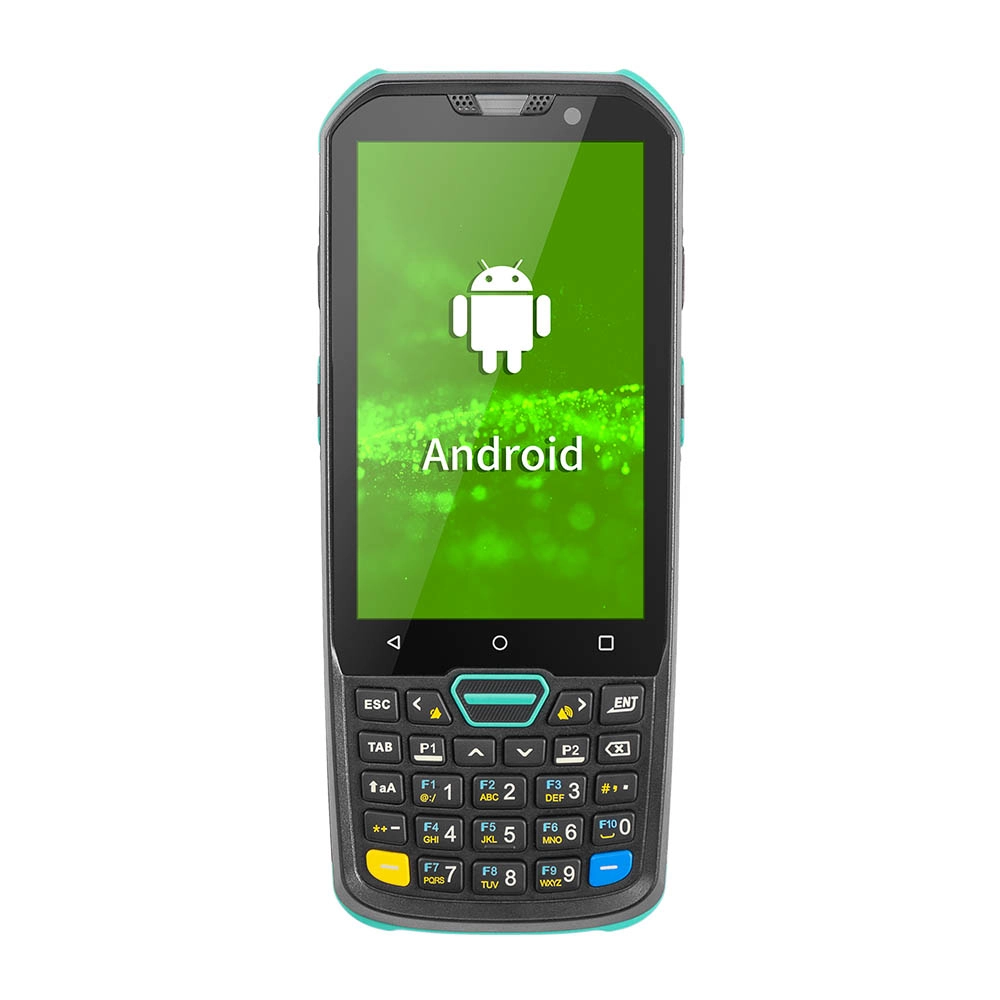
Factory Smart 4 inch Mobile PDA Data Collector with Keyboard
Our Factory Smart 4-Inch Mobile PDA Data Collector is equipped with a convenient keyboard for easy data entry. This compact device is designed for efficient inventory management and logistics operations, offering robust performance in a lightweight design. With a bright display and user-friendly interface, it allows for quick access to essential data on the go. Its durable construction ensures reliability in demanding environments, making it an ideal choice for retail, warehousing, and field operations.

11.6 inch Capacitive Touchscreen for POS Machine POS Monitor
FAVORPOS 11.6-inch capacitive touchscreen, specifically designed for POS machines to deliver a seamless and responsive user experience. This high-definition display offers vibrant visuals and crystal clear clarity, making it easy for staff to navigate through transactions efficiently. The capacitive technology ensures quick and accurate touch recognition, reducing wait times and enhancing customer satisfaction. Built to withstand the rigors of daily use, this touchscreen is perfect for retail and hospitality environments.
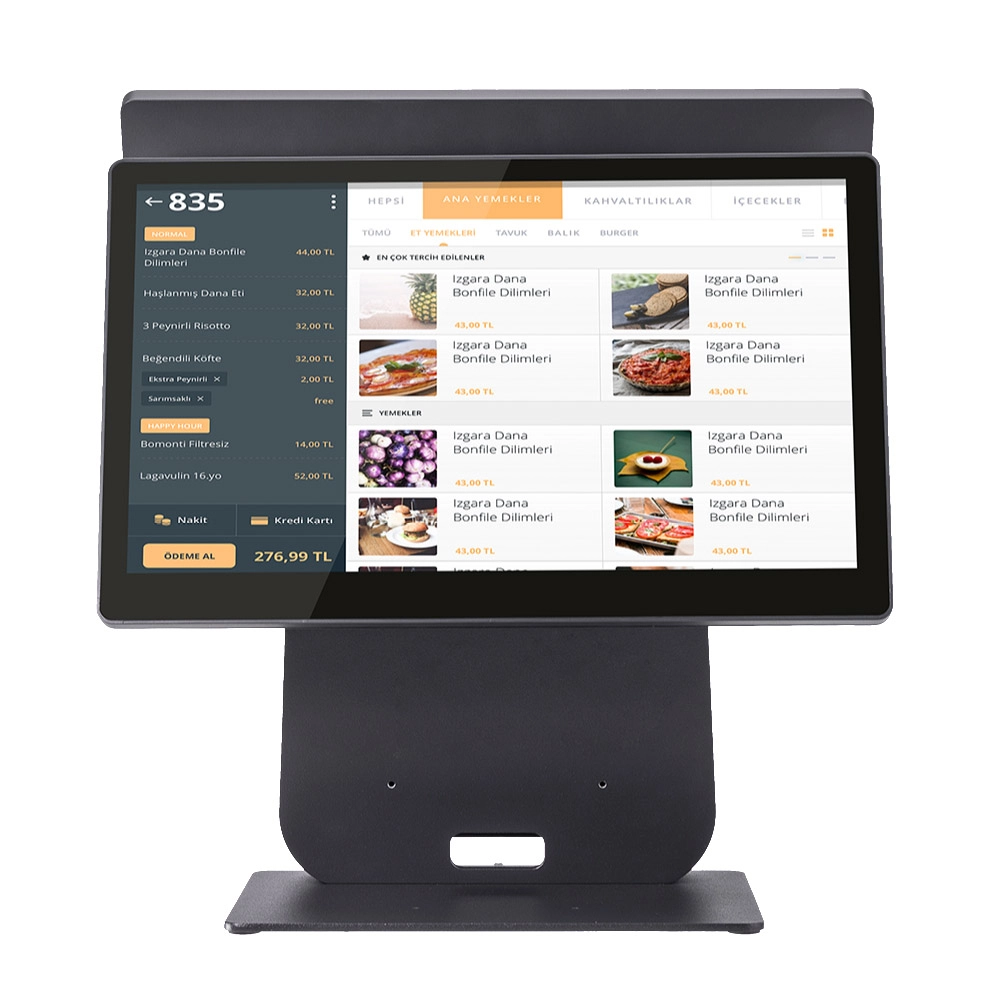
HD Dual Screen POS Machine Aluminum Hardware Android Windows Supplier
This dual-screen POS machine supports both Android and Windows systems, providing flexibility for various applications. The dual screens enhance customer interaction and streamline the checkout process, making transactions quicker and more engaging. Perfect for modern businesses looking to elevate their service and improve customer satisfaction, this POS machine is your ultimate partner in success!

Wall Mount Cash Register POS 21.5 inch for Supermarket Touchscreen Windows Factory
Our sleek and modern wall-mounted POS system features a stunning 21.5-inch LED display, providing exceptional visibility and clarity for seamless customer interactions. The capacitive touchscreen ensures a highly responsive and intuitive user experience, perfect for fast-paced retail environments. With its space-saving wall-mounted design, this POS solution is ideal for optimizing floor space while maintaining a professional and contemporary appearance.


Copyright © 2025 Favorpos All Rights Reserved.
