
What are the best mobile POS systems for restaurants?
- 1) Which mobile POS systems truly support offline card acceptance and KDS synchronization for a full-service restaurant, and what are the reliability limits?
- 2) How do mobile POS systems handle complex tipping, split checks, and vaulted customer data across multiple servers while minimizing PCI scope?
- 3) What is the real total cost to deploy an iPad-based mobile POS in a 60-seat restaurant (hardware, monthly fees, payment processing, installation, and maintenance)?
- 4) Which mobile POS systems provide certified integrations with major delivery platforms (DoorDash, Uber Eats, Grubhub) and prevent duplicate menu/inventory errors?
- 5) How do mobile POS systems keep tableside handheld ordering fast and accurate while ensuring KDS routing, modifier complexity, and printer routing don’t slow peak service?
- 6) For a restaurant group planning to scale from 1 to 10 locations, which mobile POS systems give centralized menu control, labor forecasting, and offline reconciliation without per-location hidden fees?
- Conclusion
Best Mobile POS Systems for Restaurants: 6 In-Depth Buyer Questions Answered
Choosing a mobile POS (mPOS) or portable POS solution for a restaurant requires more than vendor comparison — you need precise answers about offline behavior, hardware costs, payment security, delivery integrations, kitchen routing, and multi-location management. Below are six long-tail, beginner-focused questions that commonly lack comprehensive, current answers online, followed by practical, vendor-agnostic guidance that references real product capabilities (as published by vendors and industry documentation through mid-2024).
1) Which mobile POS systems truly support offline card acceptance and KDS synchronization for a full-service restaurant, and what are the reliability limits?
Why this matters: Restaurants can’t afford long payment or order failure windows during Wi‑Fi or ISP outages. Some mPOS vendors advertise “offline mode,” but the details—what transacts offline, how it syncs, and how long queued payments remain valid—vary widely.
Answer:
- What to expect from mature systems: Leading restaurant-focused providers (for example, Toast, Lightspeed Restaurant, TouchBistro, Revel) offer offline transaction queuing for card-present sales or at least the ability to continue taking orders that sync to a local cache. True offline card acceptance (where a card is authorized locally and charged later) depends on the payment pathway: integrated processors using tokenization and offline EMV support can capture card data and submit it on reconnect; simpler software-only mPOS products may only permit order entry offline and require card capture once back online.
- Reliability limits: Offline authorization increases fraud and chargeback risk because the transaction cannot be authenticated in real time. Many processors impose limits (time window, amount thresholds) on how long an offline payment can be held before it must be voided or re-presented. Expect vendor limits such as: offline order caching for hours to days (depending on storage), but offline EMV-authorized payments usually limited to short periods (often under 72 hours) and require specific hardware that supports secure element / EMV offline authorization.
- KDS and printer synchronization: Modern cloud POS systems use local network syncing (LAN) plus cloud reconciliation. For best reliability, deploy a hybrid architecture: keep KDS printers on a local wired or dedicated restaurant Wi‑Fi network and use vendor-supported KDS appliances (or a Raspberry Pi/bridge recommended by vendors) that continue routing when the internet drops. Avoid setups that rely solely on consumer Wi‑Fi mesh for KDS traffic—wired or enterprise-grade APs reduce packet loss and latency.
- Practical checklist before buying: 1) Ask vendors to describe their offline card flow and obtain written limits (hours, amount caps, EMV support). 2) Validate whether the vendor’s handheld terminal supports EMV and contactless offline behavior. 3) Test failover: simulate network outage during service to confirm that KDS, printer routing, and card acceptance behave as claimed. 4) Consider an LTE backup router or a cellular-capable terminal for mission-critical continuity.
2) How do mobile POS systems handle complex tipping, split checks, and vaulted customer data across multiple servers while minimizing PCI scope?
Why this matters: Tipping and split checks are frequent pain points in full-service restaurants. Incorrect implementation increases friction, reduces tips, and expands PCI compliance scope if card data is handled incorrectly.
Answer:
- Tip prompts and logic: Mature restaurant mPOS platforms (Toast, TouchBistro, Square for Restaurants) provide configurable tip prompts (preset percentages, custom amounts, pre- and post-auth prompts), and support tip pooling fields for back-office payroll calculations. Verify whether the system supports pre-authorization for card tabs (useful for bar tabs) and then post-authorization tip adjustments—this reduces declined tips at close-out.
- Split checks: Look for split-by-seat, split-by-item, and split-N-ways functions. Some systems implement split-by-seat natively (TouchBistro, Toast), which is important for accuracy when guests share items. Confirm the limits for number of splits per table and whether the UI supports quick server reassignment during rush periods.
- Vaulted customer data and tokenization: To minimize PCI scope, ensure the mPOS uses tokenization and that card data is stored by a PCI‑validated vault/processor (P2PE or processor-hosted tokens). Vendors typically offer vaulted customer profiles for stored cards, receipts, and loyalty while keeping merchants out of direct card data custody. Ask whether the system uses end-to-end encryption (E2EE) and whether terminals are PCI PTS or certified for P2PE.
- Multi-server concurrency and audit trails: For proper accountability, the POS must attribute each action (tips added, checks split, discounts) to a logged-in user with timestamps and provide an immutable audit log. Check vendors’ reporting capabilities for shift-level tip reports, gratuity adjustments, and tip pooling exports for payroll.
- Practical checklist: 1) Request a demo with your typical tip and split scenarios. 2) Confirm the processor’s tokenization, P2PE status, and where card data resides. 3) Validate audit logs and whether manual tip edits require manager override with reason codes.
3) What is the real total cost to deploy an iPad-based mobile POS in a 60-seat restaurant (hardware, monthly fees, payment processing, installation, and maintenance)?
Why this matters: Sticker shock often comes from underestimating ongoing processing and licensing or from failing to budget for necessary peripherals (KDS, printers, routers, handhelds).
Answer (illustrative, based on vendor pricing models and industry averages through 2024):
- Hardware one-time costs (typical ranges): iPad/tablet: $300–$1,000 (consumer vs. commercial-grade); tablet stand or kiosk: $100–$500; receipt printers: $150–$500 each; kitchen display hardware or tablets for KDS: $200–$700 per station; handheld/order-taking device: $400–$900; EMV/contactless payment terminal: $200–700; network router with LTE failover: $200–$800. For a 60-seat full-service restaurant you’ll commonly need 2–4 iPad POS stations, 2–3 handhelds for tableside, 1–2 KDS stations, 2–3 printers, and a payment terminal per front-of-house—expect initial hardware spend roughly $4,000–$12,000 depending on brand and warranty choices.
- Software/subscription fees: Vendors charge per-terminal or per-location subscriptions. Expect entry-level restaurant plans from $60–$150/month per terminal for cloud restaurant POS, mid-tier plans $150–$350+ for advanced back-office, inventory, and loyalty. Annual contracts or multi-location discounts are common.
- Payment processing: Card-present rates commonly range from ~2.6% to 3.5% + $0.10–$0.30 per transaction depending on interchange, provider, and contract. Third-party aggregation vs merchant account models differ: aggregated (Square-style) is simpler but may be costlier at scale; integrated merchant account with a processor or Toast’s integrated payments can yield better volume pricing but requires a contract.
- Installation, training, and maintenance: On-site install and staff training: $500–$2,500 depending on complexity. Ongoing hardware maintenance and warranty extensions: 10–20% of hardware cost annually if purchased. If you use a certified integrator for kitchen printer routing and POS-to-KDS setup, budget an extra $500–$3,000.
- How to calculate your true cost per month: Combine monthly software + estimated monthly processing (based on projected monthly card volume), then amortize hardware over 3–5 years. Example: if hardware = $8,000 (amortized $200/month over 3 years), software = $400/month (for 2–3 terminals), processing = $2,000/month, total = ~$2,600/month operating cost in month 1 excluding labor. Tailor these numbers to your check average and card penetration rate.
- Practical checklist: 1) Request an itemized quote showing processor model (interchange-plus vs bundled), monthly software fees per terminal, and hardware SKU pricing. 2) Ask about chargebacks, early-termination fees, and hardware replacement policies. 3) Run a three-year TCO (total cost of ownership) comparison across vendors including likely card volume.
4) Which mobile POS systems provide certified integrations with major delivery platforms (DoorDash, Uber Eats, Grubhub) and prevent duplicate menu/inventory errors?
Why this matters: Delivery sales are mission-critical, and manually reconciling orders across multiple marketplaces causes missed orders, inventory mismatches, and over-selling popular items.
Answer:
- Integration types: There are three integration approaches you’ll encounter: 1) Native marketplace integrations managed by the POS vendor (best for synchronous menu and status updates). 2) Third-party aggregators (Ordermark, Chowly, Otter) that consolidate marketplaces into the POS. 3) API-based custom integrations. Native integrations usually reduce latency and duplication risk but may not include every local marketplace.
- What to verify: 1) Menu and modifier sync frequency and direction (bi-directional sync is ideal so changes in POS update platforms and vice versa). 2) How closed or sold-out items are communicated (real-time sold-out flags reduce over-selling). 3) How order statuses flow back to marketplaces (accepted, in progress, ready), and whether estimated times are shared. 4) How fees and commissions are reconciled in reporting.
- Vendor capabilities: Restaurant-focused POS systems like Toast and Lightspeed have established delivery integrations or certified partnerships, while others (Square, Clover) rely heavily on aggregator partners. For enterprise or multi-location needs, Revel and some Lightspeed implementations support enterprise-level integrations and central menu controls. Aggregators (Chowly, Ordermark) are valuable if vendors’ native integrations aren’t comprehensive for your local marketplaces.
- Practical checklist: 1) Prepare a list of delivery marketplaces you use and ask vendors for written confirmation of certified or recommended integration partners. 2) Request a live demo showing a marketplace order flowing into the POS, printing to KDS, decrementing inventory, and updating order status back to the marketplace. 3) If using an aggregator, verify reconciliation reports and how fees are mapped to POS accounting lines.
5) How do mobile POS systems keep tableside handheld ordering fast and accurate while ensuring KDS routing, modifier complexity, and printer routing don’t slow peak service?
Why this matters: Tableside ordering should reduce server walk time and speed service—not create extra steps, split tickets, or routing chaos when modifiers are complex (e.g., allergy flags, course timing).
Answer:
- Handheld vs tablet workflows: Systems optimized for tableside (Toast Go, Toast Handheld, TouchBistro handheld, Lightspeed Restaurant handhelds) provide dedicated handheld apps that mirror table layout, seat-level ordering, and quick modifier flows (preset modifiers, allergy tags). Good handheld UX reduces taps for common orders and makes uncommon modifiers accessible without deep menus.
- Modifier and course timing handling: Look for platforms that allow modifier inheritance (apply a modifier to an item group), prep and course timing (send items to KDS with course tags like “Appetizer” vs “Entree”), and the ability to hold items (send to KDS flagged as delayed) so that the kitchen receives accurate pacing information. This reduces ticket errors and ensures simultaneous plating for courses.
- Printer/KDS routing and rules: Reliable routing requires explicit route rules: send drinks to bar printer, appetizers to expo printer, expeditor to KDS, and receipts to server devices. Vendors should allow granular routing based on item, modifier, or course. Avoid ad hoc network printer discovery—use fixed printer configurations mapped to locations with static IPs or vendor-recommended network bridges to reduce packet loss.
- Performance under load: For high-volume bars, ensure the wireless network is enterprise-grade (dual-band, separate SSID for POS, QoS prioritized), and verify that the POS vendor recommends hardware and settings for low-latency operations. Test throughput: simulate a 15-minute rush (many small orders) and verify that the system does not lag, orders do not duplicate, and printers/KDS remain synchronized.
- Practical checklist: 1) Trial a handheld in-service during a staffed shift. 2) Ask the vendor about recommended network specs and perform a network audit. 3) Ensure modifier UI minimizes taps and the system supports course timing and hold-to-print workflows. 4) Confirm that KDS accepts pause/resume and re-route commands from handhelds without needing a supervisor reset.
6) For a restaurant group planning to scale from 1 to 10 locations, which mobile POS systems give centralized menu control, labor forecasting, and offline reconciliation without per-location hidden fees?
Why this matters: Multi-location growth needs centralized control for pricing, promos, labor optimization, and consolidated reporting. Vendors’ multi-location capabilities vary, and hidden costs can erode margins during scale-up.
Answer:
- Key enterprise features to demand: centralized menu management with version control and staged pushes, global inventory visibility with transfers, consolidated reporting and corporate dashboards, role-based access control, consolidated payment settlement and multi-location merchant account options, labor forecasting tied to POS sales, and APIs for custom reporting or ERP integration.
- Vendor segmentation: Enterprise-class mPOS providers (Revel, Lightspeed for mid-market, Toast for restaurant groups) offer richer centralized controls and multi-location dashboards. Square and Clover can work for small multi-location operators but may have per-location fees that scale. Ask vendors whether they provide single-pane-of-glass administration for menus/promotions and whether they charge per-location seat or add-on fees for centralized reporting.
- Offline reconciliation and inter-store flows: For multi-location operations, offline reconciliation means store-level caches reconciled to corporate cloud without losing transaction integrity. Ensure the POS provides automated end-of-day reconciliation reports, centralized exception reporting for failed syncs, and inventory transfer flows (for commissaries) with audit trails.
- Hidden fees to watch for: per-terminal licensing, API access fees, charge for third-party integrations, support tiers (24/7 phone support typically costs extra), and onboarding/implementation fees per location. Request an itemized, multi-year quote showing license escalators.
- Practical checklist: 1) Request a scalable pricing quote for projected 1→10 locations, listing all line items. 2) Ask for performance SLAs around sync times and reconciliation. 3) Verify that the vendor offers role-based corporate admin, bulk menu push, and labor forecasting tied to sales data (not just a separate scheduler app). 4) Validate APIs and data export formats for integration with your payroll and ERP systems.
Conclusion
Choosing the best mobile POS systems for restaurants means matching real operational needs—offline robustness, secure payments and tokenization, realistic TCO, certified delivery integrations, fast tableside workflows, and enterprise-level multi-location control—to vendor capabilities. Toast, Lightspeed, TouchBistro, Revel, Square for Restaurants, and Clover represent commonly deployed options across the small to enterprise spectrum; however, differences in offline card handling, KDS routing, and integration depth are decisive. Always request written offline policies, a line-item TCO, and live demonstrations of your busiest service scenarios.
Advantages of adopting a modern mobile POS for restaurants include faster table turns via tableside ordering, improved order accuracy through integrated KDS and printer routing, better sales and labor forecasting from consolidated data, and reduced PCI scope through tokenization and P2PE-ready devices.
Contact us to get a tailored quote and configuration recommendation based on your restaurant model and growth plan: visit www.favorpos.com or email sales2@wllpos.com.
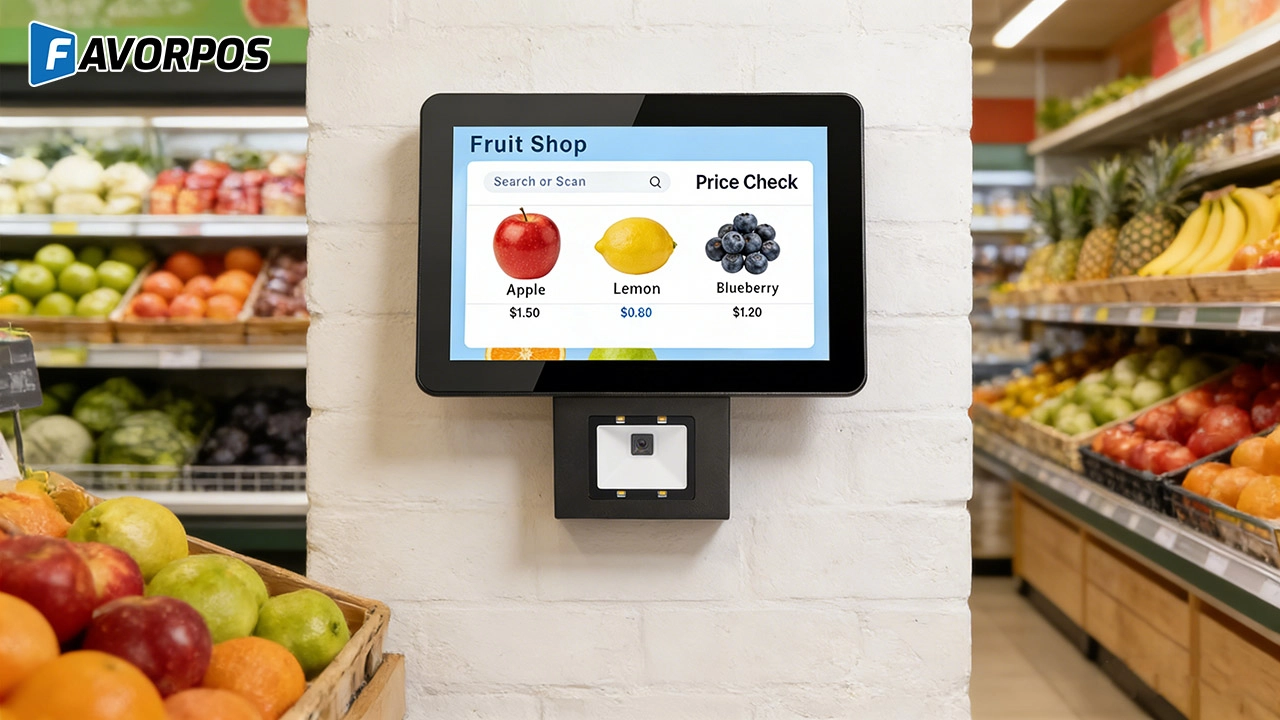
The Smart Way to Check Prices: How a 10.1-Inch Wall-Mounted Price Checker Transforms Retail Stores
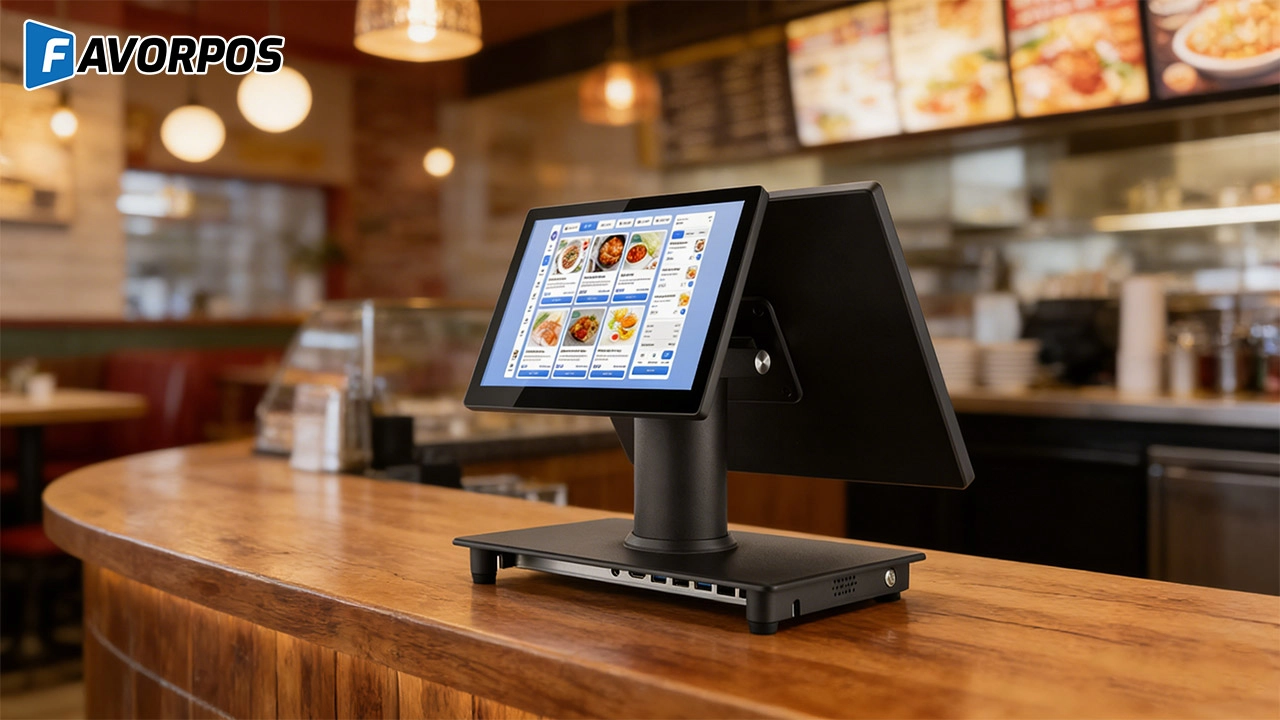
A Smarter Checkout Experience: The 15-Inch Dual-Screen POS Built for Modern Retail
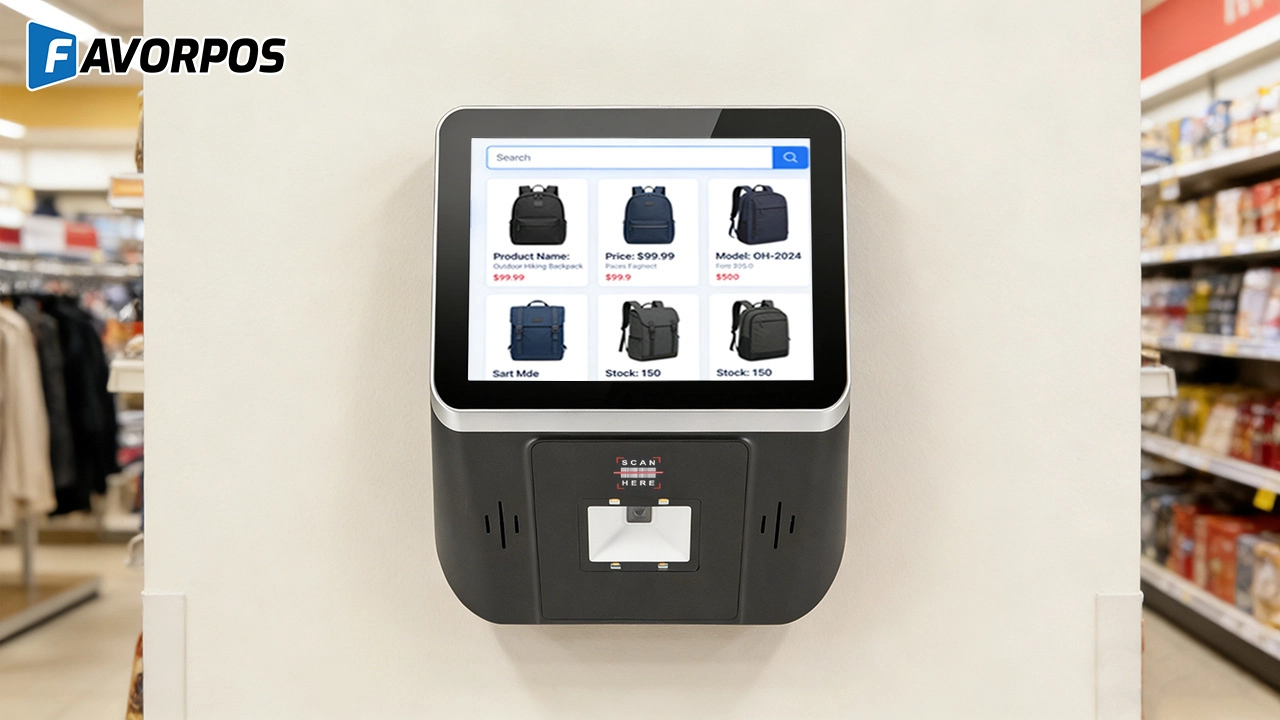
8-Inch Smart Price Checker: A Small Device Powering Smarter Retail Spaces
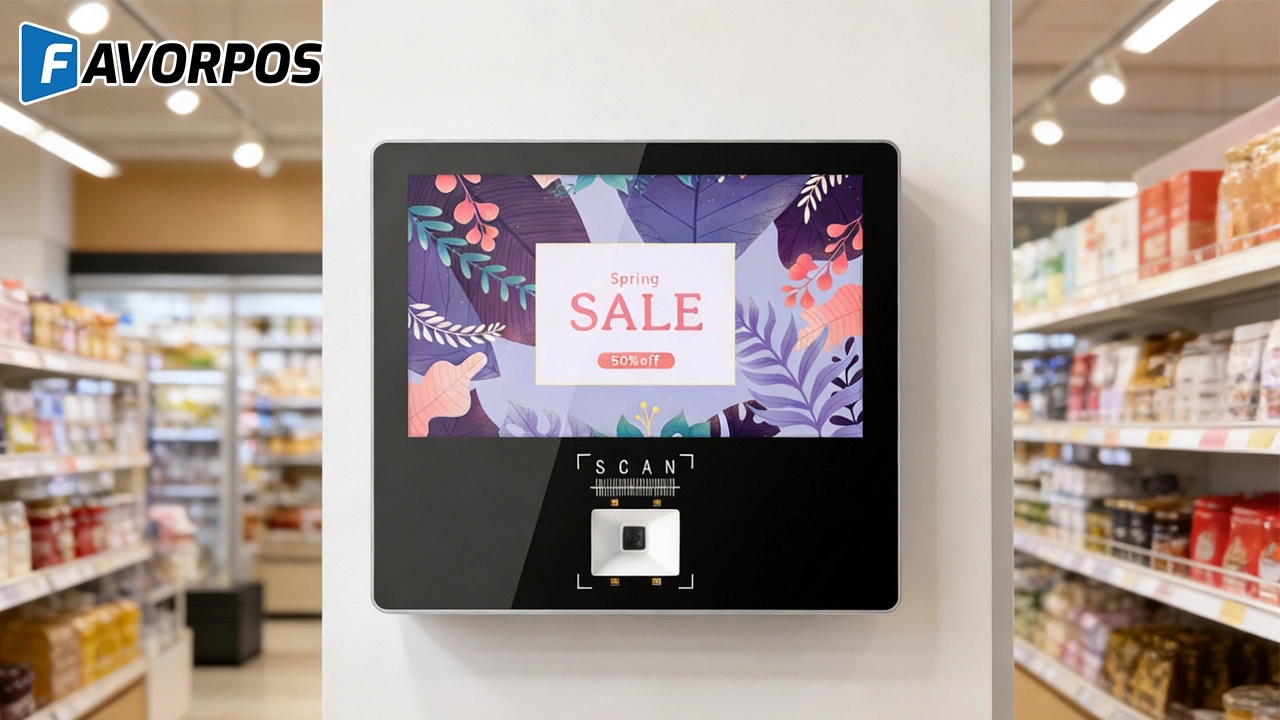
Built for Retail Precision: Manufacturing Excellence Behind the 11.6” Smart Price Checker
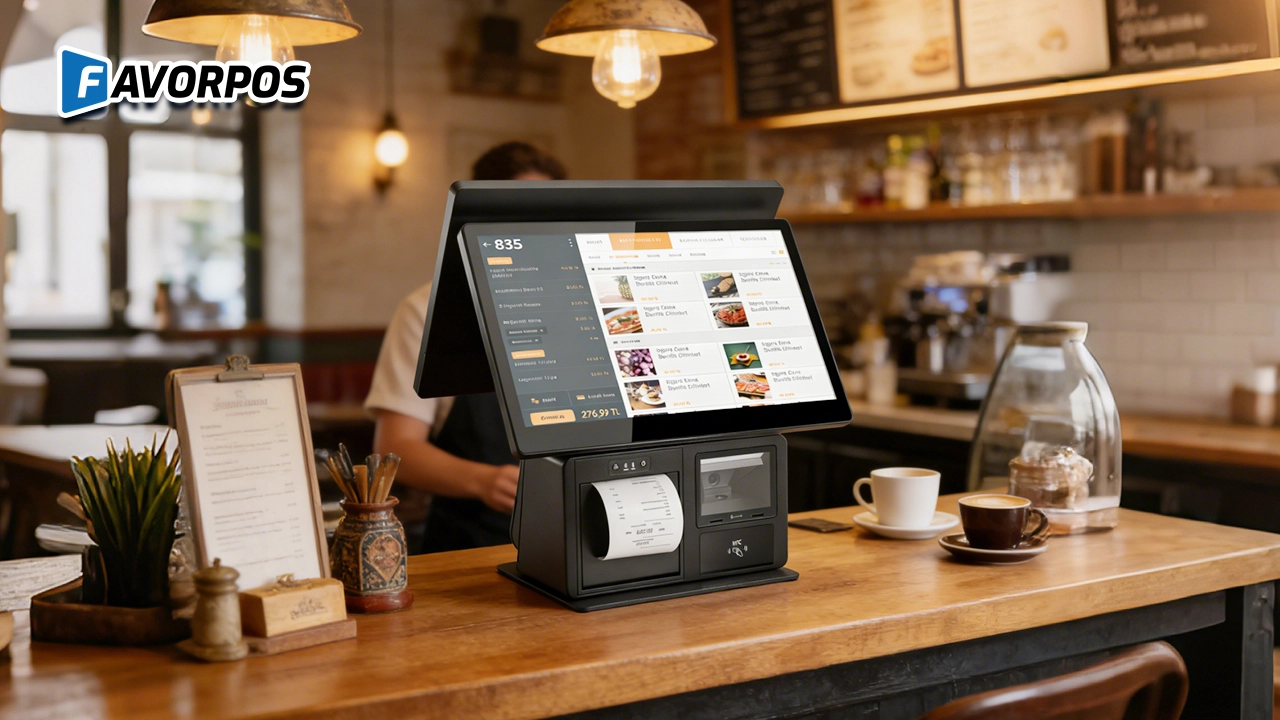
Building Stability in an Unstable Market: A 15.6-Inch All-in-One POS Designed for the Long Term
For Healthcare
What kind of support do you provide after installation?
We provide comprehensive after-sales support, including technical assistance, hardware updates, hardware maintenance and employee training.
For ODM
What ODM services are provided?
We provide a full range of services from product concept development to production manufacturing according to customer requirements and designs. We are responsible for all aspects of product design, prototyping, production, quality control, etc. to ensure that your POS solution meets market needs and quality standards.
For Restaurants & Cafes
Does your POS system support a variety of payment methods?
Yes, our POS system supports a variety of payment methods, including credit cards, debit cards, mobile payments (such as Apple Pay, Google Pay) and contactless payments (NFC). We ensure that the transaction process is safe and smooth to meet the various payment needs of customers.
For Bakeries
Can your POS system handle both retail and wholesale orders?
Yes, FAVORPOS's system can manage both retail sales and wholesale orders and offer different price structures for each customer type.
For Government and Public
What support is provided after deployment?
We provide 24/7 technical support, regular hardware updates, hardware maintenance, and training resources to ensure your POS system remains operating efficiently.

Aluminum Dual Screen Pos Terminal Pos Systems 15.6 inch Touchscreen Pos
FAVORPOS Aluminum Dual Screen POS Terminal features a 15.6-inch touchscreen, ideal for seamless transactions. As a trusted OEM Windows POS manufacturer, we deliver durable, high-performance solutions tailored for retail and hospitality businesses.
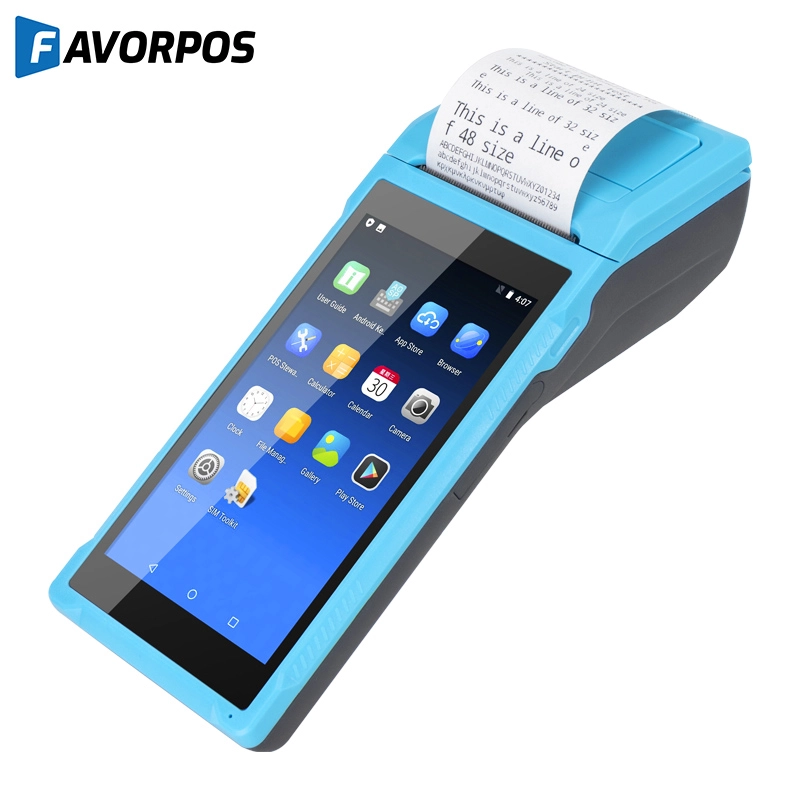
Android Handheld Pos Device Touch Screen Pos Terminal Manufacturer
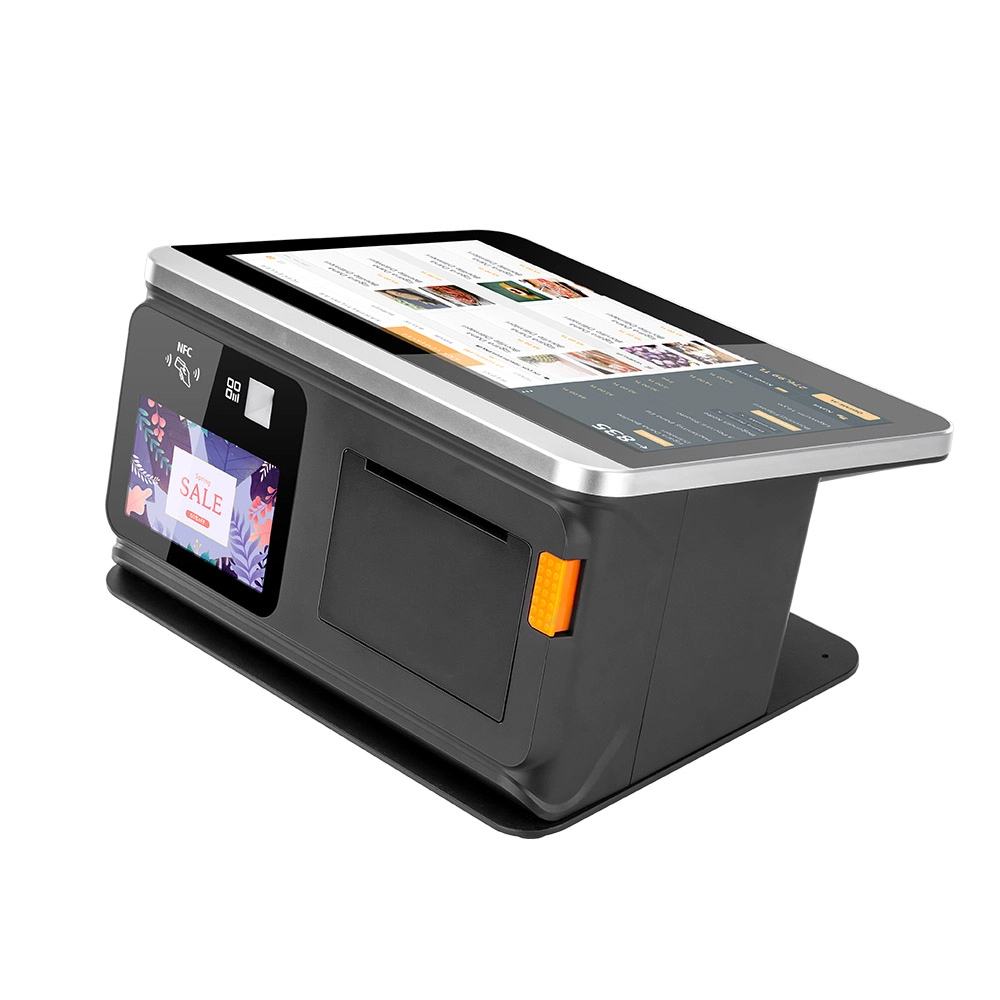
All in One POS Terminal Metal 11.6'' Touchscreen Android Windows with Printer
The All-in-One POS Terminal features an 11.6'' touchscreen display, compatible with both Android and Windows. This metal-constructed terminal combines durability with style, making it a perfect fit for any retail or hospitality environment. Equipped with a built-in printer, it streamlines transactions by allowing for instant receipt printing.
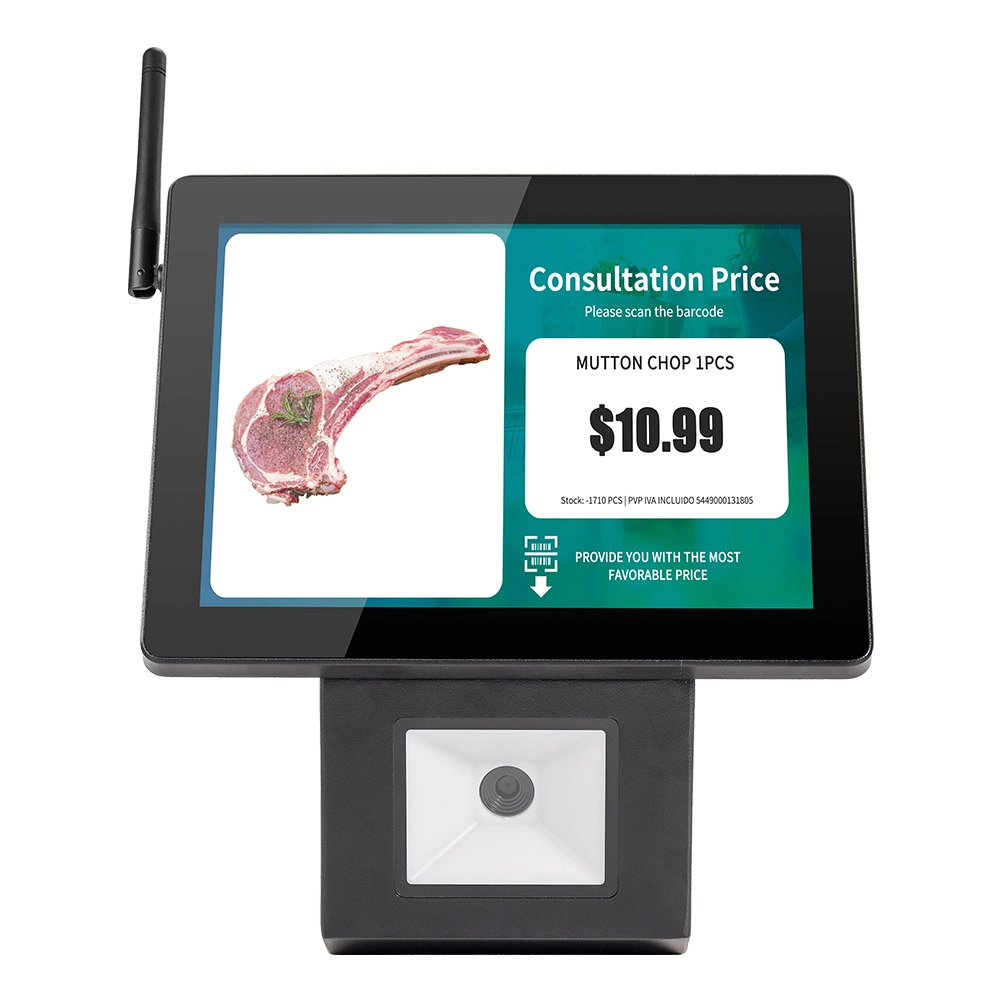
8 inch Touchscreen Price Checker Barcode Scanner Wifi Optional Android Win 10
FAVORPOS Touchscreen Price Checker offers a user-friendly interface, perfect for retail environments. With optional Wi-Fi connectivity, this device runs on Android or Windows, providing flexibility and ease of use. The integrated barcode scanner allows for quick price verification, enhancing the shopping experience for customers. Compact and efficient, it's designed to streamline operations and improve checkout speed.
Get in touch
Interested in becoming a POS system dealer? Contact us for more information and start the process of joining our dealer network.
We look forward to working with you to expand the market together.


Copyright © 2025 Favorpos All Rights Reserved.
