
Which mobile POS systems offer the best offline capabilities?
- 1) How many offline card-authorized transactions can a mobile POS store locally before risking data loss, and how do I estimate required local storage?
- 2) Which mobile POS systems can process EMV chip payments fully offline, and what are the liability and chargeback implications?
- 3) How do mobile POS systems reconcile offline transactions with bank settlement timing, and what settings control batching and settlement?
- 4) What are the PCI and encryption requirements when using a mobile POS offline, and how can I reduce compliance and breach risk?
- 5) How should I architect a hybrid mobile POS (tablet app + separate card terminal) to guarantee continuous payments during outages?
- 6) Which mobile POS systems provide robust offline inventory and multi-location order sync, and how do they resolve conflicts?
Choosing one of the best mobile POS systems requires more than headline features. For merchants, the real test is how a mobile POS behaves when connectivity, power, or peak load fail. Below are six specific, beginner-focused long-tail questions that often lack up-to-date, practical answers online — each followed by an in-depth, actionable answer based on current industry practices and vendor patterns. Semantic terms such as mobile POS, cloud POS, offline capabilities, EMV, tokenization, batch settlement, and inventory sync are used naturally throughout.
1) How many offline card-authorized transactions can a mobile POS store locally before risking data loss, and how do I estimate required local storage?
Why this matters: During an outage, merchants need to know how many payments their device can queue without losing data — especially for multi-hour events, food trucks, or pop-ups.
Answer (detailed): There is no universal number; local transaction capacity depends on three factors: the POS app’s cache limits, the terminal’s flash/storage, and the retention policy enforced by the vendor. Typical mobile POS apps cache transactions as compact JSON/tokenized records (often 1–6 KB per transaction when using tokenization). Using these typical sizes, a 32 MB cache could hold roughly 5,000–30,000 queued transactions—but many vendors impose much lower soft limits (hundreds to a few thousand) to reduce risk.
How to estimate for your use case:
- Measure avg transaction footprint: run 50 real transactions in a test environment, export cached records (or ask vendor support) and compute average KB/txn.
- Decide acceptable queue depth: multiply average transactions/hour × expected outage hours. Example: 120 txns/hour × 6 hours = 720 queued txns.
- Confirm vendor limits: request the POS vendor’s documented cache limit, retention policies (how long queued items persist), and what triggers automatic discard.
Practical safeguards:
- Use POS systems that tokenize card data and store only tokens locally (reduces footprint and PCI surface).
- Enable automatic incremental sync and set the device to attempt frequent reconnects (every 30–60 seconds) to reduce queue depth.
- Set a conservative internal rule (for example 48–72 hours max queued time) and add alerts for approaching limits.
2) Which mobile POS systems can process EMV chip payments fully offline, and what are the liability and chargeback implications?
Why this matters: EMV offline authorization can allow continuous service during network loss but changes fraud, settlement, and liability profiles.
Answer (detailed): True EMV offline authorization is different from “card-present offline fallback.” EMV supports offline data authentication (ODA) and offline PIN/authorization in the EMV spec, but whether a solution lets you accept chip transactions offline depends on the payment terminal firmware and acquirer/processor rules. Some dedicated payment terminals (commonly found in enterprise/retail deployments—eg. devices from Ingenico, Verifone, or PAX) can perform limited offline EMV approvals based on issuer risk parameters. Mobile card readers that pair with phones/tablets (common in mobile POS setups) typically do not support full EMV offline authorization; instead they either:
- Disallow chip transactions until online, or
- Allow manual/phone authorization or a magstripe fallback (which increases fraud and liability risk), or
- Cache an already-authorized tokenized transaction if a prior online authorization occurred (for queued card-not-present-like flows).
Liability and chargebacks:
- Offline EMV approvals shift more fraud liability to the merchant if the card issuer did not perform online authentication. Card schemes and acquirers often require special agreements and risk controls to permit offline EMV.
- Expect higher chargeback scrutiny for offline-authorized EMV payments. Maintain strong transaction logs (timestamps, terminal ID, EMV tag data if available) to defend disputes.
How to proceed:
- If offline EMV is a must, choose a POS that supports integrated payment terminals with vendor-documented offline EMV features and confirm with your acquiring bank whether offline EMV is permitted and how transaction limits/risk controls are applied.
- Prefer platforms that record cryptographic EMV tags (ARQC/TC) and retain them locally until sync—this data is essential to resolve disputes.
3) How do mobile POS systems reconcile offline transactions with bank settlement timing, and what settings control batching and settlement?
Why this matters: Merchants need to understand when funds will hit their account and how offline batching affects cashflow and reconciliation.
Answer (detailed): Reconciliation when offline involves two separate flows: authorization/storage on the POS device, and later submission to the payment processor for clearing/settlement. Key points:
- Authorization vs. capture: Some systems pre-authorize (online) and capture later; when entirely offline, the POS typically stores a pending authorization or an offline approval record and then pushes it on reconnect, which may be processed as an authorization & capture together or as a force-capture depending on processor rules.
- Batching: Merchant accounts often batch-settle at the acquirer level. A POS can submit a batch immediately on reconnect or queue transactions into a local batch. Settings to check: auto-batch on reconnect, manual batch release, maximum batch size, and timestamping.
- Settlement timing: If transactions are held locally longer than 24–48 hours, acquiring banks may treat them as force-posts and subject them to additional review or decline, delaying funds. Many acquirers require settlement within a defined window (often 24–72 hours) to avoid declines or fines.
Operational recommendations:
- Ask your POS vendor and acquirer for maximum recommended time between transaction capture and settlement. Build internal rules (e.g., run a manual reconcile within 12 hours after reconnect).
- Enable detailed timestamps and exportable batch reports (including device ID and sequence numbers) to simplify bank reconciliation and dispute resolution.
- Use POS systems that support automatic incremental batch flush on reconnect to minimize backlog.
4) What are the PCI and encryption requirements when using a mobile POS offline, and how can I reduce compliance and breach risk?
Why this matters: Offline storage can increase PCI scope and breach risk if cardholder data is stored insecurely on the device.
Answer (detailed): Basic rules and best practices:
- Tokenization and P2PE: Use point-to-point encryption (P2PE) and tokenization so the mobile POS never stores PANs (primary account numbers) in plaintext. With proper P2PE, locally cached records contain only tokens or encrypted blobs, minimizing PCI scope.
- Do not store PANs or magnetic stripe track data locally. If a vendor claims offline capability but stores raw PAN data, this dramatically increases risk and PCI obligations.
- Encryption at rest: For any vendor that stores transaction data locally before sync, ensure AES-256 (or equivalent) encryption of cached data and secure key management—ideally keys are managed by the processor or HSM, not left on-device.
- Device hardening: Keep POS app and terminal firmware current; pair card readers using secure pairing methods; enforce device-level security (screen lock, remote wipe, MDM for tablets).
Compliance steps:
- Ask for vendor documentation: P2PE certification number, tokenization architecture, and whether their offline cache contains PANs or only tokens.
- Work with your acquiring bank to document acceptable offline behavior and include it in your merchant agreement.
- Perform periodic penetration testing and audit logs to detect suspicious offline activity.
5) How should I architect a hybrid mobile POS (tablet app + separate card terminal) to guarantee continuous payments during outages?
Why this matters: Many merchants combine tablets for ordering with a separate card terminal; well-designed hybrid architectures minimize downtime and meet card scheme rules.
Answer (detailed): Hybrid designs are common (tablet/table POS app + integrated or tethered terminal). To maximize uptime:
Hardware & network design:
- Dual connectivity: Provide the tablet and terminal with both Wi‑Fi and cellular fallback. For example, tablets on a dedicated LTE hotspot and terminals with integrated cellular or a second hotspot reduce single-point failures.
- Local bridging mode: Use terminals that can operate in standalone offline mode and later sync transactions to the tablet/POS. Alternatively, choose an integrated terminal that communicates directly with the processor (reduces tablet’s PCI exposure).
Software & operational design:
- Design clear offline workflows in the POS app (e.g., visual indicators showing ‘queued’ vs ‘settled’ and blocking refunds until settlement if necessary).
- Implement automatic reconciliation routines that run when any device regains connectivity; ensure sequential transaction IDs to avoid duplicates.
- Train staff on fallback processes: manual-authorize phone backup, return-to-customer policies, and how to handle failed synchronizations safely.
Validation:
- Before go-live, run formal outage drills: simulate Wi‑Fi failure, tablet crash, or terminal reboot and validate end-to-end behavior including settlement and reporting.
- Document a recovery runbook and store logs for at least the settlement window required by your acquirer.
6) Which mobile POS systems provide robust offline inventory and multi-location order sync, and how do they resolve conflicts?
Why this matters: For retailers and multi-outlet food operations, outages can cause oversells unless inventory sync and conflict resolution are well designed.
Answer (detailed): Systems vary significantly. Cloud POS platforms built for retail/restaurant operations (often branded under best mobile POS systems and cloud POS solutions) increasingly provide local inventory caches on devices to continue selling during outages. Key design patterns and buyer checks:
Conflict prevention strategies:
- Local reservations: POS systems should reserve inventory locally when an order is created, reducing oversell risk while offline.
- Distributed locks & timestamps: When reconnecting, modern platforms use event timestamps and versioning (optimistic concurrency) to merge deltas—transactions with later timestamps win or the system flags conflicts for manual resolution.
- Inventory thresholds: Allow merchants to set offline safety stock levels per location so devices won’t sell below a configured buffer while offline.
What to ask vendors:
- How the POS handles negative inventory during offline operation and whether it auto-adjusts or flags transactions for review.
- Whether the system supports per-device local reservations and how it merges sales into central stock on reconnect (automatic vs manual reconciliation).
- How audit trails are preserved for returns and exchanges that are processed offline.
Vendors known for stronger offline inventory and multi-location support include established cloud POS platforms designed for retail and hospitality; confirm in vendor documentation the exact conflict-resolution method and test it with simultaneous sales across locations.
Final operational checklist (apply to any shortlisted POS):
- Ask for explicit vendor documentation: offline cache size limits, retention policy, encryption and PCI/P2PE info, and whether EMV offline auth is supported.
- Run an outage test plan: simulate network loss, device battery failure, and reconnection to validate reconciliation and settlement behavior.
- Confirm the merchant account/acquirer policies on delayed settlement and whether there are fees or chargeback risks for offline batches.
- Request exportable logs and batch reports for reconciliation and dispute defense.
- Set SOPs: maximum offline hold time, staff procedures, and dispute handling steps.
For vendors, merchants frequently shortlist solutions such as Toast (restaurant-focused cloud POS with strong offline resilience), Lightspeed (retail with offline inventory sync), Clover (flexible hardware with offline modes), Revel (robust enterprise mobile POS), SumUp/Zettle (mobile-first with offline caching), and Shopify POS (retail/multi-channel) — but implementation details differ. Always verify current offline specs with the vendor and your acquirer.
Concluding paragraph: Summarizing the advantages of best mobile POS systems with solid offline capabilities — merchants gain business continuity, minimized lost sales, controlled chargeback risk (with appropriate tokenization and P2PE), and predictable cashflow when systems are configured correctly. The right mobile POS pairs secure offline storage, clear reconciliation workflows, and tested hybrid hardware architectures to keep operations running during outages while protecting merchant and cardholder data.
If you’d like help selecting or testing mobile POS systems for your exact use case, contact us for a quote at www.favorpos.com or email sales2@wllpos.com. Our team can run offline-capability tests tailored to your location, transaction volume, and risk profile.
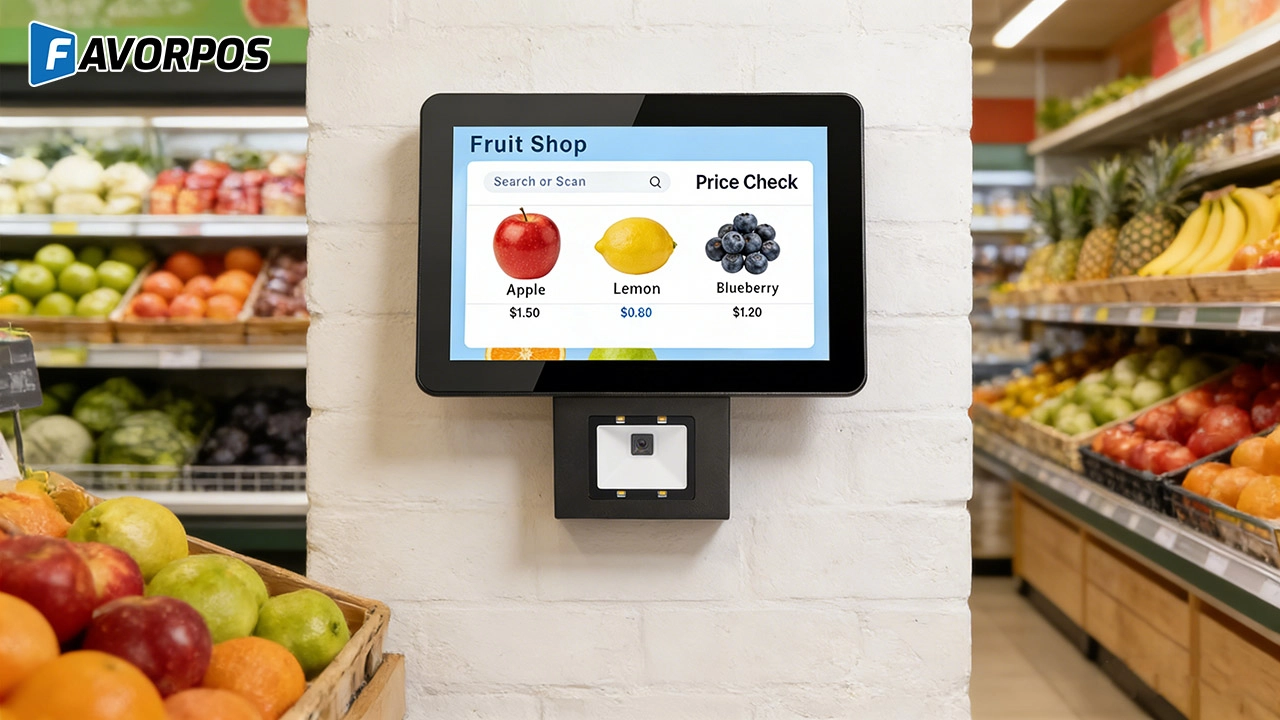
The Smart Way to Check Prices: How a 10.1-Inch Wall-Mounted Price Checker Transforms Retail Stores
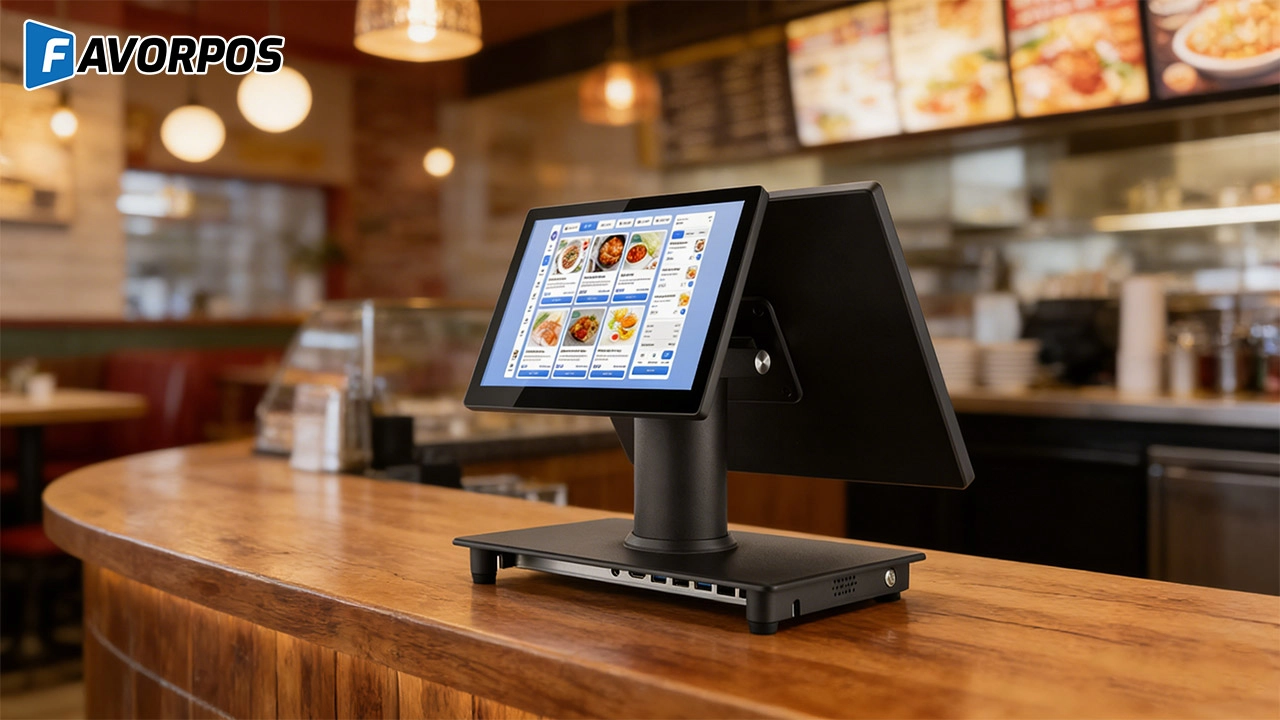
A Smarter Checkout Experience: The 15-Inch Dual-Screen POS Built for Modern Retail
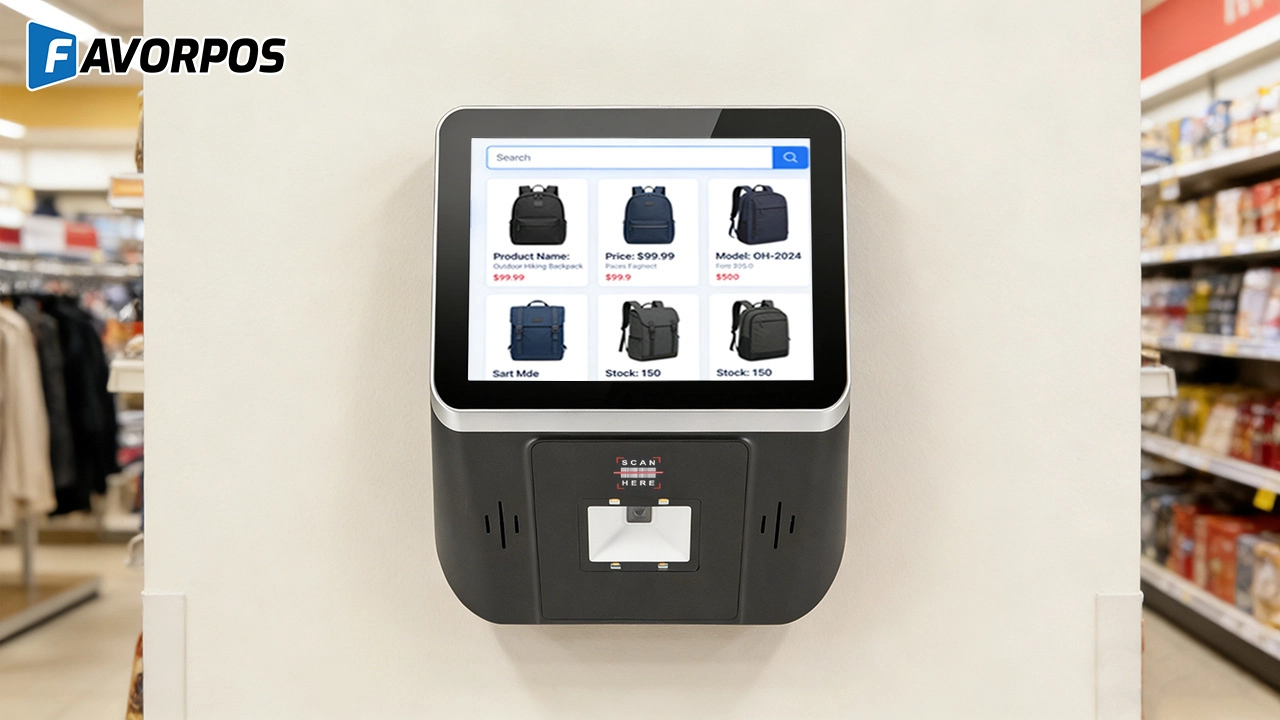
8-Inch Smart Price Checker: A Small Device Powering Smarter Retail Spaces
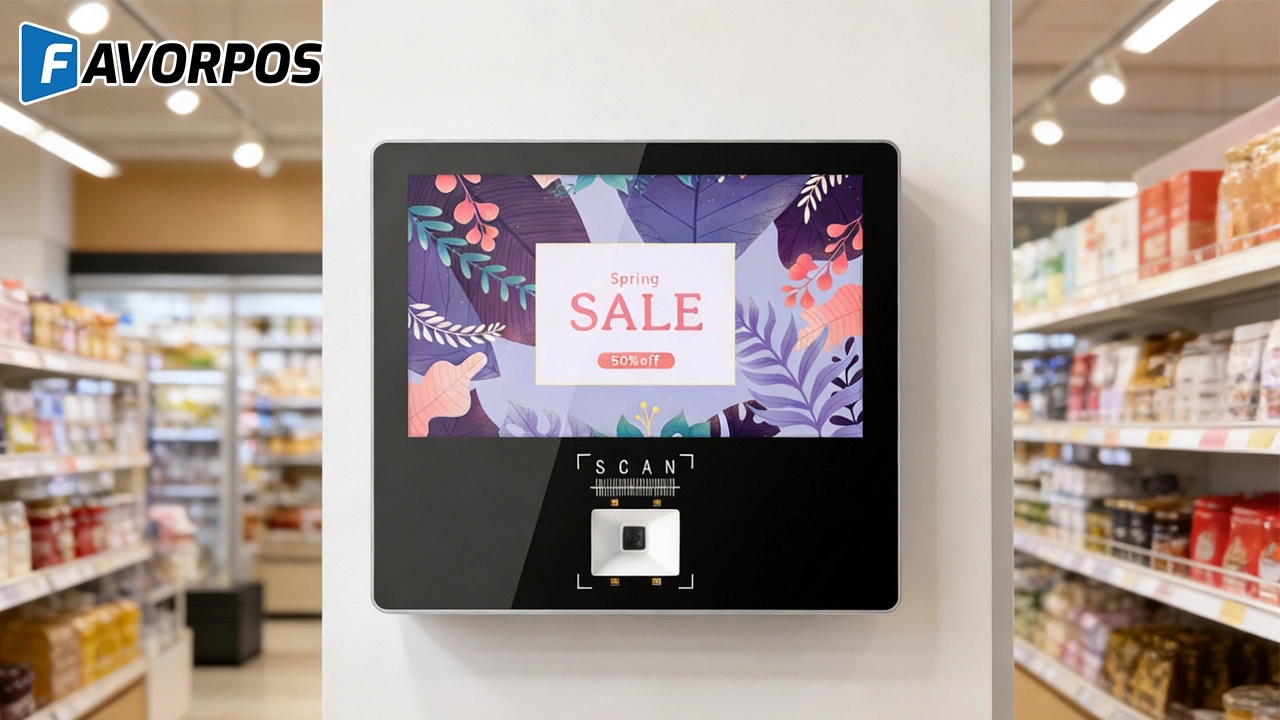
Built for Retail Precision: Manufacturing Excellence Behind the 11.6” Smart Price Checker
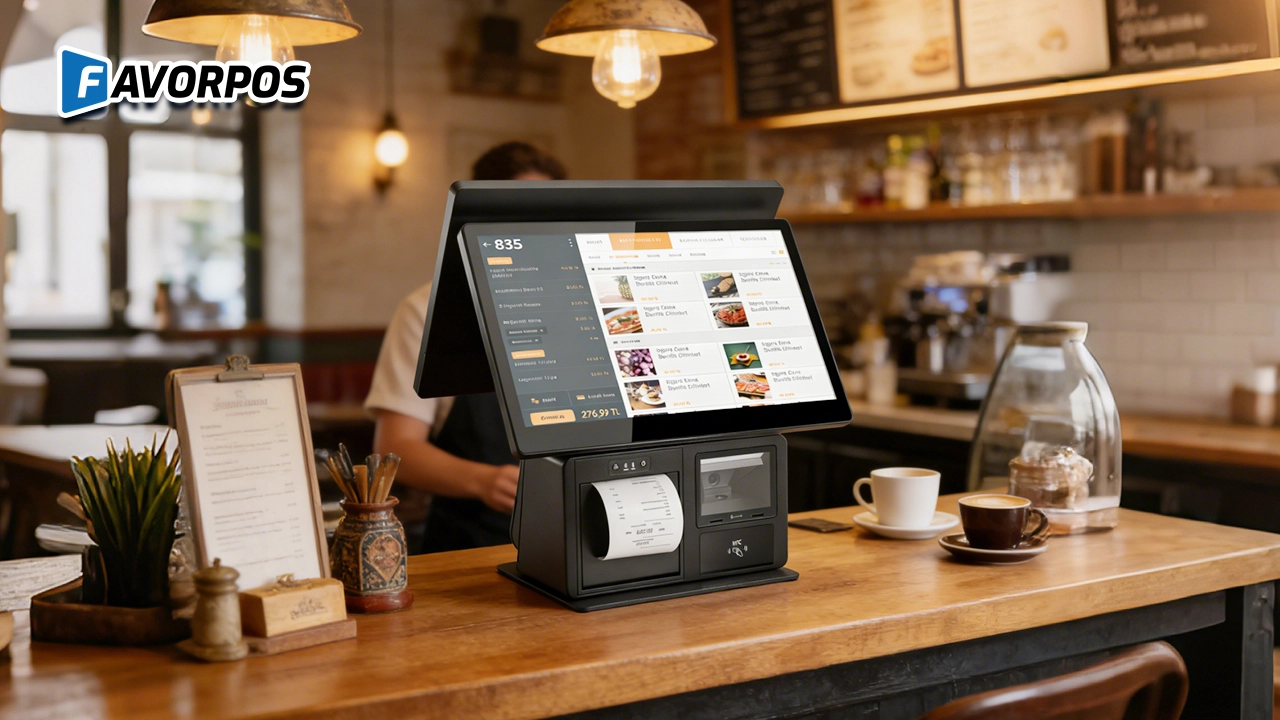
Building Stability in an Unstable Market: A 15.6-Inch All-in-One POS Designed for the Long Term
For Restaurants & Cafes
If there is a problem with the device, how can I get technical support?
You can contact our technical support team by phone, email or online customer service. We provide 24/7 support to ensure that your issues are resolved promptly and the system is up and running.
For E-commerce
What kind of support do you provide after the system is implemented?
We provide 24/7 technical support, regular firmware updates, and ongoing maintenance to ensure that the system always maintains optimal performance.
For company
Are you a manufacturer?
Yes, we are a POS hardware manufacturer, based in Guangzhou, China.
For OEM
How to deal with warranty and repair issues of POS machines?
We provide warranty services for customized POS machines. The warranty period and coverage are subject to specific contracts. During the warranty period, if the device fails, we will provide free repair services. You can submit a repair request through our after-sales service team, and we will handle your problem as soon as possible.
Can I upgrade or add features to the existing POS machine?
We can upgrade or add features to the existing POS machine as needed. The specific upgrade services and costs depend on the design of the original device and the required functions. Please contact your account manager to discuss the upgrade options.

Aluminum Dual Screen Pos Terminal Pos Systems 15.6 inch Touchscreen Pos
FAVORPOS Aluminum Dual Screen POS Terminal features a 15.6-inch touchscreen, ideal for seamless transactions. As a trusted OEM Windows POS manufacturer, we deliver durable, high-performance solutions tailored for retail and hospitality businesses.
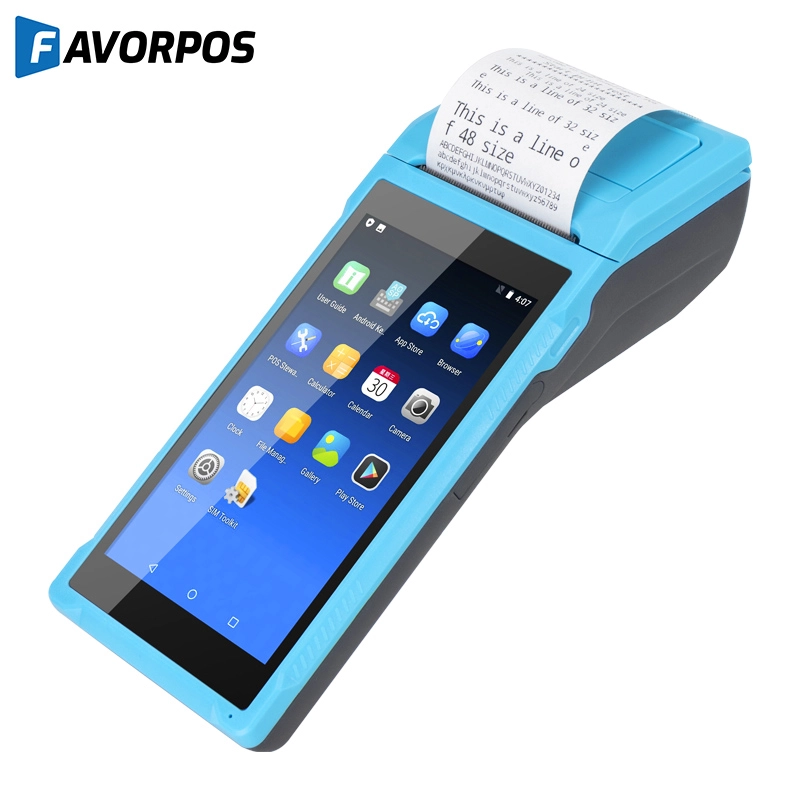
Android Handheld Pos Device Touch Screen Pos Terminal Manufacturer
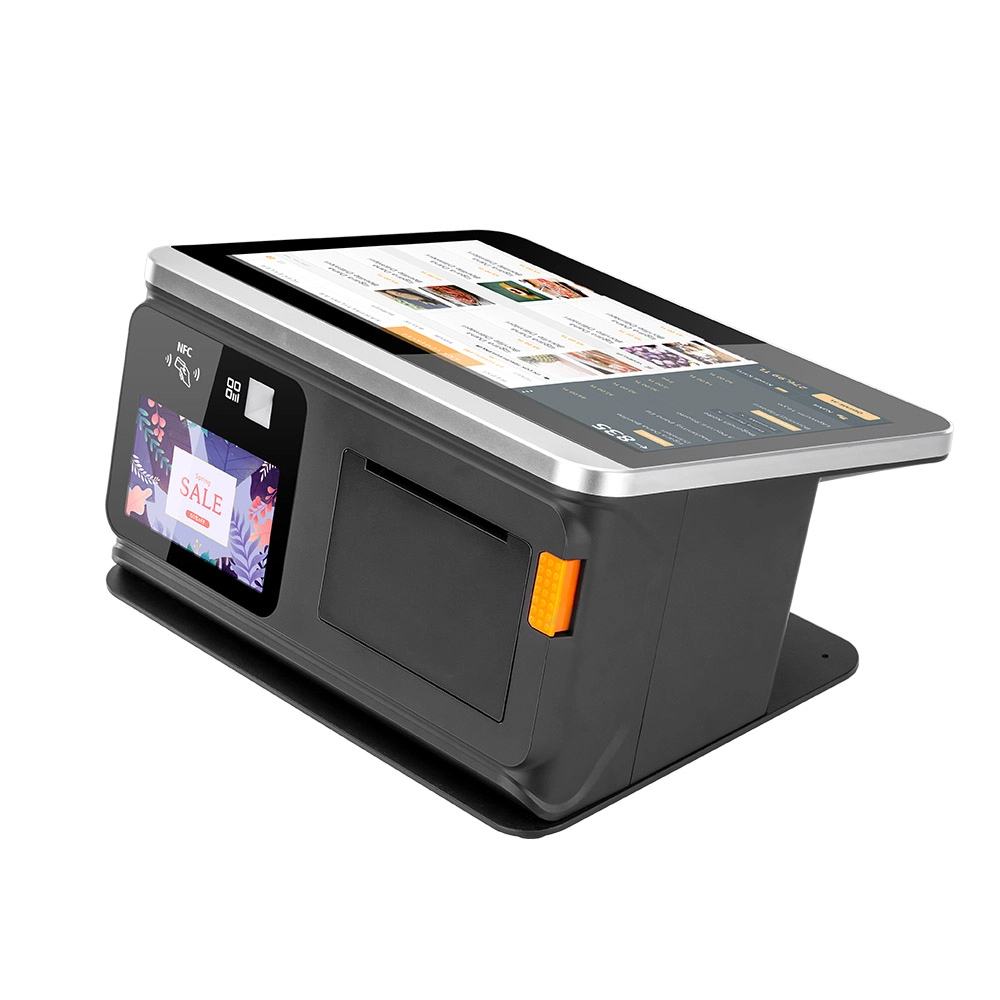
All in One POS Terminal Metal 11.6'' Touchscreen Android Windows with Printer
The All-in-One POS Terminal features an 11.6'' touchscreen display, compatible with both Android and Windows. This metal-constructed terminal combines durability with style, making it a perfect fit for any retail or hospitality environment. Equipped with a built-in printer, it streamlines transactions by allowing for instant receipt printing.
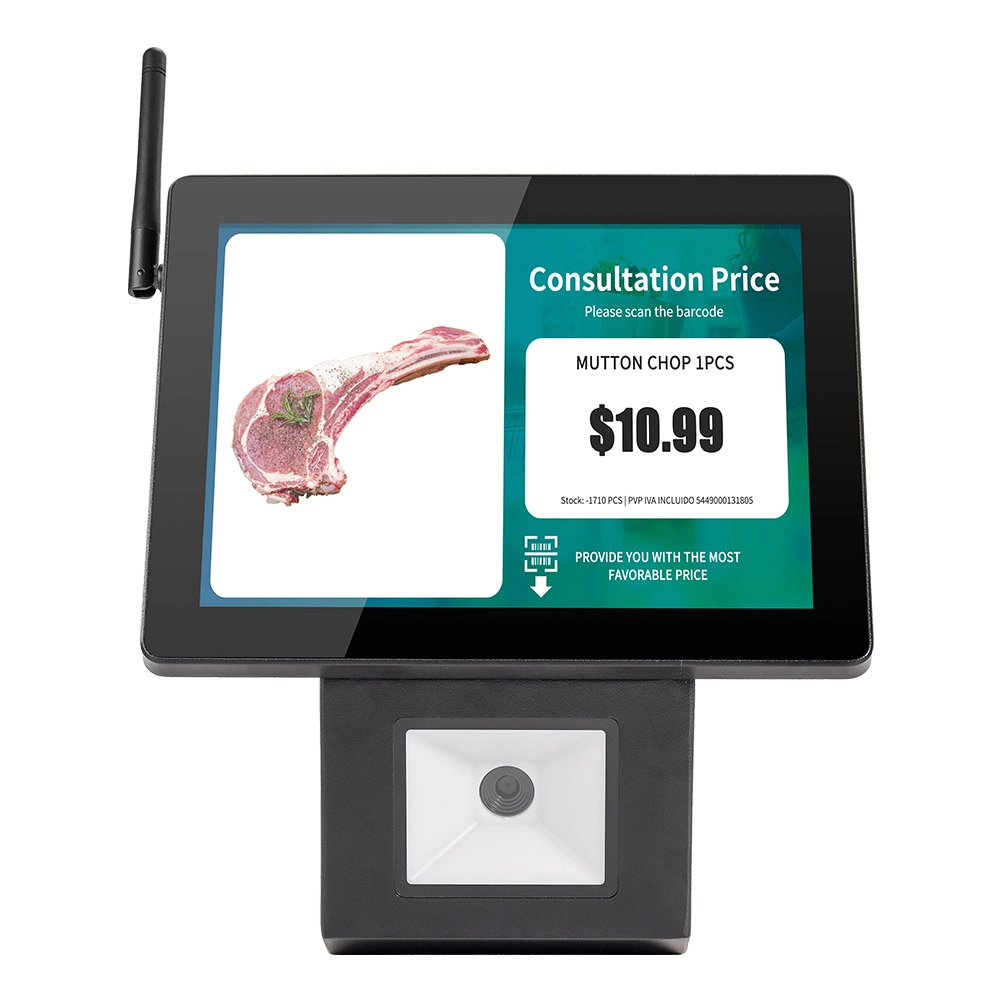
8 inch Touchscreen Price Checker Barcode Scanner Wifi Optional Android Win 10
FAVORPOS Touchscreen Price Checker offers a user-friendly interface, perfect for retail environments. With optional Wi-Fi connectivity, this device runs on Android or Windows, providing flexibility and ease of use. The integrated barcode scanner allows for quick price verification, enhancing the shopping experience for customers. Compact and efficient, it's designed to streamline operations and improve checkout speed.
Get in touch
Interested in becoming a POS system dealer? Contact us for more information and start the process of joining our dealer network.
We look forward to working with you to expand the market together.


Copyright © 2025 Favorpos All Rights Reserved.
