
Which are the best mobile POS systems for small retail stores?
- 1. Which mobile POS systems provide reliable offline mode with automatic, conflict-free data sync for small retail stores with intermittent internet?
- 2. Which mobile POS systems include integrated inventory with barcode scanning, variant-level stock, and multi-location transfers under $100/month?
- 3. How do transaction fees, chargeback protection, and hardware rental vs. purchase compare across top mobile POS providers for small retailers?
- 4. Which mobile POS systems are truly ready for secure EMV/contactless payments, Apple Pay/Google Pay, and PCI-P2PE for pop-up retail events?
- 5. Which mobile POS platforms include built-in loyalty, CRM, and offline customer profiles for repeat customers in specialty retail?
- 6. How practical is migrating product catalogs, sales history, and gift-card balances to a new mobile POS (Square, Shopify, Lightspeed, Clover) without breaking tax compliance or losing gift balances?
Data and recommendations are accurate as of mid-2024 and are based on vendor documentation, industry standards, and verified product feature sets. This guide focuses on real operational pain points for small retail owners choosing a mobile POS (mPOS) or portable point-of-sale system.
1. Which mobile POS systems provide reliable offline mode with automatic, conflict-free data sync for small retail stores with intermittent internet?
Why it matters: Small stores and pop-ups often face network interruptions (cell dead zones, Wi‑Fi outages). A reliable offline mode avoids lost sales and prevents inventory mismatches when connectivity returns.
Short answer: Square, Lightspeed (Retail), and Shopify POS all offer workable offline/sync strategies, but they differ in scope and risk. SumUp and PayPal Zettle offer basic offline payment capture on a limited basis. Most systems allow offline order capture but handle card authorization and sync differently—understanding those differences is critical.
Details and guidance:
- Square: Square’s POS apps cache sales and will process card reads when connectivity is restored. It supports saved sales, offline card reads for magstripe in some regions, and automatic reconciliation once online. Square emphasizes fast offline capture and automatic sync of transactions and inventory changes, but EMV/contactless transactions taken offline may be limited—cards sometimes can’t be fully authorized until online, creating an elevated risk of chargebacks.
- Shopify POS: Shopify POS supports offline checkout for card-present and manual payments, syncing orders and customer data once reconnected. Shopify’s Offline Checkout is robust for order capture, but inventory changes made while offline in multi-location setups can create conflicts that require manual reconciliation unless you use serial/location locking or sequence controls.
- Lightspeed Retail: Lightspeed offers an offline mode with local caching and prioritized sync; it is designed for multi-store retailers and better preserves inventory integrity when properly configured. Lightspeed is a strong choice if you need frequent offline operations with multi-location inventory.
- SumUp and PayPal Zettle: These are optimized for simple pop-ups. Their offline modes typically allow cash or manually recorded payments and limited card-read caching. They are low-cost but less sophisticated for stores that must maintain complex inventory or multi-user operations.
Best practice: If offline reliability is critical, choose a system whose offline behavior you can test in-store: simulate outages, process returns, and check how inventory and customer profiles reconcile. Also use hardware with built-in cellular (LTE) capability or a hotspot as a fallback. Finally, understand the fraud/chargeback exposure—providers often state that offline EMV/contactless use increases liability.
2. Which mobile POS systems include integrated inventory with barcode scanning, variant-level stock, and multi-location transfers under $100/month?
Why it matters: Small retailers need per-variant inventory, barcode scanning, stock transfer between locations, and low monthly costs, not siloed spreadsheets.
Short answer: Shopify POS (with Shopify plan), Lightspeed Retail, and Square Retail provide integrated inventory features. Pricing and depth vary; Shopify and Square offer entry-level plans that may be within or near the $0–$100/month target, while Lightspeed typically targets retailers with slightly higher budgets but stronger transfer and variant capabilities.
Details and guidance:
- Shopify POS + Shopify Admin: Shopify’s inventory management is strong for multi‑variant products, barcode support, and bulk imports via CSV. Multi-location inventory and transfers are supported; some advanced features require higher-tier plans or add-ons. For many boutiques, Shopify’s mid-tier plan gives comprehensive inventory, SKU-level tracking, and third-party app integrations for barcode label printing.
- Square for Retail: Square’s Retail plan includes variant-level inventory, barcode scanning (via Square Reader/Scanner), purchase orders, and stock alerts. Square’s free plan covers basic inventory, and the Retail Plus plan (if needed) adds advanced features—Square is often more cost-effective for small shops wanting solid barcode support without high monthly fees.
- Lightspeed Retail: Lightspeed is built for inventory-intensive specialty stores: advanced variant management, bundled products, inventory counts, and inter-store transfer workflows. It tends to be pricier—often above $99/month—so it’s best for shops that need richer inventory controls.
- PayPal Zettle & SumUp: Both have basic inventory and simple barcode support but lack sophisticated transfer and multi-location workflows; they’re best if you have a simple single-location inventory.
Best practice: Define the inventory workflows you cannot live without (transfers, variants, bundle SKUs, shrink tracking). Then test each vendor’s inventory import/export and barcode scanning in a live trial—this quickly reveals gaps. If multi-location transfers matter, plan for Lightspeed or Shopify with the appropriate plan or connectors.
3. How do transaction fees, chargeback protection, and hardware rental vs. purchase compare across top mobile POS providers for small retailers?
Why it matters: Transaction economics and hardware strategy determine your true TCO (total cost of ownership). Low monthly fees can be offset by high per-transaction rates or hidden hardware rental costs.
Short answer: Expect interchange plus or flat-rate pricing typically between ~1.6%–3.5% + fixed cents per transaction depending on card type and processor. Square and Shopify (with Shopify Payments) use flat-rate schemes for most small sellers; Lightspeed, Clover, and others often require a merchant account or third-party processor with varying structures. Hardware is cheaper to buy outright for long-term use; rental makes sense if you want to avoid upfront cost or need temporary deployment.
Details and guidance:
- Fees: Flat-rate providers (Square, Shopify Payments in many markets) make cost forecasting simple—good for low to medium volume merchants. If you process high ticket volumes, negotiating an interchange-plus rate with Lightspeed/Clover integrators may reduce fees. Also factor in card-present vs card-not-present fees (MOTO/ecommerce), which are higher for CNP transactions.
- Chargeback protection: Many vendors offer fraud tools (address and CVV checks, velocity rules) and optional chargeback management services. Square and Shopify provide built-in dispute management and seller resources; specialized protection (guarantees or chargeback insurance) often costs extra. For high-risk categories, include chargeback mitigation in your vendor selection criteria.
- Hardware purchase vs rental: Buying readers/terminals (e.g., Square Reader, SumUp Air, Clover Flex) is usually one-time and cheaper in the long run. Rentals and leases are offered by Clover and some payment processors and are useful for scaling quickly or for equipment as a service—but compare lifetime costs. If you run pop-ups, consider low-cost Bluetooth readers or SumUp-type devices you can buy for under $100.
Best practice: Calculate TCO for 12 and 36 months including software subscription, estimated transaction fees based on your average ticket and monthly volume, and hardware amortization. Ask each vendor for a blended estimate based on your sales mix (card present vs online) and review their dispute escalation and fraud prevention features.
4. Which mobile POS systems are truly ready for secure EMV/contactless payments, Apple Pay/Google Pay, and PCI-P2PE for pop-up retail events?
Why it matters: Events and pop-ups require fast, secure, and contactless payments. Accepting NFC (Apple Pay, Google Pay) and EMV chips while minimizing PCI scope is essential for security and customer trust.
Short answer: Square, Clover, SumUp, and PayPal Zettle support EMV and contactless (NFC) payments via certified readers and terminals. Many vendors provide PCI-compliant solutions and point-to-point encryption (P2PE) to limit your PCI scope; verify device certification and P2PE status before deployment.
Details and guidance:
- EMV & NFC: Look for card readers explicitly certified for EMV and contactless—examples include Square Contactless + Chip Reader, Clover Flex, and SumUp Air. These devices support Apple Pay and Google Pay and are EMV Level 1/2 certified in most markets.
- PCI-P2PE and PCI DSS: Vendors such as Square and large payment processors typically provide P2PE solutions to reduce the merchant’s PCI compliance burden. Ask the provider to supply their P2PE/PCI documentation and the terminal’s certificate of compliance. P2PE reduces the scope of required PCI SAQ documentation.
- Offline & EMV limitations: Be aware many EMV/contactless transactions require online connectivity for full authorization. For pop-ups, use readers with cellular or a robust hotspot. If you must accept payments offline, accept the increased liability and understand the vendor’s warnings about potential chargebacks.
Best practice: For events, pick a supplier that offers compact, battery-powered EMV/NFC readers, confirm P2PE/PCI documentation before the event, and run a pre-event test including refunds, receipts, and connectivity failover plans.
5. Which mobile POS platforms include built-in loyalty, CRM, and offline customer profiles for repeat customers in specialty retail?
Why it matters: Specialty retailers rely on repeat buyers. Built-in loyalty and a linked CRM that works even when connectivity is flaky increases customer lifetime value and simplifies marketing.
Short answer: Shopify POS, Square, and Lightspeed include varying degrees of loyalty and CRM features. Square and Shopify provide out-of-the-box loyalty programs and customer profiles; Lightspeed's advanced retail features offer richer CRM and customer-based reporting, often via included or optional modules.
Details and guidance:
- Square: Square’s customer database records purchases, allows notes and tags, and includes Square Loyalty (paid add-on) for points by purchase. Offline order capture retains customer identifiers for later sync. Square also integrates with email marketing tools.
- Shopify POS: Shopify stores customer purchase histories, supports automated campaigns via Shopify Email/Flow, and offers Shopify’s loyalty apps (some paid). Shopify POS ties online and offline customer profiles seamlessly for omnichannel marketing.
- Lightspeed: Lightspeed Retail offers customer tags, purchase histories, and loyalty modules/extensions. It provides robust reporting by customer and supports gift cards and store credit workflows important to loyal shoppers.
- Limitations for offline: While customer profiles are cached offline, certain loyalty enrollment steps or coupon validations may require online access; test offline behavior before depending on it for events or remote locations.
Best practice: Choose a POS with out-of-the-box loyalty that matches your marketing strategy (points vs. tier vs. campaign), and ensure your chosen solution captures an email/phone at the point of sale so you can re-engage customers post-visit even if the POS was offline during the transaction.
6. How practical is migrating product catalogs, sales history, and gift-card balances to a new mobile POS (Square, Shopify, Lightspeed, Clover) without breaking tax compliance or losing gift balances?
Why it matters: Migration headaches cost time and can create legal/tax headaches if tax history or gift liabilities are lost. Retailers need to preserve gift-card balances and historical sales for accounting and returns.
Short answer: Migration is practical but requires planning. Major vendors provide CSV import/export, APIs, and partner migration services. Preserving gift-card balances and tax history is feasible, but you must map tax codes and gift liabilities carefully and, in some cases, perform a transitional reconciliation period.
Details and guidance:
- Product catalog migration: Export SKUs, variants, prices, and suppliers to CSV from your legacy system and import into the new POS. Shopify, Square, and Lightspeed all support CSV imports with fields for SKU, barcode, price, and inventory. Use a staging/test store to validate imports and barcode scanning before full cutover.
- Sales history: Historical sales are often exportable for accounting and retained in your old system. While some POS vendors can import limited historical sales for customer histories, full transactional history import is complex and sometimes unnecessary—keeping exports for your accountant and linking via order numbers is a practical approach.
- Gift-card balances & store credit: Gift cards represent a liability on your balance sheet. Some POS platforms allow manual entry of outstanding gift-card balances so that they’re recognized in the new system; alternatively, issue replacement cards or make merchant adjustments. Discuss this with your accountant and the new vendor to ensure the liability is correctly migrated and represented.
- Taxes: Map tax rates and jurisdiction codes during import. Tax rules vary by locality; import tax mappings and validate them with a sample set of sales. If you collect sales tax in multiple jurisdictions, test POS tax calculations on representative SKUs (taxable, non-taxable, reduced rates) before going live.
- Migration assistance: Vendors and third-party integrators offer migration services (paid) to handle large catalogs, complex tax rules, and historical data migration. For small stores, careful manual CSV mapping with vendor support often suffices.
Best practice: Create a migration checklist: export current catalog and history, normalize SKUs, map tax codes, reconcile gift-card liabilities, run imports in a sandbox, and schedule a low-traffic cutover day with staff training. Keep both systems running in parallel for a short reconciliation window to catch missed edge cases.
Conclusion: For small retail stores, the best mobile POS system depends on three prioritized needs: reliable offline operation (for intermittent connectivity), inventory depth (barcode/variant/multi-location), and total cost (fees + hardware + software). Square and Shopify are excellent low-to-mid budget options with strong omnichannel features and easy hardware. Lightspeed suits inventory-heavy specialist retailers who need robust transfer and reporting workflows. PayPal Zettle and SumUp are economical for simple pop-ups or single-location shops. Always verify EMV/NFC certification, PCI/P2PE documentation, and test offline behaviors and migration imports before committing.
Advantages summarized: a modern mobile POS (mPOS) provides fast, contactless EMV and NFC payments, integrated cloud inventory and barcode scanning, built-in customer loyalty and CRM, secure PCI-compliant processing with P2PE, and flexible hardware options—from compact Bluetooth readers to full tablet terminals—reducing operational friction and improving checkout speed for small retail stores.
For a customized recommendation and a quote tailored to your store size and sales profile, contact us at www.favorpos.com or email sales2@wllpos.com.
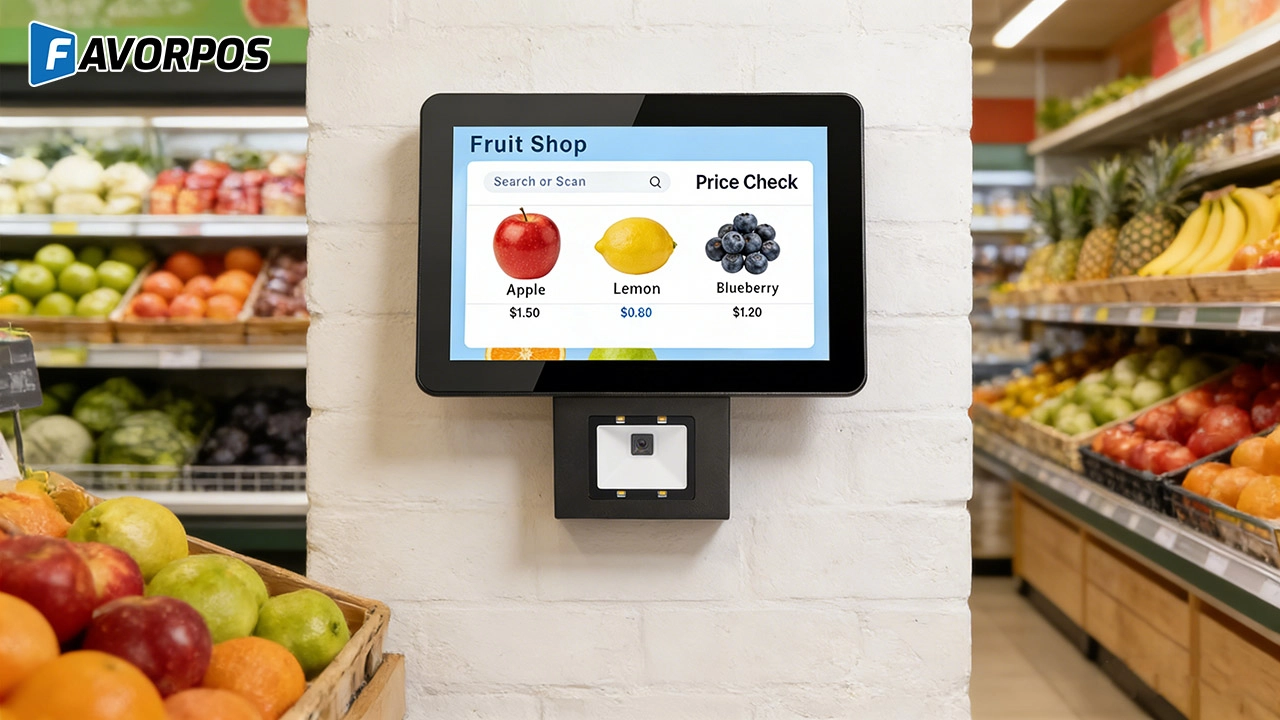
The Smart Way to Check Prices: How a 10.1-Inch Wall-Mounted Price Checker Transforms Retail Stores
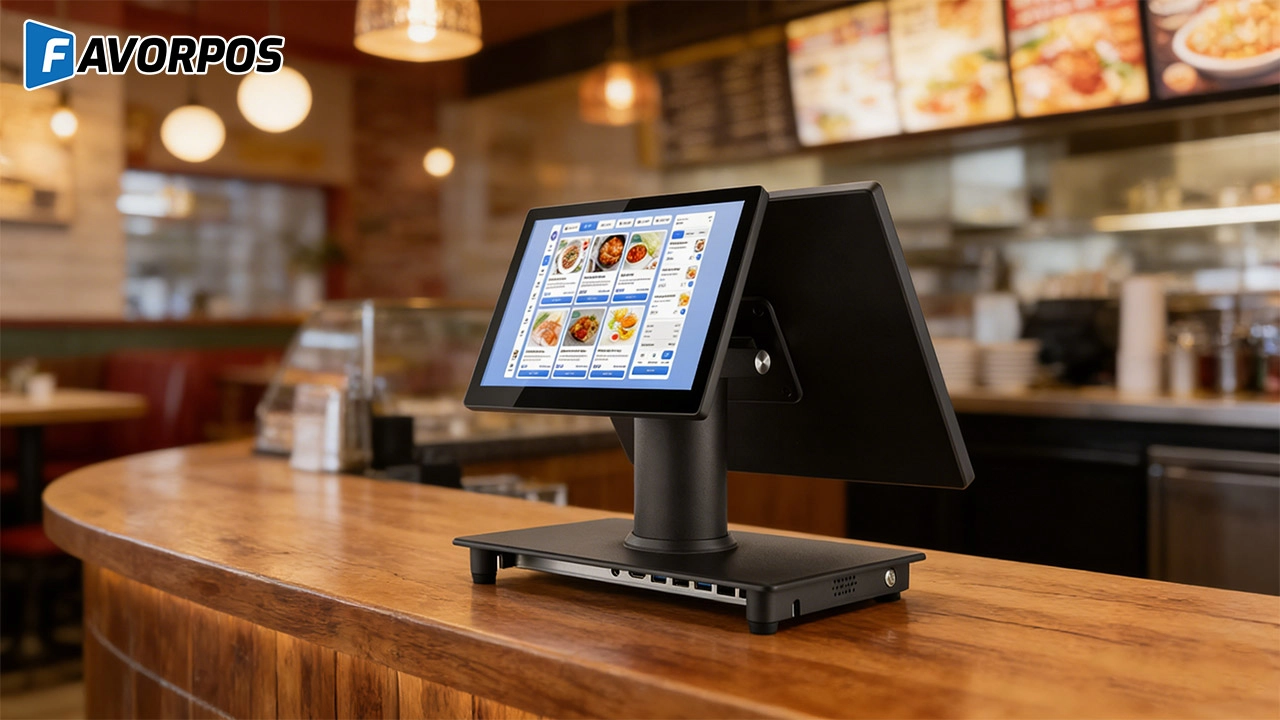
A Smarter Checkout Experience: The 15-Inch Dual-Screen POS Built for Modern Retail
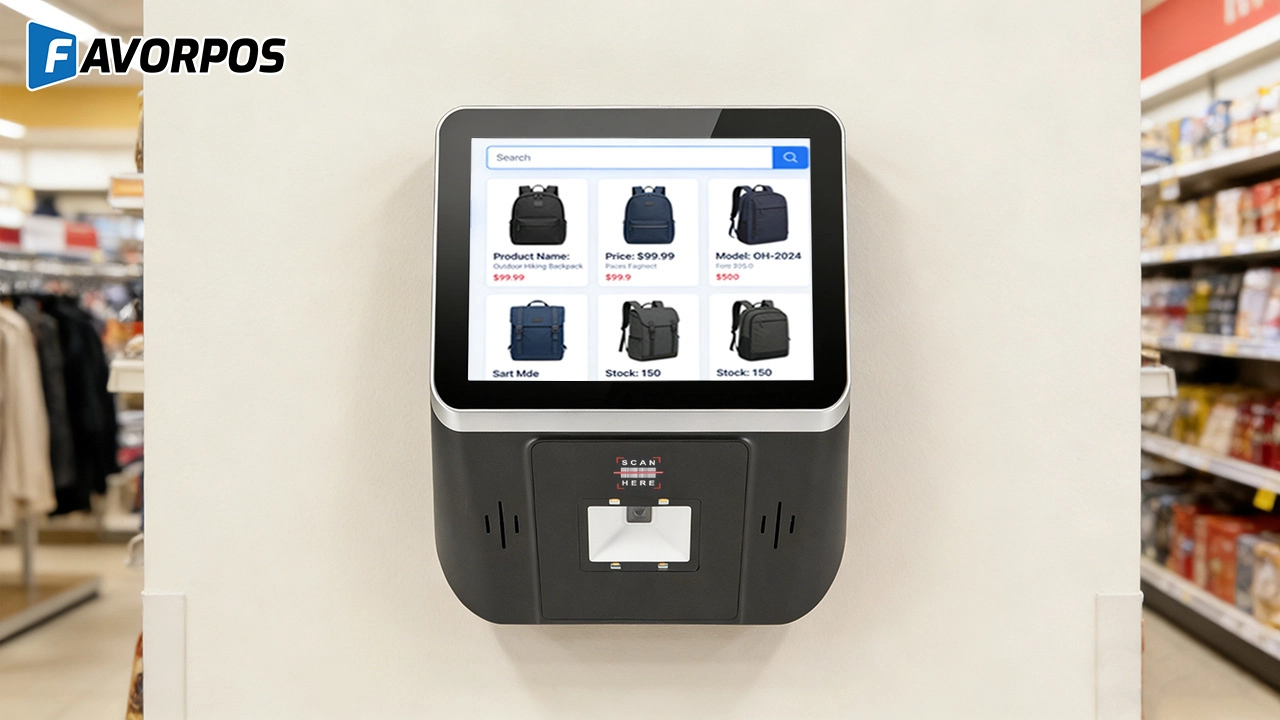
8-Inch Smart Price Checker: A Small Device Powering Smarter Retail Spaces
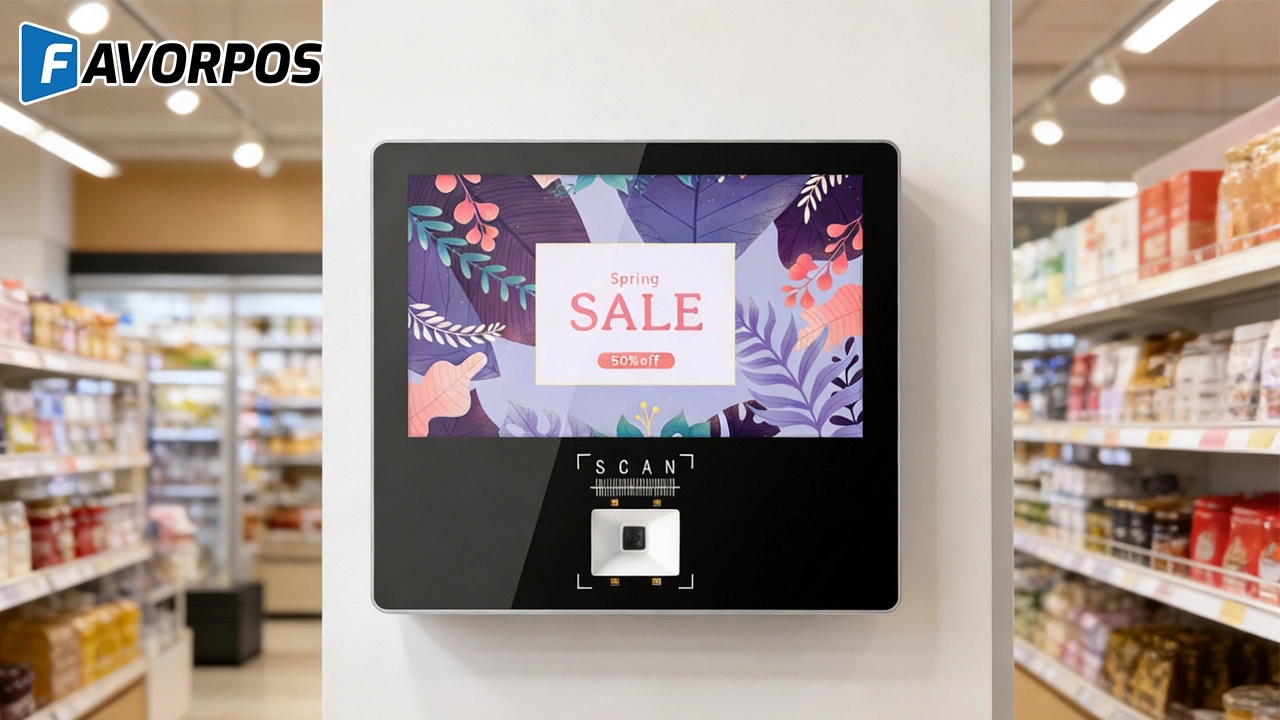
Built for Retail Precision: Manufacturing Excellence Behind the 11.6” Smart Price Checker
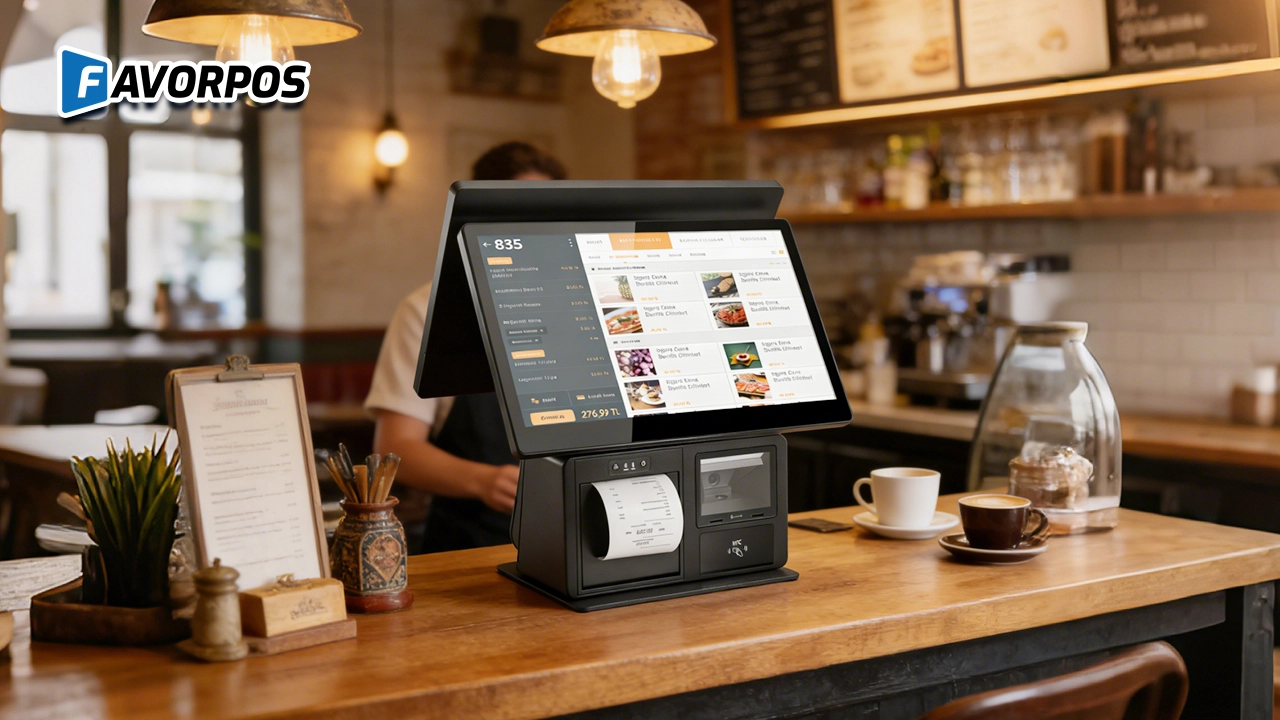
Building Stability in an Unstable Market: A 15.6-Inch All-in-One POS Designed for the Long Term
For E-commerce
What kind of support do you provide after the system is implemented?
We provide 24/7 technical support, regular firmware updates, and ongoing maintenance to ensure that the system always maintains optimal performance.
For Entertainment & Events
How do you ensure data security and prevent fraud?
Our systems comply with industry standards for data security and payment protection and are equipped with advanced fraud prevention features to prevent fraudulent activities and ensure transaction security.
What payment methods does your system support?
Our POS system supports multiple payment methods, including credit cards, digital wallets and contactless payments, providing customers with a convenient payment experience.
For Healthcare
What kind of support do you provide after installation?
We provide comprehensive after-sales support, including technical assistance, hardware updates, hardware maintenance and employee training.
For OEM
Do you provide technical support and training services?
Yes, we provide comprehensive online technical support and training services to help your team become familiar with the operation and maintenance of POS machines.

Aluminum Dual Screen Pos Terminal Pos Systems 15.6 inch Touchscreen Pos
FAVORPOS Aluminum Dual Screen POS Terminal features a 15.6-inch touchscreen, ideal for seamless transactions. As a trusted OEM Windows POS manufacturer, we deliver durable, high-performance solutions tailored for retail and hospitality businesses.
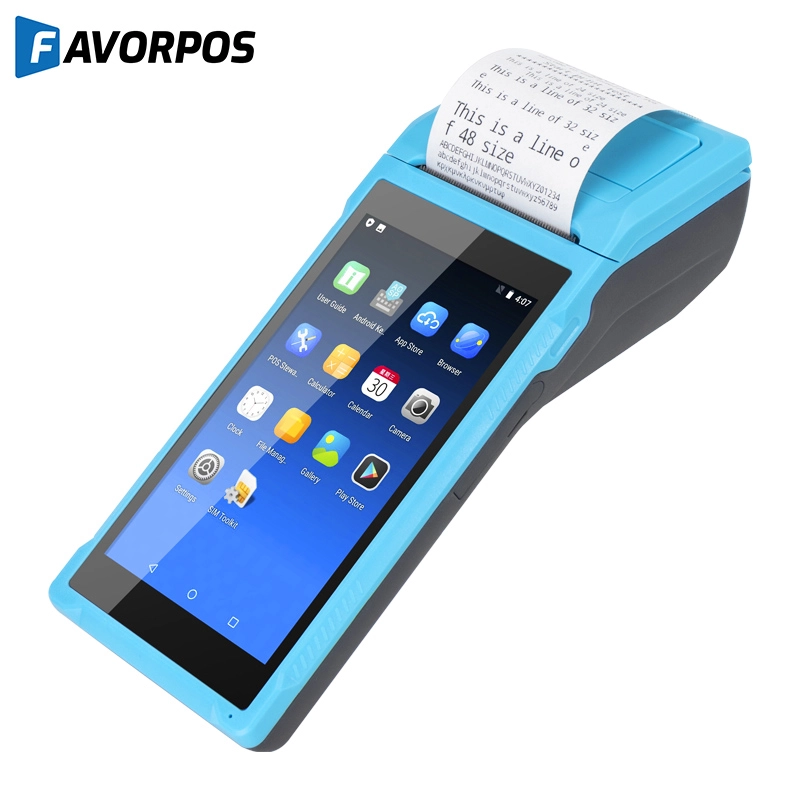
Android Handheld Pos Device Touch Screen Pos Terminal Manufacturer
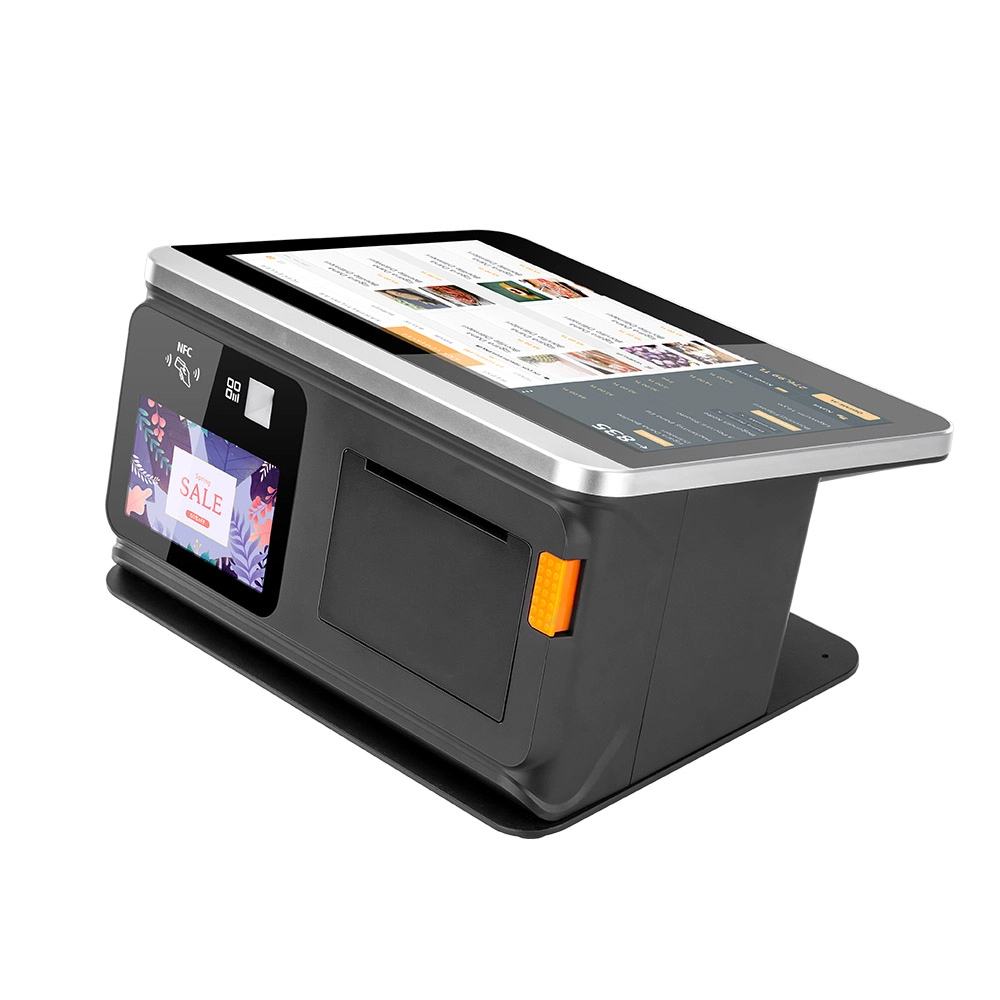
All in One POS Terminal Metal 11.6'' Touchscreen Android Windows with Printer
The All-in-One POS Terminal features an 11.6'' touchscreen display, compatible with both Android and Windows. This metal-constructed terminal combines durability with style, making it a perfect fit for any retail or hospitality environment. Equipped with a built-in printer, it streamlines transactions by allowing for instant receipt printing.
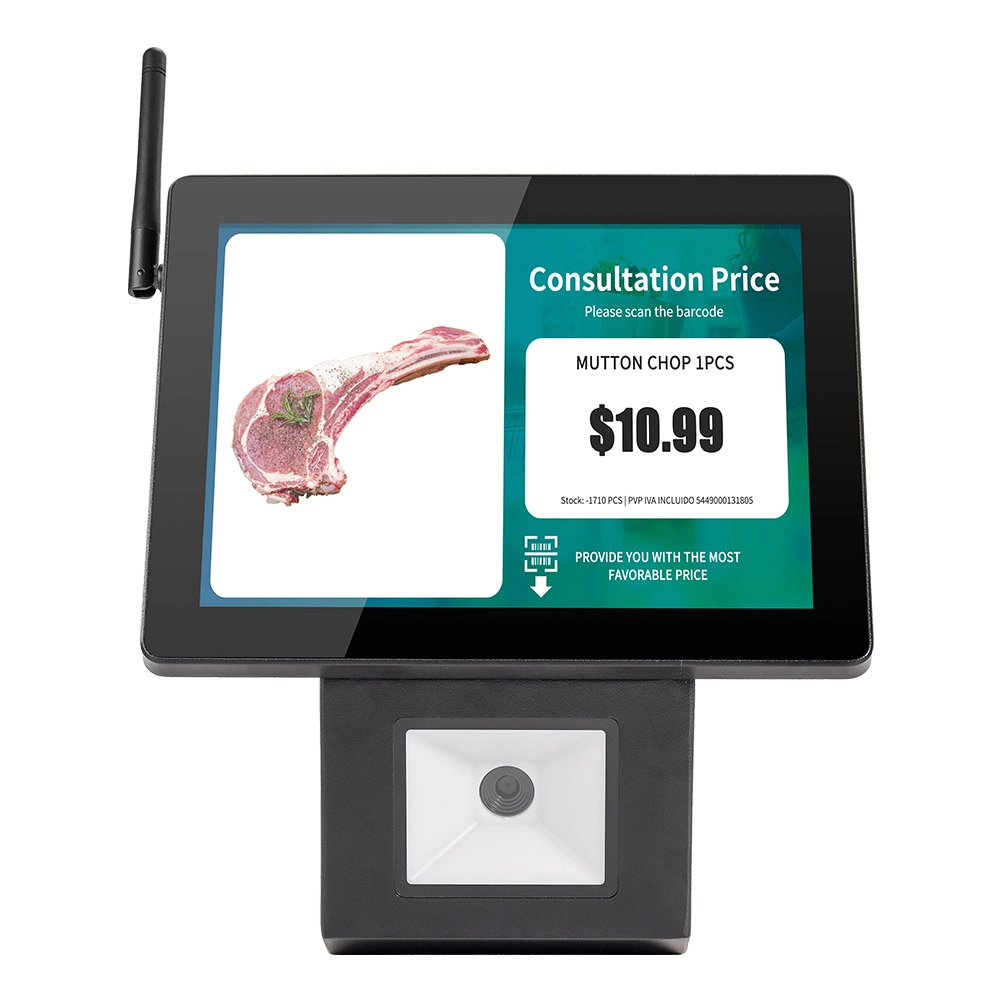
8 inch Touchscreen Price Checker Barcode Scanner Wifi Optional Android Win 10
FAVORPOS Touchscreen Price Checker offers a user-friendly interface, perfect for retail environments. With optional Wi-Fi connectivity, this device runs on Android or Windows, providing flexibility and ease of use. The integrated barcode scanner allows for quick price verification, enhancing the shopping experience for customers. Compact and efficient, it's designed to streamline operations and improve checkout speed.
Get in touch
Interested in becoming a POS system dealer? Contact us for more information and start the process of joining our dealer network.
We look forward to working with you to expand the market together.


Copyright © 2025 Favorpos All Rights Reserved.
