
Which affordable POS systems are best for new retail stores?
- 1) Which affordable POS systems can manage matrix inventory (size/color) for small clothing or shoe boutiques and provide useful demand forecasting without expensive add-ons?
- 2) How can a new retail store calculate the true total cost of ownership (TCO) for a POS in the first 12 months, including hardware, payment fees, software, and labor?
- 3) Which affordable POS systems reliably support offline transactions, local printing, and safe sync without creating duplicate sales for pop-ups or stores with intermittent internet?
- 4) How can I migrate inventory, customers, and sales history from Excel/QuickBooks to a new POS without losing loyalty data or breaking customer IDs?
- 5) Which affordable POS systems offer real omnichannel functionality for small retailers—online store sync, buy-online-pickup-in-store (BOPIS), and cross-channel returns—without expensive enterprise modules?
- 6) What specific contract clauses and data-ownership terms should new retail owners insist on when signing with a POS vendor to avoid hidden fees and lock-in?
Choosing the best POS systems for retail stores goes beyond feature lists. Below are six long-tail, buyer-focused questions beginners often search for but seldom find thorough answers to. Each answer includes vendor examples, real-world checks, and step-by-step guidance you can use during demos.
1) Which affordable POS systems can manage matrix inventory (size/color) for small clothing or shoe boutiques and provide useful demand forecasting without expensive add-ons?
Why this matters: Boutiques need item matrices (e.g., style x size x color) and forecasting so you don't overstock seasonal SKUs or run out of best-sellers. Many “affordable” POS systems show variants, but true matrix management and demand forecasting are different features.
What to look for:
- Native matrix support: ability to create a single parent SKU with child SKUs (size/color) and edit quantities across the matrix grid.
- Variant-level reporting: sales per size/color, velocity, and sell-through rate.
- Reorder and demand forecasting: automated reorder suggestions, lead-time-based reorder points, or integrations with inventory-forecasting tools.
- Barcode printing and SKU labeling for each variant and matrix-level transfers between locations.
Affordable vendors to evaluate (real-world fit):
- Lightspeed Retail — strong matrix and variant handling; forecasting often strengthened via integrations.
- Shopify POS (with Shopify backend) — supports variant matrices and has a large ecosystem (Inventory Planner integrates for forecasting).
- Square for Retail — supports item variations and straightforward inventory tracking suitable for small boutiques; advanced forecasting may require 3rd-party tools.
- Loyverse — free-to-start mobile POS with variant support for micro-boutiques; forecasting is basic but acceptable for very small inventories.
Practical demo checklist:
- Create a matrix product of at least 20 child SKUs and update quantities in bulk.
- Run a variant-level sales report for the last 90 days and confirm you can sort by velocity.
- Test barcode label printing for a child SKU and perform a matrix-level transfer between two stores (if multi-location).
- Verify forecasting: check if reorder suggestions respect supplier lead time and minimum order quantities. If not, test an integration such as Inventory Planner (works with Shopify, Lightspeed and other platforms).
Bottom line: For true matrix inventory plus useful forecasting without breaking the bank, prioritize Lightspeed or Shopify POS (with a forecasting add-on) for small boutiques. Square and Loyverse can work for simpler assortments. Always run the demo checklist above to validate how the vendor handles real matrix workflows.
2) How can a new retail store calculate the true total cost of ownership (TCO) for a POS in the first 12 months, including hardware, payment fees, software, and labor?
Why this matters: Monthly subscription price is visible, but hardware, payment processing markups, onboarding, and add-ons drive real costs. New owners often underestimate upfront and variable costs, skewing break-even calculations.
Line items to include in a 12-month TCO model:
- Hardware (one-time): POS terminal/tablet, receipt printer, cash drawer, barcode scanner, payment terminal (EMV/contactless reader). Include warranty or replacement coverage.
- Software (recurring): base POS subscription, per-terminal fees, add-on modules (inventory forecasting, loyalty, advanced reporting), and third-party app subscriptions.
- Payment processing: interchange + markup (per-transaction), monthly gateway fees, authorization charges, chargeback fees. Ask potential processors for an itemized merchant statement or example based on your expected monthly card volume and average transaction value.
- Onboarding and training: one-time setup fees, professional services for data migration, and in-store staff training time (estimate labor cost for training hours).
- Connectivity and backup: primary internet, backup LTE hotspot (rental or purchase), and maintenance for routers/printers.
- Hidden/variable costs: software integrations, EMV certification (if required), hardware replacement after warranty, and interchange rate changes.
How to compute (step-by-step):
- List quantities and per-unit costs for all hardware and amortize one-time costs across the first year (or longer if you prefer a 3-year TCO).
- Sum monthly SaaS and app subscriptions and multiply by 12.
- Estimate monthly card volume and multiply by expected blended processing rate to get annual processing costs. Ask vendors for example merchant statements matched to your projected ticket size and sales mix (card-present vs card-not-present).
- Add onboarding, training labor, and contingency (recommend 10% contingency for unforeseen fees).
- Divide total by expected monthly gross sales to get a percentage of revenue consumed by POS-related costs — a valuable KPI to compare vendors.
Real-world negotiation tips:
- Request a fully itemized quote from the vendor including hardware SKUs and warranty terms.
- Ask processors for an example merchant statement and historical chargeback rates for similar merchant categories.
- Negotiate to move expensive but optional modules to later months (start with core features, add advanced modules after 3–6 months).
Bottom line: Build a TCO spreadsheet before committing. Vendors that refuse to provide itemized examples or merchant-statement style cost breakdowns should be deprioritized.
3) Which affordable POS systems reliably support offline transactions, local printing, and safe sync without creating duplicate sales for pop-ups or stores with intermittent internet?
Why this matters: Pop-ups, markets, and stores with unstable connectivity need a POS that can continue selling offline, queue transactions, print receipts, and sync cleanly once reconnected. The risk is duplicated transactions, lost sales, or rejected card payments.
Key technical capabilities to confirm:
- Offline transaction store-and-forward: the register can accept sales while offline and automatically reconcile sales, payments, and inventory once online.
- Local printing: support for Bluetooth or LAN label/receipt printers that function without cloud reachability.
- Card acceptance when offline: whether the payment terminal supports offline EMV authorization or if card acceptance is restricted to cash when offline. Offline card authorization carries higher fraud and chargeback risk.
- Conflict resolution: how the system handles duplicate SKU edits or price changes made in two places while offline.
Vendors and practical notes:
- Square — has an offline mode (allows card-keyed transactions in emergencies), but EMV/contactless payments typically require connectivity for real-time authorization; check Square’s offline behavior in your region.
- Shopify POS — maintains local caches for catalogs and can record sales offline; payment terminals often require online authorization for EMV.
- Loyverse — designed to work offline on mobile devices; syncs later. Popular with market vendors and pop-ups for simple catalog needs.
- Lightspeed/Vend — historically offered offline functionality in register apps; verify current offline capabilities during demos because implementations vary by device and plan.
Best-practice checklist for pop-ups:
- Test in demo: run a full offline sale on the device, print a receipt, then reconnect and review reconciliation logs.
- Prefer cash or mobile-authorized card readers as a fallback if EMV offline isn't supported — avoid accepting keyed card details when possible to reduce risk.
- Carry a pre-configured mobile hotspot and UPS for hardware to reduce downtime risk.
- Confirm how the POS handles inventory adjustments made at different terminals while offline — prefer systems that queue edits and apply deterministic reconciliation to avoid duplication.
Bottom line: For intermittent connectivity, choose a POS with a proven offline register app (test thoroughly). When card acceptance is critical, clarify whether offline EMV is supported and understand the fraud/chargeback implications.
4) How can I migrate inventory, customers, and sales history from Excel/QuickBooks to a new POS without losing loyalty data or breaking customer IDs?
Why this matters: Data migration is frequently the deal-breaker. Poorly executed migrations cause duplicate SKUs, fragmented customer profiles, lost loyalty points, and inventory mismatches at day one.
Data-migration steps (detailed):
- Audit and clean source data: remove duplicates, standardize SKU formats, normalize category names, and ensure consistent customer emails/phone numbers.
- Define canonical SKU and customer keys: decide whether your SKU, UPC, or an internal SKU will be the master identifier. Use the same key across systems to prevent duplication.
- Export sample CSVs and map fields: get the POS vendor’s CSV templates for products, customers, and inventory. Map your columns to the vendor template and create a transformation checklist.
- Test import into a sandbox environment: never import into live until you validate imports in a test store. Import small batches, verify images, prices, and barcode matches.
- Handle historical transactions: most POS platforms do not import historical transactions as live transactional data (for reasons of tax and stock audit). Instead, import opening inventory levels and bring forward a sales archive for accounting reference. If true historical transaction import is required, request professional services or look for a vendor that supports ledger-level imports.
- Preserve loyalty points: export customer loyalty balances and import them into the new POS’s loyalty balance field or into a dedicated loyalty add-on; verify a sample of customer accounts post-import.
- Reconcile day one: after go-live, reconcile opening inventory counts with physical stock and account for outstanding layaways or returns.
Vendors and services:
- Many POS vendors offer migration services (paid) or recommended partners; ask for references from retailers in your vertical.
- Third-party migration specialists can handle complex mapping; vendors such as the major POS providers also provide step-by-step CSV templates.
Bottom line: Successful migration requires a cleaned master dataset, sandbox testing, and an opening balance strategy for inventory and cash. Budget for professional migration help if your historical sales and loyalty data are mission-critical.
5) Which affordable POS systems offer real omnichannel functionality for small retailers—online store sync, buy-online-pickup-in-store (BOPIS), and cross-channel returns—without expensive enterprise modules?
Why this matters: Small retailers increasingly need to sell across online marketplaces and in-store with unified inventory and customer profiles. Some POS vendors present omnichannel as a High Quality feature—know what is included in base plans.
Core omnichannel features to verify:
- Real-time inventory sync between online store(s) and physical locations (to prevent oversells).
- Support for BOPIS/curbside pickup and workflows for fulfillment and pickup verification.
- Cross-channel returns/refunds: ability to return an online order at any store location and have the system update online inventory and order status.
- Unified customer profiles: single view of customer purchase history across channels and loyalty points.
Affordable, practical options:
- Shopify (Shopify POS + Shopify storefront) — built for omnichannel; BOPIS, local pickup and cross-channel returns are native or available with first-party settings depending on plan level.
- Square (Square POS + Square Online) — offers integrated online ordering and in-store pickup; good starting point for small shops wanting simple omnichannel without heavy cost.
- Lightspeed Retail — strong multi-channel inventory controls and integrations for ecommerce; verify whether specific workflows require add-ons.
Test during evaluation:
- Place an online order and follow the vendor’s BOPIS flow end-to-end: pick, pack, staff pickup verification, and customer pickup notification.
- Return an online order in-store and ensure the inventory levels, refund rules, and loyalty adjustments are correctly applied in both channels.
- Check whether cross-channel analytics show consolidated sales per customer and channel attribution.
Bottom line: Shopify and Square are the most accessible paths to built-in omnichannel for small retailers. Lightspeed is strong for more inventory-heavy retailers. Always verify which omnichannel functions require a higher tier or third-party app.
6) What specific contract clauses and data-ownership terms should new retail owners insist on when signing with a POS vendor to avoid hidden fees and lock-in?
Why this matters: Contractual terms determine who controls your sales data, what happens if you leave, and whether unexpected fees can appear later. New retailers often sign standard contracts that contain restrictive clauses.
Key clauses to review and negotiate:
- Data ownership and export rights — require a clause that you retain ownership of your customer, product, and sales data and that the vendor must provide a full data export in a documented CSV format within a reasonable timeframe (e.g., 30 days) at no charge.
- Termination and portability — avoid long automatic auto-renewals without notice; define termination fees clearly and require access to a final export on termination.
- Pricing and rate changes — require at least 30–60 days’ notice for changes to subscription rates or payment-processing fees and an option to exit if pricing materially changes.
- Hardware leasing vs purchase — insist that leased hardware lease terms are transparent and that you can purchase equipment at fair market value on termination.
- Service-level agreement (SLA) and support — define core support hours, response times for critical incidents, and uptime commitments for cloud services.
- PCI and liability — clarify PCI compliance responsibilities and which party is liable for breaches; request evidence of the vendor’s PCI compliance and ask about data encryption and tokenization.
- Third-party integrations — require that integrations not be blocked on termination or that API credentials and export endpoints remain accessible for a defined period.
Negotiation tips:
- Ask for contract templates early and use a lawyer or experienced advisor to highlight risky boilerplate (especially clauses on arbitration, automatic renewals, and unilateral fee changes).
- Request a documented process and timeframe for data export in CSVs for customers, products (including images), sales summaries, and loyalty balances. Test a demo export during your trial.
- Negotiate an initial pilot period (30–90 days) with the right to cancel for material defects or unmet commitments and to obtain a complete data export prior to cancellation.
Bottom line: Treat the contract as part of the product. If your vendor resists clear data-export and termination terms, consider an alternative—data portability is essential to avoid lock-in.
Conclusion — Advantages of choosing the right POS system for retail stores
Selecting the best POS systems for retail stores reduces stockouts, improves customer experience, and controls operating costs. The right system will match your inventory complexity (matrix SKUs), support reliable offline operations for pop-ups, enable omnichannel workflows, make migrations predictable, and include contract protections that preserve your data and negotiating leverage. Use the demo checklists above when shortlisting vendors and always validate TCO and exportability before signing.
If you’d like a tailored recommendation or a quote that matches your store size and product mix, contact us at www.favorpos.com or email sales2@wllpos.com for a personalized quote.
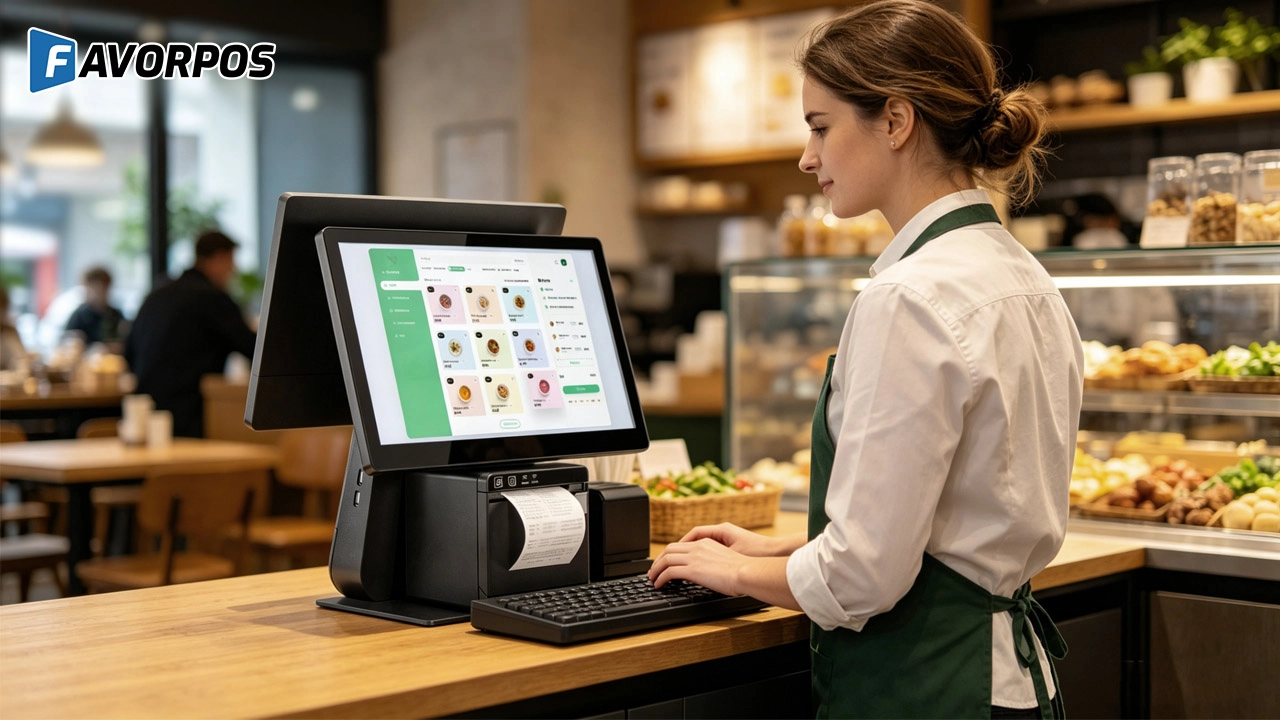
Smart Checkout, Simplified: Exploring the Power of a 15.6-Inch All-in-One POS Terminal
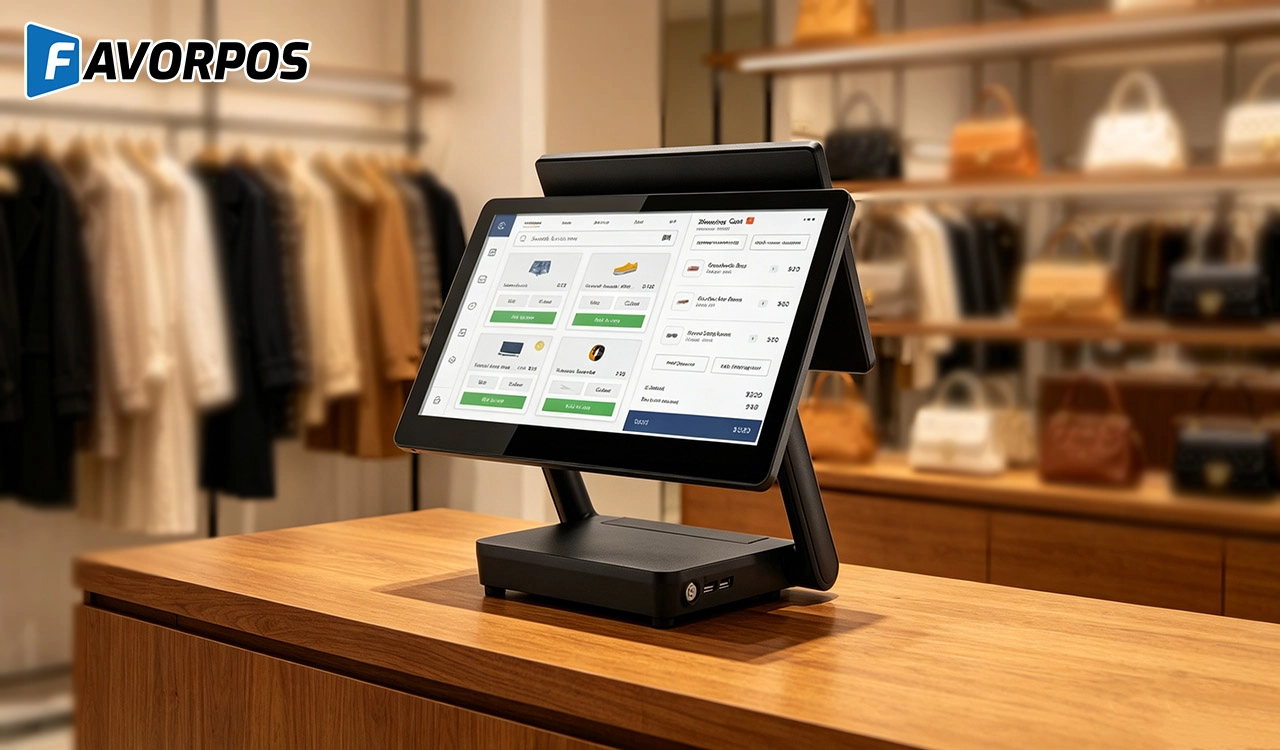
Why a 15.6” Touch POS Terminal Is Becoming the New Standard in High-Traffic Retail
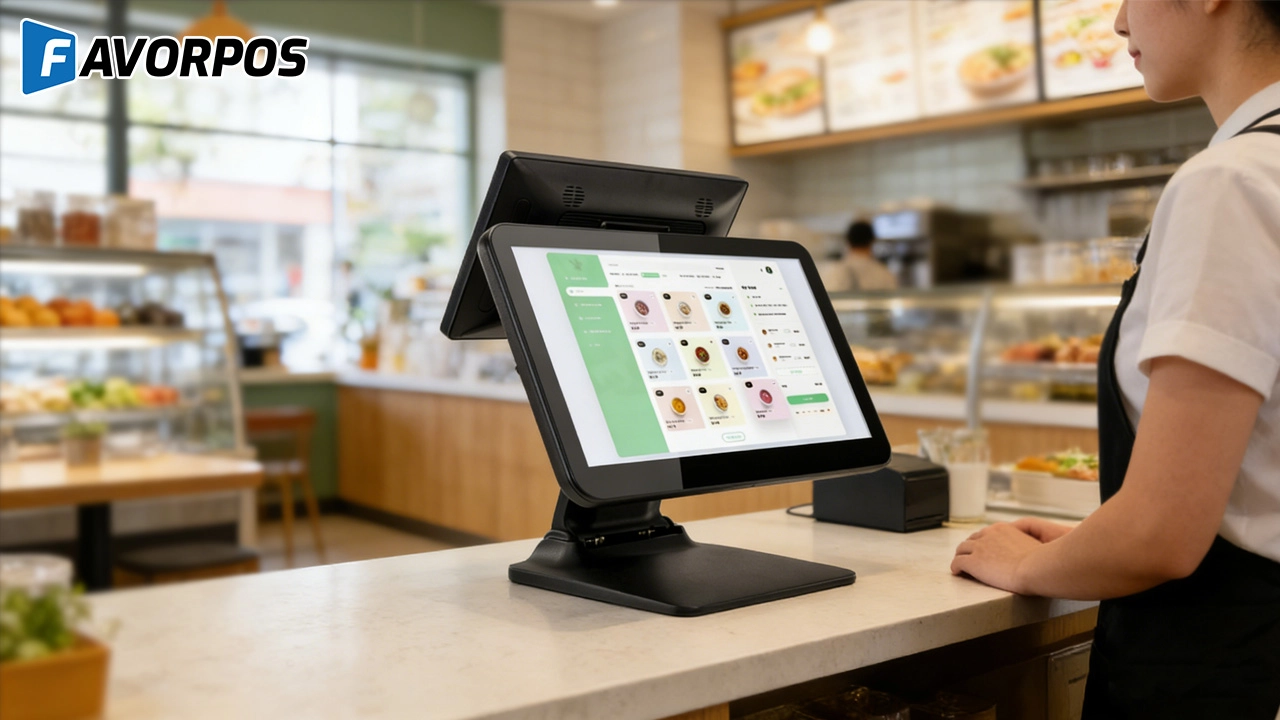
Beyond Checkout: How a 15.6-Inch Aluminum POS System Redefines Retail Efficiency
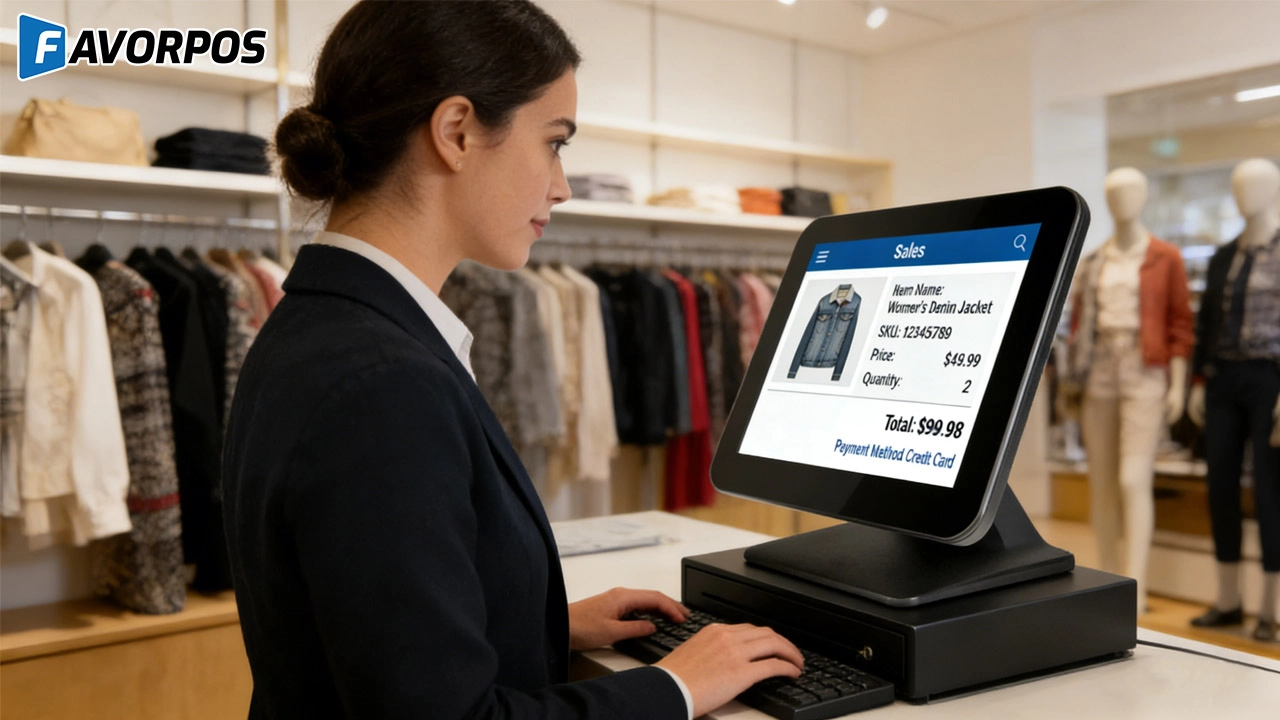
Understanding 15-Inch Aluminum POS Terminals in Modern Commercial Use
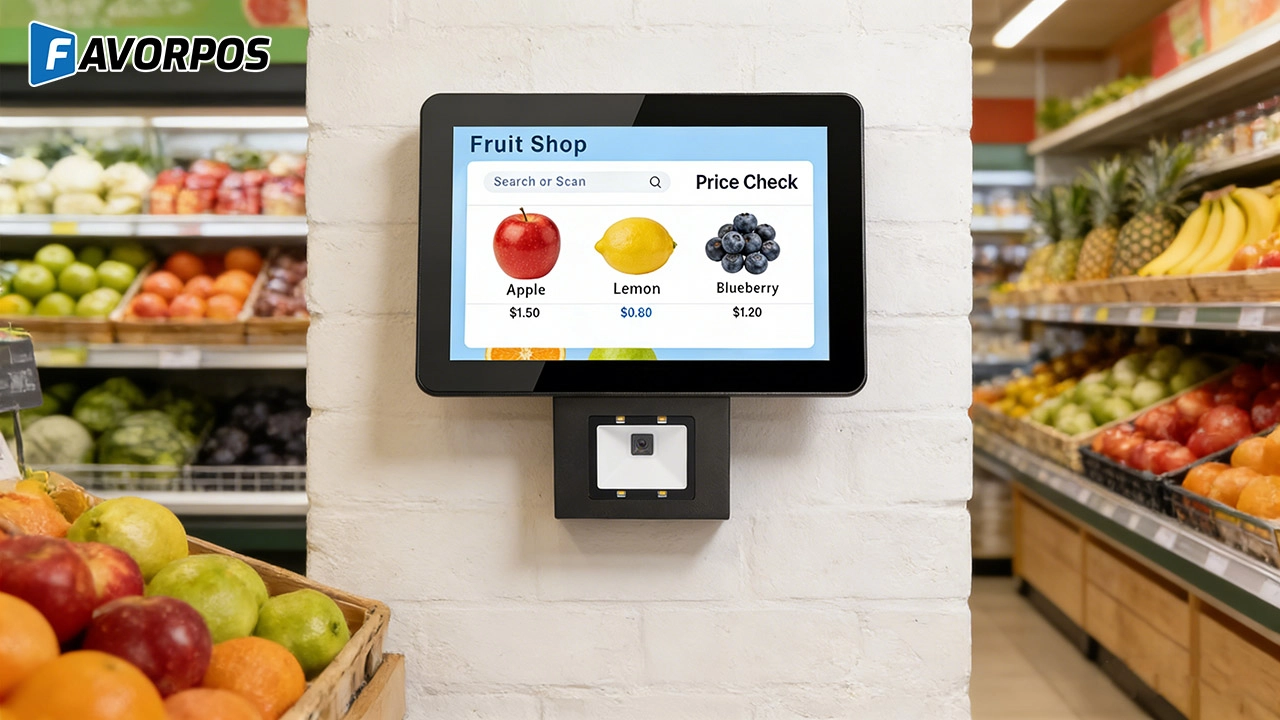
The Smart Way to Check Prices: How a 10.1-Inch Wall-Mounted Price Checker Transforms Retail Stores
For OEM
What is the development cost of a customized POS machine?
The development cost of a customized POS machine depends on the required design and functional specifications. We will provide a detailed quotation after the initial consultation. The cost includes design, prototyping, production and other related services.
What kind of OEM service do you provide?
OEM (Original Equipment Manufacturer) service means that we provide services such as printing logos and custom packaging to customers according to their needs.
For Government and Public
How does your system ensure data security?
We use advanced encryption and security measures to protect all financial and personal data, ensuring compliance with industry standards and regulations.
For E-commerce
How long does it take to implement a POS system?
Implementation time depends on the complexity of the customization, but it can usually be completed within a few weeks, including testing and training.
For Bakeries
What payment methods are supported?
Our POS system accepts a variety of payment methods, including credit cards, mobile wallets, and contactless payments.

11.6 inch Capacitive Touchscreen for POS Machine POS Monitor
FAVORPOS 11.6-inch capacitive touchscreen, specifically designed for POS machines to deliver a seamless and responsive user experience. This high-definition display offers vibrant visuals and crystal clear clarity, making it easy for staff to navigate through transactions efficiently. The capacitive technology ensures quick and accurate touch recognition, reducing wait times and enhancing customer satisfaction. Built to withstand the rigors of daily use, this touchscreen is perfect for retail and hospitality environments.
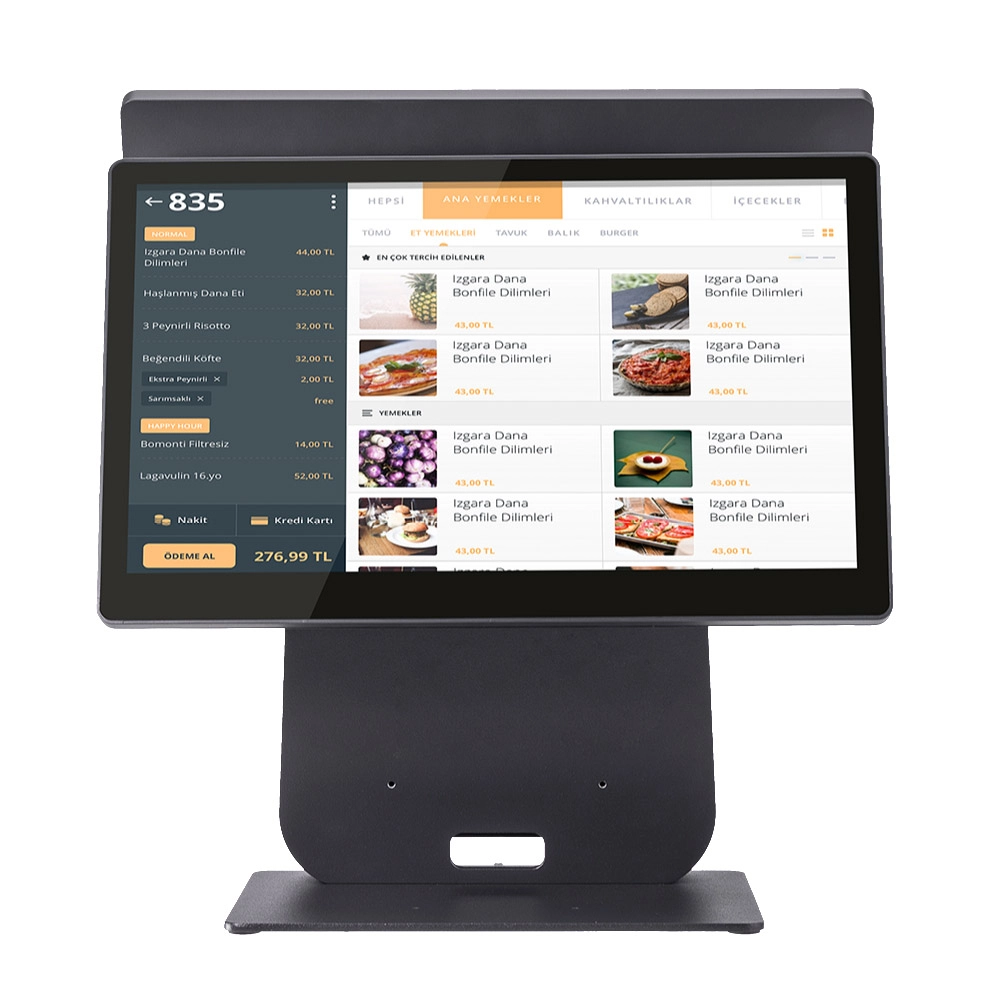
HD Dual Screen POS Machine Aluminum Hardware Android Windows Supplier
This dual-screen POS machine supports both Android and Windows systems, providing flexibility for various applications. The dual screens enhance customer interaction and streamline the checkout process, making transactions quicker and more engaging. Perfect for modern businesses looking to elevate their service and improve customer satisfaction, this POS machine is your ultimate partner in success!
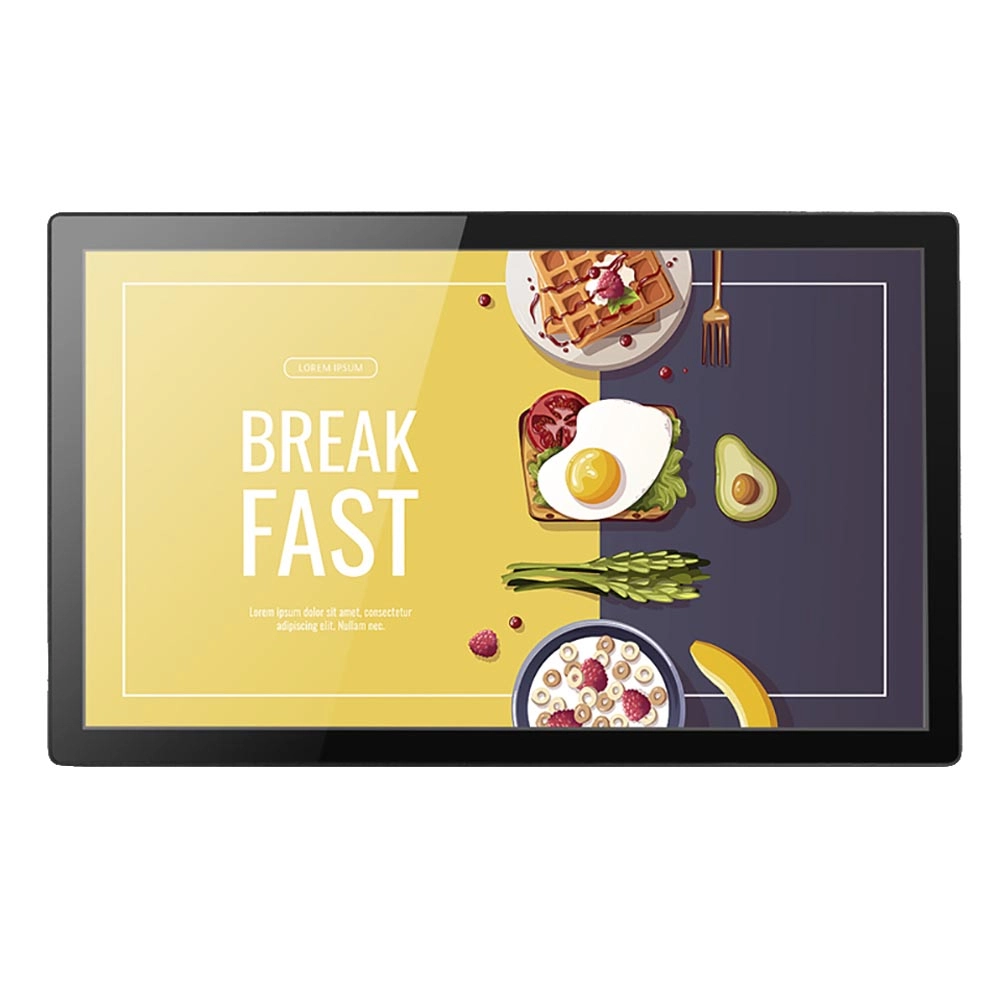
Wall Mount Cash Register POS 21.5 inch for Supermarket Touchscreen Windows Factory
Our sleek and modern wall-mounted POS system features a stunning 21.5-inch LED display, providing exceptional visibility and clarity for seamless customer interactions. The capacitive touchscreen ensures a highly responsive and intuitive user experience, perfect for fast-paced retail environments. With its space-saving wall-mounted design, this POS solution is ideal for optimizing floor space while maintaining a professional and contemporary appearance.
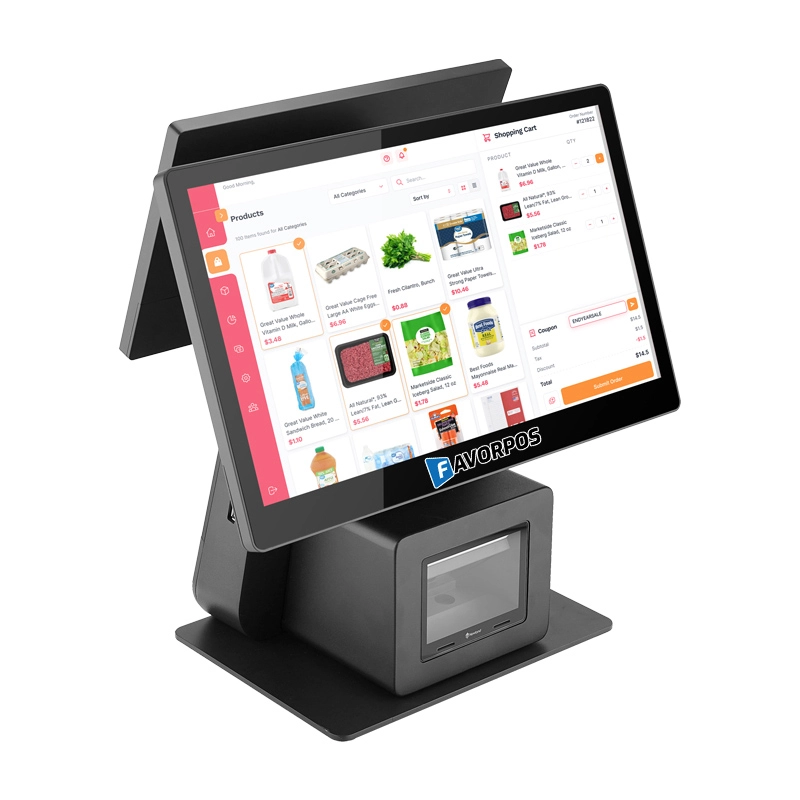
Dual Screen POS With Barcode Scanner Desktop POS Manufacturer POS Factory 15.6 11.6 Client Screen Optional
FAVORPOS: Your leading dual screen POS factory and manufacturer. Our desktop POS with barcode scanner offers 15.6/11.6 client screen options and OS flexibility. Get reliable, efficient dual screen POS with barcode scanner solutions directly from us.
Get in touch
Interested in becoming a POS system dealer? Contact us for more information and start the process of joining our dealer network.
We look forward to working with you to expand the market together.


Copyright © 2025 Favorpos All Rights Reserved.
