
What are must-have features in a desktop POS system?
- 1) How can I maintain PCI DSS compliance when my desktop POS processes EMV payments offline or during intermittent connectivity?
- 2) What is the realistic total cost of ownership (TCO) for a desktop POS solution across 3 retail stores over 5 years?
- 3) How do I design reliable local backups and disaster recovery for a desktop POS that uses a local SQL database and periodic cloud sync?
- 4) What hardware compatibility pitfalls should I expect when integrating barcode scanners, receipt printers, cash drawers, and weigh scales with desktop POS on Windows?
- 5) How can I configure multi-store inventory and avoid stock discrepancies when my desktop POS syncs intermittently?
- 6) How do I evaluate desktop POS APIs for integrating accounting, e-commerce, and loyalty systems without creating brittle point-to-point links?
1) How can I maintain PCI DSS compliance when my desktop POS processes EMV payments offline or during intermittent connectivity?
PCI DSS and payment-network rules focus on protecting cardholder data and transaction integrity. For a desktop based POS system that accepts EMV chip cards, follow these steps to reduce risk and stay compliant:
- Use certified payment terminals and payment application software. Choose an EMV-capable card reader and payment application that are PA-DSS/PCI-validated (or listed under the PCI Software Security Framework). Off-the-shelf EMV terminals that support terminal-level certifications reduce scope of compliance.
- Avoid storing sensitive authentication data. Never store full track data, CVV/CVC, or PIN block data in your local SQL or file-based databases. PCI strictly forbids retaining this data after authorization.
- Prefer tokenization. Integrate with a gateway that provides tokenization (replacing PAN with tokens). This minimizes cardholder data in your on-premise environment and reduces your PCI scope.
- Understand offline EMV limitations. Some certified terminals support offline authorization (chip card approves transaction locally based on issuer risk parameters). However, offline EMV acceptance is rare because card issuers may require online authorization for liability shift and real-time fraud checks. If you enable offline EMV, document issuer rules with your acquirer and configure offline thresholds conservatively (low limits, strict counters).
- Encrypt data-in-transit and at-rest. Use TLS 1.2+ for all network connections (including sync to cloud or payment gateway). For local databases, use full-disk encryption or database-level encryption where possible.
- Limit access and log activity. Apply least-privilege access to the desktop POS server, enforce strong passwords/MFA for administrative access, and retain audit logs for transaction and admin activities for at least 12 months per common compliance programs.
- Coordinate with your acquirer and processor. Your acquiring bank defines many operational rules (settlement, merchant category, offline EMV acceptance). Confirm what the acquirer allows and whether they require specific configurations or reporting.
Practical outcome: use certified EMV terminals + tokenization + strong encryption and work with your acquirer to avoid storing PAN data locally. If offline EMV is required, accept it only for low-value, rare cases and log/monitor closely.
2) What is the realistic total cost of ownership (TCO) for a desktop POS solution across 3 retail stores over 5 years?
Buyers often see only the sticker price of software or a single terminal and miss recurring costs. Below is a sample TCO breakdown (estimates; actuals vary by country, vendor, and transaction volume). We'll use mid-range assumptions for a 3-store retail chain with 2 terminals per store.
- Initial hardware (6 terminals): $1,200–$3,000 each depending on touchscreen, integrated printer, or Customer Display. Total: $7,200–$18,000.
- Peripherals: barcode scanners, receipt printers, cash drawers, network switches, UPS. Approx $300–$900 per terminal bundle. Total: $1,800–$5,400.
- Software license / on-premise perpetual or subscription: Perpetual license might be $500–$3,000 per terminal with annual maintenance (15–20% of license). Subscription could be $30–$150/month per terminal. Five-year license/fees estimate: $5,000–$20,000.
- Payment processing fees: typically 1.5%–3.5% + $0.10–$0.30 per tx. High-volume retailers should model transaction counts for accurate figures.
- Installation & integration: initial setup, POS configuration, integrations to accounting/e-commerce: $1,000–$8,000 depending on complexity.
- Support & maintenance: annual support or managed updates often 10%–20% of license or $1,000–$5,000/yr for small chains. Over 5 years: $5,000–$25,000.
- Backup, disaster recovery, and hosting: if using local server with cloud sync, budget $20–$200/month for offsite encrypted backups or $1,200–$12,000 over five years.
- Hardware replacement / refresh: budget ~10% of initial hardware per year or replacement at year 4–5: $2,000–$10,000.
Example 5-year mid-range TCO estimate (3 stores, 6 terminals): $22k–$65k. Important: calculate precise TCO for your local market by factoring transaction volume (affects processor fees), required integrations (accounting, e-commerce), local taxes, and labor for admin/support. Also include opportunity costs (downtime impact) and potential savings from improved inventory control.
3) How do I design reliable local backups and disaster recovery for a desktop POS that uses a local SQL database and periodic cloud sync?
Data integrity and recovery are core concerns for on-premise desktop POS deployments. A resilient plan should include automated backups, tested restores, and failover processes:
- Choose a transaction-safe database engine. Use SQL Server (Express/Standard), PostgreSQL, or another ACID-compliant RDBMS rather than flat-file or lightweight DBs for multi-terminal setups.
- Implement automated backups. Schedule full nightly backups and transaction log backups every 15 minutes (or more frequently based on volume). Retain a rolling set: daily (last 7 days), weekly (last 4 weeks), monthly (last 12 months).
- Store offsite, encrypted copies. Use encrypted cloud object storage (S3-compatible, Azure Blob) or secure FTP to retain a copy offsite. Ensure backups are encrypted at rest and in transit (AES-256 + TLS).
- Use a sync queue for intermittent internet. For desktop POS with intermittent connectivity, implement a local write-ahead queue (durable on disk) that syncs to the central server when connectivity resumes. Avoid in-memory-only queues that lose data on power failure.
- Test restores quarterly. Backups are only useful if restores are validated. Perform sandbox restores and run end-to-end checks (transaction totals, inventory levels).
- Plan for failover and rapid recovery. Keep a standby image (hot/warm) of the POS server on a spare machine or VM. Document step-by-step runbooks to bring a new machine online within a target RTO (e.g., 4 hours).
- Protect hardware: use UPS for servers and critical terminals, RAID for disk redundancy (but RAID is not substitute for backups), and routine hardware health checks.
- Log and monitor backups. Configure alerts for failed backups, long sync queues, or replication lags. Use simple dashboards or email alerts for the IT admin.
Outcome: an on-premise desktop pos architecture that combines local ACID database reliability, frequent transaction log backups, encrypted offsite retention, and tested restores reduces RPO/RTO to business-acceptable levels.
4) What hardware compatibility pitfalls should I expect when integrating barcode scanners, receipt printers, cash drawers, and weigh scales with desktop POS on Windows?
Hardware integration is a common source of frustration. Here are precise compatibility issues and how to avoid them:
- Driver model differences: Many POS peripherals use OPOS, JavaPOS, or native Windows drivers. Verify the POS desktop software supports the driver model of your devices. OPOS/JPOS offer standardized control layers that some POS vendors require.
- USB vs Serial/RS232 pitfalls: Older scales and legacy weighers use RS232. Modern desktops may lack COM ports; USB-to-serial adapters vary in quality. Choose rugged adapters from known vendors and test end-to-end scanning/weight reads.
- ESC/POS command sets and printer firmware: Receipt printers often use ESC/POS commands but firmware differences can change behavior (cutting, drawer kick). Test print formatting, international characters, and barcode generation on the exact printer model.
- Cash drawer kick wiring: Cash drawers often connect to receipt printers via RJ11 and rely on printer to send kick pulse. Confirm wiring and voltage are compatible and test drawer open/close events from the POS app.
- Power and physical constraints: Thermal printers and weigh scales are sensitive to environmental heat and dust. Use UPS for critical devices and ensure proper grounding to avoid intermittent issues.
- Firmware & OS updates: Windows updates or firmware patches can break drivers. Maintain a controlled update policy for production terminals and test updates on a staging terminal first.
- Integration list and vendor support: Ask vendors for a certified hardware compatibility list (HCL). Prioritize devices with active vendor support and available drivers for your Windows version (Windows 10/11 recommended for new deployments).
Actionable checklist: request HCL from your POS vendor, insist on driver-level compatibility (OPOS/JavaPOS/Windows), test all peripherals before roll-out, and budget for one spare terminal and spare peripherals per store for rapid replacement.
5) How can I configure multi-store inventory and avoid stock discrepancies when my desktop POS syncs intermittently?
Intermittent connectivity introduces eventual-consistency challenges. A good architecture balances local autonomy with central reconciliation:
- Central master SKU catalog. Maintain a central product catalog (SKUs, barcodes, units of measure, cost layers). Push catalog updates to stores; do not allow local SKU creation unless reconciled.
- Local stock reservations. For offline sales, record reservations at the terminal level with unique transaction IDs and timestamps. When connectivity returns, reconcile reservations before adjusting centrally to avoid double-selling.
- Sync strategy: use incremental change logs. Send only deltas (sales, transfers, stock adjustments) rather than entire catalogs to minimize conflicts and bandwidth.
- Conflict resolution policy. Define rules: last-write-wins is risky for stock. Prefer additive operations (apply sales as decrements with transaction IDs) and automated reconciliation that flags negative stock or duplicates for human review.
- Inter-store transfers and holds. Implement explicit transfer documents that require receiving confirmation to move physical stock. For holds (phone orders), reserve inventory immediately at the local terminal.
- Regular cycle counts. Weekly or monthly cycle counts per store reduce drift. Configure the POS to compare expected vs. counted stock and produce variance reports.
- Support for cost policies. Decide on costing (FIFO, average cost) centrally and ensure local terminals use the same method to avoid valuation mismatches during sync.
Example technical pattern: each local terminal writes immutable transaction records locally (with sequence numbers and timestamps). The central server processes these in order on sync, applies business rules, and returns reconciliation reports. This design avoids overwriting and enables auditors to trace adjustments.
6) How do I evaluate desktop POS APIs for integrating accounting, e-commerce, and loyalty systems without creating brittle point-to-point links?
APIs determine long-term extensibility. Use the following checklist when evaluating a desktop POS vendor's integration capabilities:
- API type and docs: Prefer RESTful JSON APIs with clear docs, examples, SDKs for popular languages, and a sandbox environment. Well-documented Swagger/OpenAPI specs speed development and reduce errors.
- Authentication & security: Check for OAuth2 or strong API-key models, TLS requirements, and IP allow-listing options for sensitive endpoints.
- Webhooks and event-driven flows: Webhooks allow real-time integration (sales, refunds, stock changes). Ensure the POS supports event delivery retries and idempotency keys to avoid duplicate processing.
- Rate limits and batching: Understand API limits and support for bulk endpoints to sync large datasets efficiently (catalogs, historical transactions).
- Data mapping & canonical models: Confirm available fields for customers, orders, SKUs, price tiers, taxes, discounts, and returns. Gaps in data models force fragile custom mappings that break on updates.
- Versioning & changelog policy: Vendors that version their APIs and maintain changelogs reduce integration breakages. Ask about deprecated endpoint timelines and migration support.
- SLA & developer support: For mission-critical integrations (accounting sync, online order flows), demand SLA-backed endpoints, dedicated engineering contacts, or professional services options.
- Middleware and supported connectors: Check if the vendor offers pre-built connectors (QuickBooks, Xero, Shopify, Magento). Using tested connectors reduces cost and brittleness compared to home-grown point-to-point scripts.
Practical evaluation: prioritize POS vendors that provide a stable REST API, webhook support with retry/idempotency, SDKs for your stack, and pre-built connectors for leading accounting/e-commerce platforms. This reduces time-to-integrate and long-term maintenance.
Conclusion — Advantages of desktop-based POS systems
Desktop-based POS systems deliver strong local performance, lower monthly cloud costs, tighter hardware control, and better offline reliability for retailers who require on-premise data ownership. When architected correctly (certified EMV terminals, tokenization, reliable local backups, and robust sync logic), a desktop POS combines the reliability of local processing with the benefits of selective cloud sync for reporting and multi-store management. For stores with high transaction volumes, frequent connectivity issues, or strict data residency needs, on-premise desktop POS solutions often provide a more predictable TCO and faster transaction latency than pure cloud-only systems.
Need a custom quote or architecture review for a desktop based POS system? Contact us for a detailed proposal and pricing at www.favorpos.com or email sales2@wllpos.com.
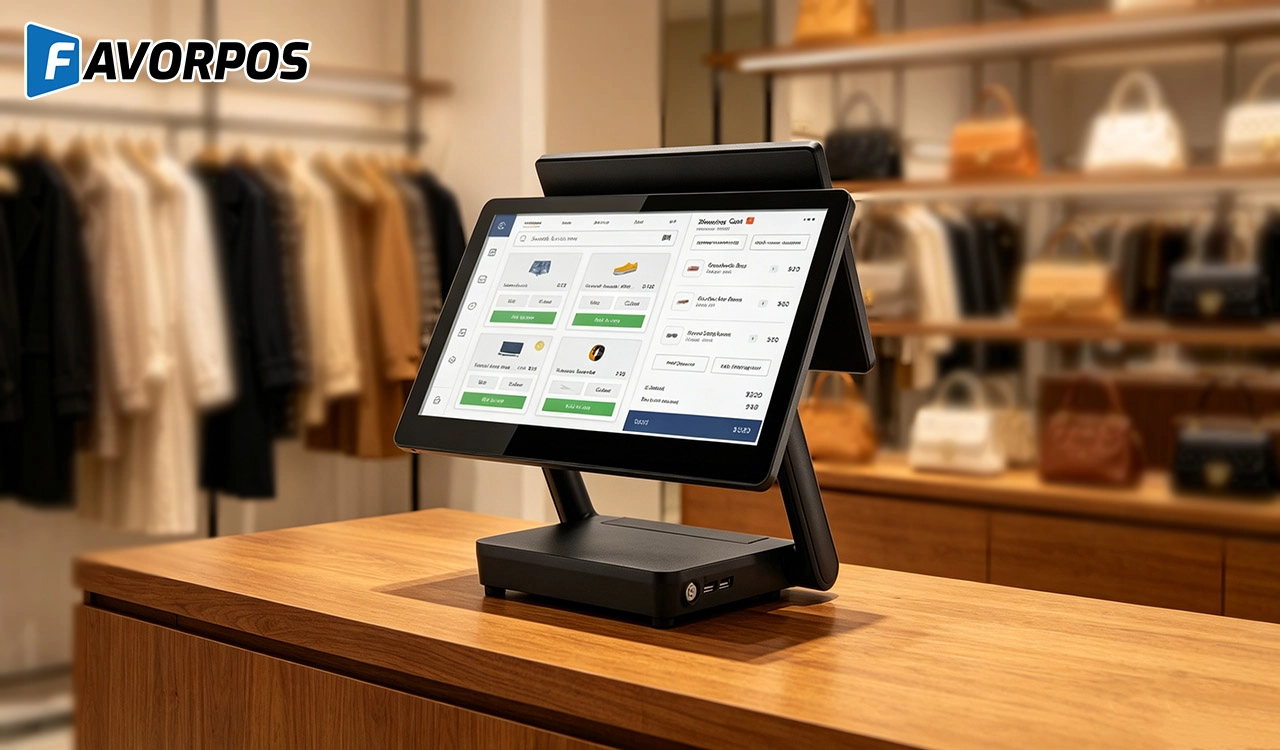
Why a 15.6” Touch POS Terminal Is Becoming the New Standard in High-Traffic Retail
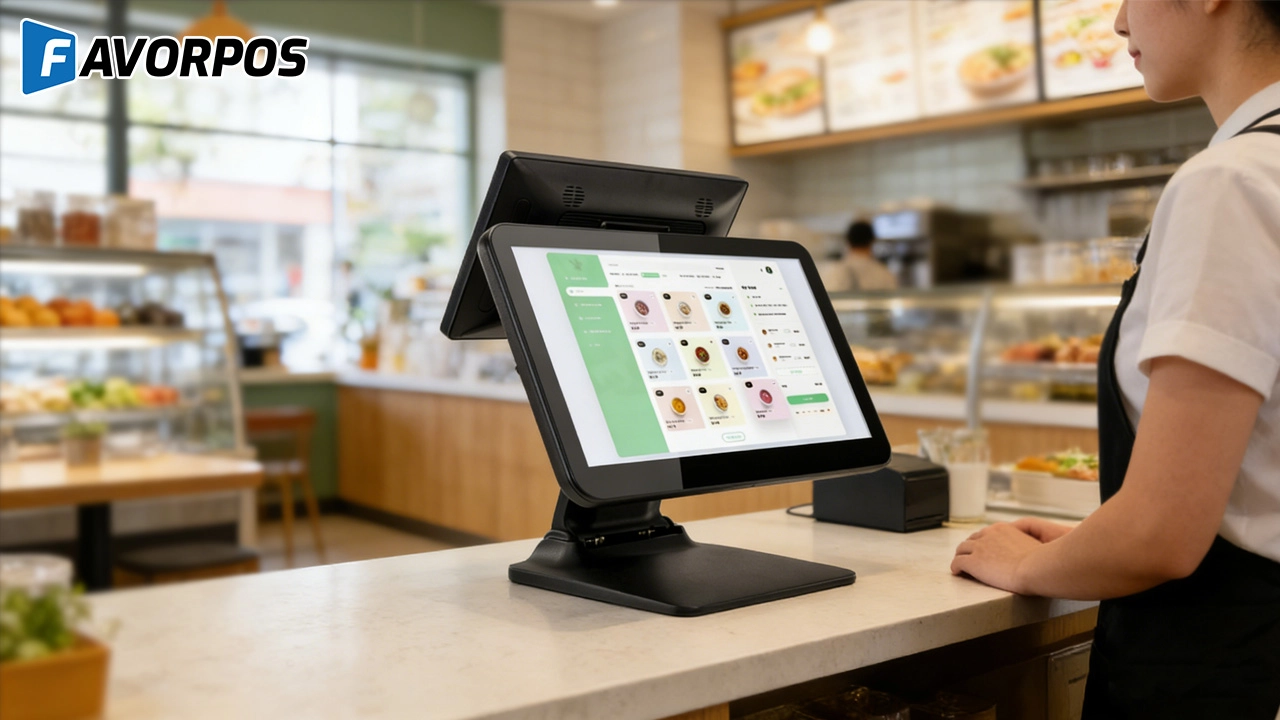
Beyond Checkout: How a 15.6-Inch Aluminum POS System Redefines Retail Efficiency
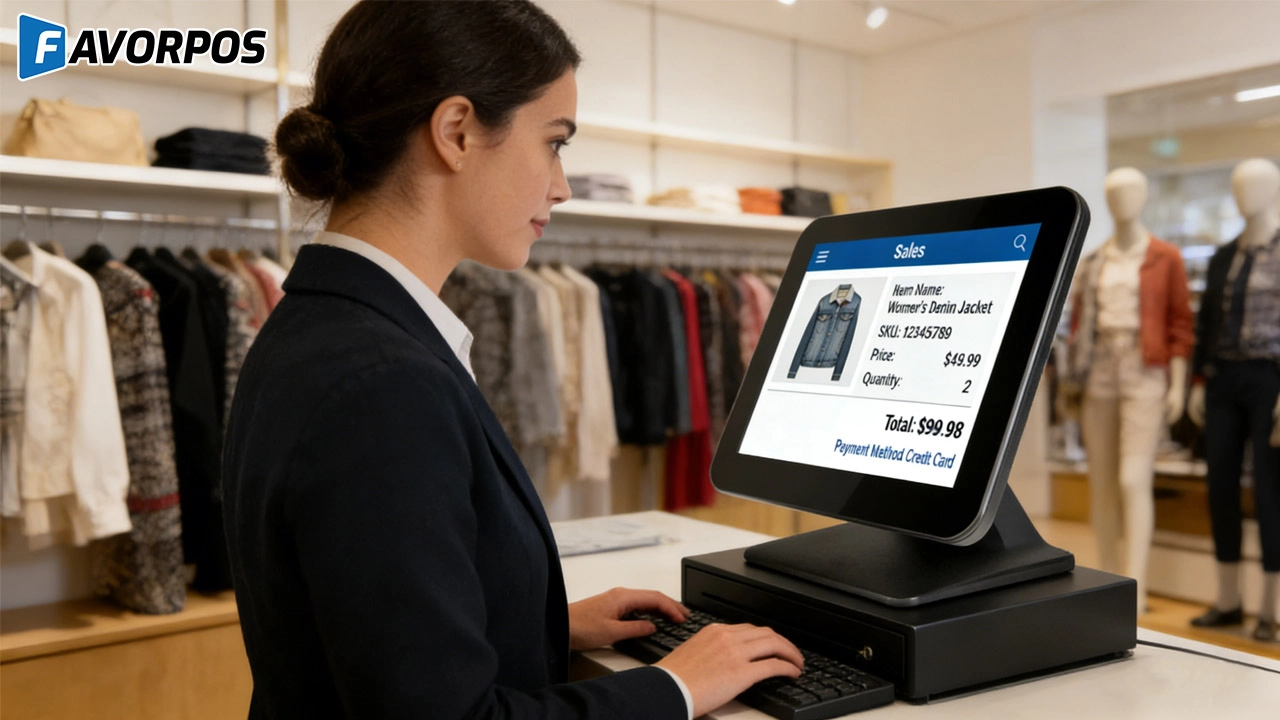
Understanding 15-Inch Aluminum POS Terminals in Modern Commercial Use
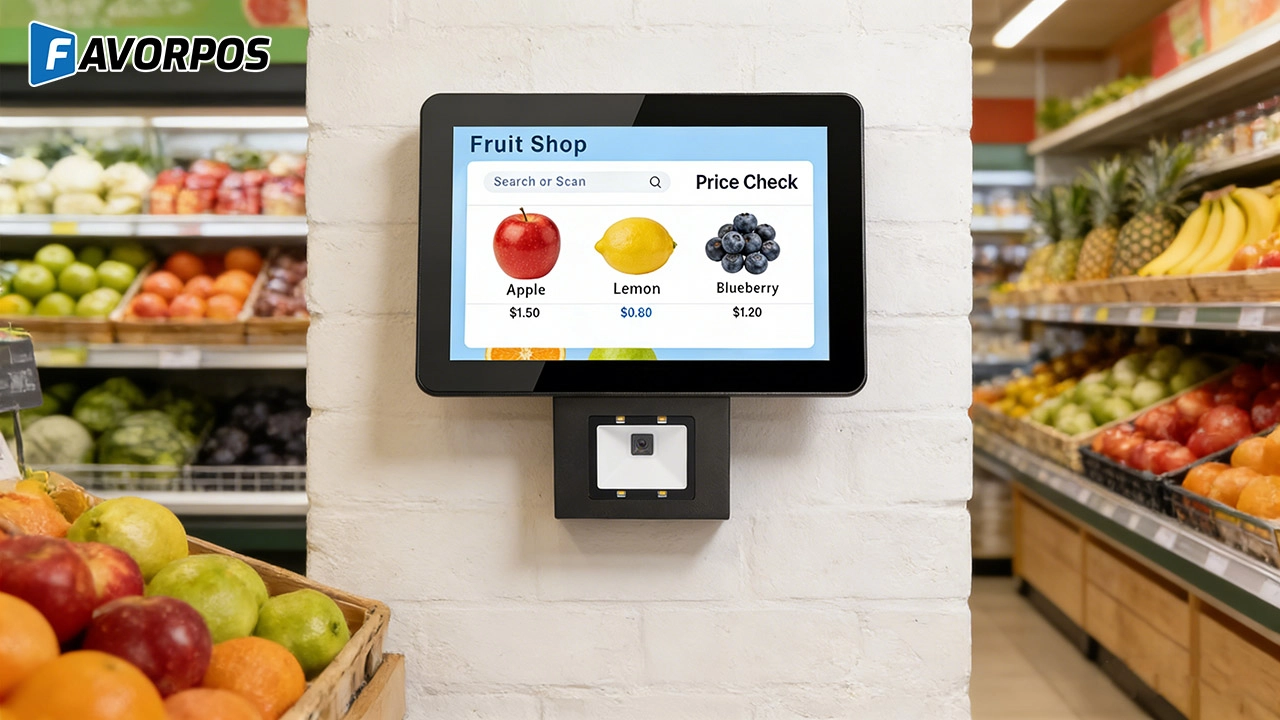
The Smart Way to Check Prices: How a 10.1-Inch Wall-Mounted Price Checker Transforms Retail Stores
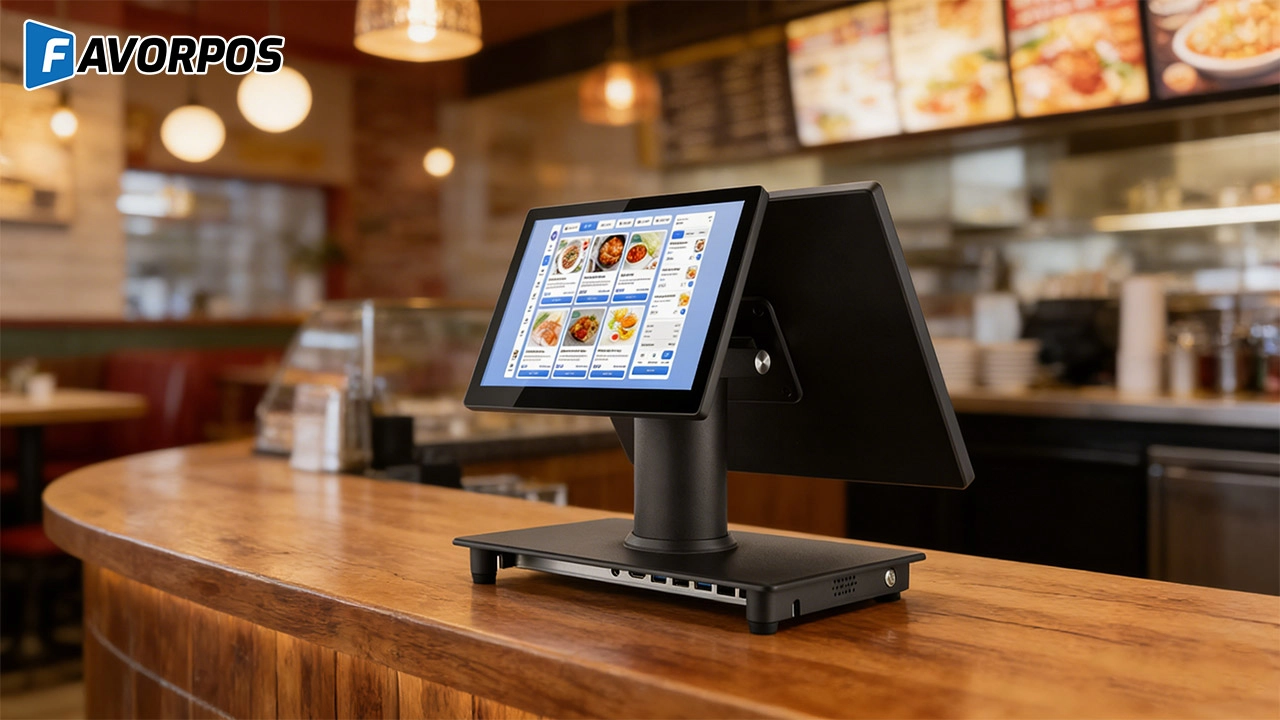
A Smarter Checkout Experience: The 15-Inch Dual-Screen POS Built for Modern Retail
For Hotels
Can I track restaurant and spa inventory through your POS system?
Yes, our system includes inventory management functions, allowing you to track inventory status of various departments such as restaurants and spas in real time.
For Solutions Retail
Do you provide customized POS design services?
Yes, as an OEM/ODM manufacturer, we provide fully customized POS design services. Whether it is hardware appearance design or function integration, we can tailor it according to your brand needs.
For Entertainment & Events
How does your POS system integrate with event management software?
Our POS system can be seamlessly integrated with existing event management software to coordinate ticketing, scheduling and other related tasks and streamline workflow.
For ODM
Does the product comply with international standards and certifications?
Our POS machines comply with various international standards and certification requirements, including safety, electrical performance and environmental standards. We ensure that all products comply with relevant regulations during the production process so that they are suitable for the global market.
For Bakeries
Can you run a loyalty program through the system?
Yes, our POS system supports loyalty and rewards programs, and you can offer incentives such as discounts, free items, etc. to returning customers.
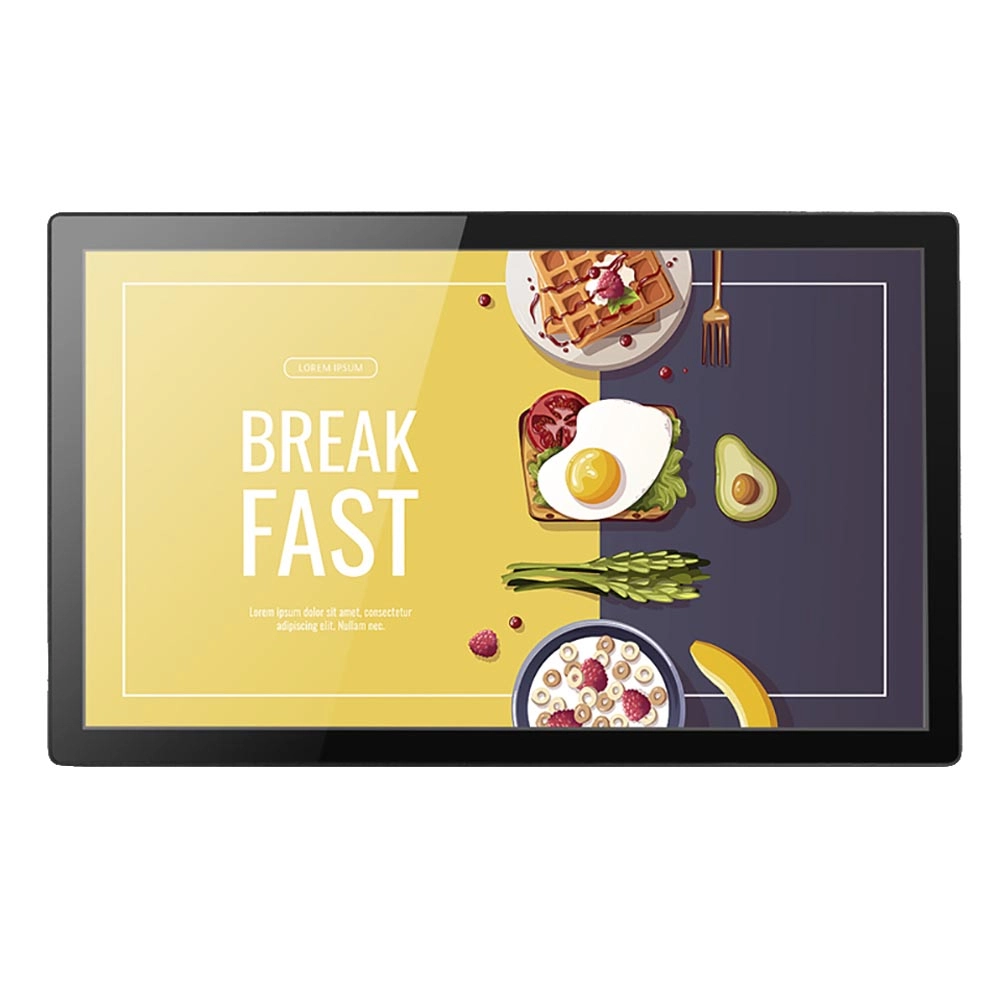
Wall Mount Cash Register POS 21.5 inch for Supermarket Touchscreen Windows Factory
Our sleek and modern wall-mounted POS system features a stunning 21.5-inch LED display, providing exceptional visibility and clarity for seamless customer interactions. The capacitive touchscreen ensures a highly responsive and intuitive user experience, perfect for fast-paced retail environments. With its space-saving wall-mounted design, this POS solution is ideal for optimizing floor space while maintaining a professional and contemporary appearance.
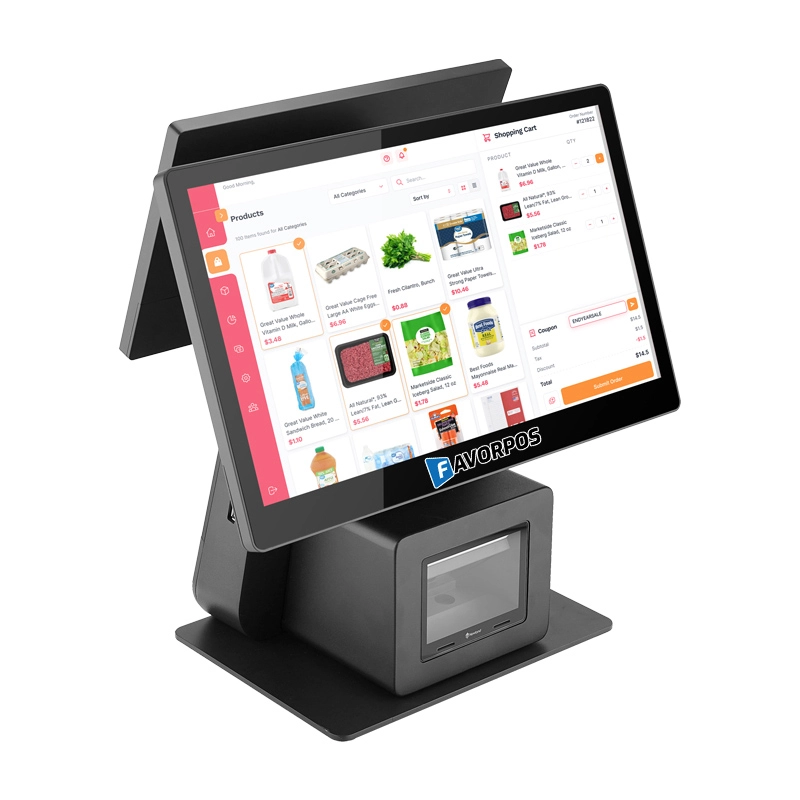
Dual Screen POS With Barcode Scanner Desktop POS Manufacturer POS Factory 15.6 11.6 Client Screen Optional
FAVORPOS: Your leading dual screen POS factory and manufacturer. Our desktop POS with barcode scanner offers 15.6/11.6 client screen options and OS flexibility. Get reliable, efficient dual screen POS with barcode scanner solutions directly from us.
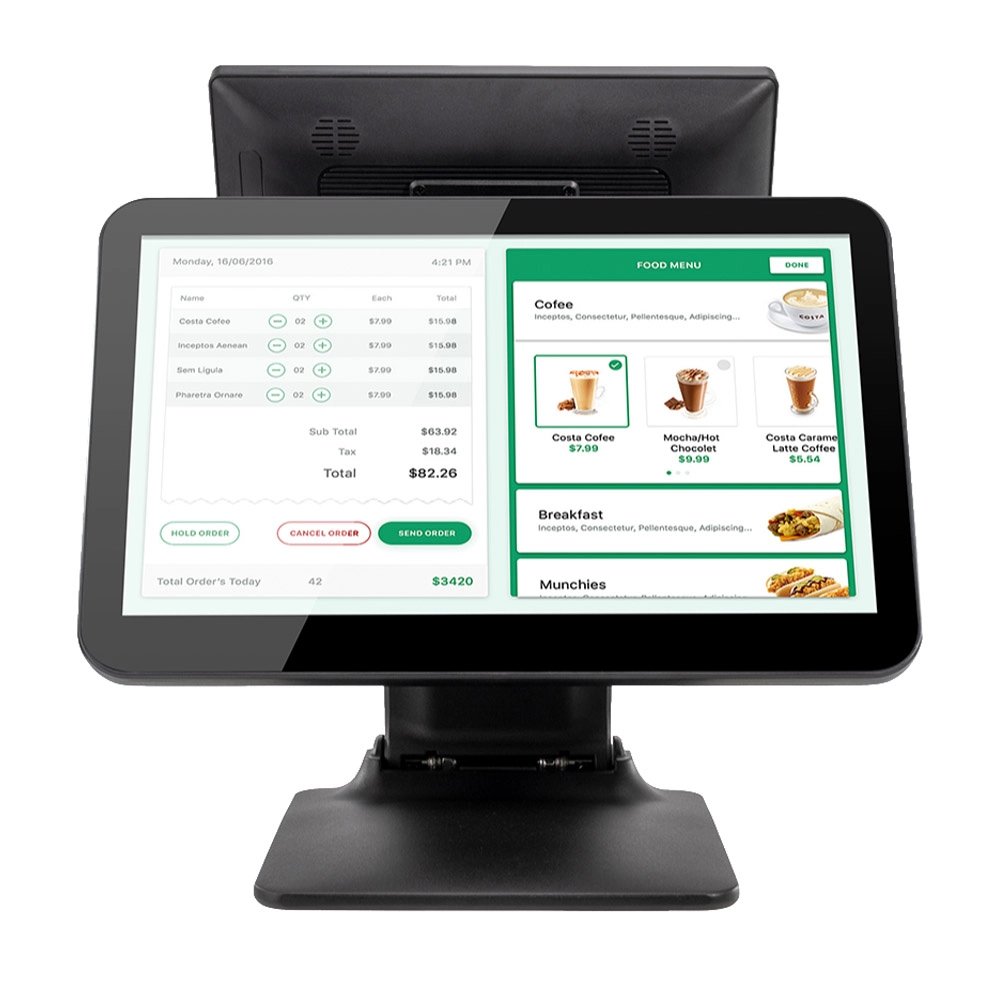
Foldable Touch Screen POS Cash Register 15.6'' Windows Supplier Aluminum
This innovative cash register combines portability with advanced functionality, making it ideal for retail environments. Its aluminum construction ensures durability while maintaining a lightweight design for easy transport and setup. The foldable feature allows for convenient storage and flexibility in various business settings.
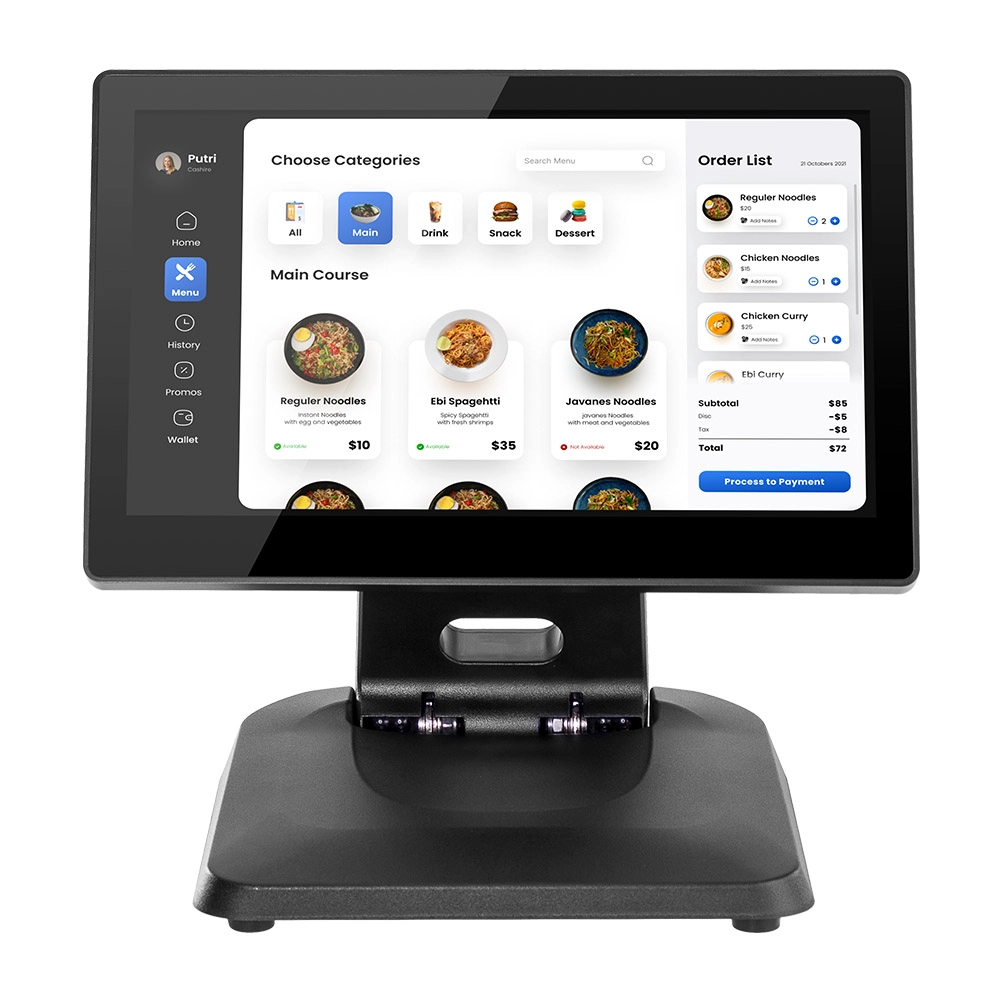
Factory 11.6'' Touch Screen POS Terminal Android Windows
The Factory 11.6'' Touch Screen POS Terminal is a versatile solution that supports both Android and Windows operating systems. Designed for durability and efficiency, this terminal is perfect for various retail environments. Its compact size and responsive touch screen enhance customer interactions, making transactions quick and seamless.
Get in touch
Interested in becoming a POS system dealer? Contact us for more information and start the process of joining our dealer network.
We look forward to working with you to expand the market together.


Copyright © 2025 Favorpos All Rights Reserved.
