
Can cloud-based gas station POS systems improve uptime and management?
- 1. How will a cloud POS keep forecourt pump authorizations working during an internet outage so I don’t lose fuel sales?
- 2. What uptime can I realistically expect from cloud-based gas station POS systems and how do I verify a vendor’s SLA and actual availability?
- 3. How do cloud POS systems integrate with ATG and pump controllers (Veeder-Root, Gilbarco, Wayne) to avoid reconciliation errors and missed deliveries?
- 4. What specific PCI, EMV and encryption measures must a cloud-based gas station POS implement to secure forecourt payments and minimize fraud liability?
- 5. How do I calculate Total Cost of Ownership (TCO) when comparing legacy on-prem POS vs a cloud gas station POS including hardware, networking, downtime losses, and maintenance?
- 6. How can centralized, cloud-based price and promotion management reduce pricing errors, shrink, and compliance risks across a multi-site forecourt operation?
- Conclusion: Why cloud-based gas station POS systems improve uptime and management
Can Cloud-Based Gas Station POS Systems Improve Uptime and Management?
Operators choosing a gas station POS must balance uptime, payment compliance, pump and ATG integrations, and remote management across sites. Below are six specific, beginner-focused long-tail questions often missing practical, up-to-date answers — each followed by in-depth, actionable explanations and checklists to use when evaluating cloud-based gas station POS systems.
1. How will a cloud POS keep forecourt pump authorizations working during an internet outage so I don’t lose fuel sales?
Problem: Many independents fear losing forecourt sales during WAN/internet failures. A cloud-only POS with no local fallback will interrupt pump authorizations and card acceptance, costing revenue.
How modern cloud-based gas station POS systems address this:
- Edge/local store-and-forward (hybrid architecture): A local device or lightweight on-prem POS cache (sometimes called an edge appliance) keeps pump authorizations and transactions locally when the WAN fails, then synchronizes (forwards) transactions to the cloud when connectivity returns.
- Pump controller compatibility: The edge appliance should support standard pump protocols (e.g., Gilbarco, Wayne controllers) and integrate with pump authorization flows without interrupting EMV/contactless checks when online.
- Payment terminal store-and-forward: EMV and contactless transactions are captured and tokenized locally; the gateway supports offline approval codes where applicable, then uploads full transaction data later to minimize risk of lost receipts or reconciliation gaps.
- Cellular failover and SD-WAN: Use dual WAN (primary fiber + secondary LTE/5G) or SD-WAN appliances to push transactions via the cellular network automatically when the wired link drops. Multi-path routing reduces single points of failure.
- Graceful pump behavior: The POS should default to accepting fuel with a local offline payment acceptance policy (pre-authorization hold amount set by operator) to prevent indefinite pumping without payment.
Checklist when evaluating vendors:
- Does the vendor provide a local edge cache or hybrid mode? Ask for schema of local data retention and sync behavior.
- Can the system continue pump authorizations and EMV reads offline (and how are chargebacks handled)?
- Is cellular failover included or available as an add-on? Ask about average failover switch time and test results.
- Request logs from a real outage test or customer reference that demonstrates zero-loss sales during WAN failure.
2. What uptime can I realistically expect from cloud-based gas station POS systems and how do I verify a vendor’s SLA and actual availability?
Problem: Vendors claim “99.9% uptime” but operators need to understand what that covers (cloud app vs. local edge vs. payment gateway vs. pump control) and how to verify it.
Practical guidance:
- Understand SLA scope: Typical cloud providers (AWS, Azure, GCP) publish infrastructure SLAs (often 99.9%–99.99%). But your POS vendor’s SLA should specifically state availability for the POS application, APIs, payment gateway links, and services like reporting. Ask for separate SLAs for the cloud console, payment processing, and device management.
- On-prem vs cloud components: A hybrid architecture raises availability above cloud SLA for forecourt operations because local edge components remain functional when the link fails. Confirm the vendor’s measured Mean Time To Recovery (MTTR) for cloud and local components.
- Third-party audits and certifications: Request SOC 2 Type II, ISO 27001, or PCI DSS attestations for vendors and their payment partners. These reports indicate operational controls, not uptime but process reliability.
- Monitoring & transparency: Prefer vendors that offer real-time status dashboards, historical uptime data, and public incident reports. Ask how they measure downtime and whether they pro-rate fees for SLA breaches.
- Field-proven metrics: Vendors frequently achieve 99.9%+ for cloud services; with hybrid edge caching the effective forecourt transactional availability commonly exceeds 99.99% because local processing continues during network outages. Ask for customer references in similar-store-count brackets to validate.
Verification steps you can require in procurement:
- Ask for 12–24 months of uptime logs split by service component (POS cloud, payments gateway, device management).
- Require an SLA with explicit remedies and MTTR commitments for critical incidents.
- Perform acceptance testing that includes planned WAN outage simulation, pump authorization tests, and reconciliation checks.
3. How do cloud POS systems integrate with ATG and pump controllers (Veeder-Root, Gilbarco, Wayne) to avoid reconciliation errors and missed deliveries?
Problem: Fuel inventory and deliveries are sensitive: mismatches between ATG data and POS sales cause costly variances and compliance issues.
Integration patterns:
- Direct API/serial gateway: Many ATG vendors (e.g., Veeder-Root) expose structured data via TCP/IP or serial protocols; cloud POS solutions use a local bridge (edge agent) to poll ATG data at short intervals and forward normalized readings to the cloud for reporting and reconciliation.
- Tank & product mapping: Ensure the POS allows mapping between pump IDs, tank IDs, product SKUs, and grade names. Mismatches are a frequent source of reconciliation errors.
- Delivery & stock reconciliation workflow: The system should support delivery reconciliation steps: pre-delivery expected volume, ATG measured pre/post-delivery, and automated variance alerts. Integration should support submitting delivery tickets and their validation against ATG readings.
- Audit trail and timestamp sync: Time drift between devices breaks reconciliation. The vendor should provide time-synchronized logging (NTP-consistent timestamps) across pump controllers, ATG, and POS transactions.
- Exception handling: The POS should flag rapid inventory changes (likely leaks), negative stock, or mismatched deliveries and generate automated escalation to store managers or regional ops.
Buyer checklist:
- Confirm which ATG and pump controller models the vendor supports and ask for a compatibility matrix.
- Request details on how the local bridge normalizes ATG data and the polling frequency (ideally once per minute for inventory-sensitive sites).
- Test the delivery reconciliation workflow in a pilot store with a real delivery and check variance reporting.
4. What specific PCI, EMV and encryption measures must a cloud-based gas station POS implement to secure forecourt payments and minimize fraud liability?
Problem: Gas stations are high-risk for card fraud due to exposed pump environments and frequent skimming attacks. Operators must know which protections are required and which are optional but recommended.
Critical security measures:
- PCI DSS compliance: The entire payment ecosystem (acquirer, gateway, POS vendor) must adhere to PCI DSS. For gas station forecourts, hardware and network segmentation are as important as application controls.
- EMV acceptance: Ensure all dispensers and pay-at-pump terminals support EMV chip and contactless (NFC) with certified EMV kernels. This reduces counterfeit fraud liability.
- Point-to-point encryption (P2PE) & tokenization: P2PE encrypts card data at the terminal, preventing cleartext PANs on your network. Tokenization used by the gateway reduces exposure of card numbers in cloud backups and reporting.
- End-to-end encryption (E2EE) at forecourt: Encryption from the pay-at-pump terminal to the payment processor avoids interception on local networks or during store-and-forward.
- Secure remote management: Device management must use mutual TLS, certificate-based authentication, and role-based access control to prevent unauthorized updates to terminals or pump controllers.
Practical procurement asks:
- Request vendor PCI Attestation of Compliance and P2PE solution listing.
- Confirm EMV and contactless certifications for the exact pay-at-pump hardware model you plan to deploy.
- Ask how tokenized data appears in reporting and if backups contain PANs or only tokens.
- Require secure device onboarding procedures and signed firmware updates to prevent supply-chain attacks.
5. How do I calculate Total Cost of Ownership (TCO) when comparing legacy on-prem POS vs a cloud gas station POS including hardware, networking, downtime losses, and maintenance?
Problem: Operators sometimes view cloud POS as more expensive because of recurring fees, but miss savings and risk reductions in maintenance, centralized management, and reduced downtime.
Components to include in a TCO model:
- Initial CapEx: Hardware (terminals, servers if on-prem, edge appliance), installation, EMV/EMV-certified dispensers, networking gear (router, LTE failover, switches).
- Recurring OpEx: Cloud subscription, payment gateway fees, cellular data, software updates, managed services, backup, and security monitoring.
- Maintenance & staffing: On-prem requires local server upkeep, OS patching, database maintenance, and IT staff or expensive contractor SLAs. Cloud vendors typically include software patching in subscription.
- Downtime costs: Lost fuel sales, manual transaction handling costs, reconciliation labor, and customer goodwill. Quantify average forecourt sales per hour and typical outage frequency to model lost revenue avoided by hybrid offline modes and cellular failover.
- Hardware refresh cycle: POS and payment terminals normally refresh every 5–7 years. Cloud solutions shift some obsolescence risk to the vendor, though terminals still require refresh.
- Security & compliance risk: Factor potential fines, remediation costs, and card replacement costs associated with breaches versus the cost of vendor-provided P2PE and managed compliance.
How to build the model:
- List all direct costs for both options over a 5-year horizon.
- Estimate downtime hours per year (use vendor historic MTTR and your past incidents) and multiply by average hourly forecourt revenue plus labor to estimate lost sales costs.
- Include probability-weighted costs of a security incident (use industry averages or acquirer guidance) to show value of stronger security posture.
- Compute Net Present Value (NPV) of both approaches to compare total expected cost over the contract term.
Practical tip: Many operators find cloud/hybrid reduces IT headcount and on-site maintenance costs; when you include avoided downtime and faster rollout of pricing/promotions across stores, cloud often shows better ROI within 18–36 months.
6. How can centralized, cloud-based price and promotion management reduce pricing errors, shrink, and compliance risks across a multi-site forecourt operation?
Problem: Manual price changes at each store create inconsistent pump pricing, customer disputes, and regulatory compliance risks.
Capabilities a cloud POS should provide:
- Centralized pricing control: Apply price updates to groups of stores from a dashboard with scheduled effective times and automatic pump price refreshes to the forecourt’s dispenser controllers.
- price zone rules: Support local regulatory rules (e.g., rounding rules, posted price obligations) and competitor-based price rules that vary by geography.
- Audit trail and electronic signage sync: Keep a tamper-evident log of who changed prices, what values changed, and when. Integrate with digital canopy and sign controllers to ensure posted sign price matches pump price.
- Promotion and loyalty orchestration: Enable timed promotions that apply across pumps, in-store POS, and loyalty apps so prices and discounts are consistent everywhere and avoid accidental double-discounting.
- Automatic alerts: Trigger alarms when pump price does not match the central price within a tolerance or when manual price overrides occur frequently for a specific location (possible shrink or misuse).
Operational controls and benefits:
- Reduce pricing errors by eliminating manual entry at the store level.
- Prevent customer disputes and regulatory fines by keeping price posting consistent with pump authorization amounts.
- Decrease shrink by tracking unauthorized manual price changes and enabling real-time reporting to supervisors.
Conclusion: Why cloud-based gas station POS systems improve uptime and management
When implemented as a hybrid cloud solution with a local edge cache, cellular failover, certified EMV pay-at-pump terminals, and tight ATG/pump controller integrations, cloud-based gas station POS systems significantly improve transactional uptime, simplify centralized management, and strengthen PCI/EMV security. They reduce TCO through lower on-site IT staffing and faster rollouts of pricing, promotions, and compliance updates while preserving forecourt availability during WAN outages. For multi-site operators, centralized pricing and audit trails reduce shrink and regulatory risk.
For an assessment tailored to your fleet — including an uptime and TCO comparison and a compatibility check with Veeder-Root, Gilbarco or Wayne pump controllers — contact us for a quote at www.favorpos.com or email sales2@wllpos.com.
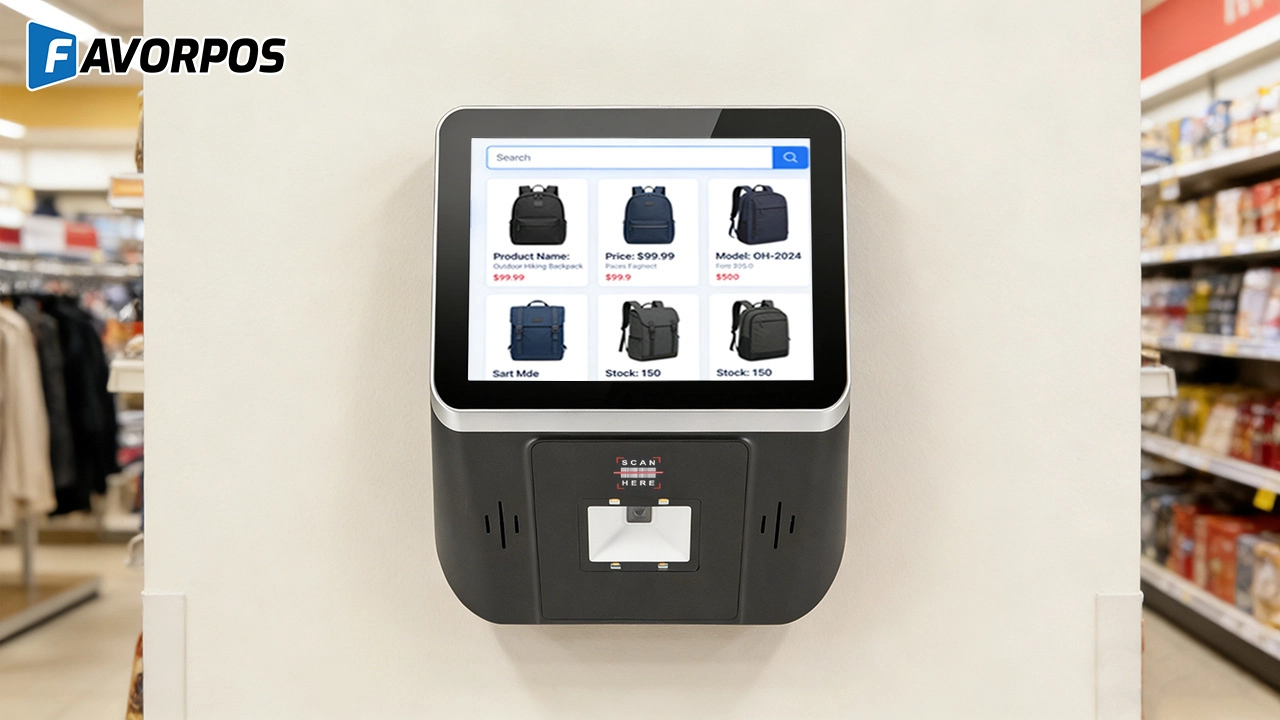
8-Inch Smart Price Checker: A Small Device Powering Smarter Retail Spaces
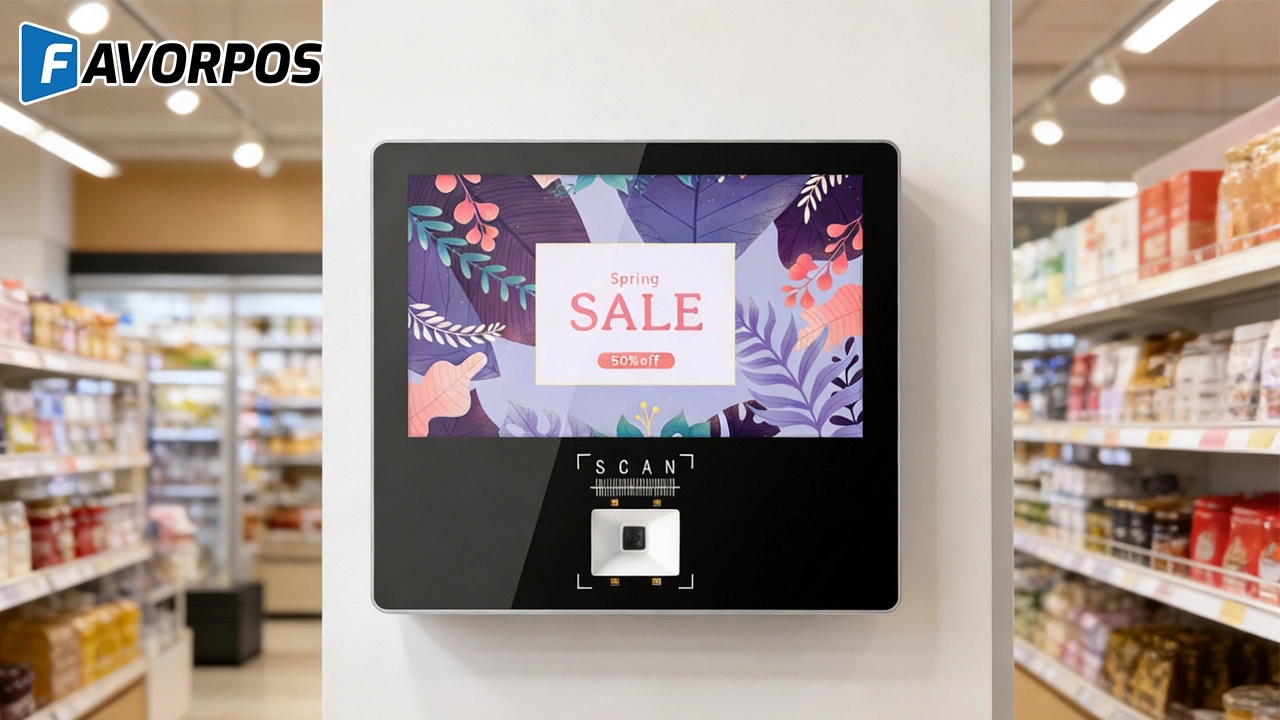
Built for Retail Precision: Manufacturing Excellence Behind the 11.6” Smart Price Checker
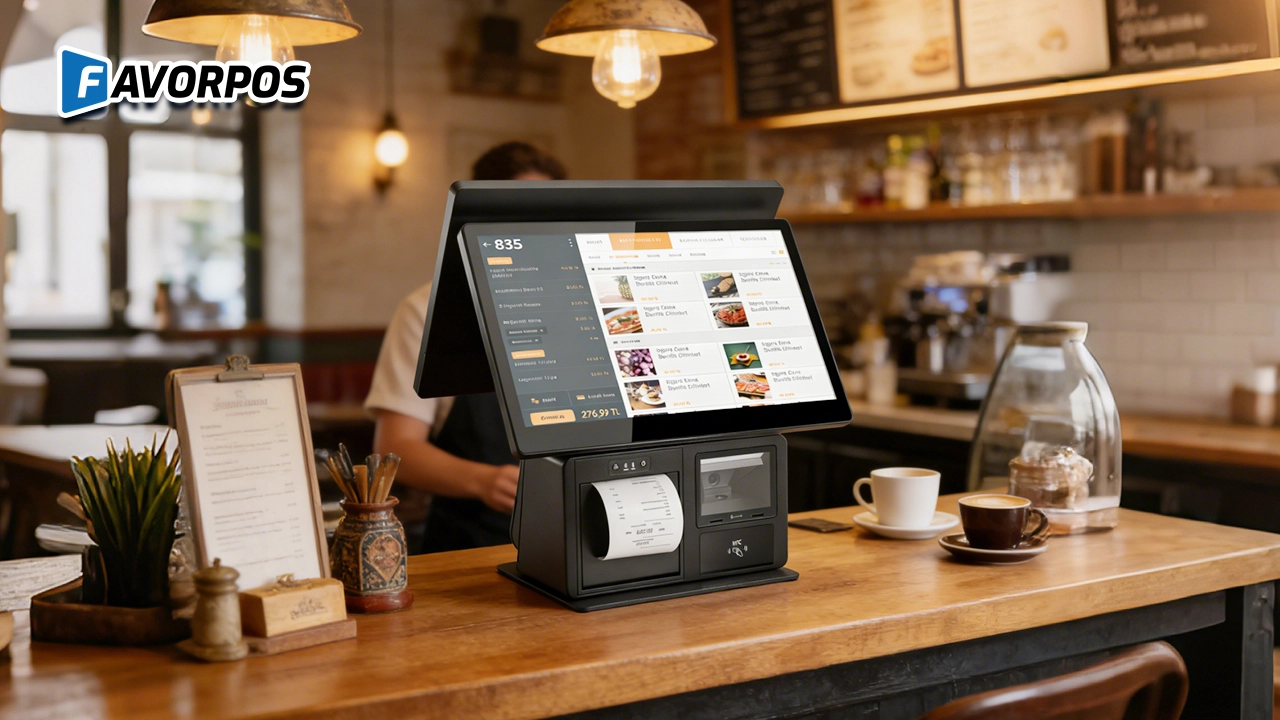
Building Stability in an Unstable Market: A 15.6-Inch All-in-One POS Designed for the Long Term
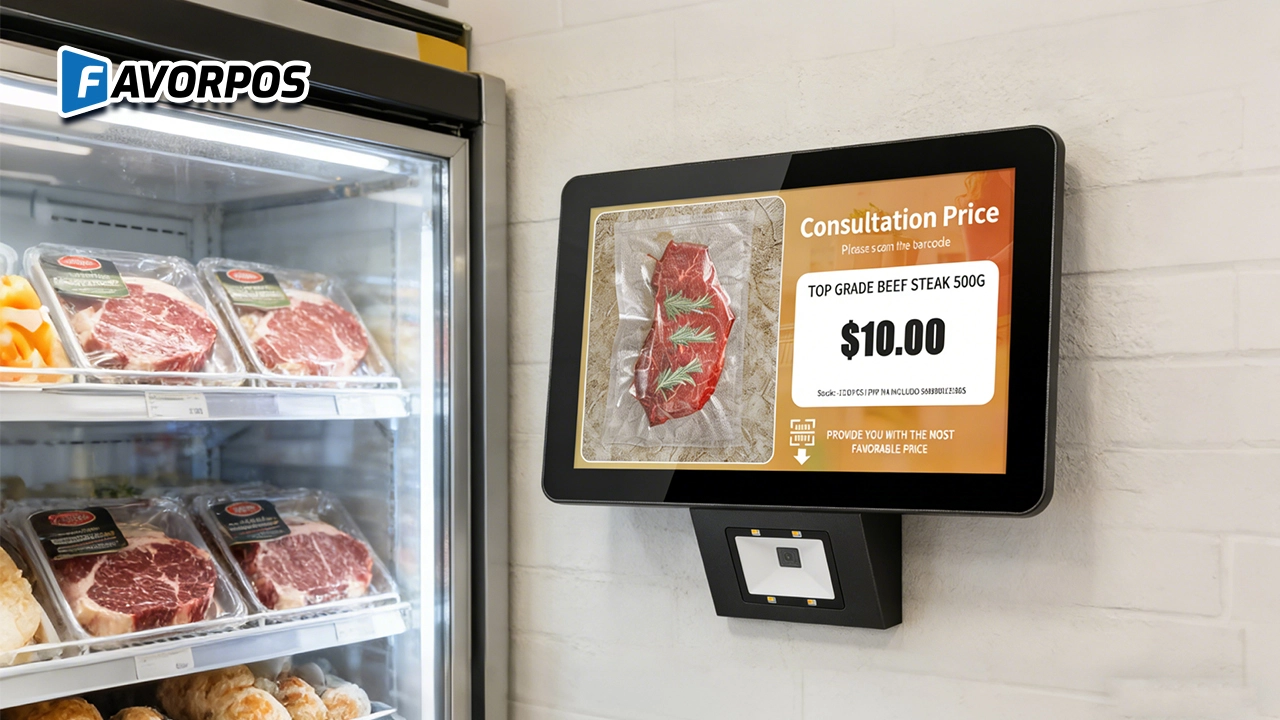
A Smarter Way to Check Prices: How Wall-Mounted Price Checkers Are Reshaping Retail Stores
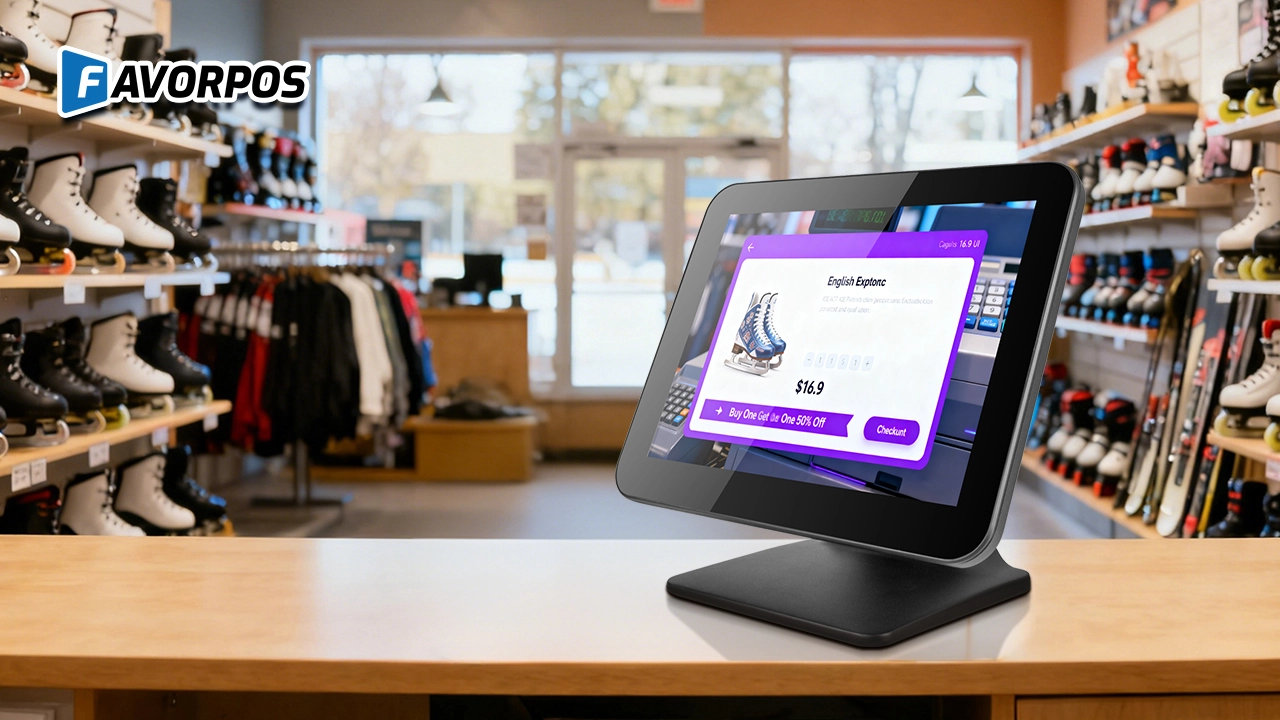
Why a Well-Designed 15-Inch POS Terminal Still Matters in Modern Retail
For Hotels
Can I track restaurant and spa inventory through your POS system?
Yes, our system includes inventory management functions, allowing you to track inventory status of various departments such as restaurants and spas in real time.
For E-commerce
Can I manage inventory across multiple sales channels?
Of course. Our POS system provides real-time inventory synchronization across multiple online and physical stores to prevent inventory issues.
For Restaurants & Cafes
How is the installation and training of the POS system carried out?
We provide comprehensive installation and training services. Our technical team will assist you in completing the installation of the POS machine and provide detailed operation training for your staff. In addition, we also provide online training resources and operation manuals to help your team get started quickly.
For OEM
What kind of OEM service do you provide?
OEM (Original Equipment Manufacturer) service means that we provide services such as printing logos and custom packaging to customers according to their needs.
For Healthcare
How much does it cost to develop a POS solution?
The cost depends on the level of customization, required functionality, and scale of deployment. We offer competitive pricing and work with you to develop a solution that fits your budget.
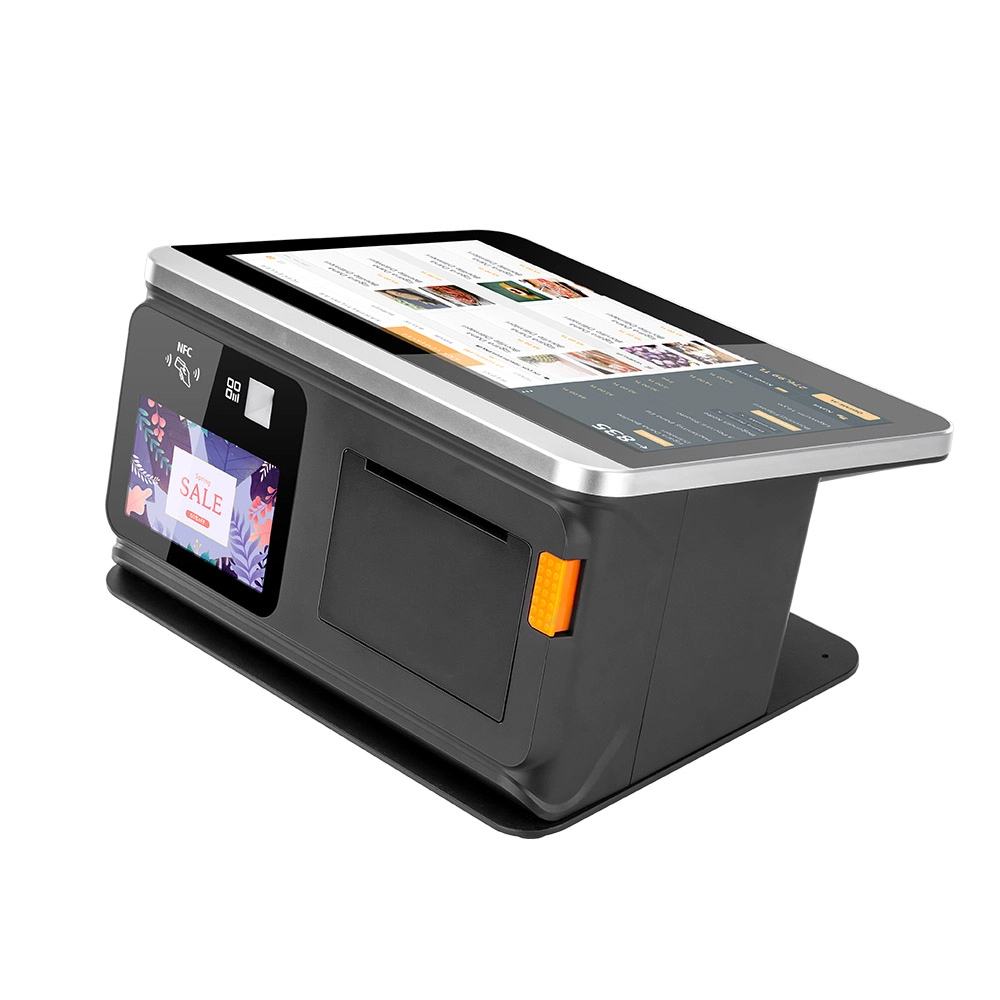
All in One POS Terminal Metal 11.6'' Touchscreen Android Windows with Printer
The All-in-One POS Terminal features an 11.6'' touchscreen display, compatible with both Android and Windows. This metal-constructed terminal combines durability with style, making it a perfect fit for any retail or hospitality environment. Equipped with a built-in printer, it streamlines transactions by allowing for instant receipt printing.
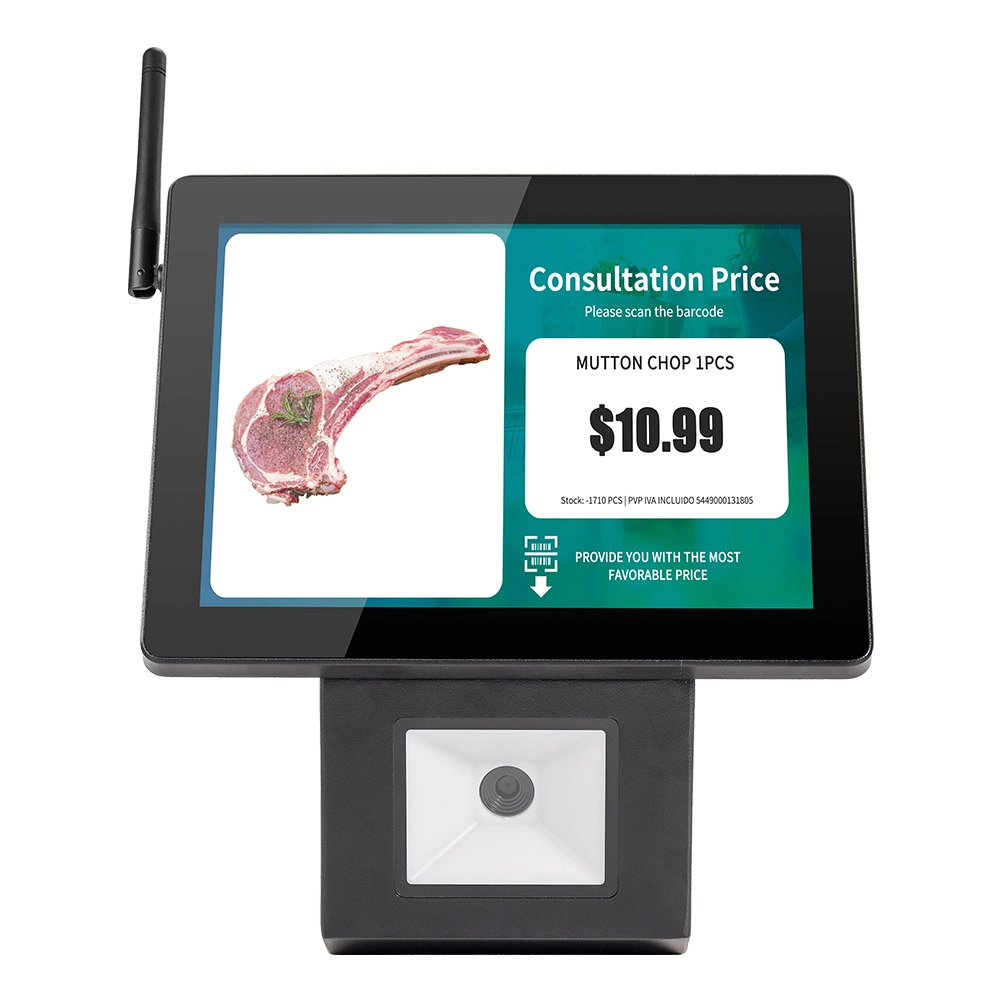
8 inch Touchscreen Price Checker Barcode Scanner Wifi Optional Android Win 10
FAVORPOS Touchscreen Price Checker offers a user-friendly interface, perfect for retail environments. With optional Wi-Fi connectivity, this device runs on Android or Windows, providing flexibility and ease of use. The integrated barcode scanner allows for quick price verification, enhancing the shopping experience for customers. Compact and efficient, it's designed to streamline operations and improve checkout speed.

Factory Fast Scan Barcode QR Code Scanner for Supermarket Price Check Device Manufacturer
FAVORPOS is a manufacturer specializing in Barcode/QR Code device. This new designed price check machine have thinner screen, more fashion appearance. 10.1 inch touch screen can bring convenience to customers. This machine can greatly improve the operational efficiency of a business environment.

New Dual Touch Screen Pos Factory Aluminum Adjustable Screen Pos Machine Manufacturer
This new-generation POS terminal features a durable aluminum alloy body and a flexible dual-screen design. The customer-facing secondary display can be adjusted vertically and horizontally to achieve the ideal viewing angle, with multiple screen size options available to meet different retail needs. Powered by either Windows or Android operating systems, the system offers strong compatibility with various POS software solutions. With its modern design, stable performance, and adaptable configuration, this POS machine is well suited for supermarkets, specialty retail stores, and other high-traffic commercial environments.
Get in touch
Interested in becoming a POS system dealer? Contact us for more information and start the process of joining our dealer network.
We look forward to working with you to expand the market together.


Copyright © 2025 Favorpos All Rights Reserved.
