
Gas station POS systems vs retail POS: what’s the difference?
- 1. How do gas station POS systems handle pump authorization, grade switching, and offline pump transactions without losing sales or creating settlement errors?
- 2. What is the real cost and ROI of upgrading to a dedicated gas station POS vs using a retail POS in a convenience store with pumps?
- 3. How can I ensure EMV and contactless payments at pumps are PCI-compliant and minimize chargebacks?
- 4. How do gas station POS systems manage multi-site fuel pricing, promotions, and loyalty across branded and unbranded locations without conflicting with forecourt controllers?
- 5. What features are critical for shrink reduction and inventory accuracy in combined c-store + fuel POS systems?
- 6. Can I integrate third-party services (car washes, lottery, mobile ordering, app-based pay) with gas station POS systems, and what are common integration pitfalls?
Choosing between a dedicated gas station POS system and a retail POS for a c-store attached to fuel pumps is more complex than feature lists. Below are six long-tail, pain-point-oriented questions beginners often search for but rarely find deep, actionable answers to. Each section explains how forecourt integration, fuel management, payment compliance, inventory reconciliation, and third-party services should work in practice.
1. How do gas station POS systems handle pump authorization, grade switching, and offline pump transactions without losing sales or creating settlement errors?
Gas station POS systems integrate with forecourt controllers and dispenser electronics to manage pump authorization and grade switching in real time. The architecture typically includes a site controller (forecourt controller) that acts as the authoritative bridge between dispensers and the POS. When a customer begins fueling, the dispenser sends an authorization request through the forecourt controller to the POS (or directly to a payment processor for pay-at-pump). Key mechanisms that prevent lost sales and settlement errors include:
- Transaction sequencing and unique transaction IDs: every pump authorization and sale is tagged with a unique ID shared between dispenser, forecourt controller, POS, and payment gateway so reconciliation is deterministic.
- Buffered offline queues: if the POS or network is temporarily unavailable, the forecourt controller and dispenser store an offline transaction queue (pump pre-pay/hold) and later synchronize. A mature system respects timeouts and enforces maximum offline duration to avoid exposure.
- Grade switching protocol: grade changes during a fueling session are prevented or logged depending on site policy. Most certified setups lock the chosen grade at dispense start and record grade and volume in the transaction record; attempts to change grade mid-transaction generate alerts and are reconciled in audits.
- Reconciliation rules: systems perform pump meter vs. POS sales reconciliation daily. Differences trigger variance reports and flagged exceptions for operator review. Integration with tank gauge systems (TGS) provides another reconciliation axis.
Operational best practice: implement automated reconciliation jobs, retain pump-event logs for at least 90 days, and require a forecourt certification (e.g., Gilbarco, Wayne/OPW compatibility) during deployment. This reduces settlement mismatches and supports rapid dispute resolution with card processors.
2. What is the real cost and ROI of upgrading to a dedicated gas station POS vs using a retail POS in a convenience store with pumps?
Rather than a single number, the real cost/ROI picture breaks into predictable components and site-dependent variables:
- Initial hardware and integration: fuel-focused setups require certified pump interfaces, site controller/firewall appliances, EMV-certified outdoor payment terminals (for pay-at-pump), and often dedicated networking for forecourt devices. Retail POS-only deployments skip some of these, but lose forecourt reliability and pump-level features.
- Certification and compliance costs: EMV at pump certifications, forecourt vendor approvals, and periodic security updates add implementation time and possible third-party fees.
- Software licensing and modules: fuel management, forecourt integration, bulk fuel pricing updates, and tank gauge interfaces are typically add-ons compared with a standard retail POS license.
- Operational benefits that drive ROI: faster pump throughput, fewer declined authorizations due to proper pump-side EMV/tokenization, reduced shrink from better pump–inventory reconciliation, automated pricing updates across sites, and loyalty at pump. These can materially increase net margin on fuel and c-store sales.
For a mid-volume station, typical payback windows reported by industry implementations vary — many operators see payback within 12–36 months depending on fuel volume, number of pumps, and feature adoption (pay-at-pump, loyalty, analytics). To estimate ROI for your site: calculate incremental revenue from reduced declines and faster transactions, cost reductions from automated reconciliation, and avoided losses from shrink. Include upfront certification and hardware replacement cycles (usually 5–7 years for forecourt hardware).
3. How can I ensure EMV and contactless payments at pumps are PCI-compliant and minimize chargebacks?
EMV at pump introduces more complexity than in-store terminals because it involves outdoor terminals, forecourt controllers, and stricter certification paths. To reduce chargebacks and maintain PCI scope control, follow these practices:
- Deploy certified pay-at-pump terminals and certify the whole payment pathway. This includes EMV L1/L2 certification at the terminal level and the payment processor’s acceptance of EMV at pump transactions.
- Use point-to-point encryption (P2PE) or hosted/managed terminal solutions so cardholder data never touches the POS back-office. Tokenization of card PANs removes PANs from store systems and dramatically reduces PCI scope.
- Keep firmware and cryptographic keys up to date. Outdoor terminals at pumps need hardened maintenance workflows and secure key injection (single-use key injection events) handled by accredited vendors.
- Segment networks: place forecourt controllers and pump terminals on a separate VLAN or physical network to isolate payment and dispenser traffic from back-office systems. This minimizes the attack surface and simplifies compliance attestations.
- Maintain comprehensive logs and reconcile EMV transaction data between the POS, forecourt controller, and acquirer daily. For disputes, granular timestamps and unique IDs are essential to defend against chargebacks.
Work with your payment service provider and the dispenser/manufacturer early — EMV-at-pump often requires coordinated certification across multiple vendors, and proper implementation is the strongest deterrent against card-present chargebacks.
4. How do gas station POS systems manage multi-site fuel pricing, promotions, and loyalty across branded and unbranded locations without conflicting with forecourt controllers?
Large and small chains need centralized pricing and promotion controls while ensuring local forecourt controllers reflect those changes reliably. Effective solutions include:
- Central price-management module: a cloud or head-office service pushes price updates to stores and forecourt controllers. Changes are staged and confirmed with handshakes so PUD (price used in dispenser) matches POS and price signage.
- Scheduled rollouts and fail-safes: to avoid mid-day price conflicts, systems support staged deployments, pre-checks against local compliance (state rules), and rollback procedures. The POS sends an acknowledgment back to the central server when the local forecourt controller applies the price.
- Promotion engine tied to loyalty IDs: for pump-level discounts (e.g., fuel discounts tied to loyalty points or coupons), the POS and forecourt controller coordinate redemption tokens. Loyalty should be tokenized and validated in real time or with a short hold window for pre-authorizations.
- Brand & co-brand handling: branded sites often receive centralized promotions from brand owners. A modern gas station POS supports multi-tenant rulesets so corporate promos, supplier-funded discounts, and local coupons can apply without double-dipping. Auditable logs and settlement feeds are required for downstream reconciliation with brands and suppliers.
Operational tip: include test modes and dry-runs in the price update process and monitor real-time alerts that confirm price sign, POS, and dispenser alignment. This prevents customer disputes and regulatory issues caused by mismatched signage and pump pricing.
5. What features are critical for shrink reduction and inventory accuracy in combined c-store + fuel POS systems?
Shrink in fuel sites comes from both c-store theft and pump-related losses (meter inaccuracies, leakages, unauthorized siphoning). Critical features to reduce shrink include:
- Pump meter reconciliation: daily automated reconciliation between dispenser volume and POS sales, tied to tank gauge readings, identifies variances quickly. Favor POS solutions support automated variance thresholds and alert workflows.
- Tank gauge integration: direct integration with TGS enables fuel loss detection from leaks or short deliveries, and ties physical inventory changes to pump sales and deliveries.
- Inventory controls for c-store: blind receiving, scanned receipts, real-time inventory updates, scheduled cycle counts, and expiration tracking reduce internal and supplier fraud.
- Employee activity monitoring: role-based permissions, register shift logs, and POS event streaming (voids, refunds, price overrides) help investigate suspicious activity. Pairing POS logs with CCTV timestamps accelerates investigations.
- Analytics and anomaly detection: modern POS back offices provide variance trend detection (e.g., certain SKUs, shifts, or pumps showing abnormal shrink) so managers can take corrective actions.
Combining forecourt reconciliation, tank gauge data, and strong c-store inventory controls gives a three-way check that significantly reduces unapparent losses and improves gross margin accuracy.
6. Can I integrate third-party services (car washes, lottery, mobile ordering, app-based pay) with gas station POS systems, and what are common integration pitfalls?
Yes — most modern gas station POS systems offer APIs, middleware connectors, or certified partner integrations for car washes, lottery terminals, mobile apps, and third-party ordering platforms. However, common pitfalls include:
- Mismatch in transaction models: some services expect synchronous confirmations while POS or forecourt controllers may use asynchronous flows. Use middleware that maps events reliably and preserves unique transaction IDs for reconciliation.
- Payment and PCI scope: enabling app-based pay or mobile wallets at pump must preserve PCI-compliant flows. Often tokenization and hosted checkout flows are required so third-party apps don’t expand PCI scope of the POS.
- State/regulatory restrictions: lottery integrations are heavily regulated and typically require certified terminals and separate reconciliation processes. Verify local regulations before attempting integration.
- Network segmentation and latency: third-party devices (car wash controllers, IoT devices) should be on a segmented network. Real-time integrations need low-latency links; otherwise transactional timeouts or failed authorizations can create poor customer experience.
- Testing and certification: each third-party integration should be validated in a staging environment with full transaction life-cycle tests (success, failure, network loss, reconciliation). Ensure versioned API contracts and backward compatibility plans.
Approach integrations with a clear mapping of events, security boundaries, and test cases. Prefer partners who have been certified by your POS vendor or have existing deployments in fuel sites.
Conclusion
Dedicated gas station POS systems combine forecourt integration, fuel management, PCI/EMV-compliant pay-at-pump, multi-site pricing control, and inventory reconciliation features that retail POS systems typically lack or support only partially. The advantages are fewer reconciliation errors, better shrink control, smoother loyalty and promotions at pump, and stronger compliance during disputes — all of which protect margins and improve customer experience.
If you want a tailored quote or to evaluate a forecourt-ready POS deployment, contact us for a quote at www.favorpos.com or email sales2@wllpos.com.
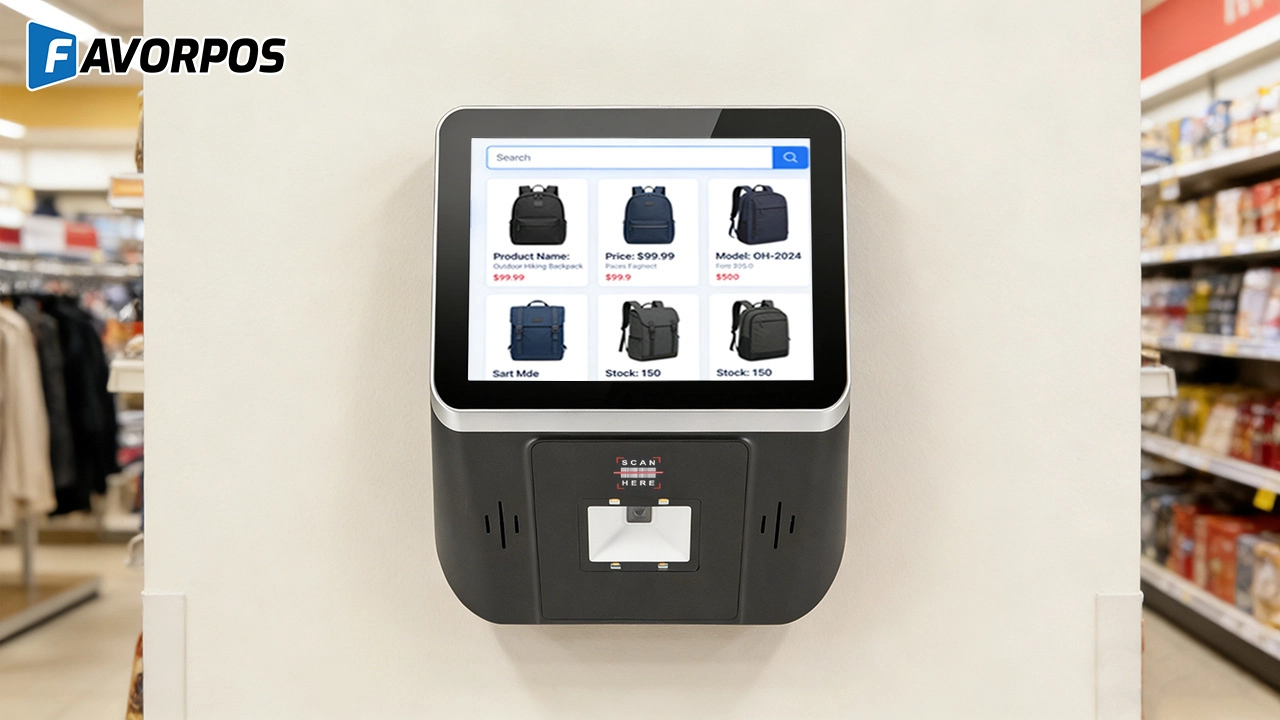
8-Inch Smart Price Checker: A Small Device Powering Smarter Retail Spaces
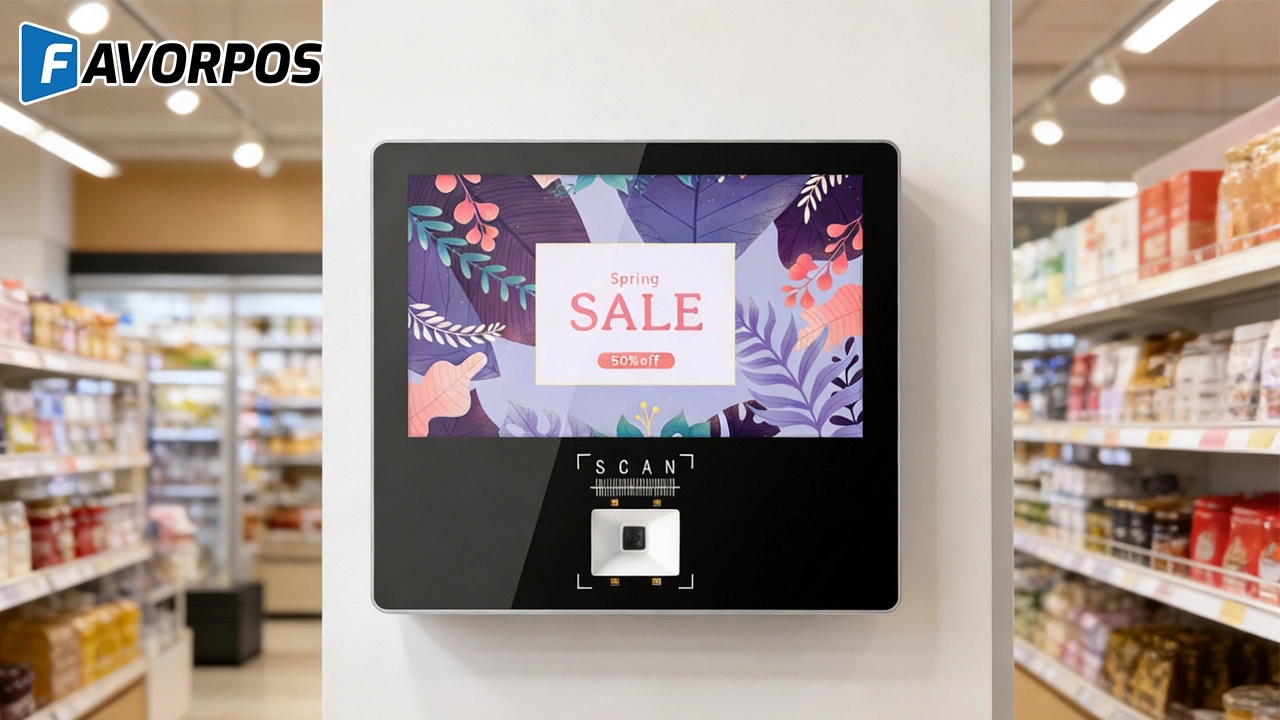
Built for Retail Precision: Manufacturing Excellence Behind the 11.6” Smart Price Checker
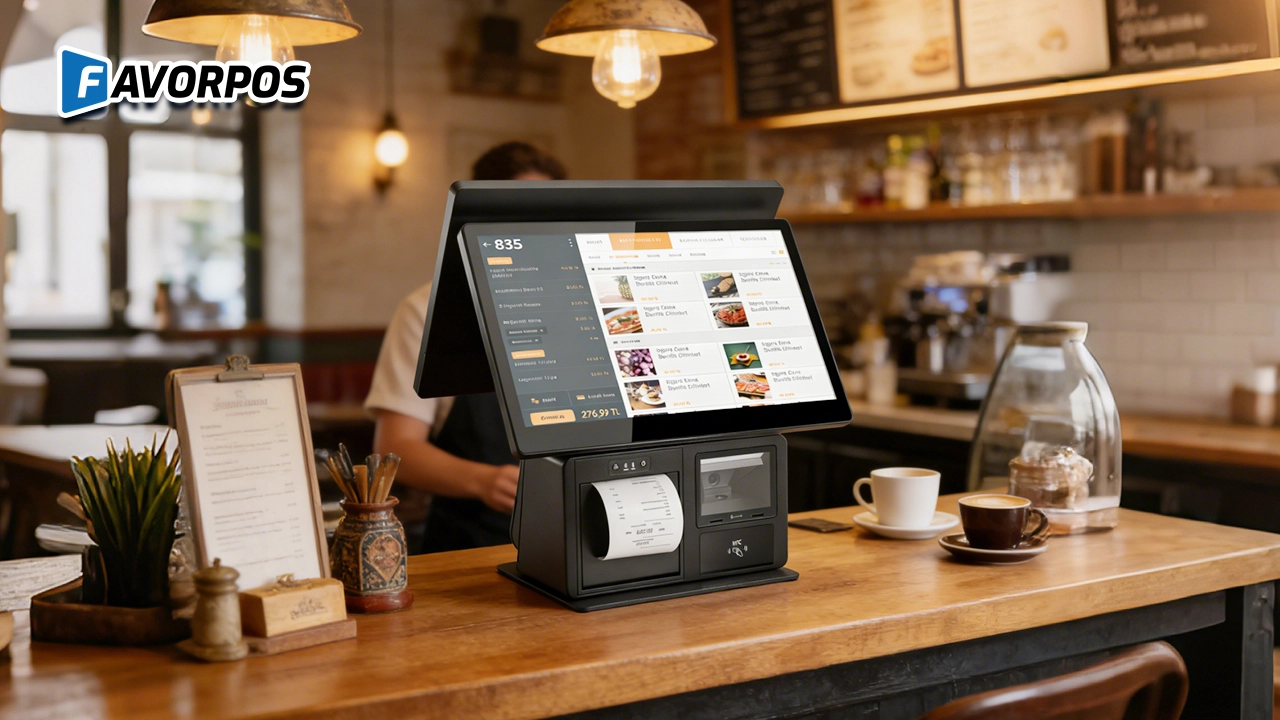
Building Stability in an Unstable Market: A 15.6-Inch All-in-One POS Designed for the Long Term
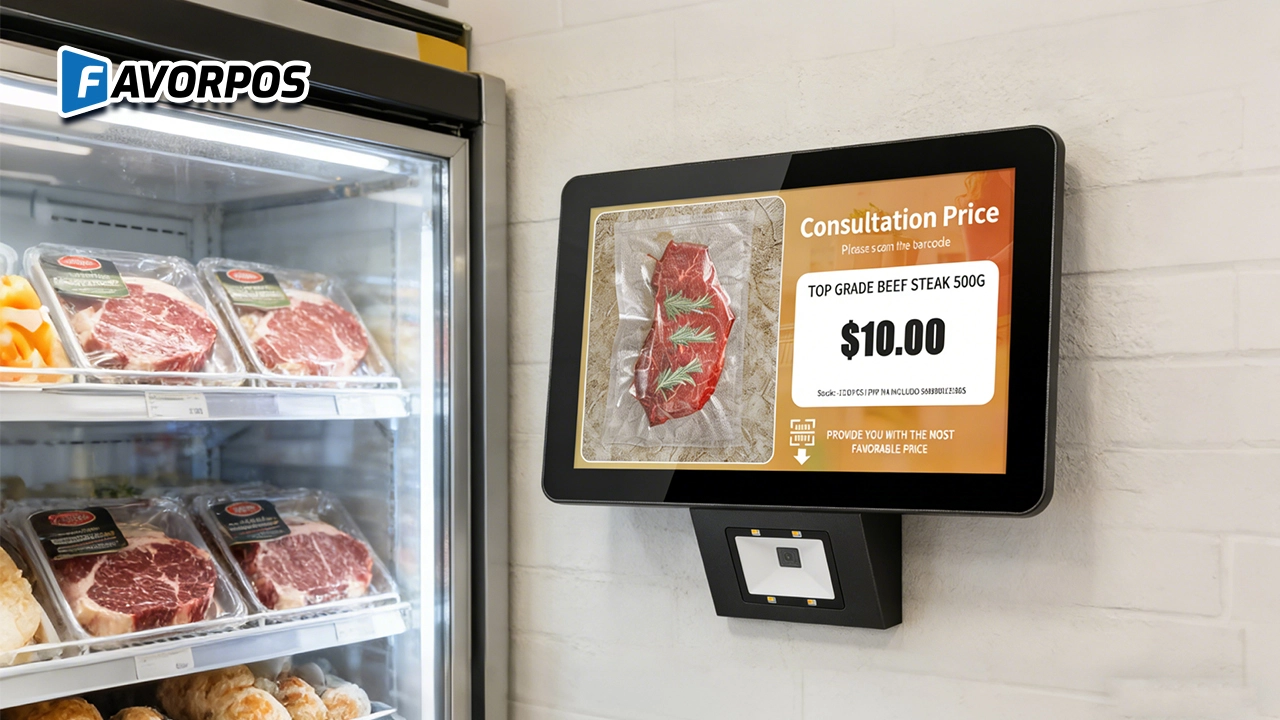
A Smarter Way to Check Prices: How Wall-Mounted Price Checkers Are Reshaping Retail Stores
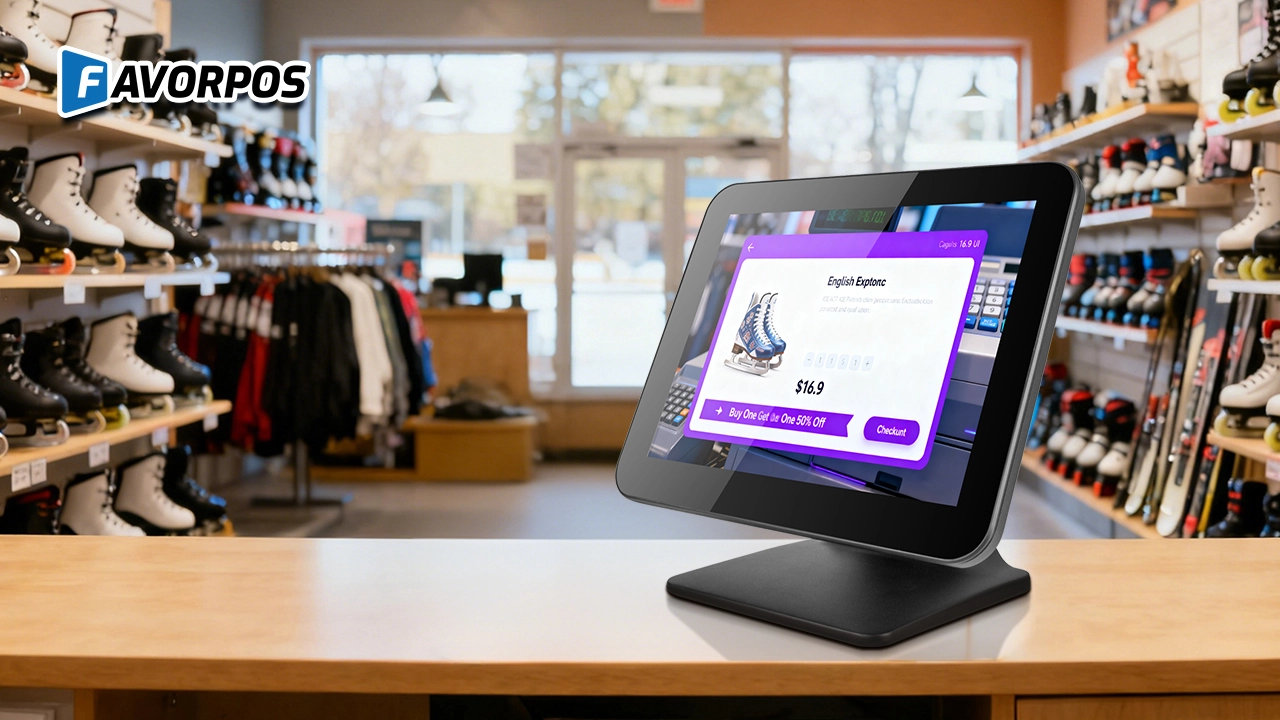
Why a Well-Designed 15-Inch POS Terminal Still Matters in Modern Retail
For company
Can I visit your factory?
Certainly, welcome to visit our factory at any time.
For Bakeries
Can you run a loyalty program through the system?
Yes, our POS system supports loyalty and rewards programs, and you can offer incentives such as discounts, free items, etc. to returning customers.
For Solutions Retail
Can your equipment support multiple languages and currencies?
Yes, our POS system supports multi-language operation interfaces and multi-currency transactions to meet the needs of the global market. You can set different language and currency options according to the specific requirements of the country or region where your business is located.
For OEM
What kind of OEM service do you provide?
OEM (Original Equipment Manufacturer) service means that we provide services such as printing logos and custom packaging to customers according to their needs.
For Healthcare
What payment methods does the POS system support?
Our POS system supports a variety of payment methods, including credit/debit cards, mobile payments, contactless payments, and integration with insurance bills.
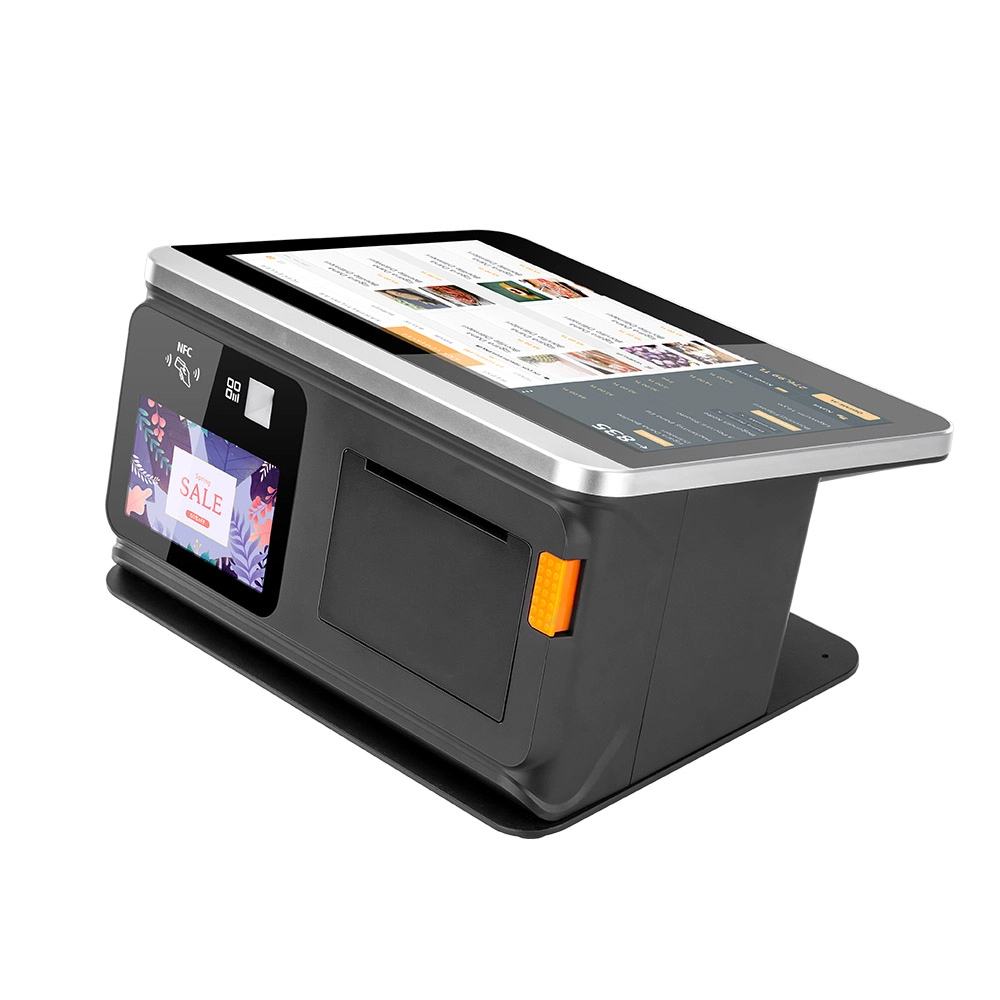
All in One POS Terminal Metal 11.6'' Touchscreen Android Windows with Printer
The All-in-One POS Terminal features an 11.6'' touchscreen display, compatible with both Android and Windows. This metal-constructed terminal combines durability with style, making it a perfect fit for any retail or hospitality environment. Equipped with a built-in printer, it streamlines transactions by allowing for instant receipt printing.
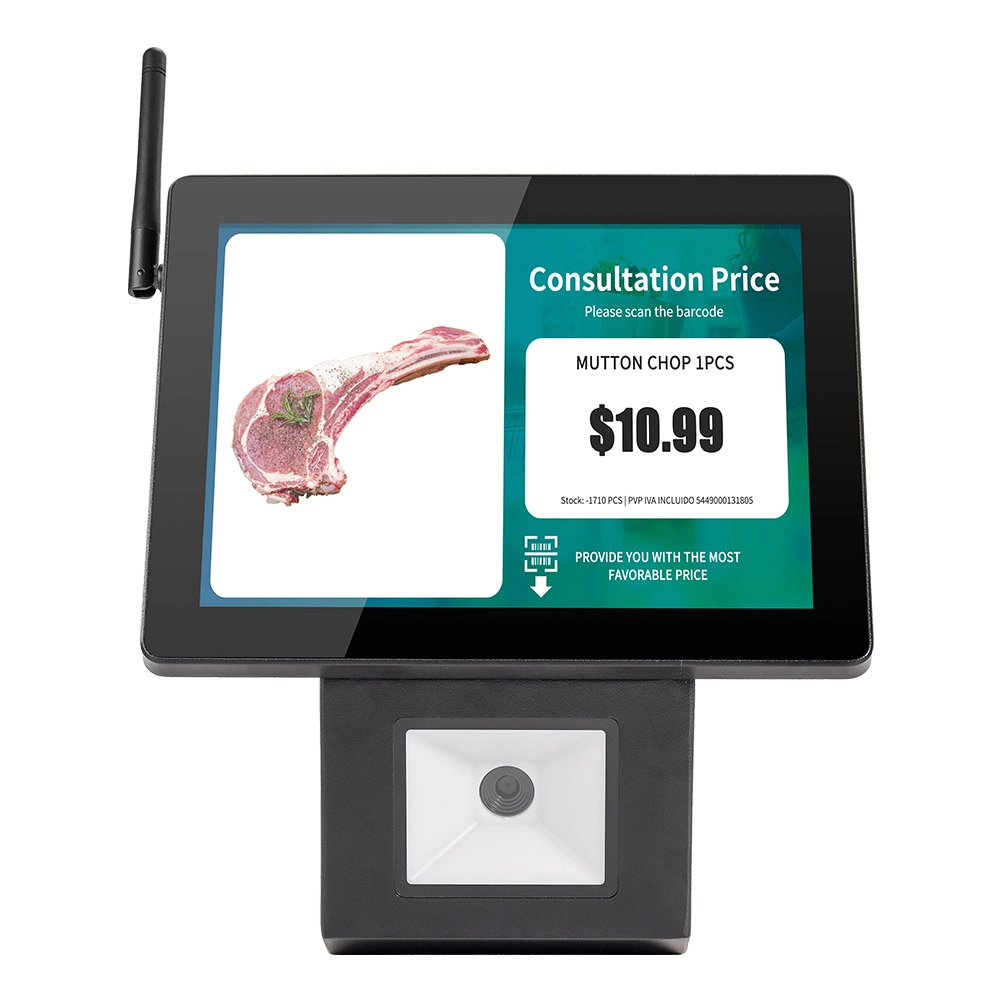
8 inch Touchscreen Price Checker Barcode Scanner Wifi Optional Android Win 10
FAVORPOS Touchscreen Price Checker offers a user-friendly interface, perfect for retail environments. With optional Wi-Fi connectivity, this device runs on Android or Windows, providing flexibility and ease of use. The integrated barcode scanner allows for quick price verification, enhancing the shopping experience for customers. Compact and efficient, it's designed to streamline operations and improve checkout speed.

Factory Fast Scan Barcode QR Code Scanner for Supermarket Price Check Device Manufacturer
FAVORPOS is a manufacturer specializing in Barcode/QR Code device. This new designed price check machine have thinner screen, more fashion appearance. 10.1 inch touch screen can bring convenience to customers. This machine can greatly improve the operational efficiency of a business environment.

New Dual Touch Screen Pos Factory Aluminum Adjustable Screen Pos Machine Manufacturer
This new-generation POS terminal features a durable aluminum alloy body and a flexible dual-screen design. The customer-facing secondary display can be adjusted vertically and horizontally to achieve the ideal viewing angle, with multiple screen size options available to meet different retail needs. Powered by either Windows or Android operating systems, the system offers strong compatibility with various POS software solutions. With its modern design, stable performance, and adaptable configuration, this POS machine is well suited for supermarkets, specialty retail stores, and other high-traffic commercial environments.
Get in touch
Interested in becoming a POS system dealer? Contact us for more information and start the process of joining our dealer network.
We look forward to working with you to expand the market together.


Copyright © 2025 Favorpos All Rights Reserved.
