
How to choose a secure gas station POS for EMV and contactless?
- 1. How do I ensure pay‑at‑pump EMV and contactless terminals remain secure during firmware updates and remote key injection at unmanned forecourts?
- 2. What network architecture best isolates fuel dispensers, forecourt POS, and back-office systems to maintain PCI compliance for EMV/pay‑at‑pump?
- 3. Which unattended EMV/contactless terminals reliably support pay‑at‑pump dispenser integration and live inventory/tank monitoring with site controllers?
- 4. What are realistic ongoing costs and staffing impacts when choosing a PCI P2PE‑certified gas station POS vs. relying only on gateway tokenization?
- 5. How do I validate a vendor's claims of PCI P2PE/PTS/EMV certification and ensure their contactless NFC implementation is truly secure?
- 6. What practical change‑management checklist should on‑site managers follow before replacing POS hardware to avoid EMV contactless downtime and payment disputes?
How to Choose a Secure Gas Station POS for EMV and Contactless
Upgrading to modern pay-at-pump, EMV terminals and contactless NFC readers is more than buying a card reader. Forecourt POS, dispenser integration, and hardened network architecture determine whether you remain PCI compliant, avoid fraud, and keep pumps running. Below are six specific, pain-point-focused questions beginners ask but rarely find deep, up-to-date answers for.
1. How do I ensure pay‑at‑pump EMV and contactless terminals remain secure during firmware updates and remote key injection at unmanned forecourts?
Why this matters: Unattended terminals at forecourts are exposed to physical tampering and network threats; insecure firmware updates or key injection processes can introduce backdoors or compromise PIN encryption.
Practical checklist and best practices:- Use PTS/POI‑certified hardware: Choose terminals listed on the PCI PIN Transaction Security (PTS) device lists and EMVCo certified terminal lists. PTS devices include tamper-evident/response features required for unattended use.- Vendor-managed Remote Key Injection (RKI): Require vendors to use certified RKI services or Hardware Security Modules (HSMs) for symmetric key delivery. RKI must be auditable, use secure channels, and retain chain-of-custody logs.- Signed firmware & secure OTA: Accept only digitally signed firmware images. Confirm the vendor uses code signing (public-key cryptography) and maintains version control to prevent downgraded or malicious builds.- Routine integrity checks: Terminals should perform self-integrity and boot verification on each power cycle; logs must be retained and forwarded to a central SIEM for correlation.- Physical security controls: Install tamper sensors and CCTV facing pay-at-pump terminals; set up alerting for tamper events, and require procedures for immediate shutdown and forensic preservation.- Test updates in staging: Always stage firmware updates in a controlled environment that mirrors your forecourt (same site controller and dispenser models) before cascade deployment.Why it works: PTS-certified hardware, signed firmware, and certified RKI reduce the attack surface and ensure cryptographic keys and code are delivered and installed securely without exposing cardholder data to intermediate systems.
2. What network architecture best isolates fuel dispensers, forecourt POS, and back-office systems to maintain PCI compliance for EMV/pay‑at‑pump?
Why this matters: Improperly connected forecourt devices can expand PCI DSS scope across the whole site, forcing expensive remediation and audits.
Recommended architecture pattern:- Strong segmentation: Place pay-at-pump terminals and dispenser controllers in their own VLAN or physically separate network zone. Treat the forecourt as an “untrusted” zone; implement strict ACLs on firewalls between zones.- Use a DMZ for payment servers: Any on-site payment server (authorization proxy or gateway appliance) should reside in a DMZ with inbound/outbound rules strictly limited to payment gateway endpoints and payment processor IPs/ports.- Minimize flat networks: Don't bridge the forecourt VLAN with the back-office LAN that runs inventory management, POS back office, or office PCs. That prevents lateral movement from a breached back-office device to payment terminals.- TLS 1.2+/mutual TLS: Ensure all payment traffic uses strong encryption (TLS 1.2 or 1.3). For terminal-to-gateway or site-controller links, prefer mutual TLS or certificate-based authentication.- Dedicated WAN links or cellular fallbacks: Consider separate cellular APNs for pay-at-pump terminals to avoid routing payment traffic over the same public IP path as POS/B2B traffic.- Central logging and monitoring: Forward logs to a central SIEM or managed SOC for anomaly detection, specifically monitoring forecourt device behavior and repeated authorization failures.Why it works: Proper segmentation and hardened transport limit PCI scope and reduce the blast radius of an intrusion, which is a core tenet of PCI DSS and a practical defense for unattended forecourts.
3. Which unattended EMV/contactless terminals reliably support pay‑at‑pump dispenser integration and live inventory/tank monitoring with site controllers?
Why this matters: Fuel retailers must reconcile transactions with dispenser meters and tank monitoring systems; mismatch causes inventory shrinkage, disputes, and compliance headaches.
Selection criteria and integration points:- Compatibility with dispenser controllers: Verify the terminal and POS middleware support the major dispenser controllers and protocols used on your sites (confirm vendor supports your site controller brand). Ask for reference integrations with your dispenser manufacturers.- Support for transaction reconciliation: Terminals should provide transaction identifiers that map directly to dispenser meter readings and include receipt-level meter increments. Ensure your POS or back-office can ingest those fields for reconciliation.- Real‑time telemetry integration: Confirm the POS or middleware can accept tank-level and dispenser telemetry (via your site controller or a third-party tank monitoring API) so sales decrement inventory immediately and alerts trigger when readings diverge.- Unattended workflow features: Look for features specific to fuel retail—preauthorization, pump hold/release, real-time price updates from back office, and offline queueing mechanisms that securely capture and resend transactions when connectivity is restored.- Certification for unattended use: Ensure the terminal vendor certifies the device for outdoor/unattended environments (temperature ranges, ingress protection) and for contactless EMV readers in forecourt conditions.Why it works: Direct, certified integrations reduce reconciliation errors and provide a single source of truth for fuel dispensed versus payment captured, preventing revenue leakage.
4. What are realistic ongoing costs and staffing impacts when choosing a PCI P2PE‑certified gas station POS vs. relying only on gateway tokenization?
Why this matters: Retailers must weigh capital and operational costs against risk reduction and PCI scope reduction benefits.
Cost and operational considerations:- Upfront hardware cost: P2PE-enabled, PTS-certified unattended terminals typically cost more than basic contactless readers, because they include tamper protection and certified PIN entry capabilities.- Implementation and integration: P2PE implementations often require certified vendor configuration and may include HSM integration and RKI setup, which can add professional services fees.- Ongoing fees: Managed RKI, certificate renewals, firmware support contracts, and P2PE solution management may incur recurring fees. Tokenization-only approaches will have monthly gateway fees and possibly higher per-transaction fees.- PCI scope and audit burden: A validated P2PE solution can dramatically reduce the merchant’s PCI DSS scope for card data handling; this can reduce the time and cost of annual assessments and internal controls. Tokenization reduces risk but may not reduce scope as much depending on deployment architecture.- Staffing and operations: P2PE reduces internal controls needed for card data handling, lowering staff training and secure key handling responsibilities. Gateway tokenization keeps PANs out of systems when properly implemented, but you still must ensure endpoints never capture clear PANs and maintain secure integrations.- Recovery and support: Consider SLA expectations—pay-at-pump outages are revenue-critical. Factor in remote troubleshooting, field technician dispatch, and spare inventory costs.Why it works: P2PE often requires higher initial investment but can lower ongoing compliance and audit costs and reduce internal operational complexity; tokenization may be lower upfront but requires rigorous endpoint controls and may leave more residual PCI scope.
5. How do I validate a vendor's claims of PCI P2PE/PTS/EMV certification and ensure their contactless NFC implementation is truly secure?
Why this matters: Vendors sometimes oversell security. Without verification, your site may unknowingly rely on uncertified stacks, increasing risk and possible payment card brand fines.
Step‑by‑step validation:- Request evidence: Ask for current certificates and Attestations of Compliance (AOC). For P2PE, the vendor should supply a P2PE solution ID and link to the PCI SSC P2PE Solutions list. For PTS/POI devices, ask for the PCI device ID that appears on the PCI SSC device lists.- Check EMVCo lists: EMVCo maintains terminal and kernel certification lists. Verify the terminal model and kernel version are on the EMVCo list and match the firmware version the vendor intends to deploy.- Confirm the payment brand acceptance: Visa, Mastercard, American Express, and Discover publish guidance on acceptable P2PE and terminal types; confirm the vendor's devices meet the acquiring bank's brand-specific requirements.- Review RKI and HSM partners: Ask the vendor for documentation of their RKI partner and HSM provider, and verify those partners are established and listed on PCI or industry registries where appropriate.- Ask for vulnerability management: Get the vendor’s responsible disclosure policy, firmware update cadence, and third-party penetration test/audit summaries (redacted if needed). Confirm they sign firmware and maintain version control.- Proof‑of‑concept and onsite test: Pilot in a single site under production-like conditions, review reconciliation and transaction logs, and test a simulated tamper/restore workflow to confirm tamper events are detected and handled.Why it works: Independent public registries (PCI SSC, EMVCo) and vendor documentation provide authoritative proof of certification; combined with real-world testing, you reduce the risk of deploying uncertified or insecure equipment.
6. What practical change‑management checklist should on‑site managers follow before replacing POS hardware to avoid EMV contactless downtime and payment disputes?
Why this matters: Device swaps at busy sites can create days of downtime and transaction disputes if not executed with a correct migration plan.
Pre-deployment checklist:- Inventory & mapping: Catalog every terminal, site controller, dispenser model, and network path. Map current firmware versions, terminal IDs, and processor connections.- Backup & reconciliation: Take a final reconciliation report and back up back-office databases. Schedule the migration for low-traffic hours and notify your acquirer and processor.- Staging and test plan: Configure new terminals in a staging environment that mirrors production. Use test cards and a dedicated test account to validate authorization flows, EMV/contactless read behavior, and receipt data (meter reads for pay-at-pump).- Security preparations: Ensure RKI/HSM arrangements are in place and that keys are provisioned using certified processes. Verify certificates for TLS and payment gateway endpoints are current.- Staff training and procedures: Train attendants and managers on fallback procedures for transient failures (e.g., manual pay-in-store workflows, temporary signage) and dispute handling.- Rollback strategy: Define a clear rollback plan and ensure spare certified hardware is available if a new terminal fails in the field.- Post-deployment validation: After rollout, reconcile every terminal’s transactions against dispenser meters for the first 24–72 hours to catch exceptions early. Confirm log forwarding and monitoring are working.Why it works: A disciplined change control process prevents prolonged outages, preserves evidence for disputes, and ensures regulatory and brand compliance during hardware replacement.
Concluding summary — Advantages of choosing a secure, integrated gas station POS system
Choosing a modern, PTS/P2PE-aware gas station POS system with certified EMV/contactless terminals, disciplined RKI practices, and proper forecourt integration reduces fraud risk, shrinks PCI scope, improves reconciliation accuracy, and minimizes downtime. Proper network segmentation and vendor validation also lower audit costs and improve customer trust at the pump. Integrating pay-at-pump with real-time tank and inventory monitoring further prevents revenue leakage and simplifies operations.
For a tailored site assessment and a quote on secure gas station POS systems and pay‑at‑pump EMV/contactless deployments, contact us at www.favorpos.com or sales2@wllpos.com.
References and verification resources to consult: PCI Security Standards Council (PCI SSC) lists (P2PE and PTS devices), EMVCo terminal and kernel certification lists, and payment brand technical requirements (Visa, Mastercard) — verify vendor claims against these registries.
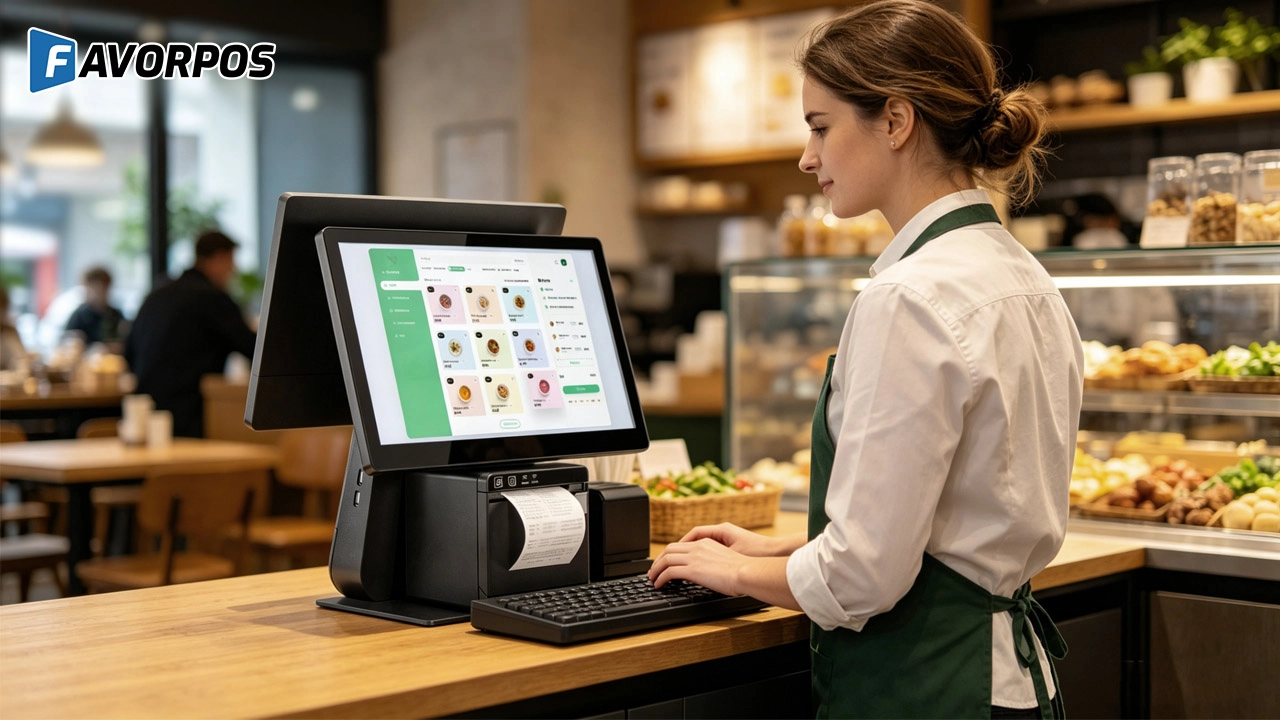
Smart Checkout, Simplified: Exploring the Power of a 15.6-Inch All-in-One POS Terminal
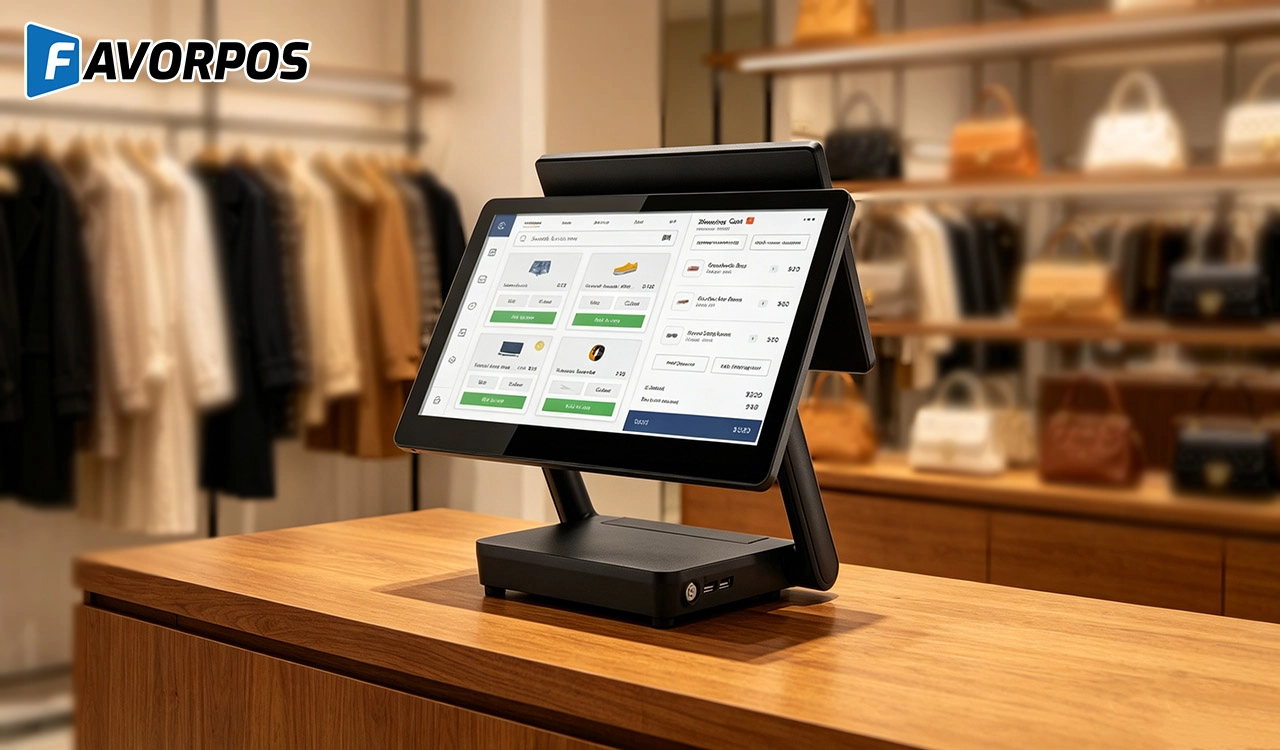
Why a 15.6” Touch POS Terminal Is Becoming the New Standard in High-Traffic Retail
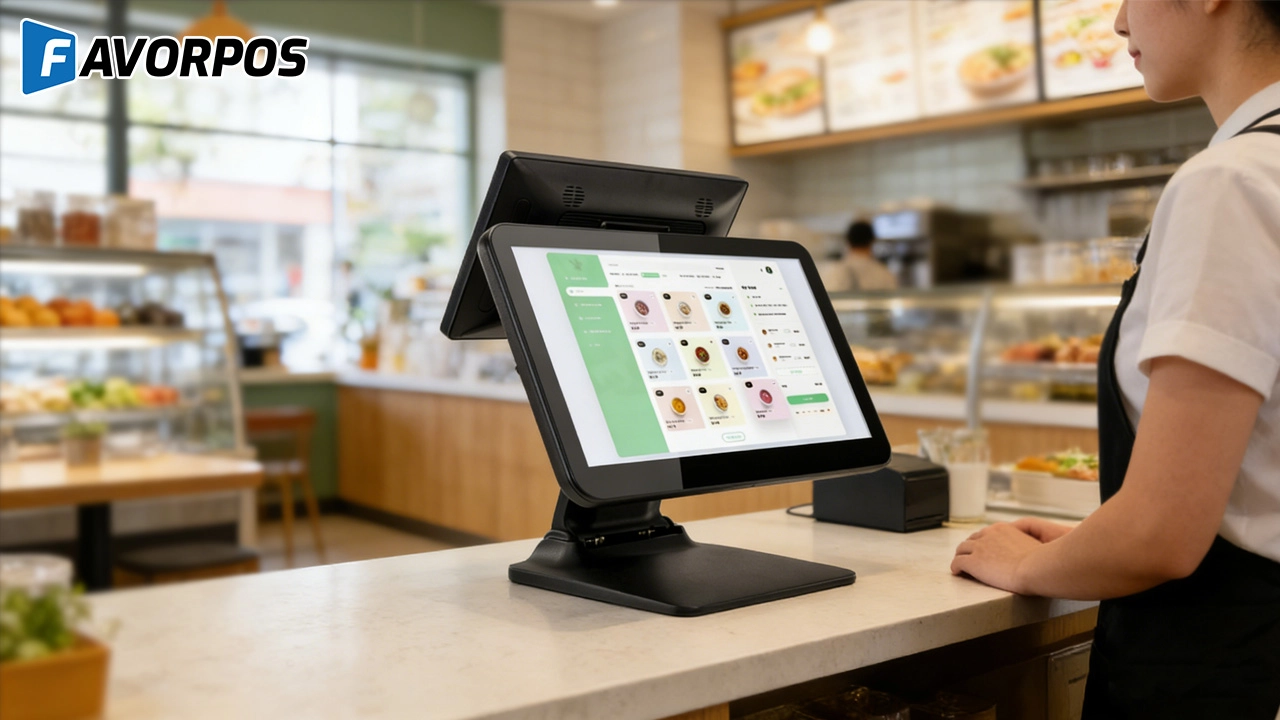
Beyond Checkout: How a 15.6-Inch Aluminum POS System Redefines Retail Efficiency

Understanding 15-Inch Aluminum POS Terminals in Modern Commercial Use
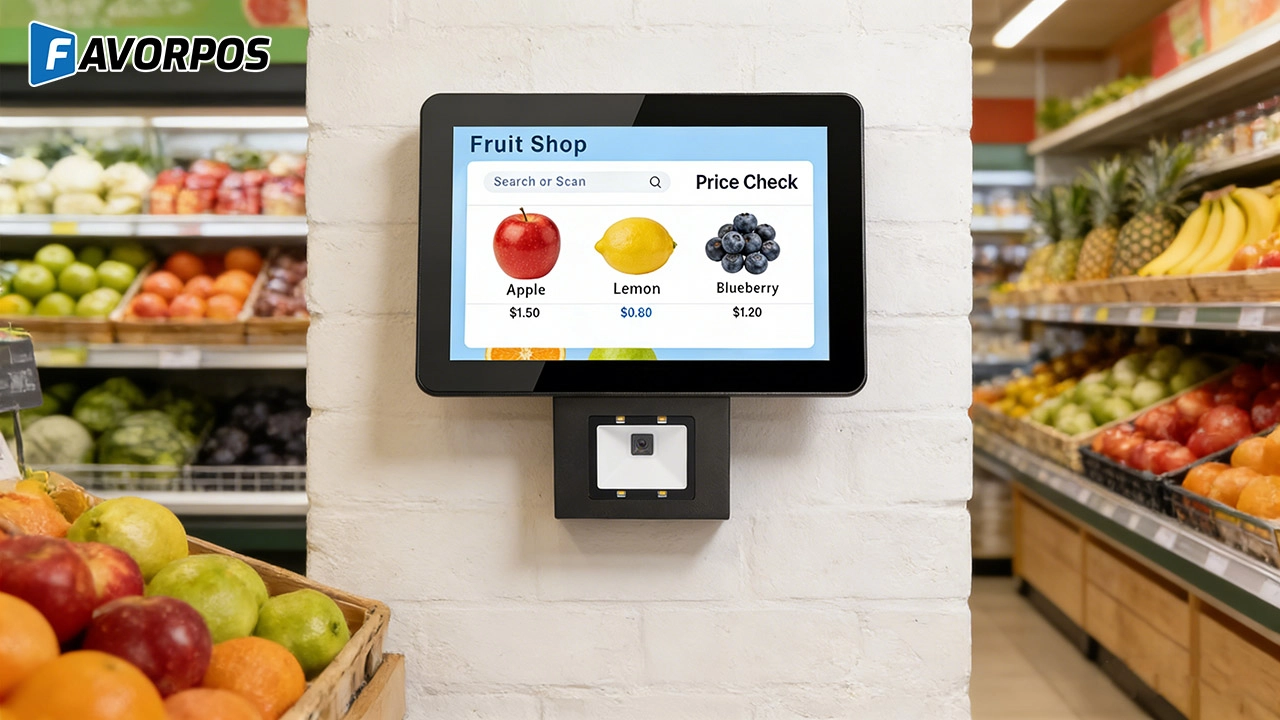
The Smart Way to Check Prices: How a 10.1-Inch Wall-Mounted Price Checker Transforms Retail Stores
For Bakeries
Can custom cake orders be easily managed?
Yes, our system is designed to handle special orders, allowing customers to easily customize cakes and pastries, and employees can track these orders from start to finish.
For Beauty and Wellness
What payment methods does the system support?
Our system supports a variety of payment methods, including credit cards, digital wallets and contactless payments, providing customers with a convenient payment experience.
For Grocery and Supermarkets
What types of reports can I generate?
You can generate detailed reports on sales, inventory, employee performance, and customer behavior, providing valuable insights to optimize store operations.
For Healthcare
How long does it take to implement the POS system?
Implementation time varies depending on customization requirements and usually ranges from a few weeks to a few months, including installation and employee training.
For company
How does your company handle branding of custom POS machines?
We offer full branding services, including custom logos, colors, and packaging to reflect your company's image.

Factory Smart 4 inch Mobile PDA Data Collector with Keyboard
Our Factory Smart 4-Inch Mobile PDA Data Collector is equipped with a convenient keyboard for easy data entry. This compact device is designed for efficient inventory management and logistics operations, offering robust performance in a lightweight design. With a bright display and user-friendly interface, it allows for quick access to essential data on the go. Its durable construction ensures reliability in demanding environments, making it an ideal choice for retail, warehousing, and field operations.

11.6 inch Capacitive Touchscreen for POS Machine POS Monitor
FAVORPOS 11.6-inch capacitive touchscreen, specifically designed for POS machines to deliver a seamless and responsive user experience. This high-definition display offers vibrant visuals and crystal clear clarity, making it easy for staff to navigate through transactions efficiently. The capacitive technology ensures quick and accurate touch recognition, reducing wait times and enhancing customer satisfaction. Built to withstand the rigors of daily use, this touchscreen is perfect for retail and hospitality environments.
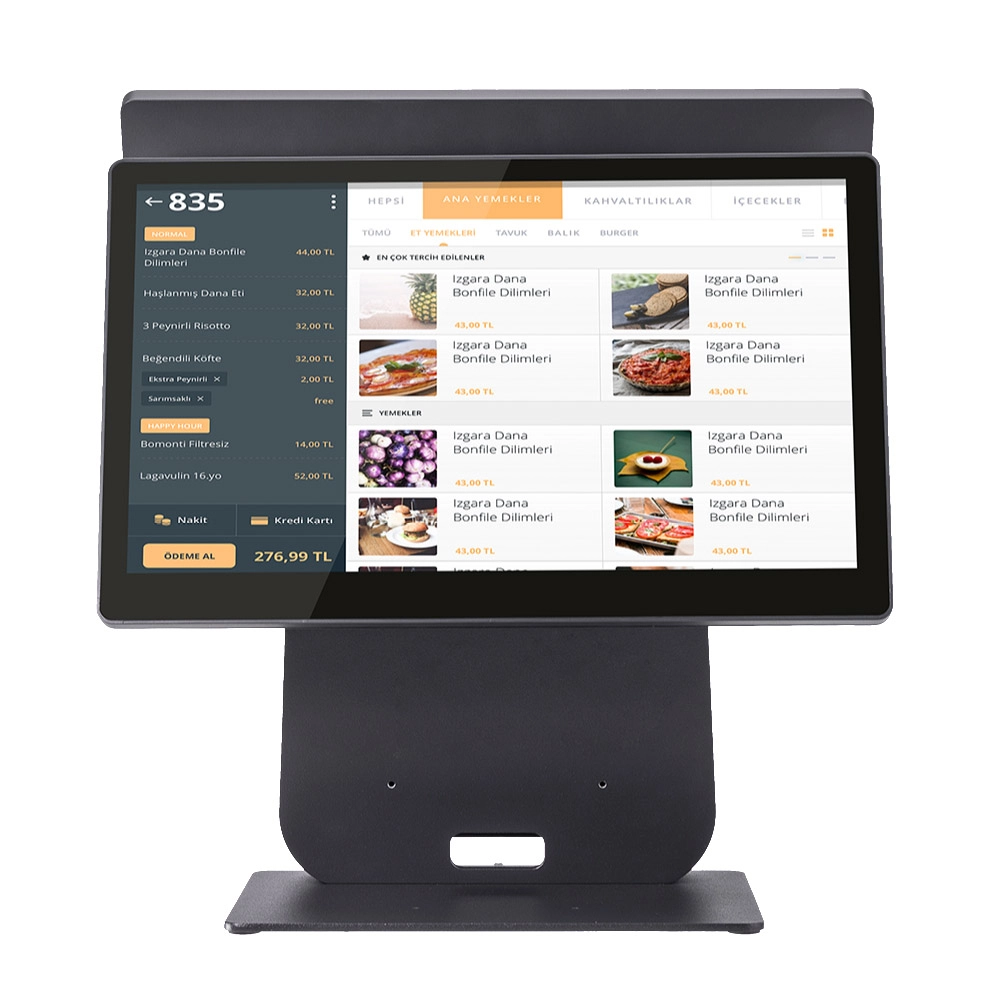
HD Dual Screen POS Machine Aluminum Hardware Android Windows Supplier
This dual-screen POS machine supports both Android and Windows systems, providing flexibility for various applications. The dual screens enhance customer interaction and streamline the checkout process, making transactions quicker and more engaging. Perfect for modern businesses looking to elevate their service and improve customer satisfaction, this POS machine is your ultimate partner in success!

Wall Mount Cash Register POS 21.5 inch for Supermarket Touchscreen Windows Factory
Our sleek and modern wall-mounted POS system features a stunning 21.5-inch LED display, providing exceptional visibility and clarity for seamless customer interactions. The capacitive touchscreen ensures a highly responsive and intuitive user experience, perfect for fast-paced retail environments. With its space-saving wall-mounted design, this POS solution is ideal for optimizing floor space while maintaining a professional and contemporary appearance.
Get in touch
Interested in becoming a POS system dealer? Contact us for more information and start the process of joining our dealer network.
We look forward to working with you to expand the market together.


Copyright © 2025 Favorpos All Rights Reserved.
