
What features should I prioritize in a gas station POS system?
- 1. How can I confirm a POS will reliably integrate with my existing fuel dispensers and forecourt controller (Gilbarco, Wayne, OPW) before signing a contract?
- 2. What security controls must a gas station POS have for pay‑at‑pump and fleet card processing to avoid expanded PCI scope and fraud?
- 3. How do I ensure accurate fuel reconciliation and automated tax/pricebook updates across multiple stations?
- 4. What offline, redundancy, and failover capabilities should I require so pumps and pay‑at‑pump keep running during network outages?
- 5. Which c‑store inventory and deli features reduce shrink and manage perishable stock effectively in a gas station POS?
- 6. How do SaaS vs. perpetual license models, integration fees, and hidden costs (EMV certification, gateway fees, hardware) affect total cost of ownership for a gas station POS?
- Conclusion: Advantages of choosing a modern, fully integrated gas station POS
Gas Station POS Systems: 6 Deep Questions Beginners Need Answered
Choosing the right gas station POS system requires more than a demo — you must validate forecourt integration, EMV and fleet security, offline resilience, inventory controls for perishable items, and the true cost of ownership. Below are six long‑tail, pain‑oriented questions beginners often ask but rarely find detailed answers to. Each answer explains the technical checks, test steps, and contractual protections you should insist on before purchasing.
1. How can I confirm a POS will reliably integrate with my existing fuel dispensers and forecourt controller (Gilbarco, Wayne, OPW) before signing a contract?
What to require from the vendor:
- Hardware and protocol compatibility list: Ask for explicit confirmation the POS supports your dispenser models and forecourt controller (e.g., Gilbarco Passport, Wayne Ovation, Bennett, OPW). The vendor should list supported pump controllers and specific firmware/protocols (e.g., Gilbarco TCP/IP, 300/232 serial, Ovation protocols).
- Site survey and on‑site integration test plan: A professional vendor provides a written site survey and a step‑by‑step integration checklist. This includes physical interfaces (RS232/RS485/ethernet), required converters, cable lengths, surge protection, and assigned IP addressing for pumps and forecourt controllers.
- Pay‑at‑pump and pay‑inside transaction mapping: Confirm how the system maps pump transactions to POS receipts and back‑office reports. Ask for sample logs showing pump auth, start/stop totals, grade code mapping, and fuel totals reconciliation to verify data fidelity.
- Field test window and acceptance criteria: Negotiate a live pilot period and acceptance criteria (e.g., 14‑30 days) where the system must show 99% correct pump reads and zero unlogged fuel transactions. Include remedy clauses if acceptance criteria aren’t met.
- Reference sites and interoperability reports: Request references for sites running the same combination of dispenser, forecourt controller, and POS. An interoperable deployment with the same hardware is the strongest proof.
Technical validation steps you or your integrator should perform:
- Confirm protocol/firmware versions on the forecourt controller and pumps and compare to the vendor’s supported list.
- Run a serial/tcp sniff during live transactions to verify messages (auth, start, dispense, stop) are passed correctly and mapped to POS transactions.
- Perform grade switching and suspend/resume transactions to verify correct accounting for multi‑grade dispensers.
- Test edge cases: failed authorizations, aborted fills, timeouts, and power cycling the pump while a transaction is in progress.
If a vendor resists detailed site testing, treats pay‑at‑pump as a bolt‑on, or cannot provide references for your dispenser/forecourt combination, treat that as a red flag.
2. What security controls must a gas station POS have for pay‑at‑pump and fleet card processing to avoid expanded PCI scope and fraud?
Key security features and contractual ask items:
- EMV and P2PE compliance: Ensure the solution uses EMV‑certified PIN Entry Devices (PEDs) and a Payment Card Industry (PCI) P2PE validated solution where possible. P2PE reduces cardholder data (CHD) scope on your network by encrypting data at the PED.
- PCI DSS scope reduction controls: Ask how tokenization/point‑to‑point encryption and network segmentation are implemented. Confirm use of TLS 1.2+ (preferably TLS 1.3) for backend connections and that remote management is via a secure VPN or out‑of‑band management network.
- Fleet card network support and credential handling: Fleet cards (WEX, Comdata, Fleetcor, etc.) often require specialized authorization flows and secure credential handling. Verify the POS provider has active connections and testing history with the fleet networks you accept.
- Secure pay‑at‑pump architecture: Pay‑at‑pump should not route PANs through your back‑office servers. Use certified pump controllers and payment gateways that accept encrypted card data and return only authorized tokens or receipts to your POS.
- Logging, SIEM integration, and fraud alerts: The POS should produce detailed transaction logs and support integration with your SIEM or a managed security provider for near real‑time fraud and anomaly detection.
- Physical security and hardware standards: PIN pads must be PCI PTS‑certified; outdoor kiosks should be tamper‑resistant and temperature rated for forecourt exposure.
Contract items to mitigate risk:
- Vendor responsibility matrix: Who pays for EMV certifications, POS firmware updates, and remediation if a breach is linked to vendor code?
- Regular patching SLAs: Timeframes for critical security patches and proof of regular vulnerability assessments or penetration testing.
- Proof of PCI compliance: Ask for the vendor’s Attestation of Compliance (AOC) and right to audit clauses.
3. How do I ensure accurate fuel reconciliation and automated tax/pricebook updates across multiple stations?
Core capabilities to require:
- Automated pump total imports: The POS/back‑office must import daily pump totals from the forecourt controller (by meter/pump/grade) and reconcile them against POS sales to detect variances immediately.
- Grade mapping and conversion: Ensure the system allows mapping pump grade codes to POS grade/SKU names and supports volume and monetary reconciliation (liters/gallons and currency values).
- Pricebook and tax engines: A central pricebook that can push price changes and local tax rules across sites is crucial. The engine should support tax jurisdiction mapping for fuel taxes, environmental fees, and municipal levies and allow scheduled price changes (time-of-day promos, temporary margins).
- Exception reporting and automated variance alerts: The system should flag skimming patterns, pump leaks (continuous dispensing), negative variances, and unexplained shrink with drillable transaction examples.
- Integration with suppliers and accounting: Automated delivery receipt matching (tank dip vs. delivery ticket), inventory-on-hand adjustments for over/short reconciliation, and GL export for accounting systems reduce manual work and errors.
Operational best practices:
- Run daily reconciliations and require reconciliation sign‑off by a manager before close.
- Use variance thresholds that trigger immediate investigations (e.g., >0.5% or fixed dollar thresholds) and maintain a documented cause log.
- Schedule price changes during low traffic windows and always push pricebook changes centrally to avoid mismatched pump vs. c‑store prices.
4. What offline, redundancy, and failover capabilities should I require so pumps and pay‑at‑pump keep running during network outages?
Resilience features to mandate in your RFP:
- Local store‑and‑forward: The POS and forecourt controller must cache authorizations and transaction details locally if the gateway is unreachable, then automatically forward when connectivity returns. Verify maximum cache capacity and rules for duplicate prevention.
- Dual path connectivity: Specify primary ethernet plus cellular failover (4G/5G) for both POS and forecourt devices. Ensure automatic switchover and performance monitoring.
- UPS and power protection: Install on‑site UPS systems sized to keep the forecourt controller, pumps, and POS terminals running through brief outages. Confirm recommended runtime and test frequency.
- High‑availability cloud services and local redundancy: For SaaS POS, request SLA with 99.9%+ uptime and documented disaster recovery RTO/RPO. For on‑premise systems, require redundant forecourt controllers or hot standby configurations where supported.
- Graceful offline transaction rules: Define what is allowed offline (limited dollar amounts, alternate acceptance of fleet cards by manual imprint or offline PIN authorization) and ensure staff procedures are documented to minimize exposure.
Test the resilience plan during acceptance: run simulated WAN outages and verify that pay‑at‑pump transactions succeed under cached authorization and that reconciliation is accurate when normal connectivity resumes. If the POS vendor cannot demonstrate this in a live test, negotiate remedies in the contract.
5. Which c‑store inventory and deli features reduce shrink and manage perishable stock effectively in a gas station POS?
Essential inventory controls and features:
- SKU‑level inventory with scale/label integration: For deli and quick‑serve items sold by weight, the POS must integrate with certified scales and label printers, automatically linking PLUs to weight‑based sales.
- Batch and expiry tracking: Perishable items should support lot/batch numbers and expiration dates so staff can run expiry reports and automated markdowns or write‑offs.
- Recipe and portion control: For made‑to‑order deli items, recipe support ties ingredient usage to sales, enabling accurate food cost accounting and limiting overuse that causes shrink.
- Frequent cycle counts and mobile scanning: The system should support quick cycle counts via handheld scanners and mobile apps to keep on‑hand accuracy high without full physical inventories.
- Automated reorder and vendor EDI: Minimum/maximum levels per SKU and vendor ordering automation cut out stockouts and reduce emergency purchases at High Quality prices.
- Loss prevention workflows: Require cashier-level controls (sale approvals, restricted voids/refunds), timestamped manager overrides, and integrated surveillance tagging (syncing POS events with camera clips) where available.
Operational metrics to monitor:
- Gross margin per SKU and category (fuel vs. c‑store vs. deli).
- Shrink by department and top shrink SKUs for targeted interventions.
- Turnover rates for perishable categories and waste reports tied to recipe usage.
6. How do SaaS vs. perpetual license models, integration fees, and hidden costs (EMV certification, gateway fees, hardware) affect total cost of ownership for a gas station POS?
Cost components to analyze and insist be itemized in the proposal:
- Upfront hardware costs: Outdoor grade terminals, EMV PIN pads (PCI PTS), rugged kiosks for pay‑at‑pump, forecourt converters, and UPS infrastructure. Outdoor kiosks and PEDs command a High Quality for weatherproofing and tamper resistance.
- Software licensing: SaaS subscription (per terminal/site/per seat) vs. perpetual license plus annual maintenance. SaaS typically includes hosting, security patches, and cloud backups; perpetual may have lower recurring costs but higher upgrade and support overhead.
- Integration and EMV certification fees: Pay‑at‑pump integrations, gateway setup, and EMV certification testing (for non‑standard integrations) can be significant one‑time costs. Ask vendors to estimate and, when possible, include these in the quote or cap them contractually.
- Gateway and transaction fees: Payment gateway fees, interchange, and per‑transaction service charges (including fleet authorization fees) should be disclosed. Ask for a sample monthly invoice showing gateway/processor passthroughs.
- Support SLAs and on‑site service: Clarify included support tiers (remote vs. on‑site), response times, and the cost of emergency callouts (weekend or after‑hours visits are often extra).
- Upgrade, customization, and API costs: If you need custom integrations (ERP, accounting, fuel supplier), ask for day rates or fixed quotes and whether APIs are included in standard subscriptions.
How to compare total cost of ownership (TCO): request a three‑year TCO worksheet from each vendor that includes all the items above, projected transaction volumes, and estimated downtime cost per hour. Compare net present value (NPV) or simple yearly cost rather than headline subscription rates alone to see which supplier actually delivers better long‑term value.
Final checklist before signing:
- Obtain a full runbook of software updates, change management, and EMV recertification responsibilities.
- Insist on pilot acceptance, clear SLA penalties, and defined escalation paths.
- Get a sample settlement and reconciliation report and a sample month‑end P&L showing fuel vs. c‑store margins.
Conclusion: Advantages of choosing a modern, fully integrated gas station POS
When you prioritize forecourt integration, certified EMV/P2PE security, robust offline and failover architecture, automated fuel reconciliation, and enterprise c‑store inventory controls, you reduce fraud exposure, improve uptime, lower shrink, and gain accurate, timely financial reporting. A modern gas station POS that supports pay‑at‑pump, fleet card processing, centralized pricebooks, and multi‑site management preserves margin and simplifies compliance — delivering measurable operational and financial benefits versus piecemeal solutions.
For a personalized site assessment and a written quote, contact us at www.favorpos.com or email sales2@wllpos.com — we can provide references, sample integration test plans, and a three‑year TCO worksheet tailored to your sites.
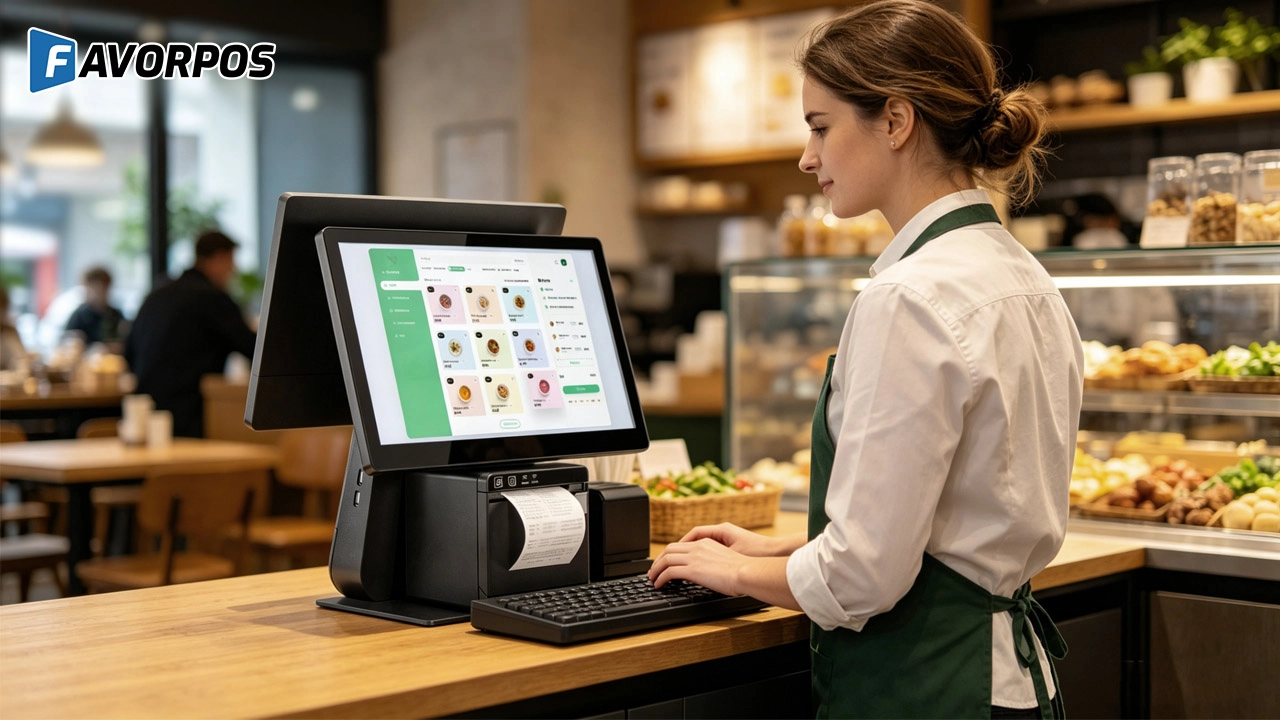
Smart Checkout, Simplified: Exploring the Power of a 15.6-Inch All-in-One POS Terminal
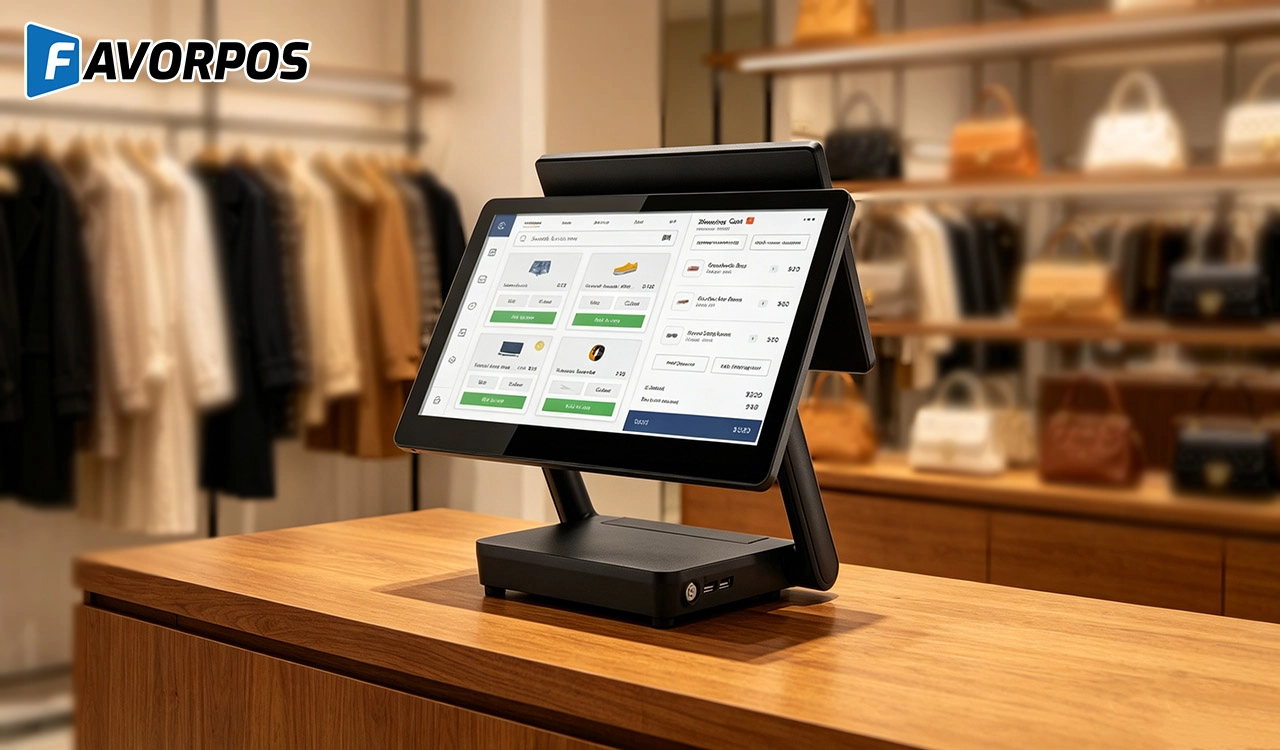
Why a 15.6” Touch POS Terminal Is Becoming the New Standard in High-Traffic Retail
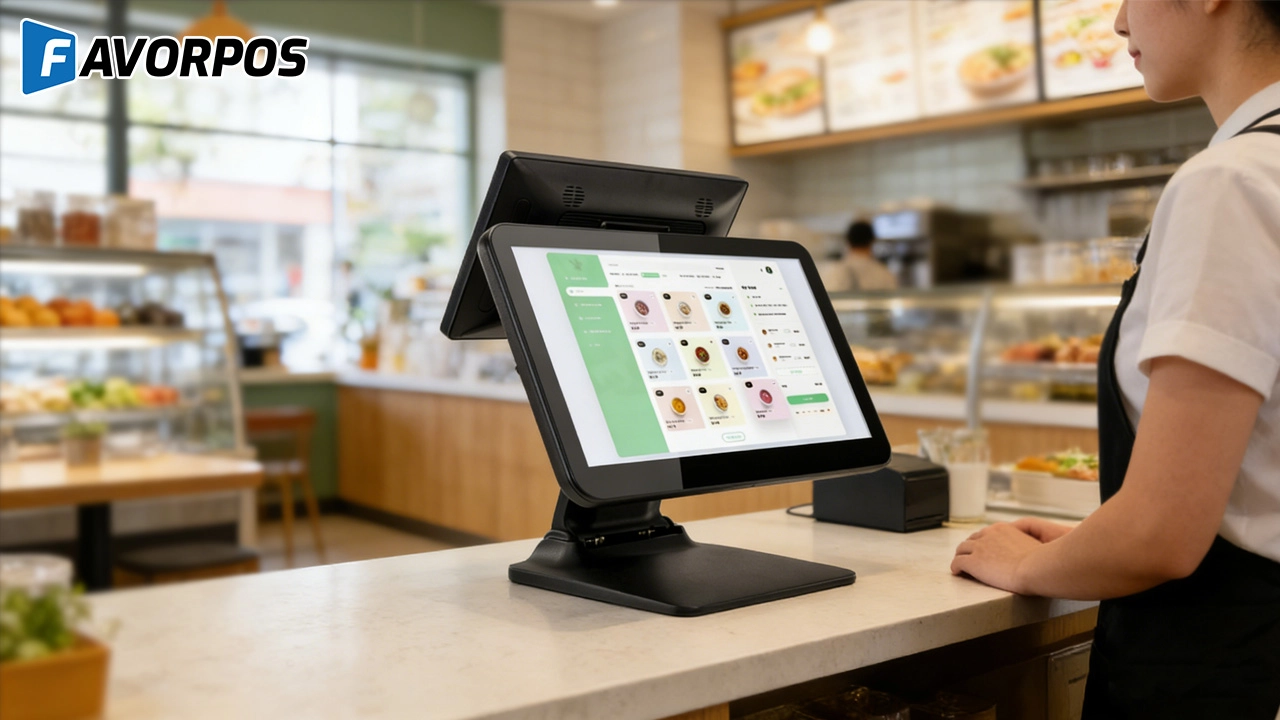
Beyond Checkout: How a 15.6-Inch Aluminum POS System Redefines Retail Efficiency
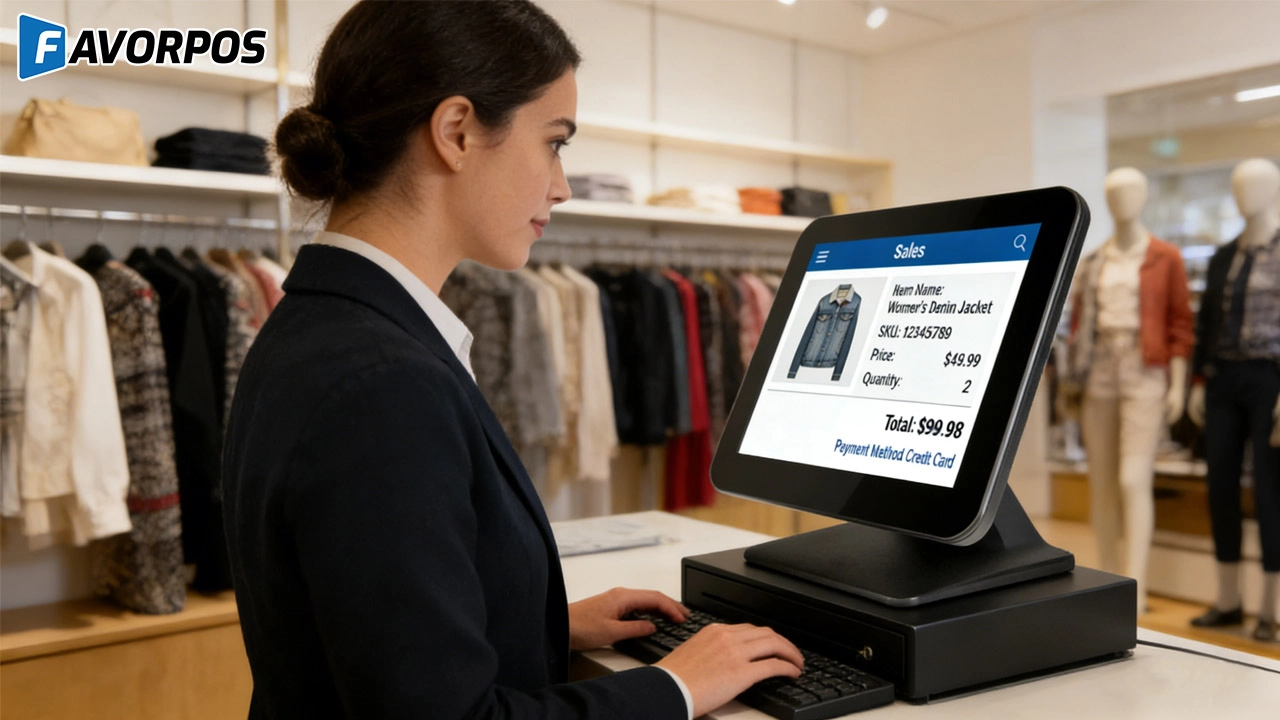
Understanding 15-Inch Aluminum POS Terminals in Modern Commercial Use
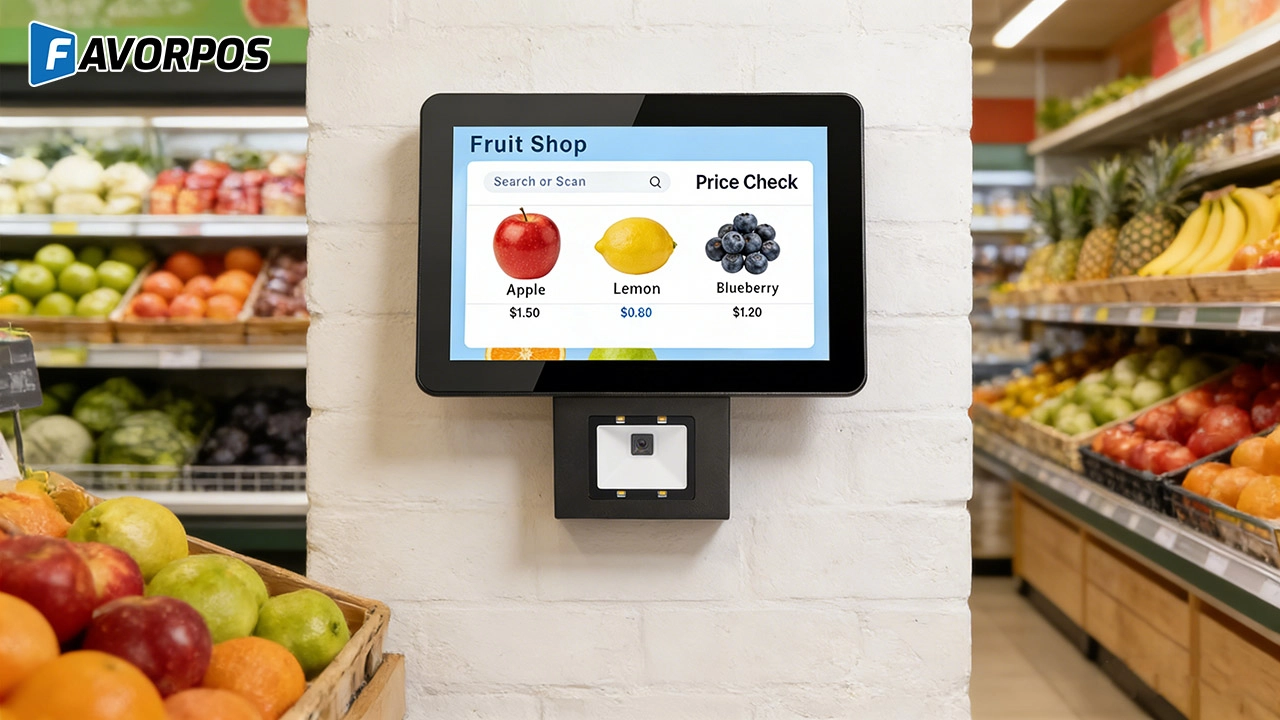
The Smart Way to Check Prices: How a 10.1-Inch Wall-Mounted Price Checker Transforms Retail Stores
For Beauty and Wellness
Can the system manage the inventory of retail products?
Yes, our system can track and manage the inventory of retail products and provide real-time inventory reminders and automatic reordering functions to ensure that there is no out-of-stock.
For Distributor
What are the benefits of joining your reseller network?
Benefits include access to innovative POS products, attractive margins, comprehensive training and support, and the opportunity to work with a globally recognized brand.
For Entertainment & Events
Can your POS system handle ticket sales and on-site catering at the same time?
Yes, our system can seamlessly manage ticket sales, catering services and merchandise, ensuring efficient and smooth online and on-site sales operations.
For OEM
How long is the delivery time for customizing POS machines?
The delivery time depends on the complexity of the order and the production scale. Generally speaking, the whole process from confirming the design to delivery may take 6 to 12 weeks. We will provide a detailed delivery schedule at the beginning of the project and try our best to meet your time requirements.
For E-commerce
Can your POS system integrate with my existing e-commerce platform?
Yes, our POS system is compatible with major e-commerce platforms (such as Shopify, WooCommerce, Magento) and supports custom platforms through API integration.

Factory Smart 4 inch Mobile PDA Data Collector with Keyboard
Our Factory Smart 4-Inch Mobile PDA Data Collector is equipped with a convenient keyboard for easy data entry. This compact device is designed for efficient inventory management and logistics operations, offering robust performance in a lightweight design. With a bright display and user-friendly interface, it allows for quick access to essential data on the go. Its durable construction ensures reliability in demanding environments, making it an ideal choice for retail, warehousing, and field operations.

11.6 inch Capacitive Touchscreen for POS Machine POS Monitor
FAVORPOS 11.6-inch capacitive touchscreen, specifically designed for POS machines to deliver a seamless and responsive user experience. This high-definition display offers vibrant visuals and crystal clear clarity, making it easy for staff to navigate through transactions efficiently. The capacitive technology ensures quick and accurate touch recognition, reducing wait times and enhancing customer satisfaction. Built to withstand the rigors of daily use, this touchscreen is perfect for retail and hospitality environments.
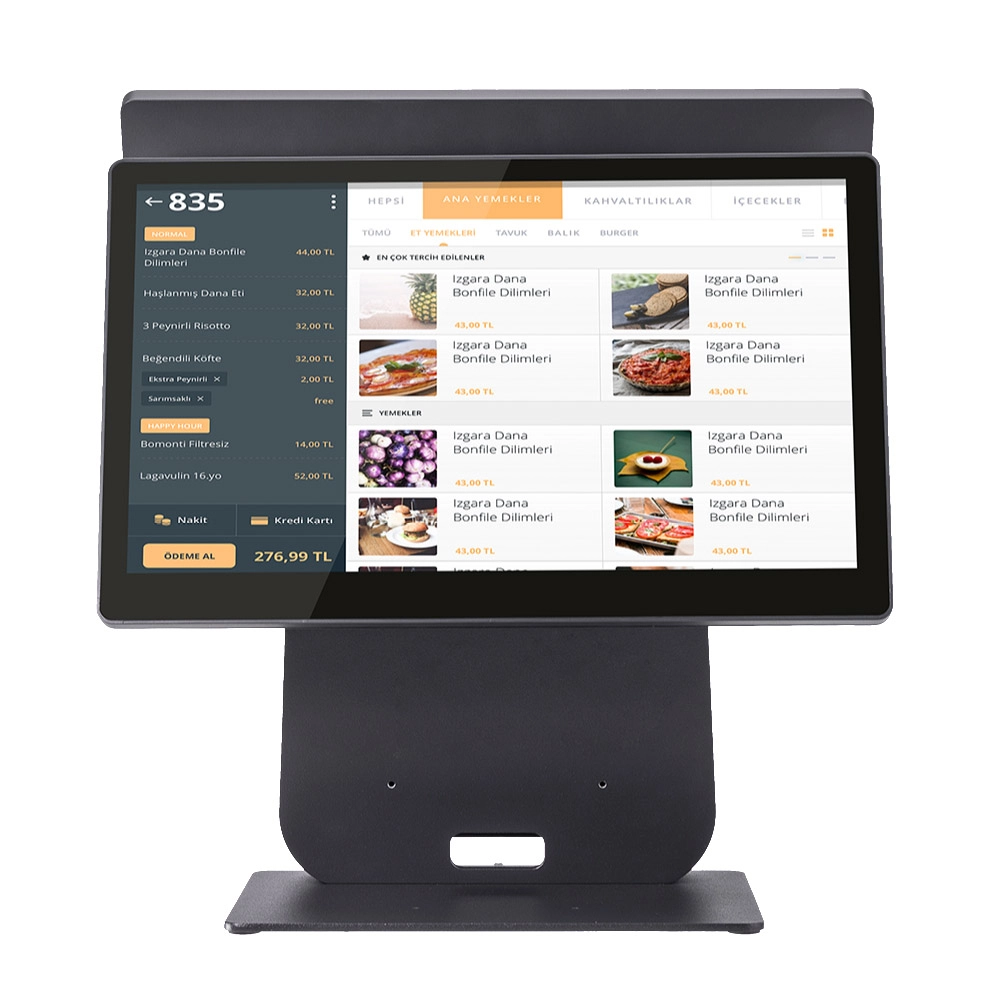
HD Dual Screen POS Machine Aluminum Hardware Android Windows Supplier
This dual-screen POS machine supports both Android and Windows systems, providing flexibility for various applications. The dual screens enhance customer interaction and streamline the checkout process, making transactions quicker and more engaging. Perfect for modern businesses looking to elevate their service and improve customer satisfaction, this POS machine is your ultimate partner in success!
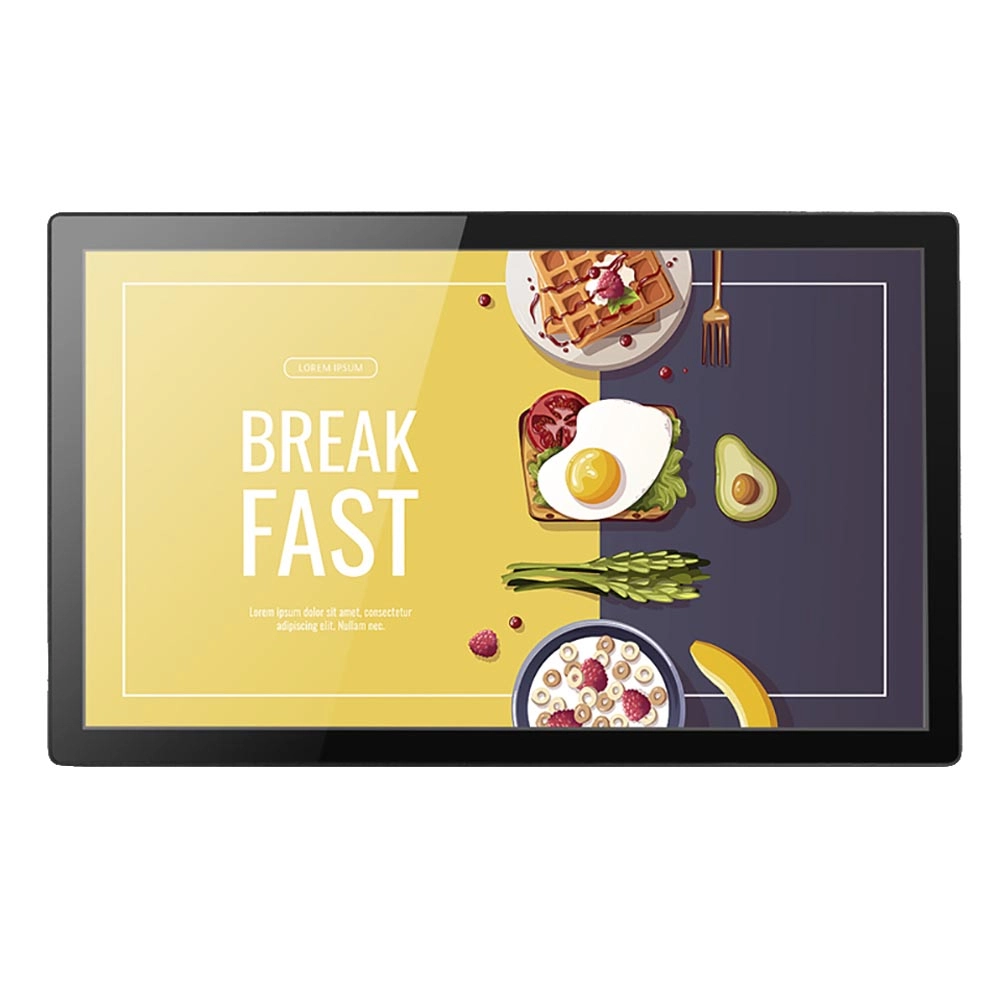
Wall Mount Cash Register POS 21.5 inch for Supermarket Touchscreen Windows Factory
Our sleek and modern wall-mounted POS system features a stunning 21.5-inch LED display, providing exceptional visibility and clarity for seamless customer interactions. The capacitive touchscreen ensures a highly responsive and intuitive user experience, perfect for fast-paced retail environments. With its space-saving wall-mounted design, this POS solution is ideal for optimizing floor space while maintaining a professional and contemporary appearance.
Get in touch
Interested in becoming a POS system dealer? Contact us for more information and start the process of joining our dealer network.
We look forward to working with you to expand the market together.


Copyright © 2025 Favorpos All Rights Reserved.
