
How to migrate to a new restaurant POS system with minimal downtime?
- 1) How do I export and reconcile historical sales, gift card and loyalty data from my legacy POS to a cloud POS without breaking accounting and tax continuity?
- 2) When switching processors during POS migration, how do I avoid payment downtime, EMV liability issues and unexpected processing fees?
- 3) My restaurant uses legacy POS terminals and serial kitchen printers — what hardware compatibility issues occur switching to a tablet/cloud POS and how do I mitigate them?
- 4) How can I keep inventory accurate during a phased rollout across multiple locations so purchases and suppliers stay synchronized?
- 5) What’s the fastest, lowest-risk staff training program to avoid order errors and speed up service on day one of migration?
- 6) How should I structure contract and data-ownership terms to avoid vendor lock-in and ensure quick recovery if the new POS fails?
- Concluding summary: Advantages of upgrading to a modern restaurant POS
Restaurant POS Systems List: What Buyers Often Don't Ask — and How to Migrate with Minimal Downtime
When vetting a restaurant POS systems list or planning how to migrate to a new restaurant POS system with minimal downtime, beginners focus on surface items (price, demo) but miss the operational, compliance and hardware pitfalls that cause weeks of disruption. Below are six specific, pain-point-oriented questions that lack thorough, up-to-date answers online — each followed by an industry-tested, in-depth solution.
1) How do I export and reconcile historical sales, gift card and loyalty data from my legacy POS to a cloud POS without breaking accounting and tax continuity?
Why this matters: Incomplete or mis-mapped historical data creates reconciliation gaps, misstated revenue for audits, and broken balances for gift cards and loyalty points — and those mistakes often show up weeks after go-live.
Step-by-step approach:
- Inventory and scope: Make a list of the data types you need to preserve — day-end Z-reports, individual sales transactions (including voids/refunds), payment records (payment method, last 4 digits, token ID if applicable), tax rates, discounts, modifiers, gift card balances, open receipts, customer and loyalty balances, supplier invoices and vendor credits. Create a master mapping spreadsheet (CSV) before exporting anything.
- Export formats and IDs: Export raw transactional data from the legacy POS in a canonical format (CSV, JSON, or SQL dump). For each row, preserve: transaction ID, timestamp (ISO 8601), staff ID, order line items (SKU, qty, price, tax code), payment method, payment token or masked PAN, and receipt number. If the legacy system only exports aggregated Z-totals, request a transaction-level extract from vendor support — aggregated exports are not sufficient for true reconciliation.
- Map fields to the new POS: Use the mapping spreadsheet to align SKUs, modifiers, tax codes, and customer IDs. If SKUs differ, create a SKU crosswalk. Identify mismatches early (e.g., the legacy system stored modifier prices with item price vs. new POS treats them separately) and create rules to transform data during import.
- Gift cards and loyalty: Export gift card numbers with current balances and expiry dates. For security, perform a secure transfer using SFTP and PGP encryption to the new vendor. Confirm the new POS supports the same gift card number format (or plan to re-issue). For loyalty points, export currency equivalence and redemptions history; import points as a starting balance with a “source note” so redemptions reconcile.
- Reconciliation and checksum validation: Use totals (gross sales, net sales, tax collected, payments by method) from the legacy system’s daily reports and compare them to the imported transactions in the new POS for the same period. Perform record counts and checksum totals (sum of transaction amounts) to verify import integrity. If totals mismatch, log each mismatch with transaction IDs for vendor troubleshooting.
- Parallel period: Run both systems in parallel for a short verification window (48–72 hours in a single location) to reconcile live sales against expected totals. This catches mapping issues before multi-location rollouts.
- Accounting cutover: Freeze the legacy system for accounting purposes at a defined close-of-business (COB) date. Export a final full-day file and certify totals with your accountant. Set the new POS to start fresh from the next business day with prior balances imported.
Practical tips and pitfalls:
- If you rely on third-party accounting integrations (e.g., QuickBooks Xero), test the export->import->ledger flow in a sandbox company file to avoid posting duplicate entries.
- Don't rely on vendor promises alone — require sample exports and a written import/mapping plan that both teams sign off on before any irreversible actions.
- Time estimate: plan 2–6 weeks for medium-size single-location restaurants, and 4–12 weeks for multi-location operators depending on transaction volume and loyalty/gift-card complexity.
2) When switching processors during POS migration, how do I avoid payment downtime, EMV liability issues and unexpected processing fees?
Why this matters: Payments are mission-critical. Processor misconfigurations lead to declined cards, lost sales, EMV liability gaps, and surprise fees that erode margins.
Actionable checklist:
- Confirm integrated processor compatibility: Ask your new POS vendor for a current list of pre-certified processors and EMV terminal models. Using a pre-certified combination shortens time-to-cert and reduces risk.
- Tokenization and PCI scope: Prefer processors that support tokenization or P2PE (point-to-point encryption). Tokenization reduces PCI scope for your business and removes card data from your POS servers.
- Pre-certification testing: Schedule a test merchant account before go-live. Complete certification transactions (EMV, contactless, refunds, partial approvals, offline fallback) and get written confirmation that your setup is certified to process EMV within the new POS ecosystem.
- Processor cutover plan: Choose a low-traffic period for cutover (typically overnight or early morning). Keep the old processor active for 24–72 hours as a fallback. Bring spare terminals that have been pre-provisioned if your hardware vendor allows it.
- EMV liability: EMV liability shift in the U.S. occurred in 2015; ensure terminals are EMV-compliant and correctly configured. Confirm whether your POS/payment provider supports the chip/cardholder verification methods required by card brands; get this in writing.
- Fees and surcharge clauses: Request a detailed fee schedule from both your old and new processors. Watch for early termination fees, equipment buy-back clauses, or minimum processing commitments that could inflate switching costs. Negotiate a cap on chargeback or non-qualified fees during the first 90 days after migration.
- Fallback processing and offline mode: Confirm the POS offline mode behavior — whether it will queue transactions and auto-submit or decline cards. For batch/queued processing, ensure receipt labeling and staff prompts so guests understand authorization timing.
Testing and verification:
- Run a test suite: EMV chip purchase, contactless (NFC), magnetic stripe, refund, void, pre-authorization (for tabs), split tender, gift card settlement.
- Document transaction flows: For every payment type, document expected ledger entries and settlement timelines to share with your accountant and bank.
3) My restaurant uses legacy POS terminals and serial kitchen printers — what hardware compatibility issues occur switching to a tablet/cloud POS and how do I mitigate them?
Why this matters: Hardware mismatches are one of the leading causes of extended downtime during POS migrations. Printers that rely on legacy drivers, scales that integrate via RS-232, or proprietary touch screens can break workflows.
Compatibility and mitigation plan:
- Audit peripherals: Create a complete inventory of all peripherals (receipt printers, kitchen printers, kitchen display systems (KDS), cash drawers, bar printers, label printers, scales, card readers, handhelds, customer displays). Record interfaces (USB, Ethernet, serial/RS-232, Bluetooth), power, and model numbers.
- Driver and protocol compatibility: Modern cloud/tablet POSs rarely support legacy Windows-only drivers. Look for peripheral support of standard protocols such as ESC/POS for printers, OPOS/JavaPOS compatibility layers, or Ethernet/-based print routing. If a device is serial-only, plan to use an interface converter (serial-to-Ethernet) or a print server certified by the POS vendor.
- Kitchen architecture options: Decide between retaining printers or switching to a KDS. KDS provides faster routing and order visibility but requires network reliability and displays. If you keep printers, prefer network (Ethernet) or print-servered devices for stability; avoid USB printers on tablets when possible because of driver limitations.
- Terminal provisioning: Order and stage hardware in advance. Pre-provision tablets and terminals with the new POS image and Wi-Fi settings in a back-office staging environment. Test each peripheral end-to-end (order -> kitchen printer/KDS -> ticket printed/displayed).
- Network resilience: Install a dedicated VLAN for KDS and printers, use PoE for displays if supported, and configure network QoS to prioritize order traffic. Keep a small LTE backup gateway for cloud POS failover to reduce downtime if the internet fails.
Fallbacks and operational controls:
- Maintain a small set of legacy receipts templates for manual order taking in emergencies. Keep one or two legacy terminals powered and isolated as a last-resort fallback, but ensure staff know the emergency process.
- Test under load: Simulate peak-hour order volumes in a staging environment to validate print throughput and KDS rendering latency. Kitchen printers that use older thermal heads can overheat or backlog; validate continuous-run capability.
4) How can I keep inventory accurate during a phased rollout across multiple locations so purchases and suppliers stay synchronized?
Why this matters: Phased rollouts create temporary mismatches between systems; if suppliers are re-ordered based on stale stock levels, you either overstock or run out of menu-critical ingredients.
Phased rollout strategy for inventory integrity:
- Centralized SKU master: Before migration, build a centralized SKU master spreadsheet covering all locations. Each SKU should include: universal SKU code, description, unit of measure, conversion factors, cost, preferred vendor, location-level reorder point, lead time, par levels, and recipe linkage. Confirm that the new POS or inventory module supports multi-location SKU mapping.
- Snapshot and import: Take a snapshot of inventory (cycle counts) at each location immediately before migration. Import those starting balances into the new POS per location. This prevents double-counts or phantom inventory.
- Freeze transfers mid-cutover: During the cutover window for a site, temporarily suspend inter-location transfers and supplier purchase orders originating from the legacy system until the new system is validated for that location.
- Supplier EDI/API sync: If you use supplier integrations, verify the new POS/EPR integration supports the same EDI/API endpoints or use a middleware tool for translation. Test purchase order creation and receiving workflows in a sandbox to confirm costs and case/unit conversions post-migration.
- Delta reconciliation: For the first 7–14 days after a location goes live, perform daily delta reconciliations comparing expected usage (based on sales) vs. actual inventory consumed to catch yield or recipe mapping errors. Flag any variances >5–10% for immediate review.
Process controls and training:
- Standardize receiving: Ensure receiving staff at all locations are trained to use the new POS receiving flow; incorrect receiving entries are a frequent cause of inventory mismatch.
- Cycle counts cadence: Increase cycle count frequency for 30 days post-go-live for SKUs that are high-turn or high-cost (e.g., proteins, alcohol). This identifies mapping or conversion errors quickly.
5) What’s the fastest, lowest-risk staff training program to avoid order errors and speed up service on day one of migration?
Why this matters: Order accuracy and speed directly affect guest satisfaction and labor costs. Poor training is the top cause of first-week productivity drops after POS change.
High-velocity training program (2-week plan):
- Train-the-trainer (days -14 to -10): Identify 2–4 superusers per location (managers and experienced servers). Provide them with advanced training and admin access. Create role-specific playbooks: servers, bartenders, cooks, hosts, managers.
- Create micro-modules (days -9 to -4): Develop short focused modules (5–12 minutes each) for core tasks: opening a check, ordering modifiers, split tenders, seat-based ordering, refunds, comping, closing a shift, printing checks, voids, and handling gift cards/loyalty. Include quick-reference laminated cheat sheets at POS stations and behind the bar.
- Hands-on practice sessions (days -6 to -2): Conduct shift-based simulations covering peak patterns (two-top, takeout surge, full-service dinner). Use sandbox mode and role-play real errors (wrong modifier, wrong seat) so staff learn recovery flows.
- Shadow shifts and staggered go-live (day 0): For multi-location rollouts, stagger go-live by shift blocks. Have superusers on every shift and keep the old POS available for 1–2 shifts as mental backup. Use a coach-to-staff ratio of 1:8 during the first 48–72 hours.
- Competency checks and KPI monitoring (day 1–14): Measure key indicators: average ticket time, order error rate, refunds/voids percentage, and table turn time. Run short refresher micro-sessions daily for any group above threshold tolerances.
Tools and incentives:
- Use interactive simulations and real-ticket practice rather than slide decks.
- Offer small incentives (gift cards, shift bonuses) for staff who pass competency checks in early shifts; it accelerates adoption and reduces resistance.
6) How should I structure contract and data-ownership terms to avoid vendor lock-in and ensure quick recovery if the new POS fails?
Why this matters: Many restaurants find themselves locked into long contracts or discover they cannot export data in usable formats when they want to switch. That increases switching costs and operational risk.
Contract clauses and procurement checklist:
- Data ownership and export rights: Require an explicit clause that all business data (transactions, customers, loyalty, inventory, recipes, employee records) remain your property and must be exportable in open, documented formats (CSV/JSON) at all times, not only at termination.
- Export timeframe and format: Contractually define export turnaround (e.g., vendor must produce a full data export within 7 business days upon request) and list the export schema. Prefer the ability to export via API and SFTP for automation.
- Escrow and API access: For mission-critical setups, negotiate API access or put code/configuration/data schemas in escrow so you can pull data if the vendor becomes unresponsive. Ensure any middleware or integrations have documented APIs and rate limits compatible with your needs.
- Service-level agreements (SLAs): Define uptime targets (e.g., 99.5% for core POS functions), response and fix timelines for critical incidents, and allocate service credits or termination rights for repeated SLA breaches.
- Termination and early-exit costs: Negotiate reasonable early-termination fees tied to remaining equipment payments only, not to software usage; avoid multi-year automatic renewal clauses without notice windows. Get a clear path for hardware buyout or return instructions.
- Support and transition assistance: Require a documented transition plan if you decide to leave (data export, staff training credits, assistance provisioning hardware for the new vendor) and a defined cost or included hours for that assistance.
Legal and procurement best practices:
- Have your legal counsel or procurement specialist vet export schemas and SLAs. For multi-location operators, standardize contract terms across stores to avoid differing termination exposures.
- Ask for references and case studies of similar-size restaurants that successfully left the vendor and verify that their data export worked as contracted.
Concluding summary: Advantages of upgrading to a modern restaurant POS
Upgrading to a modern cloud-based POS from your restaurant POS systems list yields measurable operational benefits: faster table turns, tighter inventory control, integrated loyalty and gift card programs, regular security updates to meet PCI and EMV requirements, and improved multi-location visibility. With careful planning — including data mapping, processor pre-certification, hardware staging, a phased inventory strategy, focused staff training and explicit contract/export clauses — you can migrate with minimal downtime and minimal revenue disruption. Modern POS platforms also reduce PCI scope via tokenization and P2PE, and provide APIs for seamless third-party integrations (ordering, suppliers, accounting), enabling automation and margin improvement over time.
If you’d like a tailored migration plan or a comparative restaurant POS systems list for your operation, contact us for a quote at www.favorpos.com or email sales2@wllpos.com.
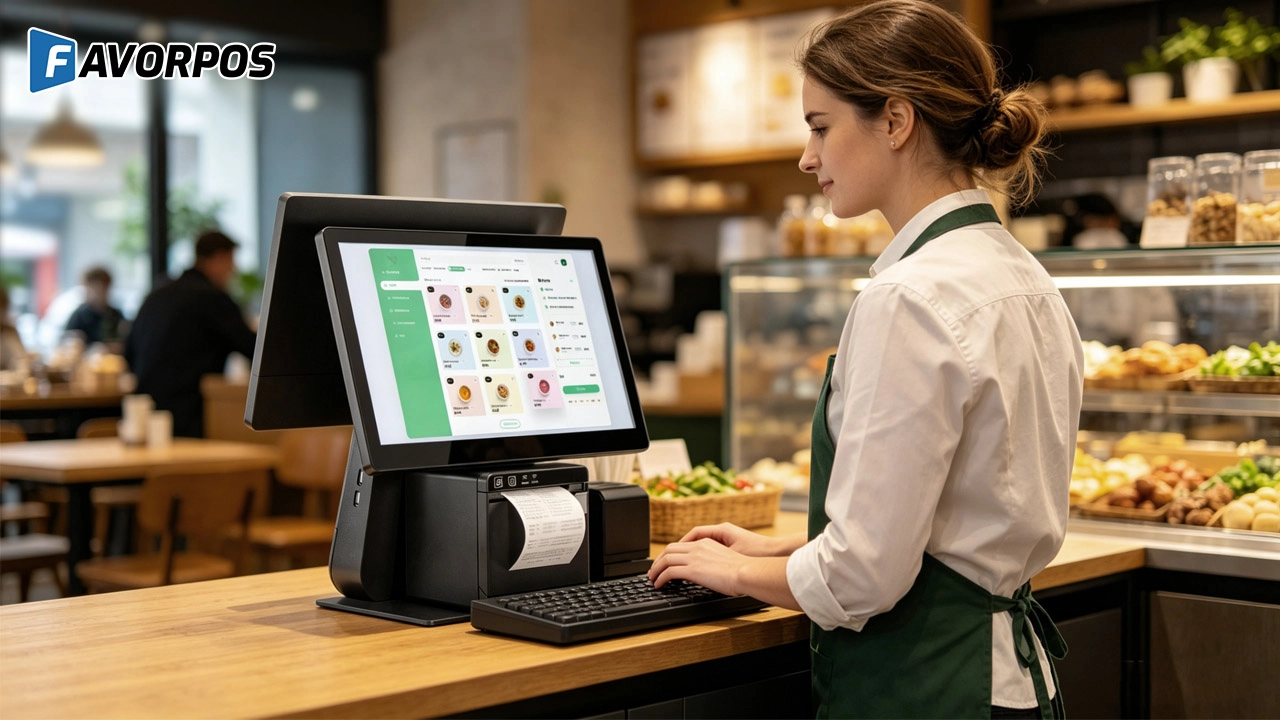
Smart Checkout, Simplified: Exploring the Power of a 15.6-Inch All-in-One POS Terminal
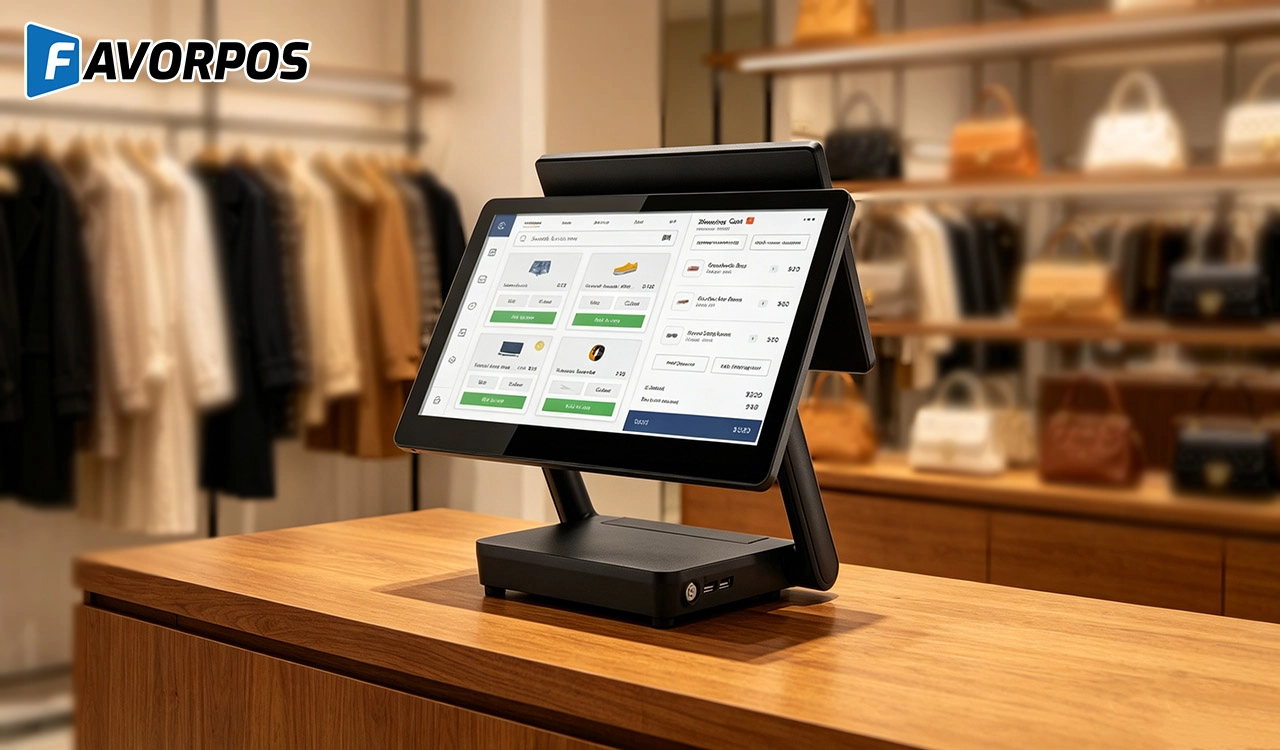
Why a 15.6” Touch POS Terminal Is Becoming the New Standard in High-Traffic Retail
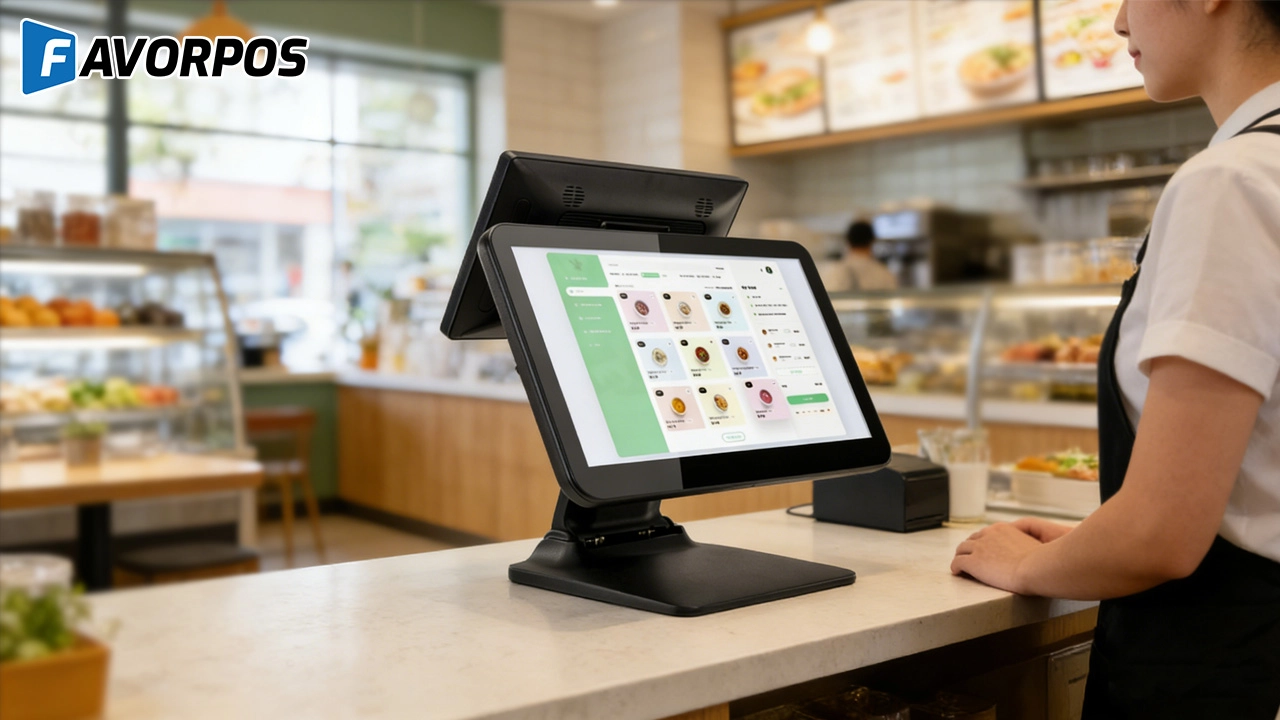
Beyond Checkout: How a 15.6-Inch Aluminum POS System Redefines Retail Efficiency
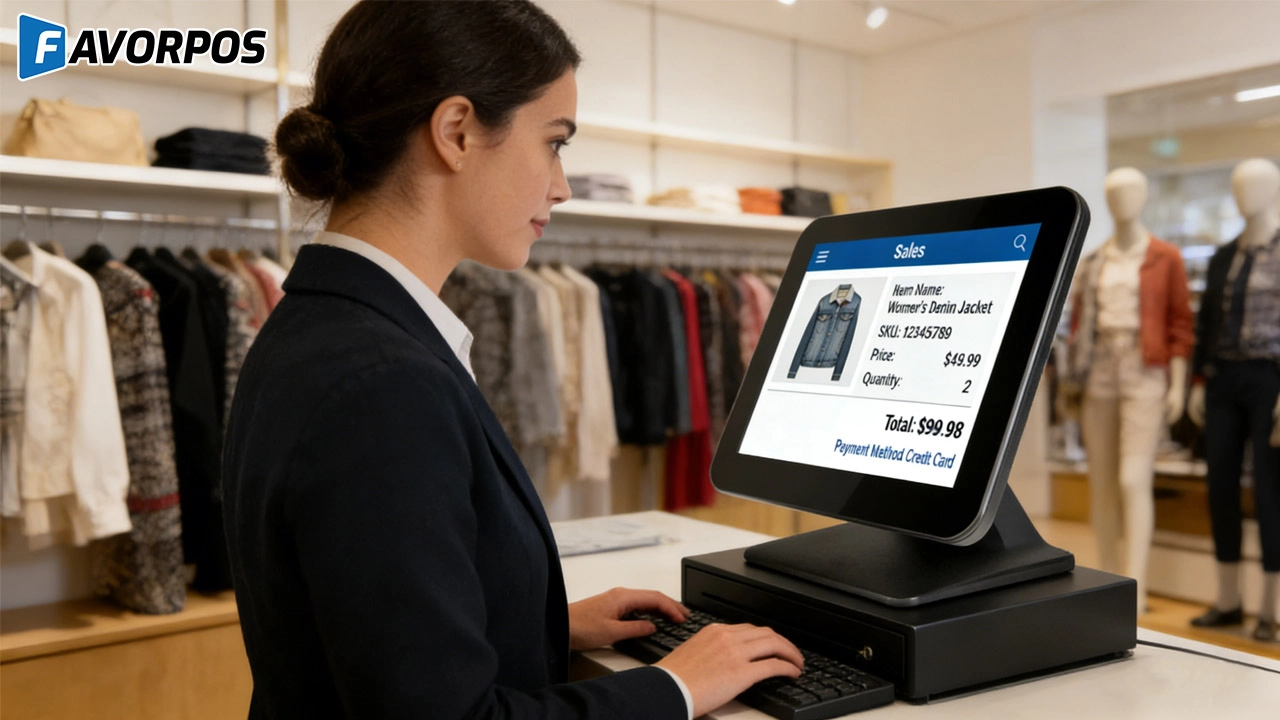
Understanding 15-Inch Aluminum POS Terminals in Modern Commercial Use
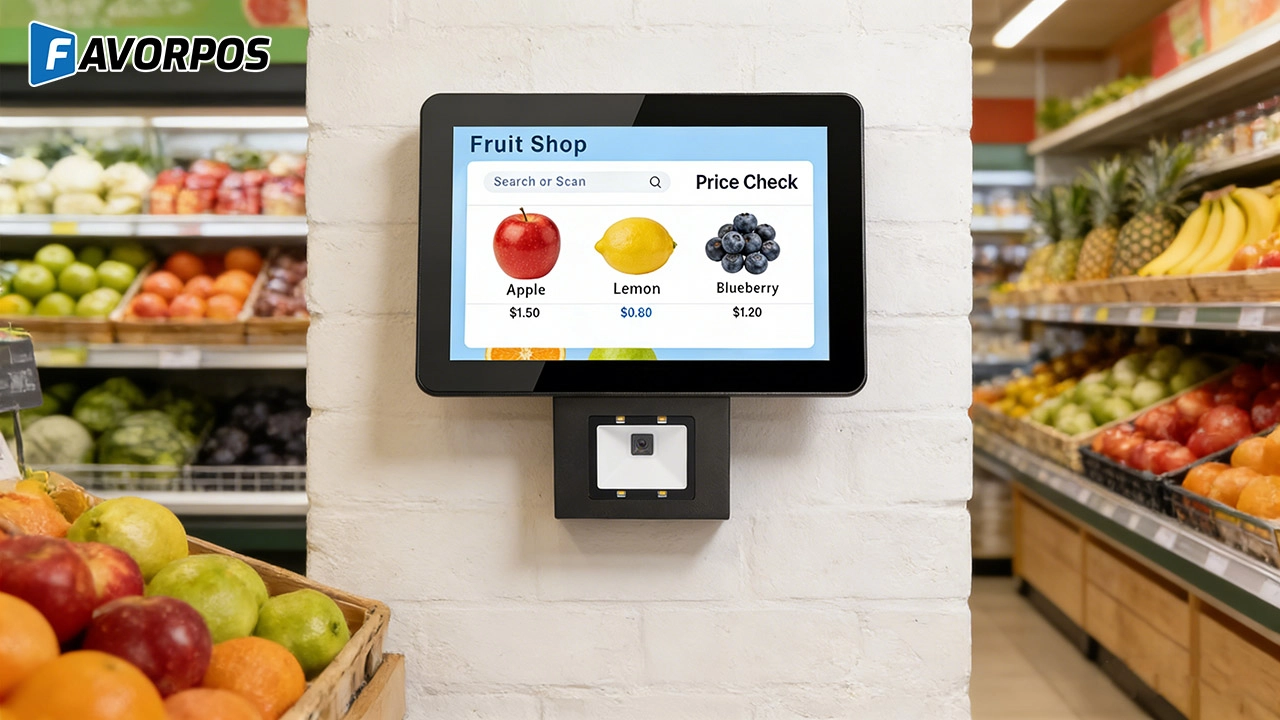
The Smart Way to Check Prices: How a 10.1-Inch Wall-Mounted Price Checker Transforms Retail Stores
For Grocery and Supermarkets
How does your system help manage perishable goods?
Our POS system tracks the shelf life of goods and provides reminders for perishable goods, helping you reduce waste and ensure product freshness.
For ODM
Can we provide our own designs?
Of course. We welcome customers to provide their own design concepts and specifications. Our design team will work with you to ensure that your design is implemented in the manufacturing process and make necessary optimizations.
For Healthcare
Can the POS system manage multiple locations?
Yes, our system supports multi-location management, allowing for centralized management of multiple facilities or departments.
How much does it cost to develop a POS solution?
The cost depends on the level of customization, required functionality, and scale of deployment. We offer competitive pricing and work with you to develop a solution that fits your budget.
For Government and Public
Does your POS system support ticketing and permit issuance?
Of course, our system includes the ability to manage ticketing and permit issuance, with automatic processing and real-time update capabilities.

Factory Smart 4 inch Mobile PDA Data Collector with Keyboard
Our Factory Smart 4-Inch Mobile PDA Data Collector is equipped with a convenient keyboard for easy data entry. This compact device is designed for efficient inventory management and logistics operations, offering robust performance in a lightweight design. With a bright display and user-friendly interface, it allows for quick access to essential data on the go. Its durable construction ensures reliability in demanding environments, making it an ideal choice for retail, warehousing, and field operations.

11.6 inch Capacitive Touchscreen for POS Machine POS Monitor
FAVORPOS 11.6-inch capacitive touchscreen, specifically designed for POS machines to deliver a seamless and responsive user experience. This high-definition display offers vibrant visuals and crystal clear clarity, making it easy for staff to navigate through transactions efficiently. The capacitive technology ensures quick and accurate touch recognition, reducing wait times and enhancing customer satisfaction. Built to withstand the rigors of daily use, this touchscreen is perfect for retail and hospitality environments.
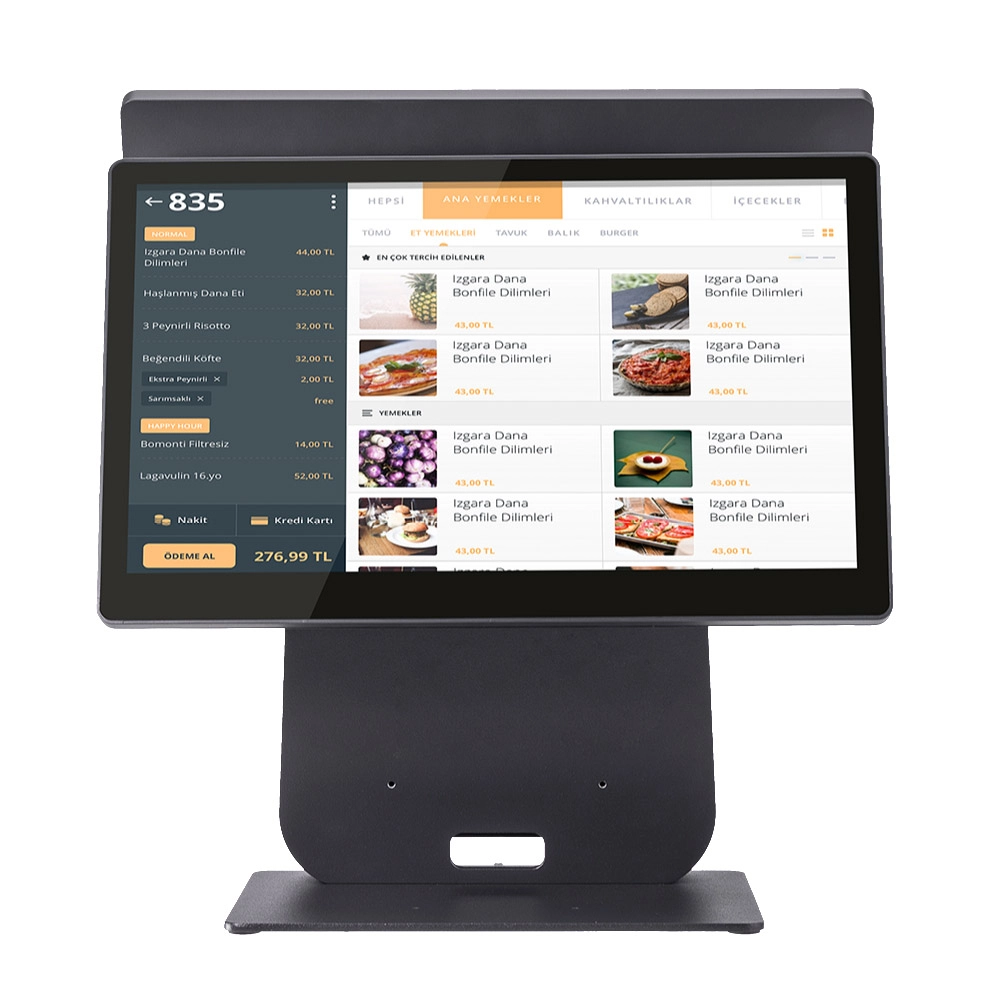
HD Dual Screen POS Machine Aluminum Hardware Android Windows Supplier
This dual-screen POS machine supports both Android and Windows systems, providing flexibility for various applications. The dual screens enhance customer interaction and streamline the checkout process, making transactions quicker and more engaging. Perfect for modern businesses looking to elevate their service and improve customer satisfaction, this POS machine is your ultimate partner in success!
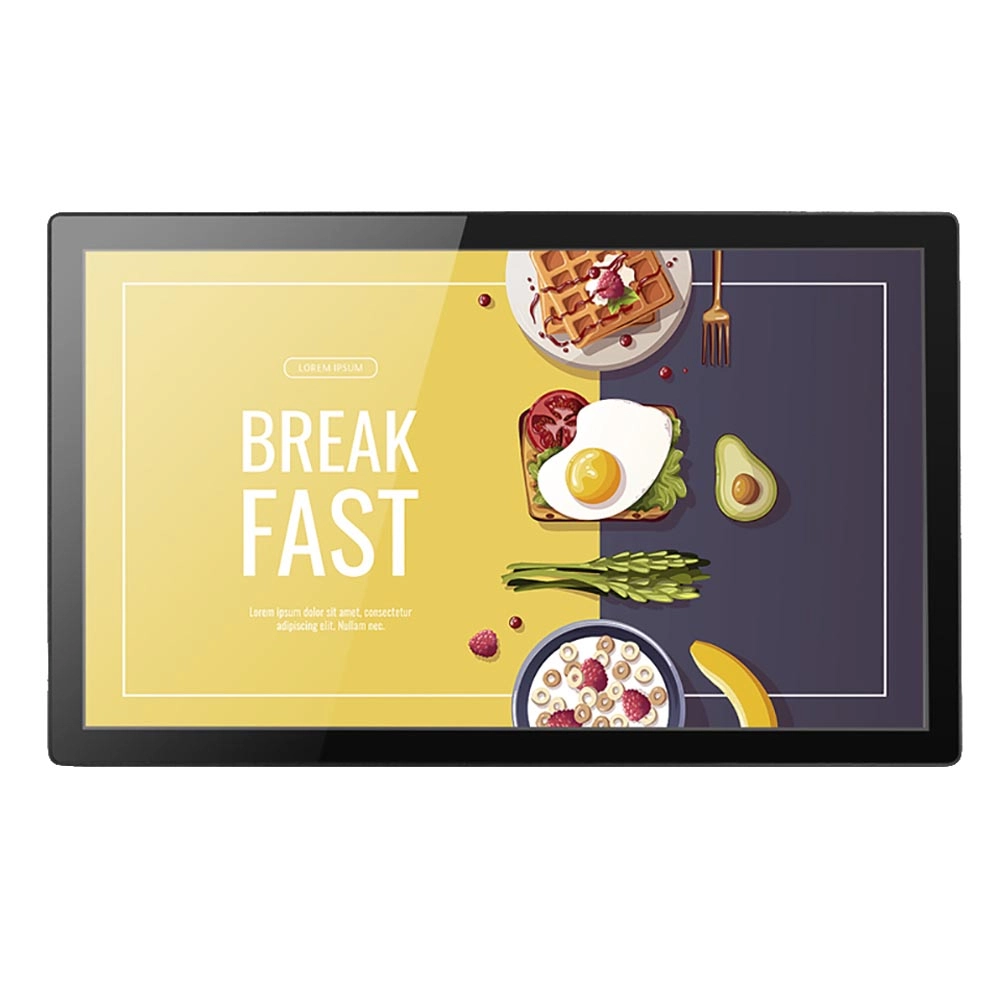
Wall Mount Cash Register POS 21.5 inch for Supermarket Touchscreen Windows Factory
Our sleek and modern wall-mounted POS system features a stunning 21.5-inch LED display, providing exceptional visibility and clarity for seamless customer interactions. The capacitive touchscreen ensures a highly responsive and intuitive user experience, perfect for fast-paced retail environments. With its space-saving wall-mounted design, this POS solution is ideal for optimizing floor space while maintaining a professional and contemporary appearance.
Get in touch
Interested in becoming a POS system dealer? Contact us for more information and start the process of joining our dealer network.
We look forward to working with you to expand the market together.


Copyright © 2025 Favorpos All Rights Reserved.
