
Are cloud-based liquor store POS systems secure and compliant?
- 1. How do cloud POS vendors ensure PCI DSS compliance for liquor stores that accept EMV, gift cards and contactless payments?
- 2. Can a cloud-based liquor store POS operate securely when the internet is down without risking sales, tax accuracy or data loss?
- 3. How do liquor store POS systems implement age verification and meet state-specific alcohol reporting requirements securely?
- 4. What in-built controls do cloud liquor POS platforms provide to prevent internal theft, unauthorized discounts and inventory shrinkage?
- 5. How do cloud liquor POS systems securely handle supplier ordering, case-lot pricing, and demand forecasting without exposing sensitive vendor or pricing data?
- 6. Are cloud-based liquor store POS systems secure and compliant with U.S. state privacy laws, Canadian PIPEDA and cross-border data requirements?
As a POS industry expert with deep experience in cloud POS security, retail compliance and liquor retail operations, this guide answers six specific, technical questions buyers frequently search for but rarely find fully addressed. The answers reference industry standards (PCI DSS v4.0, EMV, TLS, AES), operational controls (ID scanning, age verification, case-lot pricing), and compliance needs (state alcohol boards, CCPA/CPRA, PIPEDA). Embedded throughout are practical recommendations for selecting secure, compliant liquor store POS systems that handle inventory management, tax reporting, supplier ordering, loss prevention and secure payments.
1. How do cloud POS vendors ensure PCI DSS compliance for liquor stores that accept EMV, gift cards and contactless payments?
What to expect: A compliant cloud POS uses a combination of EMV-capable terminals, tokenization, end-to-end encryption (E2EE), and vendor audit evidence (PCI ROC or AOC). Since PCI DSS v4.0 (published 2022) tightened requirements around encryption and monitoring, mature providers implement:
- EMV-certified payment terminals that perform chip transactions locally and return only tokens to the POS core.
- Tokenization or payment gateway models so card data never resides in your POS database; instead tokens map to card-on-file references in the gateway.
- TLS 1.2/1.3 for all in-transit connections and AES-256 or equivalent for any sensitive data at rest (when truly necessary), plus hardware security modules (HSM) on gateway side.
- Regular penetration testing and vulnerability scans, with evidence available on request (AOC for PCI compliance, SOC 2 Type II reports for security controls).
What to verify with vendors: ask for a current Attestation of Compliance (AOC) or PCI compliance letter, details on whether the provider is a Level 1/Level 2 service provider, how tokenization is implemented, and whether the solution supports EMV/contactless without passing PANs through your servers. Also confirm support for gift-card processing and stored-value tokens with fraud controls and reporting for chargebacks.
2. Can a cloud-based liquor store POS operate securely when the internet is down without risking sales, tax accuracy or data loss?
Offline operation is critical for retail continuity. A modern cloud POS designed for liquor retail will offer local caching and secure transaction queuing with conflict resolution and cryptographic integrity checks. Key points:
- Local database cache: the POS terminal keeps a temporary encrypted cache of SKUs, prices, tax tables and queued transactions to continue checkouts and age verification when offline.
- Atomic sync and idempotency: when connectivity returns, transactions are posted to the cloud using idempotent APIs to prevent duplicates and preserve accurate sales and tax reporting.
- Real-time vs deferred tax calculation: ensure the solution supports current state-specific excise and sales tax tables offline, and that tax changes are versioned so previously completed offline sales reconcile correctly on sync.
- Security while offline: cached data should be encrypted (AES-256), protected by device-level keys, and local storage cleared after sync to reduce risk if a device is lost or stolen.
Red flags: vendors that rely solely on “local register mode” without secure caching, lack sync logs, or cannot demonstrate conflict resolution for partial refunds or returns.
3. How do liquor store POS systems implement age verification and meet state-specific alcohol reporting requirements securely?
Age verification and regulatory reporting are top priorities for liquor retailers. Best-in-class cloud POS systems combine hardware and reporting workflows:
- ID scanning and OCR: an integrated ID scanner captures driver’s license data, performs checksum validation and reads the birthdate. This reduces human error and speeds compliance during checkout.
- Automated age-check prompts: the POS enforces mandatory age prompts for designated SKUs and prevents override without managerial permission and audit trail.
- State reporting and export formats: many states require periodic sales reporting or incident reporting to Alcoholic Beverage Control agencies. Look for systems that can generate state-specific reports (CSV/XML) or integrate with mandated portals via secure APIs.
- PII handling and retention policies: scanned ID data is PII. Ensure the vendor documents retention periods per local law (e.g., only retain hashes or redacted records unless explicit consent exists) and supports secure deletion to comply with CCPA/CPRA or provincial rules like PIPEDA.
Ask for samples of the state-format reports, the ID-scan retention policy, and whether the vendor supports blackout or auto-purge for scanned images to limit privacy risk.
4. What in-built controls do cloud liquor POS platforms provide to prevent internal theft, unauthorized discounts and inventory shrinkage?
Internal loss is a major margin risk for liquor stores. Effective POS solutions combine user-level controls, audit trails and integrations:
- Role-based permissions (RBAC): restrict price overrides, voids, returns and discounting to specific job roles and time windows. Require manager code entry with multi-factor approval for sensitive actions.
- Comprehensive event logging: every override, price change, return and refund should be logged with user ID, device ID, timestamp and reason code, producing tamper-evident audit trails.
- Automated exception alerts: set thresholds (e.g., excessive discounts, frequent refunds, negative inventory events) to trigger real-time alerts via SMS/email to owners or loss-prevention managers.
- Inventory reconciliation: cycle-count workflows, case-break tracking (important for mixed packages), and POS-to-physical inventory variance reports help detect shrink quickly. Integration with shelf-weight sensors or CCTV timestamps (via API) enhances investigations.
- Payment reconciliation: EMV and gateway settlement reporting should tie to POS sales to detect mismatches that indicate fraud or processing errors.
Implementing daily till audits, manager accountability, and integrated CCTV/receipt-matching features significantly reduces internal theft risk.
5. How do cloud liquor POS systems securely handle supplier ordering, case-lot pricing, and demand forecasting without exposing sensitive vendor or pricing data?
Supplier management functionality is central for liquor retail margins. Secure systems implement controlled workflows and data segregation:
- PO and vendor APIs: purchase orders are created in the POS and transmitted via secure APIs or EDI endpoints. Vendors should authenticate via API keys with rotation and rate limits.
- Case-lot and unit-of-measure support: the POS must manage case-breaks, bottle/unit conversion, case price overrides, and multi-tier pricing for promos, all tracked per vendor contract to avoid manual mismatches.
- Forecasting and demand planning: native forecasting models use POS sales velocity, seasonality (holidays, local events), and supplier lead times. Ensure algorithms run in a secure environment and that forecasted purchase suggestions are accessible only to procurement roles.
- Data privacy with vendors: granular access controls prevent suppliers from seeing aggregate store P&L or competitor SKUs. When sharing inventory feed data with brokers, ensure anonymization and narrow scope permissions.
Security checks: ensure vendor integrations use TLS, support mutual TLS or OAuth where possible, and that purchase history exports are logged for audit. Vendors should offer sandboxed supplier portals rather than letting vendors edit live pricing directly in your POS.
6. Are cloud-based liquor store POS systems secure and compliant with U.S. state privacy laws, Canadian PIPEDA and cross-border data requirements?
Compliance is multi-layered: payment compliance (PCI), privacy laws (CCPA/CPRA in California, CPRA effective enforcement changes), and regional regulations like Canada’s PIPEDA. Key considerations:
- Data residency: most U.S. liquor stores can use U.S.-hosted cloud services, but if you operate across borders (Canada/EU), verify whether the vendor offers data residency options or contractual safeguards for international transfers.
- Privacy controls: vendors should support data-subject requests (access, deletion) where required (CCPA/CPRA, PIPEDA) and document processing activities in a privacy policy and Data Processing Agreement (DPA).
- Security attestations: obtain SOC 2 Type II, PCI AOC, and penetration testing summaries. These go a long way toward demonstrating operational security and data protection controls to regulators and auditors.
- Contractual clauses and breach notification: ensure the vendor contract includes timely breach notification obligations, insurance and indemnity clauses covering payment/data incidents, and defined SLAs for recovery and backups.
Bottom line: cloud POS systems can be both secure and compliant, but you must validate vendor attestations, DPAs, and data residency options—especially if you handle scanned IDs or operate in jurisdictions with strict PII rules.
Concluding summary — advantages of cloud-based liquor store POS systems
Cloud-based liquor store POS systems deliver real-time inventory management, centralized tax and excise calculations, rapid security patching, EMV/contactless payments with tokenization, integrated ID scanning for age verification, automated supplier ordering and forecasting, and remote management with role-based access and audit trails. When paired with PCI DSS compliance, SOC 2 attestations, TLS/E2EE, and clear privacy controls (DPA and retention policies), cloud POS platforms reduce operational risk, improve margins through case-lot and inventory optimization, and simplify state reporting and loss prevention.
For a tailored security and compliance assessment or a custom quote for your liquor store POS, contact us at www.favorpos.com or email sales2@wllpos.com.
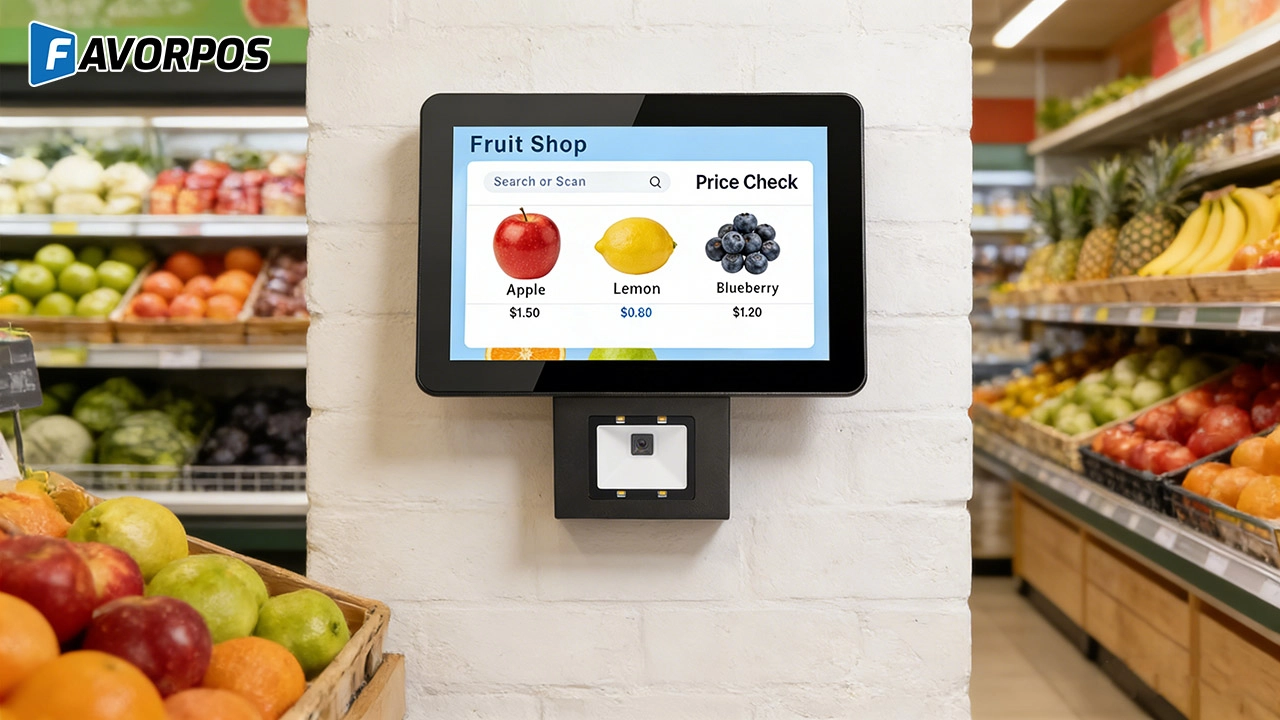
The Smart Way to Check Prices: How a 10.1-Inch Wall-Mounted Price Checker Transforms Retail Stores
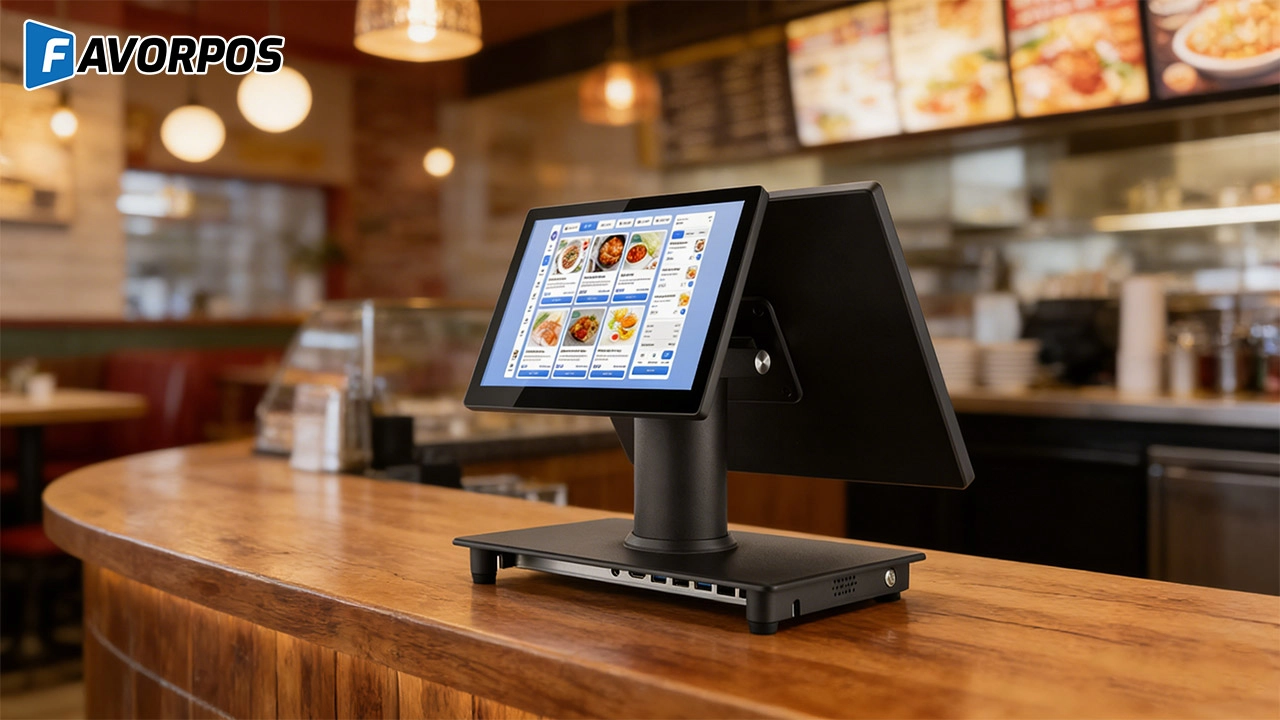
A Smarter Checkout Experience: The 15-Inch Dual-Screen POS Built for Modern Retail
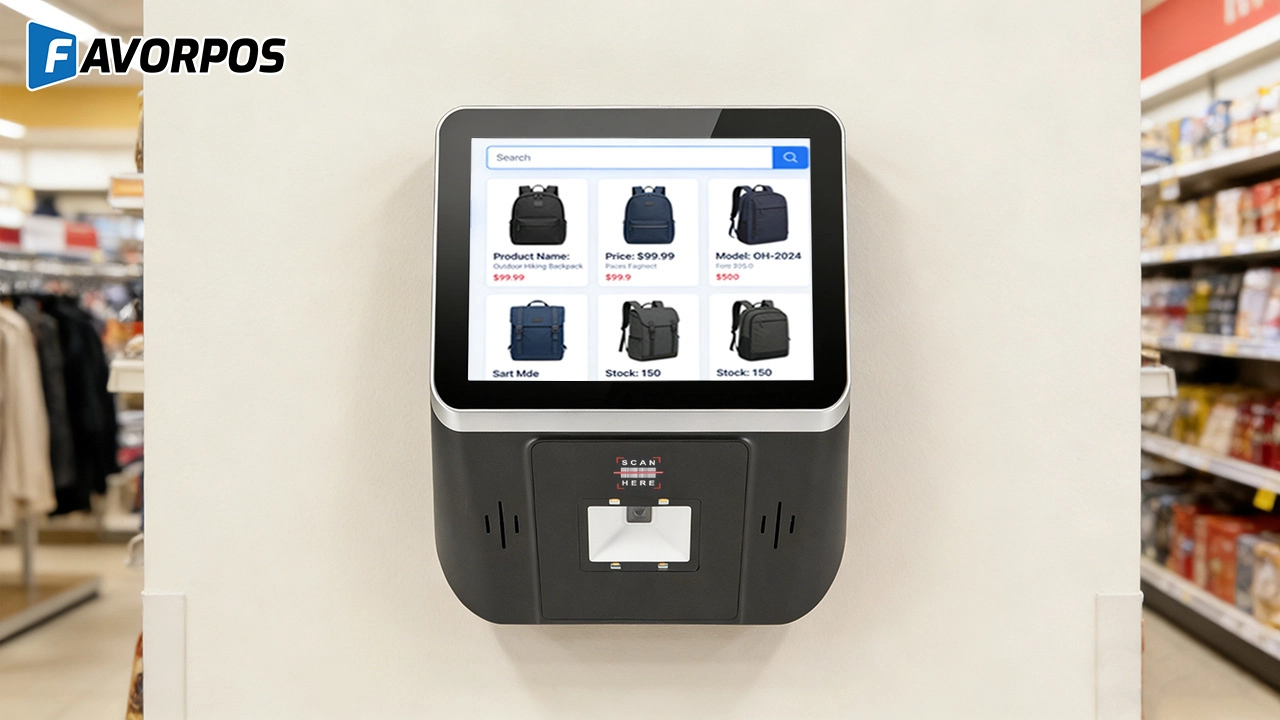
8-Inch Smart Price Checker: A Small Device Powering Smarter Retail Spaces
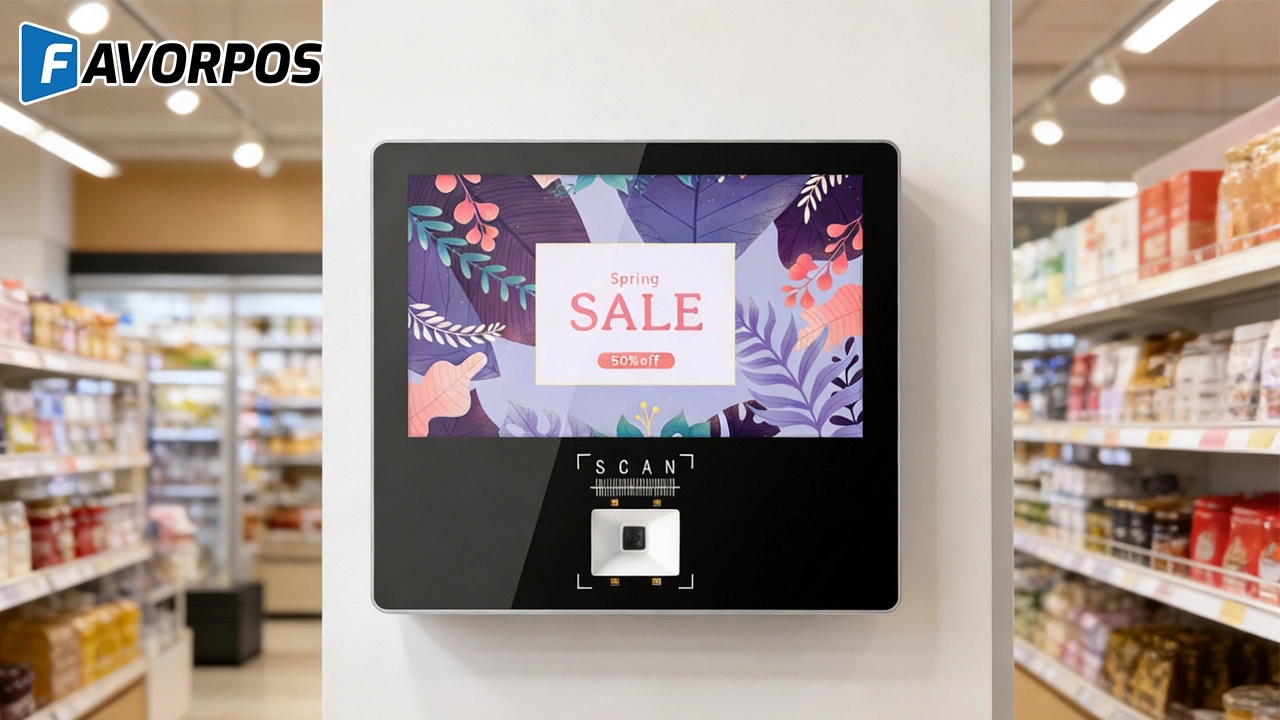
Built for Retail Precision: Manufacturing Excellence Behind the 11.6” Smart Price Checker
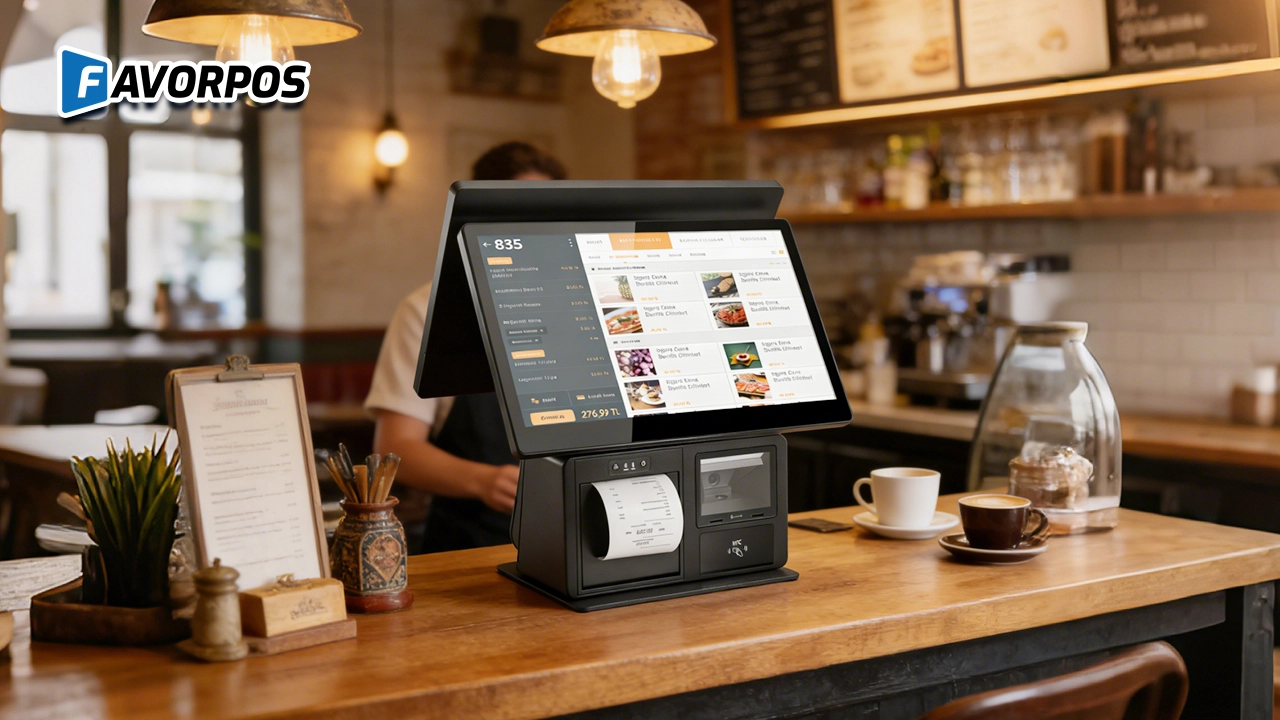
Building Stability in an Unstable Market: A 15.6-Inch All-in-One POS Designed for the Long Term
For Healthcare
How much does it cost to develop a POS solution?
The cost depends on the level of customization, required functionality, and scale of deployment. We offer competitive pricing and work with you to develop a solution that fits your budget.
For Solutions Retail
How long is the warranty period of the equipment?
We provide a standard warranty period of at least one year, and the specific time can be agreed upon according to the terms of the contract.
For Restaurants & Cafes
Does your POS system support a variety of payment methods?
Yes, our POS system supports a variety of payment methods, including credit cards, debit cards, mobile payments (such as Apple Pay, Google Pay) and contactless payments (NFC). We ensure that the transaction process is safe and smooth to meet the various payment needs of customers.
For OEM
Can the POS machine be customized with multiple functions?
Yes, we provide a wide range of functional customization options, including hardware configuration, software functions, brand design, etc. You can choose different processors, screens, connection options, payment modules, etc. according to your business needs.
For E-commerce
Does your POS system provide real-time analytics?
Yes, our system provides detailed real-time analytics to help you track sales performance, customer behavior, and inventory levels.
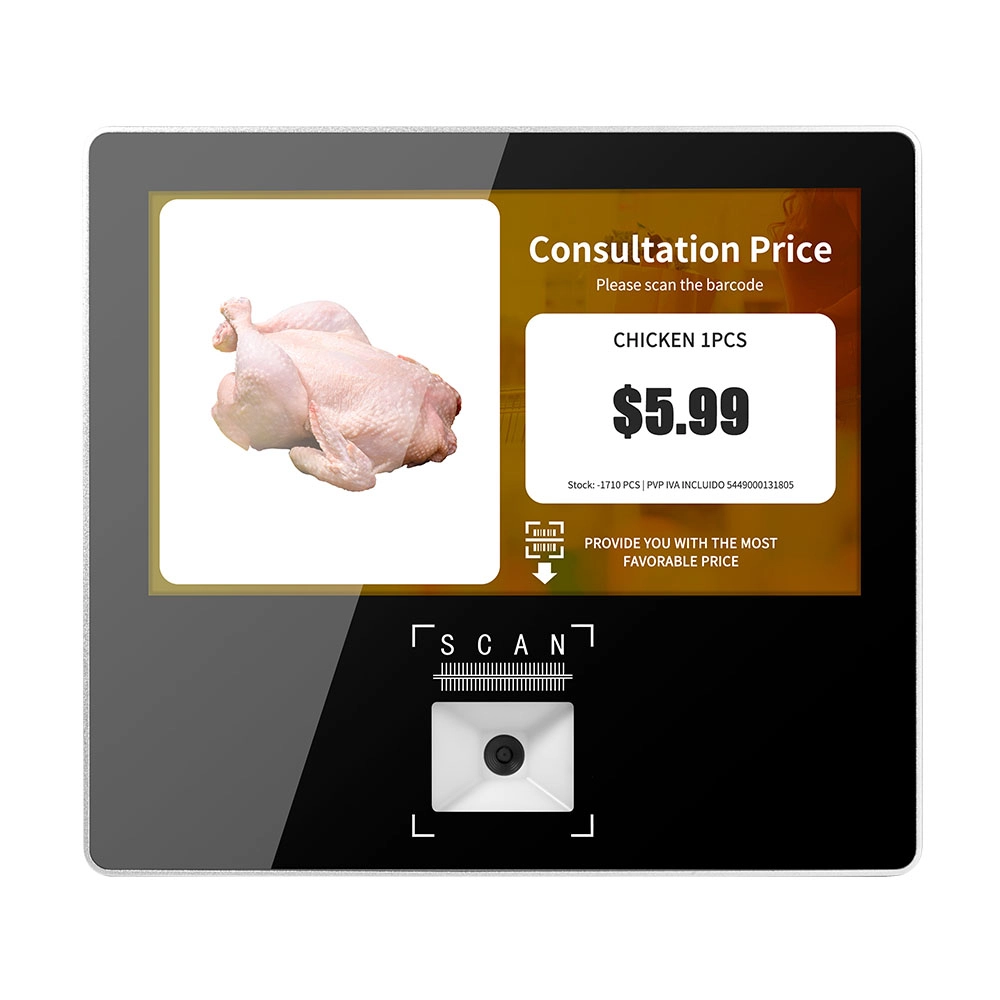
Metal 11.6 inch Price Scanner Machine Android Windows with Wifi Supplier
FAVORPOS Metal 11.6-inch Price Scanner Machine, designed for durability and efficiency in retail environments. This versatile device operates on both Android and Windows, providing seamless functionality for various applications. With built-in Wi-Fi connectivity, it allows for quick access to pricing data and updates. The 11.6'' display ensures clear visibility for easy operation, making it perfect for price checking and inventory management. Enhance your retail experience with this reliable and robust price scanner from a trusted supplier!
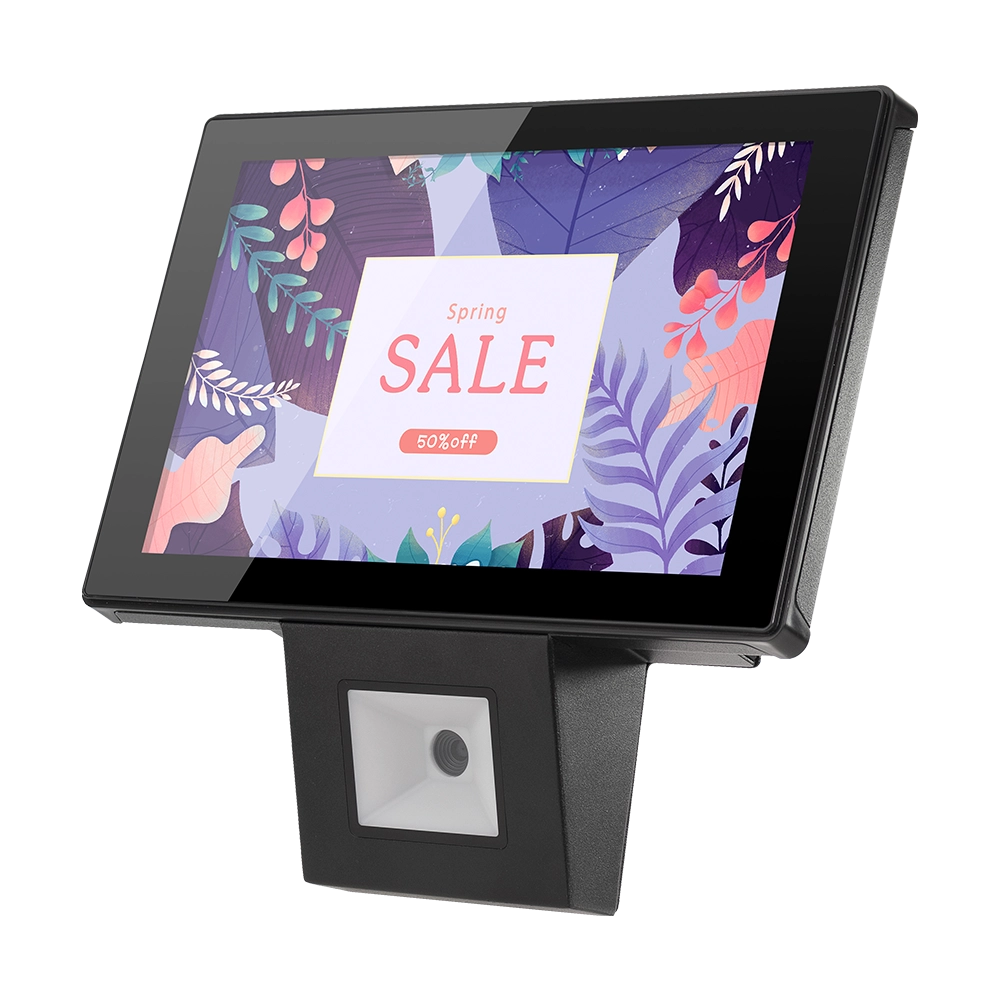
10 inch Price Checker Device Supplier Barcode Scanner for Sale Price Check for Supermarket
FAVORPOS offers 10 inch Price Checker Device, perfect for supermarkets. This wall mounted 10 inch touch screen barcode scanner ensures fast, accurate price checks, enhancing customer experience and operational efficiency. Durable, user-friendly, and perfect for high-traffic retail environments.

Aluminum Dual Screen Pos Terminal Pos Systems 15.6 inch Touchscreen Pos
FAVORPOS Aluminum Dual Screen POS Terminal features a 15.6-inch touchscreen, ideal for seamless transactions. As a trusted OEM Windows POS manufacturer, we deliver durable, high-performance solutions tailored for retail and hospitality businesses.
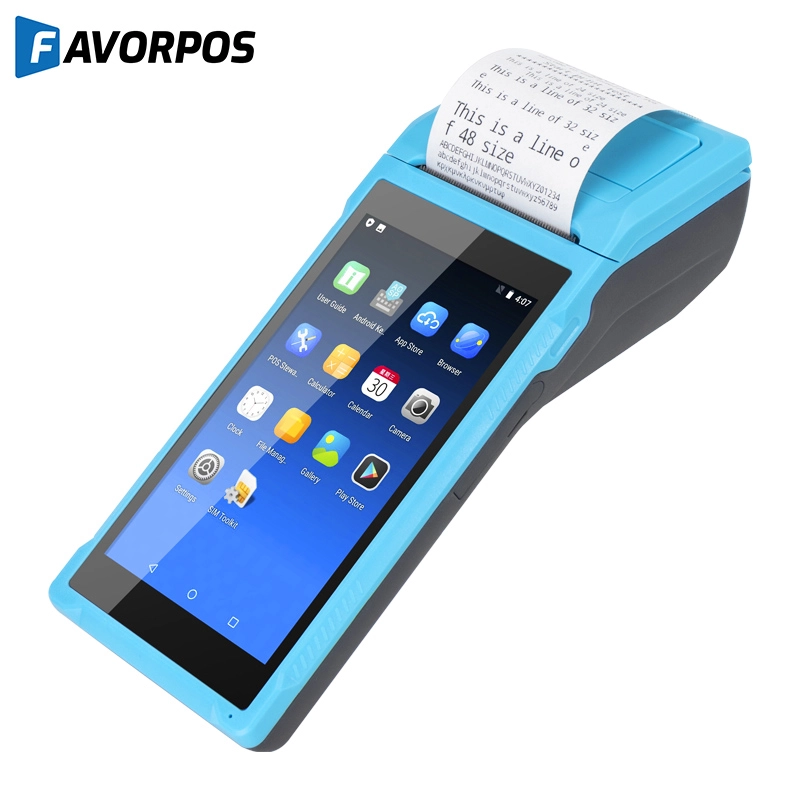
Android Handheld Pos Device Touch Screen Pos Terminal Manufacturer
Get in touch
Interested in becoming a POS system dealer? Contact us for more information and start the process of joining our dealer network.
We look forward to working with you to expand the market together.


Copyright © 2025 Favorpos All Rights Reserved.
