
What are the most affordable POS systems for bars?
- 1) Which POS systems for bars let me run open tabs with automatic pour‑tracking and integrate with keg inventory to reduce overpour?
- 2) What are the most affordable POS systems for bars that include EMV/contactless payments and no hidden processing fees?
- 3) Can I use a cloud‑based POS in a noisy bar with intermittent Wi‑Fi and still have reliable offline mode for transactions?
- 4) Which POS supports mixed‑service setups (bar + table service) with split checks, tip pooling, and bartender sales tracking without excessive add‑ons?
- 5) How do I compare the true total cost (hardware, software, processing, integrations, chargebacks) between leading bar POS vendors?
- 6) What hardware bundle is best for a small craft taproom under 100 seats to start, and what are realistic hardware replacement lifecycles?
Choosing the right POS system for a bar or taproom requires bar‑specific features (tabs, pour control, keg tracking), reliable payments (EMV/contactless), and predictable total cost. Below are six long‑tail, beginner pain‑point questions that often lack deep, current answers online, with in‑depth, actionable guidance based on vendor practices and industry norms (as of 2024). For a tailored quote contact us at www.favorpos.com or sales2@wllpos.com.
1) Which POS systems for bars let me run open tabs with automatic pour‑tracking and integrate with keg inventory to reduce overpour?
Pain point: bartenders need fast open tabs and managers need accurate keg usage to prevent shrink.
What to look for: native tab management that supports bartender/seat assignment, time‑based tab auto‑close rules, and integration points for keg scales or third‑party keg‑tracking apps. Not all bar POS platforms offer direct keg integration; many provide APIs to connect with scale systems or specialized keg‑track providers.
Practical options and tradeoffs:
- Toast: strong tab management and integrated payments; supports third‑party integrations for keg tracking and inventory. Good for high‑volume bars but often requires Toast hardware bundles.
- Square for Restaurants: free and paid plans include tab management and easy gift card/payment flow; integrates with some inventory/keg tools via marketplace apps. Cost‑effective but may need add‑ons for advanced keg tracking.
- TouchBistro and Lightspeed (including former Upserve functionality): combine robust POS tab features with inventory modules that can track pours and reconcile keg yields when paired with scale or pour‑monitoring integrations.
Implementation tips:
- Use flow meters or keg scales for automated volume capture. Pair that hardware to your POS via an integration or middleware (expect additional monthly fees for third‑party keg tracking).
- Calibrate pour sizes in the POS for standard pours (e.g., 12 oz, 16 oz) so reported sales match expected yield.
- Run weekly keg reconciliations comparing POS pour report to physical weight or meter data to catch overpours or theft early.
2) What are the most affordable POS systems for bars that include EMV/contactless payments and no hidden processing fees?
Pain point: low upfront cost but surprise processing or incidental fees blow the budget.
How to evaluate affordability: compare (a) software subscription, (b) payment processing rates and per‑transaction fees, (c) hardware cost, and (d) add‑ons (inventory, loyalty, integrations). Affordable ≠ cheapest monthly fee; total cost of ownership (TCO) matters.
Affordable contenders (common industry choices as of 2024):
- Square for Restaurants — free basic plan; integrated Square processing (in‑person rates commonly around 2.6% + $0.10 per card present transaction in the US). Transparent pricing and no long‑term contracts make it a solid affordable bar POS for many small bars and pop‑ups.
- Clover — offers hardware bundles and a range of processing partners; affordable starter bundles exist but watch monthly processing markups if using third‑party processors.
- TouchBistro — mid‑range software fees (often per‑register) with optional integrated payments; sometimes more economical when you need robust restaurant features at scale.
How to avoid hidden fees:
- Ask if the vendor uses an interchange‑plus vs flat‑rate processing model. Interchange‑plus is more transparent for high‑volume merchants but requires deeper negotiation.
- Confirm costs for chargebacks, refunds, PCI compliance assistance, hardware repairs, and early contract termination.
- Request a pro forma TCO for 12–36 months showing expected sales volume to compare real monthly cost across vendors.
3) Can I use a cloud‑based POS in a noisy bar with intermittent Wi‑Fi and still have reliable offline mode for transactions?
Pain point: unreliable Wi‑Fi during busy nights leading to slow or failed transactions.
Cloud POS systems are widely used because they centralize data, enable mobile ordering, and provide analytics. However, offline capability varies by vendor and by the payment flow.
Key technical checks:
- Ask whether the POS supports full offline mode (accept sales, print receipts, sync later) or limited offline (read cached menus but require connectivity for card authorizations).
- Check whether offline transactions are pre‑authorized and later settled, or stored as “batch” transactions. Some systems will disallow card payments offline to avoid liability/risk.
- Confirm hardware redundancy: secondary cellular terminals or battery‑backed access points can maintain connectivity when Wi‑Fi drops.
Practical recommendations:
- If you rely heavily on card sales and tabs, choose a POS that offers an integrated offline card acceptance mode with clear reconciliation steps. For example, Square and Toast provide limited offline functionality, but the safest approach is to have a secondary cellular EMV reader for critical shifts.
- Use wired Ethernet for fixed terminals where possible and a dedicated guest SSID separate from POS traffic to reduce congestion.
- Regularly test offline-to-online reconciliation in low-traffic hours to ensure staff know how to complete pending transactions.
4) Which POS supports mixed‑service setups (bar + table service) with split checks, tip pooling, and bartender sales tracking without excessive add‑ons?
Pain point: your venue has a hybrid model (bar rushes + roaming servers) and needs the POS to handle both smoothly.
Features to require:
- Flexible order flow: quick bar order screens, table maps, course timing, and split checks per seat or item.
- Tip management: configurable tip pooling, tip reporting, and automatic payroll exports.
- Itemized sales tracking by employee for bartender commissions and hourly performance dashboards.
Vendors known for hybrid strengths:
- Toast — strong restaurant workflow plus quick bar screens; good for venues that require both full-service table management and fast bar throughput.
- TouchBistro — designed for restaurants with excellent table management and strong labor/tip reporting; often easier to configure for mixed service.
- Square for Restaurants — simpler UIs but supports split checks and tip configuration; very affordable for basic hybrid needs but may need integrations for advanced tip pooling rules.
Operational tips:
- Standardize prompts for open tabs vs table tabs in staff training to avoid reconciliation errors.
- Use employee PINs or badges for every transaction to keep accurate bartender/server attribution for tip allocation and sales tracking.
- Test payroll export formats (CSV, QuickBooks integration) before go‑live to avoid manual payroll reconciliation work.
5) How do I compare the true total cost (hardware, software, processing, integrations, chargebacks) between leading bar POS vendors?
Pain point: sticker shock when hidden line items show up after contract signing.
Make a comparative TCO worksheet that includes:
- Initial hardware cost (per terminal, kitchen printers, card readers, cash drawers)
- Software subscription(s) per month (per terminal, per location, or per account)
- Payment processing costs (estimate monthly card volume × effective rate; include separate rates for swiped/chip/contactless vs keyed‑in and keyed fraud risk)
- Integration and add‑on fees (inventory/keg tracking, loyalty, accounting sync)
- Support, warranty, and replacement costs (do they include next‑business‑day replacement?)
- Chargeback/PCI/merchant account fees and potential reserve requirements
Example calculation approach (high level):
Annual TCO = hardware amortized + 12×software fee + estimated annual processing fees + integration fees + projected support/repair costs.
Benchmarks (industry ranges as of 2024):
- Tablet POS hardware: $300–$800 per terminal (consumer tablet + rugged case and stand). Full EMV countertop terminals: $300–$1,200 each.
- Monthly software: $0 (free tiers) to $300+ per terminal for enterprise suites; many solid bar POS systems fall in $60–$200 per terminal/month.
- Processing rates: many flat‑rate providers charge ~2.6% + $0.10 for card‑present transactions; interchange‑plus deals can be lower for high volume but require negotiation and transparency.
Ask vendors for: sample merchant statements from comparable venues (redacted) and a line‑item commitment on fees to avoid surprises. When possible, negotiate trial periods or short contracts to confirm real operating costs.
6) What hardware bundle is best for a small craft taproom under 100 seats to start, and what are realistic hardware replacement lifecycles?
Pain point: underestimating hardware needs or buying over‑engineered kits that drive CAPEX too high.
Recommended starter bundle for a 60–100 seat taproom:
- 2–3 POS stations: one fixed counter terminal at the bar, one mobile/tablet unit for floor service or events, and one handheld or tablet for line service during peak times.
- EMV/contactless payment reader(s): at least one countertop terminal and one mobile contactless reader for line busting or outdoor service.
- Receipt printers (1–2), kitchen/bar printers as needed, and one cash drawer if accepting cash.
- Optional: wireless AP with dedicated SSID, battery backup (UPS) for critical devices, and a cellular backup for payment terminals.
Estimated near‑market cost ranges (approximate, 2024):
- Tablet with stand and mount: $300–$700 each.
- EMV/contactless countertop terminal: $300–$1,000 each.
- Receipt printer & cash drawer: $150–$400 pair.
Hardware lifecycle and replacement plan:
- Tablets and mobile devices: plan on replacement or refresh every 3–5 years depending on usage intensity and OS update support.
- Payment terminals: 4–6 years; keep firmware updated for EMV and contactless compliance.
- Printers and cash drawers: often 5+ years but maintain spare units for busy shifts.
Buy or lease decision:
- Leasing lowers upfront CAPEX and can bundle support; buying is cheaper long term but increases initial outlay.
- Evaluate vendor warranty and next‑day swap options—fast replacement reduces downtime risk and can justify higher hardware cost.
Concluding summary — advantages of choosing the right POS for your bar
Picking the right bar POS delivers faster throughput, accurate tab and tip reconciliation, reduced shrink through pour and keg tracking, and clearer labor/sales analytics. Affordable systems like Square for Restaurants often provide the best entry cost and transparent processing, while Toast, TouchBistro and Lightspeed offer more advanced bar/restaurant hybrids and integrations. The priority is matching required features (tabs, EMV/contactless, offline reliability, keg inventory, mixed‑service workflows) with a realistic TCO that includes hardware lifecycle, processing, and integration fees. Test any system in a live scenario, ask for real merchant statements or ROI examples, and negotiate trial periods or phased rollouts.
All recommendations above are based on common vendor offerings and industry pricing ranges observed in 2024. For an accurate, line‑item quote tailored to your location, expected card volume, and unique bar operations, contact us for a custom quote at www.favorpos.com or email sales2@wllpos.com.
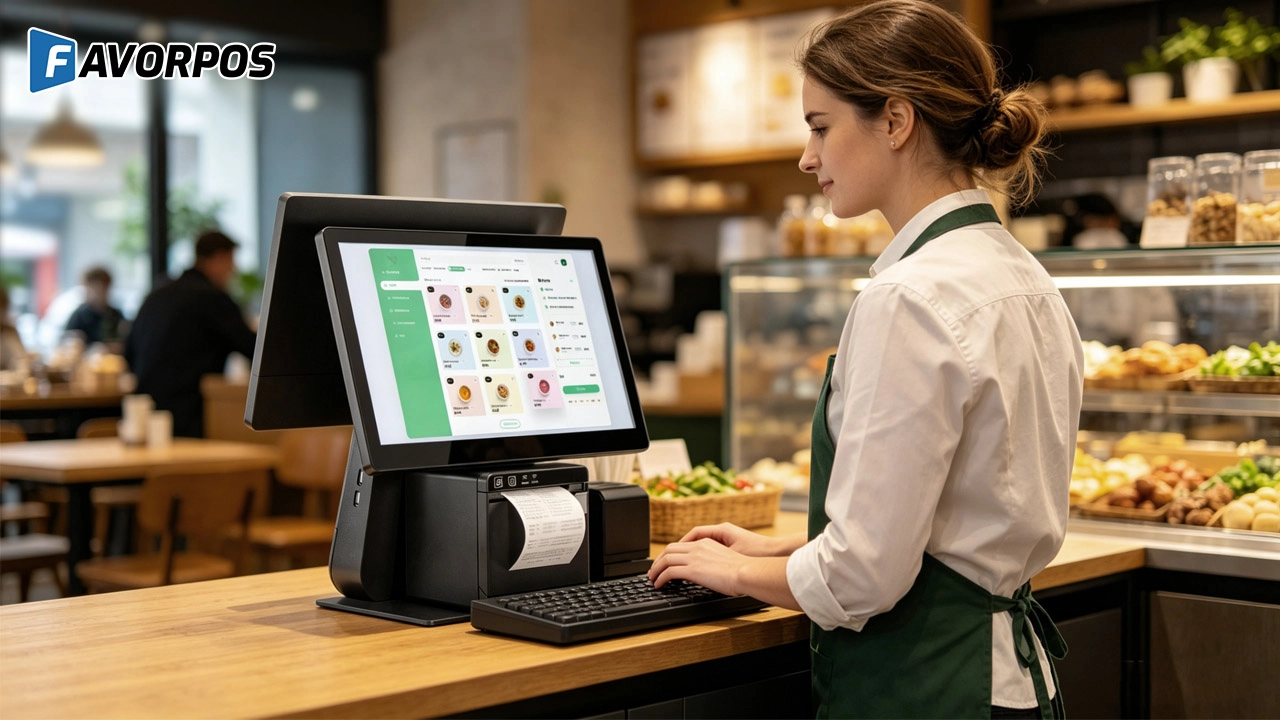
Smart Checkout, Simplified: Exploring the Power of a 15.6-Inch All-in-One POS Terminal
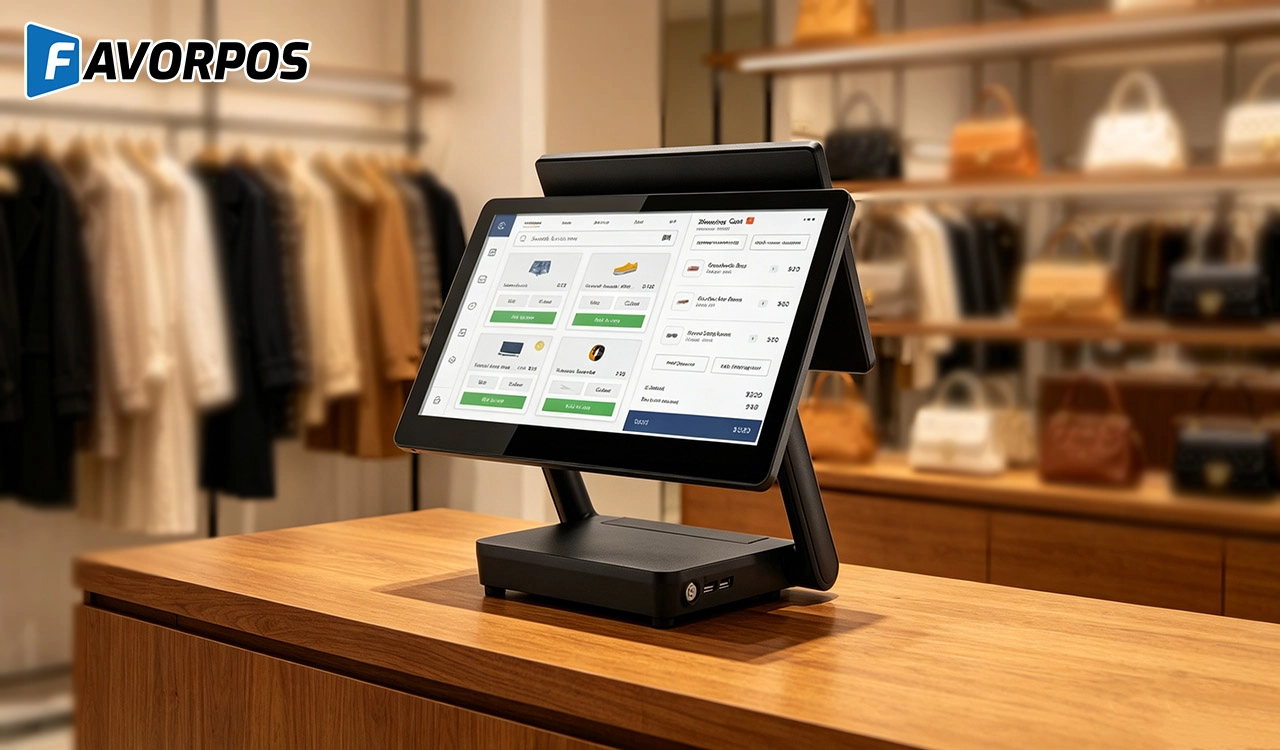
Why a 15.6” Touch POS Terminal Is Becoming the New Standard in High-Traffic Retail
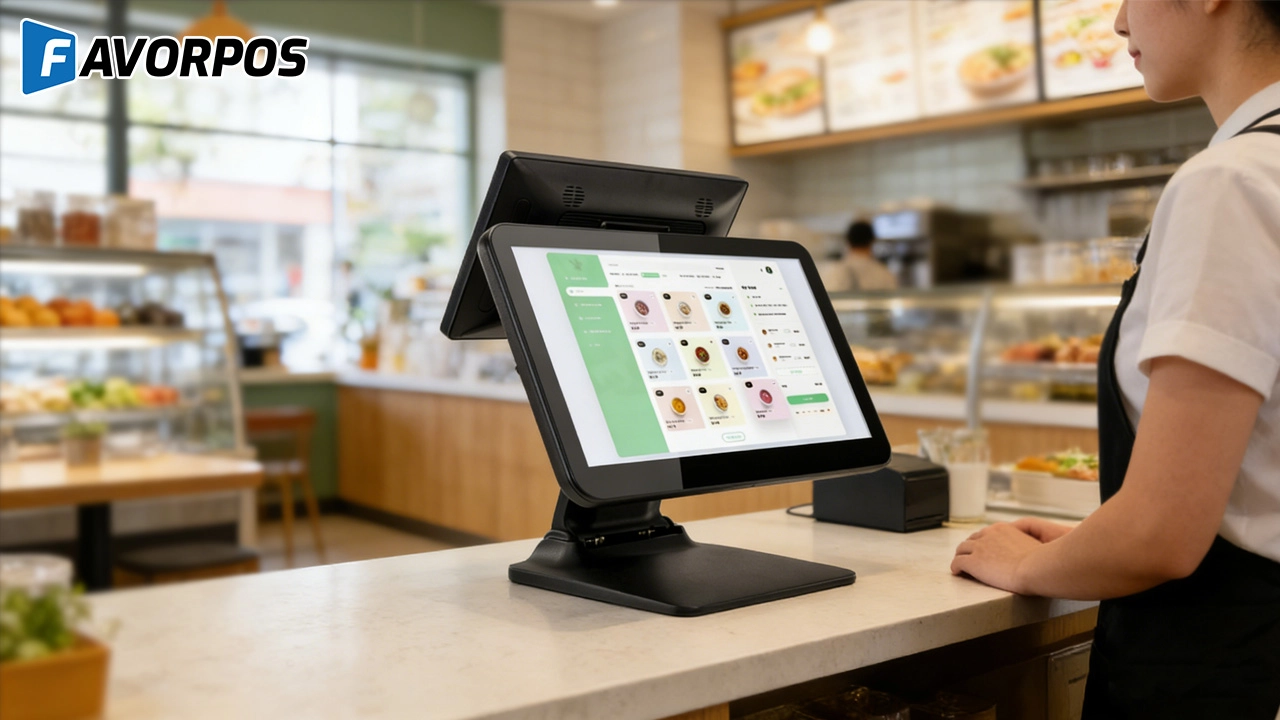
Beyond Checkout: How a 15.6-Inch Aluminum POS System Redefines Retail Efficiency
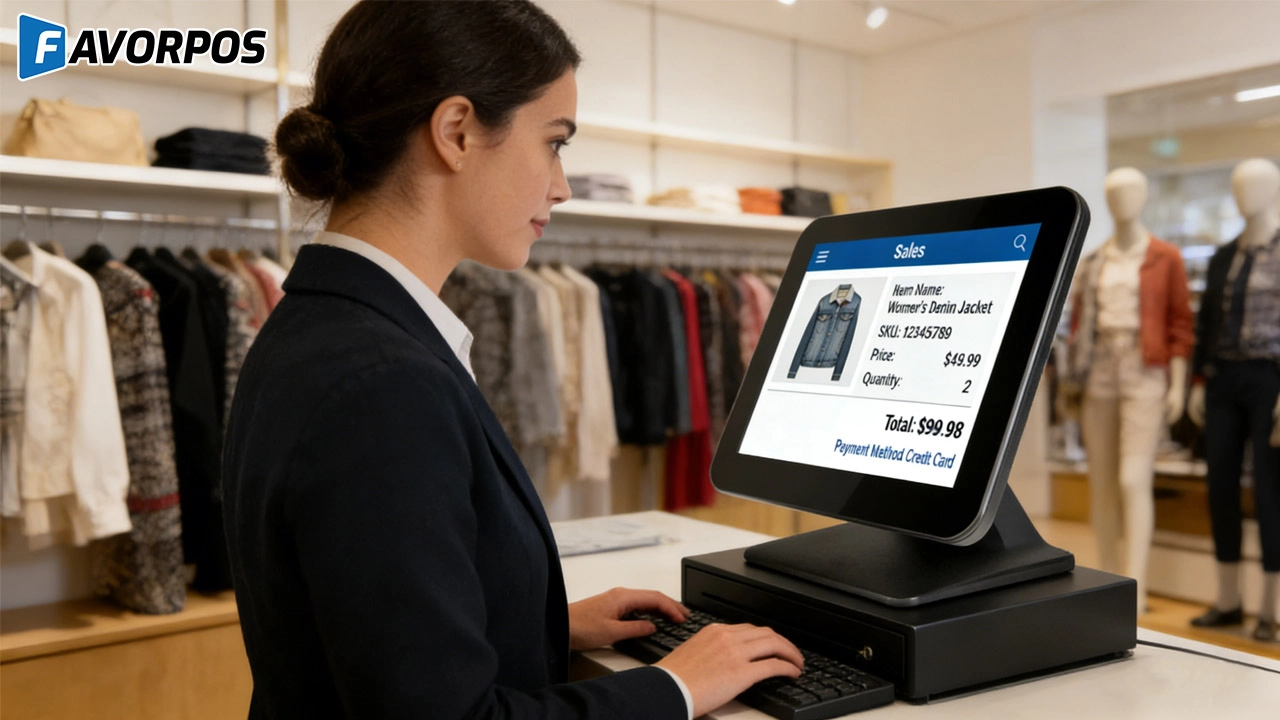
Understanding 15-Inch Aluminum POS Terminals in Modern Commercial Use
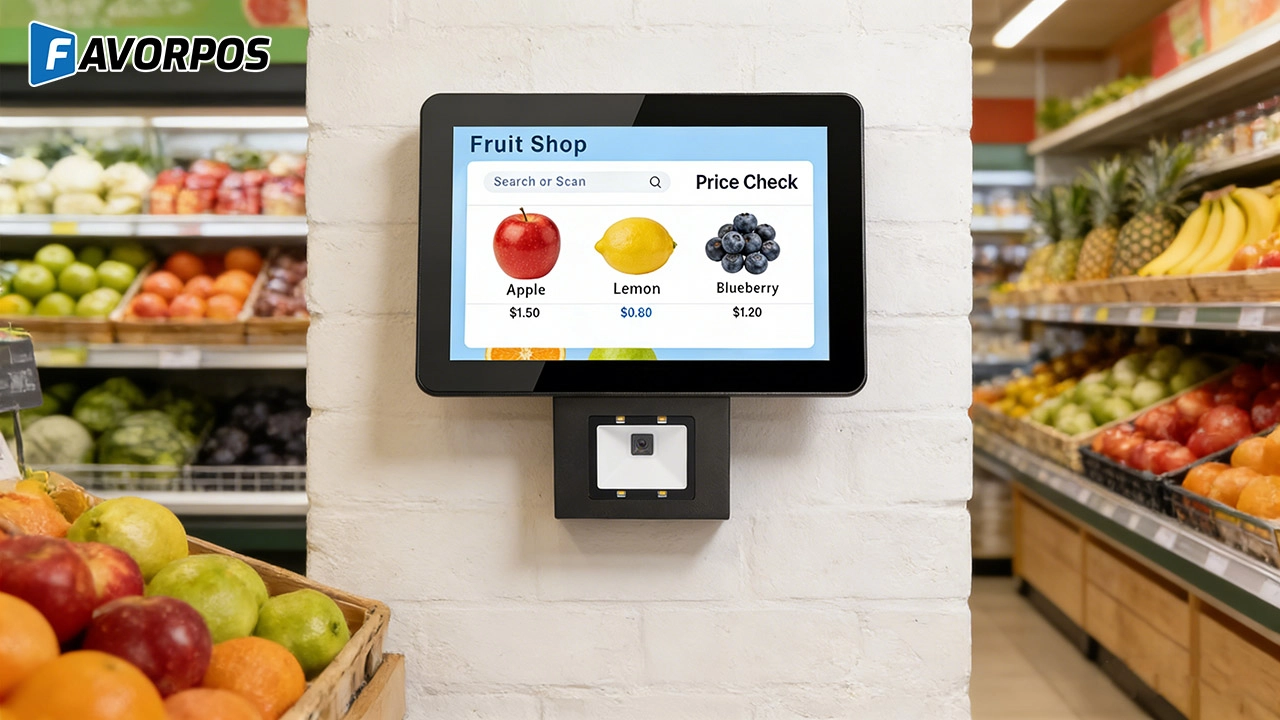
The Smart Way to Check Prices: How a 10.1-Inch Wall-Mounted Price Checker Transforms Retail Stores
For Entertainment & Events
What payment methods does your system support?
Our POS system supports multiple payment methods, including credit cards, digital wallets and contactless payments, providing customers with a convenient payment experience.
For Beauty and Wellness
Can your POS system handle both appointment scheduling and product sales?
Yes, our system can efficiently manage appointment scheduling, product sales and customer records to ensure the smooth operation of the beauty and health business.
For Grocery and Supermarkets
How does your system help manage perishable goods?
Our POS system tracks the shelf life of goods and provides reminders for perishable goods, helping you reduce waste and ensure product freshness.
For E-commerce
Can I manage inventory across multiple sales channels?
Of course. Our POS system provides real-time inventory synchronization across multiple online and physical stores to prevent inventory issues.
For ODM
What is the process of ODM service?
Our ODM service process includes the following steps:
1. Preliminary consultation: Discuss project goals, needs and vision with customers.
2. Design and development: Develop and confirm product design.
3. Prototyping & Testing: Prototypes are made, tested and designs are optimized.
4. Production: Carry out mass production, following quality standards and production schedules.
5. Logistics & Delivery: Manage logistics to ensure that products are delivered on time.
6. Post-production Support: Provide technical support and maintenance services.

11.6 inch Capacitive Touchscreen for POS Machine POS Monitor
FAVORPOS 11.6-inch capacitive touchscreen, specifically designed for POS machines to deliver a seamless and responsive user experience. This high-definition display offers vibrant visuals and crystal clear clarity, making it easy for staff to navigate through transactions efficiently. The capacitive technology ensures quick and accurate touch recognition, reducing wait times and enhancing customer satisfaction. Built to withstand the rigors of daily use, this touchscreen is perfect for retail and hospitality environments.
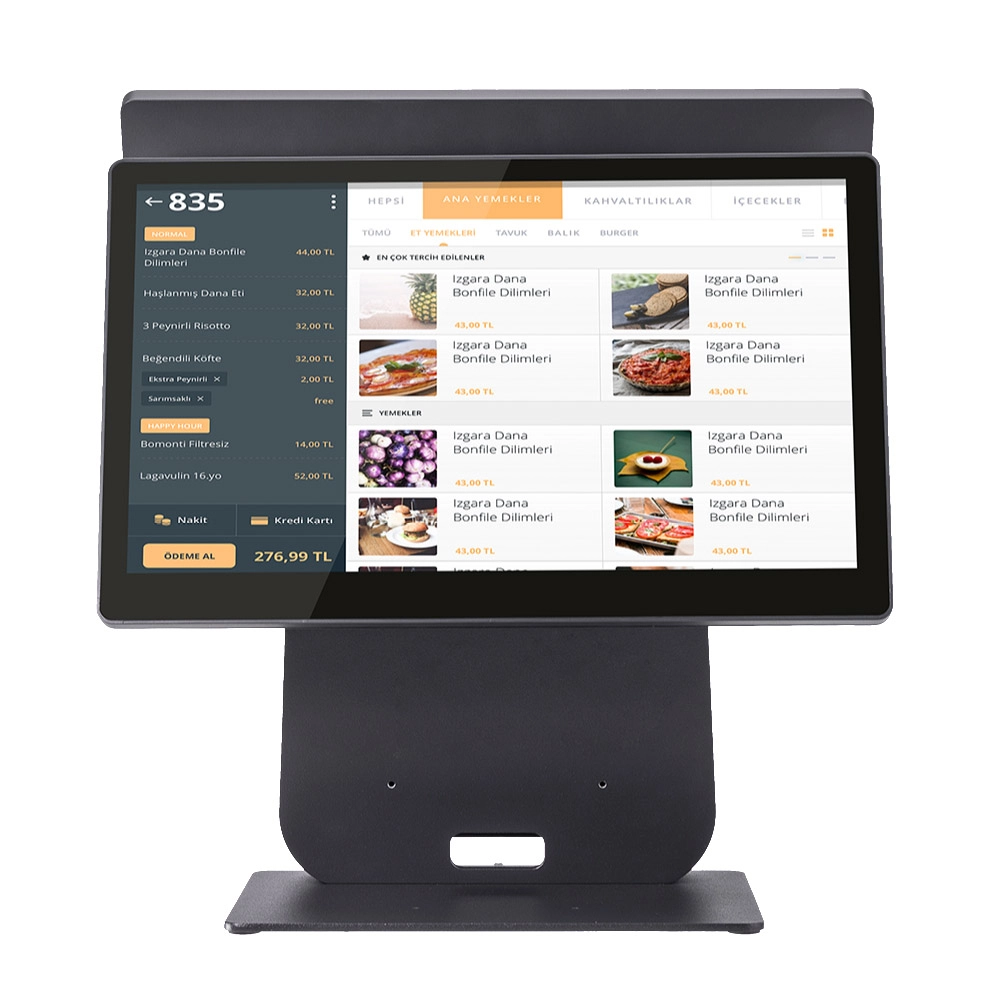
HD Dual Screen POS Machine Aluminum Hardware Android Windows Supplier
This dual-screen POS machine supports both Android and Windows systems, providing flexibility for various applications. The dual screens enhance customer interaction and streamline the checkout process, making transactions quicker and more engaging. Perfect for modern businesses looking to elevate their service and improve customer satisfaction, this POS machine is your ultimate partner in success!
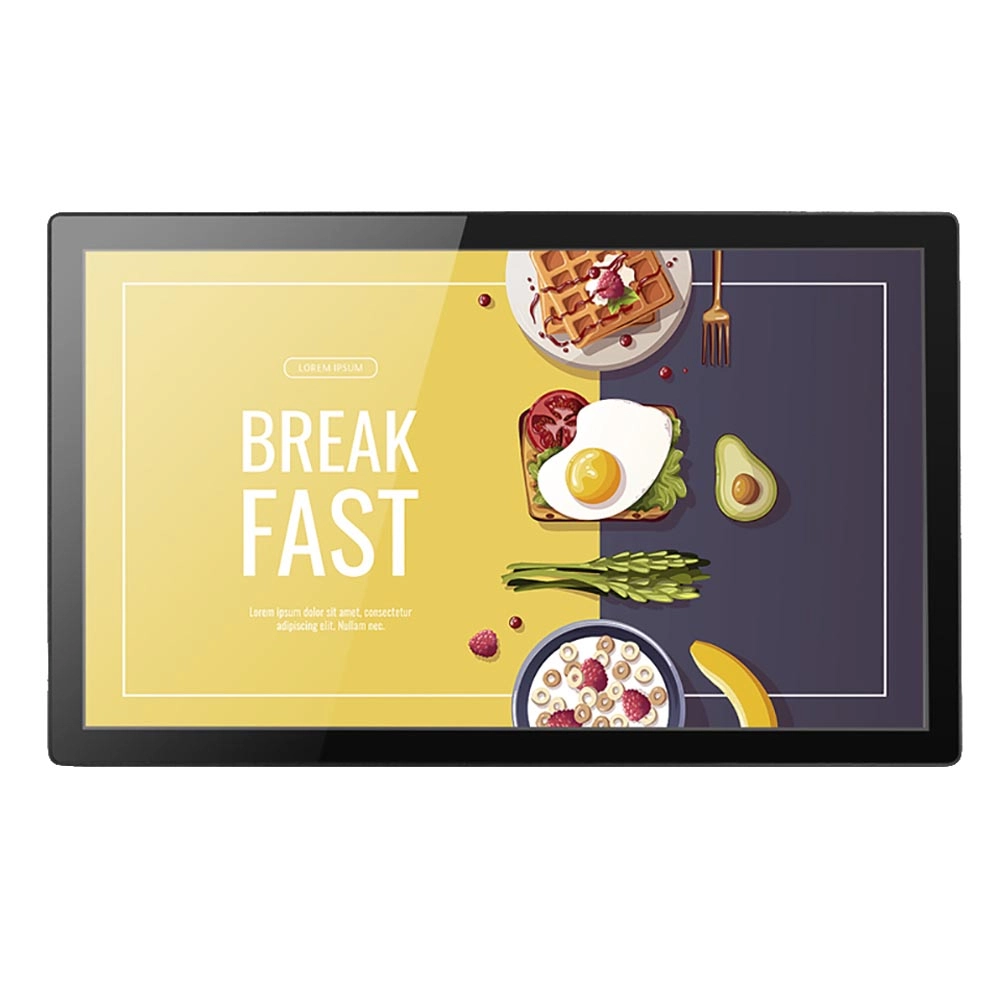
Wall Mount Cash Register POS 21.5 inch for Supermarket Touchscreen Windows Factory
Our sleek and modern wall-mounted POS system features a stunning 21.5-inch LED display, providing exceptional visibility and clarity for seamless customer interactions. The capacitive touchscreen ensures a highly responsive and intuitive user experience, perfect for fast-paced retail environments. With its space-saving wall-mounted design, this POS solution is ideal for optimizing floor space while maintaining a professional and contemporary appearance.
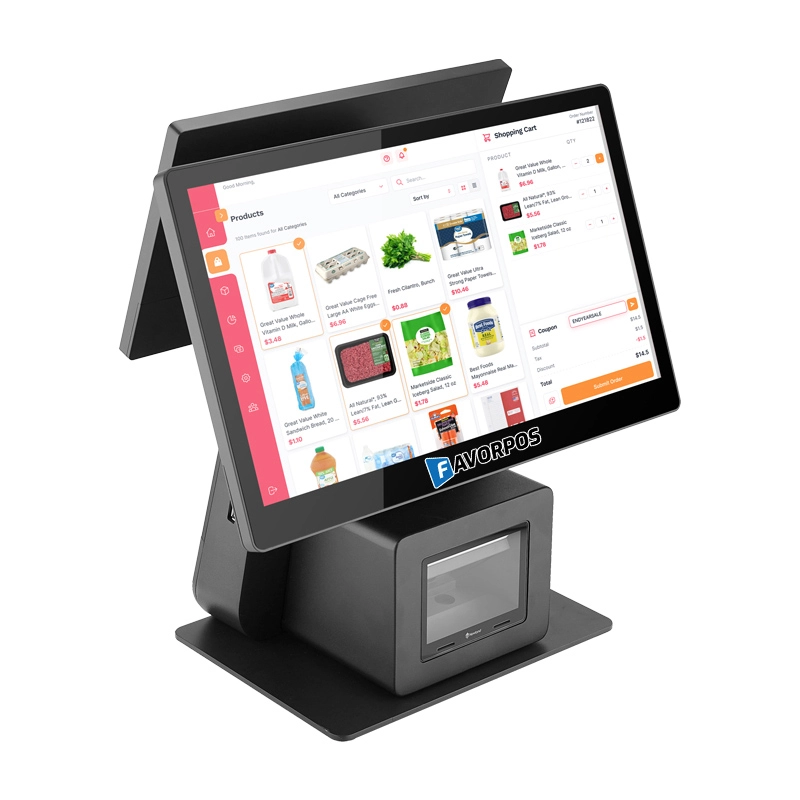
Dual Screen POS With Barcode Scanner Desktop POS Manufacturer POS Factory 15.6 11.6 Client Screen Optional
FAVORPOS: Your leading dual screen POS factory and manufacturer. Our desktop POS with barcode scanner offers 15.6/11.6 client screen options and OS flexibility. Get reliable, efficient dual screen POS with barcode scanner solutions directly from us.
Get in touch
Interested in becoming a POS system dealer? Contact us for more information and start the process of joining our dealer network.
We look forward to working with you to expand the market together.


Copyright © 2025 Favorpos All Rights Reserved.
