
What payment processing works best with bar POS?
- 1. How can a bar POS securely manage multiple open tabs per customer without losing card authorization or tipping data?
- 2. What payment processing features reduce chargebacks and disputes for bars that routinely run tabs?
- 3. For a high-volume sports bar with indoor/outdoor service, what hardware mix gives the most reliable coverage and fastest service?
- 4. How do POS systems for bars maintain PCI compliance when using mobile handhelds, contactless tips, and multiple integrated payment partners?
- 5. Which payment pricing model works best with bar POS: flat-rate (Square-style) or interchange-plus — and how to calculate break-even for a $30K/month bar?
- 6. What bar-specific POS features most reduce bartending time and increase table/seat turnover?
1. How can a bar POS securely manage multiple open tabs per customer without losing card authorization or tipping data?
Bars need fast tab flow plus secure card handling. The modern approach is a two-step authorization workflow combined with tokenization. At tab open, the POS performs an authorization hold (often a card-auth for a small amount or a zero/1¢ auth depending on the processor) to validate the card and create a token tied to that card. The POS keeps only the token — not the card data — which reduces PCI scope and enables final settlement later.
Best practices:
- Use tokenization and processor-hosted payment pages or P2PE-certified terminals so card PANs never touch the POS database.
- Perform a small authorization at tab open (or a zero-dollar auth if supported) and a final charge at close. Check your processor’s authorization hold window — many networks allow 1–7 days before the initial auth expires, so re-authorize for long-lived tabs.
- For partial payments or split tabs, design the POS to re-authorize only the remaining balance at close; avoid charging the same auth multiple times.
- Ensure tip capture is handled during final settlement; store gratuity as a separate field tied to the final transaction token, not as free-text in receipts.
- Enable staff permissions and audit logs so bartenders can’t void or override settlements without traceability, which protects against internal fraud.
Why this matters: Properly implemented token-based tab management prevents lost authorizations, minimizes failed settlements at close, and preserves correct tip and EMV liability flows — especially important for bars that run many open tabs and mobile POS handhelds.
2. What payment processing features reduce chargebacks and disputes for bars that routinely run tabs?
Bars are high-risk for chargebacks due to open tabs, intoxicated customers, and split payments. Reduce disputes by combining technical controls with operational policies.
Technical controls to require:
- Tokenization + EMV/NFC chip acceptance to shift fraud liability for counterfeit cards to the card issuer when possible.
- Strong transaction descriptors — clear merchant name, location, and contact number on the card statement — to reduce cardholder confusion (a leading cause of disputes).
- AVS/CVV verification for card-not-present or keyed-in closes; require card-present dipping or tap for final settlement when possible.
- Digital signature capture or electronic receipts tied to the tokenized final payment; many processors also store POS itemized receipts for 60–120 days for dispute evidence.
- Real-time receipt delivery (email/SMS) so customers see charges immediately and can resolve disputes on-site.
Operational policies:
- Train staff to ask for ID on card-present disputes and to follow a documented tab-close script that confirms totals and tips out loud.
- Use clear signage near the register about tipping and how tabs are processed to set expectations.
- Establish a quick refunds/voids workflow that resolves legitimate mistakes before a cardholder files a dispute.
Processors and gateways that provide dispute-management tools (evidence upload portals, automated chargeback alerts) further reduce loss and turnaround. Examples include vendors that offer integrated chargeback workflows and hosted evidence submission to networks, which is especially useful for busy bar managers.
3. For a high-volume sports bar with indoor/outdoor service, what hardware mix gives the most reliable coverage and fastest service?
High-volume bars need redundancy, speed, and mobility. Recommended hardware stack:
- Primary: Rugged countertop terminals or fixed iPad stations for fast lane checkout and keg/cappy stations. Choose EMV/NFC-capable terminals that support contactless wallets (Apple Pay/Google Pay).
- Handheld POS devices (Wi‑Fi + LTE fallback): For order-taking on the floor and at outdoor patios. LTE fallback prevents outages when Wi‑Fi is congested or fails.
- Portable EMV/NFC card readers: Pair with handhelds and stations for instant on-table payment and tap-to-pay tipping flows.
- Dedicated receipt printers and kitchen/bar printers for drink tickets; use fast-thermal models with good connectivity (Ethernet/Wi‑Fi) to avoid latency.
- Cash drawer and integrated peripherals (barline displays, ID scanners) with proper mounts to handle high throughput.
- Optional: Tablet stands, rugged cases, and charging docks to maintain uptime during long shifts.
Hardware cost expectations (ballpark): countertop terminals $300–$900; handhelds $400–$1,200; iPads $300–$800 (consumer) or higher for rugged models; receipt printers $120–$300. Choose a POS vendor that certifies hardware combos to ensure firmware compatibility and certified EMV/NFC handling.
4. How do POS systems for bars maintain PCI compliance when using mobile handhelds, contactless tips, and multiple integrated payment partners?
PCI compliance is about reducing cardholder data exposure. Bars that use handhelds and tap-to-pay should aim for a P2PE (point-to-point encryption) and tokenization strategy to keep clear of storing PANs.
Key points:
- Use P2PE-certified devices or processor-hosted terminals: these encrypt card data at the point of swipe/dip/tap so the POS never sees raw PANs. If certified P2PE is in place, your PCI SAQ scope is much smaller (often SAQ P2PE or SAQ P2PE-HW dependent on setup).
- Tokenization: Processors that tokenize return only tokens to the POS; tokens are useless if stolen and lower PCI burden.
- Limit POS storage: Never store full card PANs or track data in backups or analytics. Log only token IDs and last4 digits plus authorization IDs when needed for reconciliation.
- Implement secure networking: Segregate POS networks from guest Wi‑Fi, use WPA2/3 and VPNs for cloud sync, and enforce strong passwords and MFA for back-office access.
- Maintain regular firmware and OS updates on handhelds/terminals and follow vendor security bulletins.
Work with processors that provide clear SAQ guidance and can demonstrate P2PE and EMV certification. For legal/regulatory accuracy, consult the PCI Security Standards Council website for current requirements and your acquiring bank for processor-specific SAQ expectations.
5. Which payment pricing model works best with bar POS: flat-rate (Square-style) or interchange-plus — and how to calculate break-even for a $30K/month bar?
The right model depends on monthly volume, average ticket size, and the transaction mix (card present vs card-not-present, keyed entries, refunds). Flat-rate is simpler and predictable; interchange-plus (and tiered or blended interchange) can be cheaper at scale but typically requires negotiation and may have monthly fees.
Example calculation (illustrative):
- Assumptions: $30,000 monthly volume, average ticket $25 → 1,200 transactions/month.
- Flat-rate example (in-person): 2.6% + $0.10 — Monthly fee: 0 → Fees = 0.026*30,000 + 0.10*1,200 = $780 + $120 = $900 (3.00% effective).
- Interchange-plus example: average interchange 1.65% + processor markup 0.30% + $0.10 per tx → Fees = 0.0195*30,000 + 0.10*1,200 = $585 + $120 = $705 (2.35% effective).
In this sample, interchange-plus saves ~$195/month. Real interchange rates vary by card type (debit, rewards credit, corporate), and non-qualified rates may apply for keyed-in or unfavored transactions. Also factor in processor monthly gateway fees, chargeback fees, and terminal rentals.
Recommendation: For bars consistently processing >$20–30K/month with average in-person tickets, interchange-plus usually yields savings, provided you can pass through AVS/CVV and use EMV/NFC devices to avoid downgrade fees. For smaller or very price-sensitive operations that prefer predictability and no long-term contracts, a flat-rate vendor may be preferable. Always request a real merchant statement analysis (with actual interchange detail) and run a projected-fee model before switching.
6. What bar-specific POS features most reduce bartending time and increase table/seat turnover?
Prioritize workflow and automation features that speed order entry and reduce manual reconciliation:
- Quick-access buttons and customizable speed menus for popular drinks and modifiers (shots, mixers, sizes).
- Efficient open-tab management with easy split-check and quick-split-by-item functions to handle rounds and groups fast.
- Handheld order-entry with integrated EMV terminals to take payments at the bar or table and speed turnover.
- Automated happy hour and scheduled discounts so staff don’t manually adjust prices during peak periods.
- Inventory and keg-tracking integrations: real-time pour or POS-based keg decrementing to signal when to change kegs and avoid out-of-stock surprise during service.
- Kitchen/Bar Display Systems (BDS) or ticket printers with prioritized ticket routing for high-volume drink stations (expediter line management).
- Integrated staff timeclock and tip-pooling features to streamline payroll and reduce administrative overhead.
These features cut bartender keystrokes, reduce mistakes, and bring customers through faster — improving throughput and net revenue per seat. When evaluating vendors, test real shift workflows (simulated rush) to see which POS reduces seconds-per-order the most.
Conclusion: Choosing the right bar POS and payment processing setup requires attention to secure tab workflows, chargeback-reduction features, hardware redundancy for indoor/outdoor service, and a clear understanding of pricing models. For many growing bars, an interchange-plus processor plus P2PE/tokenization and handheld EMV/NFC devices gives the best mix of lower cost and reduced fraud exposure. Prioritize vendors that certify hardware bundles, provide dispute-management tools, and offer bar-oriented features (speed menus, keg/inventory tracking, scheduled discounts) to maximize throughput and profitability.
Advantages summarized: integrated payments with tokenization lower PCI scope and fraud; EMV/contactless reduces counterfeit liability; interchange-plus pricing typically cuts fees at scale; handhelds with LTE fallback keep service live outdoors; and bar-specific software automations speed bartending and reduce errors.
Contact us for a tailored quote at www.favorpos.com or email sales2@wllpos.com.
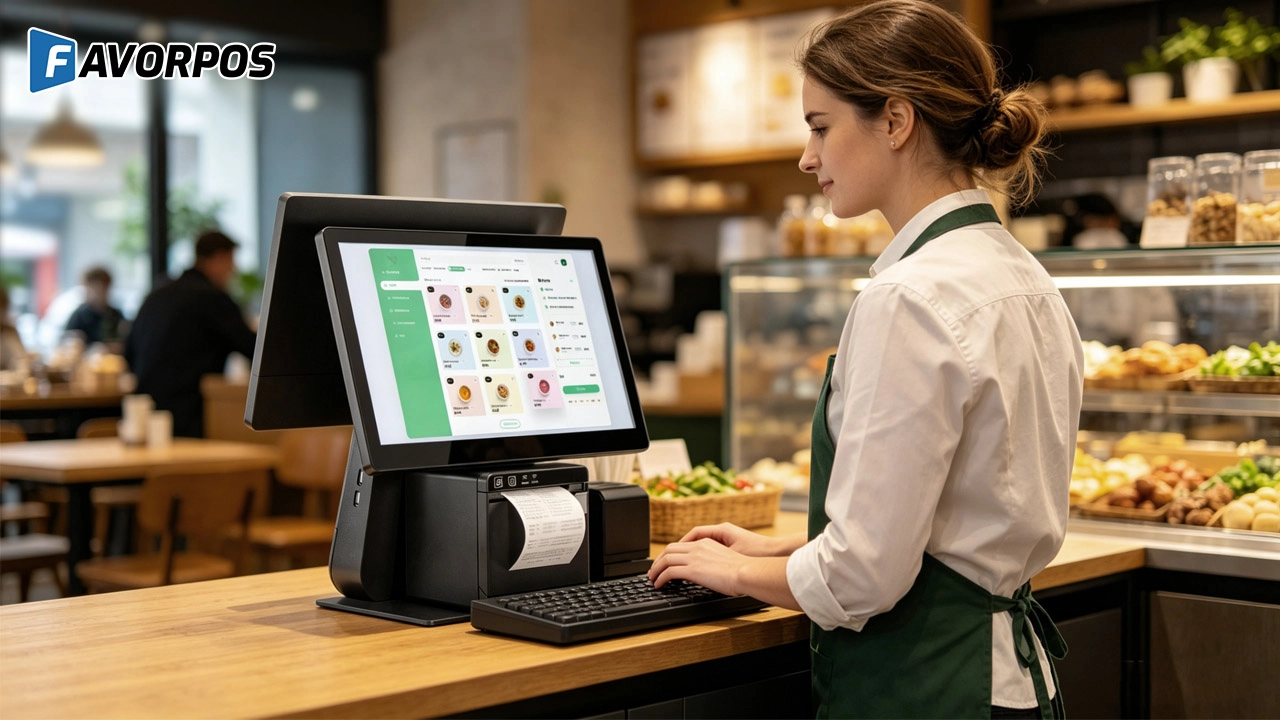
Smart Checkout, Simplified: Exploring the Power of a 15.6-Inch All-in-One POS Terminal
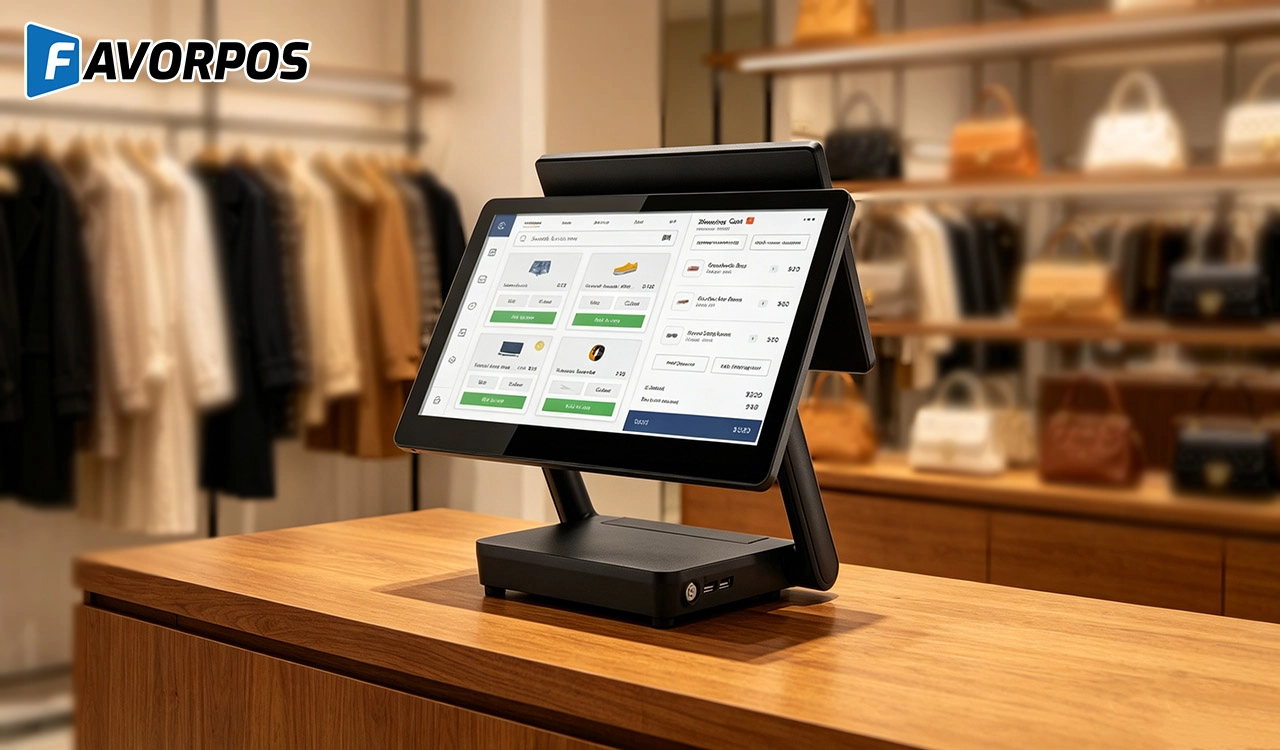
Why a 15.6” Touch POS Terminal Is Becoming the New Standard in High-Traffic Retail
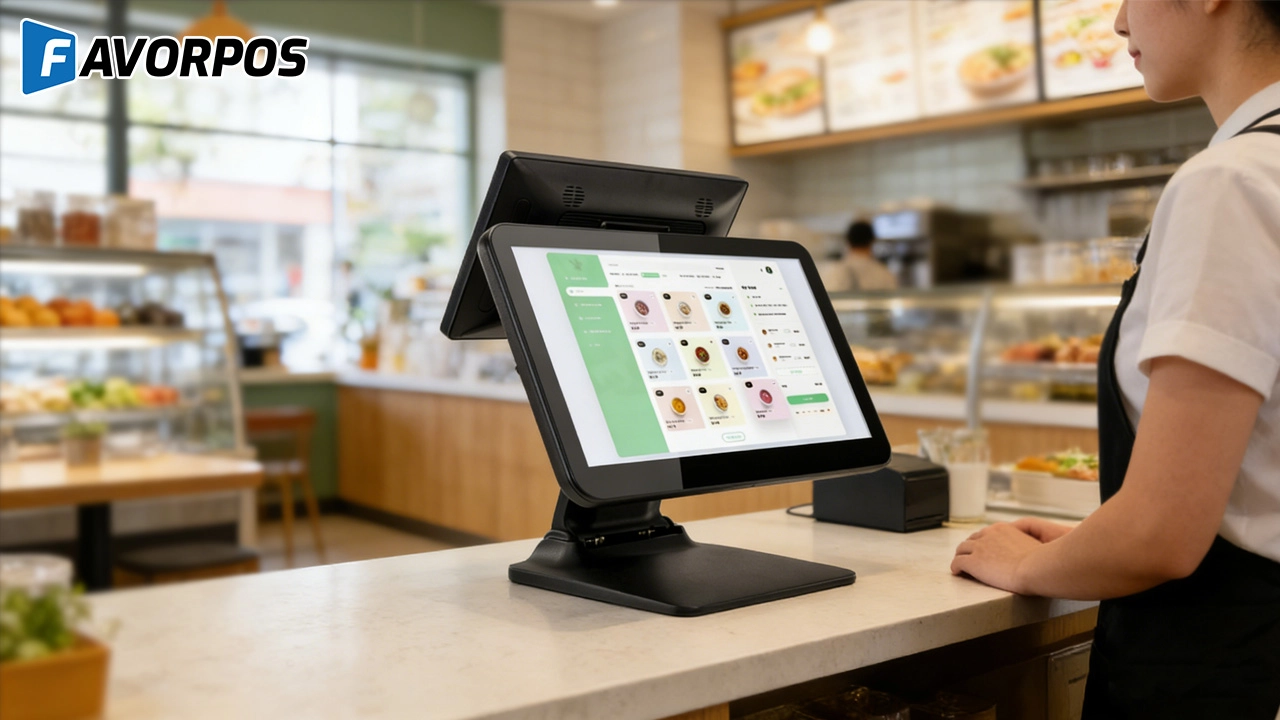
Beyond Checkout: How a 15.6-Inch Aluminum POS System Redefines Retail Efficiency
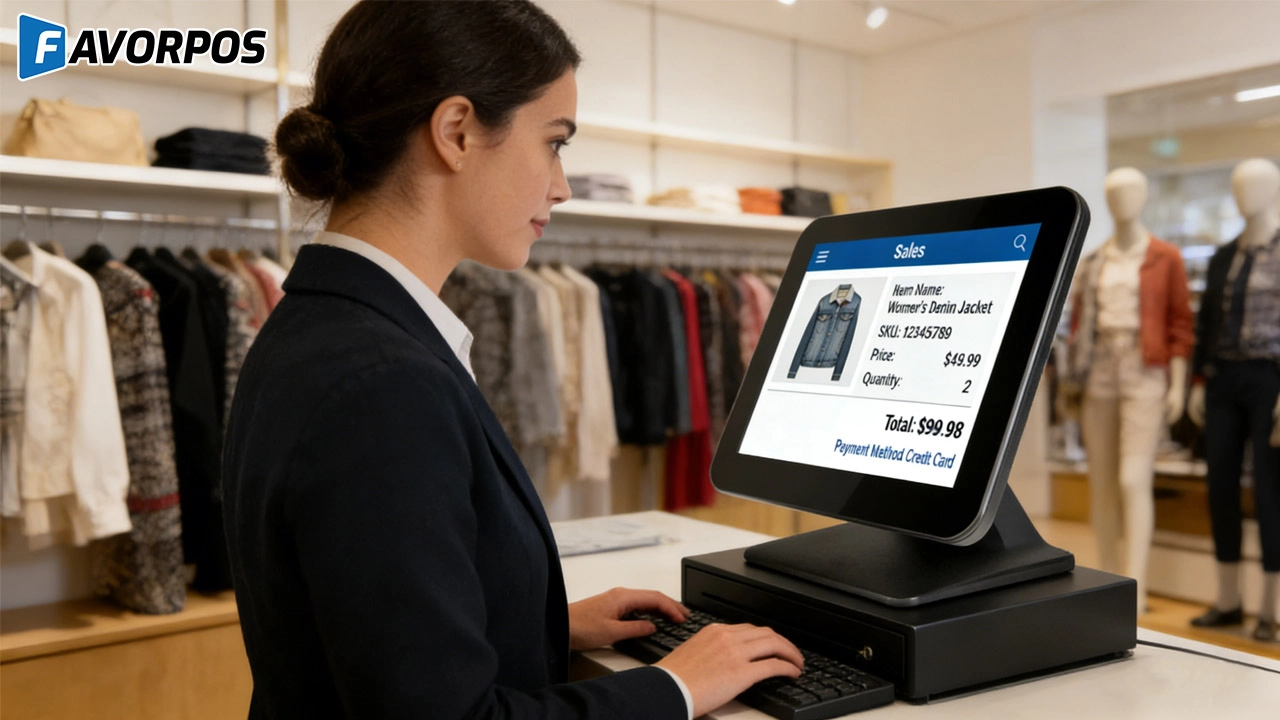
Understanding 15-Inch Aluminum POS Terminals in Modern Commercial Use
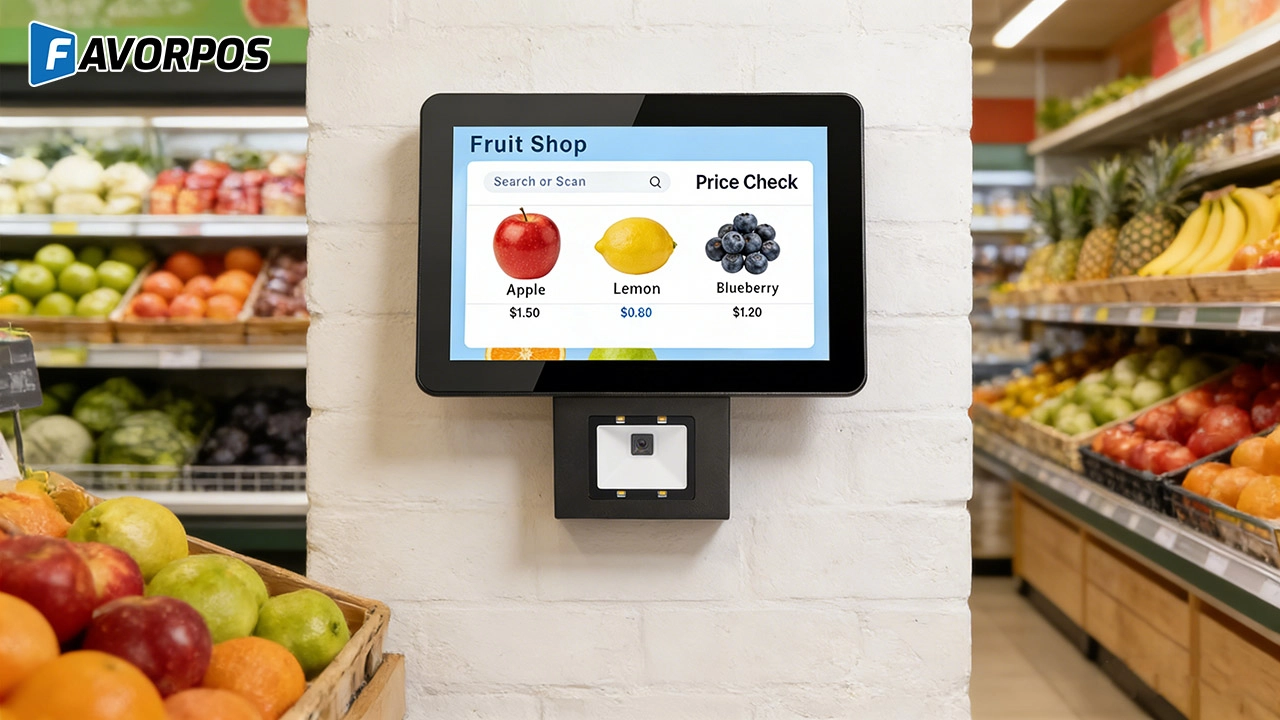
The Smart Way to Check Prices: How a 10.1-Inch Wall-Mounted Price Checker Transforms Retail Stores
For E-commerce
How long does it take to implement a POS system?
Implementation time depends on the complexity of the customization, but it can usually be completed within a few weeks, including testing and training.
For Healthcare
How long does it take to implement the POS system?
Implementation time varies depending on customization requirements and usually ranges from a few weeks to a few months, including installation and employee training.
For Restaurants & Cafes
What is the warranty period for the POS system?
We provide a standard warranty period of at least one year. During the warranty period, if the device fails, we will provide free repair or replacement services. The specific warranty period and terms can be negotiated according to the contract.
For Solutions Retail
How long is the warranty period of the equipment?
We provide a standard warranty period of at least one year, and the specific time can be agreed upon according to the terms of the contract.
For Grocery and Supermarkets
Can I manage multiple stores with your POS system?
Yes, our POS solution provides multi-store management capabilities, allowing you to control pricing, inventory, and promotions for all stores from a single platform.

11.6 inch Capacitive Touchscreen for POS Machine POS Monitor
FAVORPOS 11.6-inch capacitive touchscreen, specifically designed for POS machines to deliver a seamless and responsive user experience. This high-definition display offers vibrant visuals and crystal clear clarity, making it easy for staff to navigate through transactions efficiently. The capacitive technology ensures quick and accurate touch recognition, reducing wait times and enhancing customer satisfaction. Built to withstand the rigors of daily use, this touchscreen is perfect for retail and hospitality environments.
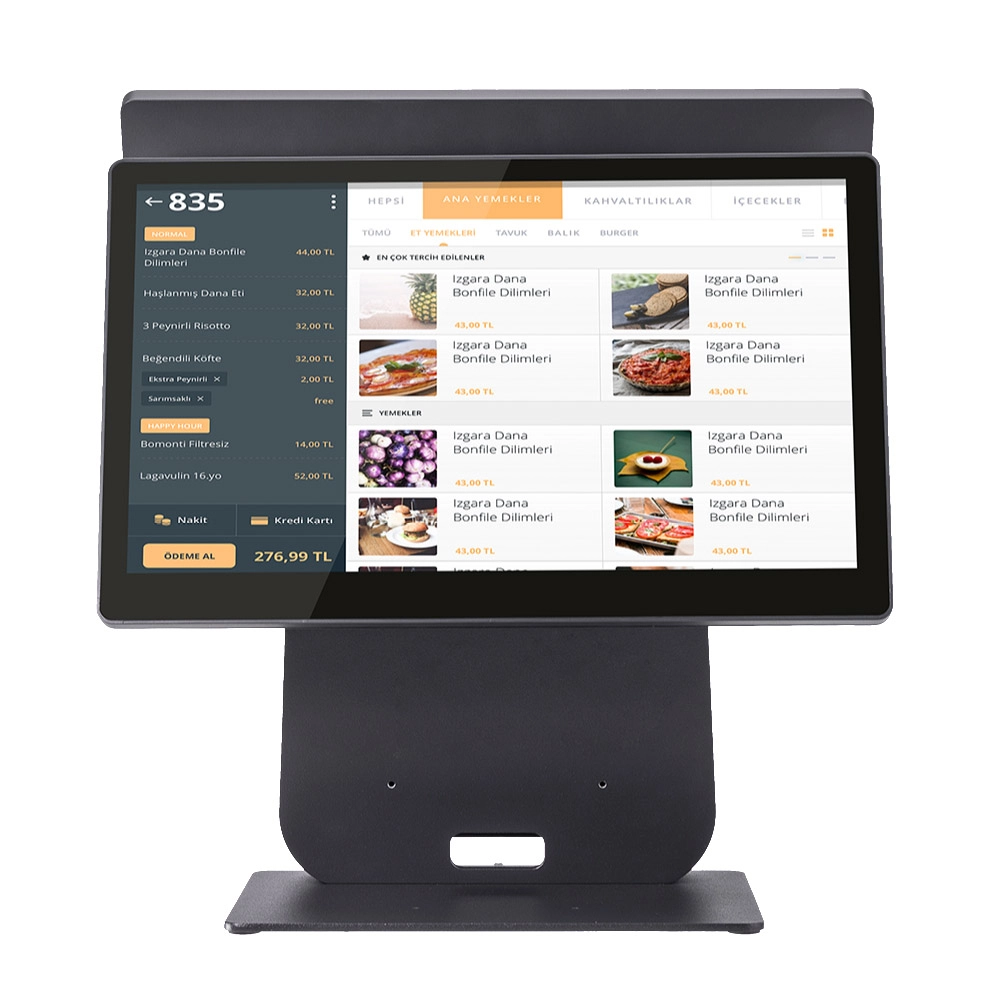
HD Dual Screen POS Machine Aluminum Hardware Android Windows Supplier
This dual-screen POS machine supports both Android and Windows systems, providing flexibility for various applications. The dual screens enhance customer interaction and streamline the checkout process, making transactions quicker and more engaging. Perfect for modern businesses looking to elevate their service and improve customer satisfaction, this POS machine is your ultimate partner in success!
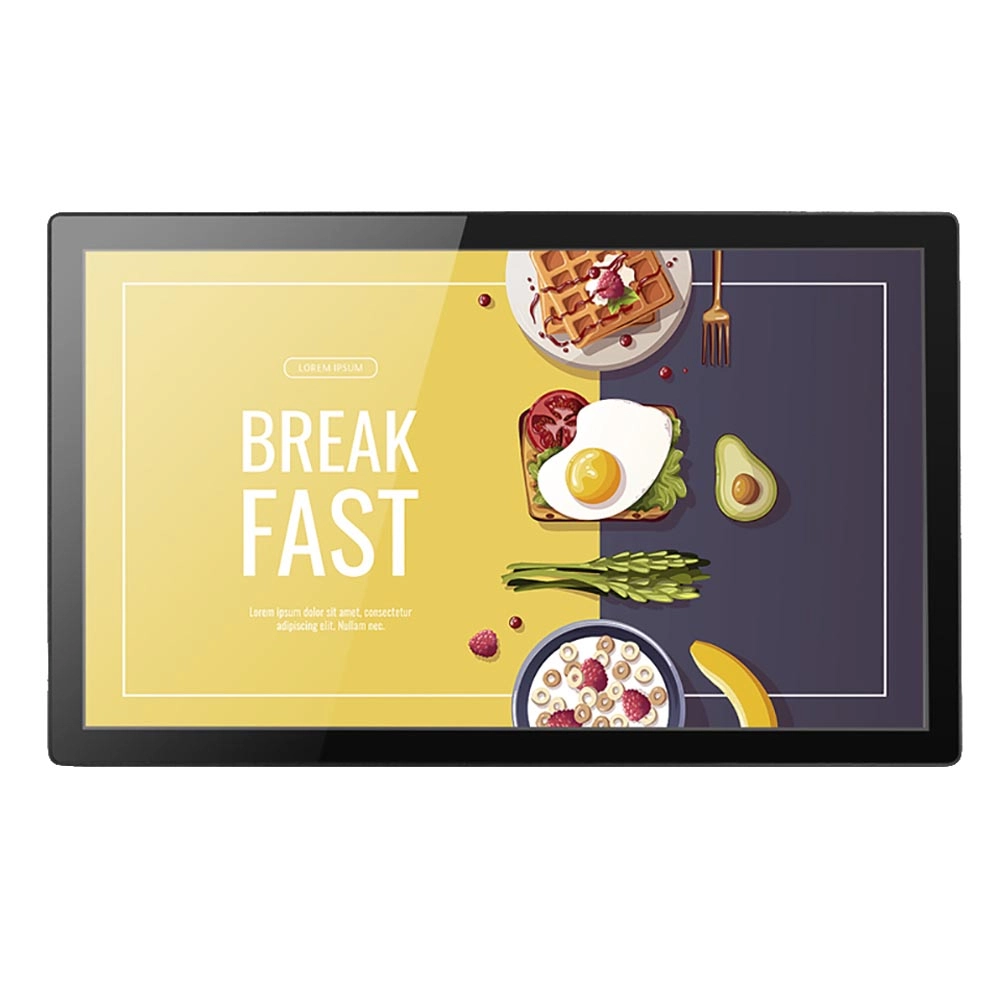
Wall Mount Cash Register POS 21.5 inch for Supermarket Touchscreen Windows Factory
Our sleek and modern wall-mounted POS system features a stunning 21.5-inch LED display, providing exceptional visibility and clarity for seamless customer interactions. The capacitive touchscreen ensures a highly responsive and intuitive user experience, perfect for fast-paced retail environments. With its space-saving wall-mounted design, this POS solution is ideal for optimizing floor space while maintaining a professional and contemporary appearance.
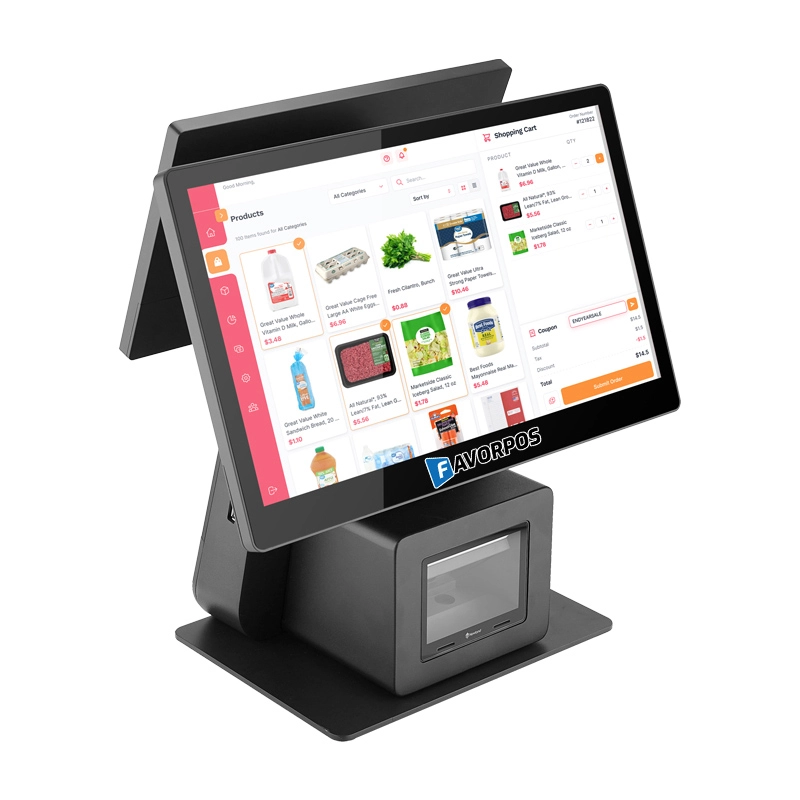
Dual Screen POS With Barcode Scanner Desktop POS Manufacturer POS Factory 15.6 11.6 Client Screen Optional
FAVORPOS: Your leading dual screen POS factory and manufacturer. Our desktop POS with barcode scanner offers 15.6/11.6 client screen options and OS flexibility. Get reliable, efficient dual screen POS with barcode scanner solutions directly from us.
Get in touch
Interested in becoming a POS system dealer? Contact us for more information and start the process of joining our dealer network.
We look forward to working with you to expand the market together.


Copyright © 2025 Favorpos All Rights Reserved.
