
Mobile vs countertop POS: Which is best for a bar?
- How can I set up a bar POS to prevent overpouring and accurately track liquor costs without investing in proprietary hardware?
- Can a mobile POS reliably handle high-volume bar rushes (multiple simultaneous tabs, heavy card processing) without drops or slowdowns?
- What are the hidden monthly and variable costs for POS systems for bars, and how do I compare total cost of ownership (TCO)?
- How do I configure a POS to manage open tabs, split checks, tip pooling, and staff permissions so bartenders aren’t slowed during rushes?
- Do mobile POS systems meet liquor licensing and age verification requirements for bars, and what features should I demand to stay compliant?
- Mobile vs countertop POS: Which is best for a bar during peak hours, outdoor patios, and special events?
How can I set up a bar POS to prevent overpouring and accurately track liquor costs without investing in proprietary hardware?
Bars often think precise pour-tracking requires pricey integrated dispensers, but you can materially reduce liquor loss using a layered approach. First, use a POS with strong inventory management and recipe-level pour recipes (also called PLUs or portion control). Configure each cocktail and pour as an inventory recipe so each sale decrements bottle units and calculates theoretical pour cost.
Next, combine low-cost hardware and procedures: calibrated electronic scales on back-bar prep stations and periodic bottle weigh-ins at key shifts will reconcile theoretical vs. actual usage. Many modern bar point of sale platforms support scheduled inventory counts and variance reports—use those to spot trends. Add smart pour attachments or flow meters only at the highest-loss points; they are most cost-effective when paired with recipes already defined in the POS.
Finally, enforce staff best practices via POS user roles and pour policies: require servers to close open pours as a discrete item and restrict manager-level overrides. Use daily liquor-cost dashboards and alerts for variances beyond a defined threshold to catch overpouring early. This hybrid approach (software-first + selective hardware + procedures) delivers near-proprietary accuracy for a fraction of the cost and keeps you compliant with liquor-cost reporting and POS analytics requirements.
Can a mobile POS reliably handle high-volume bar rushes (multiple simultaneous tabs, heavy card processing) without drops or slowdowns?
Yes—if you design the solution for resiliency. Mobile POS terminals (tablet- or phone-based) can match countertop systems at peak times when you address three technical layers: local transaction performance, network redundancy, and payment processing architecture.
Local performance: choose a tablet/CPU with sufficient RAM and a POS app that supports offline queuing and local transaction caching. When properly configured, the device accepts and queues orders immediately and syncs when connectivity returns, preventing user-facing lag.
Network redundancy: deploy dual-connectivity—robust on-premises Wi-Fi plus LTE/5G cellular failover or a dedicated hotspot. Many bars use a managed business-grade Wi‑Fi with band steering and separate SSIDs for POS devices to avoid interference from guest traffic.
Payments and processing: use a POS with integrated, EMV‑compliant card readers that support contactless (NFC/tap-to-pay) and have a fallback for offline authorization (limited amount) if the processor and payment provider allow it. Also confirm your POS provider supports load‑balanced authorization and fast tokenized processing to minimize latency.
Finally, consider a hybrid deployment: countertop terminals at fixed points (bar rail, backbar) for the busiest lanes and mobile devices for table-side and floor service. This ensures capacity where you need it while preserving flexibility.
What are the hidden monthly and variable costs for POS systems for bars, and how do I compare total cost of ownership (TCO)?
Beyond the sticker price of hardware and the monthly subscription, the most common overlooked expenses are payment processing fees, chargeback handling, hardware replacement, software add-on modules, training, and support SLA tiers.
Payment fees: interchange plus vs flat-rate processors differ widely. Factor in average ticket size, swipe vs tap vs keyed transactions (keyed transactions cost more), and tip rates. Request a sample monthly statement from a vendor to model your actual effective rate.
Licensing and add-ons: inventory management, advanced reporting, KDS (kitchen display system), loyalty, and integrations (accounting, payroll) are often sold as modules. Confirm which features are included and which are extras.
Support & warranties: calculate annualized replacement costs for spill-resistant tablets, printers, and card readers. Add the cost of extended support or 24/7 phone support if your bar operates late hours. Also include implementation and training time (and associated staff labor cost).
Downtime and chargebacks: lost revenue during outages is a real cost. Look for vendors with uptime SLAs and redundant payment routing. Finally, model migration costs if you switch providers—data export/import and staff retraining are not free.
To compare TCO, build a simple 3-year spreadsheet with: upfront hardware, monthly software license, estimated processing fees, add-on modules, annual support/warranty, and a contingency for replacements. Use this to compare apples-to-apples between vendors.
How do I configure a POS to manage open tabs, split checks, tip pooling, and staff permissions so bartenders aren’t slowed during rushes?
A bar POS must streamline tab management while keeping security tight. Best practices:
Open-tab workflows: configure tabs to be tied to cards, bar tabs, or a unique tab ID. Card‑on‑file tabs speed up closing at peak times; ensure the POS tokenizes card data and complies with PCI-DSS so cards are not stored insecurely.
Fast split checks: implement item-level splitting and partial-payments so a single tab can be paid by multiple cards without re-entering the entire ticket. Pre-auth and incremental tips should be supported for card-on-file tabs.
Tip pooling and reporting: set up tip pooling rules by role (bartender, barback, server) and configure POS tip-out automation to calculate nightly tip pools, tax adjustments, and payroll exports. Prefer systems that export to your payroll provider in a compliant format.
Granular staff permissions: lock critical functions—voids, discounts, price overrides—behind manager PINs or biometric auth. Use audit trails with timestamps and staff IDs to deter fraud and simplify investigations.
Quick workflows: customize button layouts for the bar (speed keys for popular drinks, modifiers for variants) so bartenders can ring items with minimal taps. Test workflows during mock rushes and measure time-per-order to refine the interface.
Do mobile POS systems meet liquor licensing and age verification requirements for bars, and what features should I demand to stay compliant?
Mobile POS devices can meet licensing and age-verification requirements if the POS supports timestamped ID scanning, mandatory prompts, and reporting for audits. Features to require:
Integrated ID scanning: barcode or MRZ (machine-readable zone) scanning that captures birth date and flags underage attempts. Scanned IDs should attach securely to the ticket or incident log with timestamp.
Mandatory prompts: configure the POS to force an age-check prompt for all alcohol item types and to require a staff confirmation before completing the sale.
Audit-ready reporting: exportable reports that show time, device, staff ID, scanned ID info (redacted as allowed by law), and flag incidents where service was refused.
Geolocation and local law settings: if you operate across multiple jurisdictions (patio vs indoor, different cities), ensure the POS can enforce local age-of-sale rules and curfew hours.
Data privacy: ensure the vendor’s ID scanning and storage practices comply with local data-protection laws. In many regions you should avoid storing full ID images unless required; prefer hashed or tokenized references.
Ask your POS vendor for documentation showing their ID-scan integrations and get a compliance checklist from your local liquor authority to map POS features to regulatory needs.
Mobile vs countertop POS: Which is best for a bar during peak hours, outdoor patios, and special events?
There is no single answer—choose based on use-case and workflows. Consider a hybrid strategy:
Countertop POS strengths: reliable wired connections, larger screens, permanent receipt printers and cash drawers, and better resistance to theft. Use them at fixed service bars and backbar stations during peak hours for the most throughput and easiest reconciliation.
Mobile POS strengths: flexibility for floor service, faster table turnover, and better guest experience for patio and events. Modern mobile units also support contactless payments, digital tabs, and QR ordering for reduced lines.
Choose hybrid when: your venue has a busy fixed bar where throughput matters (use countertop terminals) plus tables/patio/events where mobility improves service (use tablets or phones). Ensure both share a single cloud back end for unified inventory, reporting, and employee management.
Other practical factors: battery life and ruggedized hardware for the patio, weather‑proof mounts for outdoor countertop terminals, and POS devices with enterprise-grade Wi‑Fi and LTE failover for pop-ups and festivals.
Operational tip: train staff on switching contexts—mobile devices for order taking, countertop for bar payments—so workflows don’t collide. Monitor real-time analytics to dynamically reassign devices during surges.
Conclusion — Advantages of modern POS systems for bars
Modern bar POS solutions (whether mobile, countertop, or hybrid) bring inventory-driven pour control, robust tab and tip management, and compliance tools for age verification—while improving service speed and reporting. A software-first approach with selective hardware investments, redundant connectivity, and clear staff workflows reduces losses, supports regulatory compliance, and optimizes labor during rushes. Choose a vendor that offers integrated payments, granular permissions, reliable uptime guarantees, and modular add-ons (loyalty, KDS, bookkeeping integrations) so your system grows with your business.
For a custom recommendation and a quote tailored to your bar’s layout, volume, and compliance needs, contact us at www.favorpos.com or email sales2@wllpos.com.
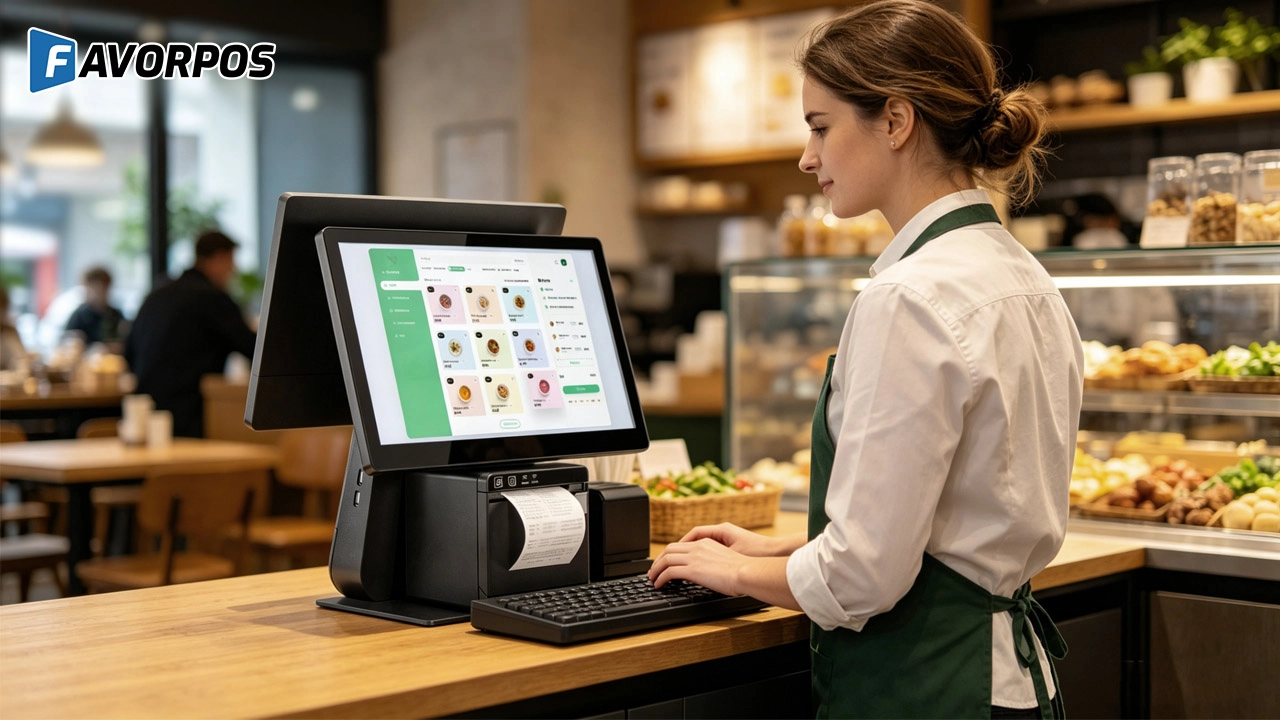
Smart Checkout, Simplified: Exploring the Power of a 15.6-Inch All-in-One POS Terminal
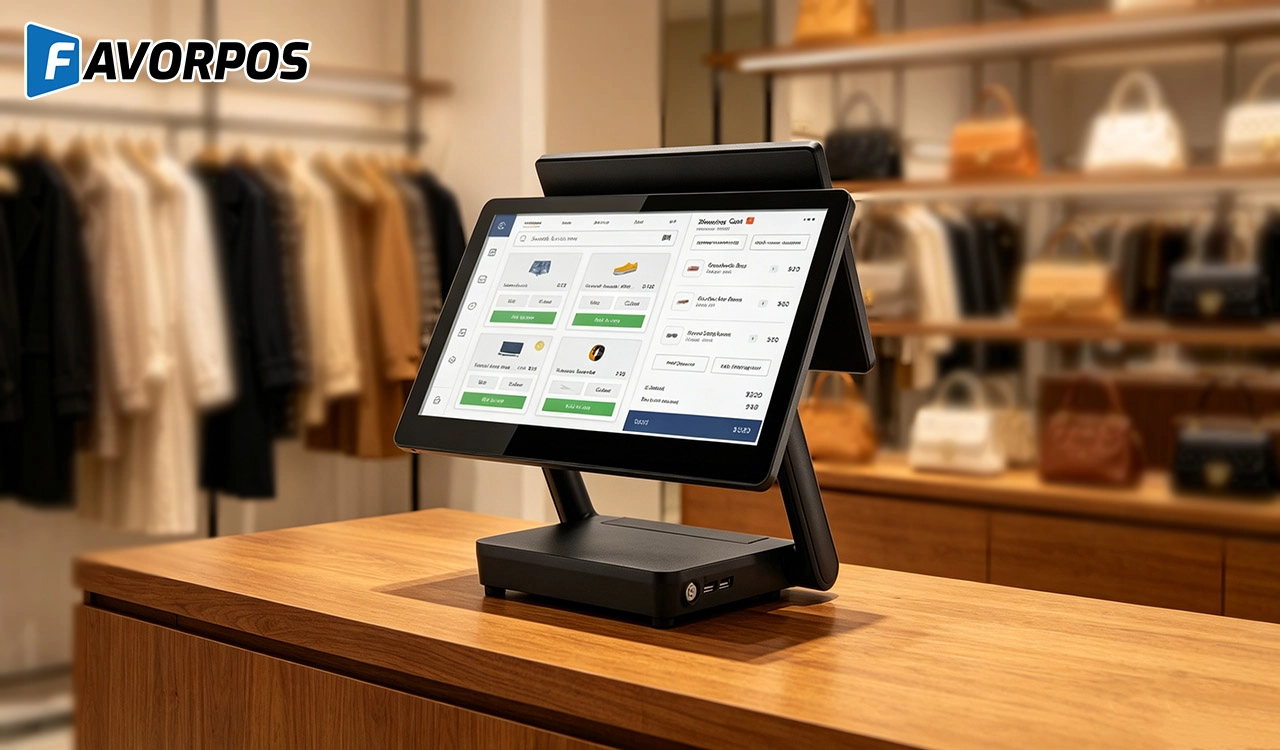
Why a 15.6” Touch POS Terminal Is Becoming the New Standard in High-Traffic Retail
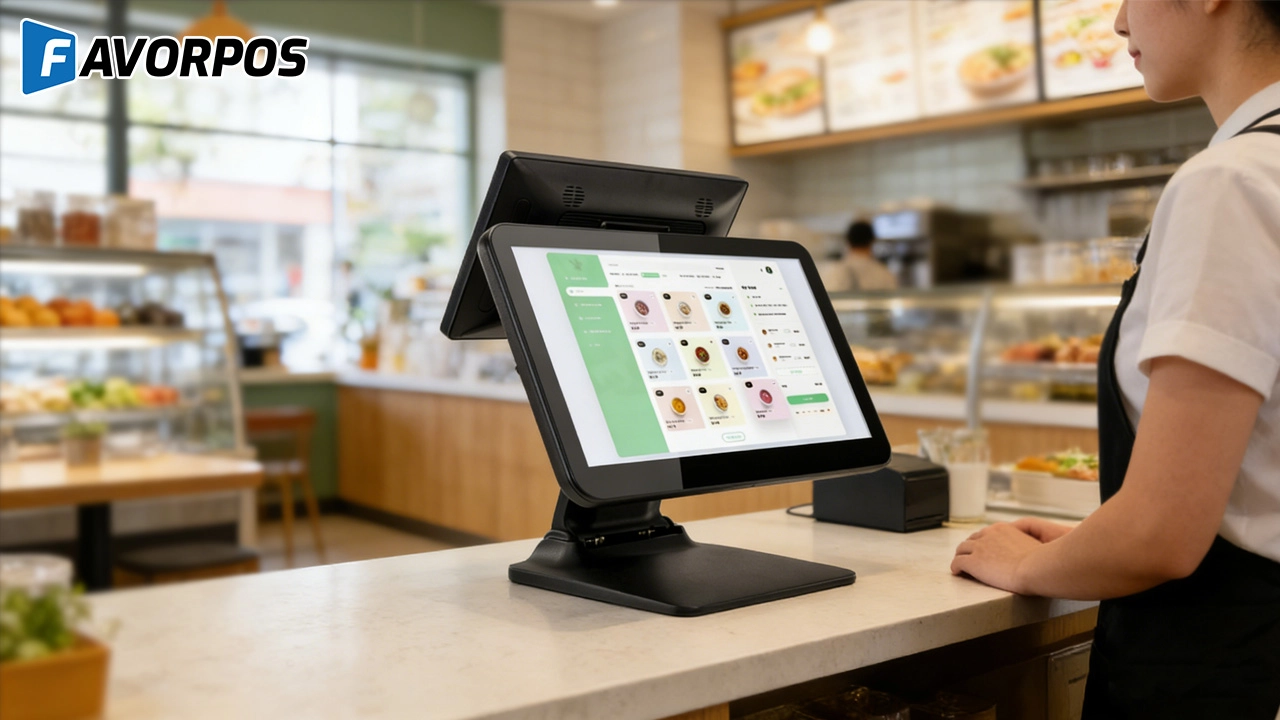
Beyond Checkout: How a 15.6-Inch Aluminum POS System Redefines Retail Efficiency
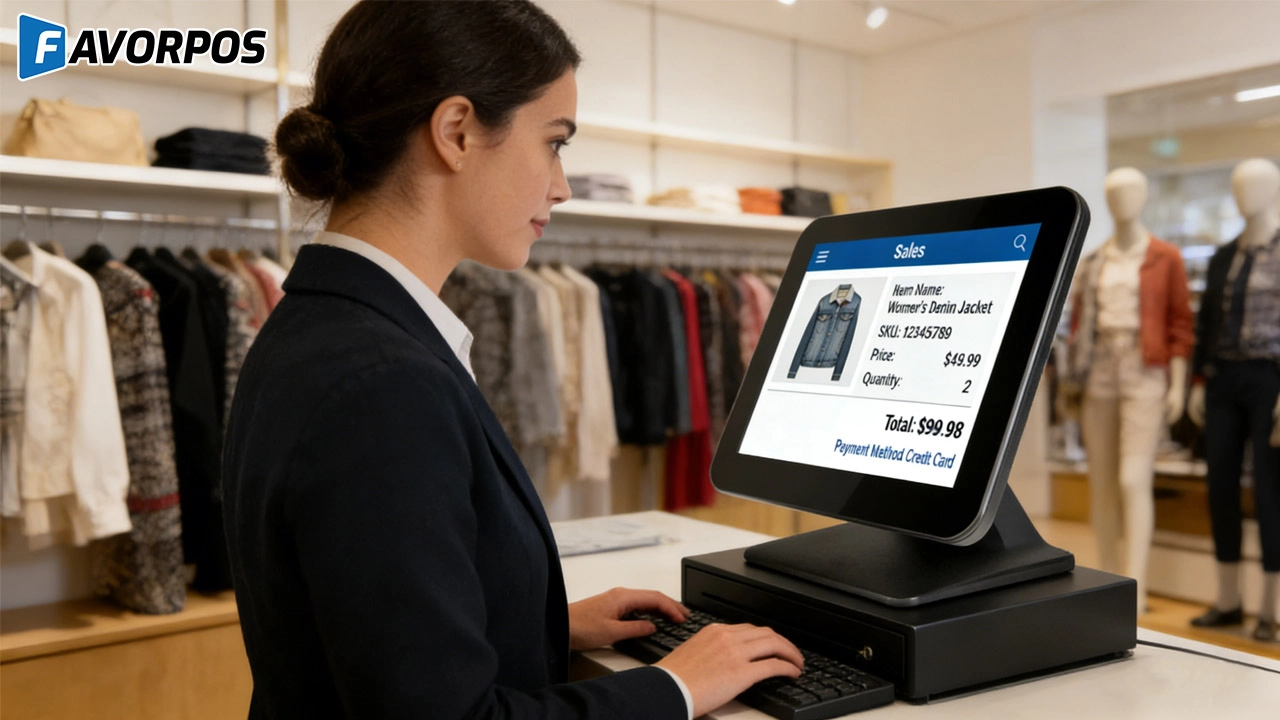
Understanding 15-Inch Aluminum POS Terminals in Modern Commercial Use
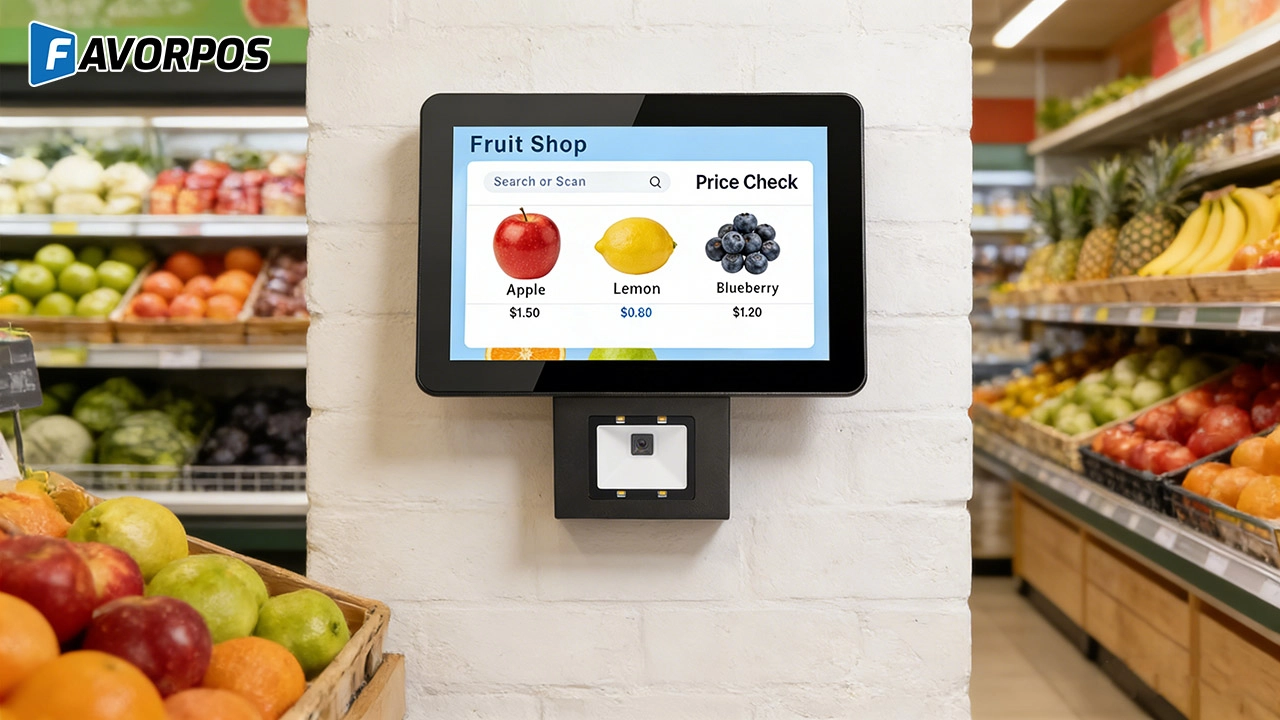
The Smart Way to Check Prices: How a 10.1-Inch Wall-Mounted Price Checker Transforms Retail Stores
For Distributor
What are the requirements to become a reseller?
We look for resellers with a strong market presence, relevant industry experience, and the ability to effectively promote and support our products. Specific requirements will be discussed during the application process.
For Beauty and Wellness
Can the system manage the inventory of retail products?
Yes, our system can track and manage the inventory of retail products and provide real-time inventory reminders and automatic reordering functions to ensure that there is no out-of-stock.
For ODM
What are the main advantages of ODM service?
You can enjoy the following advantages by choosing our ODM service:
1. Innovative design: Our team provides cutting-edge design solutions to ensure that products meet the latest market trends.
2. Full process management: Full process management from design to production to reduce your operational complexity.
3. Customization: We provide personalized hardware customization services according to your needs.
4. Quality assurance: Strict quality control procedures ensure high standards for each POS machine.
5. Cost-effectiveness: Efficient production processes help reduce costs while maintaining high quality.
For E-commerce
Does your POS system provide real-time analytics?
Yes, our system provides detailed real-time analytics to help you track sales performance, customer behavior, and inventory levels.
For Healthcare
How much does it cost to develop a POS solution?
The cost depends on the level of customization, required functionality, and scale of deployment. We offer competitive pricing and work with you to develop a solution that fits your budget.

11.6 inch Capacitive Touchscreen for POS Machine POS Monitor
FAVORPOS 11.6-inch capacitive touchscreen, specifically designed for POS machines to deliver a seamless and responsive user experience. This high-definition display offers vibrant visuals and crystal clear clarity, making it easy for staff to navigate through transactions efficiently. The capacitive technology ensures quick and accurate touch recognition, reducing wait times and enhancing customer satisfaction. Built to withstand the rigors of daily use, this touchscreen is perfect for retail and hospitality environments.
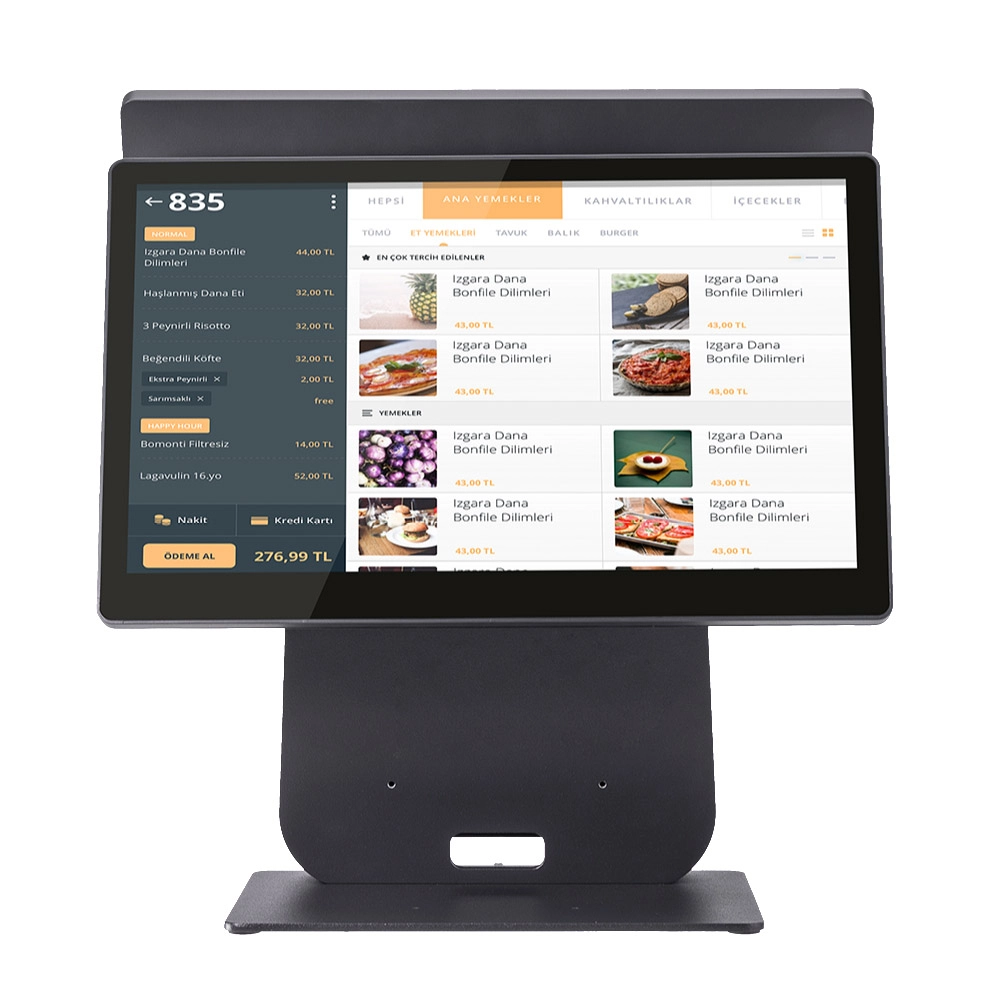
HD Dual Screen POS Machine Aluminum Hardware Android Windows Supplier
This dual-screen POS machine supports both Android and Windows systems, providing flexibility for various applications. The dual screens enhance customer interaction and streamline the checkout process, making transactions quicker and more engaging. Perfect for modern businesses looking to elevate their service and improve customer satisfaction, this POS machine is your ultimate partner in success!
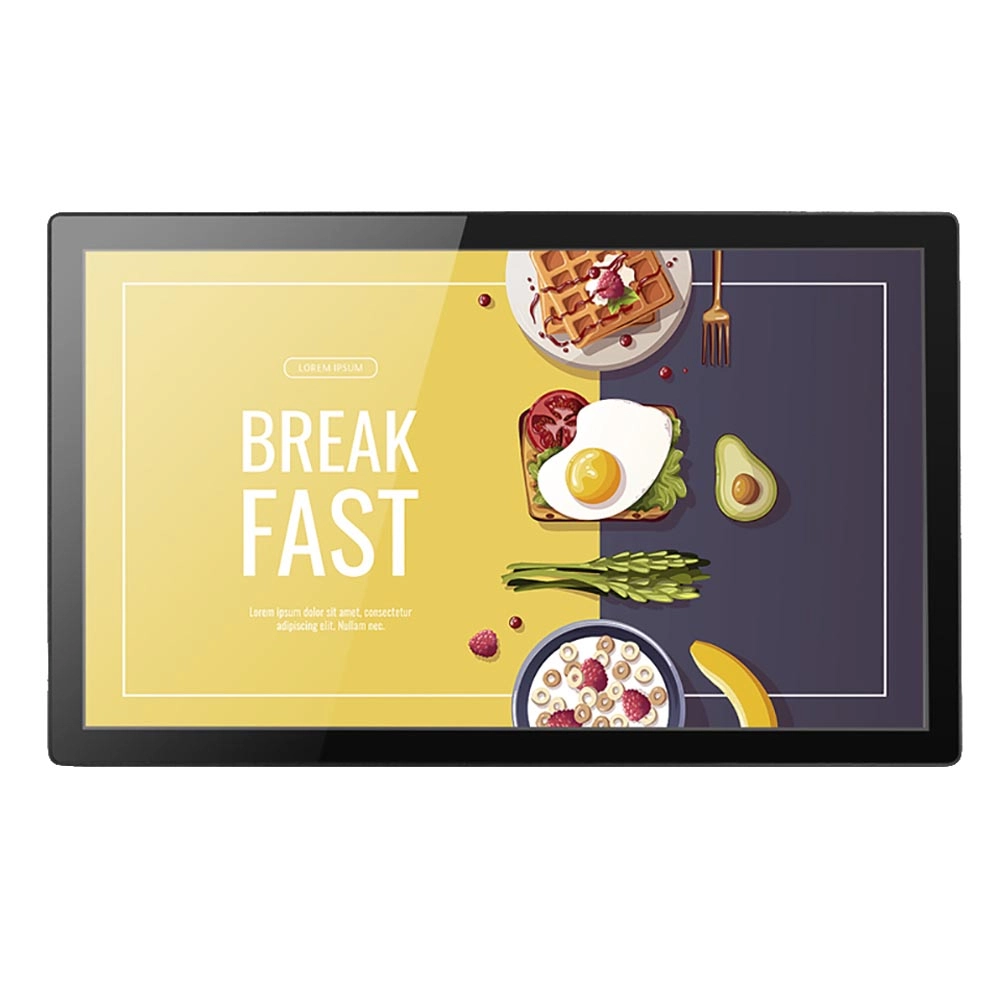
Wall Mount Cash Register POS 21.5 inch for Supermarket Touchscreen Windows Factory
Our sleek and modern wall-mounted POS system features a stunning 21.5-inch LED display, providing exceptional visibility and clarity for seamless customer interactions. The capacitive touchscreen ensures a highly responsive and intuitive user experience, perfect for fast-paced retail environments. With its space-saving wall-mounted design, this POS solution is ideal for optimizing floor space while maintaining a professional and contemporary appearance.
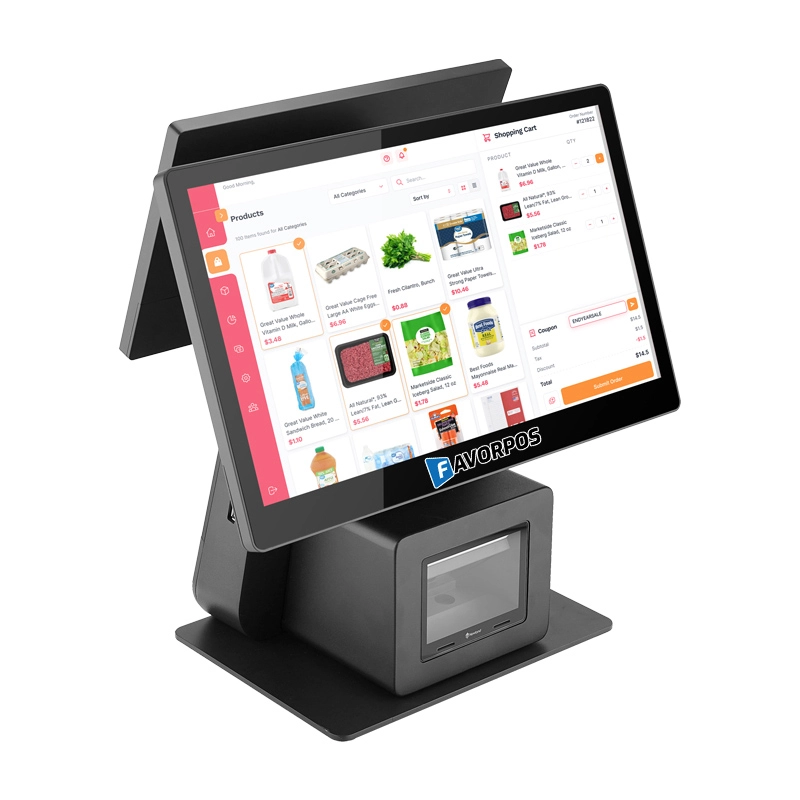
Dual Screen POS With Barcode Scanner Desktop POS Manufacturer POS Factory 15.6 11.6 Client Screen Optional
FAVORPOS: Your leading dual screen POS factory and manufacturer. Our desktop POS with barcode scanner offers 15.6/11.6 client screen options and OS flexibility. Get reliable, efficient dual screen POS with barcode scanner solutions directly from us.
Get in touch
Interested in becoming a POS system dealer? Contact us for more information and start the process of joining our dealer network.
We look forward to working with you to expand the market together.


Copyright © 2025 Favorpos All Rights Reserved.
