
Which POS features do bars need to increase sales?
- 1. How can a bar POS automatically track liquor inventory by pour size and detect shrinkage in real time?
- 2. Which POS features speed service and increase sales during packed happy hours without adding staff?
- 3. How do I configure split tabs, split-by-item, and tip distribution so bartenders and servers are paid fairly?
- 4. What POS features ensure compliance with liquor laws and reliable age verification while preserving throughput?
- 5. How can I deploy contactless ordering and pay-at-table without cannibalizing bar workflow or increasing disputes?
- 6. How do I evaluate the true total cost of ownership (TCO) for a bar POS — hardware, processing, add-ons, and vendor lock-in?
1. How can a bar POS automatically track liquor inventory by pour size and detect shrinkage in real time?
A bar-grade POS must combine recipe-based inventory, pour-control hardware and periodic validation to give meaningful liquor inventory insights. Look for a system that supports these components:
Recipe & portion control: Define cocktails as recipes with exact pour sizes (oz/ml) and modifiers for upsells or double pours. The POS should decrement ingredients per sale rather than only by bottle. This enables accurate COGS and per-item margins in real time.
Pour-control integration: Integrate with electronic pour-control devices or smart bottle spouts that signal each measured pour to the POS. This prevents variance between expected and actual pours and reduces overpours.
Keg level sensors: For draft lines, choose POS platforms that accept inputs from keg-level sensors (flow meters or weight sensors) so the system ties dispensed volume to remaining inventory and automatically flags leaks or theft.
Cycle counts and blind counts workflow: Even with automation, regular blind counts are essential. The POS should schedule cycle counts, record suspected shrinkage, and let managers attach reasons (overpour, breakage, comps) for audit trails.
Implementation checklist:
- Import bottle sizes and standard pour sizes during setup.
- Map recipes to beverage SKUs and test a 1-week reconciliation between sales and physical stock.
- Enable variance alerts and set thresholds for automatic emails/SMS to managers.
Why this matters: Combining recipe-controlled selling with pour-control and keg sensor data reduces shrinkage and yields reliable cost-of-goods metrics, enabling pricing and promotion decisions that increase profitability.
2. Which POS features speed service and increase sales during packed happy hours without adding staff?
Speed and throughput come from a mix of UI design, hardware choices and workflow automation:
Configurable quick-menu & modifier zones: The POS should let you pin high-turn items (shots, house beers) to a one-tap screen and group common modifiers (double, rocks, garnish) to reduce keystrokes.
Order routing & kitchen/bar printers: Send orders directly to the bar printer or bar display to eliminate runner delays. The POS should support multiple printers and prioritized routing for bar lanes.
Tabs & quick-tap ticketing: Fast tab opening/closing with the capability to quickly move items between tabs or convert a tab to a printed check speeds throughput and increases check capture.
Offline mode and local caching: During network outages, the POS must continue taking orders and sync when back online—critical for busy nights.
Handheld/tablet/table-side ordering: Table-side or line-side tablets let servers or customers place orders without walking back to a stationary terminal. When combined with mobile order & pay, this increases average ticket size and reduces wait times.
Automated upsell prompts & smart combos: Use POS-driven suggestive-selling prompts that appear when selecting an item (e.g., “Add a $2 craft syrup” or “Upgrade to High Quality spirit for $3”) to lift average check without training.
Operational tips:
- Reduce screens per action to two taps for 80% of orders.
- Test a happy-hour configuration for modifier presets and faster navigation.
- Use tablets near the bar with dedicated staff roles to handle digital orders.
3. How do I configure split tabs, split-by-item, and tip distribution so bartenders and servers are paid fairly?
Bars have complex tip flows—partial checks, pooled tips, late-night split checks. A robust POS should provide:
Flexible split-by-item and equal-split options: Allow splitting by number of guests, by item, or by dollar amount. Look for an intuitive UI which prevents errors during rushed closings.
Tip pooling & configurable tip rules: The system must support automatic tip pooling rules (percentage pools, roles eligible, shift splits) and exportable reports for payroll systems.
Multi-shift and transfer handling: When a customer opens a tab with one bartender and closes with another, the POS should record timestamps and allow fair tip allocation by rules (time-based or item assignment).
Third-party tender reconciliation: If customers pay with third-party apps (mobile wallets, door charges), the POS should reconcile tip amounts and include them in payroll exports.
Audit trails and compliance: Maintain clear logs showing who handled which items on a check, applied discounts/comps, or adjusted tips. This protects against disputes and supports labor audits.
Best-practice setup:
- Define role-based tip-eligibility (bartenders, floor staff, barbacks).
- Set default split behavior but allow managers to override with reason codes.
- Export tip-distribution reports weekly to payroll and keep them for 90+ days for legal compliance.
4. What POS features ensure compliance with liquor laws and reliable age verification while preserving throughput?
Compliance with alcohol regulations is both legal necessity and risk mitigation. Essential POS capabilities:
Age verification workflows: POS should require an age-confirmation step for alcohol SKUs—either a mandatory ID scan integrated via third‑party ID scanners or a clearly visible operator prompt to check ID. Scanners reduce human error and create a stored audit trail.
Sell-time and time-of-day rules: Configure the POS to automatically block alcohol sales outside permitted hours or enforce different prices and modifiers during license-specific windows.
Restricted-items & venue-level permissions: The POS must allow granular permissions so bartenders or temporary staff cannot override restricted sales without managerial approval and a logged reason.
Location-aware tax and licensing settings: For multi-location operators, the POS should apply local tax rates and support region-specific regulations (e.g., dry-county exceptions). Always validate configuration against local authorities.
Audit-ready reporting: Generate reports that show all alcohol sales, ID scans, comps and voids for a given period to simplify compliance audits or incident investigations.
Operational note: Stay current with local liquor law updates and ensure the POS provider issues platform updates quickly; for complex jurisdictions consult a local licensing attorney.
5. How can I deploy contactless ordering and pay-at-table without cannibalizing bar workflow or increasing disputes?
Contactless ordering (QR menus, mobile order and pay, NFC) boosts revenue when designed to complement bar operations:
Choose hybrid workflows: Enable both pay-at-table and curbside or QR orders targeted by customer flow. Let staff flag orders that require bartender confirmation (e.g., IDs for alcohol) to prevent underage sales.
Single source of truth: Ensure all orders (counter, QR, handheld) feed into the same POS back end to avoid double-scans or missed items and to keep inventory accurate.
Real-time order status & notifications: For mobile orders, provide live order status in the POS and notify staff when an order is ready. Integrate with bar displays or pagers to manage pickup congestion.
Secure payments & PCI scope: Use a POS that offers integrated payments with tokenization and supports EMV/contactless. Integrated payments lower reconciliation time and reduce disputes.
Fraud & refund controls: Limit refund capabilities for mobile orders or require manager approval, and log why each refund or void occurred.
Rollout plan:
- Pilot in low-risk zones (patio, tables) for 30 days.
- Train staff on new prompts for ID checks triggered by mobile orders.
- Measure average ticket, time-to-serve and refund rates before and after deployment.
6. How do I evaluate the true total cost of ownership (TCO) for a bar POS — hardware, processing, add-ons, and vendor lock-in?
TCO is more than monthly SaaS fees. Break it into upfront, ongoing and hidden costs:
Upfront: hardware (terminals, rugged tablets, receipt printers, cash drawer), installation, network setup, and initial training. Bars should budget for splash-proof hardware and mounting accessories.
Ongoing: subscription fees, transaction processing (interchange, processor markup), software module licenses (inventory, loyalty, keg monitoring), and support SLA tier costs.
Hidden/indirect: chargebacks and disputes, integration or custom development fees, hardware replacements (water damage, drops), and costs due to downtime (lost sales during outages).
How to evaluate processing costs:
- Ask vendors to provide sample monthly statements or a projected processing cost worksheet based on your average ticket and volume.
- Compare interchange-plus vs flat-rate pricing; for higher-volume bars, interchange-plus is often cheaper and more transparent.
Vendor lock-in & data portability:
- Confirm you can export historical sales, menu, employee and inventory data in standard formats (CSV/Excel) without penalties.
- Ask about API access and marketplace integrations (accounting, payroll, beverage inventory, keg sensors).
Service & SLA:
- Verify support hours (24/7 vs business hours), average response time, and whether on-site hardware replacement is available.
ROI model (simple):
- Calculate monthly gains from reduced shrinkage, faster turns (more covers per hour), and increased average check from upsells. Compare against combined monthly TCO to estimate payback period.
Conclusion — advantages of a purpose-built bar POS
A bar-focused POS with recipe-based liquor inventory, pour-control and keg monitoring reduces shrinkage and clarifies margins. Fast UI design, handheld/tablet ordering and integrated payments boost throughput and average check size. Robust split-tab and tip-pooling tools protect staff fairness and simplify payroll. Compliance features and audit-ready reporting reduce legal risk. Evaluating TCO, processor transparency and integration capabilities prevents surprises and vendor lock-in, letting operators scale by increasing sales and lowering operational loss.
Contact us for a quote: visit www.favorpos.com or email sales2@wllpos.com.
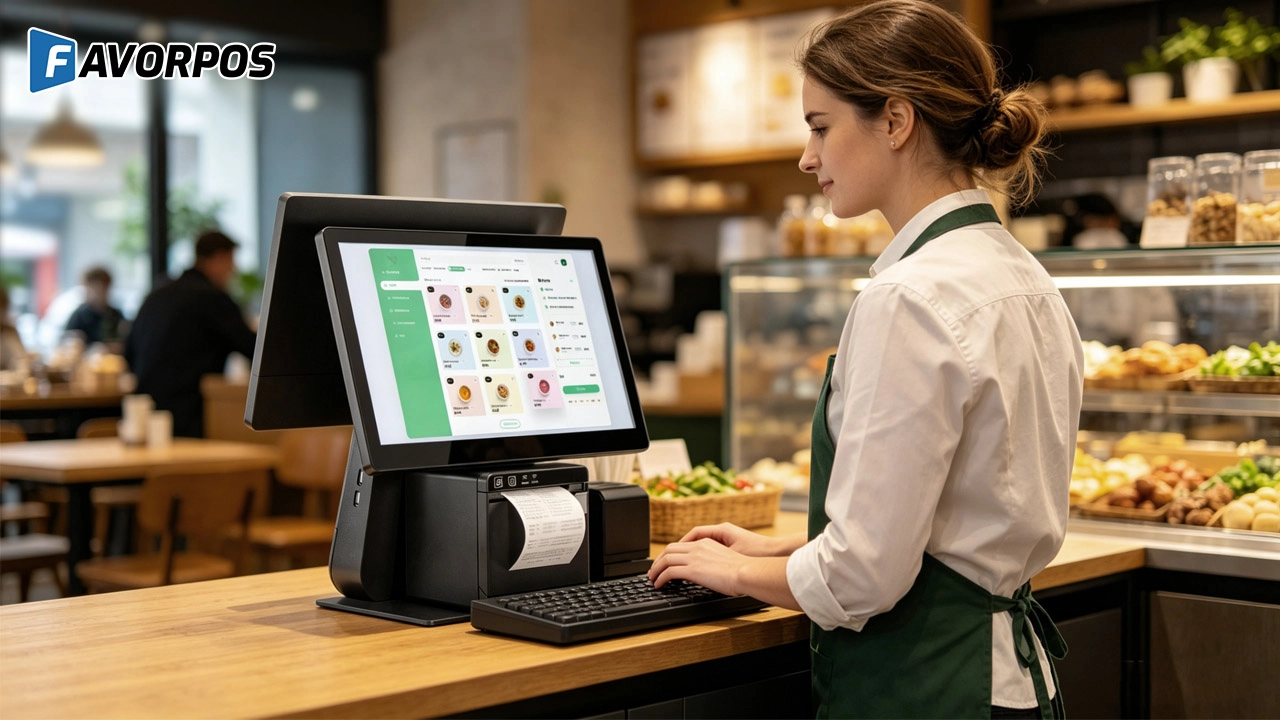
Smart Checkout, Simplified: Exploring the Power of a 15.6-Inch All-in-One POS Terminal
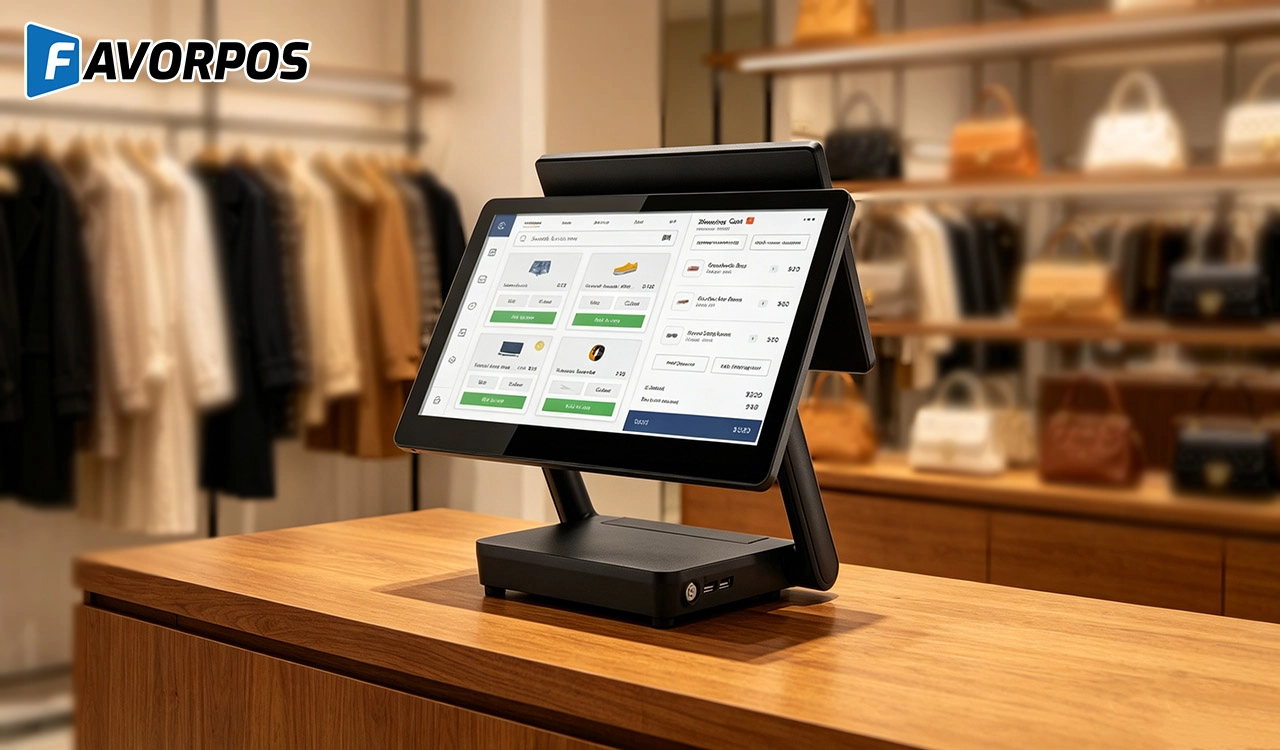
Why a 15.6” Touch POS Terminal Is Becoming the New Standard in High-Traffic Retail
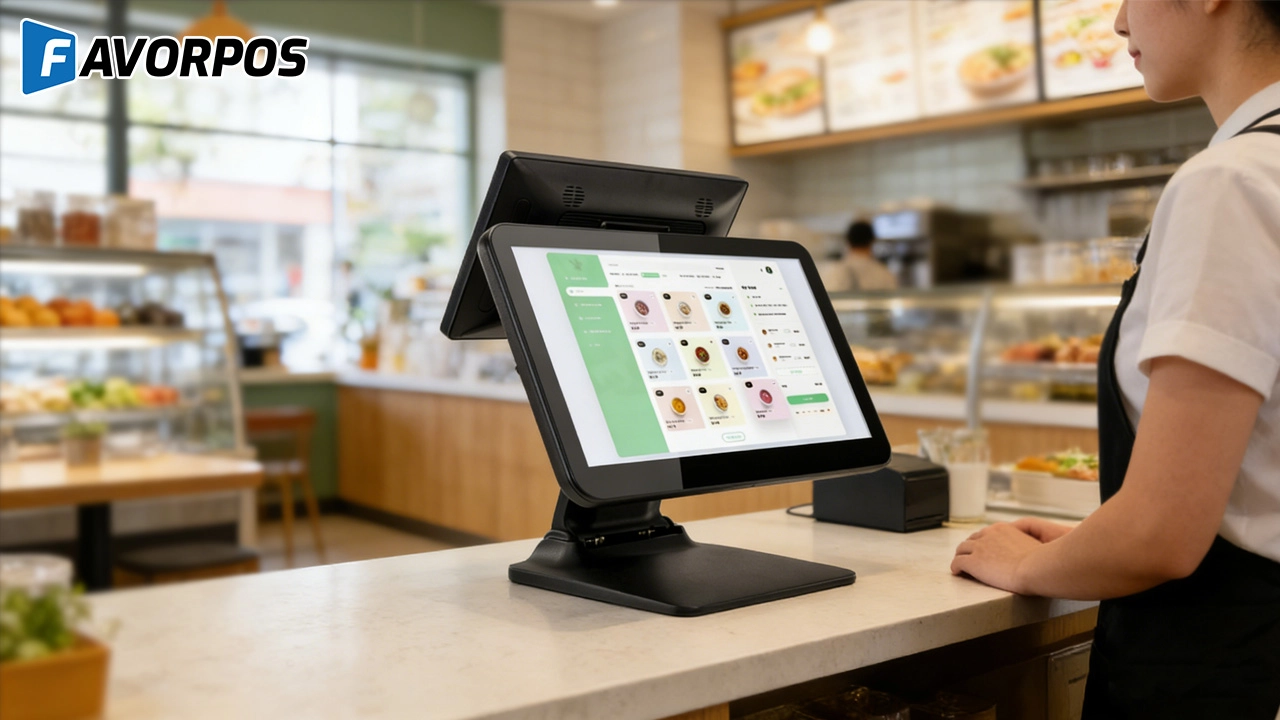
Beyond Checkout: How a 15.6-Inch Aluminum POS System Redefines Retail Efficiency
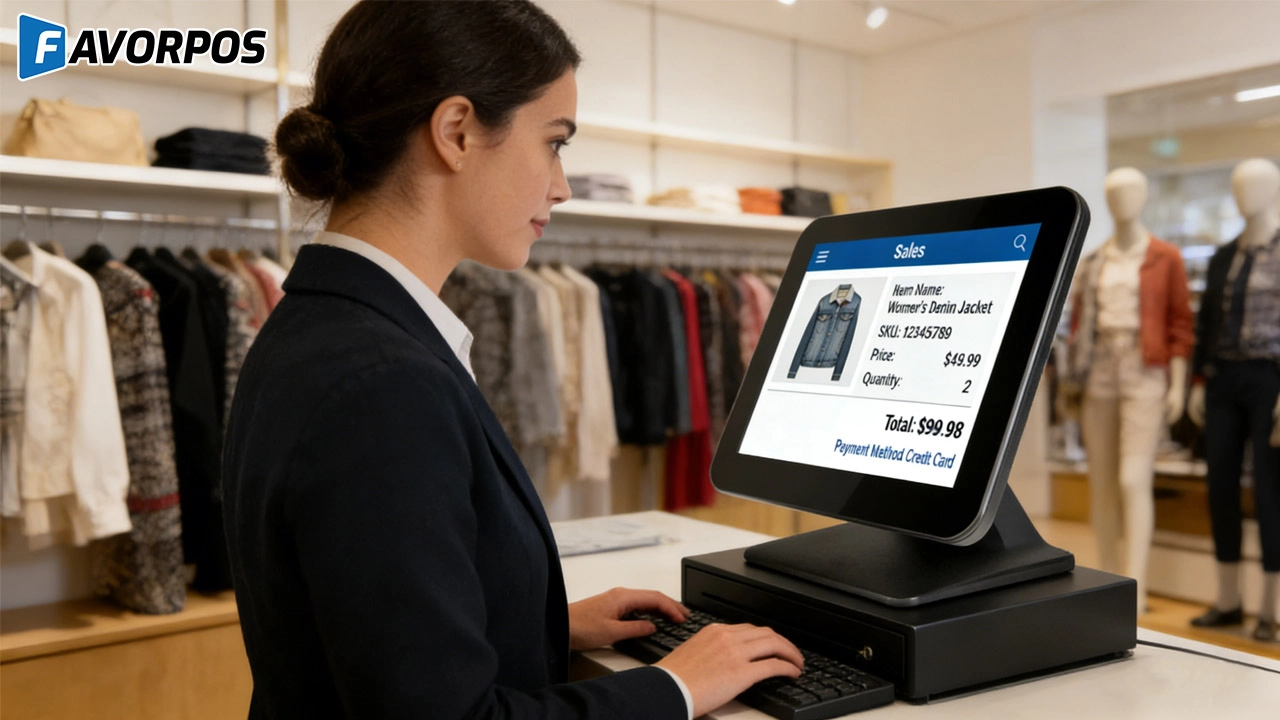
Understanding 15-Inch Aluminum POS Terminals in Modern Commercial Use
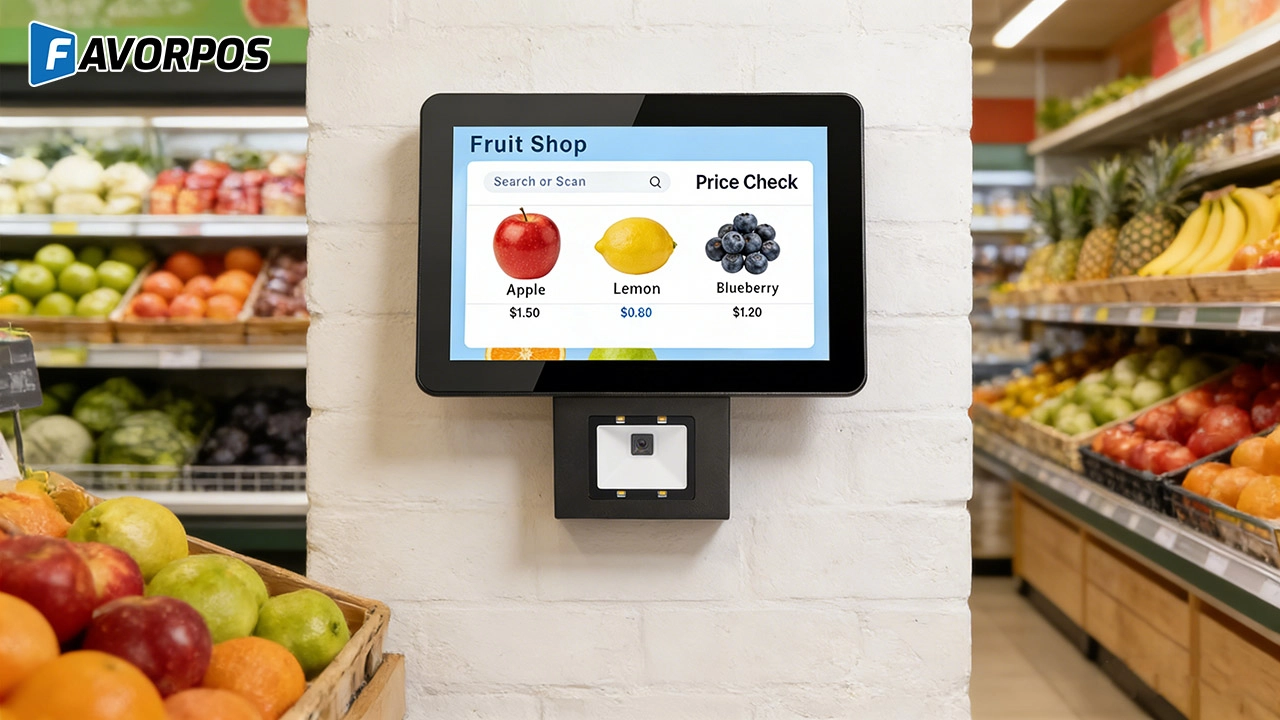
The Smart Way to Check Prices: How a 10.1-Inch Wall-Mounted Price Checker Transforms Retail Stores
For Bakeries
What payment methods are supported?
Our POS system accepts a variety of payment methods, including credit cards, mobile wallets, and contactless payments.
For Government and Public
What reporting and analysis capabilities does the system provide?
Our system provides detailed financial reports, usage insights and other analytical features to help you track performance, optimize resource allocation and improve service delivery.
For E-commerce
What kind of support do you provide after the system is implemented?
We provide 24/7 technical support, regular firmware updates, and ongoing maintenance to ensure that the system always maintains optimal performance.
For Restaurants & Cafes
Does your POS system support a variety of payment methods?
Yes, our POS system supports a variety of payment methods, including credit cards, debit cards, mobile payments (such as Apple Pay, Google Pay) and contactless payments (NFC). We ensure that the transaction process is safe and smooth to meet the various payment needs of customers.
For Distributor
How often do you update your products and launch new products?
We regularly update our product lines to incorporate the latest technology and meet market needs. Dealers will be kept informed when new products and updates are released.

11.6 inch Capacitive Touchscreen for POS Machine POS Monitor
FAVORPOS 11.6-inch capacitive touchscreen, specifically designed for POS machines to deliver a seamless and responsive user experience. This high-definition display offers vibrant visuals and crystal clear clarity, making it easy for staff to navigate through transactions efficiently. The capacitive technology ensures quick and accurate touch recognition, reducing wait times and enhancing customer satisfaction. Built to withstand the rigors of daily use, this touchscreen is perfect for retail and hospitality environments.
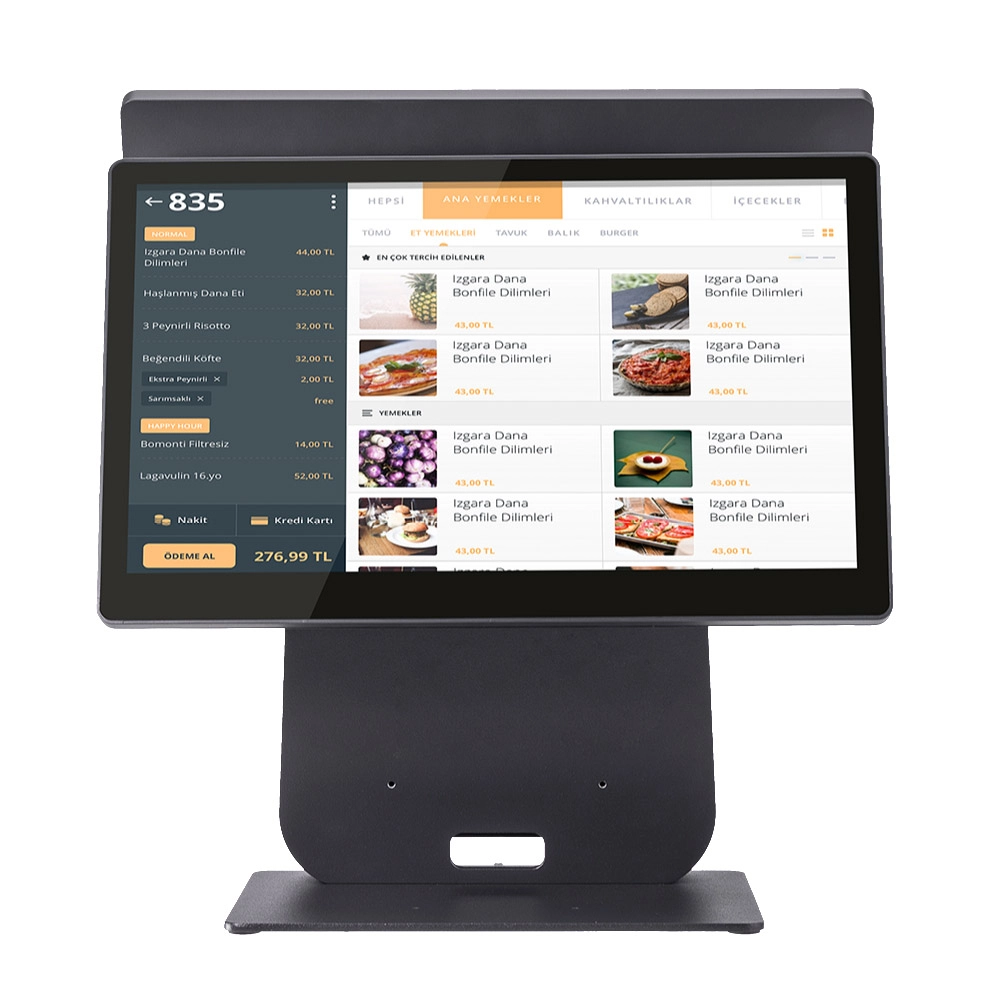
HD Dual Screen POS Machine Aluminum Hardware Android Windows Supplier
This dual-screen POS machine supports both Android and Windows systems, providing flexibility for various applications. The dual screens enhance customer interaction and streamline the checkout process, making transactions quicker and more engaging. Perfect for modern businesses looking to elevate their service and improve customer satisfaction, this POS machine is your ultimate partner in success!
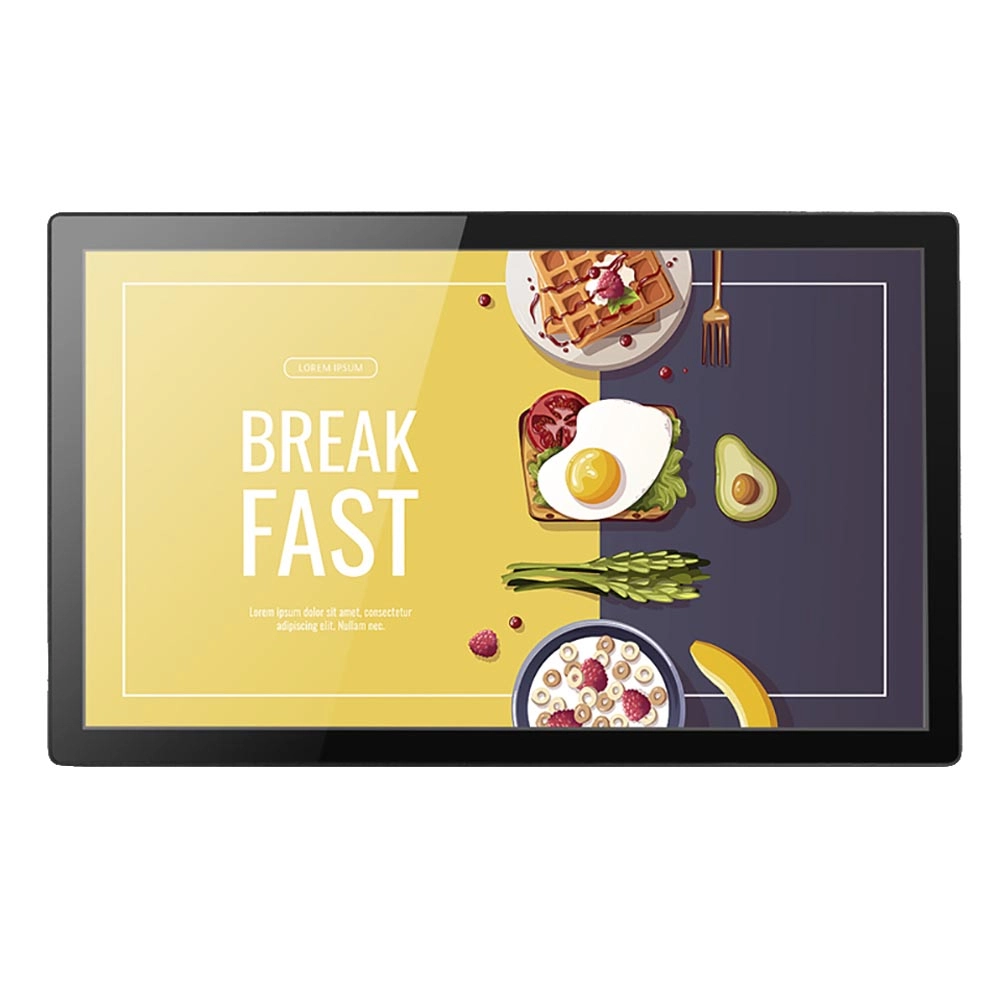
Wall Mount Cash Register POS 21.5 inch for Supermarket Touchscreen Windows Factory
Our sleek and modern wall-mounted POS system features a stunning 21.5-inch LED display, providing exceptional visibility and clarity for seamless customer interactions. The capacitive touchscreen ensures a highly responsive and intuitive user experience, perfect for fast-paced retail environments. With its space-saving wall-mounted design, this POS solution is ideal for optimizing floor space while maintaining a professional and contemporary appearance.
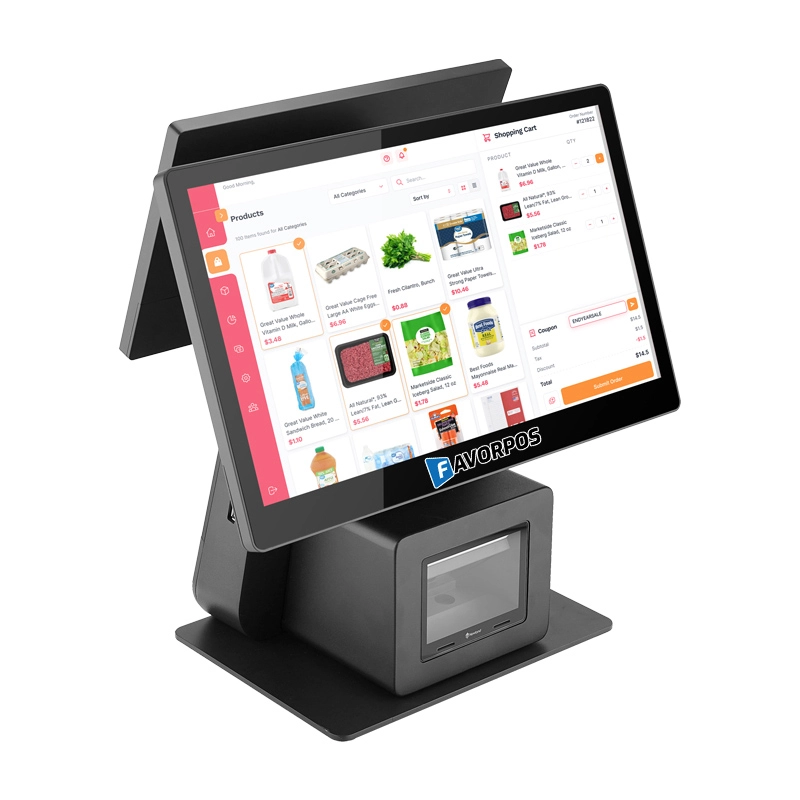
Dual Screen POS With Barcode Scanner Desktop POS Manufacturer POS Factory 15.6 11.6 Client Screen Optional
FAVORPOS: Your leading dual screen POS factory and manufacturer. Our desktop POS with barcode scanner offers 15.6/11.6 client screen options and OS flexibility. Get reliable, efficient dual screen POS with barcode scanner solutions directly from us.
Get in touch
Interested in becoming a POS system dealer? Contact us for more information and start the process of joining our dealer network.
We look forward to working with you to expand the market together.


Copyright © 2025 Favorpos All Rights Reserved.
