
What are the best POS terminal cash register brands to consider?
- 1) How do I verify a POS terminal cash register will remain PCI and EMV compliant over its lifecycle, and who is responsible for updates?
- 2) Which POS terminal cash register brands offer reliable offline mode and local transaction queuing for intermittent internet in my region?
- 3) What is the realistic total cost of ownership (TCO) for a POS terminal cash register over 3–5 years, including payment processing and repairs?
- 4) How can I ensure a POS terminal cash register integrates with my existing inventory/accounting (QuickBooks/Xero) without risky data synchronization errors?
- 5) Which POS terminal cash register hardware models have proven durability and global spares/warranty support for restaurants/retail in APAC, EU, and the US?
- 6) How to choose between a closed payment terminal (integrated merchant service) and an open POS terminal cash register that supports third‑party payment gateways?
POS Terminal Cash Register: 6 Critical Buyer Questions Answered
Author: FavorPOS product & payments team — focused on POS terminal selection, hardware lifecycle, payments compliance and regional support. This guide answers six specific, pain-point questions beginners and small chains often can't find thorough answers to online. It embeds practical checks you can run and vendor questions to ask when evaluating a POS terminal cash register, payment terminal or cloud POS solution.
1) How do I verify a POS terminal cash register will remain PCI and EMV compliant over its lifecycle, and who is responsible for updates?
Why it matters: Non‑compliance exposes you to data breaches and fines. New vulnerabilities, EMV kernel updates and PCI DSS requirement changes happen over years, so “compliant today” isn’t enough.
How to verify:
- Ask for written evidence: request the vendor’s PCI DSS Attestation of Compliance (AOC) for their cloud POS services and the terminal vendor's EMV certifications (L2/L1) for the card reader hardware. PCI DSS is maintained by the PCI Security Standards Council; EMV is an industry spec.
- Clarify roles in writing: who provides firmware and kernel updates for the payment terminal, who manages PCI scope reduction (e.g., point‑to‑point encryption or P2PE), and who performs required quarterly/annual scans and reporting?
- Check P2PE and tokenization: vendors offering validated Point‑to‑Point Encryption reduce PCI scope for the merchant. If they claim P2PE, request the vendor’s P2PE Attestation and vendor documentation.
- Ask about update cadence and process: get SLA language specifying how quickly critical security updates are pushed (e.g., high severity patches: 30 days) and whether devices can receive OTA (over‑the‑air) updates or need returns to service centers.
- Proof of independent testing: reputable terminal makers (Verifone, Ingenico/Worldline, PAX) publish certification matrices and test reports. Request the specific build numbers and certification dates used on the device you’ll receive.
Red flags: vague answers, no AOC/P2PE evidence, OTA updates not supported, vendor unwilling to commit to update SLAs. Contract tip: include a clause requiring the supplier to maintain compliance certifications during the contract term.
2) Which POS terminal cash register brands offer reliable offline mode and local transaction queuing for intermittent internet in my region?
Why it matters: Retailers and restaurants in areas with unstable connectivity need terminals that process sales locally, queue transactions securely, and sync without data loss.
What to check:
- Offline transaction behavior: confirm whether the payment terminal supports offline EMV authorizations (merchant risk) or only queues card data encrypted for later processing. Offline EMV requires specific issuer and acquirer policies—ask your payment processor if offline EMV is permitted for your merchant category.
- Data integrity & retry logic: look for devices and POS apps that log retries, include transaction timestamps, and preserve receipts when power or network fails. Ask for a demo simulating connectivity loss and reconnection to confirm how data sync and duplicates are handled.
- Local queue storage security: queued transactions must be encrypted at rest (AES or better) and include tamper detection. Request documentation on encryption and key management.
- Brand examples: Square Terminal and Toast (restaurant POS) have documented offline/queue behaviors for card-present transactions; hardware-focused vendors like PAX and Verifone provide terminals with configurable offline behavior. However, offline performance depends on the complete stack—payment processor + terminal firmware + POS software.
Operational tip: implement clear staff procedures for cutoffs and reconciling queued transactions after reconnection. Test regularly in a staging environment before going live.
3) What is the realistic total cost of ownership (TCO) for a POS terminal cash register over 3–5 years, including payment processing and repairs?
Why it matters: Upfront hardware price is only the start. Hidden costs (payment fees, software subscriptions, merchant account charges, support, spare parts, and depreciation) frequently push TCO higher than expected.
How to calculate realistic 3–5 year TCO:
- One-time hardware: terminal, cash drawer, receipt printer (Epson/Star), POS tablet or all‑in‑one touchscreen. Factor in installation and peripherals.
- Recurring software: POS subscription, add‑on modules (inventory, loyalty, reporting), and API/integration fees. Confirm pricing escalators and whether key features are “paid extras.”
- Payment processing fees: interchange, processor markup, gateway fees, chargeback fees. Request fee schedules for estimated monthly volume and average transaction size to model actual processing cost.
- Support & warranty: standard warranty vs. extended on‑site service. Ask for Mean Time To Repair (MTTR) or guaranteed replacement timelines in your region (important for multi‑store operations).
- Repairs & spare parts: cost and lead time for spare terminals, card readers, printers—especially outside major markets. Factor courier, customs, and downtime.
- Depreciation and refresh: plan replacement cycles (3–5 years typical for terminals). Include costs of migrating software or re-certifying terminals with new payment kernels if needed.
Practical tip: build a sample TCO spreadsheet for your business using conservative estimates for volumes and growth. Ask vendors to provide real customer case studies for similar-sized operations to validate assumed ongoing costs.
4) How can I ensure a POS terminal cash register integrates with my existing inventory/accounting (QuickBooks/Xero) without risky data synchronization errors?
Why it matters: Inventory mismatches, duplicate invoices, or missing receipts cause accounting headaches and lost margins.
Checklist to validate integrations:
- Confirm certified connectors: request certification or reference customers showing QuickBooks/Xero synchronization. Certified integrations reduce edge cases.
- Understand data mapping: get a data dictionary showing how SKUs, taxes, modifiers, discounts, returns, exchanges and gift cards map between POS and accounting systems. Ask how the system handles composite SKUs (bundles) and returns.
- Real‑time vs batch sync: decide whether you need real‑time inventory sync (omnichannel stores) or nightly batch updates. Real‑time needs a robust API and conflict resolution strategy.
- Conflict resolution rules: clarify which system is master for prices, cost of goods sold (COGS), and inventory counts. Document the reconciliation procedure and exception reports to catch synchronization errors quickly.
- Testing & staging: run integration tests with a subset of SKUs and sales to confirm behavior for refunds, voids, offline sales, and partial returns.
Vendor negotiation: demand a sandbox environment and a written remediation SLA for integration-errors causing accounting discrepancies. Prefer vendors offering professional services to perform the initial mapping and test syncs.
5) Which POS terminal cash register hardware models have proven durability and global spares/warranty support for restaurants/retail in APAC, EU, and the US?
Why it matters: hardware failures during peak service hours cost sales and reputation. You need devices with known reliability and available spares/repairs in your operating regions.
How to evaluate hardware durability and support:
- Look at MTBF and environmental ratings: industrial or retail‑grade terminals often list operating temperature ranges and ingress protection (IP) ratings for spill resistance.
- Check global service networks: major manufacturers such as Verifone, PAX, Ingenico/Worldline, and NCR maintain regional service centers. Confirm the vendor’s authorized service partner coverage in your country and ask for lead times on common spare parts (touchscreens, card readers, power supplies, printer heads).
- Warranty and on‑site service options: for hospitality and high‑volume retail, on‑site next‑business‑day service or hot‑swap spares reduce downtime. Clarify costs for extended warranties and accidental damage coverage.
- Field references: request references for customers of similar size in your region and ask about real repair turnaround times and spare part availability.
- Preferred models by use case: compact countertop terminals (All‑in‑One Android POS) from Clover or Lightspeed are common for boutiques; rugged or fanless terminals from NCR, Epson‑integrated systems or PAX devices are popular for high‑volume retail and quick‑service restaurants. Payment terminal brands (Verifone, Ingenico, PAX) are widely supported by major acquirers globally.
Regional note: supply chains and parts availability vary by market—APAC often has faster access to PAX spares, while North America may favor Verifone/NCR channels. Ask your vendor to commit to regional SLA guarantees.
6) How to choose between a closed payment terminal (integrated merchant service) and an open POS terminal cash register that supports third‑party payment gateways?
Why it matters: Closed systems simplify onboarding but can lock you into higher processing rates or limited features. Open systems offer flexibility but require more integration work.
Decision framework:
- Assess business priorities: if speed to market and ease of use are critical, a closed system (e.g., all‑in‑one providers that bundle payment processing and POS software) lowers complexity. If cost control, flexibility of gateway choice, or multi‑acquirer strategies matter, an open POS that supports multiple gateways is better.
- Compare pricing transparency: closed systems often publish simplified fee models but sometimes bundle fees into higher per‑transaction rates. Request a full merchant statement example to compare effective cost against an open system using your acquirer.
- Feature lock‑in vs extensibility: open POS solutions allow you to switch processors without replacing the entire POS (subject to certification of the terminal/gateway). Closed systems might not support third‑party tokenization, loyalty providers, or specific integrations you need.
- Risk and compliance: closed providers usually take on more PCI scope (and may offer P2PE). If minimizing internal compliance burden is a priority, verify exactly how much the provider reduces your PCI responsibilities.
- Negotiation strategy: if you start with a closed provider, negotiate conversion terms in the contract (e.g., ability to export transaction data and migrate to another gateway) to avoid switching penalties later.
Practical examples: small pop‑ups and farmers’ markets often benefit from closed, mobile‑friendly terminals (e.g., Square). Multi‑store retailers and businesses with complex loyalty or international acquiring needs usually select open Android or PC‑based POS terminals paired with a certified gateway and acquirer.
Concluding summary — advantages of modern POS terminal cash registers: Modern POS terminal cash registers combine secure payment acceptance (EMV, NFC), cloud reporting, real‑time inventory management, omnichannel sales, and extensible APIs for integrations — reducing manual reconciliation, improving checkout speed, and enabling data-driven operations. When chosen with a focus on PCI/EMV lifecycle, reliable offline behavior, realistic TCO, certified integrations, and regional hardware support, a POS terminal transforms day‑to‑day reliability and long‑term profitability.
For a tailored quote and to review certified POS terminal cash register options that match your region and use case, contact us at www.favorpos.com or email sales2@wllpos.com.
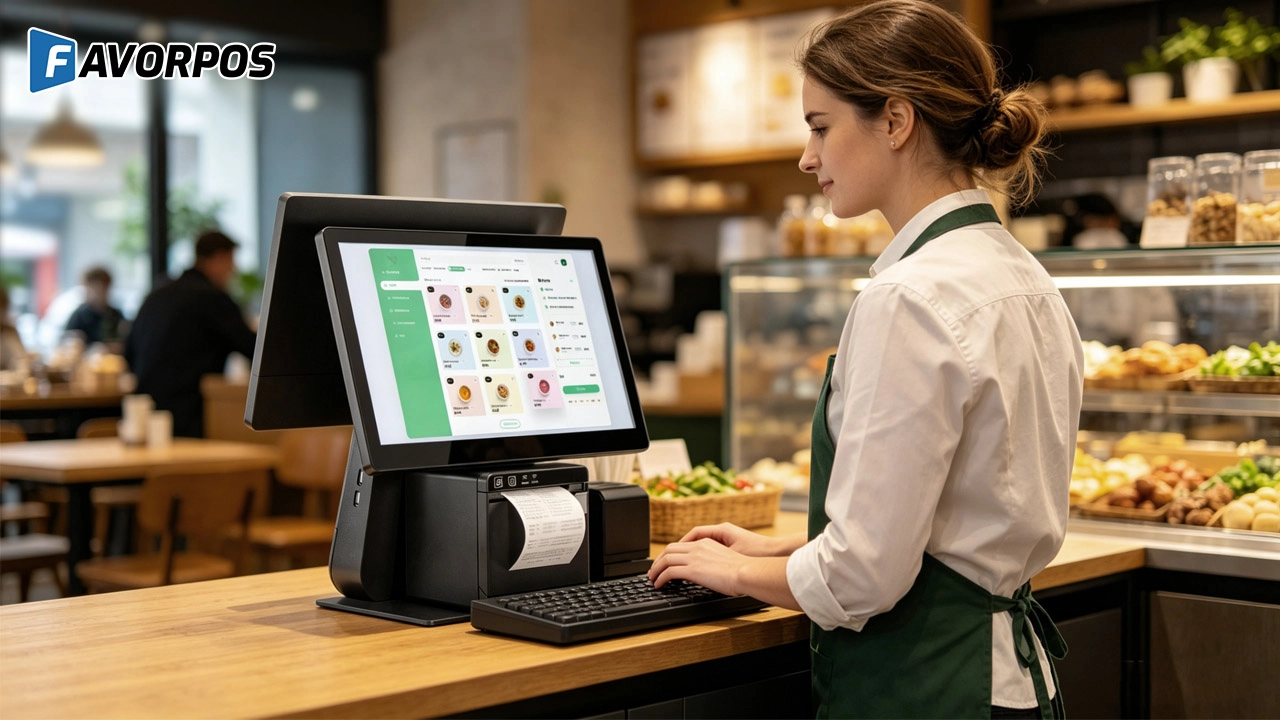
Smart Checkout, Simplified: Exploring the Power of a 15.6-Inch All-in-One POS Terminal
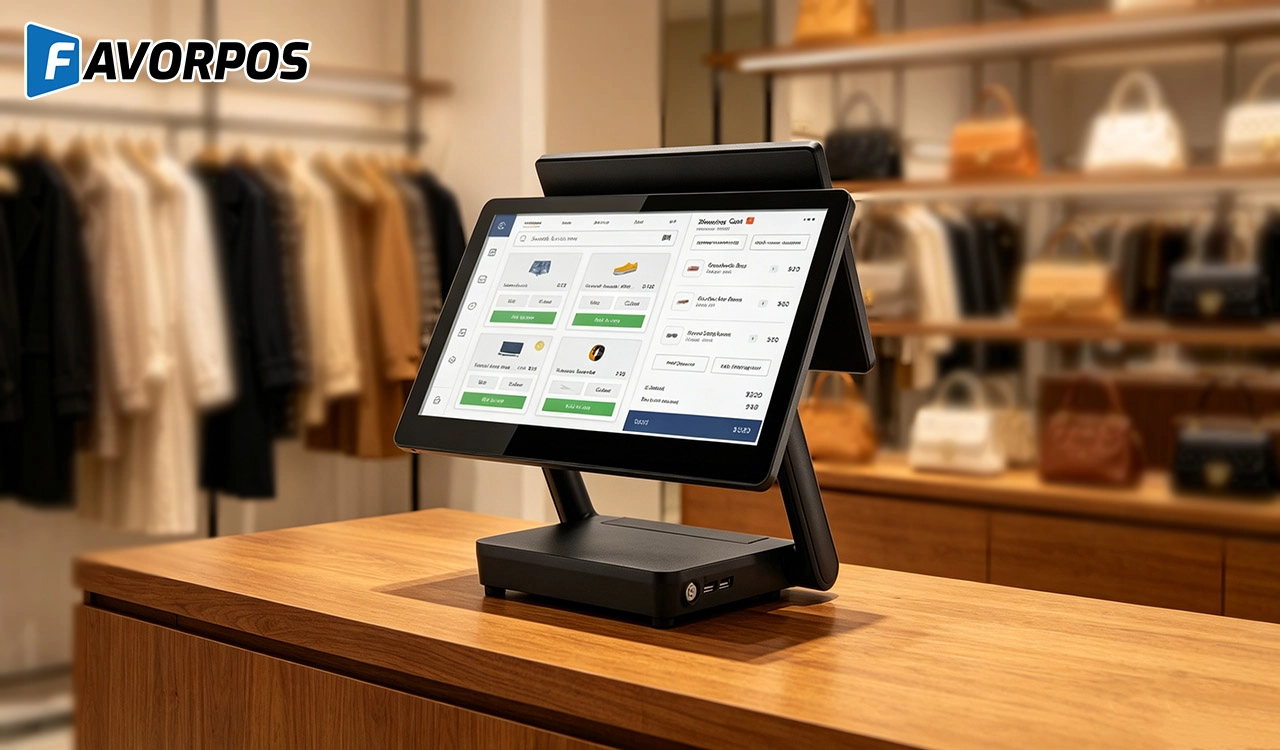
Why a 15.6” Touch POS Terminal Is Becoming the New Standard in High-Traffic Retail
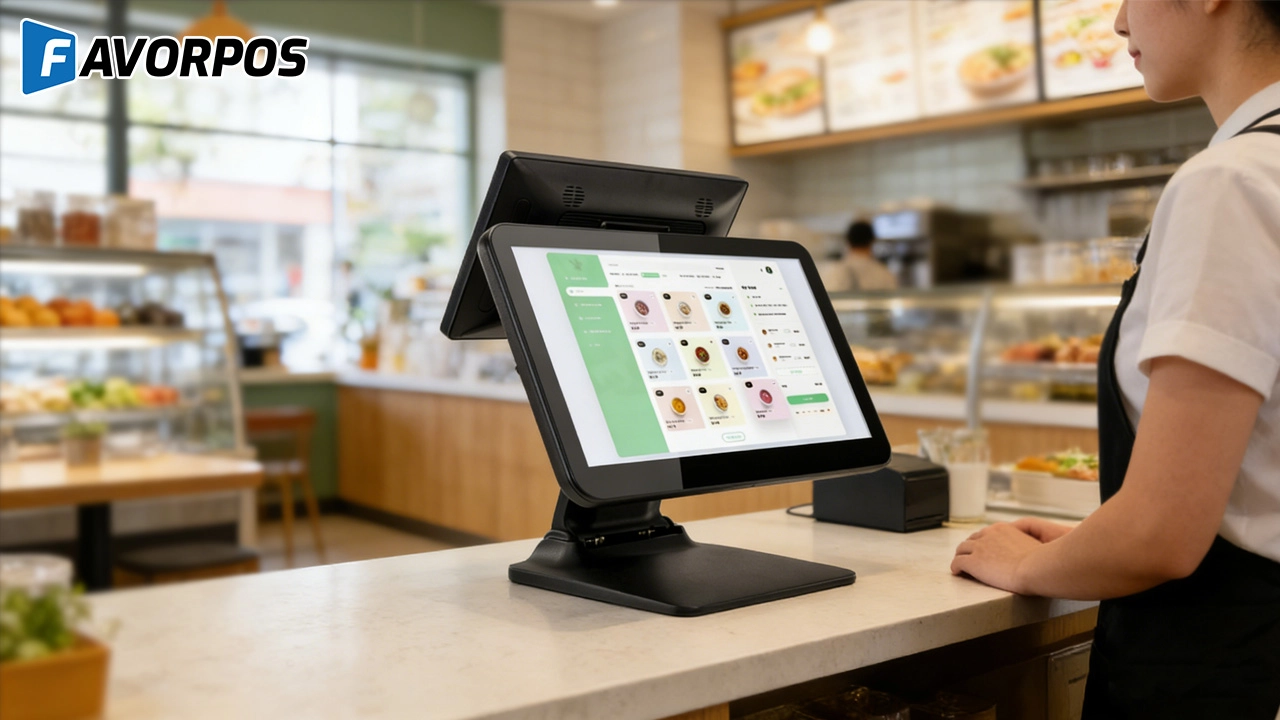
Beyond Checkout: How a 15.6-Inch Aluminum POS System Redefines Retail Efficiency
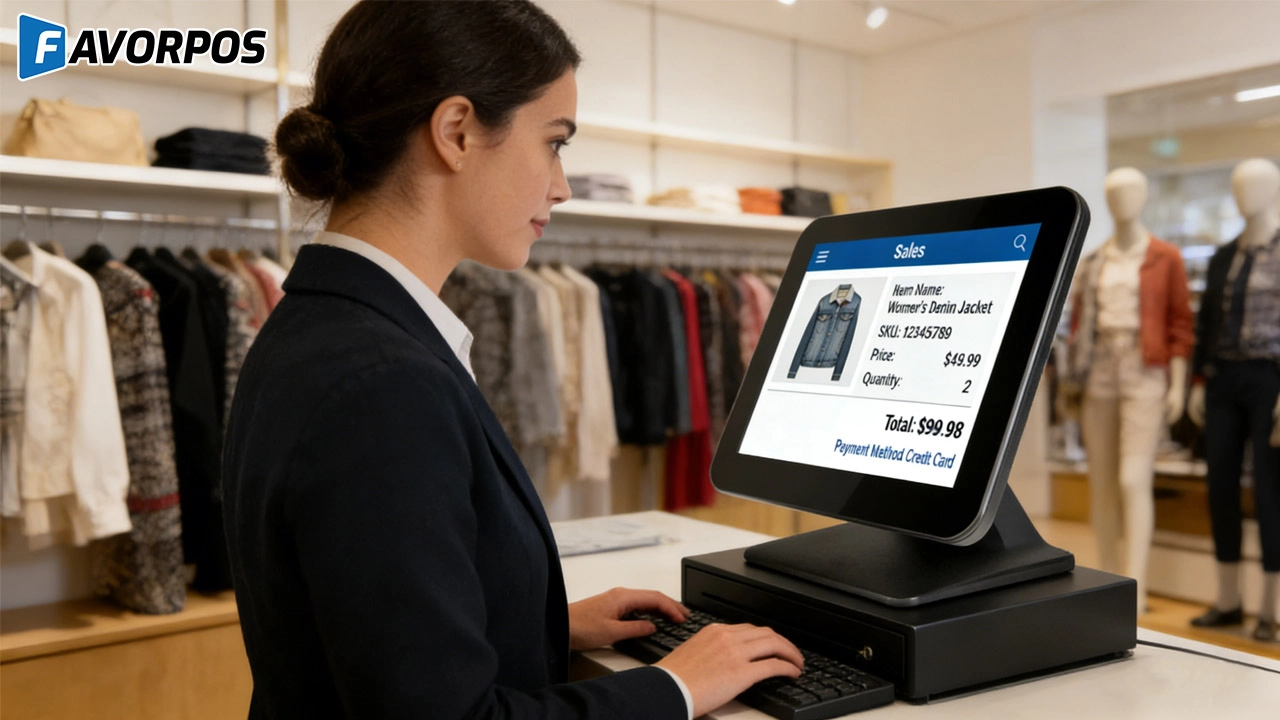
Understanding 15-Inch Aluminum POS Terminals in Modern Commercial Use
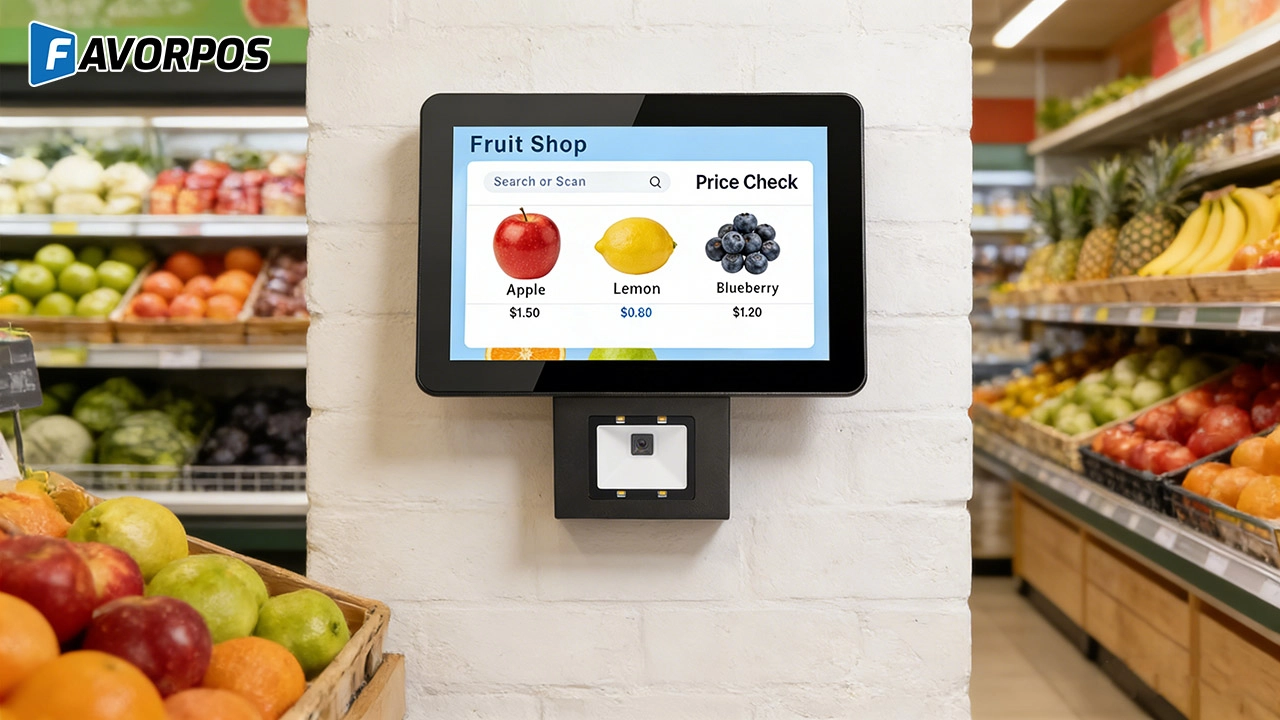
The Smart Way to Check Prices: How a 10.1-Inch Wall-Mounted Price Checker Transforms Retail Stores
For Beauty and Wellness
How to ensure data security and compliance?
Our POS system meets industry data security and protection standards to ensure secure processing and storage of customer and transaction data. At the same time, it complies with relevant regulations and standards of the beauty and wellness industry.
For Hotels
What types of reports can I generate through your POS system?
You can generate detailed real-time reports on sales, guest spending patterns, department performance, and more.
For Solutions Retail
Do you provide customized POS design services?
Yes, as an OEM/ODM manufacturer, we provide fully customized POS design services. Whether it is hardware appearance design or function integration, we can tailor it according to your brand needs.
For E-commerce
What kind of support do you provide after the system is implemented?
We provide 24/7 technical support, regular firmware updates, and ongoing maintenance to ensure that the system always maintains optimal performance.
Can I manage multiple online stores from one system?
Yes, our POS system supports multi-location and multi-store management, allowing you to centrally manage all e-commerce operations.

11.6 inch Capacitive Touchscreen for POS Machine POS Monitor
FAVORPOS 11.6-inch capacitive touchscreen, specifically designed for POS machines to deliver a seamless and responsive user experience. This high-definition display offers vibrant visuals and crystal clear clarity, making it easy for staff to navigate through transactions efficiently. The capacitive technology ensures quick and accurate touch recognition, reducing wait times and enhancing customer satisfaction. Built to withstand the rigors of daily use, this touchscreen is perfect for retail and hospitality environments.
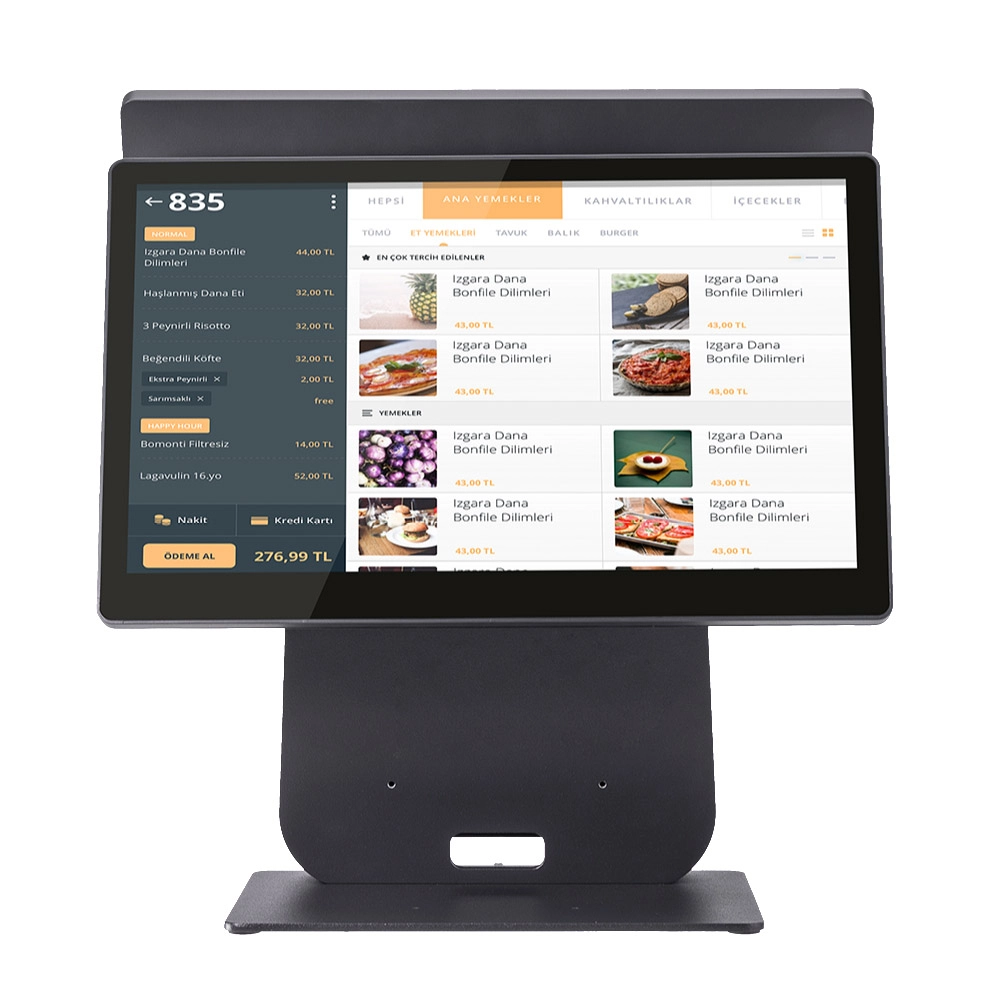
HD Dual Screen POS Machine Aluminum Hardware Android Windows Supplier
This dual-screen POS machine supports both Android and Windows systems, providing flexibility for various applications. The dual screens enhance customer interaction and streamline the checkout process, making transactions quicker and more engaging. Perfect for modern businesses looking to elevate their service and improve customer satisfaction, this POS machine is your ultimate partner in success!
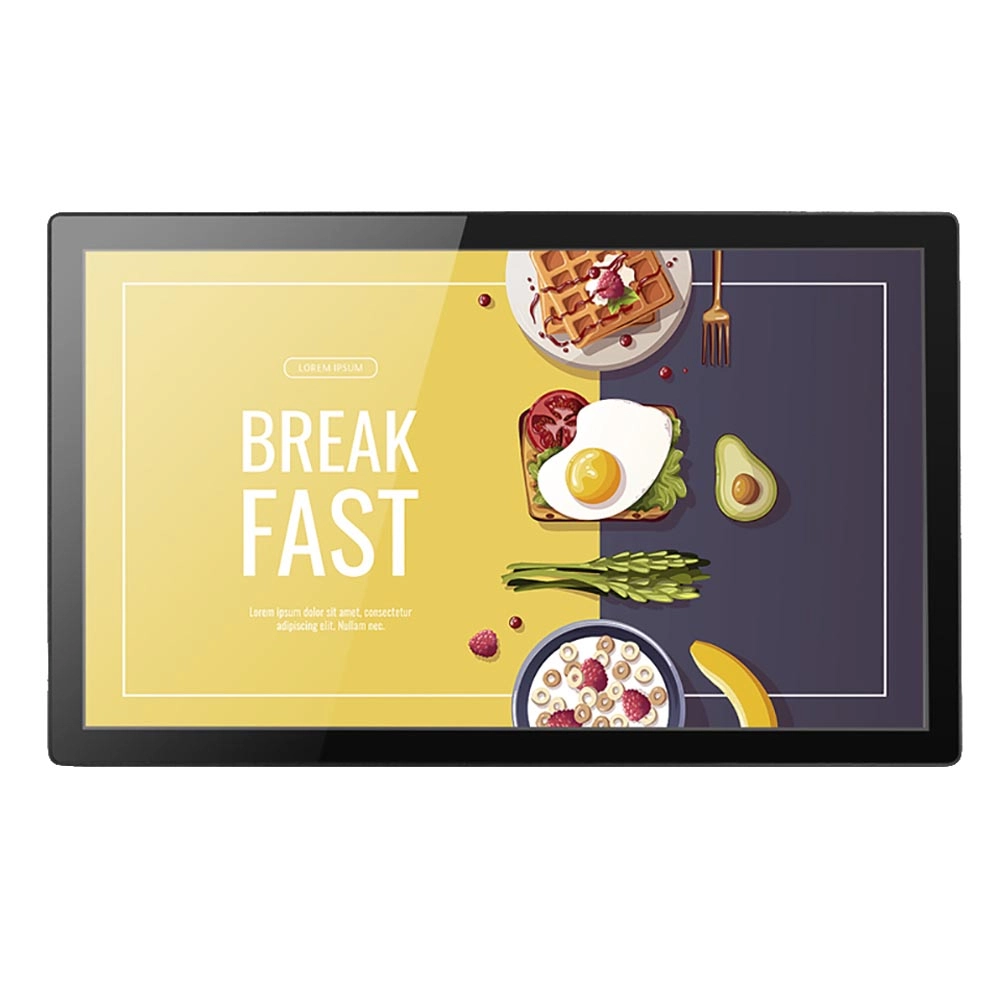
Wall Mount Cash Register POS 21.5 inch for Supermarket Touchscreen Windows Factory
Our sleek and modern wall-mounted POS system features a stunning 21.5-inch LED display, providing exceptional visibility and clarity for seamless customer interactions. The capacitive touchscreen ensures a highly responsive and intuitive user experience, perfect for fast-paced retail environments. With its space-saving wall-mounted design, this POS solution is ideal for optimizing floor space while maintaining a professional and contemporary appearance.
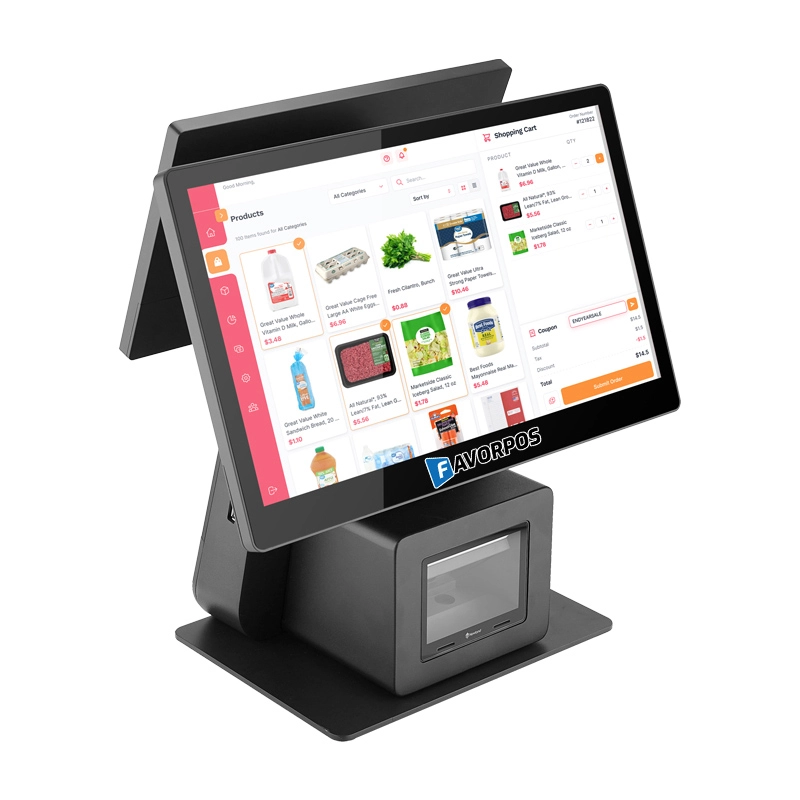
Dual Screen POS With Barcode Scanner Desktop POS Manufacturer POS Factory 15.6 11.6 Client Screen Optional
FAVORPOS: Your leading dual screen POS factory and manufacturer. Our desktop POS with barcode scanner offers 15.6/11.6 client screen options and OS flexibility. Get reliable, efficient dual screen POS with barcode scanner solutions directly from us.
Get in touch
Interested in becoming a POS system dealer? Contact us for more information and start the process of joining our dealer network.
We look forward to working with you to expand the market together.


Copyright © 2025 Favorpos All Rights Reserved.
