
What are top EMV-compliant POS terminal cash register brands?
- 1. How do I verify a POS terminal cash register’s EMV certification and firmware version before purchase?
- 2. What are the real costs to integrate an EMV-compliant POS terminal cash register into an existing POS ecosystem (payment gateway, inventory, receipt printer)?
- 3. Which EMV-compliant POS terminal cash register brands provide PCI P2PE and hardware-based encryption out of the box?
- 4. How long is the typical lifecycle and firmware support for EMV-capable POS terminal cash register models from Verifone, Ingenico/Worldline, PAX, Square, Clover and Toast?
- 5. What differences in contactless EMV (NFC) performance should I expect between Verifone, Ingenico, PAX and Square terminals in high-volume retail?
- 6. How to ensure your chosen EMV-compliant POS terminal cash register meets local EMVCo and regional acquiring bank requirements (e.g., EU vs US vs Latin America)?
1. How do I verify a POS terminal cash register’s EMV certification and firmware version before purchase?
Beginners often accept vendor claims that a POS terminal is EMV-compliant without independent verification. To avoid integration delays and acquirer rejection, verify three things: the device’s EMVCo certificate number, the installed EMV/contactless kernel version, and the current firmware build.
Steps to verify:
- Request the EMVCo certificate number and the terminal’s model number from the vendor. EMVCo maintains a searchable list of certified products—confirm the model appears there and that the certificate covers the contact and/or contactless kernels you need (e.g., Visa contactless, Mastercard M/Chip).
- Ask for the PCI PTS (PIN Transaction Security) and, if relevant, PCI P2PE certificate references. PCI SSC lists approved devices and validated P2PE solutions—compare the device serial/model to these lists.
- Get the exact firmware/OS build and kernel versions installed on the device you will receive. Many acquirers require specific kernel versions or vendor-signed firmware for certification. Make the vendor print or export the device info screen or provide a signed firmware manifest.
- Request a factory test log or a vendor-supplied QA report showing successful EMV test scripts and contactless tap tests. For cloud-managed terminals, confirm the vendor will push an approved, acquirer-compatible image if required.
Why this matters: acquirers and payment processors can reject a deployment if kernel versions or firmware do not match certified configurations. Verifying in advance prevents rework and extra certification fees.
2. What are the real costs to integrate an EMV-compliant POS terminal cash register into an existing POS ecosystem (payment gateway, inventory, receipt printer)?
Buyers see a terminal sticker price but underestimate integration costs. Expect four categories of additional expense:
- Device-level costs: terminal hardware, SIM/ethernet/Wi‑Fi provisioning, mounts, and peripherals (cash drawer, receipt printer). Some vendors bundle, others charge per accessory.
- Certification and integration fees: acquirers and payment gateways often charge terminal certification fees or require an integration partner to certify the terminal-gateway pairing. This can range from a few hundred to a few thousand dollars depending on region and acquirer.
- Software development and middleware: if your POS software must call a payment SDK or local payment client, budget for development, QA, and possible POS application certification by the terminal vendor. Cloud POS-to-terminal integrations (e.g., REST-to-terminal cloud-managed flows) may be faster but still need configuration and testing.
- Ongoing costs: monthly gateway/acquirer processing fees, software license fees (for cloud POS or terminal management), firmware maintenance or remote key injection (RKI) charges, and support SLAs.
How to estimate: obtain line-item quotes for each category from vendors and your acquirer. Ask whether the terminal supports host-to-host integration or requires a certified SDK (which raises dev/test time). Also check whether the vendor supports remote key injection and over-the-air firmware updates (reduces recurring logistical costs).
3. Which EMV-compliant POS terminal cash register brands provide PCI P2PE and hardware-based encryption out of the box?
For many merchants, hardware-based encryption and PCI-validated P2PE reduce scope and risk. Large terminal manufacturers that commonly appear with PCI PTS and P2PE-validated configurations include Verifone, Ingenico (now part of Worldline), PAX Technology and some certified solutions built around Square Terminal and select Clover hardware. However, PCI P2PE is offered as a validated solution by payment processors and integrators rather than the terminal manufacturer alone.
How to confirm:
- Request the specific PCI PTS and P2PE validation reference numbers from the vendor and cross-check on the PCI Security Standards Council (PCI SSC) site and the vendor/acquirer’s validated solution listing.
- Confirm whether the vendor supplies a validated P2PE solution end-to-end (device + key injection + decryption at the processor) or only device-level encryption (PTS). Full P2PE validation typically requires a processor or gateway to be part of the validated solution.
- Ask whether the vendor supports remote key injection (RKI) from an approved P2PE provider. RKI is crucial for secure field deployment without manual keying.
Practical note: claiming “hardware encryption” is common; claiming “PCI-validated P2PE” is stronger but must be proven by validated solution documents. Always request and verify those records before purchase.
4. How long is the typical lifecycle and firmware support for EMV-capable POS terminal cash register models from Verifone, Ingenico/Worldline, PAX, Square, Clover and Toast?
Lifecycle and support vary by vendor and model. Industry practice and vendor disclosures indicate:
- Major manufacturers (Verifone, Ingenico/Worldline, PAX) typically maintain firmware security updates and kernel patches for several years—commonly 3–7 years from the product’s EOL (end-of-life) announcement. They also run parallel EOL policies with advance notices.
- Cloud-first vendors (Square, Clover, Toast) tie device support to their cloud service availability. Square and Toast push frequent OTA updates; however, long-term hardware SKU availability may be shorter because they optimize for newer hardware and software stacks.
How to plan procurement:
- Request the vendor’s lifecycle policy and the date when support for the exact model will cease. Ask for the security patch cadence and an SLA for critical vulnerabilities.
- Confirm firmware update mechanisms—are updates automatic and signed? Can you lock firmware to a certified version for acquirer compliance?
- Factor hardware expected lifetime: for countertop retail terminals, 5–7 years is typical; for mobile/handheld devices used in high-wear environments, plan on shorter replacement cycles or protective accessories.
Because acquirers may require kernel/firmware updates during the terminal lifetime, always ensure the vendor will provide backward-compatible, acquirer-approved firmware for the duration you need.
5. What differences in contactless EMV (NFC) performance should I expect between Verifone, Ingenico, PAX and Square terminals in high-volume retail?
Contactless tap speed and reliability depend on hardware NFC antenna design, EMV contactless kernel implementation (Visa payWave, Mastercard contactless, etc.), and transaction flow (online PIN vs online approval). Practical differences:
- Enterprise terminals from Verifone and Ingenico often have larger antenna footprints and industrial-grade RF tuning, which can improve tap stability and reduced retry rates in crowded magnetic or RF environments.
- PAX devices (A920, A80 series) are competitive on throughput and are commonly used in markets with heavy contactless adoption. They balance performance and cost for mid-market retail.
- Square Terminal and similar all-in-one devices optimize UX and speed for SMBs; contactless performance is good for typical retail flows but may vary under heavy simultaneous RF noise (large contactless-only queues).
How to test for your store:
- Run a 1-hour busy-hour simulation with real cards and mobile wallets. Measure average tap-to-receipt time, tap fail rate, and retry counts.
- Test specific cards/wallets used by your customers (local banks, private-label cards) because kernel parameter handling can affect issuer-specific risk checks and online prompts.
- Ask vendors for vendor-supplied throughput metrics and independent field reports—then validate with an in-store pilot.
Tip: For high-volume retail, prioritize terminals with proven antenna performance, fast kernel flows, and high-quality receipt printers/IO to avoid slow post-authorization delays.
6. How to ensure your chosen EMV-compliant POS terminal cash register meets local EMVCo and regional acquiring bank requirements (e.g., EU vs US vs Latin America)?
Regional rules vary: Europe and many APAC markets emphasize contactless and Strong Customer Authentication; Latin America often requires local kernel variants and acquirer certification; the US has specific EMV liability shift and some acquirers require particular terminal configurations.
Actionable checklist:
- Identify local acquiring bank and payment gateway early. Each acquirer maintains a list of approved terminal models and kernel versions. Ask the acquirer to list required certification tests and ask whether the device requires additional acquirer-level certification.
- Confirm support for required local payment schemes and private-label cards. Some regions require local EMV kernel customizations (e.g., specific PIN block formats or currency handling).
- Check telecommunication requirements—does the terminal support local mobile bands, LTE variants or fallback options commonly used in your country?
- Obtain a signed certification plan that includes timelines for testing: EMV functional tests, acquirer integration, and any local regulator or scheme approvals. Make sure the vendor provides a pre-certification image matching the acquirer’s requested kernel/firmware.
- Keep export/import and tax compliance in mind: some terminals require regulatory approvals for wireless communications and must be cleared by local telecom authorities.
Following this process reduces surprises and avoids buying terminals that require reconfiguration or firmware swaps to pass local acquiring tests.
Top EMV-compliant POS terminal cash register brands to consider: Verifone, Ingenico/Worldline, PAX Technology, Square (Block), Clover (Fiserv), Toast. These brands provide a range of countertop and mobile devices, varying in enterprise features, kernel options, and lifecycle policies. Match brand/model to your integration, throughput and security requirements rather than price alone.
Concluding summary — advantages of choosing EMV-compliant POS terminal cash registers
Selecting an EMV-compliant POS terminal cash register from a reputable brand reduces fraud liability, improves chip-and-contactless acceptance, and offers better support for encryption and PCI scope reduction. Verified EMV and PCI PTS/P2PE configurations improve trust with acquirers, speed certification, and lower operational risk. Prioritize verified certificates, confirmed firmware/kernels, clear lifecycle policies and a documented integration plan with your acquirer and payment gateway.
For a tailored quote and model recommendations based on your region and transaction volume, contact us at sales2@wllpos.com or visit www.favorpos.com to discuss POS terminal cash register options and deployments.
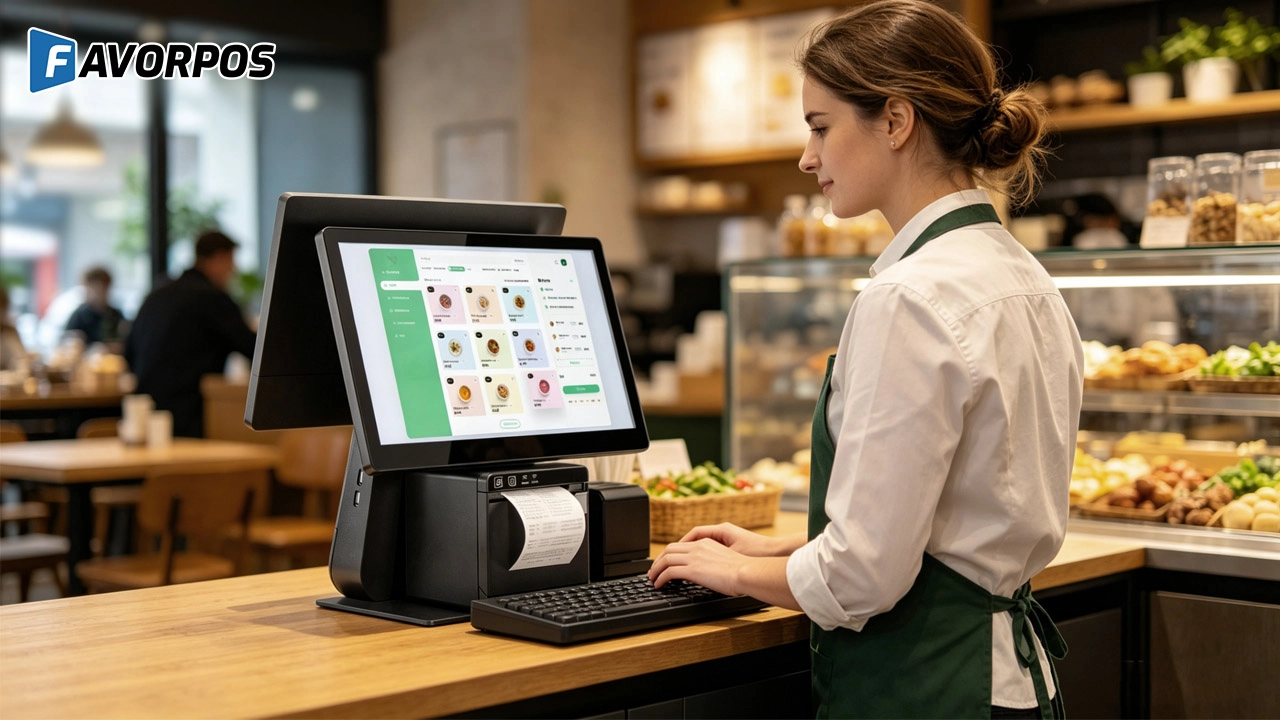
Smart Checkout, Simplified: Exploring the Power of a 15.6-Inch All-in-One POS Terminal
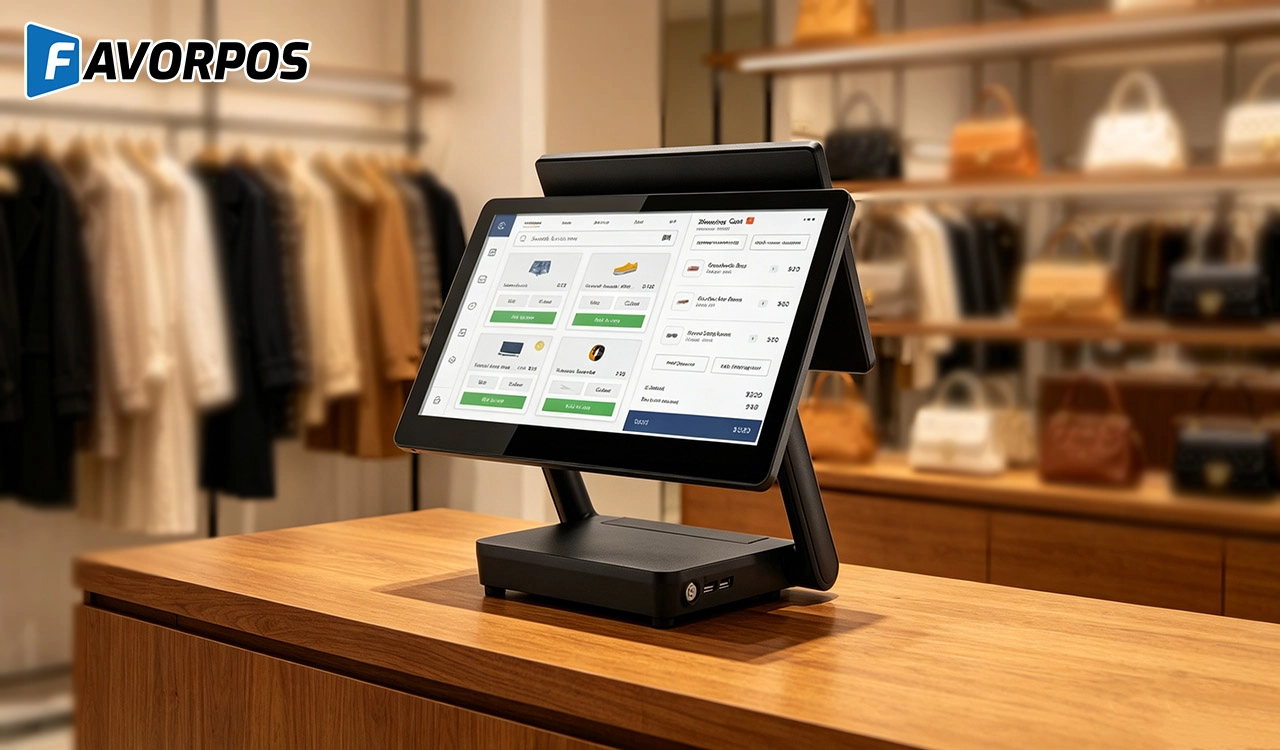
Why a 15.6” Touch POS Terminal Is Becoming the New Standard in High-Traffic Retail
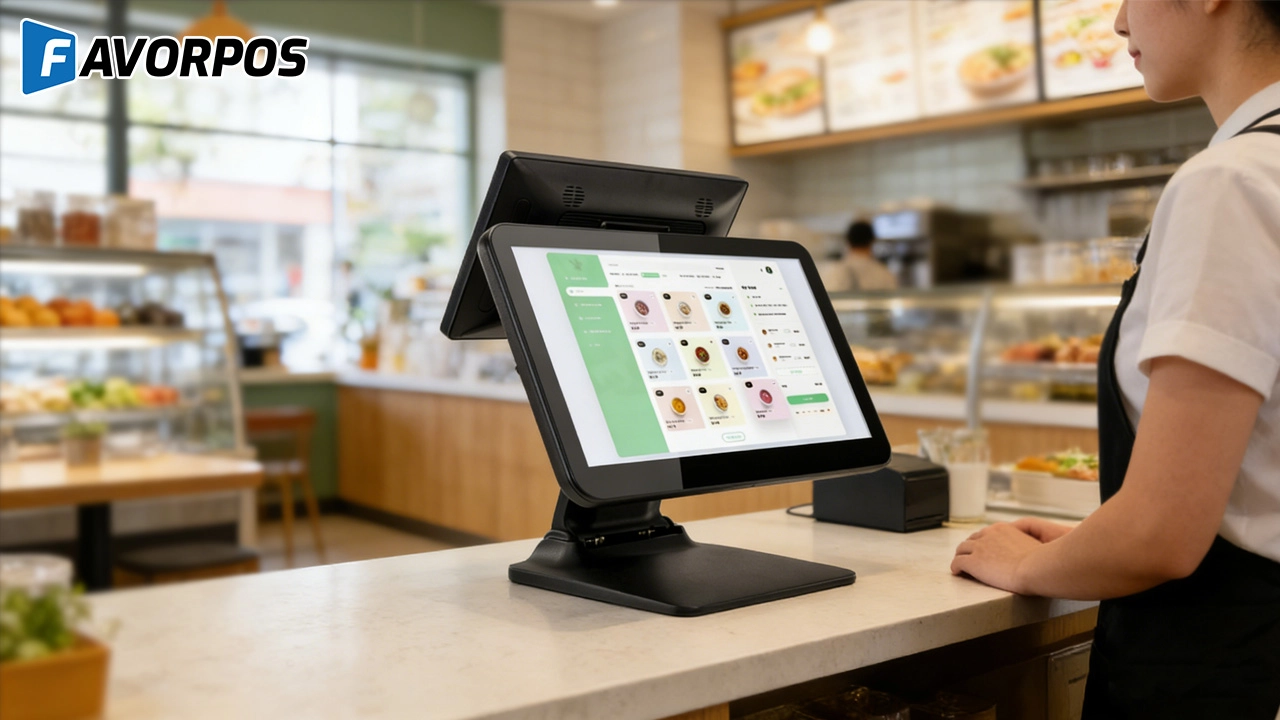
Beyond Checkout: How a 15.6-Inch Aluminum POS System Redefines Retail Efficiency
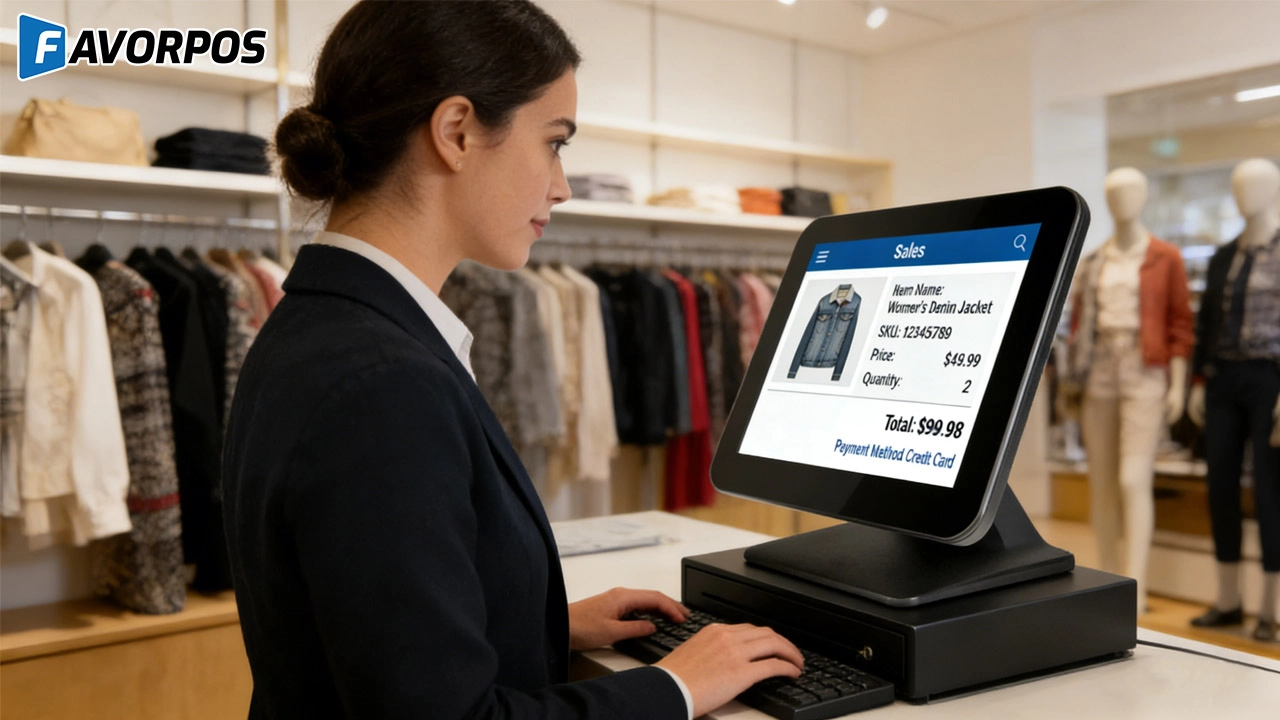
Understanding 15-Inch Aluminum POS Terminals in Modern Commercial Use
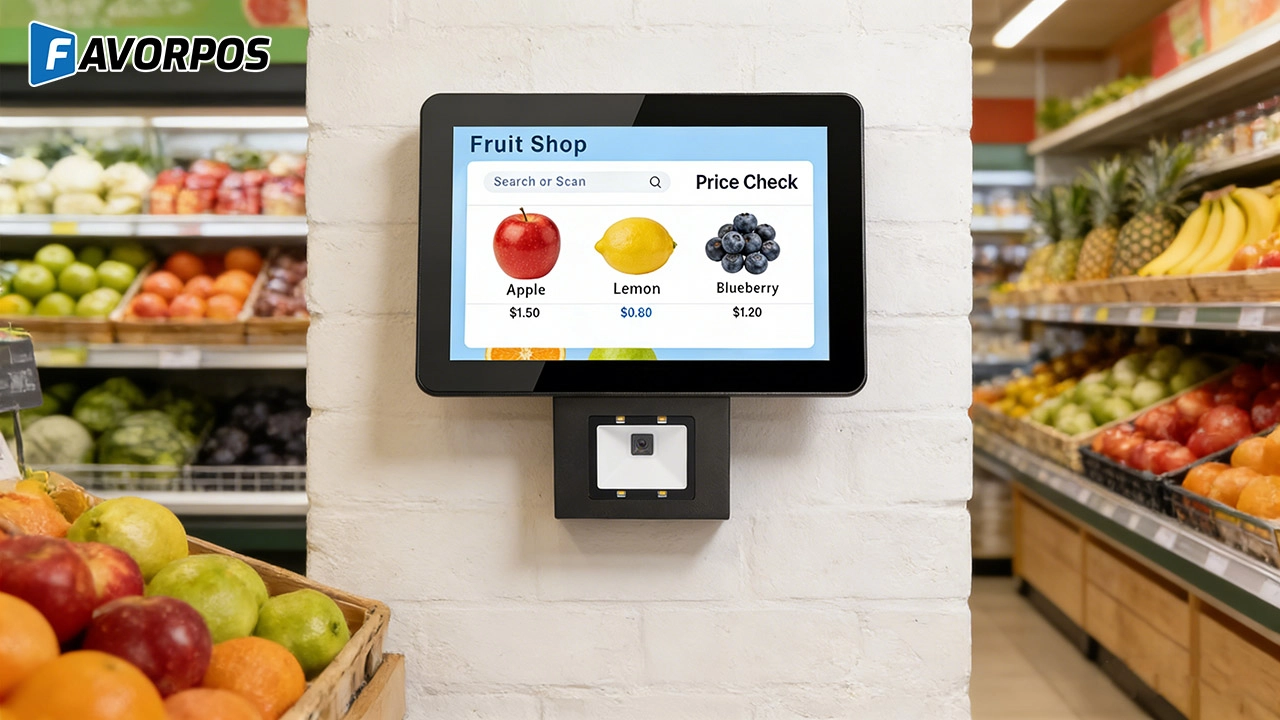
The Smart Way to Check Prices: How a 10.1-Inch Wall-Mounted Price Checker Transforms Retail Stores
For Bakeries
What payment methods are supported?
Our POS system accepts a variety of payment methods, including credit cards, mobile wallets, and contactless payments.
For Government and Public
Can your POS system handle various types of public sector payments?
Yes, our system is designed to handle a wide range of public sector payments, including fines, utility bills and service charges, ensuring secure and efficient processing.
For OEM
What is the development cost of a customized POS machine?
The development cost of a customized POS machine depends on the required design and functional specifications. We will provide a detailed quotation after the initial consultation. The cost includes design, prototyping, production and other related services.
For company
May I have your product catalog?
Yes, contact us and we will send you the catalog for reference.
For Distributor
What are the benefits of joining your reseller network?
Benefits include access to innovative POS products, attractive margins, comprehensive training and support, and the opportunity to work with a globally recognized brand.
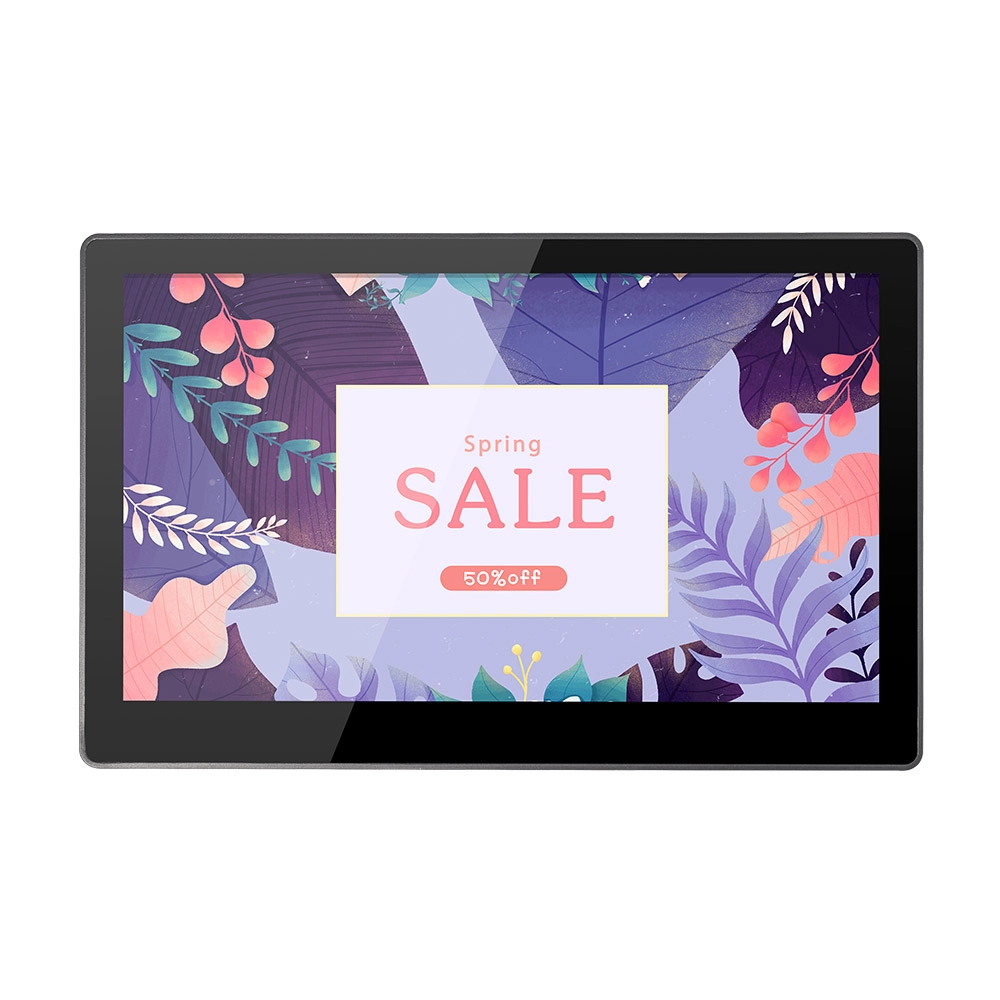
11.6 inch Capacitive Touchscreen for POS Machine POS Monitor
FAVORPOS 11.6-inch capacitive touchscreen, specifically designed for POS machines to deliver a seamless and responsive user experience. This high-definition display offers vibrant visuals and crystal clear clarity, making it easy for staff to navigate through transactions efficiently. The capacitive technology ensures quick and accurate touch recognition, reducing wait times and enhancing customer satisfaction. Built to withstand the rigors of daily use, this touchscreen is perfect for retail and hospitality environments.
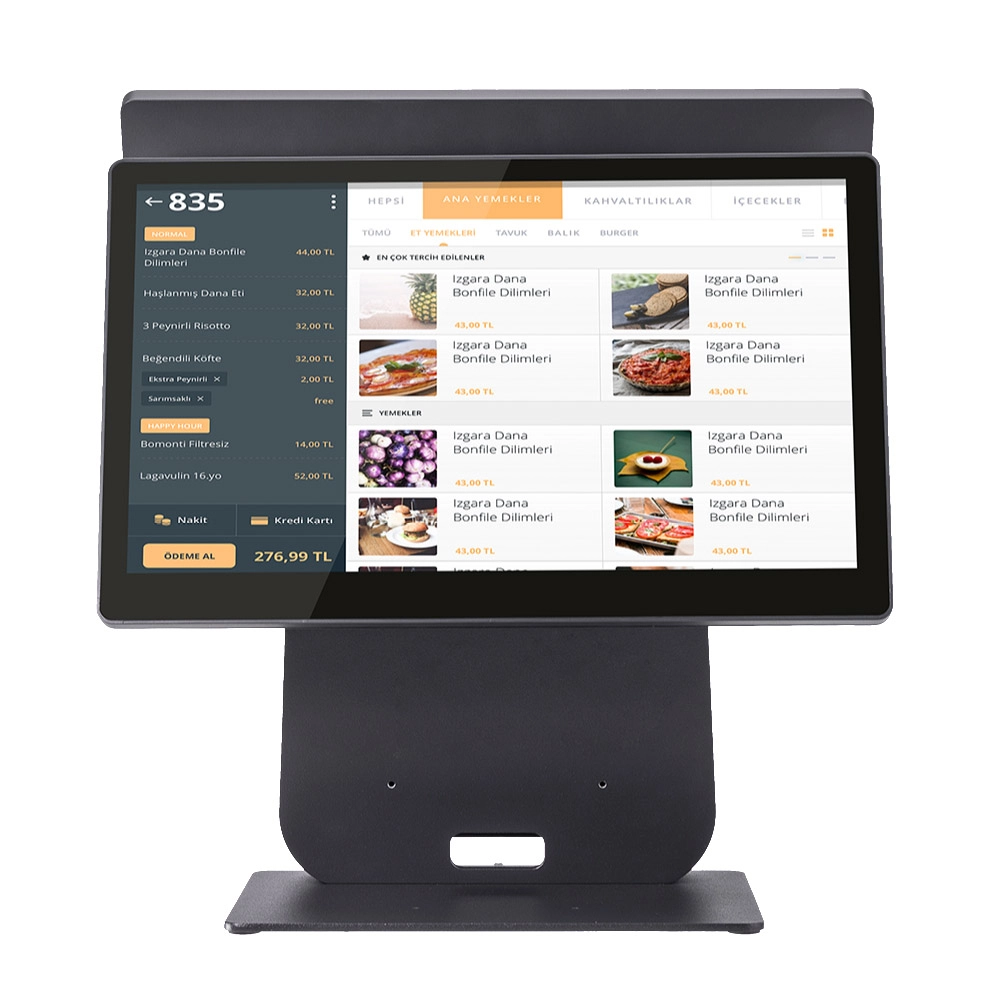
HD Dual Screen POS Machine Aluminum Hardware Android Windows Supplier
This dual-screen POS machine supports both Android and Windows systems, providing flexibility for various applications. The dual screens enhance customer interaction and streamline the checkout process, making transactions quicker and more engaging. Perfect for modern businesses looking to elevate their service and improve customer satisfaction, this POS machine is your ultimate partner in success!
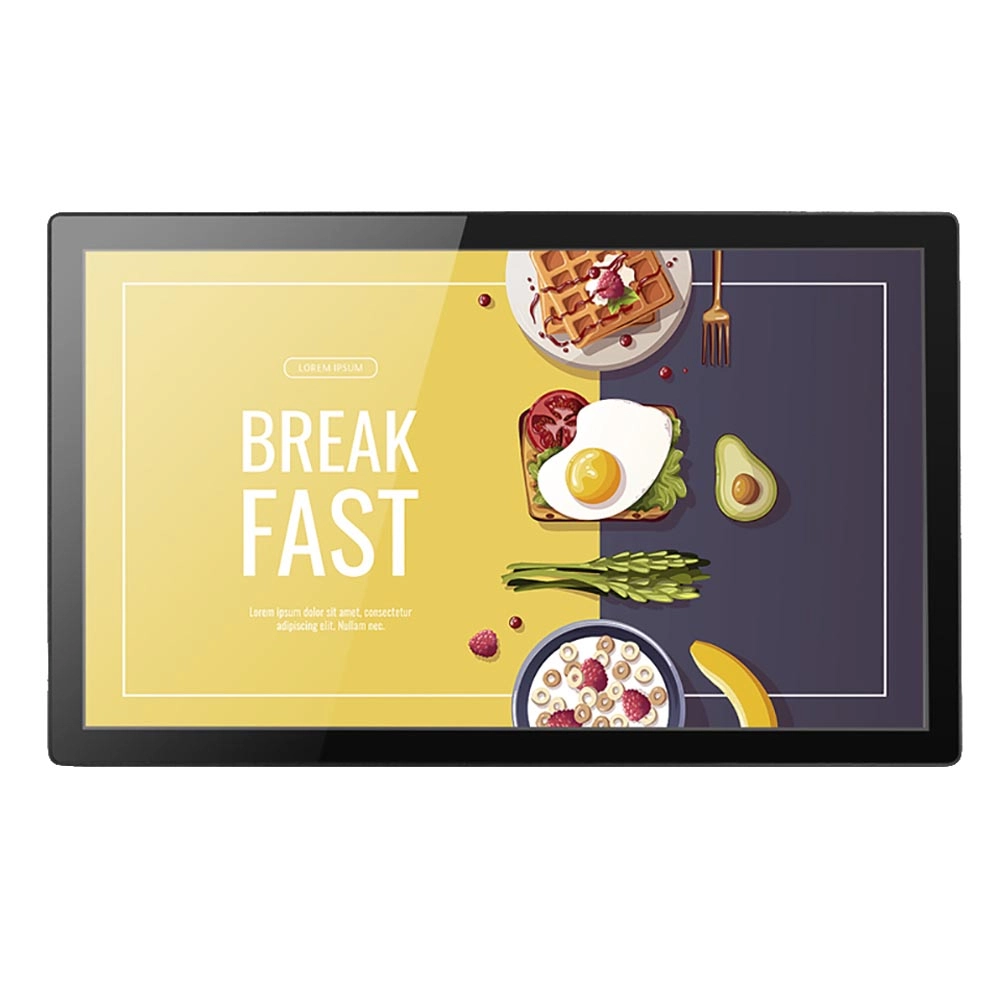
Wall Mount Cash Register POS 21.5 inch for Supermarket Touchscreen Windows Factory
Our sleek and modern wall-mounted POS system features a stunning 21.5-inch LED display, providing exceptional visibility and clarity for seamless customer interactions. The capacitive touchscreen ensures a highly responsive and intuitive user experience, perfect for fast-paced retail environments. With its space-saving wall-mounted design, this POS solution is ideal for optimizing floor space while maintaining a professional and contemporary appearance.
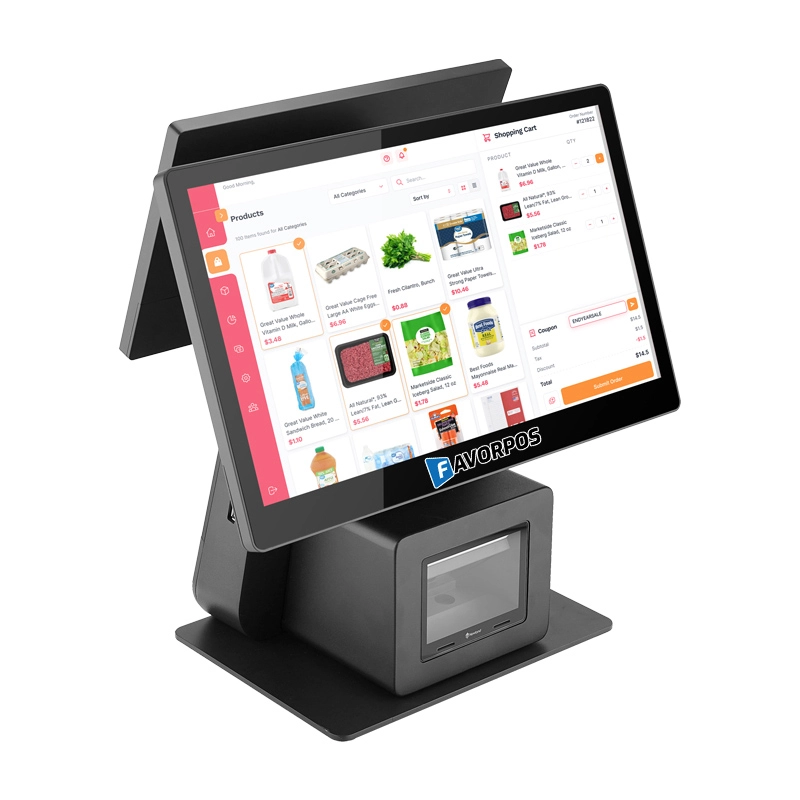
Dual Screen POS With Barcode Scanner Desktop POS Manufacturer POS Factory 15.6 11.6 Client Screen Optional
FAVORPOS: Your leading dual screen POS factory and manufacturer. Our desktop POS with barcode scanner offers 15.6/11.6 client screen options and OS flexibility. Get reliable, efficient dual screen POS with barcode scanner solutions directly from us.
Get in touch
Interested in becoming a POS system dealer? Contact us for more information and start the process of joining our dealer network.
We look forward to working with you to expand the market together.


Copyright © 2025 Favorpos All Rights Reserved.
