
Which restaurant POS systems list are best for multi-location chains?
- 1. For a 5–20 store regional chain, which restaurant POS systems list offers the most reliable centralized reporting and real-time inventory across locations?
- 2. Which restaurant POS systems list provide true offline mode so each location can keep transacting with automatic sync and no data loss?
- 3. Which restaurant POS systems list have enterprise-grade APIs and pre-built integrations for loyalty, delivery aggregators, and ERP to support multi-location rollouts?
- 4. Which restaurant POS systems list provide transparent total cost of ownership (TCO) for multi-location rollouts including hardware standardization and payment processing?
- 5. Which restaurant POS systems list include role-based access controls, audit logs, and PCI compliance needed for franchise or multi-location security?
- 6. Which restaurant POS systems list offer dependable multi-site support SLAs, onboarding, training, and data migration for chains moving off legacy systems?
- Concluding summary
1. For a 5–20 store regional chain, which restaurant POS systems list offers the most reliable centralized reporting and real-time inventory across locations?
Modern multi-location chains need a cloud-based POS with true centralized reporting and inventory management that updates in real time (or near real time) across sites. Vendors that routinely appear on a high-quality restaurant POS systems list for this use case include Toast, Lightspeed (including Upserve functionality), Revel, and Oracle Food & Beverage (MICROS) for larger enterprises. TouchBistro and CAKE (Sysco) also offer centralized back-office tools suitable for smaller rollouts.
What to validate during procurement:
- Reporting latency: ask whether sales, voids, refunds, and inventory movements are visible globally in seconds, minutes, or after batch sync. “Real time” in cloud systems usually means seconds to low minutes; older hybrid/on-prem solutions may have longer delays.
- Master SKU and recipe control: ensure you can push SKU/cost/recipe changes from HQ and lock editing at store level to prevent drift.
- Inventory reconciliation model: confirm whether the POS supports ingredient-level tracking (par-level, unit of measure conversions) and cycle counts per location, and how discrepant adjustments are handled in consolidated reports.
- Consolidated KPIs and exception reporting: make sure the vendor supports cross-site comps, blended labor %, and alerts for sudden variance (sales drops, inventory shrink spikes).
Implementation tips:
- Standardize SKUs and recipes before migration. Mapping discrepancies are the biggest cause of reporting inconsistencies.
- Pilot 1–2 stores and compare POS data to your accounting system to confirm parity before enterprise rollout.
Why these vendors: cloud-native Toast and Lightspeed are built for real-time centralized reporting; Revel offers hybrid cloud real-time features and deep customization; Oracle MICROS is proven for enterprise-level consolidation though may require more on-prem components.
2. Which restaurant POS systems list provide true offline mode so each location can keep transacting with automatic sync and no data loss?
Offline capability is critical when sites face unreliable internet. Several restaurant POS systems on respected lists support local transaction caching with automatic conflict resolution on reconnect: Revel, Toast (limited by hardware configuration), Lightspeed (depends on implementation), and Oracle MICROS (enterprise on-prem variants). iPad-first vendors like TouchBistro and Lavu usually include offline functionality for basic sales.
Key technical aspects to confirm:
- What is cached locally? Confirm whether payments, orders, modifiers, customer checks, and inventory adjustments are stored locally.
- Payments in offline mode: determine whether EMV/contactless payments are authorized offline or queued; in most systems EMV requires online authorization, so offline card acceptance can increase chargeback risk. Ask vendors for their recommended EMV terminal configuration for unreliable networks.
- Conflict resolution policy: verify how the system handles duplicate order IDs, online price changes pushed during offline windows, and inventory adjustments that cause negative stock on sync.
- Data retention and queue limits: ensure the device can cache a reasonable backlog (hours or days of transactions) and understand how the vendor surfaces queued transactions in the UI.
Operational recommendations:
- For critical sites, provision redundant internet (LTE failover) and test failover scenarios with the vendor.
- Outline manual controls for managers (paper batch protocols) if payment capture is not guaranteed offline.
3. Which restaurant POS systems list have enterprise-grade APIs and pre-built integrations for loyalty, delivery aggregators, and ERP to support multi-location rollouts?
For multi-site chains, API maturity and a marketplace of integrations are decisive. Vendors on authoritative restaurant POS systems lists with strong integration ecosystems include Lightspeed/Upserve (good third-party marketplace), Toast (robust partner ecosystem and APIs for ordering/loyalty), Square for Restaurants (rich developer platform), Revel (extensible APIs and middleware-friendly), and Oracle MICROS (enterprise integrations and long history with ERP/BI vendors).
What to check in APIs/integrations:
- API scope: confirm endpoints for customers, orders, payments (tokenized), inventory, employees, and sessions. For loyalty and omnichannel, customer/token sync and order webhooks are essential.
- Webhooks and event streaming: real-time webhooks for order/payment events reduce synchronization lag with delivery platforms and CRM systems.
- Rate limits and SLA: verify API rate limits, throughput capabilities, and whether enterprise customers can negotiate higher limits.
- Pre-built connectors: check for native connectors to major delivery aggregators (DoorDash, Uber Eats, Grubhub), loyalty platforms (than your preferred vendor), and ERP/BI (NetSuite, Microsoft, Tableau) to reduce middleware costs.
Integration best practices:
- Use tokenized payment fields from the POS when integrating third-party ordering to remain PCI compliant.
- Where possible, route third-party orders into the POS’s native order flow (avoid parallel order books to prevent inventory and fulfillment conflicts).
4. Which restaurant POS systems list provide transparent total cost of ownership (TCO) for multi-location rollouts including hardware standardization and payment processing?
TCO is frequently underestimated. Vendors commonly listed as enterprise-capable (Toast, Lightspeed, Revel, Oracle MICROS) will work at scale, but their pricing models vary: subscription (per terminal/month), licensing, payment processing fees, hardware costs, integration/middleware, installation and training, and ongoing support. Square and some iPad-based vendors may appear cheaper upfront but can add costs when scaling (payment fees, add-on modules).
How to calculate and items to request in writing:
- Break down costs by category: software subscription, hardware (terminal, printers, KDS, routers, payment terminals), payment processing provider fees (authorization, interchange pass-through vs blended rates), installation and on-site labor, data migration, integration/middleware licensing, training hours, and annual maintenance/support SLA.
- ASK for an all-in 3–5 year TCO estimate showing expected monthly cost per location and break-even analysis vs current system.
- Payment processing specifics: confirm whether the vendor is a payment processor or recommends a third party; ask for sample merchant statements and a modeled processing cost using your average ticket size and monthly card volume.
Hardware standardization tips:
- Standardize hardware SKUs to simplify spare parts and streamline on-site repairs. Confirm warranty and replacement SLAs per region.
- Consider cloud-native tablet-based systems for lower hardware capex, but validate break/failure rates and ruggedness for your environment.
5. Which restaurant POS systems list include role-based access controls, audit logs, and PCI compliance needed for franchise or multi-location security?
Security and governance are non-negotiable for multi-site chains and franchise models. Vendors known to support enterprise security features include Oracle MICROS (enterprise-grade audit and role controls), Revel, Toast (business-level security and PCI features), and Lightspeed. Square and TouchBistro provide role controls but may be more limited on enterprise audit trail depth.
Security features to verify:
- Role-based access control (RBAC): detailed role templates and custom roles to separate responsibilities (cash handling, price overrides, reporting access, refund permissions) and the ability to push role changes centrally.
- Immutable audit logs: vendor should provide detailed, tamper-evident logs of voids, refunds, overrides, business events and user sessions; ask about log export formats for forensic or compliance purposes.
- PCI and encryption: ensure payment data is tokenized and the vendor maintains PCI DSS compliance for hosted services. Ask for the vendor’s PCI Attestation of Compliance (AOC) and SOC 2 or equivalent reports if available.
- Single sign-on (SSO) and MFA: for enterprise deployments, SSO (SAML, OAuth) and multi-factor authentication should be supported for administrative back-office access.
Practical checklist for procurement:
- Request a security questionnaire (or fill theirs) and ask for network diagrams showing how terminals connect and where card data is tokenized.
- Include cyber incident response time commitments in the SLA and understand notification processes for breaches.
6. Which restaurant POS systems list offer dependable multi-site support SLAs, onboarding, training, and data migration for chains moving off legacy systems?
Large rollouts fail most often from poor onboarding, data errors, or inadequate support. Enterprise-grade providers on restaurant POS systems lists—Toast, Oracle MICROS, Revel, and Lightspeed—typically have dedicated onboarding teams, professional services, and partner networks for hardware installs and data migration. CAKE and TouchBistro offer strong training programs for smaller chains.
What to require contractually:
- Implementation timeline and milestones: a clear rollout plan per location with pilot, training, go-live, and post-live support windows.
- Professional services scope: list data migration tasks (menu/recipe/SKU mapping), POS configuration (taxes, modifiers), and third-party integrations to be completed by the vendor or certified partner.
- SLA for support: define response and resolution times for P1/P2/P3 issues, regional on-site technician availability, and escalation paths. Verify after-hours support if you run late-night operations.
- Training packages: ensure role-specific training for managers, back-office admins, and on-floor staff, plus access to a knowledge base, recorded materials, and local trainer availability.
Migration best practice:
- Run a data reconciliation plan: map legacy SKUs to new SKUs, run parallel reporting for 1–2 weeks, and validate sales/inventory figures.
- Budget for temporary productivity loss; staff will be slower during the first 2–4 weeks.
Concluding summary
For multi-location restaurant chains, the advantages of selecting a cloud-based, enterprise-capable POS from a vetted restaurant POS systems list are clear: centralized reporting and inventory that scale, robust APIs for loyalty and delivery orchestration, predictable TCO modeling, strong security and PCI compliance, reliable offline and failover strategies, and access to professional services and SLAs that minimize rollout risk. Vendors such as Toast, Lightspeed (with Upserve capabilities), Revel, Oracle MICROS, TouchBistro, and CAKE each have differentiated strengths—choose based on your priorities (speed to deploy, API depth, payment processing model, or enterprise governance).
Want a tailored comparison and a rollout cost estimate? Contact us for a quote at www.favorpos.com or email sales2@wllpos.com. We provide vendor-neutral procurement guidance and multi-site rollout planning to reduce risk and accelerate ROI.
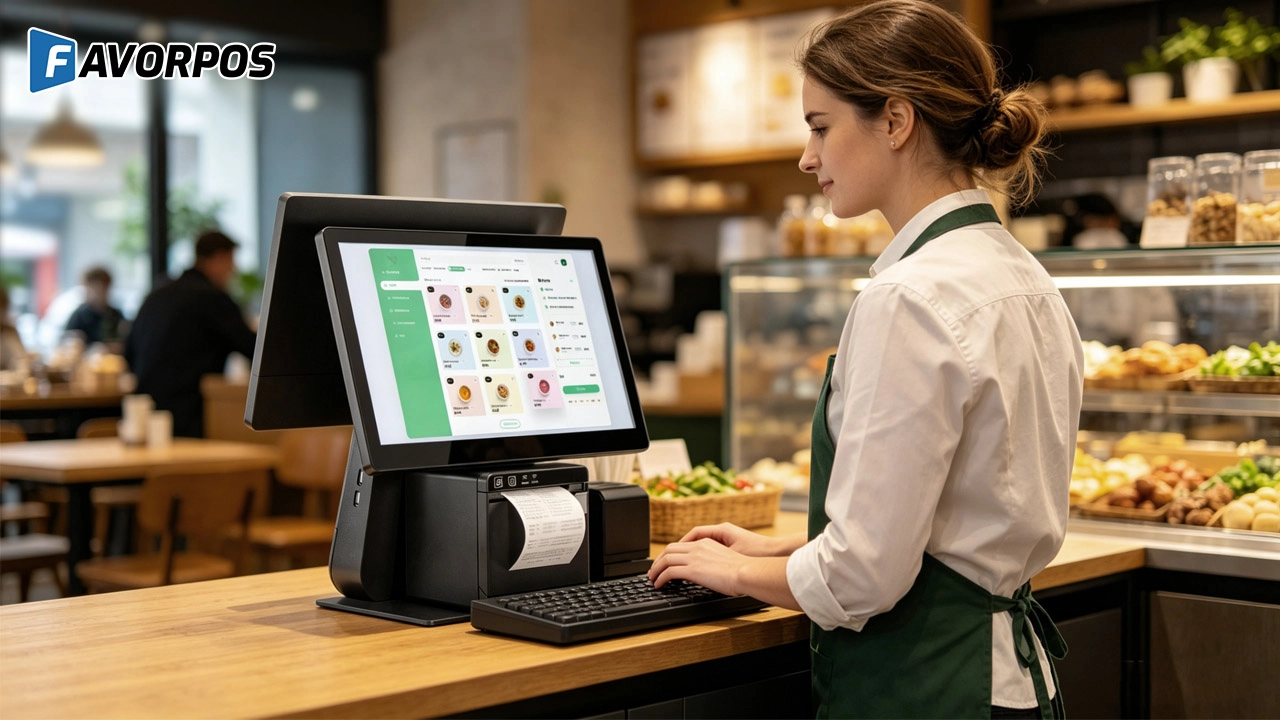
Smart Checkout, Simplified: Exploring the Power of a 15.6-Inch All-in-One POS Terminal
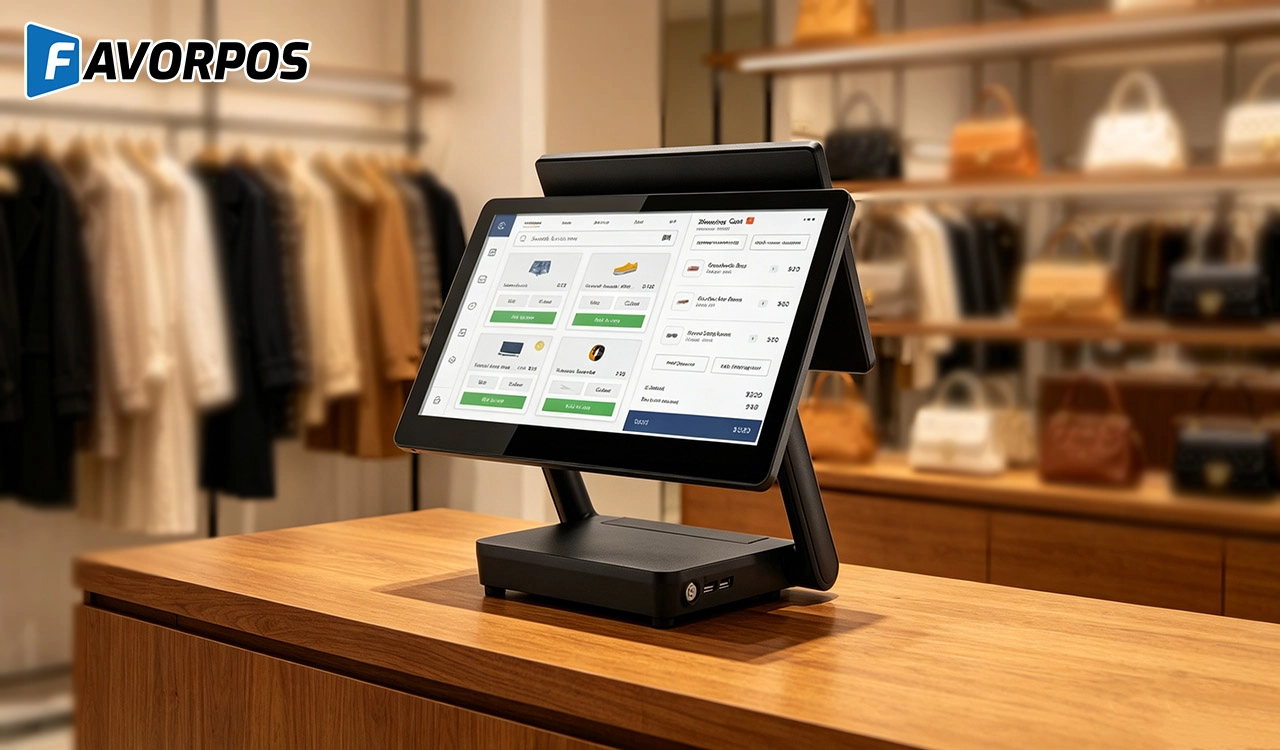
Why a 15.6” Touch POS Terminal Is Becoming the New Standard in High-Traffic Retail
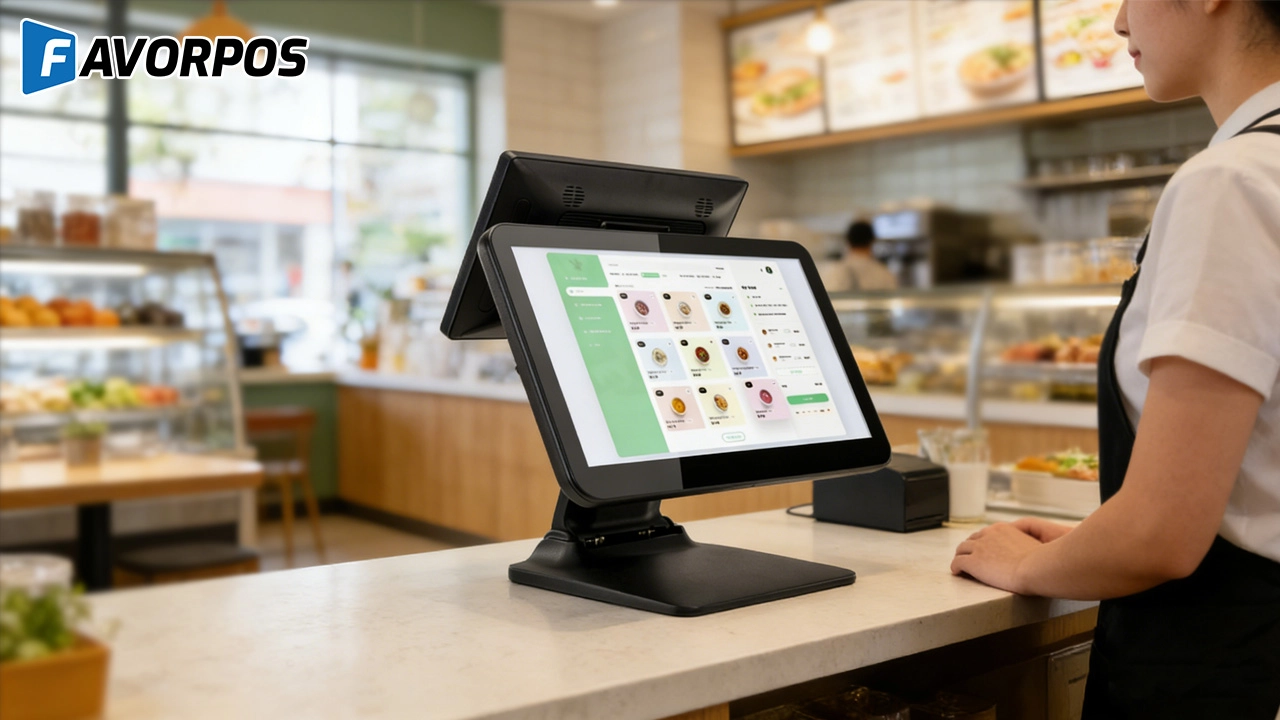
Beyond Checkout: How a 15.6-Inch Aluminum POS System Redefines Retail Efficiency
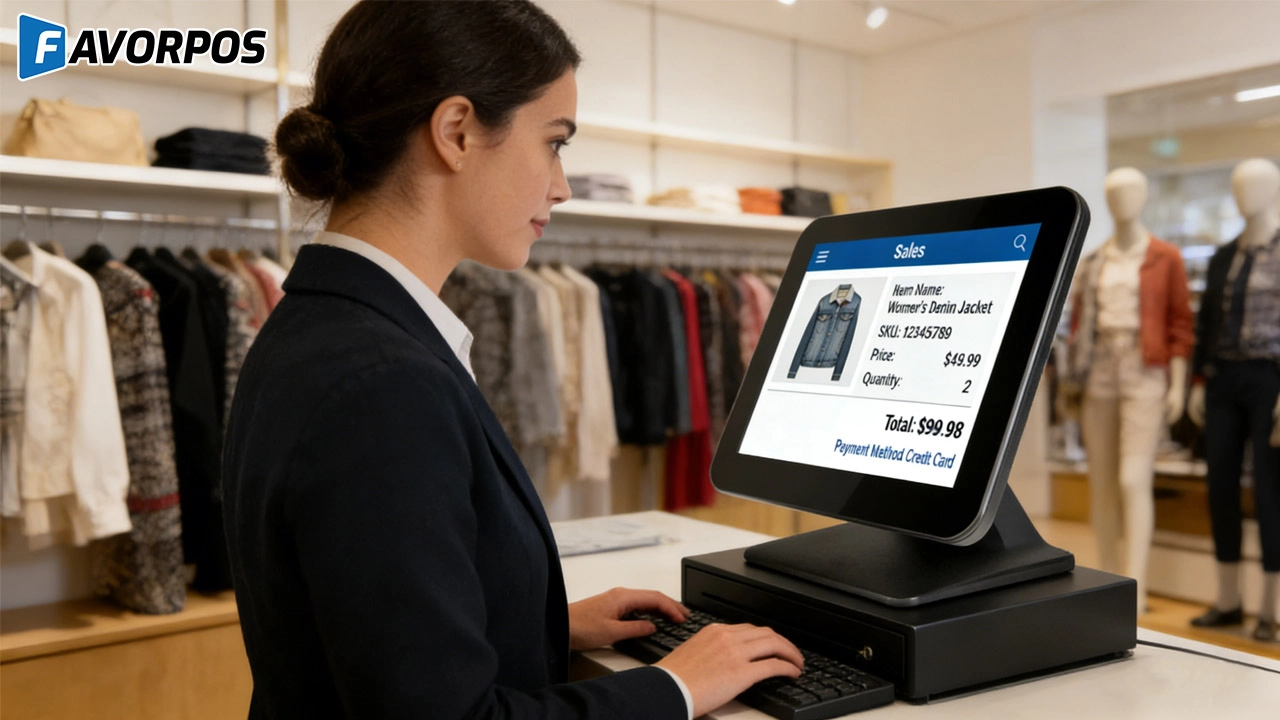
Understanding 15-Inch Aluminum POS Terminals in Modern Commercial Use
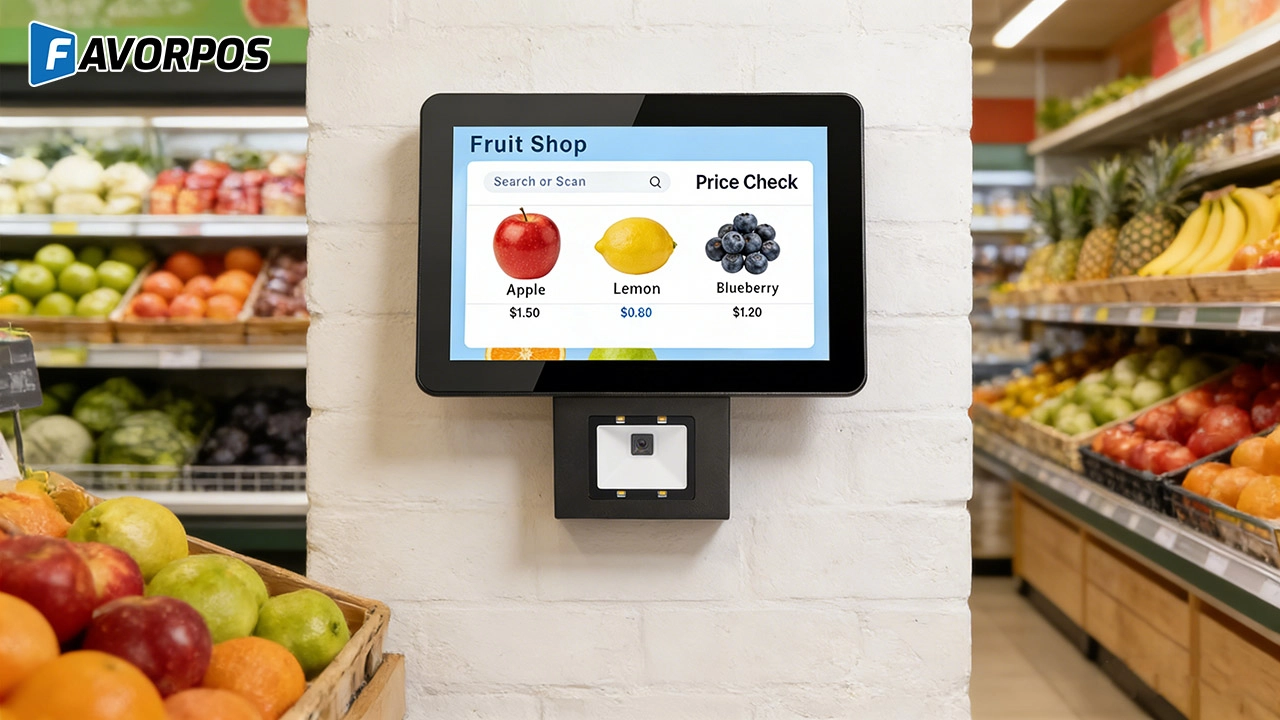
The Smart Way to Check Prices: How a 10.1-Inch Wall-Mounted Price Checker Transforms Retail Stores
For Hotels
Can your POS system be integrated with my hotel's PMS system?
Yes, our POS system is designed to integrate seamlessly with most major hotel management systems (PMS), ensuring smooth integration of guest services and billing processing.
Can mobile POS be used for poolside or outdoor services?
Yes, our mobile POS solution allows staff to place orders and process payments in any area of the hotel (such as poolside or outdoors), improving guest convenience.
For company
What are your shipping terms?
It is available to ship via express (DHL/FedEx/EMS/UPS/TNT), via air, train and sea. We will try our best to check the economic shipping way for you.
For Healthcare
How do you ensure data security and patient privacy?
We implement advanced encryption, user authentication and access control to protect sensitive data and follow industry best security practices.
For Restaurants & Cafes
What is the warranty period for the POS system?
We provide a standard warranty period of at least one year. During the warranty period, if the device fails, we will provide free repair or replacement services. The specific warranty period and terms can be negotiated according to the contract.

11.6 inch Capacitive Touchscreen for POS Machine POS Monitor
FAVORPOS 11.6-inch capacitive touchscreen, specifically designed for POS machines to deliver a seamless and responsive user experience. This high-definition display offers vibrant visuals and crystal clear clarity, making it easy for staff to navigate through transactions efficiently. The capacitive technology ensures quick and accurate touch recognition, reducing wait times and enhancing customer satisfaction. Built to withstand the rigors of daily use, this touchscreen is perfect for retail and hospitality environments.
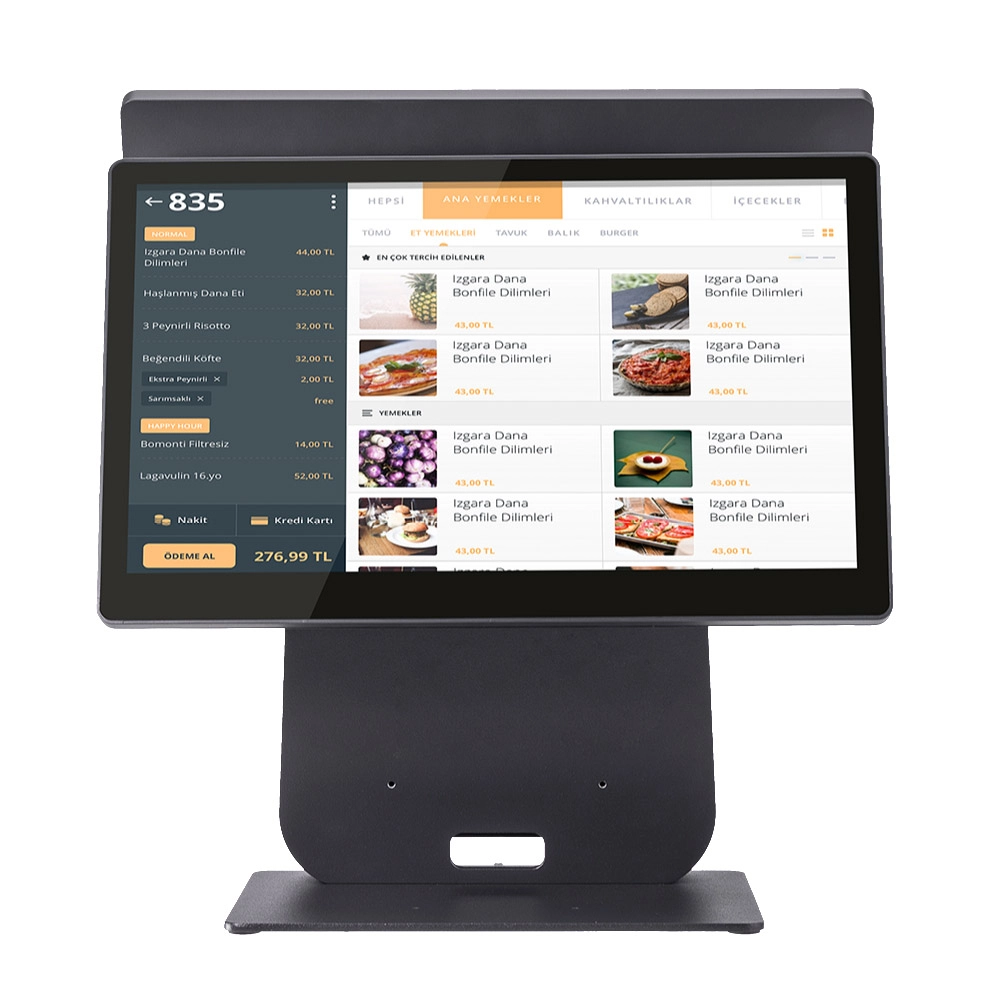
HD Dual Screen POS Machine Aluminum Hardware Android Windows Supplier
This dual-screen POS machine supports both Android and Windows systems, providing flexibility for various applications. The dual screens enhance customer interaction and streamline the checkout process, making transactions quicker and more engaging. Perfect for modern businesses looking to elevate their service and improve customer satisfaction, this POS machine is your ultimate partner in success!
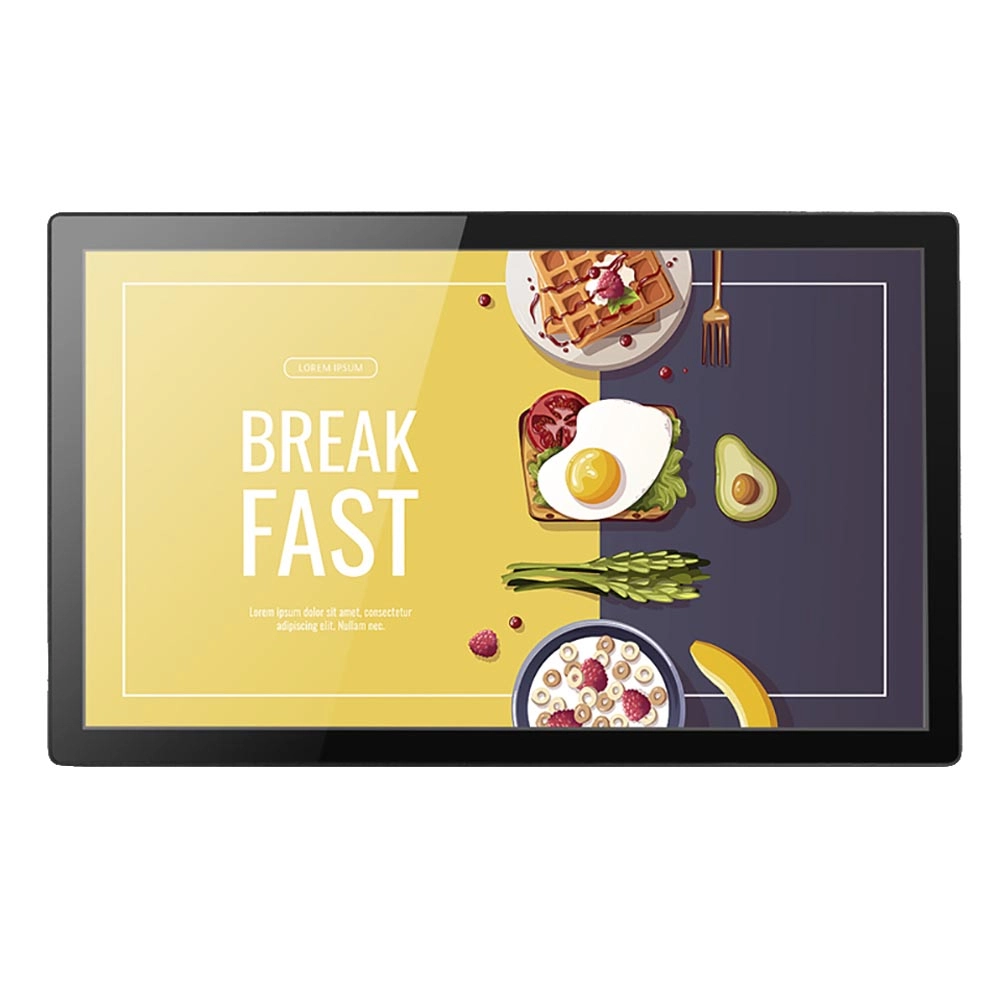
Wall Mount Cash Register POS 21.5 inch for Supermarket Touchscreen Windows Factory
Our sleek and modern wall-mounted POS system features a stunning 21.5-inch LED display, providing exceptional visibility and clarity for seamless customer interactions. The capacitive touchscreen ensures a highly responsive and intuitive user experience, perfect for fast-paced retail environments. With its space-saving wall-mounted design, this POS solution is ideal for optimizing floor space while maintaining a professional and contemporary appearance.
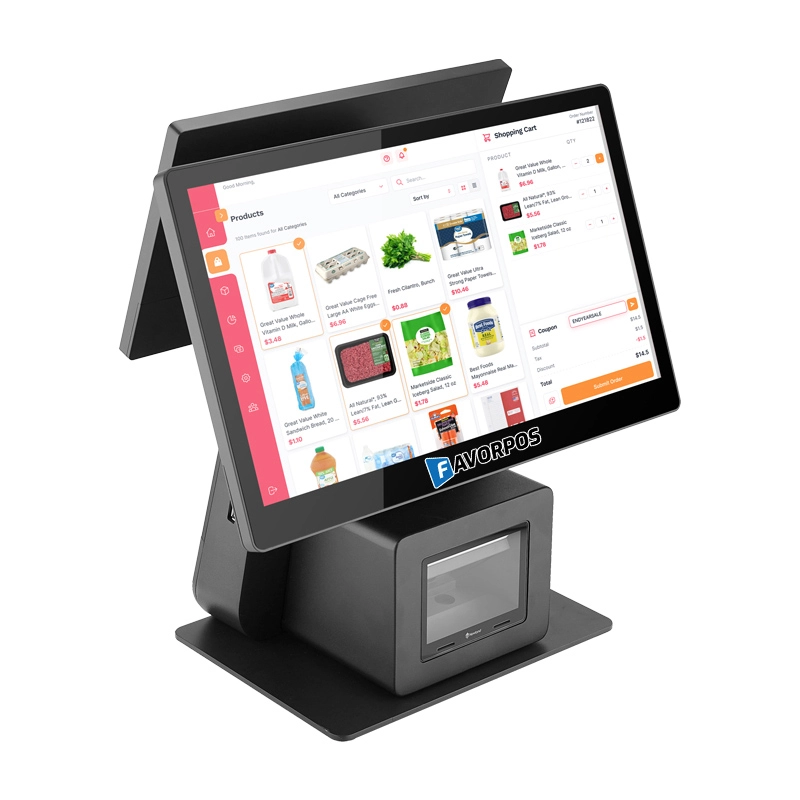
Dual Screen POS With Barcode Scanner Desktop POS Manufacturer POS Factory 15.6 11.6 Client Screen Optional
FAVORPOS: Your leading dual screen POS factory and manufacturer. Our desktop POS with barcode scanner offers 15.6/11.6 client screen options and OS flexibility. Get reliable, efficient dual screen POS with barcode scanner solutions directly from us.
Get in touch
Interested in becoming a POS system dealer? Contact us for more information and start the process of joining our dealer network.
We look forward to working with you to expand the market together.


Copyright © 2025 Favorpos All Rights Reserved.
