
Which top restaurant POS systems suit small restaurants best?
- 1. How do I calculate the realistic 3-year total cost of ownership (TCO) for top restaurant POS systems for a 30-seat independent restaurant?
- 2. Which top restaurant POS systems offer true offline order capture and safe payment reconciliation during extended internet outages?
- 3. How can I uncover and negotiate hidden fees—card processing spreads, gateway charges, PCI & compliance, hardware RMAs—when evaluating top restaurant POS systems?
- 4. Which top restaurant POS systems provide real-time two-way menu and inventory sync with delivery marketplaces and branded online ordering (so I don’t have to update menus in multiple places)?
- 5. For a small restaurant planning to expand to 2–3 locations, which top restaurant POS systems scale without per-terminal price spikes and support centralized inventory and reporting?
- 6. How should I evaluate vendor support SLAs, RMA turnaround, and backup plans so I don’t suffer long downtime during peak hours?
As a POS systems specialist with deep experience helping small restaurants select and deploy cloud-based restaurant POS systems, I answer six specific, high-pain questions beginners often find poorly or partially answered online. This guide focuses on decision-critical issues — total cost of ownership (TCO), offline reliability, hidden fees and card processing, marketplace and branded ordering sync, multi-location scaling, and vendor support/SLAs — and includes practical checklists and contract language to use during vendor evaluation.
1. How do I calculate the realistic 3-year total cost of ownership (TCO) for top restaurant POS systems for a 30-seat independent restaurant?
Why this matters: many vendors advertise a low monthly subscription but hide hardware, payment processing, installation, training, and integration costs. Small restaurants that only compare headline subscription fees often face unpleasant surprises during deployment or after year one.
Key components to include in a 3-year TCO model:
- Software subscription: base monthly fee per terminal or per location (some vendors charge per terminal, some per location).
- Hardware costs: purchase vs lease for terminals, receipt printers, kitchen printers or KDS tablets, cash drawers, network routers, and backup power. Include replacement/repair reserve (typical reserve: 5–10% of hardware value per year).
- Payment processing: effective rate (discount rate + per-transaction fee) after merchant account or integrated processing. Ask for modeled monthly volume and average ticket to calculate monthly card fees.
- Integrations and gateway fees: third-party delivery adapters, accounting connectors (e.g., QuickBooks), payroll, gift cards, loyalty programs — some require add-on subscriptions or per-order fees.
- Implementation & training: one-time setup, menu import, customizations, and initial on-site or remote training. Factor in lost sales/time during cutover.
- Support and warranty: High Quality support add-ons, SLA fees, and hardware replacement shipping or RMA costs.
- Payment disputes and chargebacks: include a reserve and any vendor chargeback protection costs.
How to build the model (practical steps):
- Create a spreadsheet with monthly rows for 36 months and columns for each cost category above.
- Ask each vendor for an itemized quote that separates subscription, hardware (purchase vs lease), estimated monthly payment processing with example volume (use your average monthly card volume or a conservative projection), and known add-ons. Insist they provide sample invoices or an itemized price sheet.
- Request the vendor’s published MDR (merchant discount rate) ranges or the integrated processor’s sample statement; calculate an effective blended rate. If they use a third-party ISO/processor, get that processor’s contact or rate schedule to verify.
- Model two scenarios: (A) best-case (no hardware failures, base plan, no add-ons) and (B) conservative (1 hardware replacement, one paid add-on, 10% higher card volume than average). Compare total monthly and 3-year totals and divide by expected covers/month to get cost-per-cover metrics.
Red flags vendors often omit or understate:
- Hardware lease terms that auto-renew at higher rates or include early termination penalties.
- Per-terminal licensing that multiplies costs when adding kitchen displays or handhelds.
- Gateway or “order routing” fees for delivery marketplaces and per-order fees for online ordering platforms.
Result: a realistic 3-year TCO lets you compare Toast, Square for Restaurants, Lightspeed, TouchBistro, Clover and others on an apples-to-apples basis instead of headline subscription figures.
2. Which top restaurant POS systems offer true offline order capture and safe payment reconciliation during extended internet outages?
Why this matters: small restaurants rarely have enterprise IT redundancy. A single internet outage during a dinner rush can cost thousands in lost sales and angry customers unless the POS supports reliable offline operation and clear reconciliation.
Two distinct capabilities to evaluate separately:
- Offline order capture and printing — the POS must accept orders locally, print receipts or send prints to kitchen printers/KDS, and queue data for upload when connectivity returns.
- Offline payments (card acceptance) — store-and-forward or fully offline EMV. Store-and-forward (common) queues card transactions to be processed when back online; true EMV offline (chip-to-chip offline authorization) is rare and not supported broadly in restaurant POS due to liability and risk.
What to ask vendors (specific, actionable questions):
- Describe your offline architecture: does the terminal operate as a local server or is order capture dependent on a cloud heartbeat? Request a technical flow diagram.
- Will orders taken offline print in the kitchen and appear on the KDS? Can modifiers and comps be applied reliably offline?
- For card-present payments, do you support store-and-forward? How are authorizations handled after reconnection and what is the risk/likelihood of declined transactions when processed later?
- Do you support offline EMV transactions? If so, what are the fraud/liability trade-offs and how often do your customers see settlement declines?
- What logging and reconciliation reports are available after recovery (who reconcilied what, timestamps, batch IDs)?
Practical buyer guidance:
- For most small restaurants, prioritize a POS that provides robust offline order capture + local printing/KDS caching + store-and-forward for card-present transactions, not offline EMV.
- Require the vendor to demonstrate an outage recovery test in your environment before signing: simulate internet outage for 1–2 hours and validate order flow, printing, and post-reconnect settlement behavior.
- Ask for a written policy for prolonged outages (24+ hours) and for recommended backup connectivity (cellular failover, separate ISP) and costs to implement it.
Note: Some cloud-first systems rely on continuous connectivity and offer degraded offline modes that do not support payments or kitchen printing — these are unsuitable for single-ISP small restaurants unless you deploy cellular failover routers.
3. How can I uncover and negotiate hidden fees—card processing spreads, gateway charges, PCI & compliance, hardware RMAs—when evaluating top restaurant POS systems?
Why this matters: processing and compliance fees can exceed subscription costs over time. Many small operators accept packaged processing offers without negotiating effective rates or understanding non-interchange-plus markups.
Checklist to uncover all recurring charges:
- Ask for a sample merchant statement or rate sheet for the integrated processor (not just a percentage). Verify whether the vendor uses interchange-plus or bundled (flat-rate) pricing and ask for a blended example based on your monthly volume and average ticket.
- Confirm gateway fees and per-transaction decline fees. Some systems add per-order fees for delivery or online orders even if you own the POS subscription.
- Request details on PCI compliance fees: who is responsible, is there a monthly/annual charge, and what is the scope of the vendor’s SAQ or PCI-DSS responsibility?
- Get the hardware warranty and RMA policy in writing: typical lead times, whether they include overnight replacement or require you to ship defective units at your cost.
- Find out whether 3rd-party integrations (loyalty, accounting, inventory) require additional subscriptions or per-user charges.
Negotiation tactics and contract language to request:
- Ask for an initial discounted processing rate for 12 months with a commit to renegotiate after 12 months based on actual volume.
- Include an early-exit clause allowing termination without penalty if the vendor materially increases processing spreads or changes bundled pricing.
- Contract clause example: “Vendor will provide itemized monthly invoices and disclose the effective blended merchant discount rate attributable to card-present and card-not-present transactions.”
- Insist that hardware RMAs under warranty include next-business-day replacement and a shipped return label for the defective unit.
Red flags:
- Vague answers about processors or claims of “best rates” without sample statements.
- Bundled processing without interchange-plus transparency — makes it hard to benchmark.
- High per-order fees for marketplace routing (e.g., delivery adapters) that are not well documented upfront.
4. Which top restaurant POS systems provide real-time two-way menu and inventory sync with delivery marketplaces and branded online ordering (so I don’t have to update menus in multiple places)?
Why this matters: manual menu updates across multiple platforms (DoorDash, Uber Eats, Grubhub, vendor online ordering) create mistakes, mismatched pricing, and oversold items that increase refunds and labor.
Integration models you’ll encounter:
- Native online ordering modules: the POS vendor builds its own branded ordering and payment flow (often best for real-time sync and commission control).
- API-driven connectors: the POS exposes an API and either vendor or a third-party aggregator builds two-way sync with marketplaces.
- Hub/aggregator adapters: third-party aggregators (channel managers) sit between POS and marketplaces and attempt to normalize menus across channels — may add latency and per-order fees.
How to validate true two-way real-time sync:
- Ask the vendor to demo a live sync where you change an item, price, or “sold out” state and show how quickly it updates in the marketplace (time-to-sync). Industry-acceptable targets are under 60 seconds for critical availability and pricing changes.
- Confirm whether modifiers, combos, and availability by location are supported in the sync. Many connectors only map flat SKUs, causing incorrect options online.
- Verify whether orders placed on marketplaces appear in the POS as native tickets (not just emailed), and whether modifiers and delivery instructions are preserved.
- Request a list of certified marketplace integrations and ask for references from merchants using the integration with similar order volume.
Practical choices for small restaurants:
- If you intend to prioritize margin and own customer data, prefer vendors with native branded online ordering and integrated processing so you can reduce third-party commissions and capture guest data for loyalty.
- If you rely heavily on multiple marketplaces, choose a POS with certified two-way connectors or a reputable channel manager that publishes latency and error rates.
Warning: Many online articles list “integrates with DoorDash” as proof of full sync — but integration quality varies dramatically. Demand a demo showing modifiers, combos, and sold-out state synchronization.
5. For a small restaurant planning to expand to 2–3 locations, which top restaurant POS systems scale without per-terminal price spikes and support centralized inventory and reporting?
Why this matters: scaling from one to several locations reveals differences in pricing models (per-terminal vs per-location), data architecture, and reporting. Some systems become prohibitively expensive as you add KDS tablets, handhelds, or terminals.
Evaluate these technical and commercial areas:
- Pricing model: Is the subscription per-terminal, per-location, or per-seat? For small multi-location rollouts, per-location or site-license models generally scale better than per-terminal fees.
- Centralized inventory and menu management: Confirm whether inventory is shared across locations (with transfer tracking) and whether you can set location-level pricing or menu items from a central console.
- Reporting and analytics: Ensure the system provides consolidated P&L, labor, sales mix, and vendor purchase analytics across locations with exportable CSVs and API access for your accounting system.
- Device licensing for handhelds and KDS: Some vendors charge full terminal license for each handheld; others offer discounted handheld licensing or free KDS seats.
Questions to ask vendors:
- Provide a 3-location pricing quote showing per-location and per-terminal line items, including hardware bundles and any volume discounts.
- Demonstrate central menu push: how quickly can an edit propagate to all locations and how are local overrides handled?
- Show the consolidated reporting dashboard and confirm whether exports can be automated via API or SFTP.
Recommended vendor traits for small multi-location restaurants:
- Cloud-based POS with per-location pricing (not per-terminal), flexible handheld licensing, and a single back-office console to manage menu, inventory, and promotions.
- Open APIs for future integrations with ERP, inventory forecasting, or multi-location payroll systems.
6. How should I evaluate vendor support SLAs, RMA turnaround, and backup plans so I don’t suffer long downtime during peak hours?
Why this matters: poor vendor support or slow hardware replacement kills revenue during peak service hours. Small restaurants need clear expectations for response times, replacement hardware shipping, and escalation procedures.
Support elements to define and test:
- Hours & response SLA: Confirm business-hours vs 24/7 support and documented response times (e.g., 30 minutes for critical outage, 4 hours for degraded function). Ask for SLA in the contract.
- RMA and spares policy: Does the vendor ship next-business-day replacements for failed terminals? Is on-site technician support available (or an authorized local partner)?
- Escalation path and local partners: If the vendor is remote-only, what local VARs or hardware partners can provide same-day hardware swaps?
- Self-help and training: Are there playbooks for manual fallback operations (taking paper tickets, using a mobile terminal) and step-by-step recovery guides?
Concrete contract clauses to request:
- “Vendor will respond to Severity 1 (total outage) incidents within 30 minutes and provide remediation steps within 2 hours. If hardware replacement is required and covered under warranty, Vendor will ship a replacement unit with next-business-day delivery at Vendor’s expense.”
- “Vendor will maintain local hardware spares inventory in the merchant’s region or provide a local authorized partner to fulfill hardware RMAs within 24 hours.”
Operational mitigations:
- Keep one or two spare terminals or a backup tablet pre-provisioned and stored on-site (the cheapest insurance for single-site restaurants).
- Invest in a cellular failover router or secondary ISP to avoid single-point-of-failure outages, especially if your POS depends on continuous cloud connectivity for order printing.
- Run a quarterly outage and recovery drill with staff so everyone knows how to accept orders and reconcile sales after recovery.
Closing summary of advantages: modern top restaurant POS systems deliver cloud-based real-time reporting, integrated online ordering, kitchen display systems (KDS), inventory management, customer loyalty, and payment security with PCI and EMV support. For small restaurants, the right system balances a transparent TCO, robust offline order capture (with store-and-forward for payments), reliable marketplace and branded ordering sync, scalable multi-location licensing, and strong SLAs/RMA policies. Focus on vendors that provide clear rate transparency, certified API integrations, and demonstrated local support or quick RMA fulfillment.
If you want a vendor comparison or a custom TCO worksheet modeled to your average monthly volume and seat count, contact us for a free deployment plan and quote: www.favorpos.com or sales2@wllpos.com.
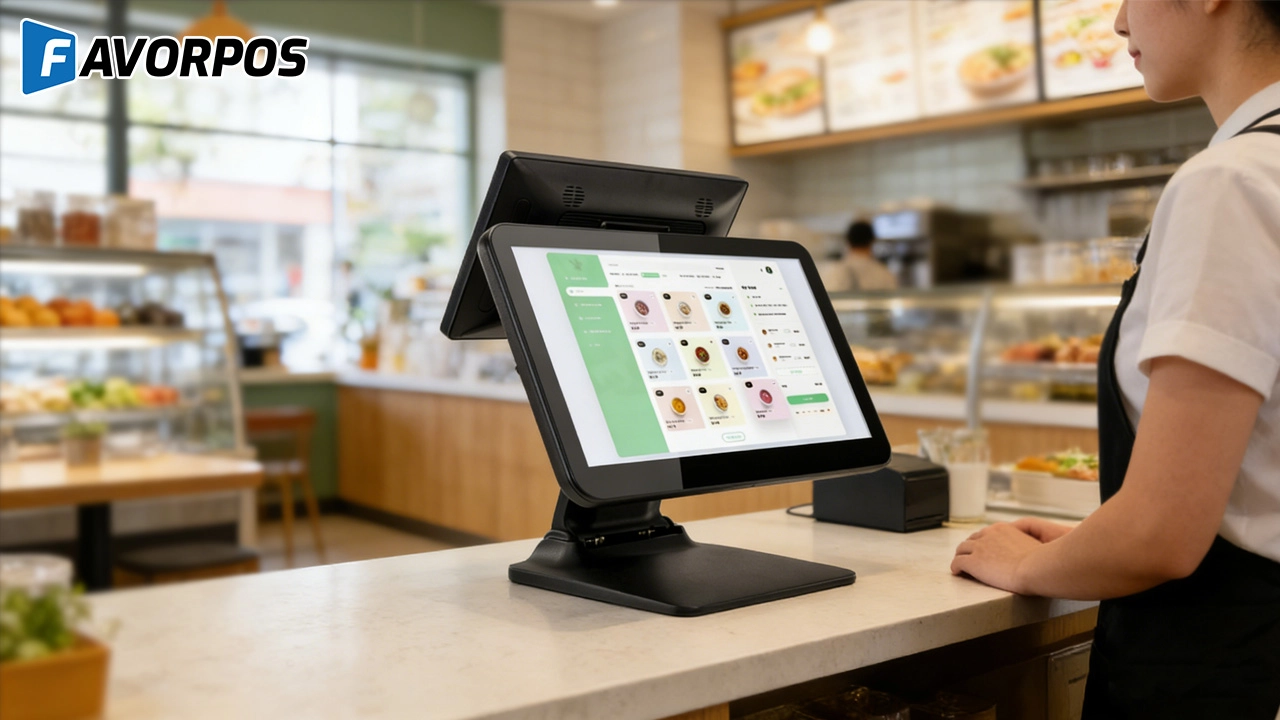
Beyond Checkout: How a 15.6-Inch Aluminum POS System Redefines Retail Efficiency
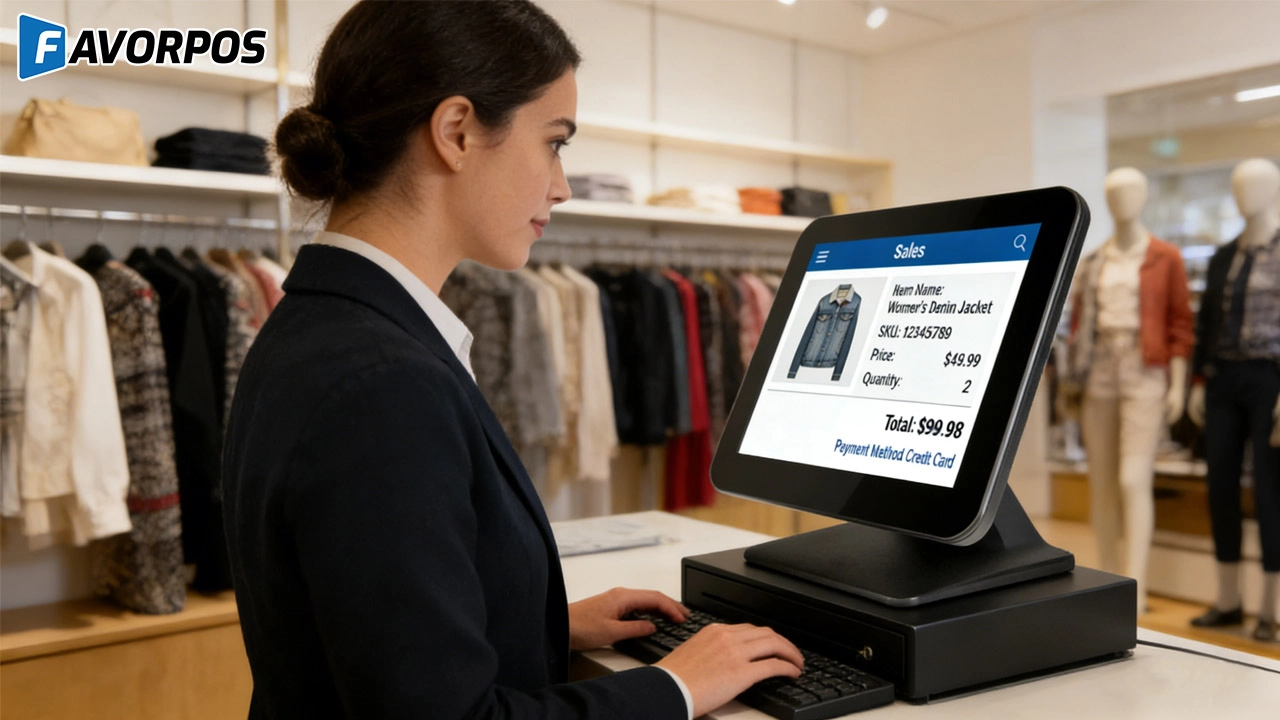
Understanding 15-Inch Aluminum POS Terminals in Modern Commercial Use
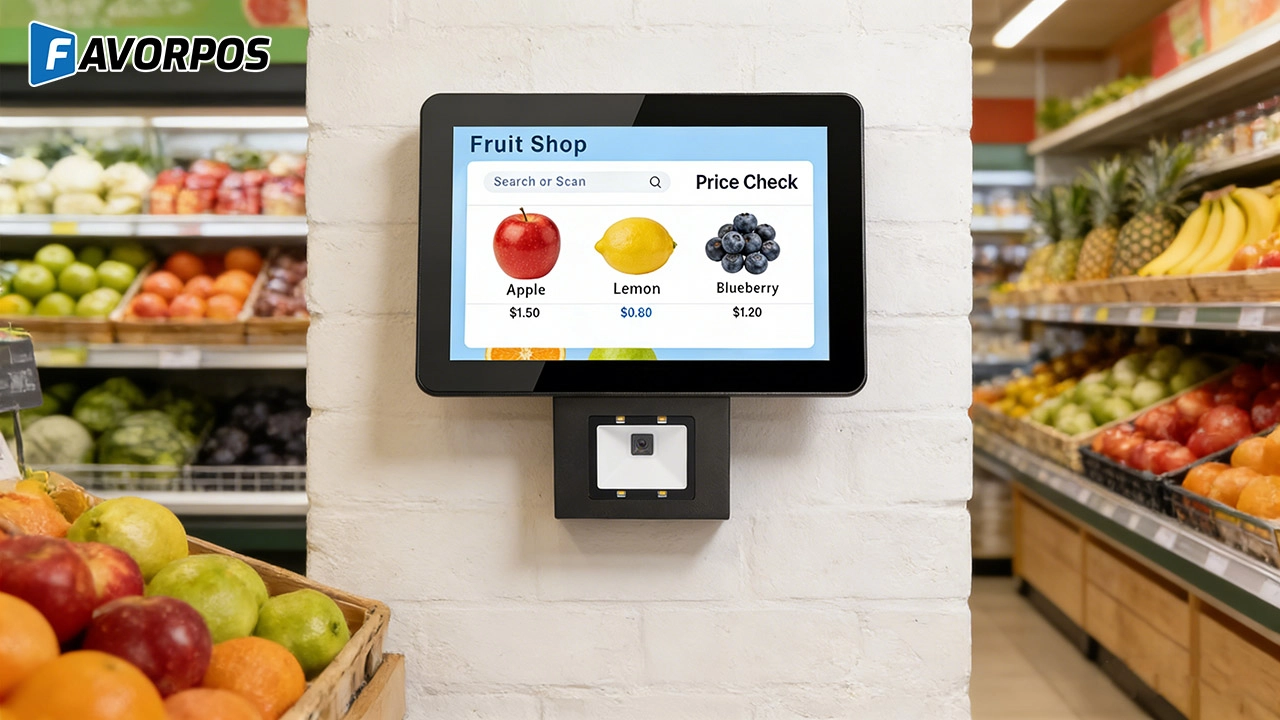
The Smart Way to Check Prices: How a 10.1-Inch Wall-Mounted Price Checker Transforms Retail Stores
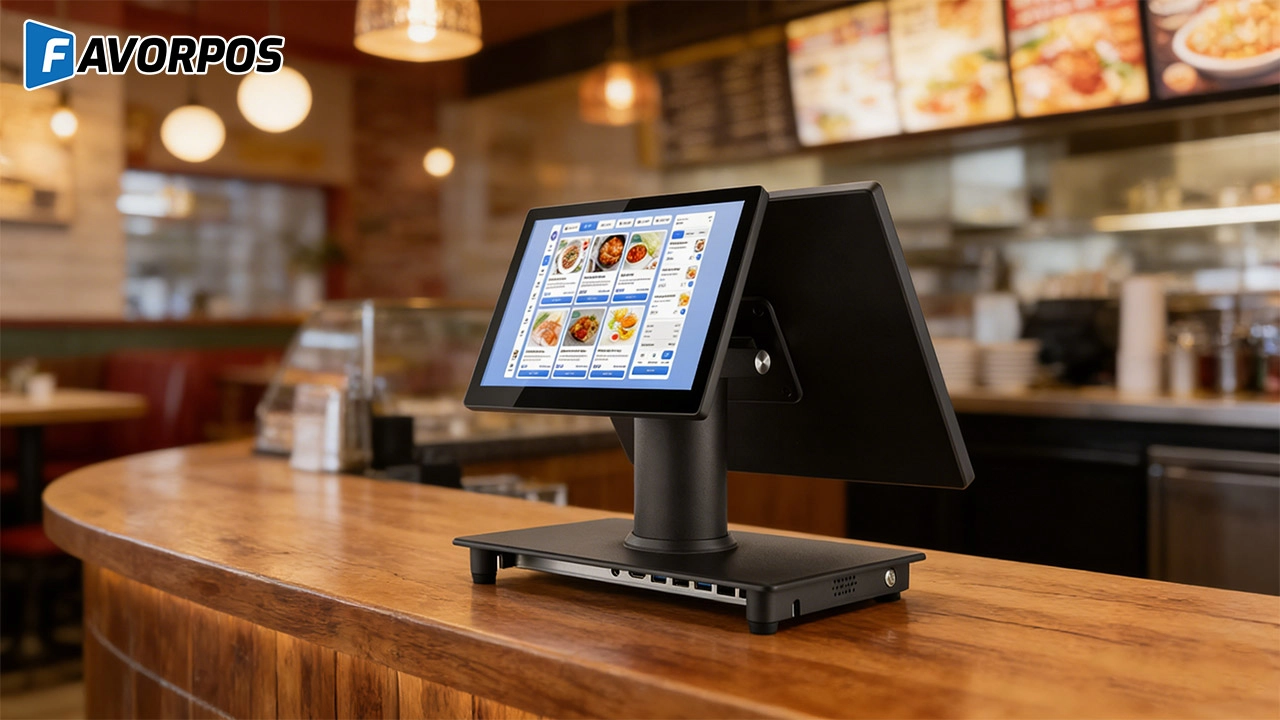
A Smarter Checkout Experience: The 15-Inch Dual-Screen POS Built for Modern Retail
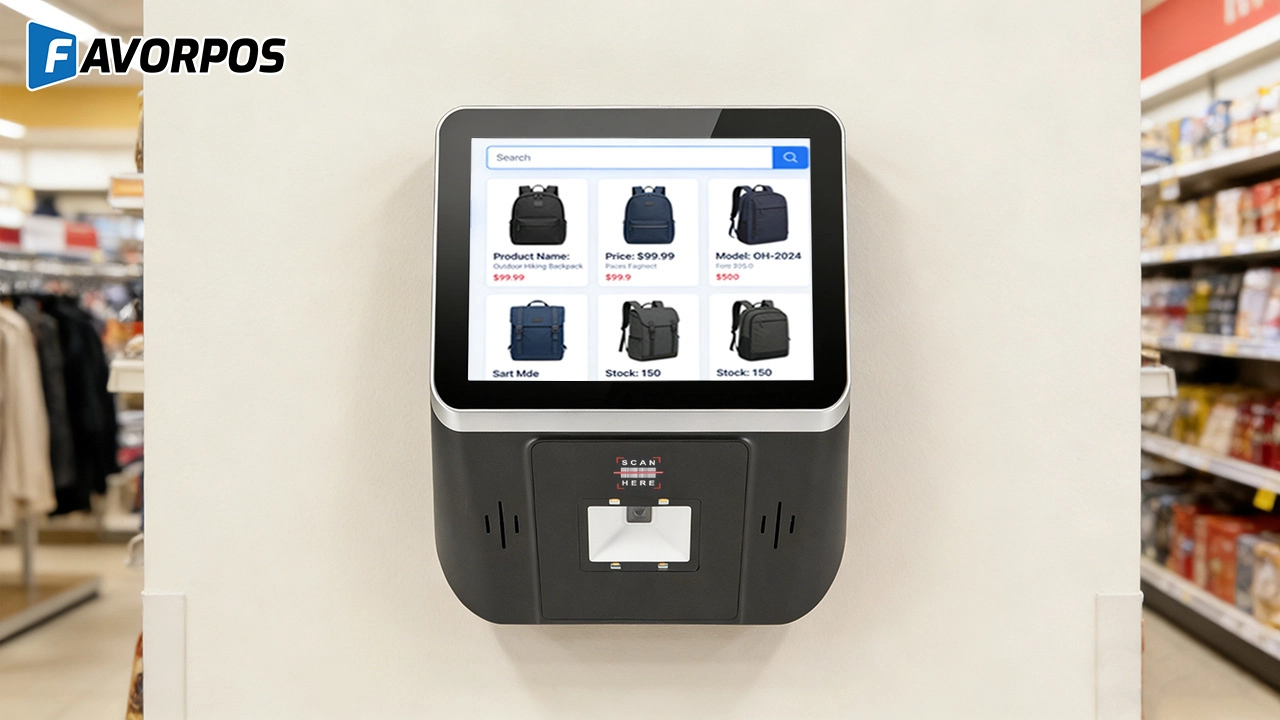
8-Inch Smart Price Checker: A Small Device Powering Smarter Retail Spaces
For Distributor
What are the requirements to become a reseller?
We look for resellers with a strong market presence, relevant industry experience, and the ability to effectively promote and support our products. Specific requirements will be discussed during the application process.
For Government and Public
What reporting and analysis capabilities does the system provide?
Our system provides detailed financial reports, usage insights and other analytical features to help you track performance, optimize resource allocation and improve service delivery.
For company
What kind of certifications do you have?
CE, ROHS, and FCC as standards.
For Beauty and Wellness
What payment methods does the system support?
Our system supports a variety of payment methods, including credit cards, digital wallets and contactless payments, providing customers with a convenient payment experience.
For E-commerce
How long does it take to implement a POS system?
Implementation time depends on the complexity of the customization, but it can usually be completed within a few weeks, including testing and training.
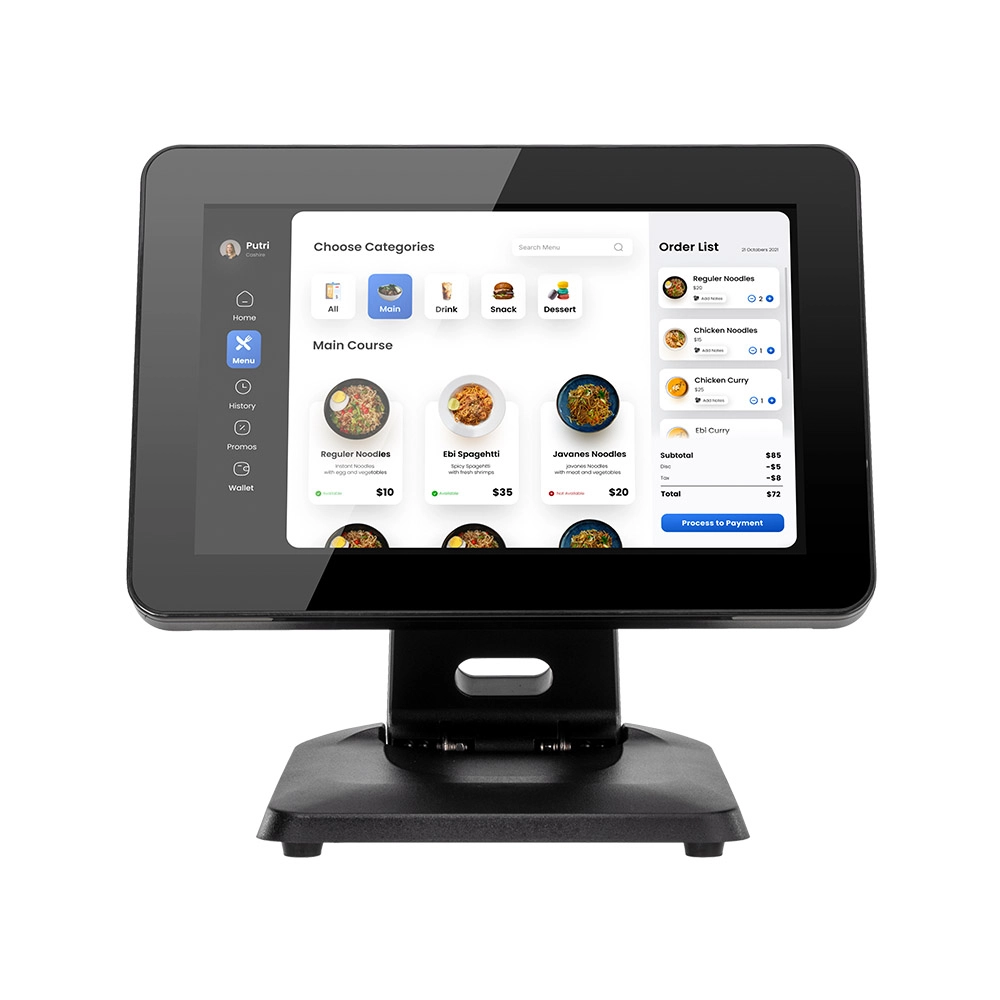
Desktop Touch Screen POS Systems 12.1'' Android Windows Manufacturer
Our Desktop Touch Screen POS Systems feature a 12.1'' display, supporting both Android and Windows platforms. Engineered for high performance. The intuitive touch interface simplifies transactions and enhances customer engagement. With a sleek design and robust construction, our POS systems are perfect for businesses looking to improve efficiency and elevate the shopping experience.
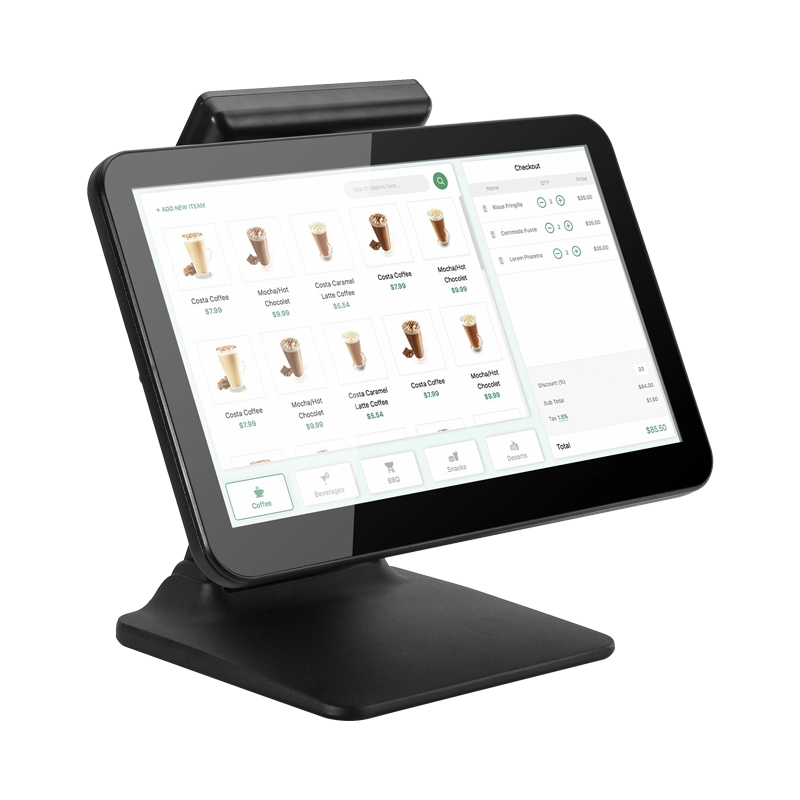
15.6 Inch Windows POS Terminal with VFD Display, Foldable Aluminum Stand Touch Screen POS for Retail & Hospitality
This 15.6-inch POS terminal is built to meet the needs of modern retail and hospitality environments. Powered by a stable Windows operating system, it ensures smooth performance for various point-of-sale applications. The device features a crisp, responsive touch screen and a built-in VFD customer display, allowing customers to view transaction details clearly. Its aluminum alloy stand offers a sleek, professional appearance while providing enhanced durability and stability for busy checkout counters. Ideal for retail stores, restaurants, and service-based businesses, this POS machine delivers a reliable and customer-friendly checkout experience.
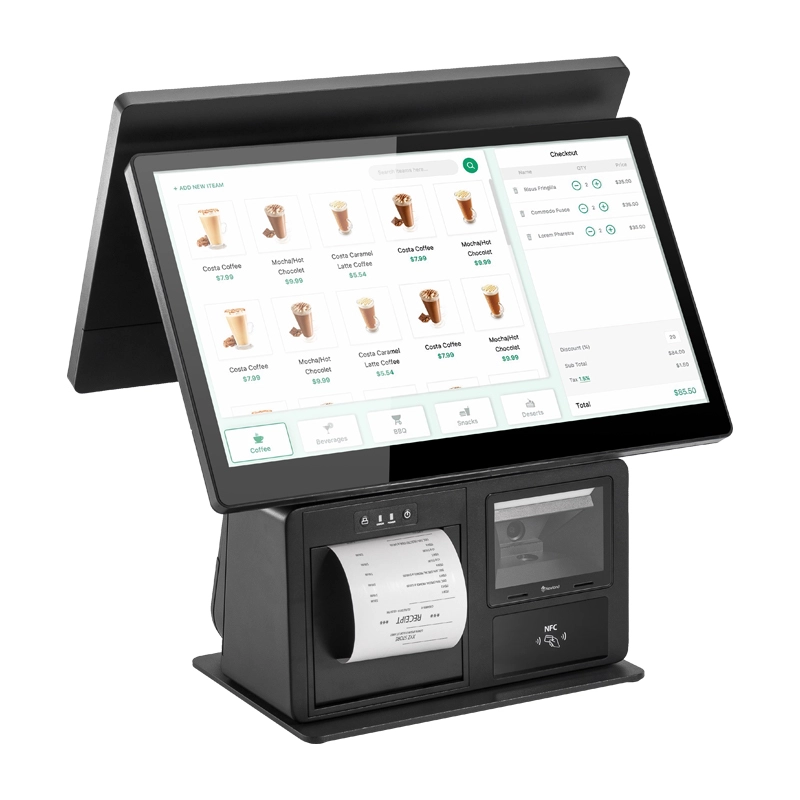
Point of Sale System with Thermal Printer All in One Pos Dual Touchscreen Pos with Barcode Scanner Supplier
FAVORPOS presents the all-in-one Point of Sale System with Thermal Printer, featuring dual touchscreens and an integrated barcode scanner. As a leading POS with NFC factory and barcode scanner supplier, we deliver reliable, efficient solutions tailored for your business needs.
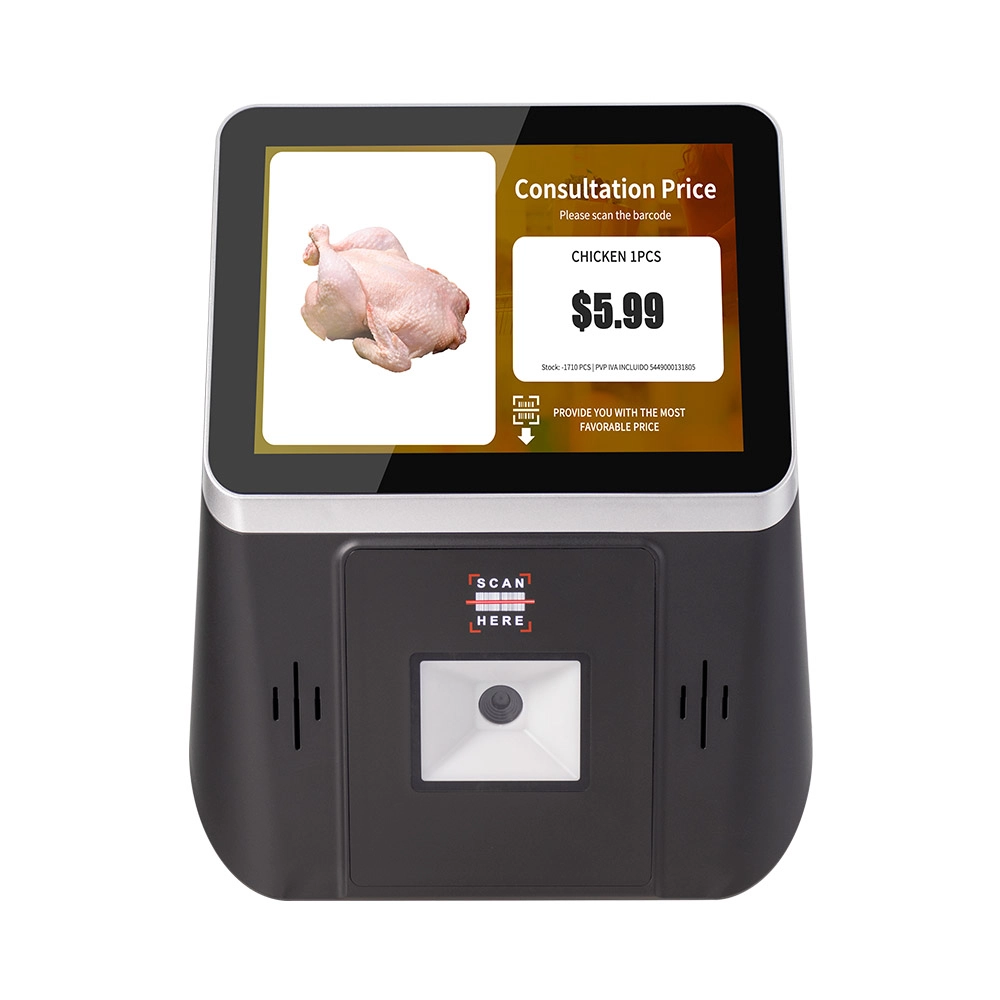
8 inch Wall Mount Price Checker with Scanner Android Windows Factory
Our 8-inch Wall Mount Price Checker is designed for optimal convenience in retail spaces, featuring a sleek design that fits seamlessly into any environment. Compatible with both Android and Windows, this unit includes an integrated scanner for quick and accurate price checks. Its wall-mounted design saves counter space while providing easy access for customers. Ideal for enhancing efficiency and improving the shopping experience.
Get in touch
Interested in becoming a POS system dealer? Contact us for more information and start the process of joining our dealer network.
We look forward to working with you to expand the market together.


Copyright © 2025 Favorpos All Rights Reserved.
