
Which restaurant POS systems support contactless and mobile pay?
- 1) Which top restaurant POS systems support contactless (NFC) and mobile wallet pay (Apple Pay / Google Pay) out of the box — and what exact hardware is required?
- 2) Do POS vendors use native integrated payments or third-party gateways for contactless pay — and how do I compare total cost (TCO) across both models?
- 3) I run Oracle MICROS / Aloha — can I add contactless and mobile pay without a full rip-and-replace? What migration paths actually work?
- 4) How do offline mode, intermittent Wi‑Fi or cellular connectivity affect contactless and mobile pay? Which POS systems provide safe offline workflows?
- 5) Which POS systems support tableside contactless tipping, split-check mobile pay and guest-present workflows on handhelds — and what UX limitations should I expect?
- 6) What PCI, EMV and tokenization differences matter most for reducing liability and fraud when accepting contactless and mobile pay?
- Conclusion — Advantages of adding contactless and mobile pay with top restaurant POS systems
Top restaurant POS systems: Which support contactless & mobile pay?
This practical guide for operators, IT buyers and multi-site managers answers the six most common, under-documented long-tail questions beginners ask when evaluating restaurant POS systems for contactless and mobile payments. It embeds crucial restaurant POS systems, contactless payments, NFC, Apple Pay, Google Pay, EMV and PCI guidance so you can evaluate vendors, hardware and migration paths with confidence.
1) Which top restaurant POS systems support contactless (NFC) and mobile wallet pay (Apple Pay / Google Pay) out of the box — and what exact hardware is required?
Short answer: Major modern restaurant POS platforms widely support contactless and mobile wallets but support is delivered either as a vendor-managed integrated payments stack or via certified third-party payment terminals. Vendors with broad, production-ready contactless/mobile-pay support as of 2024 include Toast, Square for Restaurants, Clover (Fiserv), Lightspeed Restaurant, TouchBistro, and NCR (Aloha).
What to check for each vendor:
- Toast — Integrated payments with Toast-certified NFC-capable terminals (e.g., Toast Tap / Toast Flex with NFC-enabled reader). Supports Apple Pay / Google Pay natively in the Toast payment flow and online ordering.
- Square for Restaurants — Square Reader for contactless and chip (~NFC + EMV capable), Square Terminal and Square Register support Apple/Google Pay and in-person tap-to-pay flows out of the box.
- Clover — Clover Flex, Clover Mini and Clover Go are EMV and NFC-capable and work with Clover’s integrated payments (Fiserv/First Data partner models).
- Lightspeed Restaurant — Supports contactless via certified payment partners and hardware (PAX, Verifone/Ingenico models that Lightspeed certifies). Many customers use Lightspeed Payments or a certified gateway for NFC wallets.
- TouchBistro — Tableside tablets + supported PAX/Verifone readers or partner terminals provide NFC. TouchBistro lists certified devices by region; Apple/Google Pay works when paired with an approved reader and processor.
- NCR Aloha / Oracle Food & Beverage — Enterprise-grade EMV/NFC support is available but often requires certified terminals and a processor integration project; large chains typically work with NCR-certified payment partners.
Important operational points (pain points beginners miss):
- Always validate the exact terminal model and firmware the vendor certifies — not all Ingenico/PAX/Verifone models are supported. Using an uncertified reader can break EMV/contactless and void support.
- Mobile wallet acceptance (Apple Pay / Google Pay) is enabled by the reader and the payment processor; you must configure merchant settings and often request contactless activation for your account.
- For kiosk, QR-ordering and web payments, check whether the POS provides hosted payment pages or recommends a gateway that supports Wallets tokenization for mobile checkout.
2) Do POS vendors use native integrated payments or third-party gateways for contactless pay — and how do I compare total cost (TCO) across both models?
There are two dominant models: (A) integrated native payments supplied by the POS vendor (single vendor for software + processing) and (B) open-architected POS that connects to third-party payment gateways or merchant acquirers. Each has trade-offs that directly impact TCO, staff training, reconciliation and PCI scope.
How they differ:
- Integrated payments (Toast, Square, Clover in many deployments): single contract, faster setup, unified reporting, prioritized feature support (e.g., tip prompts on reader, QR pay linking). Risk: less pricing flexibility; rates and interchange pass-through depend on the vendor’s pricing model.
- Third-party gateway / merchant acquirer model (Lightspeed, TouchBistro, NCR in many enterprise setups): greater flexibility to shop for lower interchange or local merchant services; requires integration work, sometimes additional gateway monthly fees, and separate reconciliation lines for payments and POS software.
Checklist to compute realistic TCO (6 items):
- Monthly POS subscription per location and per-terminal licensing fees.
- Processor fees: interchange + markup or flat % + flat cent amount; ask for a sample statement and the effective rate (total fees / total volume).
- Hardware costs: certified NFC/EMV terminals, tablets, printers, kiosks, mounts and spares. Include replacement cycle (3–5 years typical).
- Gateway fees, terminal rental vs buy, and any software modules for QR ordering, loyalty or delivery that are separate charges.
- Implementation, certification and integration labor for payments — estimate 10–40 hours for small sites, more for multi-location rollouts or legacy integrations.
- Fraud/chargeback management and PCI scope reduction tools (P2PE, tokenization) that can lower risk and indirect costs.
Practical tip: request a sample month-end processing statement or a hypothetical volume/pricing worksheet from each vendor. Compare effective rates (all-in) rather than advertised headline rates.
3) I run Oracle MICROS / Aloha — can I add contactless and mobile pay without a full rip-and-replace? What migration paths actually work?
Yes — several practical, lower-risk paths allow contactless/mobile pay on legacy POS without an immediate full rip-and-replace, but each has trade-offs.
Common realistic options:
- Terminal overlay via certified EMV/NFC terminals: deploy modern Ingenico/Verifone/PAX terminals that integrate with Aloha for approval and settlement. This is a common approach for enterprise chains because terminals can be certified to work with Aloha’s payment flow and keep most existing integrations intact.
- Payment gateway adapter / middleware: use a certified middleware or gateway adapter that translates legacy POS payment messages to modern tokenized gateway APIs with P2PE. This can add tokenization and mobile wallet acceptance without changing order flow.
- Hybrid approach: keep Aloha for back-of-house and kitchen routing but implement modern front-end tablets/kiosks that communicate with a cloud POS or ordering layer which handles NFC/Wallet interactions. This is useful when you want tableside or QR self-ordering quickly.
What to budget for and test (pain points newbies overlook):
- Certification effort: vendors/terminals must be certified for EMV/contactless with the specific POS and acquirer. Certification projects can take weeks and sometimes require vendor professional services.
- Latency & settlement differences: middleware can add processing steps; confirm settlement timing and reconciliation procedures will still meet accounting requirements.
- Reporting parity: verify that tips, gratuities, voids and partial refunds map correctly into your existing reporting and labor/tip pooling systems.
Recommendation: run a proof-of-concept at one location using the terminal-overlay path first — it’s the least disruptive and demonstrates card-present contactless acceptance while you plan a phased replacement if needed.
4) How do offline mode, intermittent Wi‑Fi or cellular connectivity affect contactless and mobile pay? Which POS systems provide safe offline workflows?
Connectivity is the single biggest operational risk for contactless acceptance. The payment flows differ between card-network rules, POS vendors and terminal firmware. Beginners commonly assume contactless always works offline — that’s not true for all setups.
Key behaviors to know:
- Online authorization vs offline approval: most card networks prefer or require online real-time authorization for contactless transactions. Some terminals support limited offline EMV approvals (for specific card issuers or low-risk thresholds), but this is controlled by issuer/brand risk rules and terminal risk management — not the POS alone.
- Cloud POS offline mode: many cloud-first POS systems (Square, Toast, Lightspeed, TouchBistro) offer an offline/order-capture mode so staff can continue taking orders. However, payments may be queued and submitted when connectivity returns. If a queued card payment cannot be authorized later, the transaction can fail and require follow-up.
- Local EMV-capable terminals: terminals that can perform EMV chip/contactless authorizations locally (with batch settlement later) offer the most robust in-outage experience. These terminals store limited offline approvals and later settle when online. Verify whether your terminal supports EMV offline approvals (rarely used by small restaurants) and whether the acquirer allows it.
Operational best practices to mitigate outages:
- Use cellular backup for Wi‑Fi to keep terminals online; consider LTE-capable terminals or a hotspot device.
- Define staff procedures for queued payments — e.g., require manager review before finalizing a queued payment and capture contact details for fallback payments if authorization fails.
- Choose vendors that provide clear documented behavior for queued transactions, including failed authorization callbacks and reconciliation tools.
5) Which POS systems support tableside contactless tipping, split-check mobile pay and guest-present workflows on handhelds — and what UX limitations should I expect?
Tableside NFC workflows are a major driver for restaurants, but UX varies by vendor and reader capability. Systems that target hospitality (Toast, Square for Restaurants, TouchBistro, Lightspeed, Clover) explicitly design for tableside tipping and guest-present payment flows.
What to expect by capability:
- Tip prompts on the reader vs on the POS tablet: vendors with integrated readers (Square, Toast) can present tip presets on the NFC reader itself; others show tipping on the POS tablet and then pass the tip amount to the terminal. Reader-based prompts reduce errors and increase tip capture.
- Split checks and multi-card payments: most modern POS allow multiple tenders but have practical limits (e.g., number of splits before the flow becomes manual). Multi-split will often require multiple card taps or separate transactions associated to the same check — test typical server flows to ensure speed.
- Contactless receipt and digital delivery: SMS/email receipts and digital tipping links work well with mobile wallets. Confirm the POS supports email/SMS receipts and that links are mobile-friendly for guests who prefer to pay via their phone browser or wallet.
UX limitations commonly missed:
- Older terminals may not show the same rich tip presets as the POS app, leading to inconsistent guest experiences.
- Some vendors allow only a limited number of splits or do not support split tips easily — ask for a role-play demo with 2–4 simultaneous splits and a shared check.
- Offline or queued payments complicate split-check integrity — define fallback staff procedures.
6) What PCI, EMV and tokenization differences matter most for reducing liability and fraud when accepting contactless and mobile pay?
Security and compliance are not optional. Modern contactless/mobile-pay acceptance reduces card data scope if implemented with P2PE and tokenization, but coverage varies across vendors and deployments.
Key concepts and what to ask vendors:
- P2PE (Point-to-Point Encryption): ensures card data is encrypted at the terminal and only decrypted by the processor/gateway. If your vendor offers validated P2PE, your PCI SAQ burden is typically smaller (SAQ P2PE or SAQ A), reducing compliance workload.
- Tokenization: tokens replace PANs in your system, minimizing how much card data your POS stores. Confirm whether tokens are usable for refunds, recurring authorizations and multi-venue roaming. For mobile wallets, tokens are often generated by the wallet and the processor, adding additional protection.
- EMV liability shift & terminal certification: ensure terminals and firmware are EMV Level 1/2 certified and that your acquirer supports EMV liability shift for card-present transactions. Keep firmware patched — terminals with outdated firmware may lose EMV certification or expose you to fraud.
- PCI DSS and SAQ type: cloud POS vendors that do not store card numbers proactively reduce your PCI scope, but you still need to confirm SAQ type (A, A-EP, P2PE) and maintain required controls (firewalls, password policies, segmented networks for POS devices).
Practical checks for procurement:
- Request the vendor’s current P2PE/PCI attestation and EMV terminal model certifications.
- Ask whether mobile wallet tokenization is supported for refunds and whether tokens can be used cross-terminal for the same guest (useful for split checks).
- Confirm who handles chargeback disputes and whether the vendor provides chargeback management tools or recovery support (this affects operational costs).
Conclusion — Advantages of adding contactless and mobile pay with top restaurant POS systems
Adopting contactless and mobile pay via a modern restaurant POS delivers faster tableside checkout, higher average checks from better tip capture, reduced cash handling, stronger cardholder data protections (P2PE/tokenization), and improved omnichannel ordering (QR/online/kiosk). Choosing the right approach — integrated payments for simplicity or third-party processors for pricing flexibility — depends on your scale, legacy systems and appetite for vendor consolidation.
Next steps: run a short vendor checklist (hardware model and firmware, sample processing statement, offline behavior documentation, P2PE/EMV attestations, reconciliation/reporting demo, and a single-site pilot). For migration from legacy POS, favor terminal-overlay proofs-of-concept before a full replacement to reduce risk.
Contact us for a tailored quote and migration plan: visit www.favorpos.com or email sales2@wllpos.com.
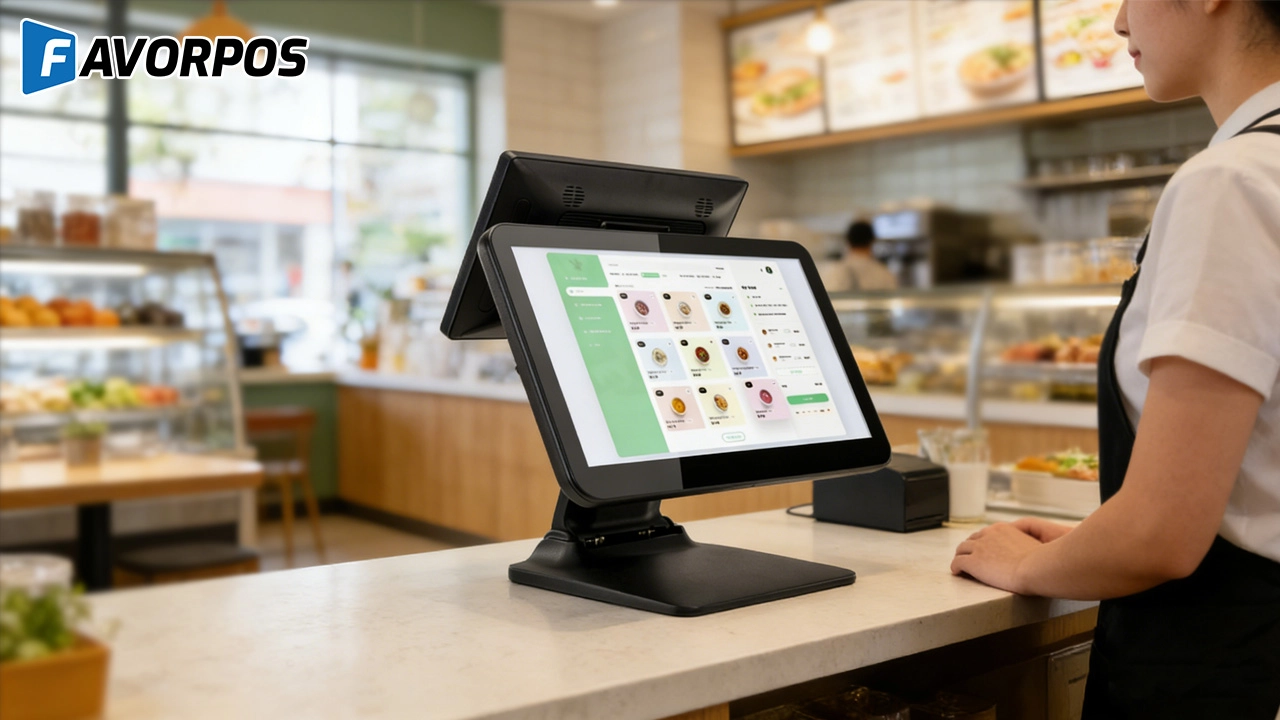
Beyond Checkout: How a 15.6-Inch Aluminum POS System Redefines Retail Efficiency
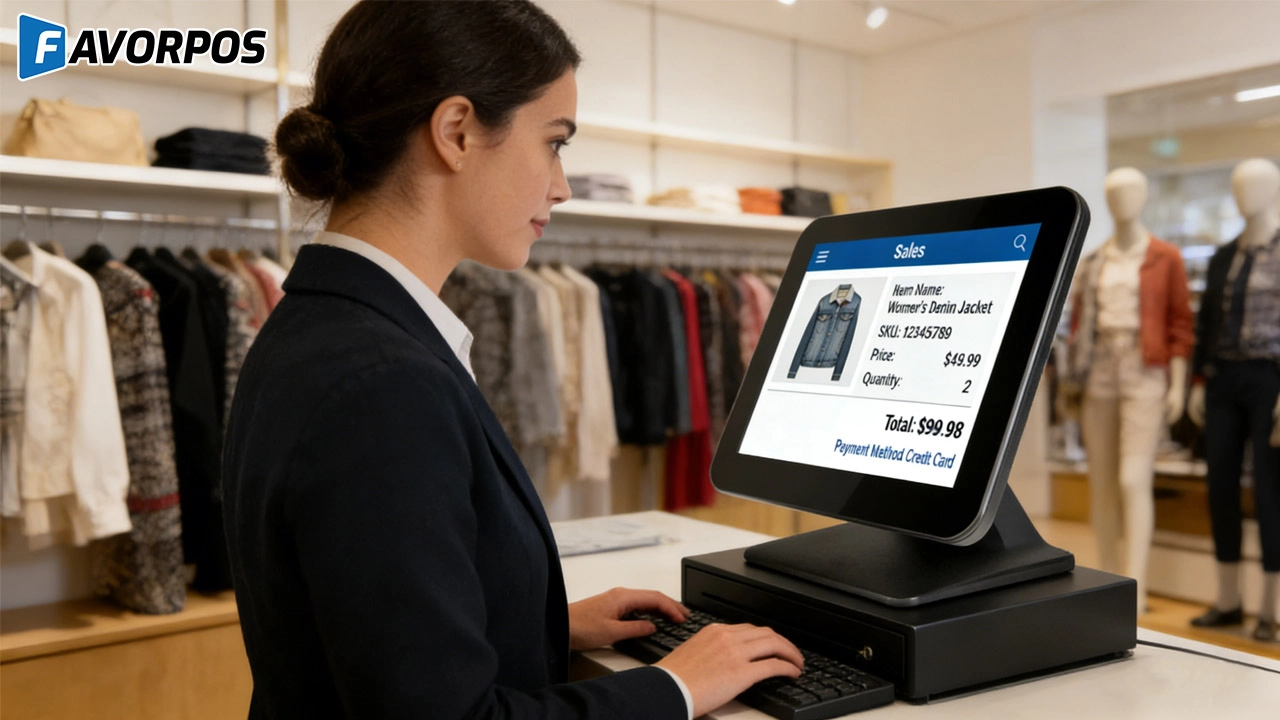
Understanding 15-Inch Aluminum POS Terminals in Modern Commercial Use
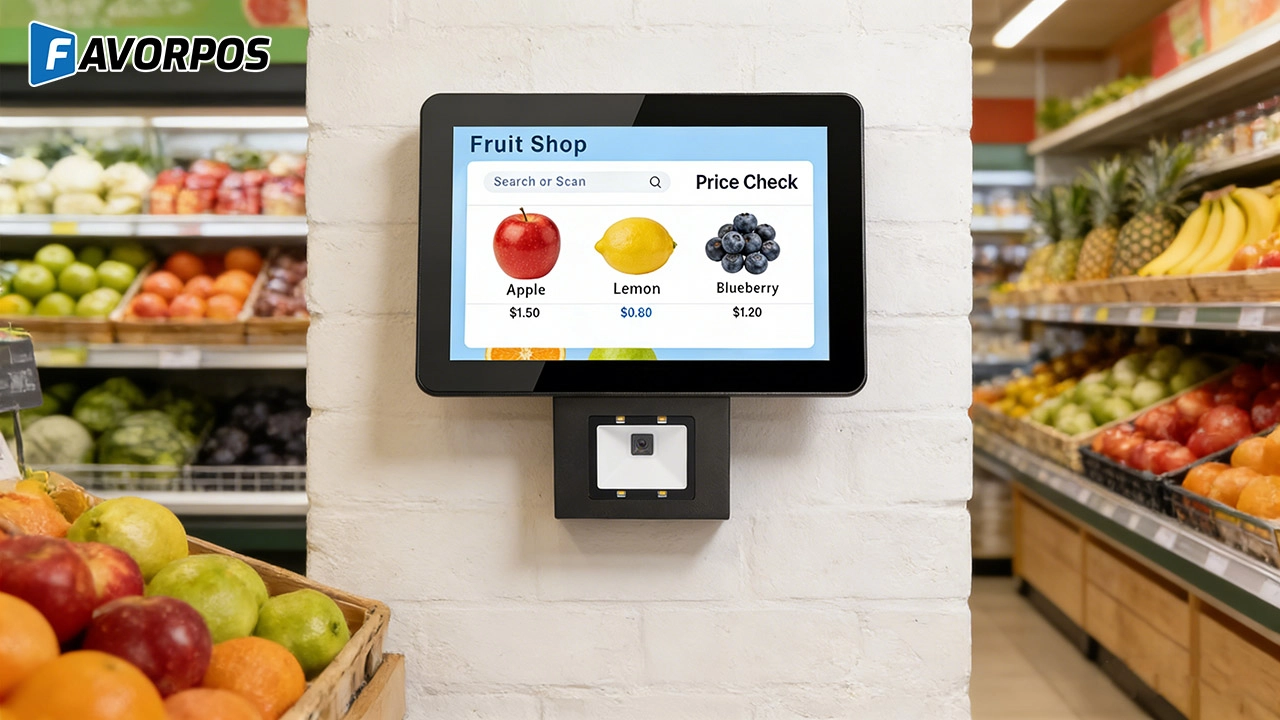
The Smart Way to Check Prices: How a 10.1-Inch Wall-Mounted Price Checker Transforms Retail Stores
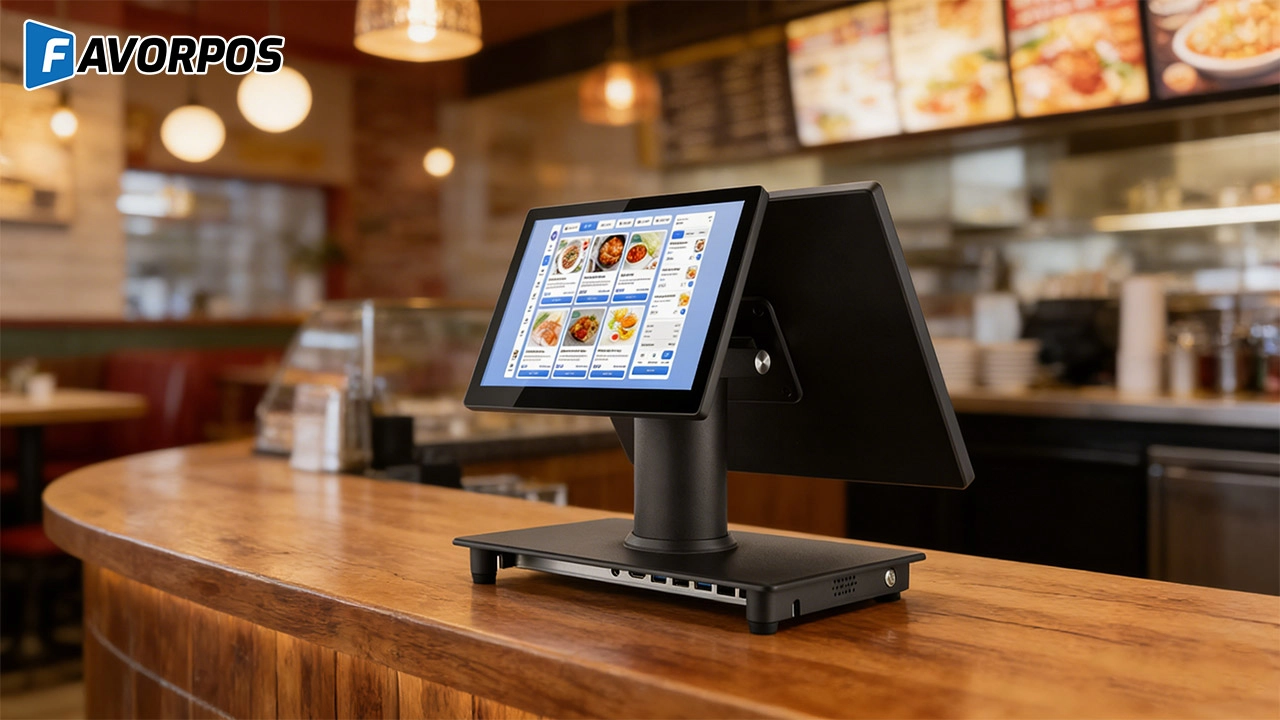
A Smarter Checkout Experience: The 15-Inch Dual-Screen POS Built for Modern Retail
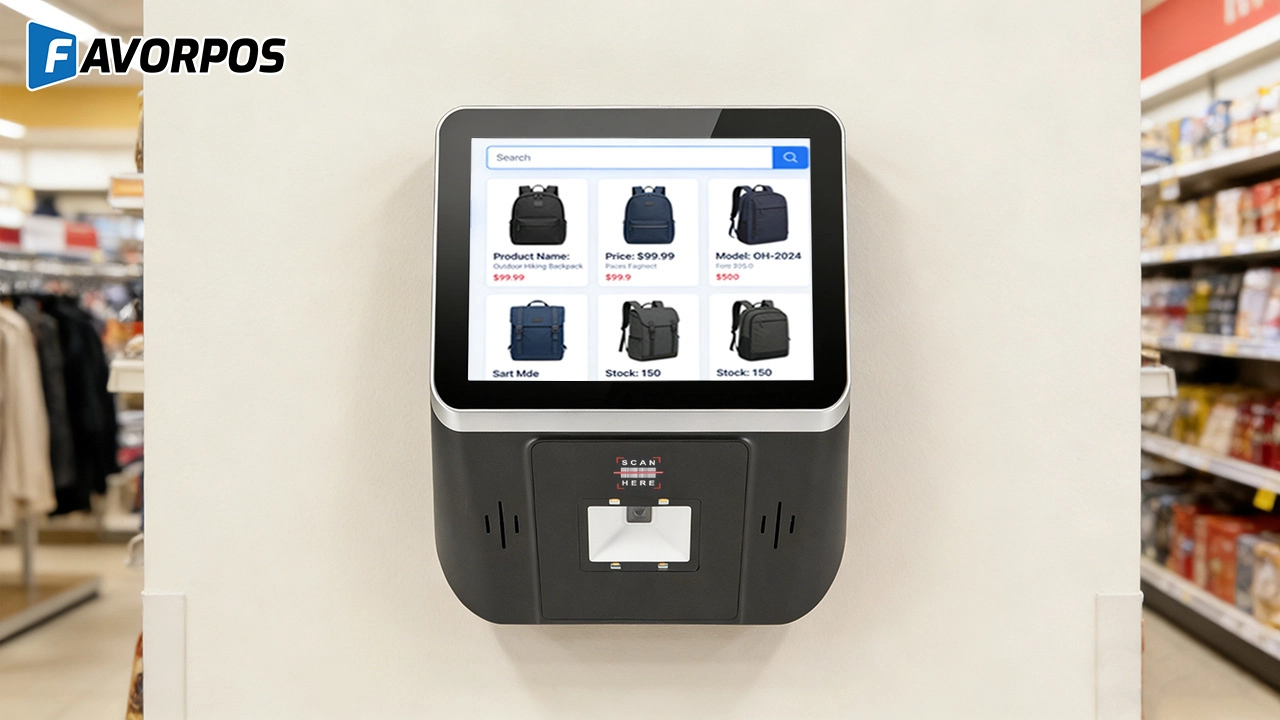
8-Inch Smart Price Checker: A Small Device Powering Smarter Retail Spaces
For OEM
How to deal with warranty and repair issues of POS machines?
We provide warranty services for customized POS machines. The warranty period and coverage are subject to specific contracts. During the warranty period, if the device fails, we will provide free repair services. You can submit a repair request through our after-sales service team, and we will handle your problem as soon as possible.
For ODM
Can we provide our own designs?
Of course. We welcome customers to provide their own design concepts and specifications. Our design team will work with you to ensure that your design is implemented in the manufacturing process and make necessary optimizations.
For Restaurants & Cafes
If there is a problem with the device, how can I get technical support?
You can contact our technical support team by phone, email or online customer service. We provide 24/7 support to ensure that your issues are resolved promptly and the system is up and running.
For company
Can I visit your factory?
Certainly, welcome to visit our factory at any time.
For Distributor
What are the benefits of joining your reseller network?
Benefits include access to innovative POS products, attractive margins, comprehensive training and support, and the opportunity to work with a globally recognized brand.
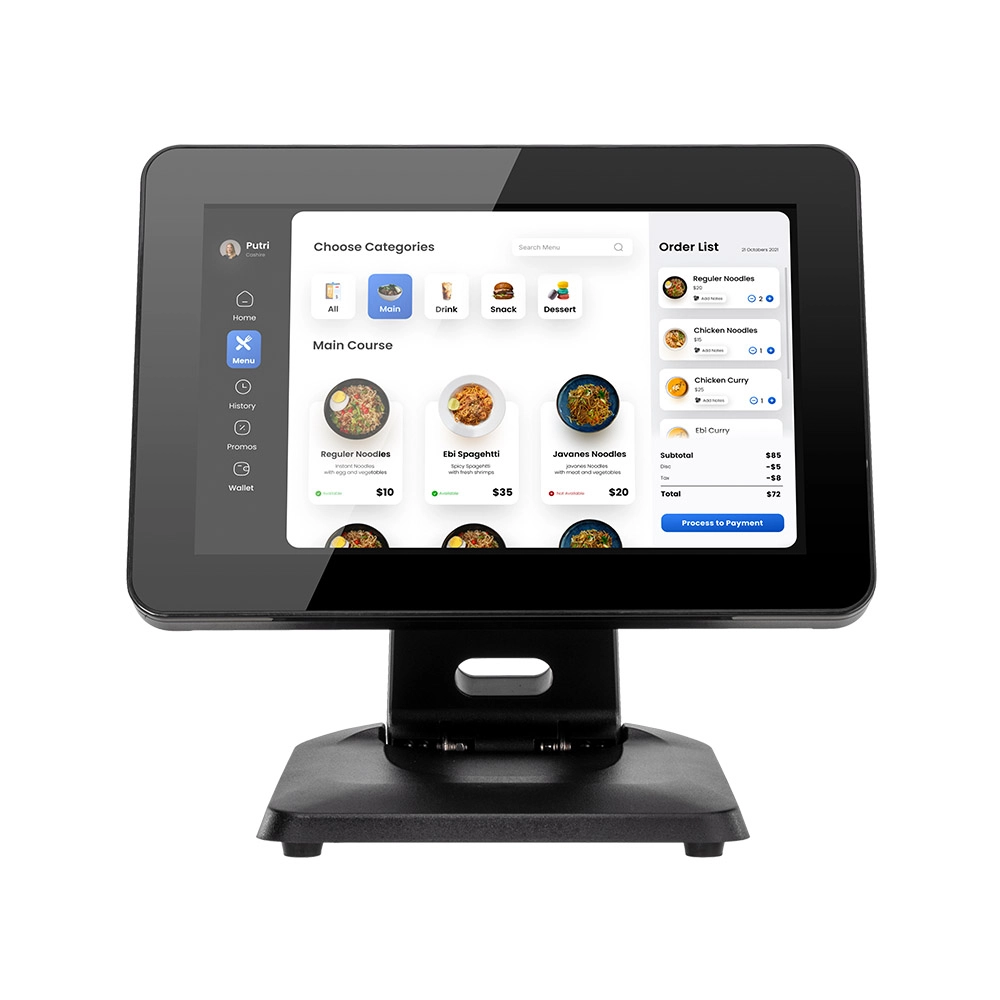
Desktop Touch Screen POS Systems 12.1'' Android Windows Manufacturer
Our Desktop Touch Screen POS Systems feature a 12.1'' display, supporting both Android and Windows platforms. Engineered for high performance. The intuitive touch interface simplifies transactions and enhances customer engagement. With a sleek design and robust construction, our POS systems are perfect for businesses looking to improve efficiency and elevate the shopping experience.
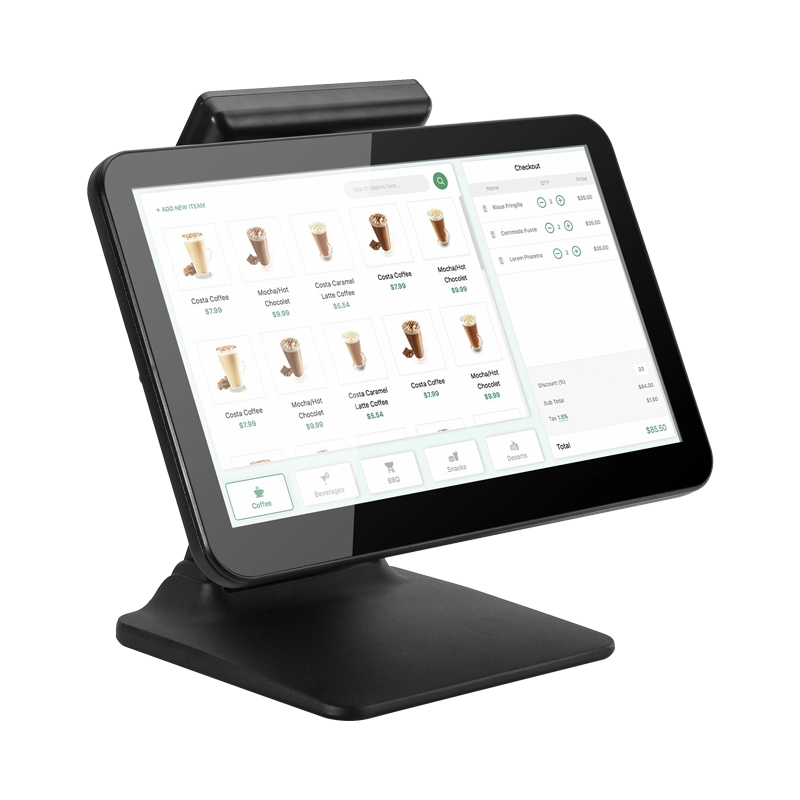
15.6 Inch Windows POS Terminal with VFD Display, Foldable Aluminum Stand Touch Screen POS for Retail & Hospitality
This 15.6-inch POS terminal is built to meet the needs of modern retail and hospitality environments. Powered by a stable Windows operating system, it ensures smooth performance for various point-of-sale applications. The device features a crisp, responsive touch screen and a built-in VFD customer display, allowing customers to view transaction details clearly. Its aluminum alloy stand offers a sleek, professional appearance while providing enhanced durability and stability for busy checkout counters. Ideal for retail stores, restaurants, and service-based businesses, this POS machine delivers a reliable and customer-friendly checkout experience.
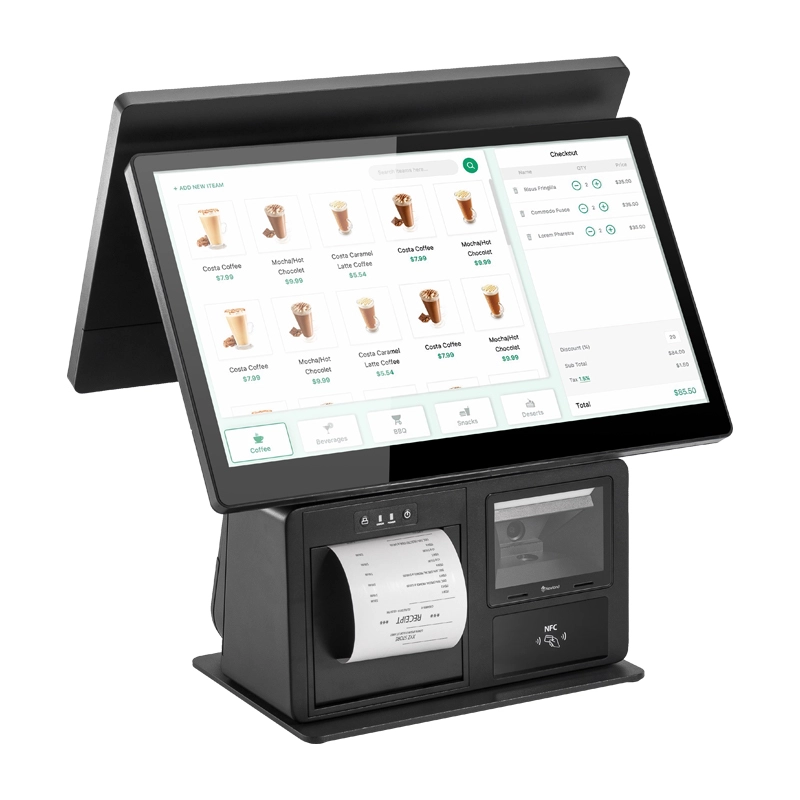
Point of Sale System with Thermal Printer All in One Pos Dual Touchscreen Pos with Barcode Scanner Supplier
FAVORPOS presents the all-in-one Point of Sale System with Thermal Printer, featuring dual touchscreens and an integrated barcode scanner. As a leading POS with NFC factory and barcode scanner supplier, we deliver reliable, efficient solutions tailored for your business needs.
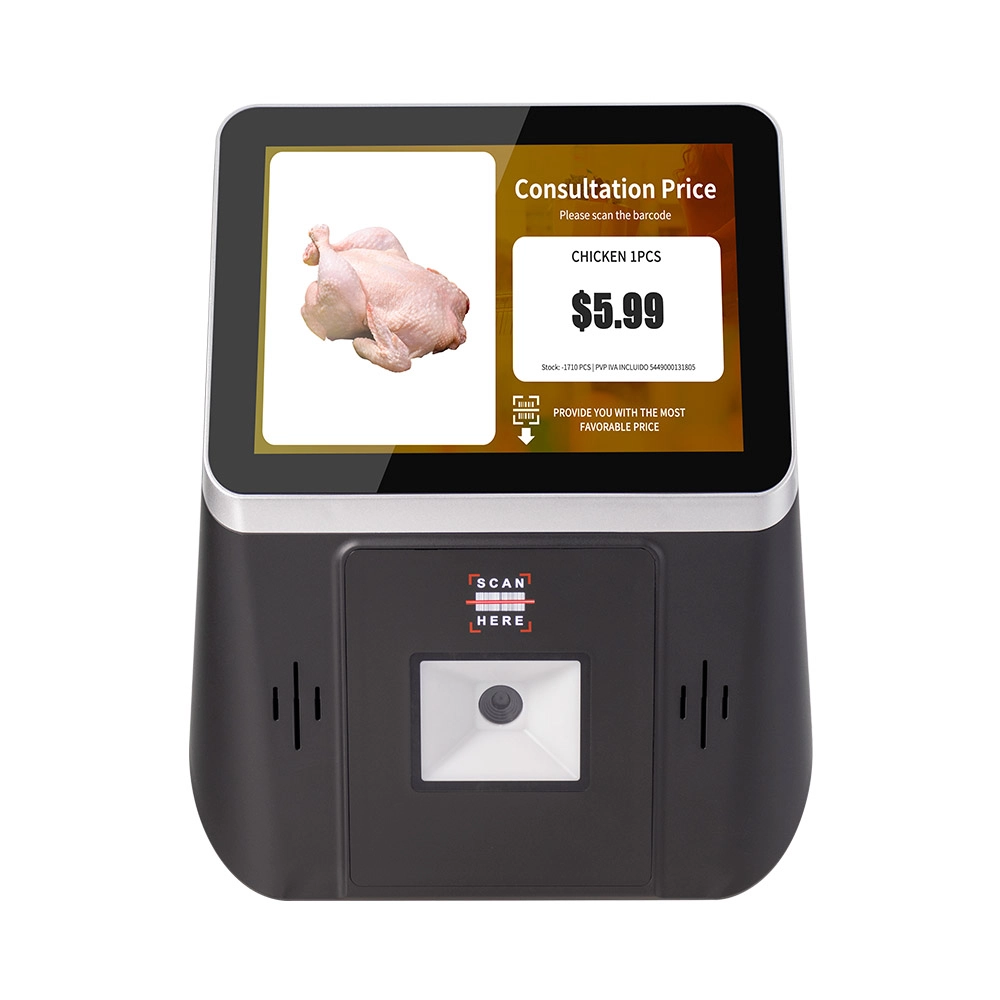
8 inch Wall Mount Price Checker with Scanner Android Windows Factory
Our 8-inch Wall Mount Price Checker is designed for optimal convenience in retail spaces, featuring a sleek design that fits seamlessly into any environment. Compatible with both Android and Windows, this unit includes an integrated scanner for quick and accurate price checks. Its wall-mounted design saves counter space while providing easy access for customers. Ideal for enhancing efficiency and improving the shopping experience.
Get in touch
Interested in becoming a POS system dealer? Contact us for more information and start the process of joining our dealer network.
We look forward to working with you to expand the market together.


Copyright © 2025 Favorpos All Rights Reserved.
