
The Ultimate Guide to Mobile POS Devices: How They Work and Why You Need One
- Introduction
- What is a mobile POS system?
- How does a mobile POS system work?
- What is the difference between mPOS and traditional POS?
- How much does a mobile POS system cost?
- Can I use my smartphone as a mobile POS device?
- What type of mobile POS hardware is available?
- Do mobile POS devices need internet connectivity to work?
- How can mobile POS systems improve customer experience?
- Conclusion
- Call to Action
Introduction
Have you ever wondered how your favorite food truck, bustling pop-up shop, or local boutique manages to ring up customers so quickly without a bulky cash register? The secret lies in the rapid advancement of mobile point-of-sale technology. In an era where consumers demand speed, convenience, and flexibility, businesses are rapidly ditching the traditional checkout counter in favor of highly agile mobile POS devices.
Whether you are an aspiring entrepreneur, a retail store owner looking to bust long queues, or a service provider who is constantly on the move, understanding how to leverage this technology is no longer optional—it is a competitive necessity. By combining powerful point of sale software with compact hardware, these devices are transforming the very nature of commerce.
In this ultimate guide, we will explore the ins and outs of mobile POS devices. We will break down exactly what they are, how they operate, the costs associated with them, and the profound impact they can have on your customer experience. Let us dive into the future of payment processing and discover why you need a mobile POS system for your business.
What is a mobile POS system?
A mobile POS (mPOS) system is a portable point-of-sale system that operates on a smartphone, tablet, or dedicated wireless device. It functions much like a traditional electronic cash register, but without being tethered to a single, physical checkout counter. This technology allows merchants to process transactions, accept diverse payment methods, and manage sales from virtually any location, effectively bringing the checkout process directly to the customer.
At its core, a mobile POS system bridges the gap between sophisticated business management software and portable hardware. By leveraging a downloadable app or cloud-based software, businesses can access their entire product catalog, track inventory in real-time, and process payments on the go. These systems are especially popular among businesses with non-traditional storefronts, such as event vendors, contractors, food trucks, and mobile service providers.
The scale of this technology's adoption is staggering and reflects a massive shift in consumer behavior. According to data published by Statista, the transaction value in the global Mobile POS Payments market is projected to reach an astonishing $10.86 trillion in 2024, climbing to $23.50 trillion by 2029. This explosive growth underscores just how essential mPOS systems have become for modern commerce.
How does a mobile POS system work?
Operating a mobile POS system is remarkably straightforward, typically requiring just a smart device, a card reader, and a dedicated application. Once the software is installed on the smartphone or tablet, the merchant logs into their account to access their customized product library and pricing. When a customer is ready to make a purchase, the merchant simply selects the items on the screen, instantly generating a digital shopping cart and an accurate total.
To complete the transaction, the mobile device connects to a payment terminal or card reader, usually via Bluetooth or a direct physical plug-in. The customer can then swipe, dip, or tap their preferred payment method. The payment processing software securely encrypts the sensitive financial data and transmits it to the acquiring bank and credit card network for authorization in a matter of seconds.
Once the payment is approved, the system immediately syncs the transaction data with the merchant's cloud-based backend. This step is crucial because it automatically updates inventory management records, logs the revenue for accounting purposes, and generates a digital receipt that can be emailed or texted directly to the customer. This seamless backend synchronization ensures that business owners always have access to real-time data, no matter where the sale takes place.
What is the difference between mPOS and traditional POS?
The most glaring difference between a mobile POS (mPOS) and a traditional POS system is mobility. Traditional POS systems are stationary, hardware-heavy setups that include bulky cash registers, large desktop monitors, dedicated receipt printers, and wired barcode scanners. They are anchored to a specific checkout counter, meaning customers must bring their items to a designated area and wait in line to pay.
In contrast, mPOS setups offer a drastically different operational flow. Key differences include:
- Portability: Staff can use lightweight, wireless tablets to roam the sales floor and ring up customers on the spot, preventing bottlenecks at a single counter.
- Footprint: mPOS systems require very little physical space, allowing small retailers or food trucks to maximize their functional area.
- Customer Interaction: Employees can engage in personalized side-by-side selling, improving the overall service experience.
Additionally, the backend architecture often differs significantly. Traditional systems historically relied on local servers and on-premise software, which required costly manual updates and intensive IT maintenance. Modern mPOS systems are almost exclusively cloud-based. This means that data is stored securely in the cloud, allowing business owners to monitor sales analytics, adjust pricing, and oversee inventory management from any web browser globally.
How much does a mobile POS system cost?
One of the most appealing aspects of a mobile POS system is its cost-effectiveness, particularly for small to medium-sized businesses. The initial investment for an mPOS is generally much lower than a traditional setup. If you already own a compatible smartphone or tablet, your primary hardware cost might only be a basic card reader, which many payment processors provide for free or for a nominal fee (usually between $20 and $50).
Beyond the hardware, the costs are typically broken down into software subscription fees and transaction processing rates. Software costs vary depending on the features you need. Basic applications for micro-merchants are often free to use, while more robust point of sale software with advanced inventory, employee management, and CRM capabilities can range from $30 to over $100 per month per device.
Transaction fees are the most consistent ongoing expense. Payment processors typically charge a flat percentage plus a small fixed fee per transaction. It is crucial for business owners to carefully compare these rates, as high-volume businesses might benefit more from a provider that charges a higher monthly software fee in exchange for lower per-transaction processing costs.
Can I use my smartphone as a mobile POS device?
Yes, you absolutely can use your personal or business smartphone as a fully functioning mobile POS device. In fact, for many independent contractors, pop-up vendors, and solo entrepreneurs, a smartphone is the preferred method for accepting payments due to its unparalleled convenience. By simply downloading a dedicated POS application from a trusted provider, your phone transforms into a secure commercial hub.
To process physical cards, you will generally need to pair your phone with a small, portable card reader. Historically, these readers plugged directly into the headphone jack, but today they predominantly connect via Bluetooth. These compact peripherals are easy to carry in a pocket or apron, ensuring you are always ready to make a sale whether you are at a farmer's market or completing an in-home service call.
Furthermore, technological advancements are making additional hardware entirely optional. Tap-to-pay functionality is increasingly being rolled out on modern smartphones. This technology utilizes the phone's built-in Near Field Communication (NFC) chip to accept contactless payments directly on the device's screen, meaning you can securely accept mobile wallets and contactless credit cards without purchasing any external peripherals.
What type of mobile POS hardware is available?
While the software is the brain of the operation, the hardware ecosystem surrounding mobile POS devices is highly diverse and customizable. The foundational hardware usually consists of consumer-grade smartphones or tablets. To protect these devices in fast-paced commercial environments, businesses often invest in rugged cases, specialized hand straps, or stationary swivel stands that can easily be picked up when mobility is required.
Depending on the scale of your operation, there are several hardware options available:
- Card Readers: The simplest pocket-sized Bluetooth readers designed purely for swiping, dipping, or tapping.
- Smart Terminals: All-in-one handheld devices that feature built-in touchscreens, integrated card slots, and sometimes even built-in receipt printers, eliminating the need for a personal smartphone.
- Peripherals: Devices that connect wirelessly to your setup, including Bluetooth receipt printers, electronic cash drawers, and wireless barcode scanners for high-volume environments.
This flexibility allows merchants to scale their hardware seamlessly. You can start with a basic card reader connected to a smartphone and gradually add smart terminals and barcode scanners as your business foot traffic and inventory management needs grow.
Do mobile POS devices need internet connectivity to work?
Generally speaking, mobile POS devices rely heavily on an active internet connection to function optimally. Because these systems are cloud-based, they need Wi-Fi or a cellular data connection to communicate with the payment processor's servers. This real-time connection is what allows the system to instantly authorize credit cards, update inventory levels, and synchronize sales data across multiple devices.
However, losing your internet connection does not necessarily mean you have to stop doing business. Many top-tier point of sale software providers offer an Offline Mode. When activated, this feature allows the mPOS device to continue accepting swiped or dipped card payments and cash transactions. The system securely encrypts and stores the payment information locally on the device's internal memory.
Once the internet connection is restored, the application automatically uploads and processes the batched offline transactions. It is important to note, though, that operating in offline mode carries a slight risk; because the cards cannot be authorized in real-time, merchants assume the liability if a card is eventually declined for insufficient funds. Therefore, a reliable cellular hotspot is highly recommended as a backup.
How can mobile POS systems improve customer experience?
Implementing a mobile POS system dramatically elevates the customer experience by eliminating one of the most significant pain points in retail: waiting in line. By arming sales associates with mobile tablets, you empower them to act as personal concierges. They can look up product information, check stock levels in the back room, and process the final transaction without the customer ever having to walk to a register.
Additionally, mobile POS devices cater to modern payment preferences. Today's consumers expect fast, frictionless, and secure checkout options. According to industry reports from Forbes, nearly 90% of U.S. consumers now utilize contactless payments. Mobile POS setups are inherently designed to accept these tap-to-pay methods alongside digital wallets like Apple Pay, ensuring that the customer can pay exactly how they want, swiftly and securely.
Finally, the data collected by mPOS software can be leveraged to create highly personalized shopping experiences. Because associates have immediate access to customer profiles and purchase histories right on their tablets, they can make tailored product recommendations on the spot. Furthermore, offering digital receipts via email or text allows for seamless post-purchase engagement, such as loyalty program updates or targeted promotional discounts.
Conclusion
The transition from clunky, stationary cash registers to sleek, agile mobile POS devices represents a fundamental evolution in commerce. By integrating sophisticated point of sale software with portable hardware, businesses of all sizes can unlock unprecedented operational flexibility, streamline their inventory management, and drastically reduce overhead costs.
Ultimately, investing in a mobile POS system is about meeting the modern consumer where they are. Whether you are accepting contactless payments in the middle of a crowded retail floor or ringing up a client at a remote job site, mPOS technology ensures that your business remains competitive, efficient, and relentlessly focused on delivering an exceptional, frictionless customer experience.
Call to Action
If you are ready to revolutionize your checkout process and equip your business with the latest mobile POS technology, contact us today for a personalized consultation and let us find the perfect system for your unique needs.
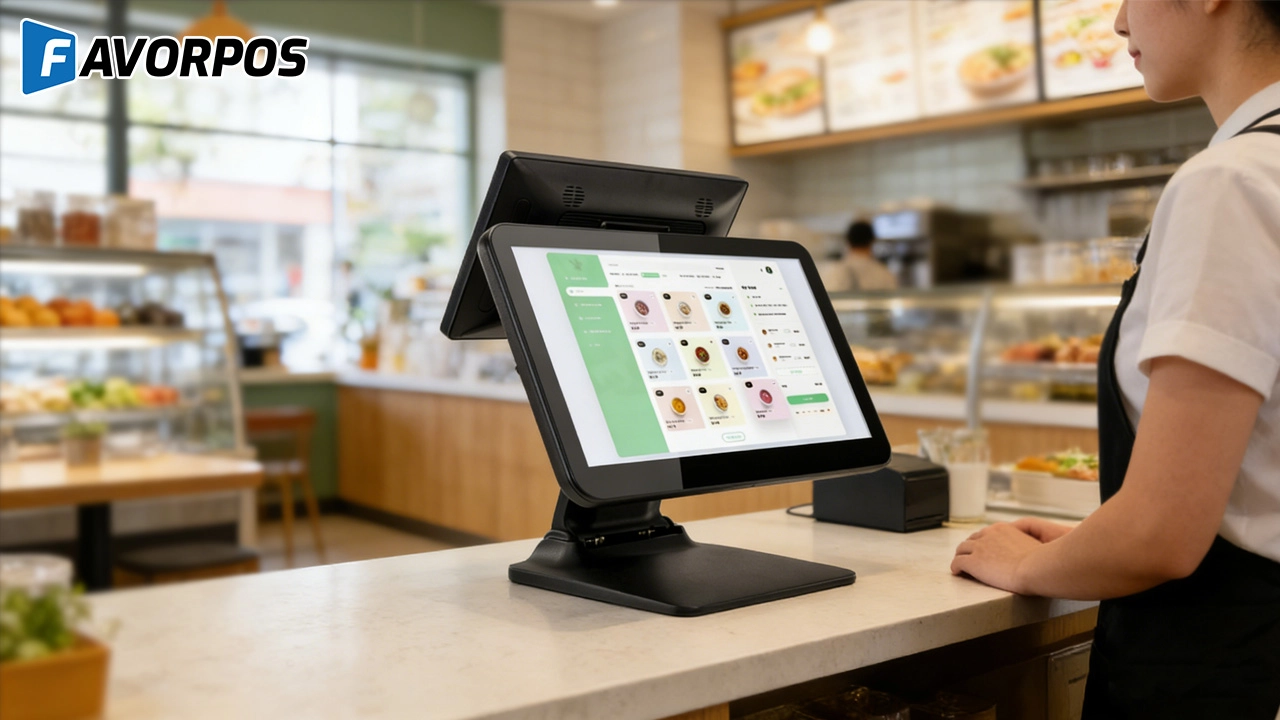
Beyond Checkout: How a 15.6-Inch Aluminum POS System Redefines Retail Efficiency
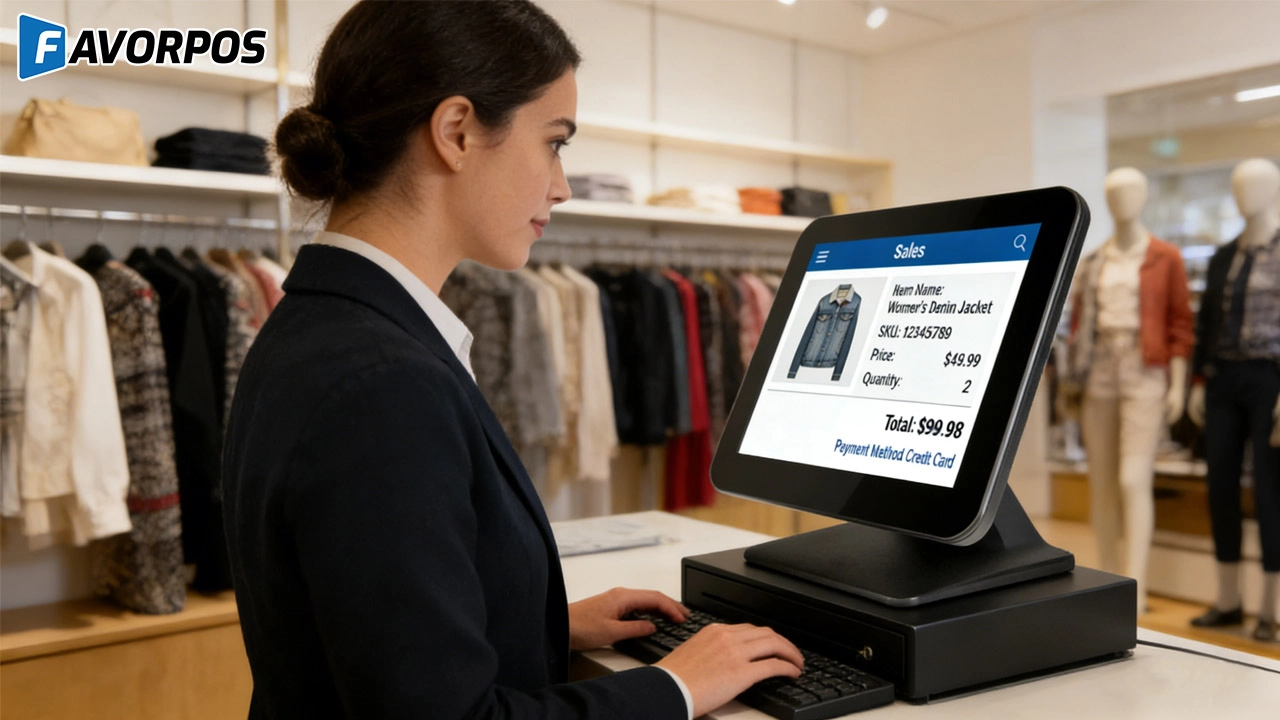
Understanding 15-Inch Aluminum POS Terminals in Modern Commercial Use
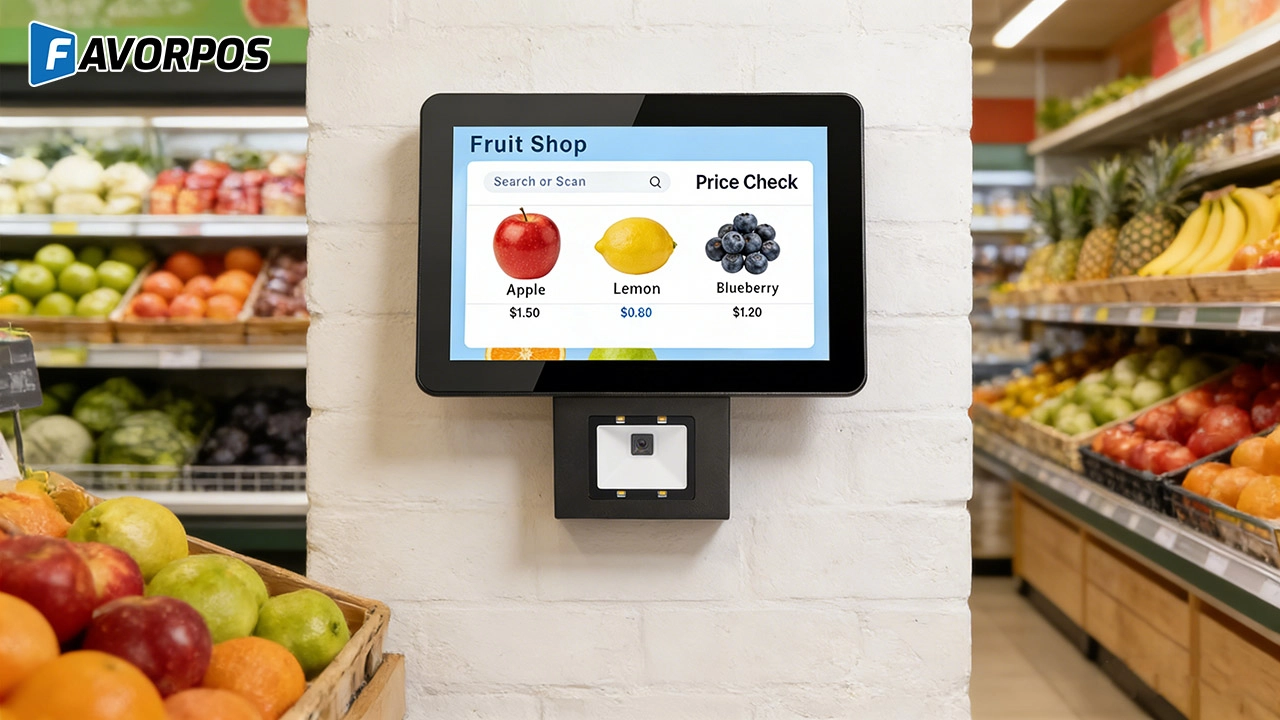
The Smart Way to Check Prices: How a 10.1-Inch Wall-Mounted Price Checker Transforms Retail Stores
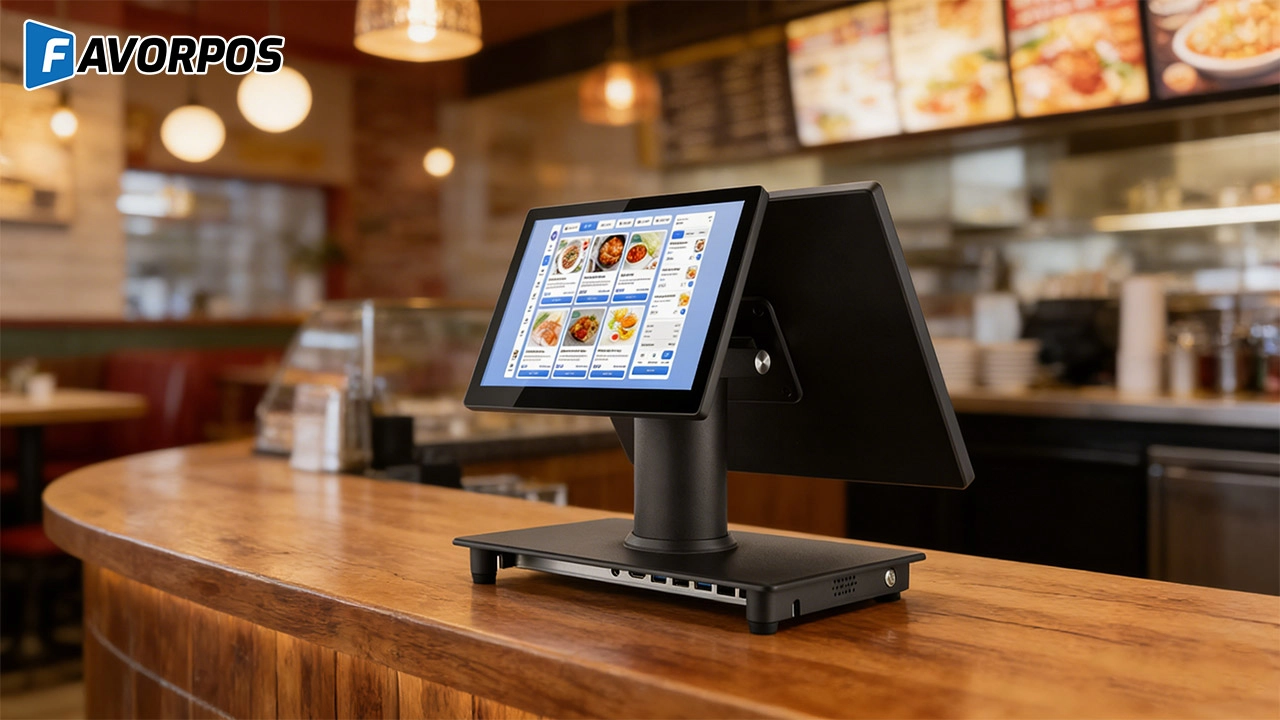
A Smarter Checkout Experience: The 15-Inch Dual-Screen POS Built for Modern Retail
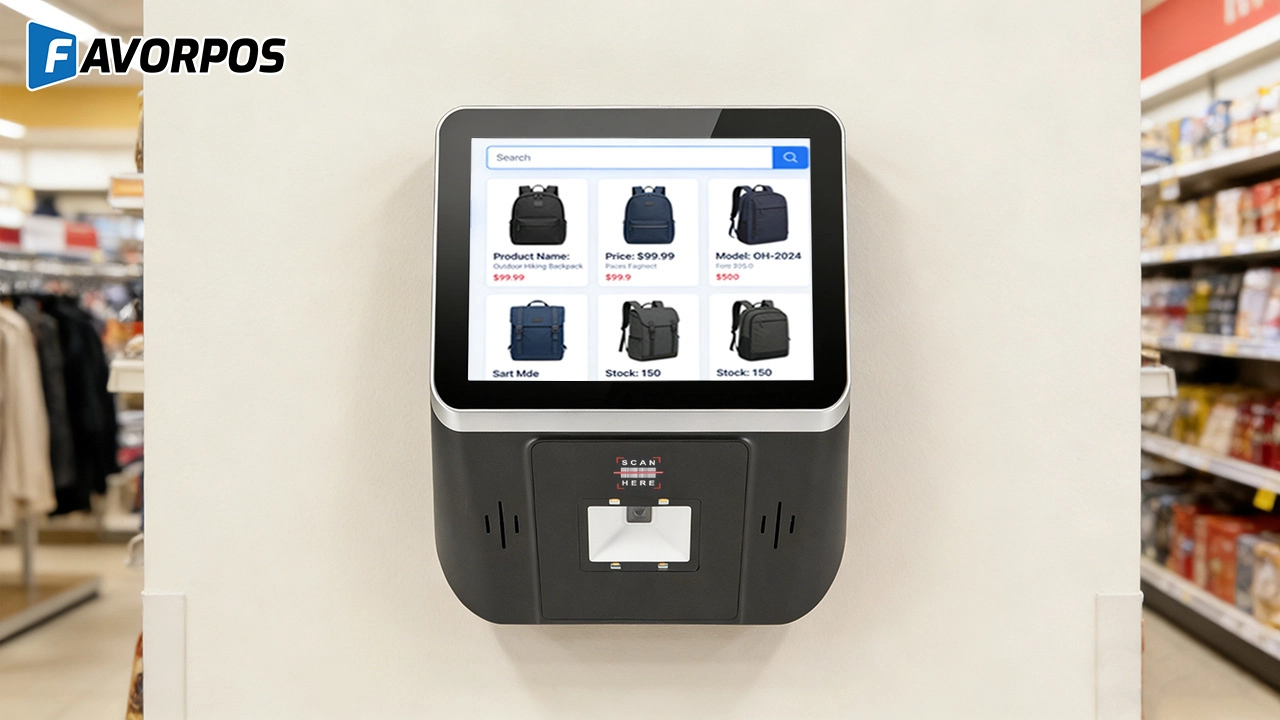
8-Inch Smart Price Checker: A Small Device Powering Smarter Retail Spaces
For Hotels
Does your POS system support multi-currency payments?
Yes, our system supports multi-currency payments, making it convenient for international guests to pay in their preferred currency.
For Healthcare
Do you provide training for our employees?
Yes, we provide comprehensive training materials to ensure that your employees are proficient in using the new machine.
For E-commerce
How long does it take to implement a POS system?
Implementation time depends on the complexity of the customization, but it can usually be completed within a few weeks, including testing and training.
For company
Are you a manufacturer?
Yes, we are a POS hardware manufacturer, based in Guangzhou, China.
For Entertainment & Events
How does your POS system integrate with event management software?
Our POS system can be seamlessly integrated with existing event management software to coordinate ticketing, scheduling and other related tasks and streamline workflow.
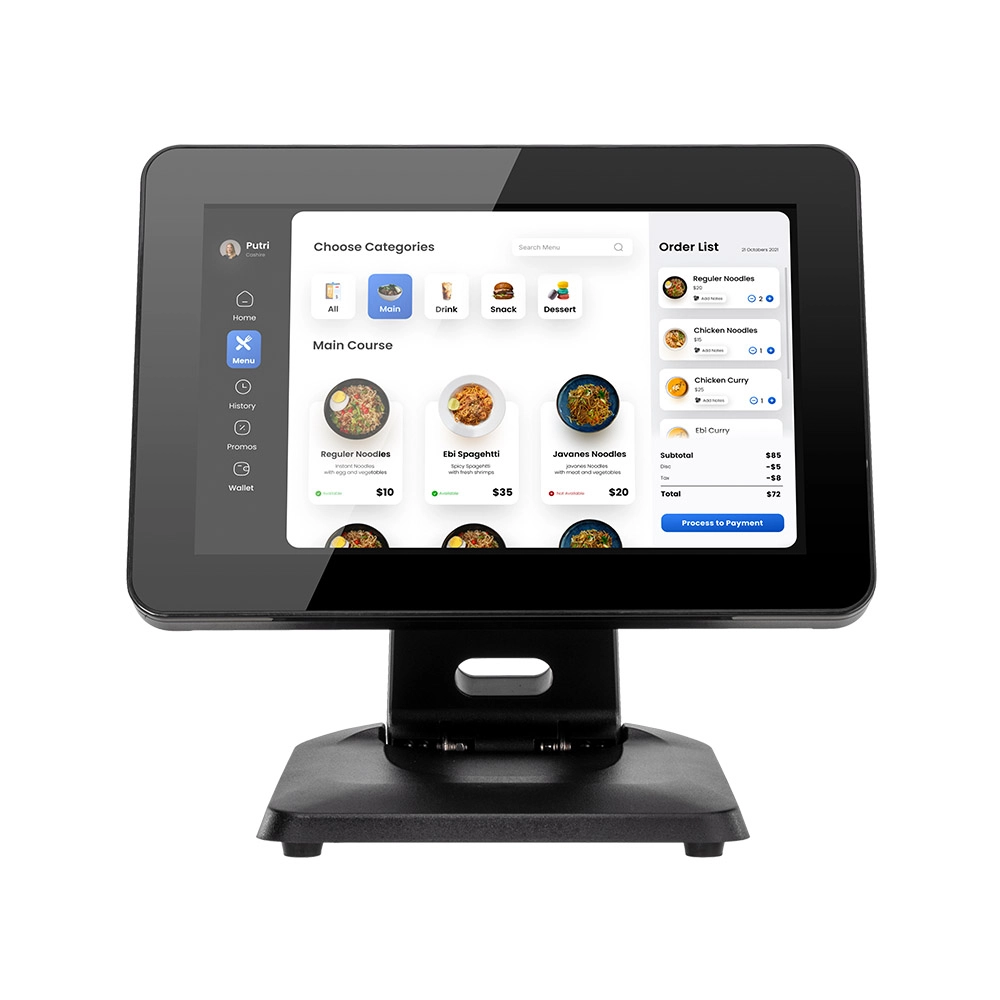
Desktop Touch Screen POS Systems 12.1'' Android Windows Manufacturer
Our Desktop Touch Screen POS Systems feature a 12.1'' display, supporting both Android and Windows platforms. Engineered for high performance. The intuitive touch interface simplifies transactions and enhances customer engagement. With a sleek design and robust construction, our POS systems are perfect for businesses looking to improve efficiency and elevate the shopping experience.
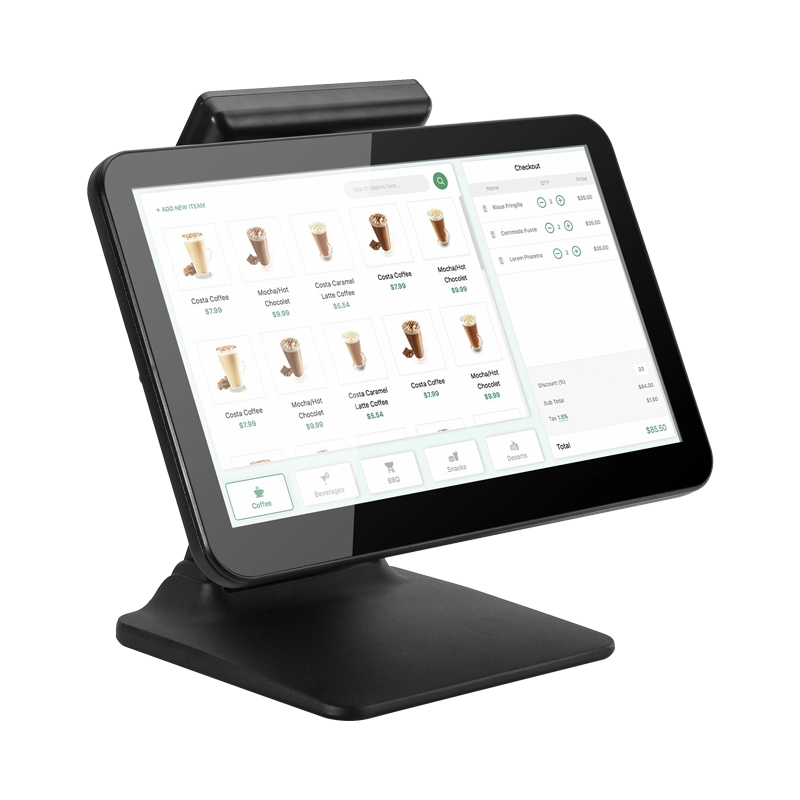
15.6 Inch Windows POS Terminal with VFD Display, Foldable Aluminum Stand Touch Screen POS for Retail & Hospitality
This 15.6-inch POS terminal is built to meet the needs of modern retail and hospitality environments. Powered by a stable Windows operating system, it ensures smooth performance for various point-of-sale applications. The device features a crisp, responsive touch screen and a built-in VFD customer display, allowing customers to view transaction details clearly. Its aluminum alloy stand offers a sleek, professional appearance while providing enhanced durability and stability for busy checkout counters. Ideal for retail stores, restaurants, and service-based businesses, this POS machine delivers a reliable and customer-friendly checkout experience.
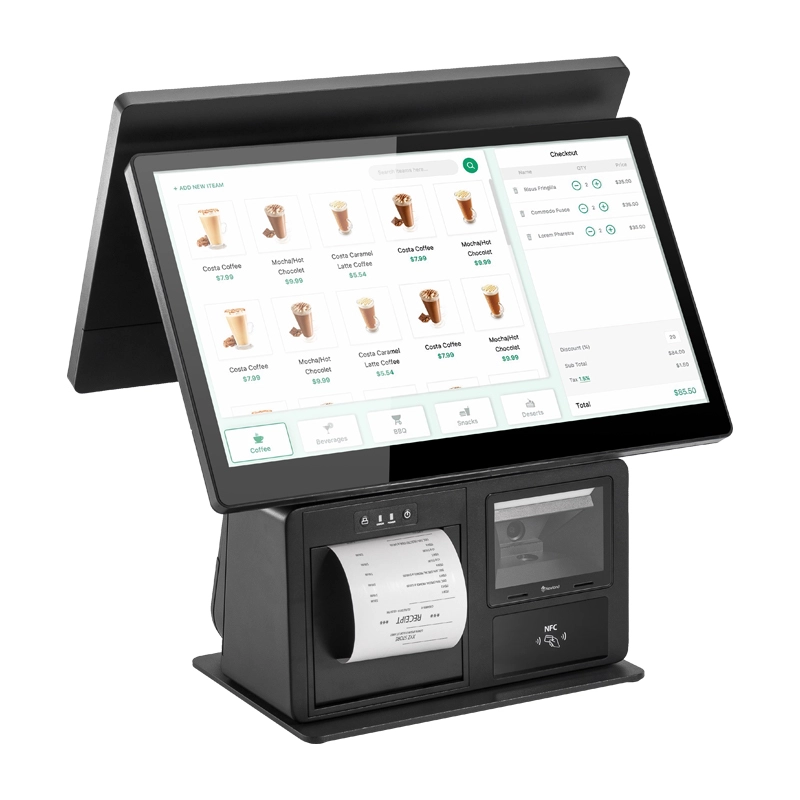
Point of Sale System with Thermal Printer All in One Pos Dual Touchscreen Pos with Barcode Scanner Supplier
FAVORPOS presents the all-in-one Point of Sale System with Thermal Printer, featuring dual touchscreens and an integrated barcode scanner. As a leading POS with NFC factory and barcode scanner supplier, we deliver reliable, efficient solutions tailored for your business needs.
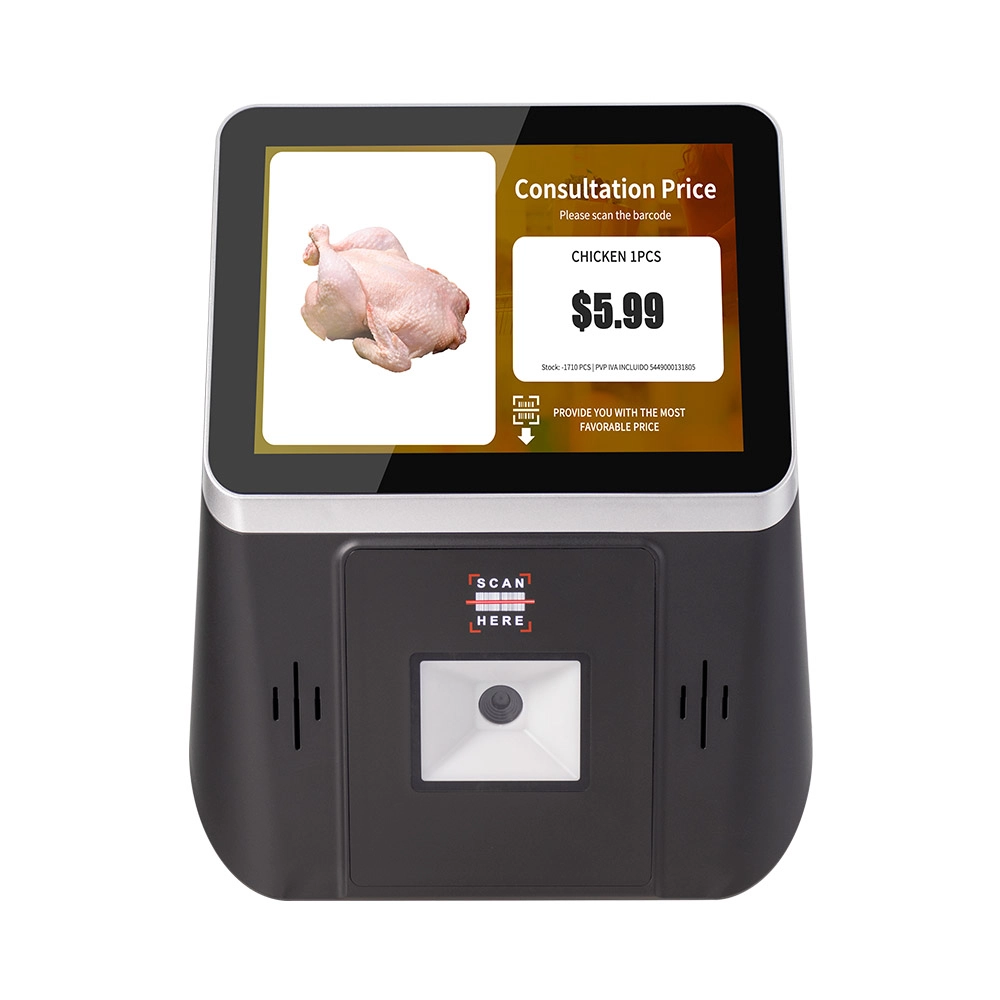
8 inch Wall Mount Price Checker with Scanner Android Windows Factory
Our 8-inch Wall Mount Price Checker is designed for optimal convenience in retail spaces, featuring a sleek design that fits seamlessly into any environment. Compatible with both Android and Windows, this unit includes an integrated scanner for quick and accurate price checks. Its wall-mounted design saves counter space while providing easy access for customers. Ideal for enhancing efficiency and improving the shopping experience.
Get in touch
Interested in becoming a POS system dealer? Contact us for more information and start the process of joining our dealer network.
We look forward to working with you to expand the market together.


Copyright © 2025 Favorpos All Rights Reserved.
