
What features should buyers prioritize in a mobile POS system?
- 1. How can I ensure PCI-DSS and EMV compliance on an Android-based mobile POS that operates frequently offline?
- 2. What battery life and thermal printer lifespan should I budget for with heavy daily mobile POS use?
- 3. How do I calculate total cost of ownership (TCO) for a mobile POS system over 5 years including processing, cellular data, replacement hardware, and software updates?
- 4. Which offline payment workflows are safest when EMV chip verification can't reach the acquirer, and how do I set risk thresholds?
- 5. How should cloud mobile POS systems handle inventory and multi-location reporting when devices sync intermittently, to avoid stockouts and double-sales?
- 6. For field service and pop-up retail, what specific mobile POS hardware features should I prioritize (barcode, RFID, ruggedness, connectivity)?
1. How can I ensure PCI-DSS and EMV compliance on an Android-based mobile POS that operates frequently offline?
Many small merchants buy an Android tablet or phone and a mobile credit card reader, then assume compliance is automatic. It isn't. To meet PCI DSS and EMVCo requirements while supporting intermittent offline operation you must combine architecture, hardware, and operational controls.
Practical checklist:
- Use P2PE-enabled mobile readers or certified SDKs: choose a payment device and terminal SDK certified for PCI Point-to-Point Encryption (P2PE) or validated by the payment processor. This prevents card data from ever touching your application or local storage.
- Employ tokenization: after the first authorized transaction, use tokens for subsequent charge or refund operations so PANs (Primary Account Numbers) are not stored in your systems.
- Control offline EMV limits: configure an offline approval floor (e.g., $25–$50) and a maximum number of offline transactions per device before forcing an online auth. EMV contact chip supports offline auth but requires careful risk parameter updates from the acquirer.
- Protect stored data: if any card data must be temporarily queued (rare with correct P2PE/tokenization), encrypt it with strong keys (AES-256), store only in secure element or OS-provided keychain, and purge immediately after successful settlement.
- Audit and logging: ensure logs record device IDs, transaction counts, offline approvals, and reconciliation IDs. Maintain logs securely for the period required by your acquirer and PCI rules.
- Certification and policies: consult your payment processor and document your offline workflow in your PCI Self-Assessment Questionnaire (SAQ) — typically SAQ C or P2PE-related SAQs. Keep EMV parameters (AID, risk management data) updated on devices.
Why this matters: Android devices and generic readers may look inexpensive, but without P2PE and tokenization you can create large PCI scope and liability. Choose certified mobile POS systems and mobile point of sale SDKs to keep cardholder data out of your cloud and reduce compliance burden.
2. What battery life and thermal printer lifespan should I budget for with heavy daily mobile POS use?
Beginners often underestimate hardware replacement and downtime costs. Use manufacturer specifications plus conservative field allowances when planning lifecycle and spare inventory.
Practical guidance and budgeting:
- Battery (mobile devices and handheld terminals): modern Li-ion batteries typically retain ~80% capacity after 300–500 full charge cycles under normal conditions. For devices used continuously in a 10–12 hour shift, expect 1.5–3 years of practical life. If you use devices multiple shifts per day or high-temperature environments, budget for 12–24 month replacement cycles.
- Thermal receipt printers: portable or mPOS dock printers typically specify print-head life in meters. Common spec ranges are ~50,000–100,000 meters (50–100 km) of printed paper for small portable models; desktop receipt printers can be higher. For high-volume retail (hundreds of receipts/day), plan for a print-head replacement or spare printer in 2–4 years.
- Other wear items: card reader swipe heads are increasingly rare as EMV/contactless rises, but magnetic stripe readers can degrade; expect mechanical parts to need replacement every 2–5 years depending on throughput.
- Spare pool strategy: keep at least 10–20% of your deployed devices as hot spares (or one spare per 5–10 active devices) to avoid service interruptions during repairs or firmware updates.
Operational tips: monitor battery health using device management (MDM) tools, set automated alerts for battery capacity <80%, and schedule non-peak firmware updates. For printers, track page counts and paper thickness; use genuine consumables to preserve print-head life.
3. How do I calculate total cost of ownership (TCO) for a mobile POS system over 5 years including processing, cellular data, replacement hardware, and software updates?
A credible TCO model separates one-time capital costs from recurring operational costs. Below is a simple 5-year TCO formula and an example using conservative market ranges.
TCO formula (5 years) = Hardware CAPEX + (Software subs × 60 months) + (Payment processing fees) + (Connectivity costs) + (Maintenance, spares & training)
Example assumptions (per device):
- Hardware: $350 device + $150 EMV/contactless reader = $500
- Software subscription: $29/month → $29 × 60 = $1,740
- Payment processing: assume 2.2% + $0.12 per transaction. For 4,000 transactions/year at average ticket $25 → annual volume $100,000 → fees ≈ $2,200 (2.2% of $100,000) + (4,000 × $0.12 = $480) = $2,680/year → $13,400 over 5 years
- Connectivity (cellular + backup Wi‑Fi): $20/month → $20 × 60 = $1,200
- Maintenance & spares: spare device/repair pool allocation ≈ $100/year → $500 over 5 years
5-year TCO ≈ $500 + $1,740 + $13,400 + $1,200 + $500 = $17,340 → $3,468/year for that device’s throughput. Divide by annual transactions to get per-transaction TCO.
Notes and realism: processing fees vary by card mix and processor (interchange pass-through models can be lower). If you negotiate a lower rate or reduce per-transaction fees via batching, your TCO drops. Include costs for PCI compliance work, chargeback handling, and certifications if relevant.
4. Which offline payment workflows are safest when EMV chip verification can't reach the acquirer, and how do I set risk thresholds?
When connectivity fails, mobile POS systems need clear fallback rules to balance revenue capture and fraud risk. The most common safe approaches mix EMV offline capabilities, issuer-driven rules, and merchant-set floor limits.
Approved offline workflows:
- EMV Offline Approvals (chip): EMV chips can perform offline data authentication and issue an offline approval with an offline authorization code. This is secure if the terminal is configured with correct risk management parameters and AC (application cryptogram) counters are reconciled when reconnected. Work with your acquirer to receive and apply risk parameter updates.
- Offline approval with transaction limits (floor limits): set low floor limits (e.g., $25–$50) for offline approvals and a strict cap on consecutive offline transactions (e.g., max 10 before forcing online). Larger transactions should require online authorization or manual capture when connectivity returns.
- Keyed-entry fallback: allow keyed entry only for very low-ticket transactions and always configure processor-level velocity controls and AVS/CVV checks (when online). Keyed transactions carry higher fraud risk and higher processing fees.
- Delayed settlement with reconciliation: store only the minimum cryptographic data necessary for offline EMV or tokenized transactions, then force settlement and verification within a short window (e.g., 24–72 hours). Create automated reconciliation reports to flag declined or chargeback-prone offline transactions.
Risk parameter guidance:
- Floor limit per device: set relative to average ticket but conservative for loss-prone environments. Example: if your average ticket is $35, consider floor limit $25–$50.
- Offline transaction count threshold: 5–15 transactions max before forcing online auth.
- Velocity limits: total offline volume per day per device (e.g., $500–$1,000), after which the device should prevent further offline approvals.
Work with your acquirer and follow EMVCo guidance to implement cryptogram counters and periodic online reconciliation. Document your offline policy for PCI SAQ and internal audit purposes.
5. How should cloud mobile POS systems handle inventory and multi-location reporting when devices sync intermittently, to avoid stockouts and double-sales?
Intermittent connectivity introduces inventory conflicts. Robust mobile POS systems use hybrid sync patterns combining optimistic local updates, server-side reconciliation, and SKU-level locking strategies.
Best-practice architecture:
- Local-first writes with server reconciliation: accept sales locally (optimistic update) and assign each transaction a globally unique ID (UUID) and timestamp. Push changes to the cloud when connectivity returns.
- Event sourcing and idempotency: record inventory events (sale, return, transfer) as immutable events. Ensure the server applies events idempotently to avoid double-counting when devices resend events after retries.
- Reservation & hold: implement short-lived reservations on the server for items that are high-value or limited. When a device goes offline and holds inventory, set an expiration (for example, 10–15 minutes for in-store picks; configurable for field sales) so stock is freed if the transaction isn’t completed and synced.
- Conflict resolution policies: prefer server-side authoritative stock levels for replenishment and reporting, but let local terminal complete small-ticket sales if offline policies permit. When conflicts occur, generate reconciliation alerts and automated adjustments with audit trails.
- Sync design: use differential sync (only changes) and compressed payloads to reduce cellular charges. Include last-sync cursors to avoid missing events or reprocessing large datasets.
Operational controls:
- Define SKU-level critical thresholds and automatic alerts for multi-location restocking.
- Schedule periodic online-only inventory audits (e.g., nightly) and require handhelds to reconcile at shift end.
- Train staff on offline indicators and safe-sell policies (e.g., “if device shows offline, check warehouse stock via backup app or reserve stock physically”).
These strategies reduce double-sales, provide consistent multi-location reporting, and keep your cloud POS inventory accurate even with intermittent connectivity.
6. For field service and pop-up retail, what specific mobile POS hardware features should I prioritize (barcode, RFID, ruggedness, connectivity)?
Field businesses have different priorities than stationary stores. Besides contactless payments and EMV, focus on ruggedness, scanning capability, battery life, and connectivity redundancy.
Must-have hardware features:
- Rugged ratings: look for IP65/IP67 ingress protection and MIL-STD-810G shock/vibration certifications for devices used outdoors or in dirty/wet environments.
- Battery capacity & hot-swap: devices with 4,000–8,000 mAh batteries or external hot-swap battery packs support long shifts; consider devices with swappable batteries for continuous operation.
- Barcode & 2D scanner: integrated 1D/2D imagers (or fast external Bluetooth scanners) for SKU scanning and license plate or ticket scanning in field service.
- RFID/NFC support: UHF RFID is useful for asset tracking, but UHF requires a dedicated reader and regulatory compliance by region; NFC is standard for contactless payments and some inventory tags.
- Connectivity redundancy: dual-SIM LTE/5G support plus Wi‑Fi 5/6 and Bluetooth 5.x provides fallback; built-in eSIM options are increasingly common for easier provisioning across geographies.
- Integrated receipt printing options: portable Bluetooth or integrated printers (thermal) with reliable print-head specs reduce handoffs and customer friction.
- Secure card acceptance: detachable EMV/contactless readers certified for P2PE and contactless NFC enable safe tap-to-pay in the field.
- Mounts and accessories: rugged holsters, vehicle mounts, lanyards, and waterproof cases for reliable daily use.
Procurement tips: test devices in your actual field conditions (temperature, dust, repeated drops), measure typical battery drain with your POS app and peripherals, and verify SDK compatibility with the mobile POS software you plan to use. For RFID, verify regional frequency support and regulatory approvals.
Concluding summary: Modern mobile POS systems (mPOS) combine certified payment readers, cloud POS platforms, offline-safe workflows, and rugged hardware to reduce PCI scope, control TCO, and maintain accurate inventory across locations. Prioritize P2PE and tokenization, realistic hardware lifecycle planning, clear offline risk thresholds, resilient inventory sync, and field-grade hardware features (IP ratings, hot-swap batteries, barcode/RFID, dual-SIM). These choices lower fraud and downtime, improve reporting, and make the best mobile POS systems reliable for retail, events, and field service.
Contact us for a custom quote and hardware/software compatibility review: visit www.favorpos.com or email sales2@wllpos.com.
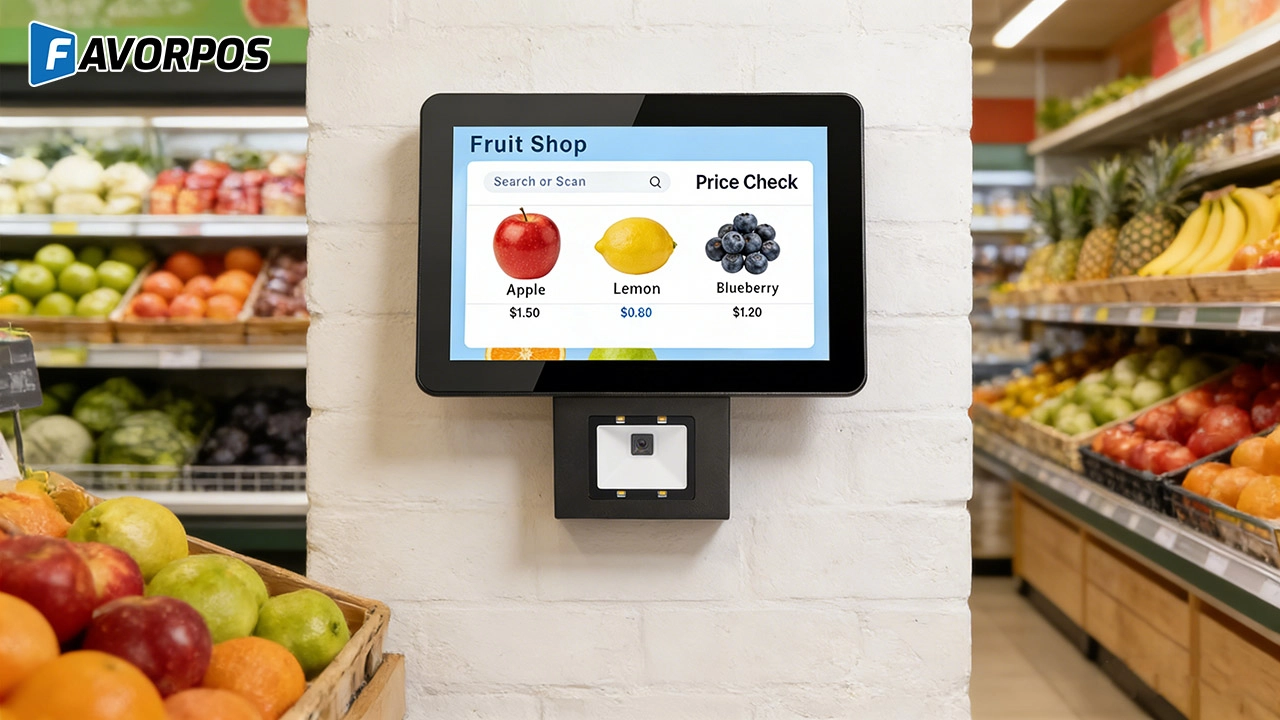
The Smart Way to Check Prices: How a 10.1-Inch Wall-Mounted Price Checker Transforms Retail Stores
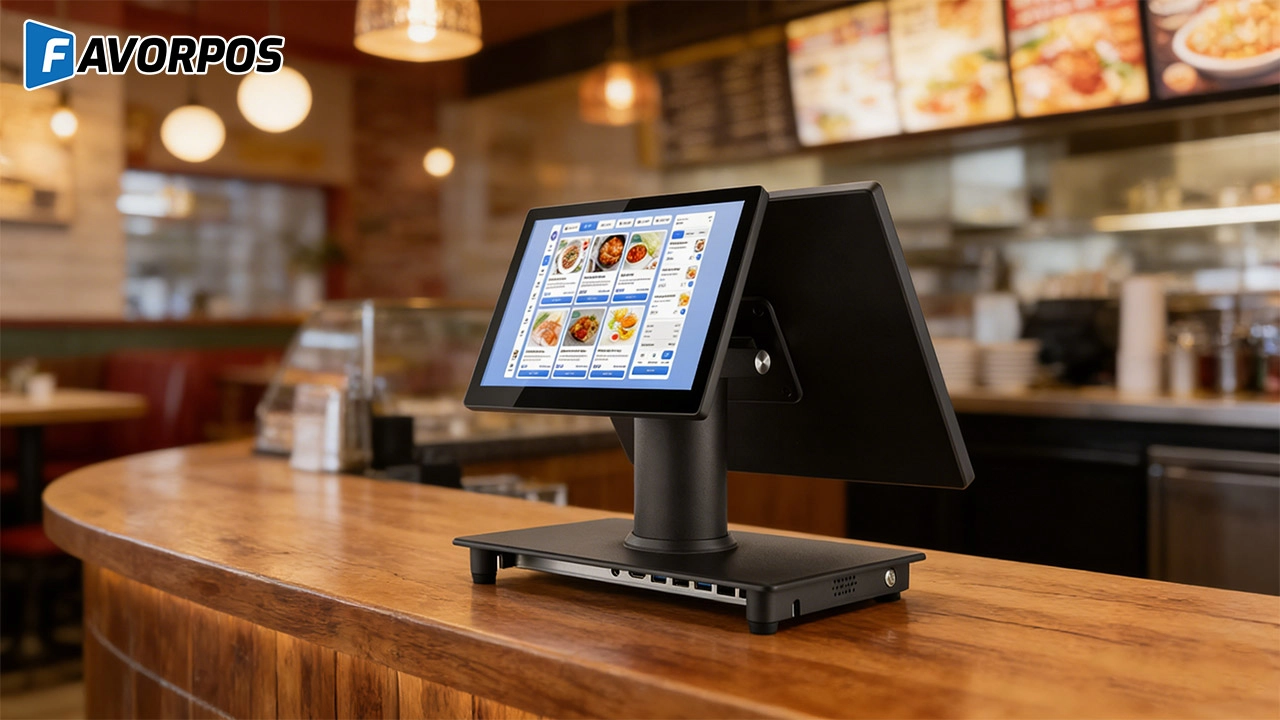
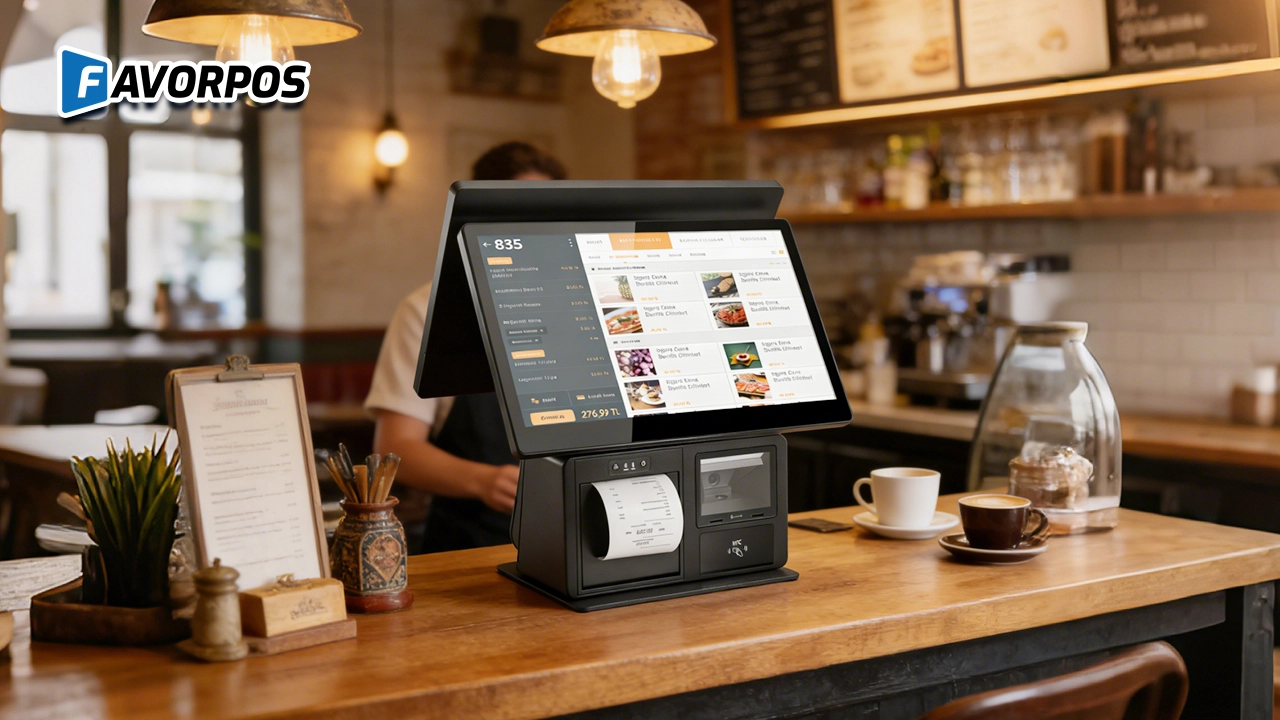
A Smarter Checkout Experience: The 15-Inch Dual-Screen POS Built for Modern Retail
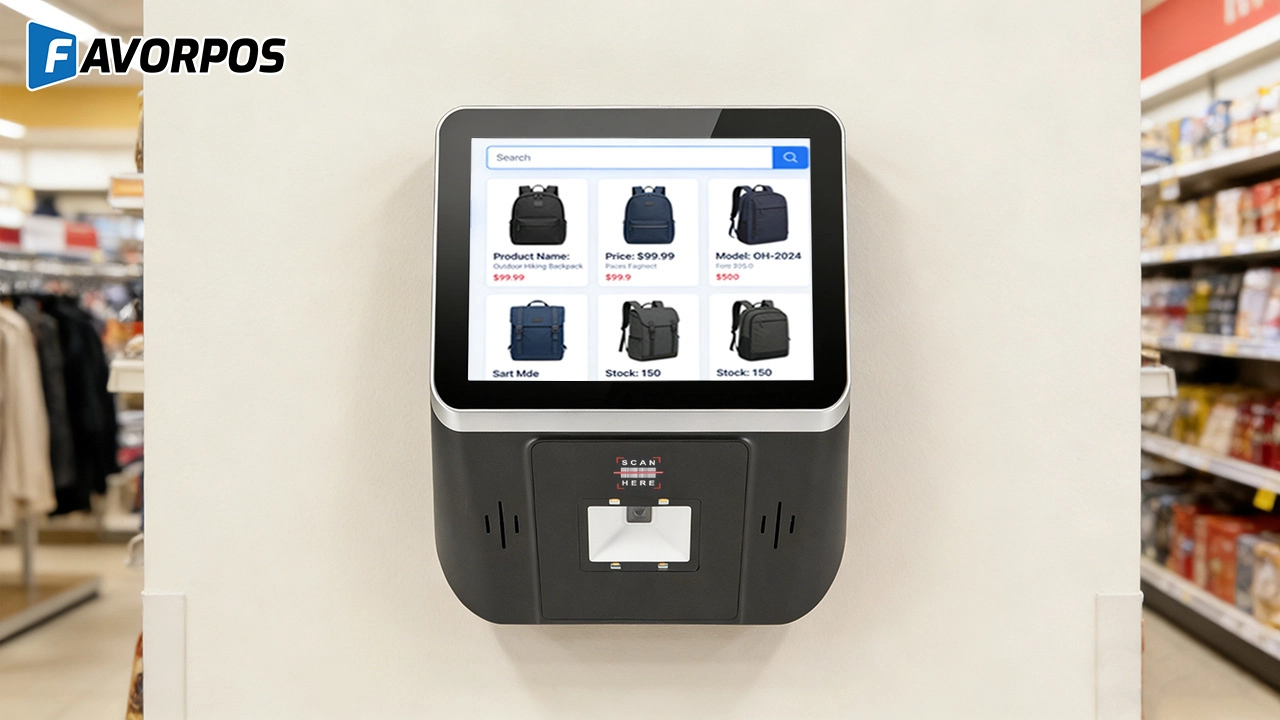
8-Inch Smart Price Checker: A Small Device Powering Smarter Retail Spaces
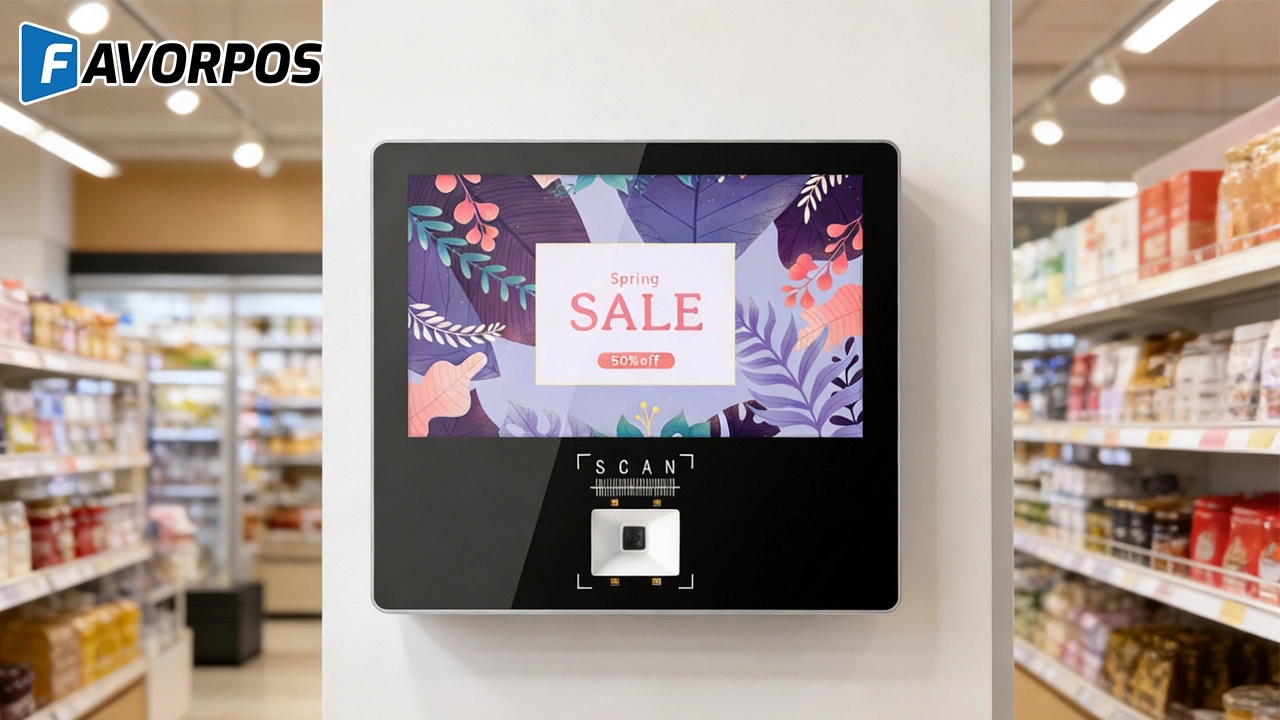
Built for Retail Precision: Manufacturing Excellence Behind the 11.6” Smart Price Checker
Building Stability in an Unstable Market: A 15.6-Inch All-in-One POS Designed for the Long Term
For Healthcare
Does your POS system comply with healthcare regulations?
Yes, our POS system complies with HIPAA, PCI-DSS, and other relevant healthcare regulations to ensure the security and privacy of patient data.
For Solutions Retail
How long is the warranty period of the equipment?
We provide a standard warranty period of at least one year, and the specific time can be agreed upon according to the terms of the contract.
For ODM
What ODM services are provided?
We provide a full range of services from product concept development to production manufacturing according to customer requirements and designs. We are responsible for all aspects of product design, prototyping, production, quality control, etc. to ensure that your POS solution meets market needs and quality standards.
For Grocery and Supermarkets
How secure is your POS system?
Our POS system is PCI-DSS compliant and uses advanced encryption technology to protect the security of all transactions and customer data.
For Distributor
What are the benefits of joining your reseller network?
Benefits include access to innovative POS products, attractive margins, comprehensive training and support, and the opportunity to work with a globally recognized brand.
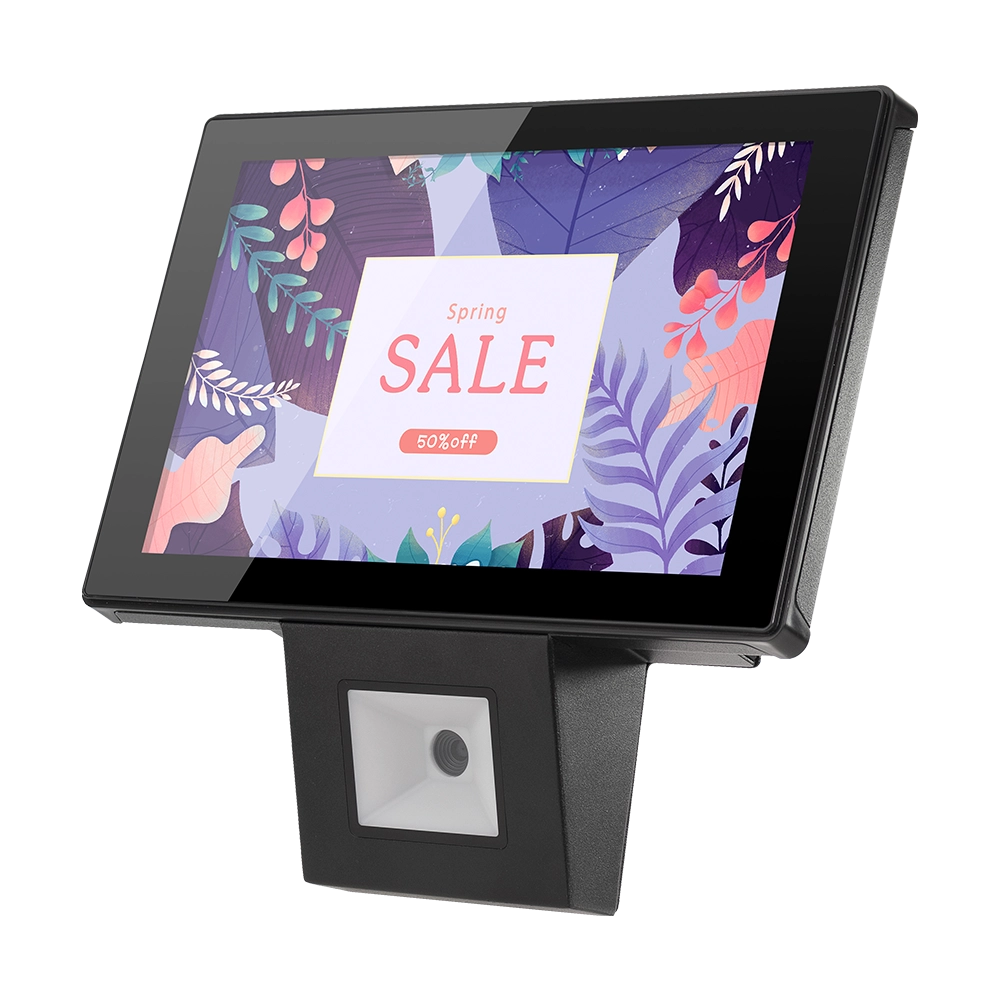
10 inch Price Checker Device Supplier Barcode Scanner for Sale Price Check for Supermarket
FAVORPOS offers 10 inch Price Checker Device, perfect for supermarkets. This wall mounted 10 inch touch screen barcode scanner ensures fast, accurate price checks, enhancing customer experience and operational efficiency. Durable, user-friendly, and perfect for high-traffic retail environments.

Aluminum Dual Screen Pos Terminal Pos Systems 15.6 inch Touchscreen Pos
FAVORPOS Aluminum Dual Screen POS Terminal features a 15.6-inch touchscreen, ideal for seamless transactions. As a trusted OEM Windows POS manufacturer, we deliver durable, high-performance solutions tailored for retail and hospitality businesses.
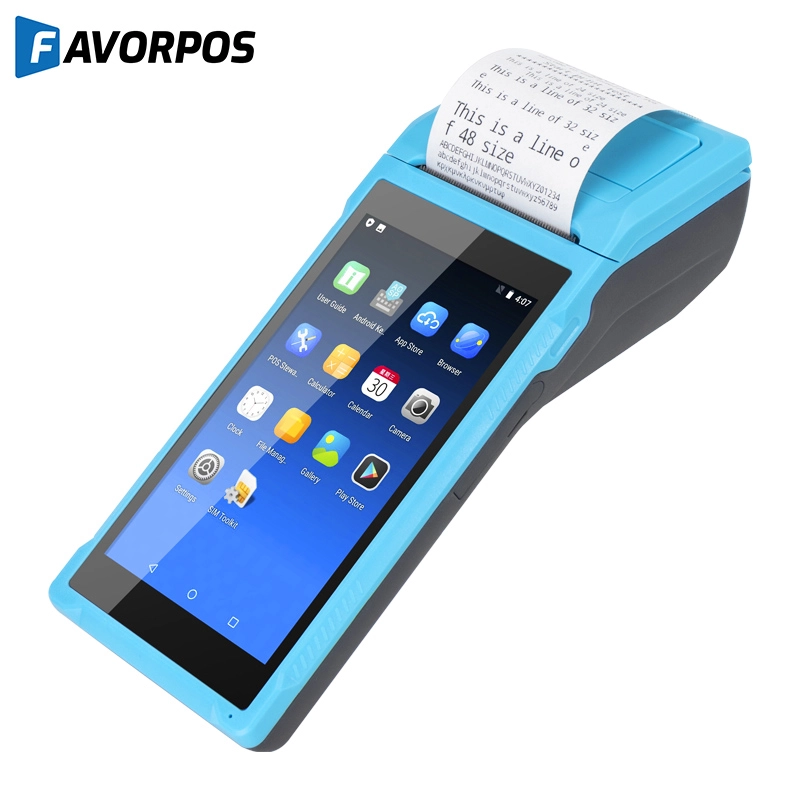
Android Handheld Pos Device Touch Screen Pos Terminal Manufacturer
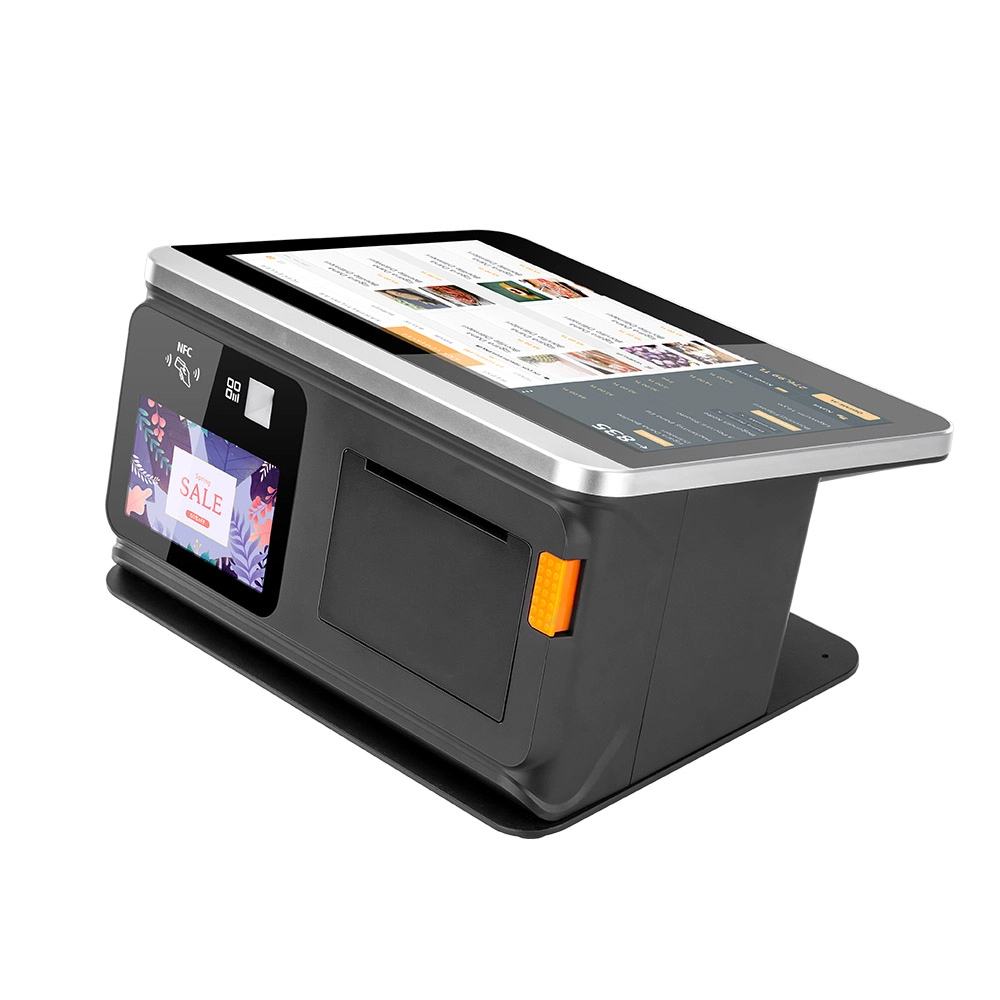
All in One POS Terminal Metal 11.6'' Touchscreen Android Windows with Printer
The All-in-One POS Terminal features an 11.6'' touchscreen display, compatible with both Android and Windows. This metal-constructed terminal combines durability with style, making it a perfect fit for any retail or hospitality environment. Equipped with a built-in printer, it streamlines transactions by allowing for instant receipt printing.
Get in touch
Interested in becoming a POS system dealer? Contact us for more information and start the process of joining our dealer network.
We look forward to working with you to expand the market together.


Copyright © 2025 Favorpos All Rights Reserved.
