
What are the best POS systems for bars and pubs?
- How can a POS system accurately track draught beer pours and reduce keg shrinkage in busy pubs?
- What POS features ensure fast, secure bar tabs during peak rush hours and prevent payment declines?
- How do POS systems handle tip pooling, labor allocation and shift-level compliance for pubs?
- What are realistic total costs (hardware, processing, monthly fees) for small to mid-size bars when comparing POS proposals?
- Which integrations are essential for pubs (kegerator sensors, online ordering, accounting, loyalty) and how do you vet integration reliability?
- Can cloud-based POS systems reliably work offline for mobile bartenders and rooftop bars, and what are the trade-offs?
How can a POS system accurately track draught beer pours and reduce keg shrinkage in busy pubs?
Keg shrinkage is one of the top margin killers for bars. Effective drink inventory management for draught lines combines a POS that supports SKU-level pour tracking with hardware integrations such as flow meters, scale-based keg monitors, or pour-by-weight devices. Leading pour-monitoring hardware vendors (Bar-i, Kegtron and others) provide flow sensors that connect to the POS via APIs or middleware; some cloud-based bar POS platforms support these integrations natively or via third-party connectors.
Implementation checklist:- Tag each tap as a unique SKU in the POS and map recipes (ABV, pour size).- Install flow meters or keg scales on each line and validate calibration weekly.- Enable automatic inventory deductions on each pour instead of relying on sales-only reconciliation.- Reconcile POS pour data vs. actual keg weight at shift close to surface leaks or unauthorized pours.- Set alerts for unusually high pour-to-sales ratios and run variance reports weekly.
Expected outcomes: when properly configured, pour-tracking plus regular reconciliation commonly cuts shrink by 20–40% over manual counting alone. Note: success depends on staff training, accurate recipe setup and consistent hardware maintenance. If you plan to add self-pour taps (tap walls), choose a POS that explicitly lists integrations with those manufacturers.
What POS features ensure fast, secure bar tabs during peak rush hours and prevent payment declines?
Bartenders and servers need a system that opens/holds tabs, accepts EMV/contactless quickly, and completes split checks without slowing service. Key capabilities to demand:- Robust tab management: per-seat tabs, automatic authorization holds, and time-limited tab auto-close options.- Integrated EMV and contactless payment terminals that tokenize data to reduce declines and speed authorization.- Offline mode with queued transactions (see offline tradeoffs below) plus automatic reconciliation when connectivity restores.- Fast local network performance and enterprise-class Wi‑Fi to minimize POS/terminal timeouts during rush.- Pre-authorization/pending authorization support for large tabs to avoid declines when card balance changes between opening and closing a tab.
Operational best practices: use dedicated terminals for payments rather than routing all payments through a single iPad; enable contactless and mobile wallet acceptance (Apple Pay/Google Pay) to reduce chip time; implement network redundancy (secondary 4G/5G cellular gateway) for peak-night resilience. Choose a POS provider that either provides the payments stack (Toast, Square) or has tight certified integrations with known processors to limit latency and reduce chargeback risk.
How do POS systems handle tip pooling, labor allocation and shift-level compliance for pubs?
Pubs require transparent tip handling and accurate labor reporting to stay compliant with local wage laws and to keep staff morale high. Modern bar POS systems offer multiple tip distribution methods: hour-based pools, sales-weighted pools, or manual adjustments. Look for these features:- Configurable tip-pool rules (percentage splits by role, shift or location).- Integration with payroll providers (Gusto, ADP, Paychex, etc.) to push tip declarations and hours automatically.- Time-clock integration with geofencing or NFC to prevent buddy punching and capture shift-level labor costs.- Detailed shift reports showing sales per labor hour, tip rates per server, voids and comp activity to detect theft or mistakes.
Compliance notes: labor and tip laws vary by jurisdiction. Ensure your POS can capture the exact data your accountant or payroll vendor needs and retain audit trails for tip adjustments. For pooled tips, configure the POS to produce the statutory reports (daily tip totals by employee, tip-out history) and consult with your payroll provider to implement the legally compliant payout process.
What are realistic total costs (hardware, processing, monthly fees) for small to mid-size bars when comparing POS proposals?
Cost transparency is crucial. Typical cost components and realistic ranges (2024 industry norms):- Hardware: iPad-based terminals: $500–$1,200 each; all-in-one dedicated terminals: $300–$1,000 each; receipt printers and cash drawers: $150–$400; handheld table/order devices: $400–$900 each.- Software: cloud POS subscription often runs $60–$300/month per terminal or $200–$700/month per location depending on feature set (basic vs. full service restaurant modules, inventory and labor tools).- Payment processing: card acceptance costs usually range from ~1.5% to 3.5% + $0.10–$0.30 per transaction depending on your processor, card mix and whether the provider bundles payments. Providers that bundle payments (e.g., Toast, Square) simplify billing but compare effective rates and fee transparency.- Setup & installation: one-time setup fees (data migration, menu build, hardware setup) commonly $0–$2,000 depending on complexity.- Hidden or variable fees: chargeback fees ($15–$50), PCI compliance scanning fees (if not included), early termination fees, API access marketplace fees for third-party apps.
How to compare offers: ask for a sample monthly P&L modeling your sales volume, average ticket and card mix. Request detailed processing statements examples, all-in costs for 12 months, and hardware warranties. Negotiate to remove or cap surprise fees and confirm who is liable for PCI scope or fines. Favor a vendor that provides itemized pricing and a reference from similar-sized bars.
Which integrations are essential for pubs (kegerator sensors, online ordering, accounting, loyalty) and how do you vet integration reliability?
Essential pub integrations go beyond POS basics. Prioritize:- Keg/pour monitoring integrations to reduce shrinkage.- Accounting sync (QuickBooks, Xero) to export sales, tax and tip data without manual re-entry.- Labor/time-clock integrations to feed hours directly into payroll.- Online ordering and delivery integrations (your website or third-party marketplaces) that reconcile orders and fees automatically.- Loyalty and CRM tools that capture guest visits, preferences and targeted promotions.> How to vet reliability:- Request a product brief describing the integration architecture (native vs. third-party connector vs. manual CSV).- Ask for API documentation and rate limits; check whether the POS vendor provides webhook/event-driven updates or only periodic syncs.- Get references from bars using the same integration and ask about sync delays, duplication errors and reconciliation steps.- Run a pilot: map 20–50 SKUs through the integration and validate that sales, refunds and modifiers all reconcile to accounting and inventory within your required window.- Evaluate error handling and logging: good integrations provide detailed error logs and automatic retry mechanisms; poor ones require manual clean-up.
Can cloud-based POS systems reliably work offline for mobile bartenders and rooftop bars, and what are the trade-offs?
Cloud POS platforms increasingly support offline modes, but there are trade-offs that every bar operator must understand.- What offline mode does: caches orders locally and queues transactions. Once connectivity returns, the system syncs sales and inventory back to the cloud.- Payment limitations: EMV chip and some contactless transactions generally require real-time authorization; offline card acceptance risks higher fraud and potential chargebacks. Many systems allow offline card entry but will mark transactions as high-risk; PCI and processor rules also apply.- Data integrity: when multiple devices process offline transactions, reconciliation complexity grows and may cause duplicate receipts or inventory mismatches if not handled carefully.- Recommended architecture: use a hybrid approach—cloud POS with robust local caching for order taking, and a cellular backup gateway (4G/5G) for payment terminals. Use terminals that can fall back to a cellular connection independently of the POS device.
Operational tips: limit offline card acceptance to small amounts, require manager approval for offline closes, and schedule frequent manual reconciliations during prolonged outages. For rooftop bars or mobile tents, test the full payment flow with your hardware and processor vendor before opening night.
Choosing the right bar POS means matching these technical realities to your venue's layout, peak traffic, and regulatory environment. As POS experts with years of bar and pub deployments, we recommend a discovery checklist (expected peak tabs/hour, pour-monitor needs, tip pooling rules, accounting software, and offline requirements) to narrow vendor quotes efficiently.
To get a custom quote tailored to your pub’s size and features, contact us at www.favorpos.com or email sales2@wllpos.com.
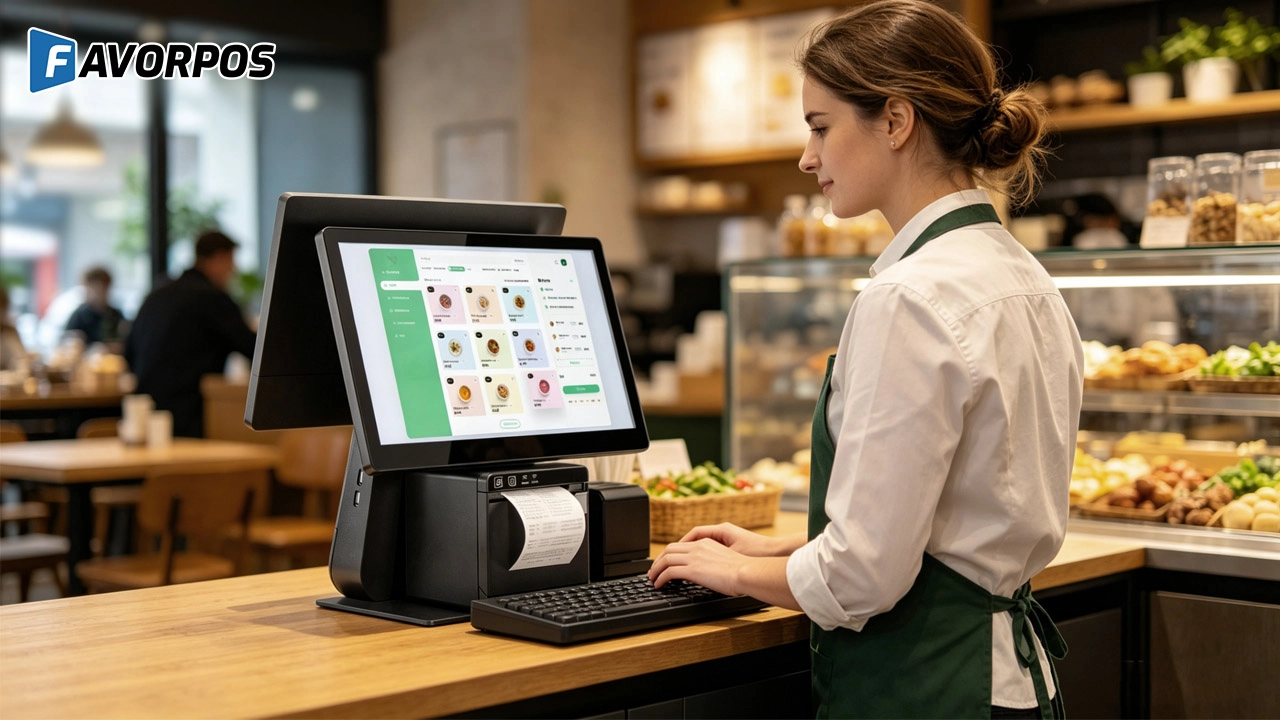
Smart Checkout, Simplified: Exploring the Power of a 15.6-Inch All-in-One POS Terminal
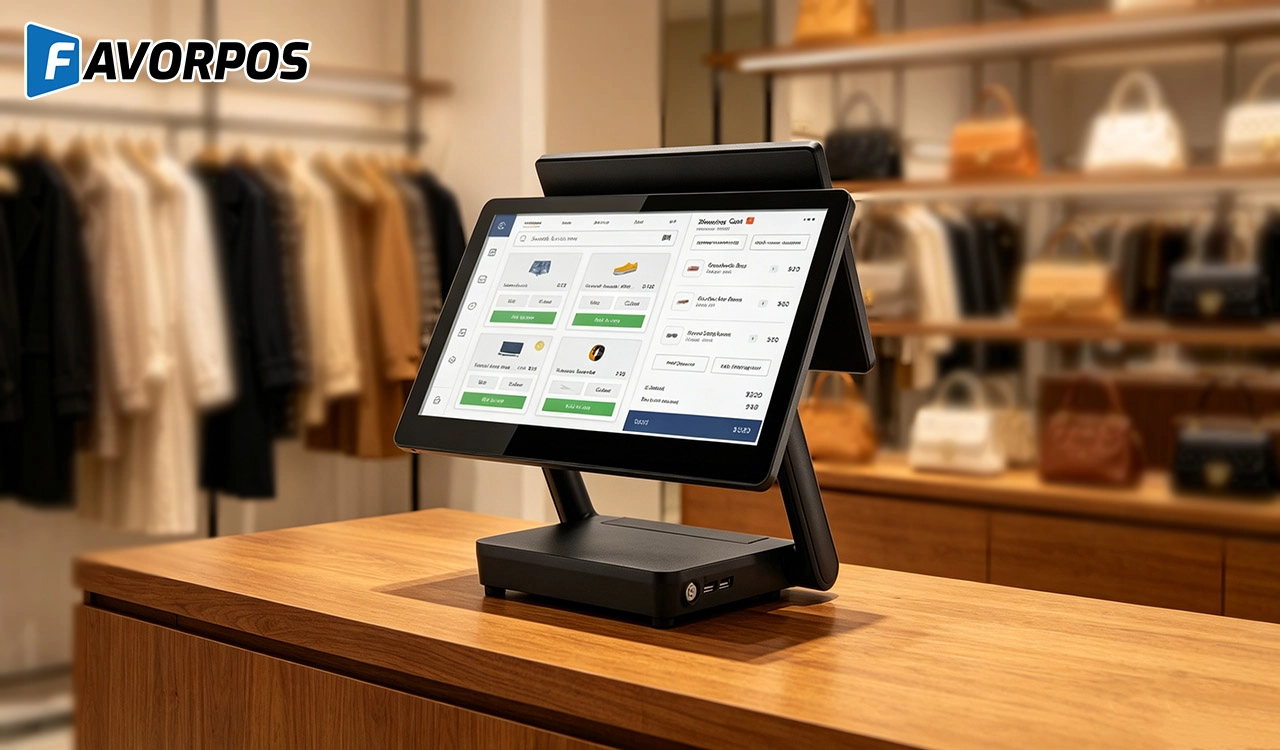
Why a 15.6” Touch POS Terminal Is Becoming the New Standard in High-Traffic Retail
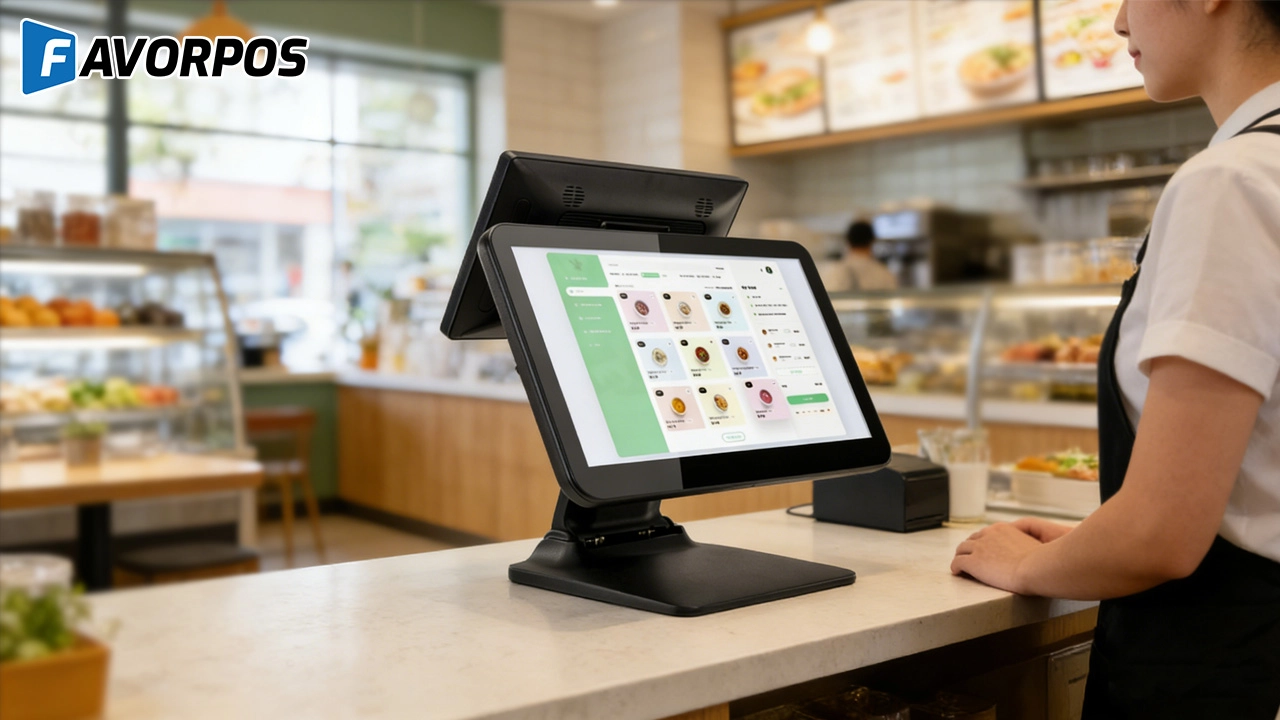
Beyond Checkout: How a 15.6-Inch Aluminum POS System Redefines Retail Efficiency
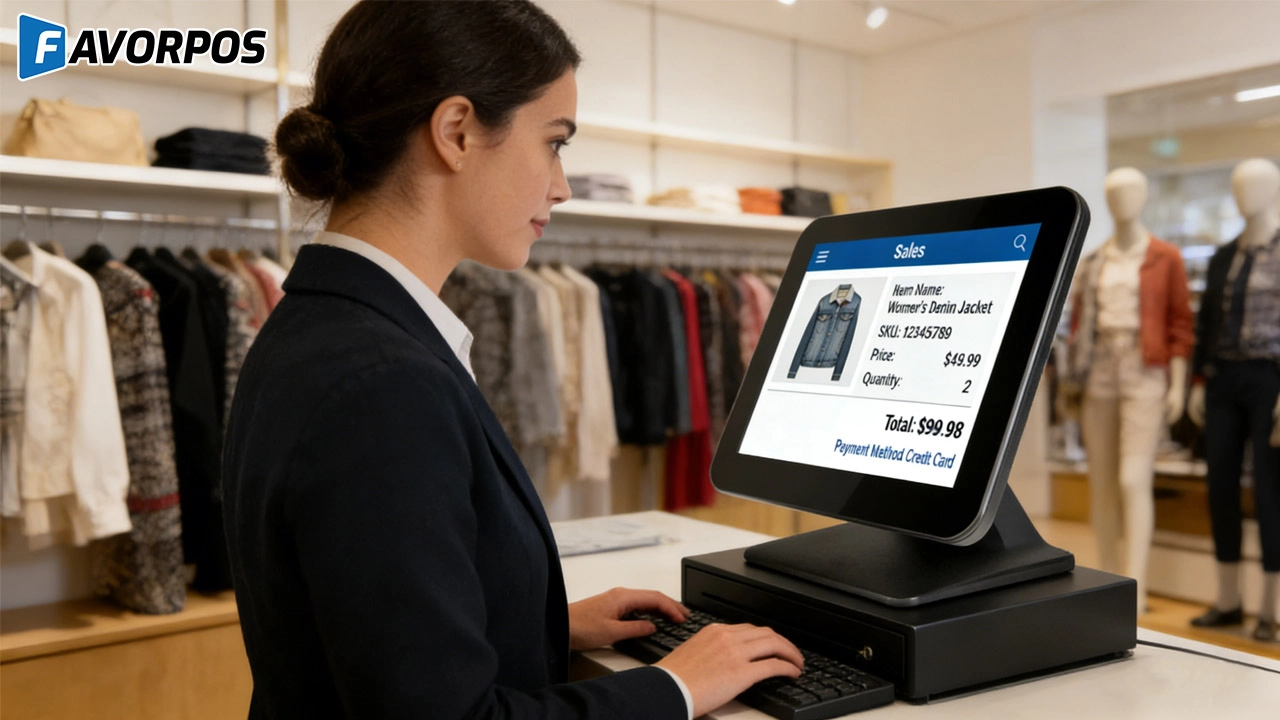
Understanding 15-Inch Aluminum POS Terminals in Modern Commercial Use
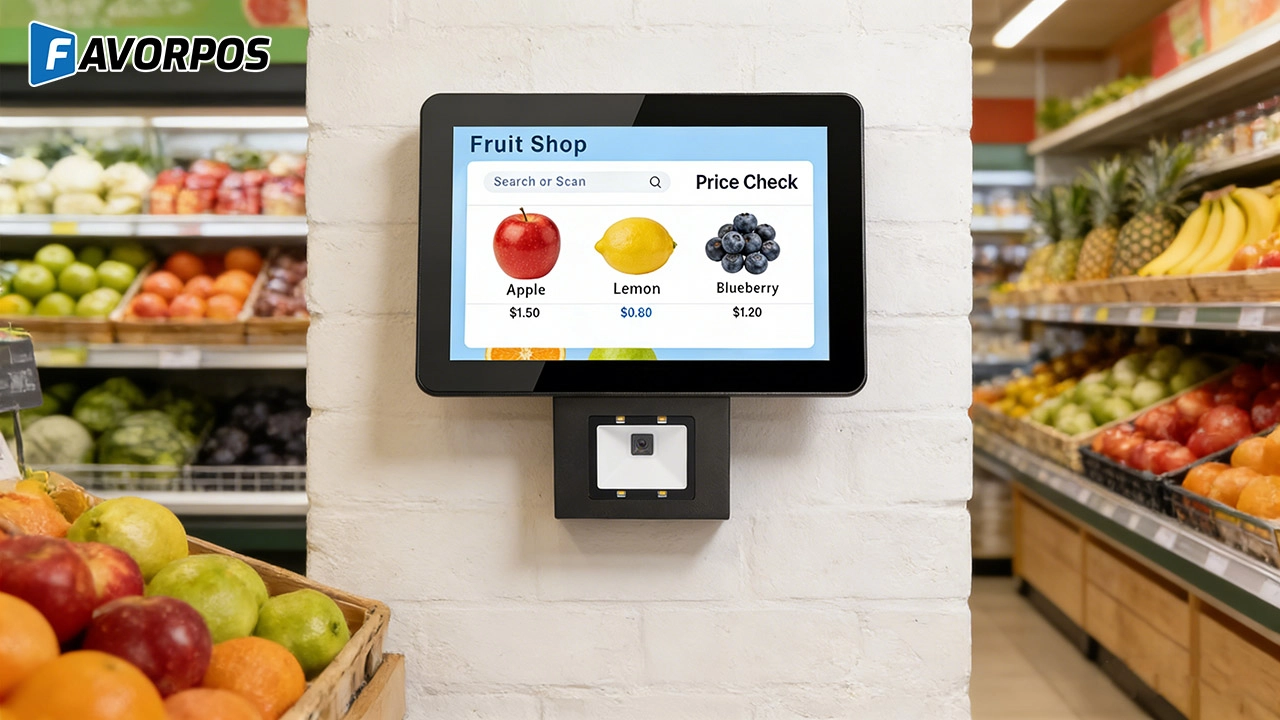
The Smart Way to Check Prices: How a 10.1-Inch Wall-Mounted Price Checker Transforms Retail Stores
For Grocery and Supermarkets
How secure is your POS system?
Our POS system is PCI-DSS compliant and uses advanced encryption technology to protect the security of all transactions and customer data.
For Hotels
What types of reports can I generate through your POS system?
You can generate detailed real-time reports on sales, guest spending patterns, department performance, and more.
For Healthcare
What kind of support do you provide after installation?
We provide comprehensive after-sales support, including technical assistance, hardware updates, hardware maintenance and employee training.
For company
What are your shipping terms?
It is available to ship via express (DHL/FedEx/EMS/UPS/TNT), via air, train and sea. We will try our best to check the economic shipping way for you.
For Government and Public
How does your system ensure data security?
We use advanced encryption and security measures to protect all financial and personal data, ensuring compliance with industry standards and regulations.

11.6 inch Capacitive Touchscreen for POS Machine POS Monitor
FAVORPOS 11.6-inch capacitive touchscreen, specifically designed for POS machines to deliver a seamless and responsive user experience. This high-definition display offers vibrant visuals and crystal clear clarity, making it easy for staff to navigate through transactions efficiently. The capacitive technology ensures quick and accurate touch recognition, reducing wait times and enhancing customer satisfaction. Built to withstand the rigors of daily use, this touchscreen is perfect for retail and hospitality environments.
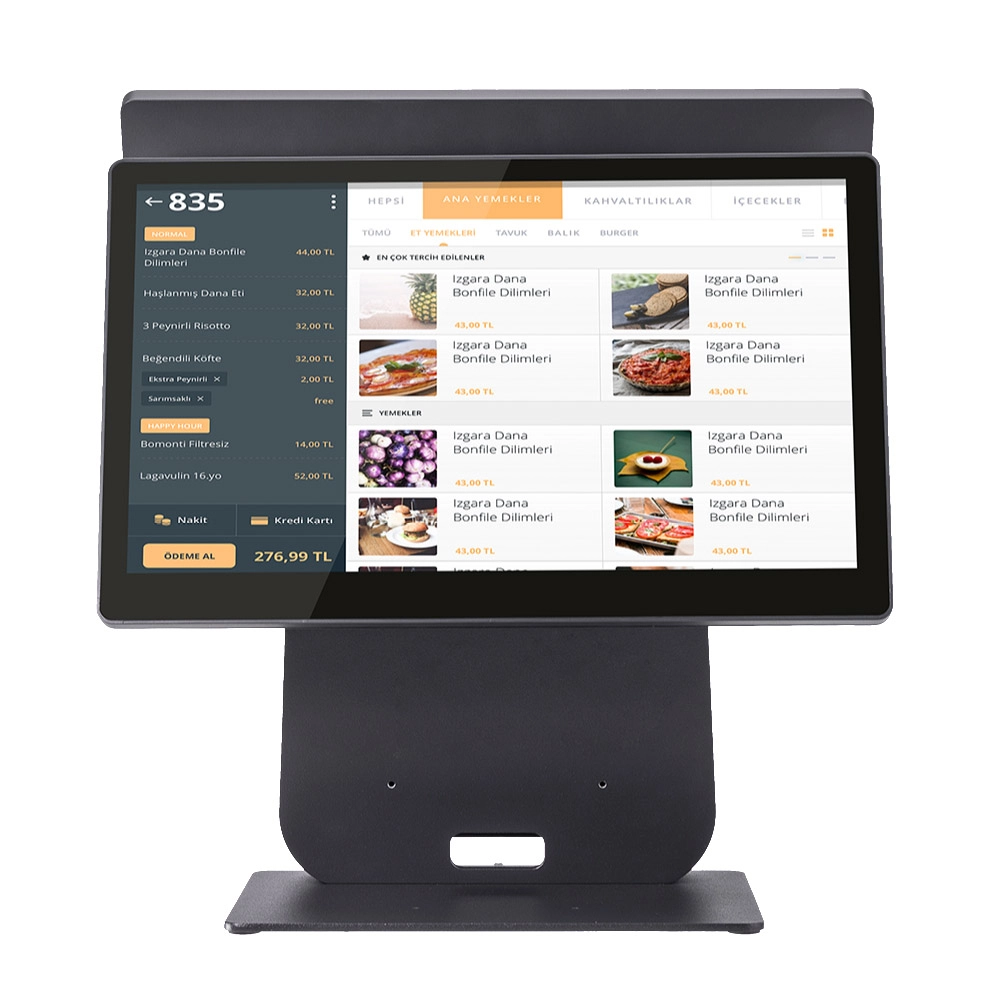
HD Dual Screen POS Machine Aluminum Hardware Android Windows Supplier
This dual-screen POS machine supports both Android and Windows systems, providing flexibility for various applications. The dual screens enhance customer interaction and streamline the checkout process, making transactions quicker and more engaging. Perfect for modern businesses looking to elevate their service and improve customer satisfaction, this POS machine is your ultimate partner in success!
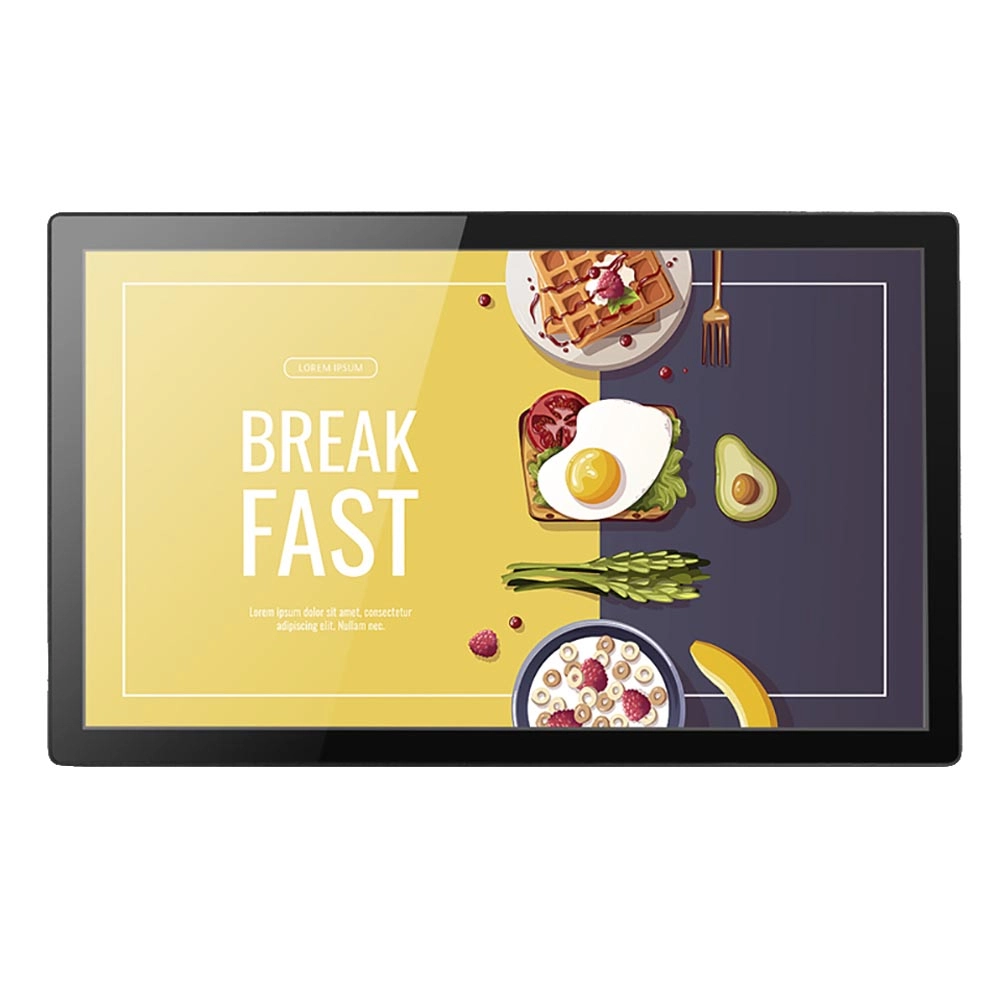
Wall Mount Cash Register POS 21.5 inch for Supermarket Touchscreen Windows Factory
Our sleek and modern wall-mounted POS system features a stunning 21.5-inch LED display, providing exceptional visibility and clarity for seamless customer interactions. The capacitive touchscreen ensures a highly responsive and intuitive user experience, perfect for fast-paced retail environments. With its space-saving wall-mounted design, this POS solution is ideal for optimizing floor space while maintaining a professional and contemporary appearance.
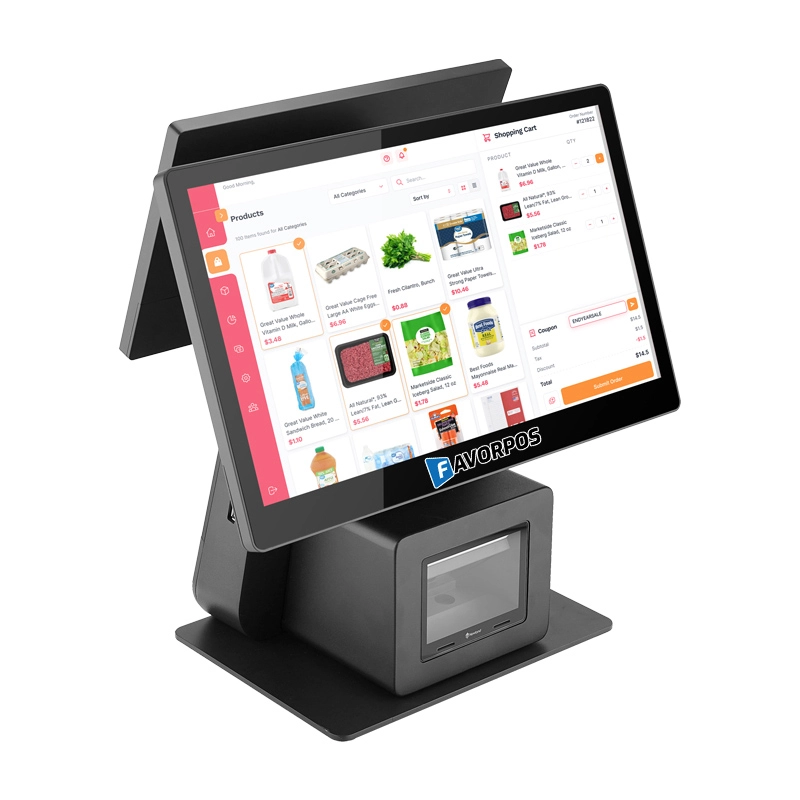
Dual Screen POS With Barcode Scanner Desktop POS Manufacturer POS Factory 15.6 11.6 Client Screen Optional
FAVORPOS: Your leading dual screen POS factory and manufacturer. Our desktop POS with barcode scanner offers 15.6/11.6 client screen options and OS flexibility. Get reliable, efficient dual screen POS with barcode scanner solutions directly from us.
Get in touch
Interested in becoming a POS system dealer? Contact us for more information and start the process of joining our dealer network.
We look forward to working with you to expand the market together.


Copyright © 2025 Favorpos All Rights Reserved.
