
How to choose a POS system for small bars?
- 1. How do I calculate the true ROI of a bar POS by factoring in pour-cost control, shrinkage reduction, and labor savings?
- 2. What hardware and peripheral configuration best prevents theft and accidental voids during a busy Friday night?
- 3. How do I set up keg/draft tracking in the POS so pours, spillage, and keg swaps are accurately reflected in inventory?
- 4. How should a small bar choose a payment processing model to avoid large fees on high-tip nights and reduce declined-authorizations on tabs?
- 5. How do I configure the POS to maximize throughput during peak festivals or sports nights while keeping accurate tax, tip, and inventory records?
- 6. Which reports and integrations are required for small bars to pass age-verification audits, local liquor tax reporting, and payroll taxes?
As a seasoned POS consultant and content strategist working with small bars and hospitality groups, I focus on real-world implementations of bar point of sale systems that improve margins, speed service, and keep you compliant. Below are six specific, long-tail buyer questions that are often answered superficially online — each followed by an in-depth, actionable answer you can use when evaluating pos systems for bars or deciding how to choose a POS system for small bars.
1. How do I calculate the true ROI of a bar POS by factoring in pour-cost control, shrinkage reduction, and labor savings?
Why this matters: Vendors often show headline metrics (faster checkout, reduced ticket times) but don’t quantify how improved inventory controls and pour monitoring translate into margin recovery. For bars, even a 1–2% reduction in shrinkage can pay for a POS in months.
Step-by-step ROI method (use your bar’s numbers):
- Establish baseline metrics (monthly): gross sales, COGS for alcohol, current measured shrinkage or loss, average server/bartender labor hours and wage cost.
- Pour-cost recovery estimate: Implement recipe-based pour tracking (set ounces per drink). Calculate expected beverage cost using: expected ounces served × cost per ounce. Compare against actual inventory depletion after POS-enabled tracking. Common recoveries: 1–4% of sales initially.
- Shrinkage reduction: Factor reductions from better audit trails, closed tab enforcement, and secure payouts. Conservative estimate: 0.5–3% of sales.
- Labor savings: Faster order entry, mobile or handheld terminals, and integrated ticket routing can reduce labor requirements by 5–15% during service hours (translate to monthly wage savings).
- Payments savings: Switching to integrated payments with interchange-plus pricing and fewer manual key-ins reduces fees on average nights—model separately (see question 4).
- Calculate Payback: (Expected monthly net benefit = pour-cost recovery + shrinkage reduction + labor savings + payment savings). Payback months = (one-time hardware + setup + first-year SaaS) / monthly net benefit.
Example (illustrative): A small bar has $40,000 monthly sales, 25% beverage COGS ($10,000), 3% shrinkage ($1,200), and $12,000 monthly labor. Installing a modern cloud POS with recipe-based pours and inventory could reduce shrinkage by 2% ($800) and pour inefficiencies by 1.5% ($600), and labor by 6% ($720). Total monthly benefit ≈ $2,120. If total up-front & first-year costs are $6,000, payback ≈ 2.8 months.
What to verify with vendors: calibrated pour tracking (ounces per recipe), real-time inventory adjustments, timestamped audit logs, and exportable COGS reports. Ask for case studies or sample data from bars of similar size.
2. What hardware and peripheral configuration best prevents theft and accidental voids during a busy Friday night?
Why this matters: High-velocity service increases human error and opportunistic theft. Hardware and permissions must be chosen together with software features to create an auditable, friction-minimized workflow.
Recommended configuration and policies:
- Hardware: secure cash drawer with micro-switch, dedicated EMV/contactless terminal at POS or integrated terminal for every station, fixed touchscreen or tablet with locking stands, and kitchen/bar printers with order routing. Consider a secondary handheld/mobile POS for peak lanes so tabs can be closed without moving cash around.
- Permissions & user roles: granular role-based access (bartender vs manager) and timed auto-logouts. Enforce unique user PINs or staff RFID/key fobs to prevent shared logins. Disable void/remove privileges for service staff; require manager override with recorded reason and manager PIN for voids or comped items.
- Audit trail and reporting: require per-transaction logs showing who created, updated, voided, refunded with timestamps. Daily/shift exception reports (voids, comps, negative transactions) should email managers automatically.
- Physical layout: place EMV/contactless terminals where customers can tap/pay independently; use tills that keep cash out of sight when possible. If you still use cash, implement a two-person cash count at shift changes with digital signatures recorded in the POS.
- Reconciliation workflows: daily blind counts vs POS-reported cash and card totals; automated variance alerts; integrate deposit and settlement data from payment processor for reconciliation.
What to test during demos: simulate a 30-minute rush with 3 concurrent orders and attempt an accidental void. Confirm that the system forces a manager approval, logs the action, and includes a required reason field. Also test network failure scenarios: does the EMV terminal hold offline auths safely and reconcile when online?
3. How do I set up keg/draft tracking in the POS so pours, spillage, and keg swaps are accurately reflected in inventory?
Why this matters: Draft beer is a major margin driver. Poor keg tracking costs money via overpour, waste, or unrecorded pours. Many POS guides mention keg tracking generally but omit the calibration and hardware integration details needed for accuracy.
Practical setup approach:
- Decide method: manual volume-based, pour-based (recipes with ounces), or hardware-integrated (flow meters or smart keg sensors). Hardware-integrated is most accurate but costs more initially.
- Calibrate recipes: set each menu item to the exact ounce measure used (e.g., 12 oz pint, 16 oz pint, 8 oz pours for flights). Include modifiers (double pours, top-ups) in the recipe so the POS subtracts the correct volume from inventory.
- Track keg equivalents: configure keg sizes and ABV in inventory. A 15.5 gallon keg = 1,984 oz — mapping pours to % of keg remaining helps forecasting. Ensure the POS supports partial-keg quantities and negative thresholds with alerts.
- Integrate sensors if possible: install flow meters or smart-keg monitors that push pour volume to the POS or to an integration module. If using an external monitoring service, ensure a stable API or CSV sync with your POS so inventory is reconciled hourly/daily.
- Operational controls: require staff to log keg changes in the POS with timestamp and staff ID; create an expected vs actual usage report for each keg to detect spillage or theft; use beginning and ending shift checks for kegs on tap.
Accuracy tips: adjust for foam loss and cleanup by adding a small waste percentage per keg (1–3%) into forecasts, rather than altering standard pour sizes. Run a parallel audit for the first 30 days comparing POS-recorded ounces to physical meter reads or keg weights to tune calibration.
4. How should a small bar choose a payment processing model to avoid large fees on high-tip nights and reduce declined-authorizations on tabs?
Why this matters: Bars regularly run tabs with large tips added at close. Incorrect processing models (unqualified transactions, delayed tip batching, or key-entered authorizations) can increase fees and lead to declines or chargebacks.
Key factors and negotiation points:
- Processing model: prefer integrated payments through your POS provider (terminal integrated to the system). Negotiate interchange-plus pricing or blended pricing that’s transparent. Avoid opaque flat-rate models unless the vendor provides clear tipping handling and good weekday/weekend pricing.
- Pre-authorization for tabs: configure pre-auth or incremental auths for open tabs, especially for high-volume or large-tab customers. Pre-auths reduce declines at close because card is validated at tab open. Make sure the POS supports tip adjustments at close that re-authorize or settle correctly.
- Tip handling and batching: confirm how tips are captured—immediate tip entry on the terminal vs post-close tip adjustment. Some processors charge higher rates on metric changes; ask how they route tip adjustments to minimize re-authorization fees.
- Card on file for tabs: if you store card tokens for tabs, ensure PCI-compliant tokenization. Ask about how long tokens live and what liability shift applies for card-not-present disputes.
- High-tip nights: ask for advice on batching windows and settlement timing. Some providers can group tips into batch settlements to reduce per-transaction overhead but verify the risk/benefit trade-offs.
What to ask processors: effective rate examples using one week of your actual sales mix (send a demo merchant statement). Check how they treat tip adjustments, pre-auth voids, and force-posts. For small bars, effective processing rates commonly range from ~1.6%+interchange upward for card-present optimized programs; but the exact number depends heavily on card mix and ticket size.
5. How do I configure the POS to maximize throughput during peak festivals or sports nights while keeping accurate tax, tip, and inventory records?
Why this matters: Peak events require a different configuration to minimize order time without sacrificing auditability. Many POSs have speed features that are disabled by default or misconfigured.
Configuration checklist:
- Fast keys & presets: create event-specific quick-keys (popular combos, buckets, pitcher buttons) and hide low-turn items to reduce scroll time. Keep the button layout optimized for speed and ergonomics.
- Mobile and handheld ordering: deploy handheld devices for floor/breezeway service so bartenders can take and close tabs without walking to a fixed POS. Ensure devices sync frequently and handle offline mode gracefully.
- Tab management templates: use a tab template optimized for open/close speed with minimum required fields at open, and allow quick tip entry at the end. Use pre-auths for large tabs to avoid last-minute declines.
- Tax profiles and rounding rules: confirm the POS applies correct local alcohol tax rates at item level and that rounding rules match local regulations; test tax-inclusive vs tax-exclusive pricing for quick settlement.
- Inventory & reporting cadence: switch inventory writes to near-real-time for draft-heavy events to avoid large reconciliation gaps. Some systems let you shift syncing frequency during events to prioritize speed of transaction handling and then reconcile in the backend post-event.
- Staffing & permissions: temporary elevating of manager overrides or use of a designated ‘expediter’ role can speed approvals. Document these overrides and ensure post-shift audits are run to review exceptions.
Operational tip: run a full-speed simulation before the event with the POS in the exact configuration and devices you’ll use. Measure average ticket time and adjust button layout, printer routing, and handheld settings accordingly.
6. Which reports and integrations are required for small bars to pass age-verification audits, local liquor tax reporting, and payroll taxes?
Why this matters: Compliance failures (e.g., missing audit trails for age-verification or incorrect liquor tax reports) can lead to fines and license risks. Many POSs offer reporting but not all meet the granularity regulators or accounting teams need.
Must-have reports and integrations:
- Age-verification logs: if you scan IDs, ensure the POS stores an auditable record (time, staff ID, type of ID scanned) without storing prohibited personal data where local law forbids it. If ID scanning isn’t permitted in your jurisdiction, use timestamped ‘ID checked’ flags linked to staff ID.
- Detailed transaction exports: exportable CSVs/Excel with line-item timestamps, modifiers, staff IDs, payment method, and tip amounts. These are essential for liquor board audits and forensic reviews.
- Inventory & keg reconciliation: reports showing beginning/ending inventory per product with adjustments annotated (keg swap, waste, shrinkage). For liquor tax reporting, provide reportable volumes per tax period in the format your regulator requires.
- Payroll & labor integrations: integrate with scheduling and payroll systems (or export formats) that include clock-ins linked to POS sales by staff ID for tip-pooling and labor tax calculations.
- Accounting integrations: real-time or daily sync to QuickBooks or Xero with mapped categories for sales, taxes, discounts, and payment fees to avoid manual journal entries.
Audit prep checklist: retain 12–36 months of transaction logs (local requirements vary), verify that line-item timestamps cannot be retroactively edited without an audit trail, and set up automated daily backups. Ask your POS vendor how they support data retrieval for regulatory requests and what fees apply.
Final implementation notes: when purchasing a POS for a small bar, prioritize: accurate recipe-based inventory, integrated payments with transparent pricing, granular user permissions and audit logs, keg/draft support, and required accounting and payroll integrations. These are the features that deliver measurable ROI and protect your license.
Conclusion
Choosing the right pos system for bars and small bars specifically delivers faster service, tighter pour and keg controls, fewer losses from theft and shrinkage, and cleaner compliance reporting. The best systems combine hardware configured for secure, high-volume service with software that offers recipe-based inventory, integrated payments (with tip-aware pre-auths), real-time analytics, and exportable audit trails. That combination improves cash flow, reduces waste, and protects your business during audits and high-traffic events.
For a customized quote and a demo tailored to your bar’s size, drink mix, and local compliance needs, contact us at www.favorpos.com or email sales2@wllpos.com.
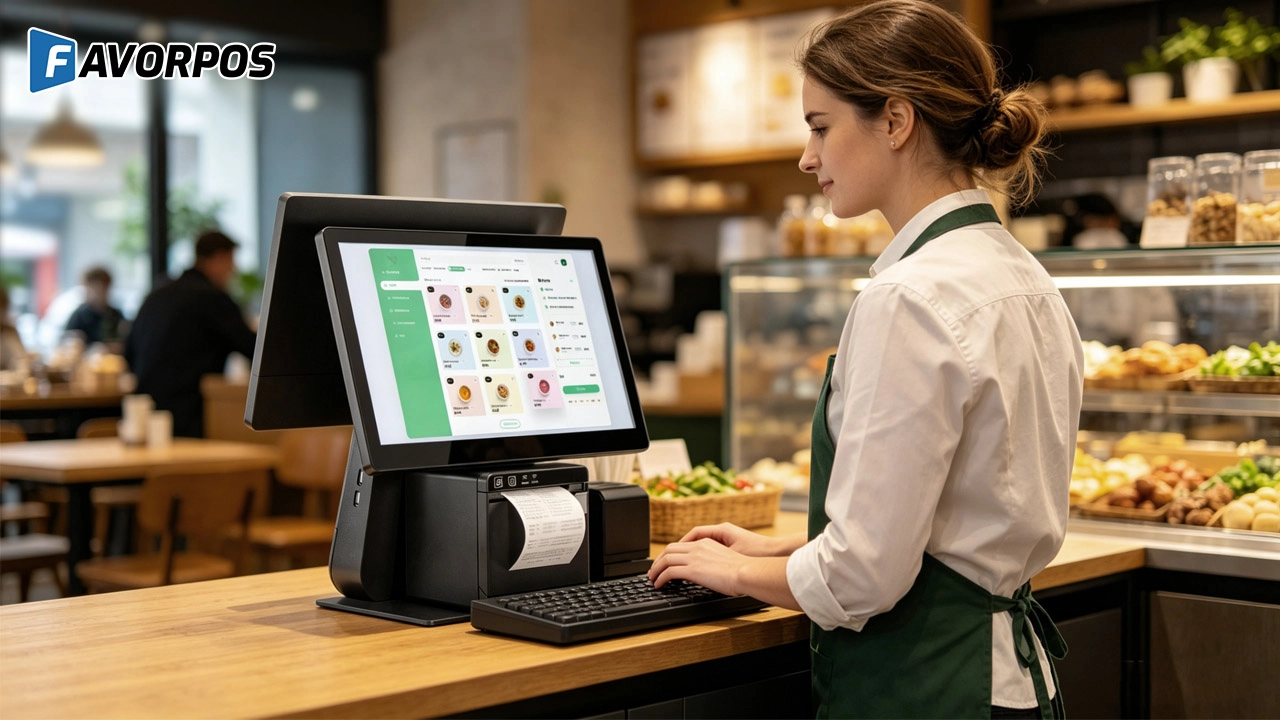
Smart Checkout, Simplified: Exploring the Power of a 15.6-Inch All-in-One POS Terminal
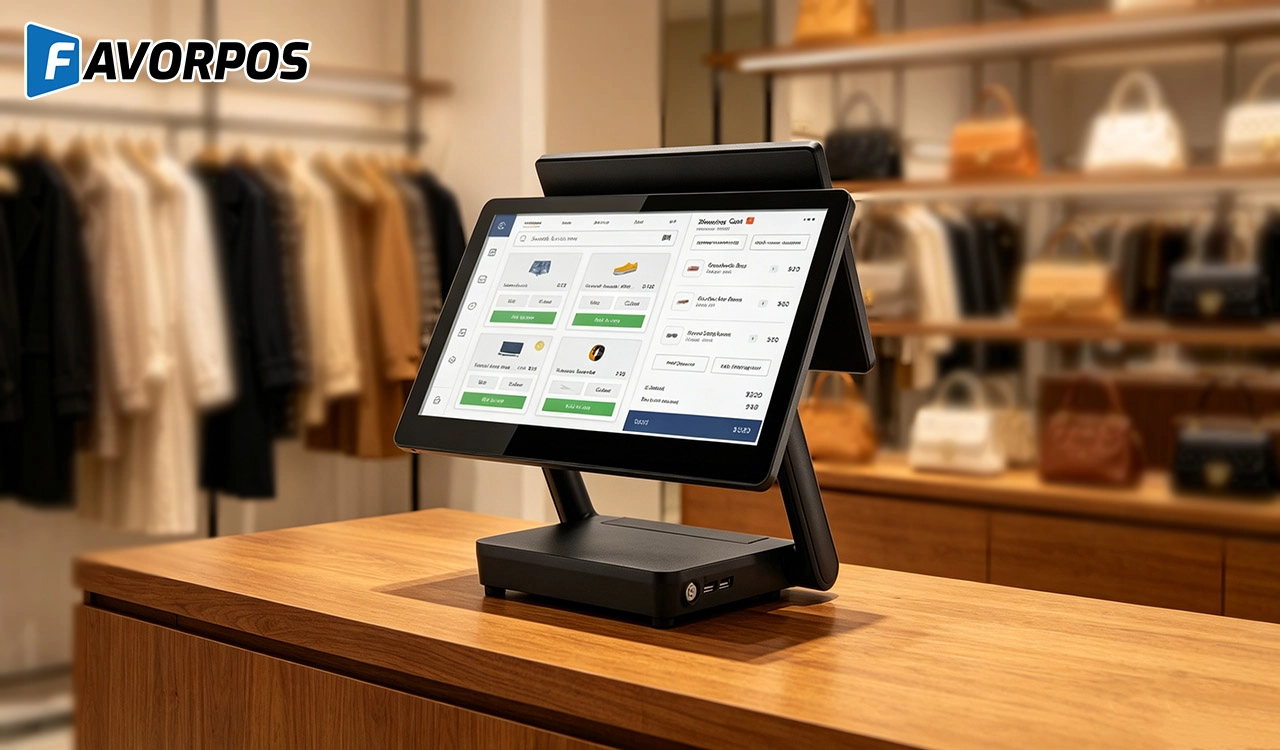
Why a 15.6” Touch POS Terminal Is Becoming the New Standard in High-Traffic Retail
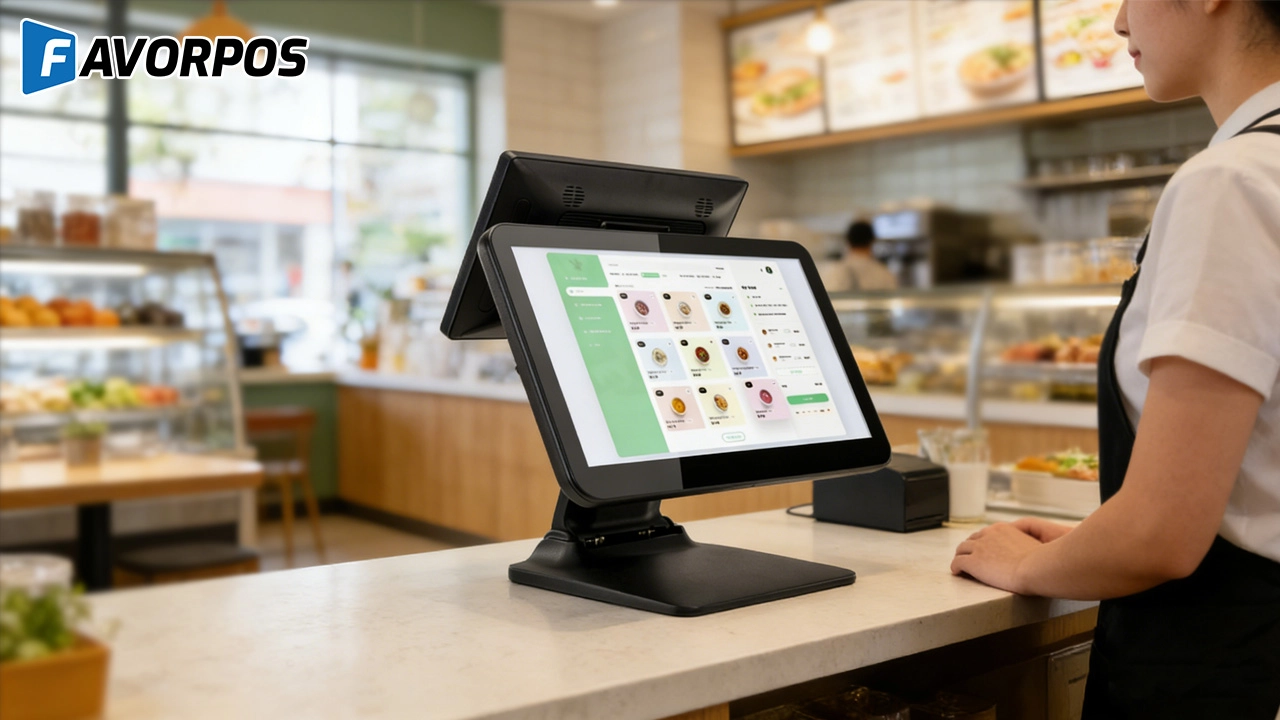
Beyond Checkout: How a 15.6-Inch Aluminum POS System Redefines Retail Efficiency
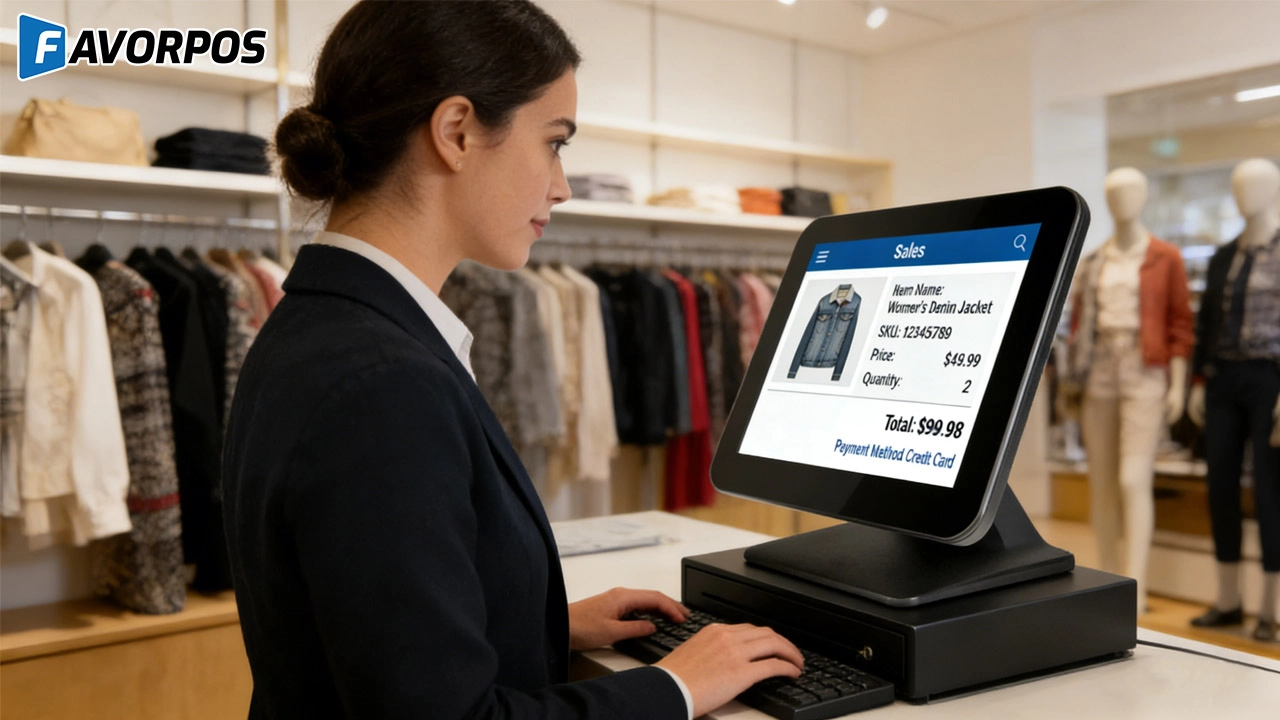
Understanding 15-Inch Aluminum POS Terminals in Modern Commercial Use
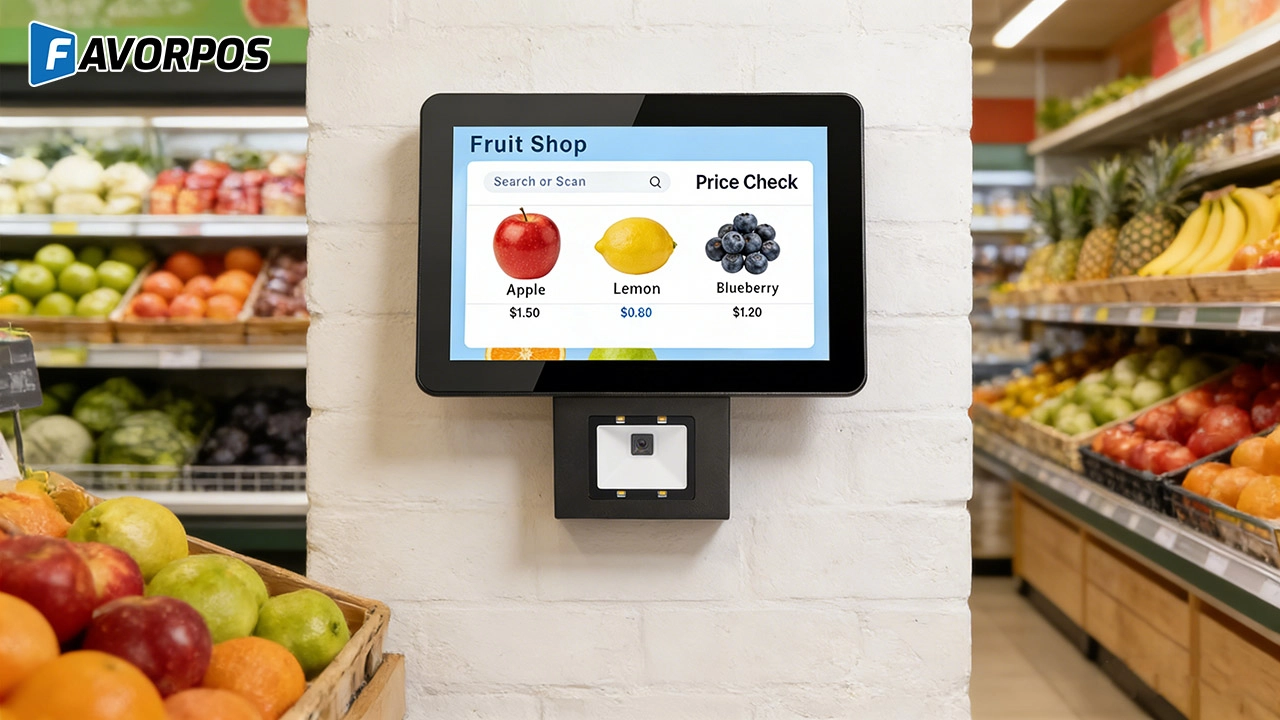
The Smart Way to Check Prices: How a 10.1-Inch Wall-Mounted Price Checker Transforms Retail Stores
For company
How many days will I get the sample?
Generally, 3-5 days for production and 3-7 days for transportation, so you will get goods in 6-12 days.
Can I visit your factory?
Certainly, welcome to visit our factory at any time.
For Beauty and Wellness
What payment methods does the system support?
Our system supports a variety of payment methods, including credit cards, digital wallets and contactless payments, providing customers with a convenient payment experience.
What support is provided after the system is deployed?
We provide 24/7 technical support and regular hardware maintenance to ensure that the system continues to operate efficiently.
For Hotels
Does your POS system support room service billing?
Absolutely, our system allows guests to charge services such as food and beverage, spa treatments, etc. directly to the room account, and all charges will be settled at the time of checkout.

Factory Smart 4 inch Mobile PDA Data Collector with Keyboard
Our Factory Smart 4-Inch Mobile PDA Data Collector is equipped with a convenient keyboard for easy data entry. This compact device is designed for efficient inventory management and logistics operations, offering robust performance in a lightweight design. With a bright display and user-friendly interface, it allows for quick access to essential data on the go. Its durable construction ensures reliability in demanding environments, making it an ideal choice for retail, warehousing, and field operations.

11.6 inch Capacitive Touchscreen for POS Machine POS Monitor
FAVORPOS 11.6-inch capacitive touchscreen, specifically designed for POS machines to deliver a seamless and responsive user experience. This high-definition display offers vibrant visuals and crystal clear clarity, making it easy for staff to navigate through transactions efficiently. The capacitive technology ensures quick and accurate touch recognition, reducing wait times and enhancing customer satisfaction. Built to withstand the rigors of daily use, this touchscreen is perfect for retail and hospitality environments.
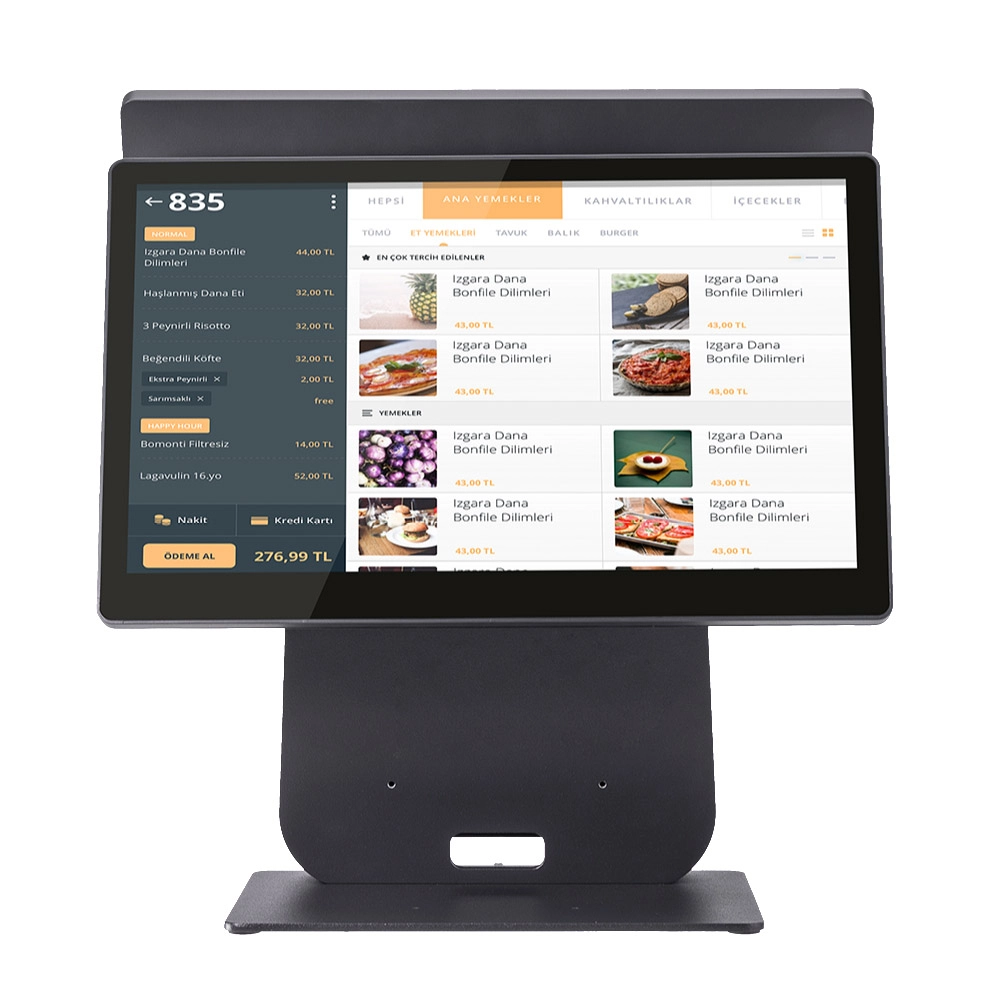
HD Dual Screen POS Machine Aluminum Hardware Android Windows Supplier
This dual-screen POS machine supports both Android and Windows systems, providing flexibility for various applications. The dual screens enhance customer interaction and streamline the checkout process, making transactions quicker and more engaging. Perfect for modern businesses looking to elevate their service and improve customer satisfaction, this POS machine is your ultimate partner in success!
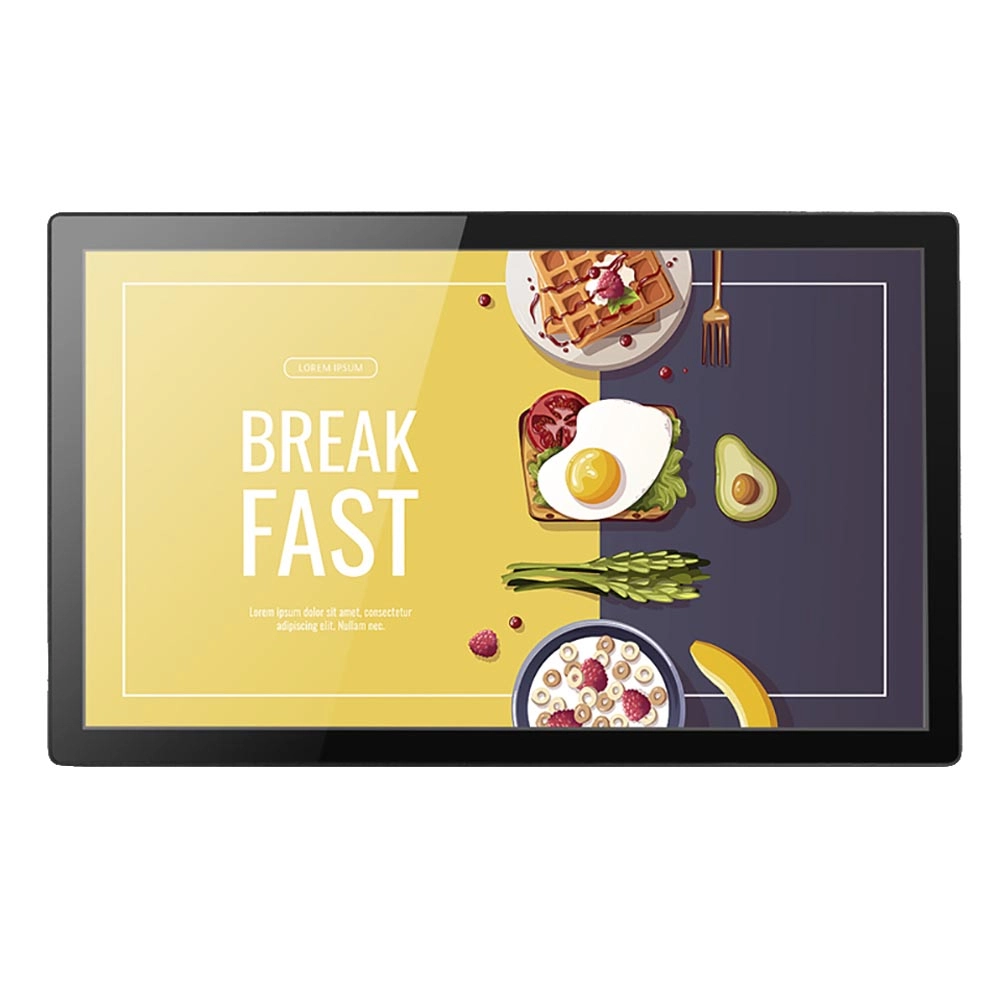
Wall Mount Cash Register POS 21.5 inch for Supermarket Touchscreen Windows Factory
Our sleek and modern wall-mounted POS system features a stunning 21.5-inch LED display, providing exceptional visibility and clarity for seamless customer interactions. The capacitive touchscreen ensures a highly responsive and intuitive user experience, perfect for fast-paced retail environments. With its space-saving wall-mounted design, this POS solution is ideal for optimizing floor space while maintaining a professional and contemporary appearance.
Get in touch
Interested in becoming a POS system dealer? Contact us for more information and start the process of joining our dealer network.
We look forward to working with you to expand the market together.


Copyright © 2025 Favorpos All Rights Reserved.
