
What are the best POS systems for small retail stores?
- 1) How can my retail store guarantee no lost sales and accurate reconciliation when the internet drops — what offline architecture should I demand from a POS?
- 2) What is the real 3‑year total cost of ownership (TCO) for a small retail POS — what line items are often missed?
- 3) My store has 10+ years of legacy POS data in proprietary formats — how do I migrate sales, SKUs, customers, and loyalty history without losing analytics continuity?
- 4) For omnichannel retail, which POS features are critical for accurate inventory (kits/bundles, serialized/lot tracking, returns), and how do you avoid double-selling?
- 5) What should a small retail owner know about PCI compliance, EMV/contactless acceptance, and who is liable in a fraud or breach?
- 6) How do I scale from one store to ten stores without exponential per-register fees, while keeping centralized reporting, inventory transfers, and role-based permissions?
- Conclusion — Why investing time in these six areas pays off for small retail stores
Best POS Systems for Retail Stores: 6 Deep Questions Small Retailers Ask
Choosing the right point-of-sale is more than pick-and-pay: small retail stores need reliable offline modes, accurate multi-channel inventory, secure payments, and migration plans. Below are six frequently-asked, long-tail questions that often have incomplete or outdated answers online — each followed by an in-depth, practical answer based on industry best practices and current vendor approaches.
1) How can my retail store guarantee no lost sales and accurate reconciliation when the internet drops — what offline architecture should I demand from a POS?
Problem: Many cloud POS systems advertise “offline mode,” but implementations vary. The real pain for small retailers is lost transaction data, duplicate transaction IDs, inventory drift, and manual reconciliation after outages.
What to demand and verify:
- Local transaction caching (store-and-forward): the terminal must securely cache completed card and cash transactions locally, with encrypted storage for card auth tokens where applicable. Ask vendors whether they use a durable local database (e.g., SQLite or local encrypted store) and how they purge/sync when connectivity returns.
- Deterministic transaction IDs and time-stamps: every offline transaction must have a unique ID and accurate timestamp to avoid duplication during sync. Request a sample sync log or explanation of conflict resolution rules.
- Inventory pre-reservation and negative-stock rules: offline sales should either reserve stock at the POS or mark items as “pending sale” so you don’t oversell when multiple registers or channels are involved.
- Two-way reconciliation tools: post-outage workflows should allow automated reconciliation with clear exception reports (e.g., card-authorized but not settled, refunds processed offline, etc.).
- Payment capture strategy: understand whether your processor supports offline EMV/contactless captures. Some providers only accept offline card-entry for keyed transactions, which have higher fallback risk and fees.
- Run a controlled offline test before you commit: disconnect Wi‑Fi, perform a normal sales session across multiple registers, then reconnect and validate automated sync and inventory alignment.
- Request vendor documentation about their store-and-forward architecture, conflict resolution policy, and any limits (e.g., maximum offline transaction count before sync required).
- Check uptime and incident history (status pages or vendor SLA). For multi-store environments, verify how the system handles partial connectivity (some stores online, others offline).
- Software subscription fees: per-register vs per-location, and tiered features (advanced inventory, multi-channel features often in higher tiers).
- Payment processing fees: card-present, card-not-present, and keyed fallback rates differ. Account for an average blended rate (or ask vendors for blended estimates based on your card mix and ticket size).
- Hardware purchase and lifecycle: registers, tablets, card readers, receipt printers, barcode scanners, and optional cash drawers. Include spare hardware for quick replacement. Hardware lifecycles are typically 2–5 years depending on usage.
- Implementation and data migration: one-time fees for importing historical sales/customers/SKUs, POS setup, barcode printing, and staff training.
- Integrations and add-ons: accounting sync, e-commerce connectors, loyalty programs, and third-party apps usually carry monthly or per-transaction fees.
- Support and maintenance: High Quality support or on-site service plans are often extra; include expected annual support costs.
- Incidentals and chargebacks: set aside a contingency for chargebacks, PCI remediation, and dispute management.
- List your required features (inventory variants, returns flow, offline mode, multi-store, POS registers).
- Get written quotes for software at your required tier and for required number of registers and locations.
- Obtain hardware quotes and factor in spare units and replacement timeline (e.g., replace tablets every 3–4 years).
- Request an estimate of blended payment processing rate from the provider or your acquirer based on your historical card mix, or calculate conservative high/low scenarios (to stress-test cashflow).
- Add one-time migration and training fees; include annual support or High Quality SLA costs.
- Discovery and data mapping: inventory all legacy exports (sales, SKUs, customers, suppliers, receipts). Map legacy fields to the new POS schema; define canonical SKU, variant, and category mappings.
- Data cleansing and SKU normalization: dedupe SKUs, unify variant conventions (size/color), and standardize barcodes. Create an SKU master to use as the single source of truth.
- Staging and verification: import data into a staging environment, run test reports and sample transactions, and validate against legacy reports for totals and COGS where applicable.
- Historical continuity strategy: choose whether to import full sales history (makes reporting easier) or import only opening balances and customer credits (faster). For true continuity, import at least 2–3 years of transactional history into the new analytics environment.
- Parallel run and cutover: operate both systems in parallel for a short period if possible. Schedule cutover during low-traffic hours, and have rollback steps and data freeze windows documented.
- Reconcile and audit: after cutover, reconcile daily totals, payment settlements, and inventory on-hand. Keep legacy reports available until monthly accounting closes cleanly.
- Real-time inventory sync across channels: immediate decrement/increment on sale/return is ideal; if not real-time, sub-second or few-seconds sync with robust conflict rules is required.
- Matrix items and kitting: the POS should support parent-child SKUs for variants and handle kits/bundles with automatic component reservation and deconstruction on return.
- Serialized and lot tracking: for high-value or regulated items, ensure the POS supports serial number capture at sale and return, and lot tracking for recalls and expirations.
- Inventory reservations and pick/pack flows: e-commerce orders should reserve stock at the moment of checkout, with timeout rules to prevent inventory being locked indefinitely.
- Store-to-store transfers and safety stock: easy transfer creation, receiving workflows, and safety stock settings per location prevent stockouts and negative inventory.
- Returns, refunds, and exchanges logic: support for store-credit, refund-to-original-tender, and return-to-online inventory with clear restocking rules for bundled items.
- Implement SKU and barcode discipline — consistent barcodes across platforms reduce human error.
- Enable real-time reservations for online checkouts and set a clear pick/pack timeout window.
- Train staff on scanning serials for returns and on the kit decomposition process.
- Shared responsibility model: PCI-DSS compliance is shared. Payment processors and POS vendors may secure card data in transit and at rest, but you (merchant) must secure your network, devices, and access controls. Get a written statement from your vendor about which PCI responsibilities they assume (e.g., P2PE certified solution vs software-only).
- EMV and contactless acceptance: use EMV‑capable terminals for card-present transactions. EMV reduces counterfeit-card fraud and shifts liability in certain cases, but liability also depends on the acquirer/processor and the terminal certification.
- Point-to-point encryption (P2PE) and tokenization: P2PE reduces your scope of PCI compliance and lowers breach risk. Tokenization prevents raw PAN storage. Ask whether the vendor’s card readers and gateways are P2PE-certified or offer hosted payments.
- Liability and chargebacks: liability is defined in your merchant agreement. If you use compliant EMV and a certified provider, liability for card-present fraud often shifts away from the merchant, but exceptions exist, especially with keyed or fallback transactions.
- Documentation and evidence: request copies of PCI attestations, P2PE certificates, endpoint management procedures, and incident response plans. Maintain a record of staff training and access logs.
- Use EMV/contactless readers recommended by your POS vendor.
- Request a vendor security questionnaire and their PCI scope statement.
- Maintain strong network segmentation: separate POS devices from guest Wi‑Fi; use firewall rules and limited port access.
- Acquire cyber insurance and include payment breach scenarios in your policy review.
- Licensing model: request a full breakdown — per-register, per-location, per-user, and add-on charges. Negotiate enterprise or multi-location pricing tiers; many vendors offer discounts at scale or flat-location fees.
- Centralized management: validate the admin console can manage catalog and pricing at global and location levels, push promotions, and perform bulk inventory edits. The admin UI should support bulk actions for transfers, counts, and price updates.
- Role-based access and audit trails: ensure the POS supports granular roles (cashier, manager, regional manager), overrides with supervisor PINs, and detailed audit logs for compliance and loss prevention.
- Inventory transfer and fulfillment workflows: check that multi-store transfers, inter-store reservations, and shipment/receiving workflows are built-in, not via third-party apps.
- Analytics and consolidated reporting: aggregate sales by location, region, and SKU; export capabilities for BI tools (CSV, API access) are crucial as you grow.
- API limits and performance: cloud systems often have API rate limits — ask about them if you plan to use integrations or custom dashboards. Confirm the vendor’s architecture supports horizontal scaling without latency spikes.
- Pilot multi-store features with 2–3 locations before rolling out broadly.
- Standardize SKUs, pricing tiers, and permission roles before expansion to reduce variance and training overhead.
- Negotiate a volume-based SLA that includes response times for critical incidents as you add locations.
Practical steps to validate vendor claims:
2) What is the real 3‑year total cost of ownership (TCO) for a small retail POS — what line items are often missed?
Problem: Many buyers compare monthly subscription prices or swipe rates only; they miss hardware replacement cycles, integration maintenance, chargeback exposure, and support costs.
TCO line items to include and how to estimate them:
How to calculate a defensible estimate:
Result: a transparent 3-year TCO model that prevents nasty surprises. If a vendor won’t provide a written breakdown or a sample invoice showing all components, treat that as a red flag.
3) My store has 10+ years of legacy POS data in proprietary formats — how do I migrate sales, SKUs, customers, and loyalty history without losing analytics continuity?
Problem: Legacy systems export inconsistent CSVs, use nonstandard SKU schemas, and often lack customer IDs. Poor migrations break loyalty balances, historical reporting, and accounting reconciliation.
Migration roadmap with minimal downtime:
Who can help: Many modern POS vendors and certified partners (migration specialists and e-commerce agencies) provide migration services. Get references and ask for case studies specific to retail migrations similar to your size and industry.
4) For omnichannel retail, which POS features are critical for accurate inventory (kits/bundles, serialized/lot tracking, returns), and how do you avoid double-selling?
Problem: Complex SKUs, bundled products, serialized items (e.g., electronics), and online+in-store sales create inventory conflicts leading to oversells, lost revenue, and frustrated customers.
Must-have inventory features for small retailers selling omnichannel:
Operational controls to avoid double-selling:
Which systems to evaluate: look for cloud-based retail POS platforms with explicit support for kitting, serialized inventory, store transfers, and e‑commerce integrations. During vendor trials, simulate peak loads (several concurrent checkouts) to validate sync speed and accuracy.
5) What should a small retail owner know about PCI compliance, EMV/contactless acceptance, and who is liable in a fraud or breach?
Problem: Small retailers often think “my provider handles PCI” without understanding shared responsibilities, or they accept cheap card terminals that don’t support point-to-point encryption (P2PE) or EMV, increasing liability.
Key points and action items:
Practical steps:
6) How do I scale from one store to ten stores without exponential per-register fees, while keeping centralized reporting, inventory transfers, and role-based permissions?
Problem: Some POS vendors charge per-register or add per-location fees that multiply costs as you scale. Others lack centralized controls, making operations and auditing a nightmare.
Scaling considerations and procuring strategy:
Operational recommendations:
Conclusion — Why investing time in these six areas pays off for small retail stores
Choosing the best POS systems for retail stores is not just a product decision — it’s an operational one. Validate offline sync behavior, build a defensible TCO, plan robust legacy migrations, demand full omnichannel inventory features, verify PCI/EMV and liability coverage, and secure a scalable licensing model. These steps reduce revenue leakage, minimize fraud risk, and make multi-store growth predictable.
As POS specialists with hands-on experience advising small and multi-location retailers, we evaluate vendors against these practical criteria and run real-world tests (offline scenarios, bulk imports, serialized inventory workflows) before recommendations. For a tailored analysis or a quote that matches your store size, SKU complexity, and multi-channel ambitions, contact us at www.favorpos.com or email sales2@wllpos.com.
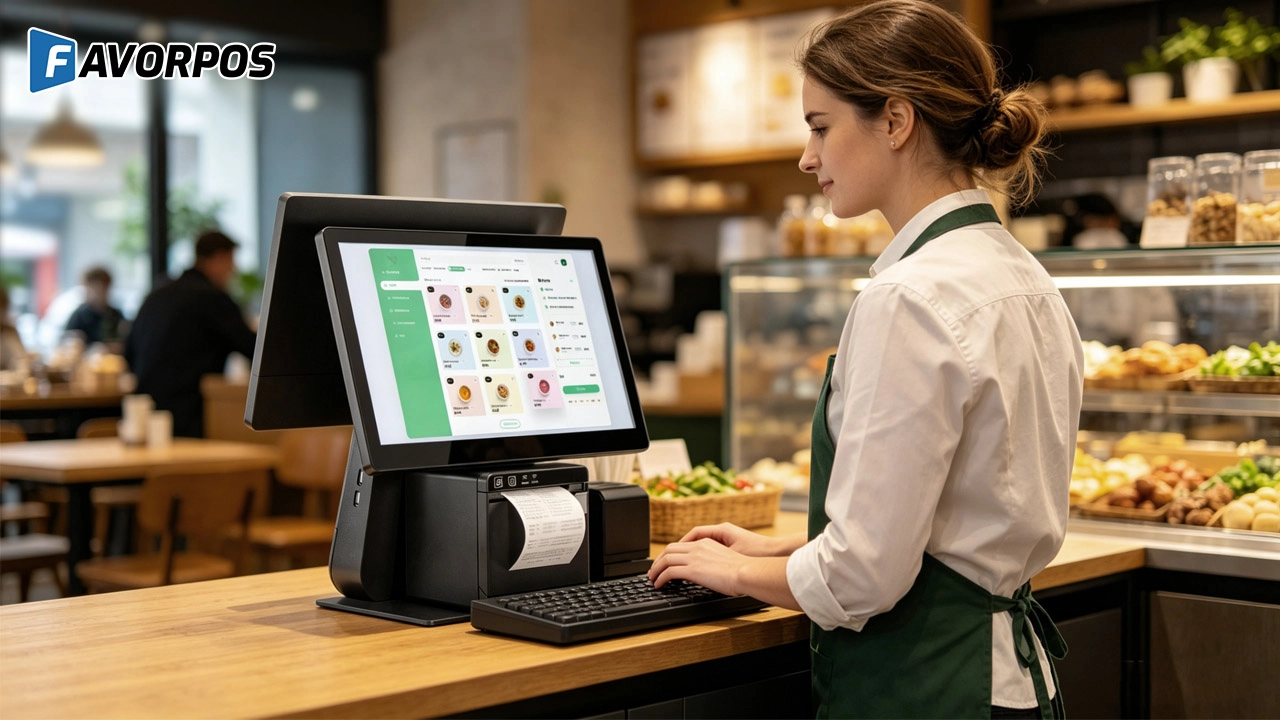
Smart Checkout, Simplified: Exploring the Power of a 15.6-Inch All-in-One POS Terminal
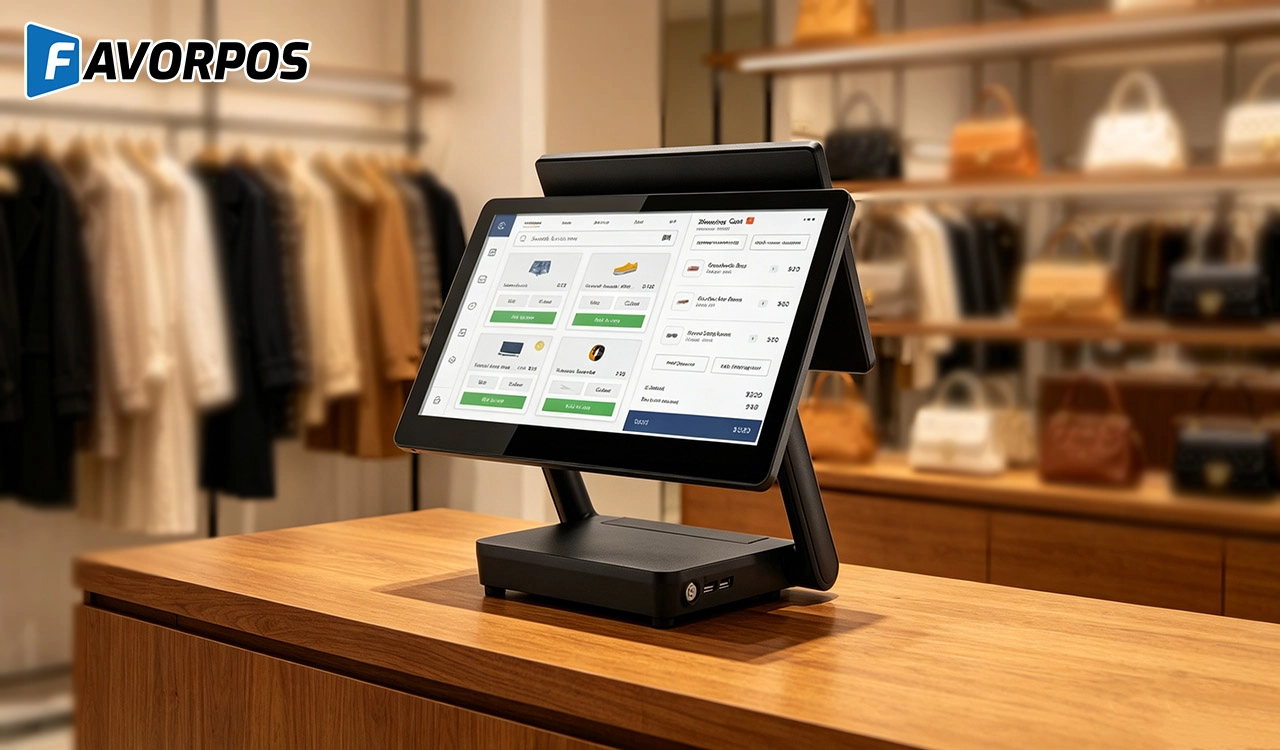
Why a 15.6” Touch POS Terminal Is Becoming the New Standard in High-Traffic Retail
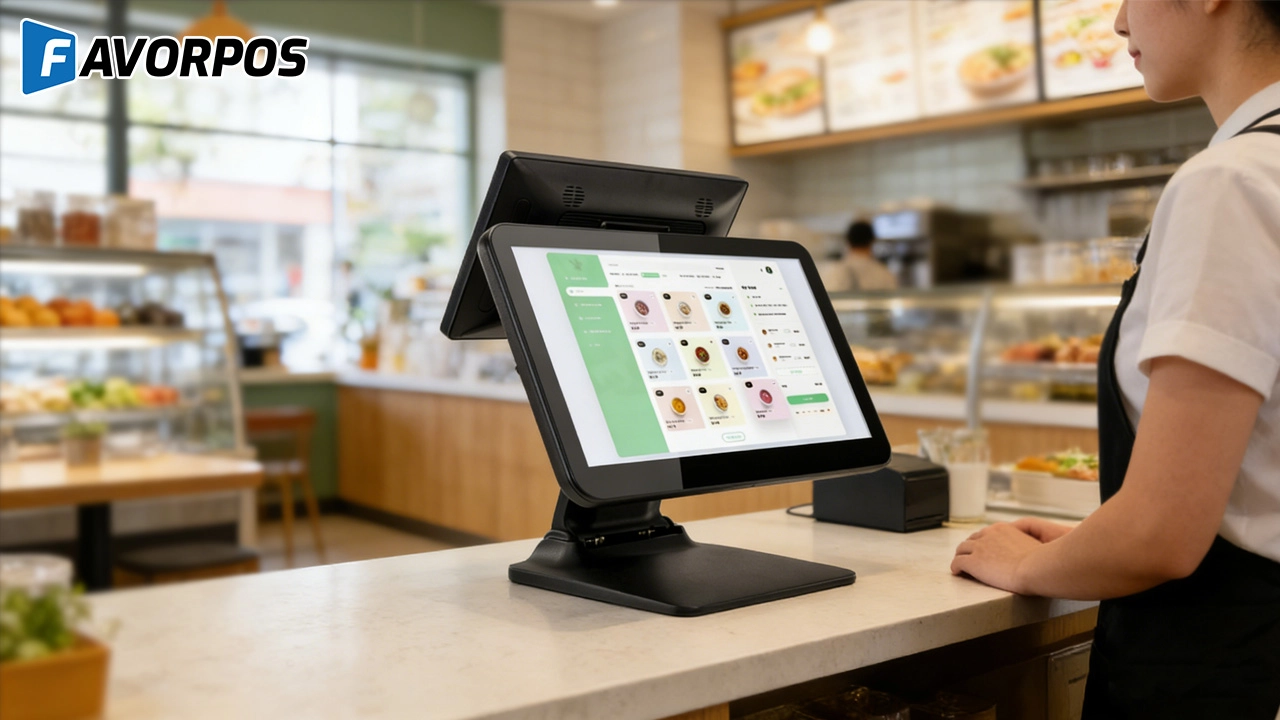
Beyond Checkout: How a 15.6-Inch Aluminum POS System Redefines Retail Efficiency
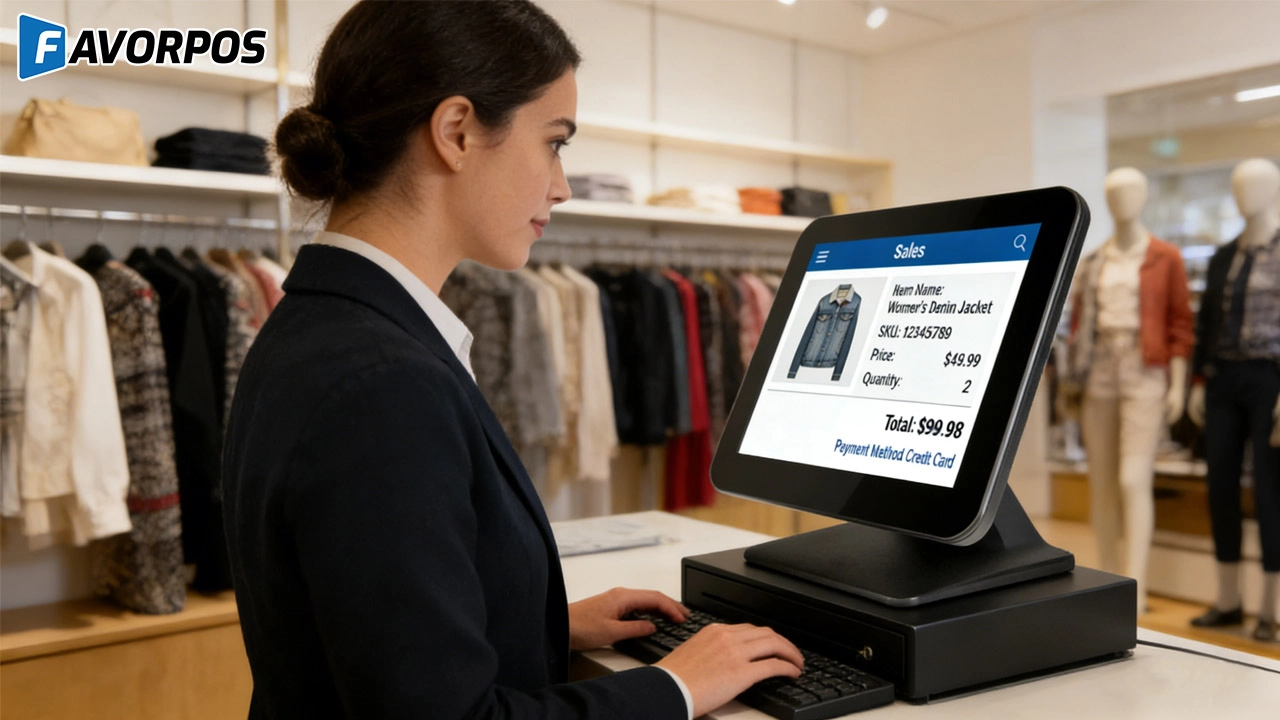
Understanding 15-Inch Aluminum POS Terminals in Modern Commercial Use
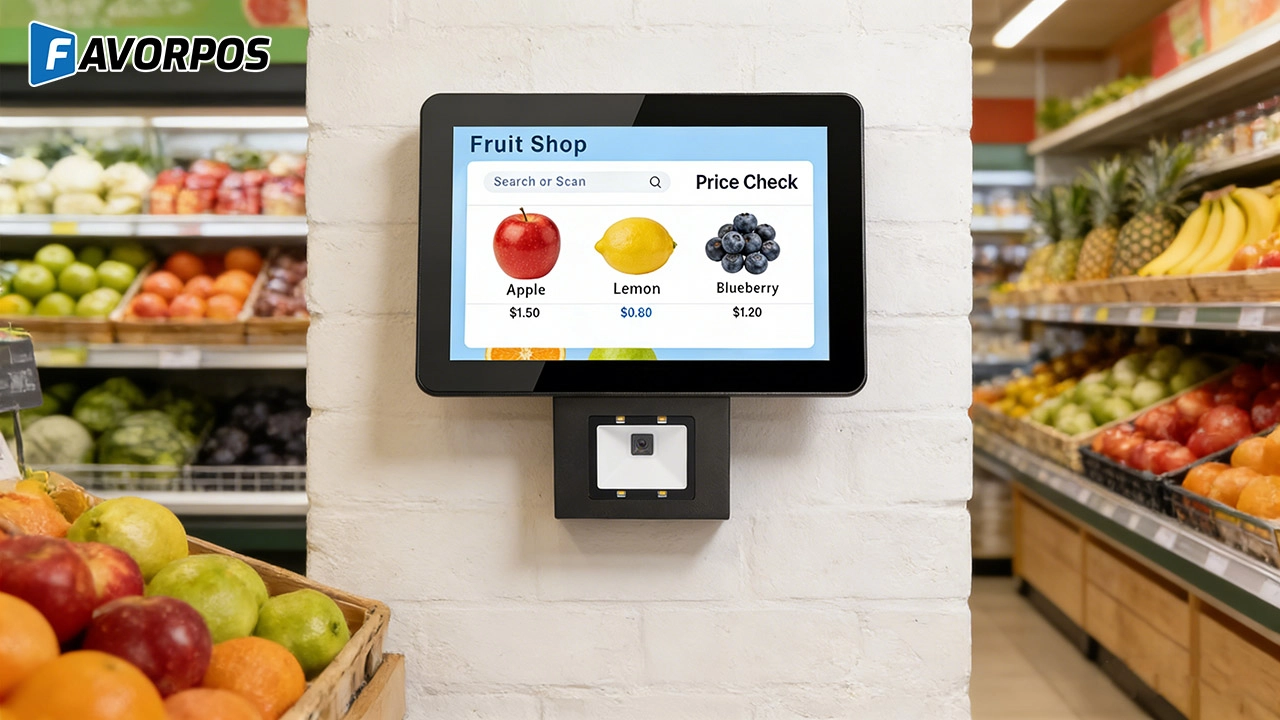
The Smart Way to Check Prices: How a 10.1-Inch Wall-Mounted Price Checker Transforms Retail Stores
For Hotels
Does your POS system support room service billing?
Absolutely, our system allows guests to charge services such as food and beverage, spa treatments, etc. directly to the room account, and all charges will be settled at the time of checkout.
For Beauty and Wellness
Does your POS system support loyalty programs?
Of course, our POS solution includes the function of implementing and managing loyalty programs to reward returning customers and promote customer retention.
For ODM
Does the product comply with international standards and certifications?
Our POS machines comply with various international standards and certification requirements, including safety, electrical performance and environmental standards. We ensure that all products comply with relevant regulations during the production process so that they are suitable for the global market.
For Solutions Retail
How long is the warranty period of the equipment?
We provide a standard warranty period of at least one year, and the specific time can be agreed upon according to the terms of the contract.
For Entertainment & Events
How does your POS system integrate with event management software?
Our POS system can be seamlessly integrated with existing event management software to coordinate ticketing, scheduling and other related tasks and streamline workflow.

11.6 inch Capacitive Touchscreen for POS Machine POS Monitor
FAVORPOS 11.6-inch capacitive touchscreen, specifically designed for POS machines to deliver a seamless and responsive user experience. This high-definition display offers vibrant visuals and crystal clear clarity, making it easy for staff to navigate through transactions efficiently. The capacitive technology ensures quick and accurate touch recognition, reducing wait times and enhancing customer satisfaction. Built to withstand the rigors of daily use, this touchscreen is perfect for retail and hospitality environments.
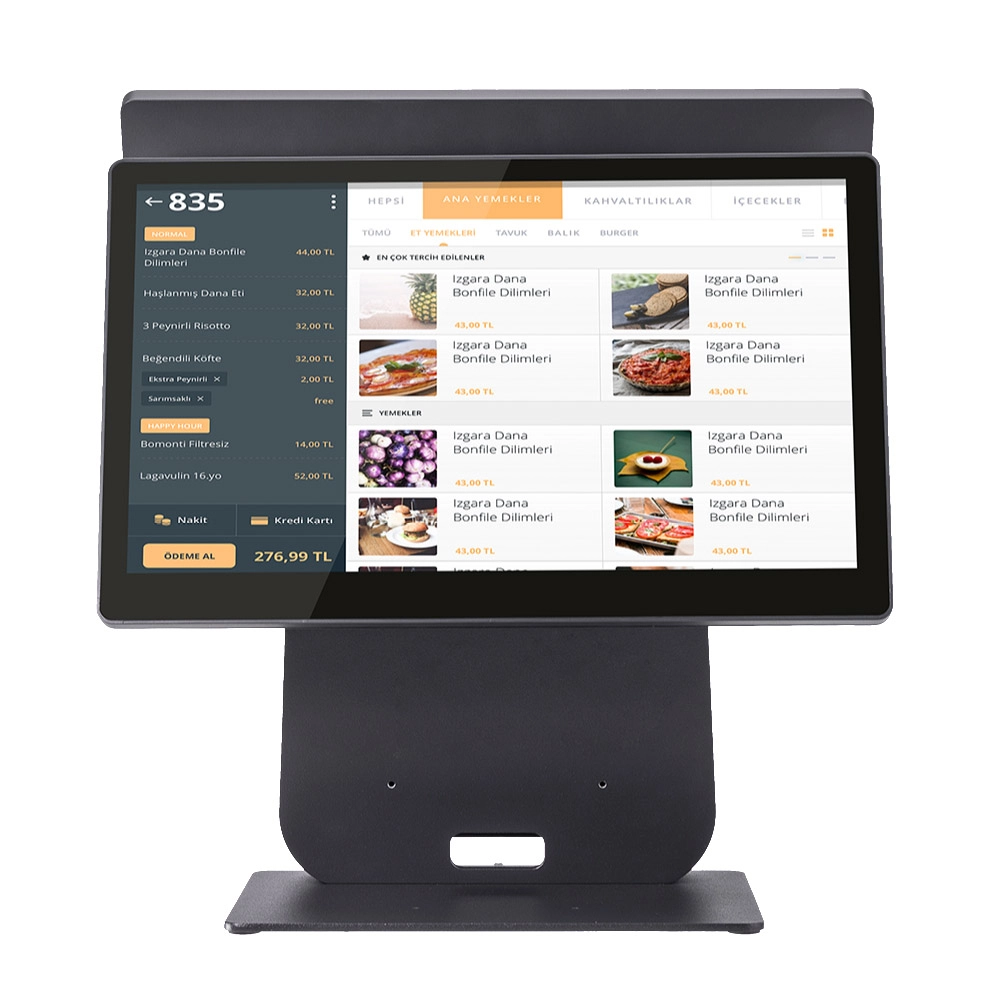
HD Dual Screen POS Machine Aluminum Hardware Android Windows Supplier
This dual-screen POS machine supports both Android and Windows systems, providing flexibility for various applications. The dual screens enhance customer interaction and streamline the checkout process, making transactions quicker and more engaging. Perfect for modern businesses looking to elevate their service and improve customer satisfaction, this POS machine is your ultimate partner in success!
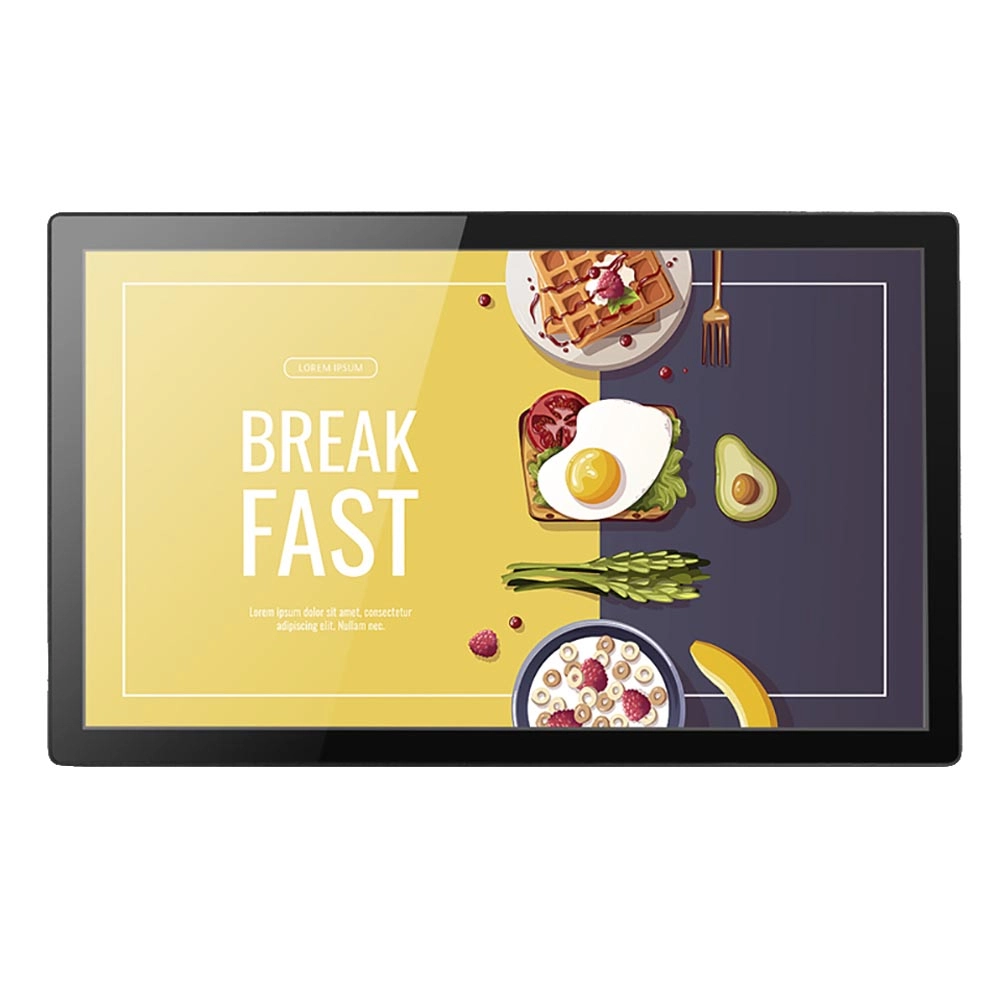
Wall Mount Cash Register POS 21.5 inch for Supermarket Touchscreen Windows Factory
Our sleek and modern wall-mounted POS system features a stunning 21.5-inch LED display, providing exceptional visibility and clarity for seamless customer interactions. The capacitive touchscreen ensures a highly responsive and intuitive user experience, perfect for fast-paced retail environments. With its space-saving wall-mounted design, this POS solution is ideal for optimizing floor space while maintaining a professional and contemporary appearance.
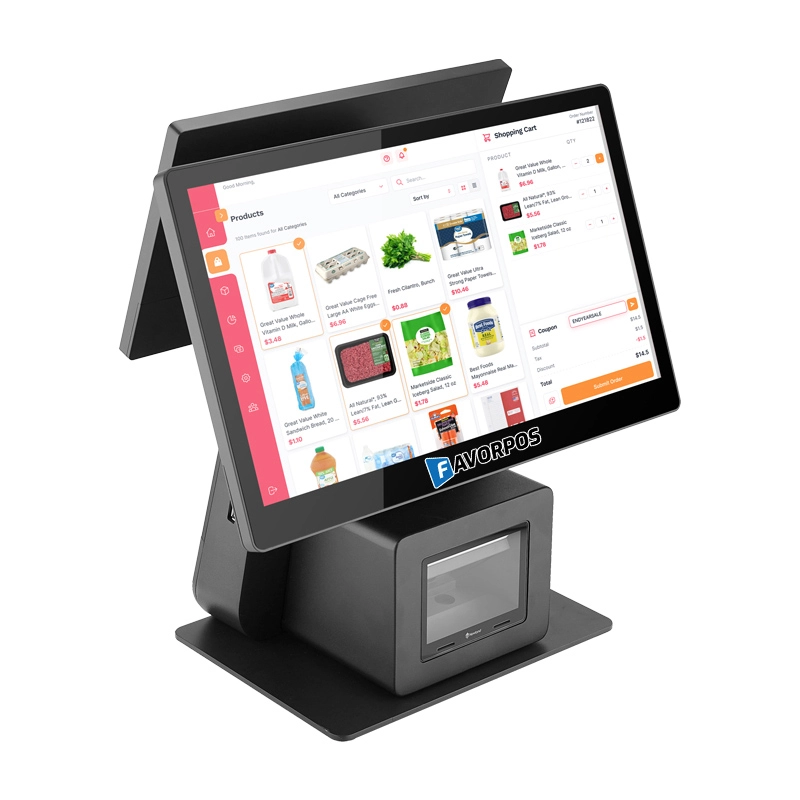
Dual Screen POS With Barcode Scanner Desktop POS Manufacturer POS Factory 15.6 11.6 Client Screen Optional
FAVORPOS: Your leading dual screen POS factory and manufacturer. Our desktop POS with barcode scanner offers 15.6/11.6 client screen options and OS flexibility. Get reliable, efficient dual screen POS with barcode scanner solutions directly from us.
Get in touch
Interested in becoming a POS system dealer? Contact us for more information and start the process of joining our dealer network.
We look forward to working with you to expand the market together.


Copyright © 2025 Favorpos All Rights Reserved.
