
What features should liquor store POS systems have in 2026?
- question
- 1) How can my POS automatically calculate and reconcile state alcohol taxes, bottle deposits (CRV/DEQ) and reporting for mixed baskets at checkout?
- 2) What is the best approach to real-time age verification at POS to reduce false refusals while remaining compliant? (ID scanning, logs, and privacy)
- 3) How can an AI-driven liquor inventory forecasting module in a POS actually reduce overstock/stockouts for seasonal wines and limited-release spirits?
- 4) How should I configure SKU-level pricing in POS to handle mixed packs, fractional case sales and keg/growler fills while keeping accurate ABC/TTB inventory and cost records?
- 5) What loss-prevention and anomalous transaction detection features should a liquor store POS include to detect barcode-switch scams, coupon abuse and internal theft?
- 6) How do I select a POS that supports omnichannel alcohol sales (store pickup, local delivery, marketplace fulfillment) while maintaining age verification, licensing and tax compliance across channels?
- Conclusion: Advantages of upgrading to a modern liquor store POS in 2026
What Features Should Liquor Store POS Systems Have in 2026?
Buying a liquor store POS system in 2026 requires more than basic checkout functions. Below are six specific, pain-point-oriented questions beginners frequently ask but rarely find up-to-date, in-depth answers to. Each
question
is followed by a detailed, practical answer that references current compliance and technology expectations for alcohol retailers.1) How can my POS automatically calculate and reconcile state alcohol taxes, bottle deposits (CRV/DEQ) and reporting for mixed baskets at checkout?
Why this matters: alcohol tax rates, excise rules and container deposit programs (e.g., California CRV, Oregon deposits) vary by jurisdiction and often change. Customers expect fast checkout; you need accuracy for margins and to avoid audits.
In-depth solution:
- Geo-based tax tables: Choose a POS that supports geo-fencing or locality-based tax matrices so the system applies the correct excise and sales taxes depending on store location and, for delivery, the destination address. This prevents manual overrides and audit headaches.
- Container deposit engine: The POS should include a configurable “deposit” line item type (CRV, bottle deposit, environmental fee) that can be applied automatically by SKU attributes or product categories and reversed on returns. It must support multiple deposit schemes in the same register (useful for multi-state chains).
- Composite/mixed-basket rules: Configure rule sets so the POS can apply case discounts, mixed-pack pricing or promotional pricing without disabling deposit or excise calculation. The pricing engine should evaluate product-level modifiers first (e.g., deposit) then bundle discounts, ensuring transparent receipts and correct taxable amounts.
- Reconciliation & reporting: Daily and monthly audit reports should break down gross sales, taxable base, excise collected, deposit collected vs. refunded, and supplier returns. Export formats (CSV/Excel) and automated summary emails make filing state excise returns and audits practical.
- Regulatory watch & updates: Use a POS vendor that pushes tax and deposit rule updates (or provides an API hook) so changes in state programs are applied promptly. Because rules change frequently, this is a critical support capability.
2) What is the best approach to real-time age verification at POS to reduce false refusals while remaining compliant? (ID scanning, logs, and privacy)
Why this matters: refusing legitimate sales harms revenue; accepting underage purchases risks huge fines and license loss. Many online answers are outdated because ID-scanner tech, OCR and privacy rules have evolved.
In-depth solution:
- ID-scanner + software validation: Use a hardware ID scanner integrated with your POS that performs OCR, timestamped DOB comparison and flagging. Look for scanners that support back-end SDKs and match against state-specific ID formats to reduce false-negative scans.
- Multi-factor verification: Combine scanner data with cashier prompts (visual age indicator on the screen) and optional biometric confirmation for high-risk transactions. This creates a layered defense without slowing checkout.
- Event logging & audit trail: The POS must store non-sensitive audit events (no raw ID images unless permitted) — e.g., timestamp, ID type, DOB match result, operator ID and transaction ID — to produce an evidentiary trail in case of compliance checks. Ensure logs are tamper-evident and exportable for regulators.
- Privacy & retention: Comply with local privacy laws. In many jurisdictions retaining raw ID images is not allowed. Instead retain hashed or tokenized verification events for a legally compliant retention period. Ask vendors for their data retention and encryption policies (PCI-DSS aligned storage for any sensitive data).
- False-positive reduction: Train the scanner on common ID wear patterns (lamination scratches, holograms) and update firmware. Also provide cashier override workflows with mandatory manager approval and a recorded reason to limit misuse.
3) How can an AI-driven liquor inventory forecasting module in a POS actually reduce overstock/stockouts for seasonal wines and limited-release spirits?
Why this matters: seasonal demand, limited-run spirits, and wine vintages create inventory risk. Generic reorder points lead to excess carrying costs or missed sales.
In-depth solution:
- Demand segmentation: The POS should segment SKUs into demand classes—core staples, seasonal, limited-release, promotional—then apply different forecasting algorithms (exponential smoothing for staples, event-driven models for limited releases).
- Ingest multi-source signals: AI forecasting works best when the model uses POS sales history, promotions calendar, supplier lead times, external signals (public holidays, local events), and weather data when relevant. A modern system ingests these signals into a unified forecasting engine.
- Probability-based reorder suggestions: Rather than single reorder points, the POS should present reorder ranges with service-level probabilities (e.g., reorder 12–18 bottles for a 95% no-stockout probability) and cost-to-carry tradeoffs to help purchasing decisions.
- Limited-release allocation: For allocation drops, the system should support rule-based allocations by customer loyalty tier and historical purchase behavior, plus a reserve pool for walk-in sales. This reduces lost goodwill and administrative manual allocation work.
- KPI dashboards & what-if simulations: Forecast outputs should be visual, show confidence intervals, and allow managers to simulate promotions and delivery delays. Exportable procurement suggestions speed supplier orders and reduce human error.
4) How should I configure SKU-level pricing in POS to handle mixed packs, fractional case sales and keg/growler fills while keeping accurate ABC/TTB inventory and cost records?
Why this matters: liquor retailers sell by bottle, case, growler, keg or mixed packs. Misconfigured SKUs create COGS distortion and regulatory problems.
In-depth solution:
- Hierarchical SKU model: Implement SKU parent-child relationships: parent=case, child=bottle, variant=pack size. The POS should manage conversions automatically (e.g., 1 case = 12 bottles) so sales and returns adjust inventory consistently.
- Fractional sales & flow tracking: For keg and growler fills, integrate point-of-sale with flow meters or weigh scales to record exact volumes sold and decrement keg-level inventory in liters/gallons. This preserves accuracy for excise reporting and profitability per volume.
- Promotions & mixed-pack pricing rules: Configure the pricing engine to evaluate item-level promos first, then bundle discounts. Support overlapping promotions with a predictable priority ladder (e.g., manager override > automatic store promo > loyalty discount) and clear receipt line items so customers and auditors can see calculations.
- Cost layer integrity: The POS must preserve consistent cost layers (FIFO or weighted average) through mixed-unit transactions so COGS is accurate. This matters for monthly margin reports and tax filings with bodies such as state alcohol regulators or the TTB in the U.S.
- Transfer & spoilage workflows: Provide transfer workflows between stores and an audit trail for damaged/returned bottles or expired promotional stock so shrinkage is tracked separately from sales.
5) What loss-prevention and anomalous transaction detection features should a liquor store POS include to detect barcode-switch scams, coupon abuse and internal theft?
Why this matters: liquor is a high-value, easy-to-resell product. Legacy POS systems log transactions but often lack analytics to surface suspicious patterns.
In-depth solution:
- Real-time anomaly detection: A modern POS should run lightweight ML models to flag anomalies in real time—for example, high-value transactions outside normal hours, frequent manager overrides, repeated single-item voids, or price edits on high-value spirits. Flagged transactions should route to a manager review queue before end-of-day closing.
- Receipt & barcode verification: Use weighted barcode scanning strategies (scanning both bottle and box UPCs, or requiring case barcode at receive and bottle barcode at sale) and flag transactions where products scanned at checkout don’t match recently received SKUs or expected shelf counts.
- Role-based controls & tamper-evident logs: Enforce least-privilege cashier roles and a tamper-evident audit trail for overrides and price changes. Logs should be exportable to forensic tools for investigations.
- POS + camera integrations: Integrate register events with video timestamps for quick investigative playback. AI-assisted video search (matching a flagged transaction timestamp to recorded frames) reduces investigator time.
- Loyalty & coupon fraud controls: Tie coupon redemptions and loyalty redemptions to customer profiles and purchase history; limit same-day high-value redemptions and require manager approval for large discounts on restricted SKUs.
6) How do I select a POS that supports omnichannel alcohol sales (store pickup, local delivery, marketplace fulfillment) while maintaining age verification, licensing and tax compliance across channels?
Why this matters: shoppers expect omnichannel purchasing. Each channel introduces distinct compliance and fulfillment risks—especially age verification on delivery and marketplace fulfillment rules.
In-depth solution:
- Unified order orchestration: The POS should accept orders from web/e-commerce, marketplaces and phone, and harmonize them into a single fulfillment workflow so stock allocations are accurate and double-sells are avoided.
- Channel-specific compliance hooks: For curbside and delivery, require a driver-facing verification workflow at delivery that includes an ID check, photograph or signature policy where legal, and a delivery log entry. For marketplace sales, the POS must attach required license and tax data to outbound orders so marketplace partners (e.g., local delivery platforms) can validate and accept them.
- Geo-tax and destination rules: For deliveries, taxability can change by destination. The POS needs destination-based tax calculation, deposit application and an automated way to flag non-servicable ZIP codes to avoid illegal deliveries.
- Inventory segmentation & reservation windows: Support inventory reservations for pickup and delivery with configurable hold windows to reduce no-shows and inventory leaks. Auto-release inventory back to available stock after the window expires.
- Integration & APIs: Ensure the POS offers robust APIs or pre-built integrations with leading e-commerce platforms, delivery/driver apps, and marketplaces to keep data synchronized. Test the integration for payment capture flow and age verification handoff.
Data & compliance notes: PCI-DSS and EMV remain baseline security expectations for card payments; for alcohol-specific oversight in the U.S., maintain records and be ready to export transaction and ID verification logs for state agencies and the TTB if required. Always verify local state laws for delivery and deposit programs, and select POS vendors who publish their compliance and data-retention policies.
Conclusion: Advantages of upgrading to a modern liquor store POS in 2026
Upgrading to a modern liquor store POS system delivers measurable benefits: accurate tax and deposit handling, reduced compliance risk through robust age verification and tamper-evident logging, lower inventory carrying costs via AI forecasting, precise mixed-unit and keg inventory control, and stronger loss-prevention backed by real-time analytics. Omnichannel readiness increases sales while the right integrations secure margins and regulatory compliance.
If you want a tailored quote or need a demo of a liquor-store-focused solution with age verification, inventory forecasting, and omnichannel integrations, contact us for a quote: www.favorpos.com or email sales2@wllpos.com.
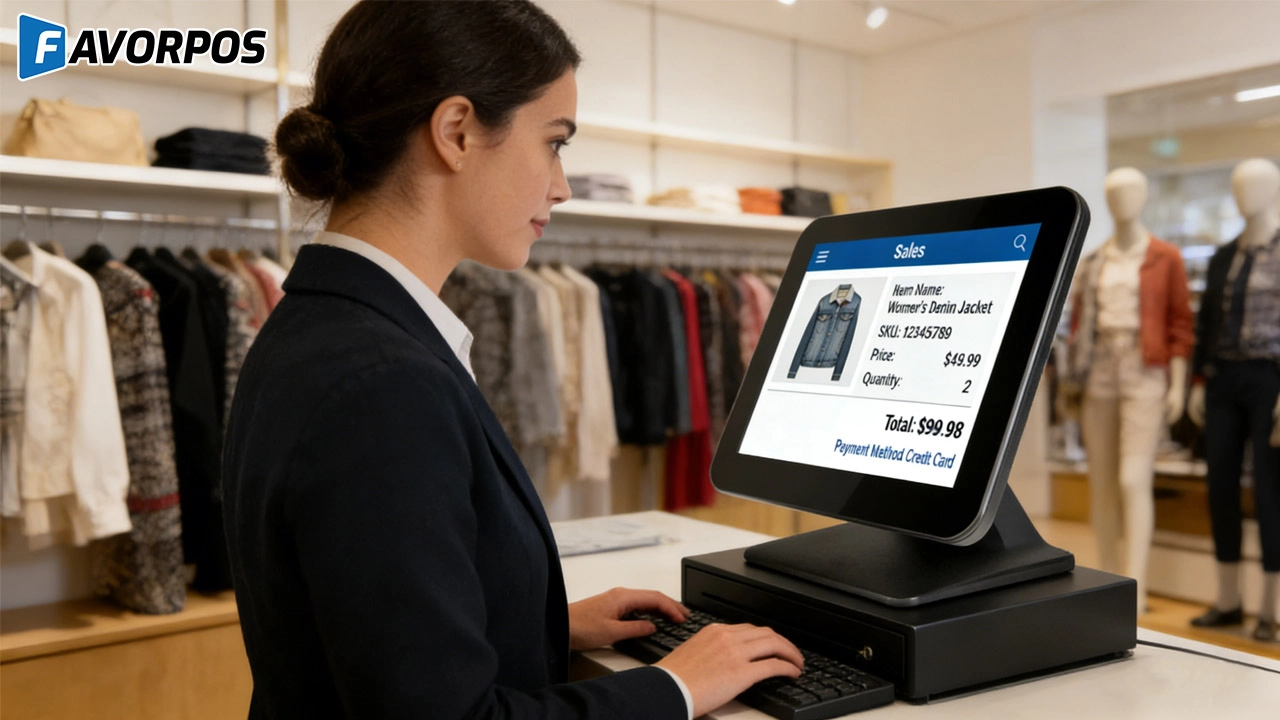
Understanding 15-Inch Aluminum POS Terminals in Modern Commercial Use
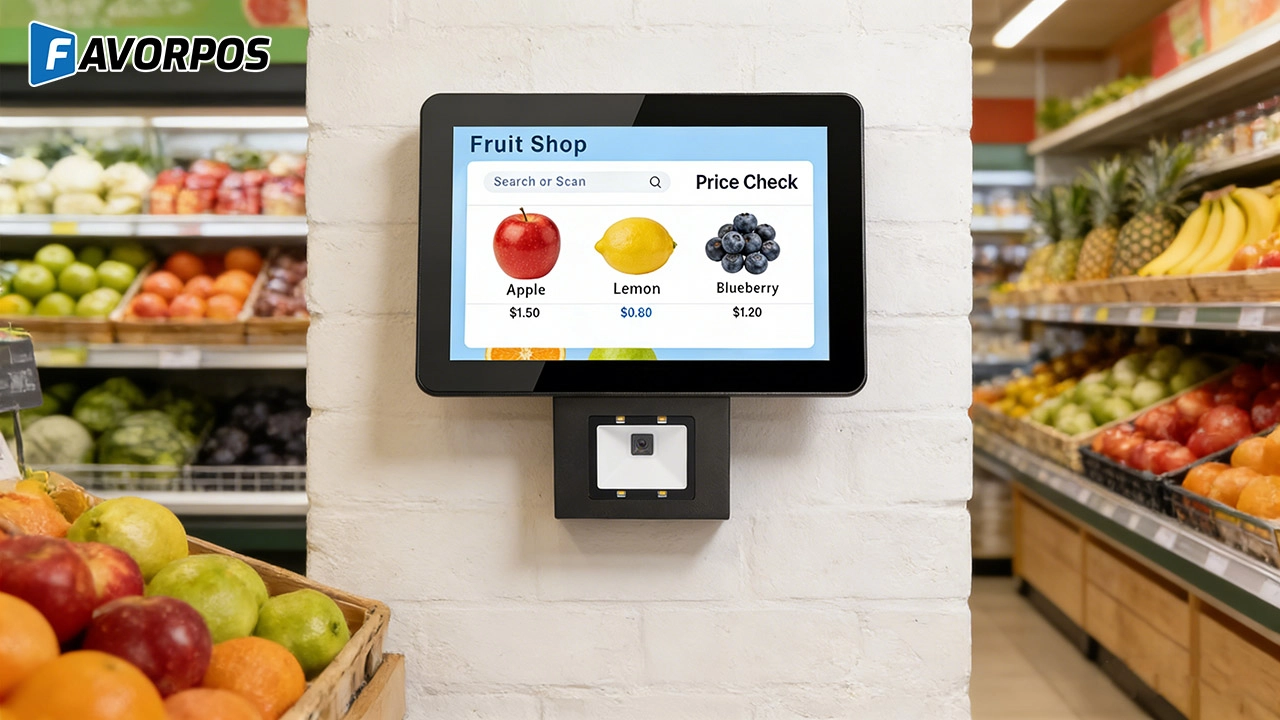
The Smart Way to Check Prices: How a 10.1-Inch Wall-Mounted Price Checker Transforms Retail Stores
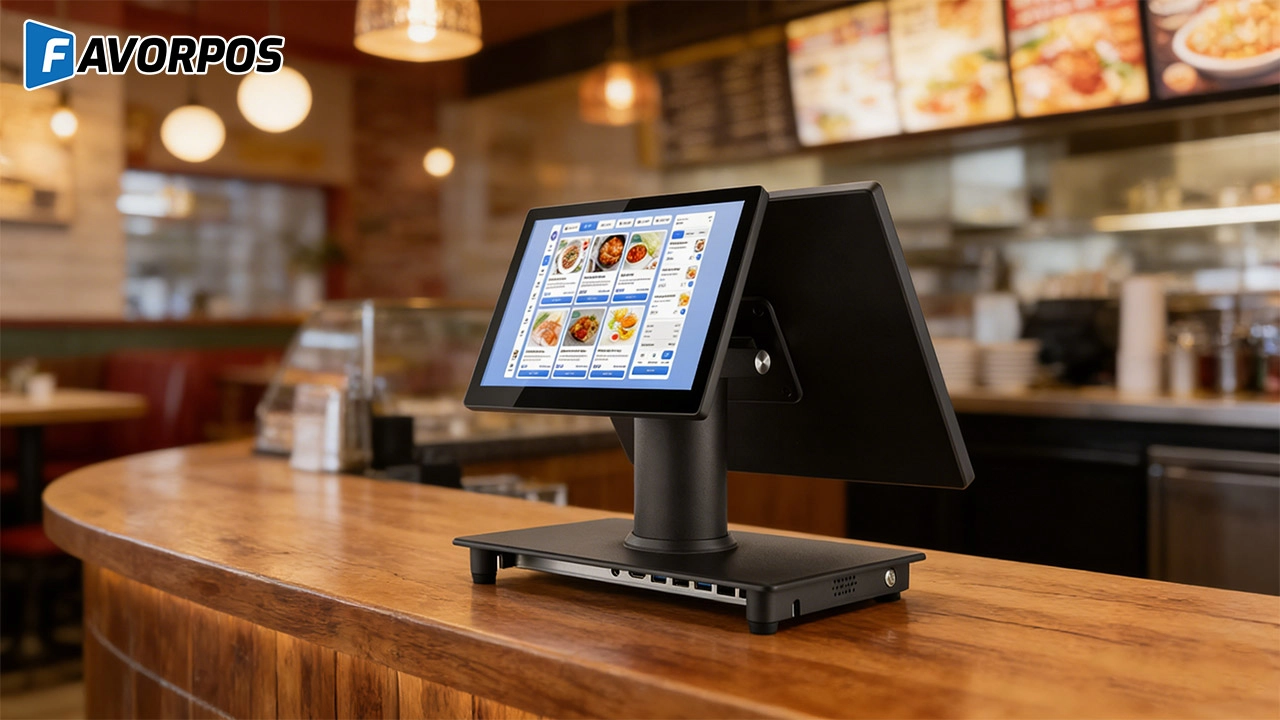
A Smarter Checkout Experience: The 15-Inch Dual-Screen POS Built for Modern Retail
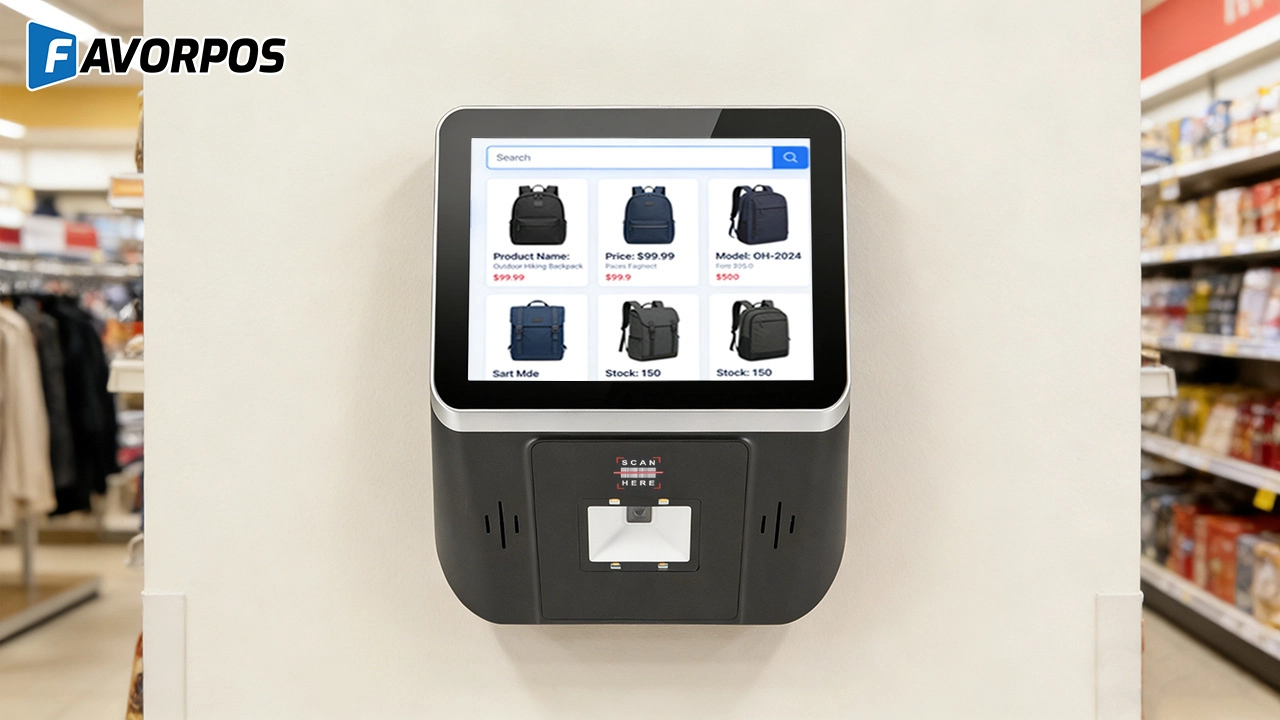
8-Inch Smart Price Checker: A Small Device Powering Smarter Retail Spaces
Built for Retail Precision: Manufacturing Excellence Behind the 11.6” Smart Price Checker
For Entertainment & Events
How does your POS system integrate with event management software?
Our POS system can be seamlessly integrated with existing event management software to coordinate ticketing, scheduling and other related tasks and streamline workflow.
For company
How much does customization cost?
The cost varies according to customization requirements. We will provide a detailed quotation after understanding your specific needs.
For OEM
How to deal with warranty and repair issues of POS machines?
We provide warranty services for customized POS machines. The warranty period and coverage are subject to specific contracts. During the warranty period, if the device fails, we will provide free repair services. You can submit a repair request through our after-sales service team, and we will handle your problem as soon as possible.
What kind of OEM service do you provide?
OEM (Original Equipment Manufacturer) service means that we provide services such as printing logos and custom packaging to customers according to their needs.
For E-commerce
How long does it take to implement a POS system?
Implementation time depends on the complexity of the customization, but it can usually be completed within a few weeks, including testing and training.
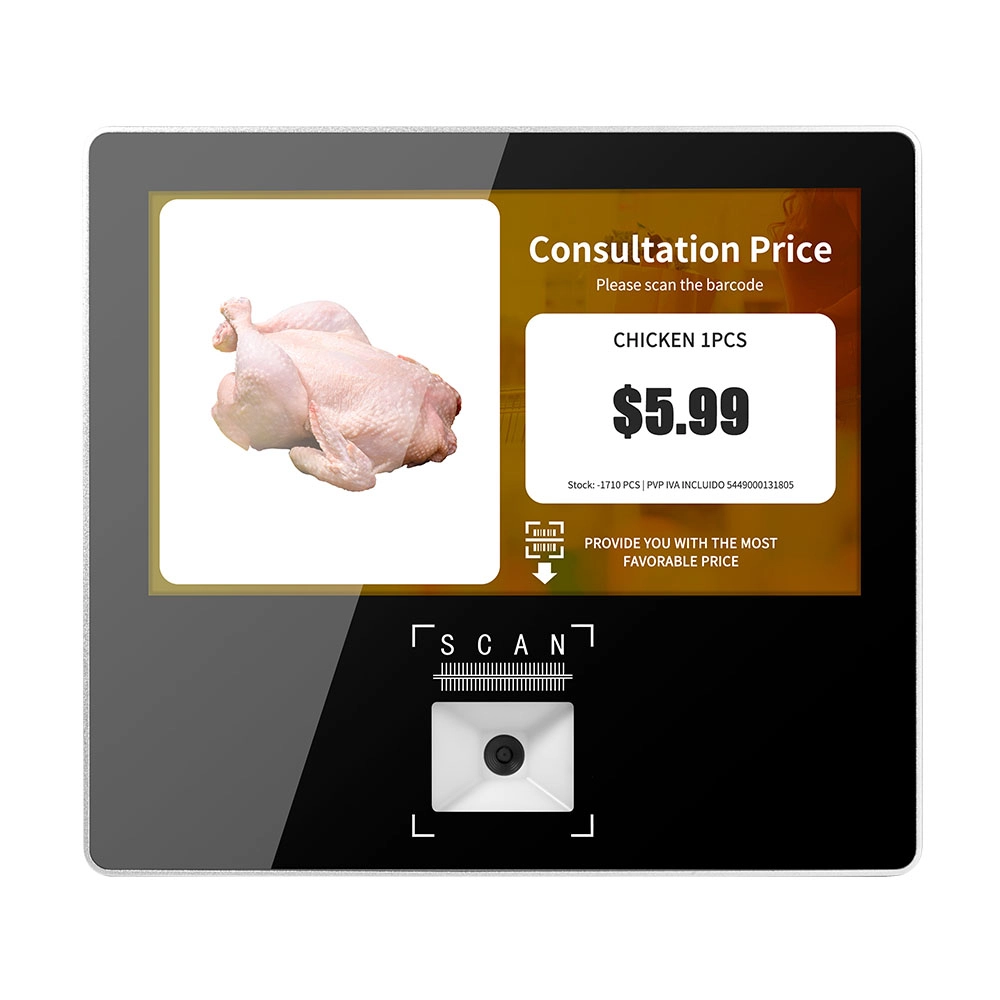
Metal 11.6 inch Price Scanner Machine Android Windows with Wifi Supplier
FAVORPOS Metal 11.6-inch Price Scanner Machine, designed for durability and efficiency in retail environments. This versatile device operates on both Android and Windows, providing seamless functionality for various applications. With built-in Wi-Fi connectivity, it allows for quick access to pricing data and updates. The 11.6'' display ensures clear visibility for easy operation, making it perfect for price checking and inventory management. Enhance your retail experience with this reliable and robust price scanner from a trusted supplier!

10 inch Price Checker Device Supplier Barcode Scanner for Sale Price Check for Supermarket
FAVORPOS offers 10 inch Price Checker Device, perfect for supermarkets. This wall mounted 10 inch touch screen barcode scanner ensures fast, accurate price checks, enhancing customer experience and operational efficiency. Durable, user-friendly, and perfect for high-traffic retail environments.

Aluminum Dual Screen Pos Terminal Pos Systems 15.6 inch Touchscreen Pos
FAVORPOS Aluminum Dual Screen POS Terminal features a 15.6-inch touchscreen, ideal for seamless transactions. As a trusted OEM Windows POS manufacturer, we deliver durable, high-performance solutions tailored for retail and hospitality businesses.
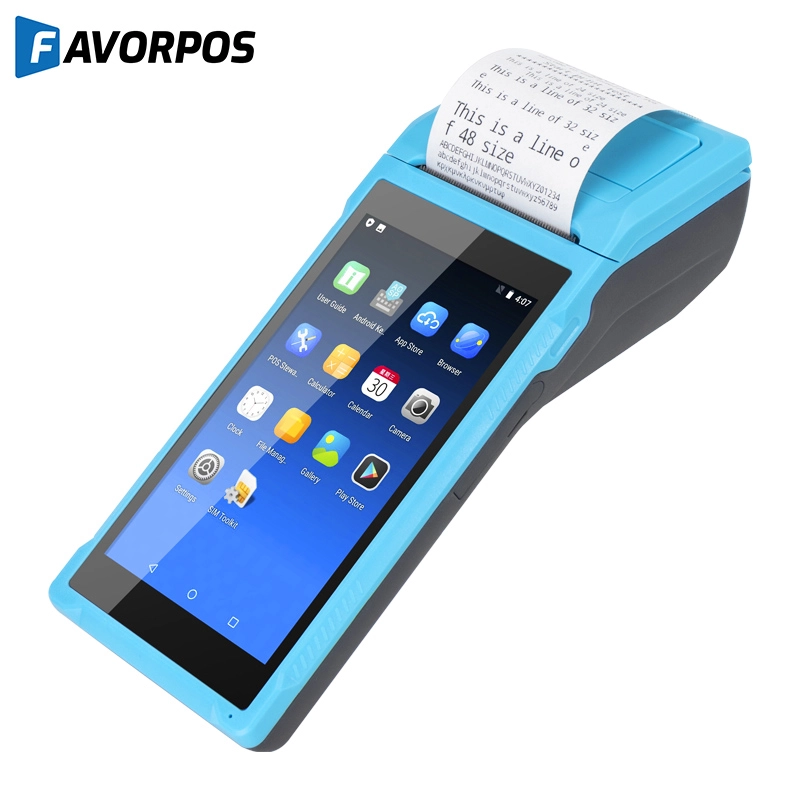
Android Handheld Pos Device Touch Screen Pos Terminal Manufacturer
Get in touch
Interested in becoming a POS system dealer? Contact us for more information and start the process of joining our dealer network.
We look forward to working with you to expand the market together.


Copyright © 2025 Favorpos All Rights Reserved.
