
Which POS Machine Manufacturers Offer Custom Branding?
- 1) Which POS machine manufacturers provide OEM/white‑label terminals for small retail chains, and what are realistic minimum order quantities (MOQs) and lead times?
- 2) If I customize the look or firmware of POS terminals, how do I keep PCI PTS and EMV certifications valid?
- 3) What are realistic incremental costs per unit for logo printing, custom colors, branded accessories and for a full hardware redesign?
- 4) Which POS hardware vendors provide developer SDKs, app stores or cloud POS integrations that make it straightforward to deploy my branded app across terminals?
- 5) How do I negotiate SLA, warranty, and spare parts support with POS machine manufacturers when launching branded terminals in new regions (LATAM, EMEA, APAC)?
- 6) When launching a custom‑branded POS in a new country, which certifications and localization steps will manufacturers handle and which responsibilities fall to the merchant or integrator?
- Concluding summary: Advantages of choosing POS machine manufacturers that offer custom branding and OEM support
Which POS Machine Manufacturers Offer Custom Branding? A Practical Guide for Buyers
Choosing a POS hardware vendor or payment terminal manufacturer for a branded solution requires more than picking a logo—certifications, SDK access, supply chain, and support determine success. This guide answers six specific, high‑pain questions beginners frequently search but rarely find in depth. Relevant semantic topics like payment terminal manufacturers, POS hardware vendors, OEM POS terminals, and EMV‑certified POS suppliers are discussed throughout.
1) Which POS machine manufacturers provide OEM/white‑label terminals for small retail chains, and what are realistic minimum order quantities (MOQs) and lead times?
Many global and regional payment terminal manufacturers offer OEM or white‑label programs: large vendors (PAX Technology, Sunmi, Newland, and some divisions of Ingenico/Worldline and Verifone) and specialized smart POS manufacturers provide options for branding and software pre‑loading. However, program availability and terms vary by vendor and by region.
What to expect:
- MOQs: For full cosmetic/hardware customization (molded plastics, custom chassis colors), MOQs typically start in the low hundreds and more commonly at several hundred units per SKU. For lower-volume needs, many vendors allow sticker/decals, custom boot logos and pre‑installed software at quantities as small as 10–100 units.
- Lead times: Simple branding (stickers, boot logo, preloaded APKs) can be delivered in 2–6 weeks. Cosmetic tooling or custom molds add 8–20 weeks depending on tooling complexity and manufacturer backlog. Full hardware redesigns increase lead times significantly (often several months plus certification time).
- Practical path: If you are a small retail chain, start with software skinning, custom boot screens, branded accessories, and printed decals. Reserve full hardware customization for scale volumes or multi‑year programs.
2) If I customize the look or firmware of POS terminals, how do I keep PCI PTS and EMV certifications valid?
Maintaining payment security certifications is the top technical hurdle when branding terminals. PCI PTS (PIN Transaction Security), EMVCo approvals and acquirer certifications cover both hardware tamper protections and trusted payment logic. Any change that affects secure elements, tamper layers, firmware, or PIN entry paths can trigger partial or full recertification.
Practical guidance:
- Work with an approved OEM: Use manufacturers that support white‑labeling while preserving the certified security boundary. Many vendors provide a documented white‑labeling process that leaves tamper‑evident components and secure firmware unchanged.
- Separate cosmetic vs security changes: Cosmetic changes (cases, colors, printed logos) typically do not affect certifications if they do not modify internal security components. Firmware changes that touch PIN handling, cryptographic libraries, or key management will usually require revalidation.
- Use certified SDKs and app containers: For Android smart POS, use the vendor’s certified payment SDK and app signing model to keep the certified payment application boundary intact. Avoid modifying kernel components or secure boot settings.
- Key injection and RKI: Ensure you use manufacturer or bank‑approved secure key injection methods (local KIK or Remote Key Injection (RKI)). This is essential to maintain compliance and to satisfy acquirers.
- Plan for recertification time and cost: If firmware or hardware changes are needed, allocate time for EMVCo testing, terminal acquirer certification, and possible PCI PTS lab work. Budget and timeline should reflect potential recertification activity.
3) What are realistic incremental costs per unit for logo printing, custom colors, branded accessories and for a full hardware redesign?
Costs vary by order volume, manufacturing location, and the complexity of changes. Below are pragmatic, market‑based ranges to help budget conversations with POS hardware vendors and payment terminal manufacturers.
Common cost components and approximate ranges (per unit, indicative):
- Decals/printed stickers and box printing: $0.5–$3 per unit (low cost, fast turnaround).
- Custom boot/logo, preloaded branded APK and screen skins: $0.5–$4 per unit depending on volume and management of software signing.
- Molded case color change (use of existing tooling): $3–$15 per unit depending on paint/overmolding processes and volumes.
- Custom mold tooling for new chassis: one‑time tooling costs commonly range from $5,000 up to $30,000+ depending on complexity; per‑unit reductions apply at higher volumes. Tooling makes sense when ordering several thousand units or when you need distinctive ergonomics.
- Full hardware redesign (PCB changes, new keypad, new radio modules): incremental engineering and NRE (non‑recurring engineering) costs often start in the tens of thousands of dollars and can add $50–$200+ per unit in low volumes (declining at scale).
Recommendation: Ask manufacturers for tiered pricing (100, 500, 2,000+ units), and always request a breakdown: unit cost, NRE, tooling, certification rework, and freight. For many SMBs, sticker/boot/skin + branded accessories offer the best ROI.
4) Which POS hardware vendors provide developer SDKs, app stores or cloud POS integrations that make it straightforward to deploy my branded app across terminals?
Integration capabilities are critical for a branded rollout. There are two terminal classes to consider: Android‑based smart POS (which behave like tablets) and traditional secure payment terminals (Linux or proprietary OS with vendor SDKs).
Vendors and capabilities to look for:
- Android smart POS manufacturers (Sunmi, PAX’s A series, Newland, some models from PAX and other smart POS manufacturers): usually provide Android SDKs, POS device management (MDM), and app sideloading APIs. These are ideal for cloud POS providers and branded retail apps because they support modern app ecosystems.
- Traditional payment terminal vendors (PAX, Ingenico/Worldline, Verifone): offer certified payment SDKs (e.g., Telium SDK, Verifone SDK) and often maintain an app distribution mechanism or partner portal. These vendors can pre‑install or lock down apps to maintain a certified payment perimeter.
- POS hardware vendors that provide cloud management: look for remote device management (RMM/MDM), remote updates, and device monitoring. This reduces field service costs for branded fleets.
- Prefer Android smart POS if you need fast feature updates, rich UI, or third‑party integrations (cloud POS, loyalty, CRM).
- If you require strict PIN handling, ensure the vendor provides a payment SDK or certified container that isolates the payment path.
- Ask for reference code, test devices, and a sandbox environment. Real SDK documentation and sample apps are essential when evaluating payment terminal manufacturers.
- Warranty period and coverage: Standard warranties are often 12 months; extended warranties of 24–36 months are offered at an additional price. Confirm whether warranties cover on‑site repairs, replacement units, or only return‑to‑factory repairs.
- RMA turnaround time: Set targets for RMA processing and replacement shipping (e.g., 3–7 business days for exchange stock in regional warehouses vs. 2–6 weeks when shipping from overseas).
- Spare parts availability: Ensure the manufacturer commits to spare parts availability for a minimum term (3–5 years is common for commercial products). Ask for a parts list and lead times.
- Local support partners and repair centers: Confirm whether the vendor has authorized service partners in your target market or whether you must manage repair logistics locally.
- SLA credits and penalties: Define service credits for missed SLAs and escalation paths. Include priority support options for critical merchants.
- Training and documentation: Negotiate training for local technicians and access to diagnostic tools and BOM lists needed for repairs.
- Baseline hardware certifications: PCI PTS tamper protection, secure element handling, and any vendor‑level EMVCo pre‑certifications for a terminal family.
- Radio/cellular approvals: For integrated cellular models, vendors often manage FCC, CE, and other global radio approvals for the module or device family.
- Providing SDKs and compliance artifacts: Documentation, cryptographic libraries, and secure key injection workflows required for acquirer certification.
- Country‑specific EMV/acquirer certification: Even if a terminal family has EMV type approval, acquirers and processors frequently require integration testing and certification with the merchant’s payment application and back end.
- Local fiscal/tax receipt rules and software localization: Receipt formats, QR code tax rules, and invoicing laws are generally handled by the integrator or POS software vendor.
- Language localization and UX changes: While manufacturers may provide OS language packs, the merchant usually provides localized UI/UX and content changes within the app boundary.
- Regulatory approvals tied to specific deployments: Some countries require additional testing or registration (e.g., telecom SIM registration, type approval for payment devices). This is often a joint effort but usually coordinated by the integrator or local partner.
Selection tips:
5) How do I negotiate SLA, warranty, and spare parts support with POS machine manufacturers when launching branded terminals in new regions (LATAM, EMEA, APAC)?
Service, spares, and local support often determine long‑term TCO more than unit price. When negotiating with POS hardware vendors and payment terminal manufacturers, define clear metrics and commercial protections:
Key SLA and warranty items to negotiate:
Regional considerations: Factor customs clearance, local certification assistance, telecom approvals, and spare part stocking to reduce downtime. For LATAM and EMEA, multi‑language support and documentation are also essential.
6) When launching a custom‑branded POS in a new country, which certifications and localization steps will manufacturers handle and which responsibilities fall to the merchant or integrator?
Both parties share responsibilities; understanding the split ahead of contract signing prevents delays. Below is a typical division of responsibilities when working with payment terminal manufacturers.
Manufacturer responsibilities (commonly):
Merchant or integrator responsibilities (commonly):
Recommendation: Create a responsibilities matrix (RACI) during procurement that lists certification steps, who pays for testing, and expected lead times. This prevents last‑mile surprises when onboarding local acquirers and fiscal authorities.
Concluding summary: Advantages of choosing POS machine manufacturers that offer custom branding and OEM support
Selecting payment terminal manufacturers that provide proven OEM/white‑label programs unlocks faster time‑to‑market, consistent brand experience, and lower long‑term support costs. Advantages include retained security certification boundaries when using certified SDKs, predictable cost tiers for cosmetic versus hardware changes, simplified software deployment through vendor SDKs and device management, and stronger SLA options when vendors have regional service networks. For small chains, starting with cosmetic branding and preinstalled apps on Android smart POS devices delivers the best balance of cost and speed; larger deployers can justify tooling and hardware NRE for distinctive devices.
For an exact quote, MOQ options, and a tailored compliance roadmap for your country and use case, contact our procurement team at www.favorpos.com or email us at sales2@wllpos.com. We can connect you with OEM POS terminals, EMV‑certified POS suppliers and POS hardware vendors suited to your rollout and provide a formal quote.
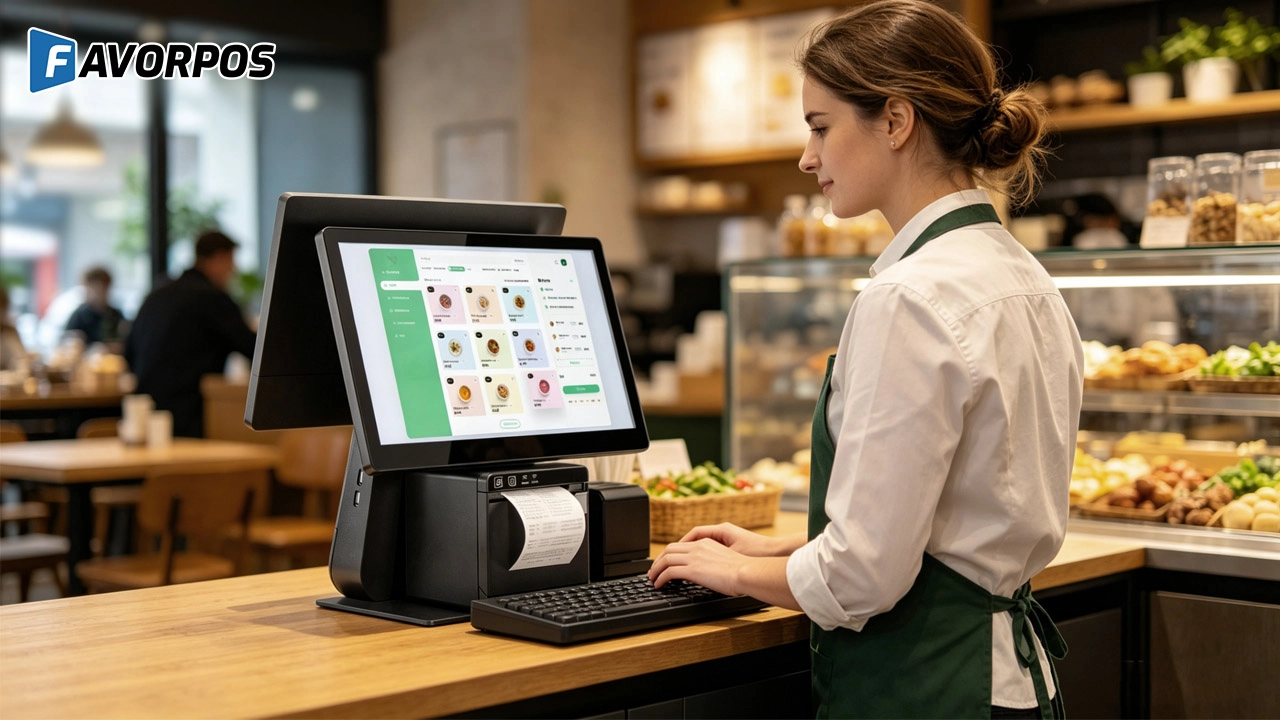
Smart Checkout, Simplified: Exploring the Power of a 15.6-Inch All-in-One POS Terminal
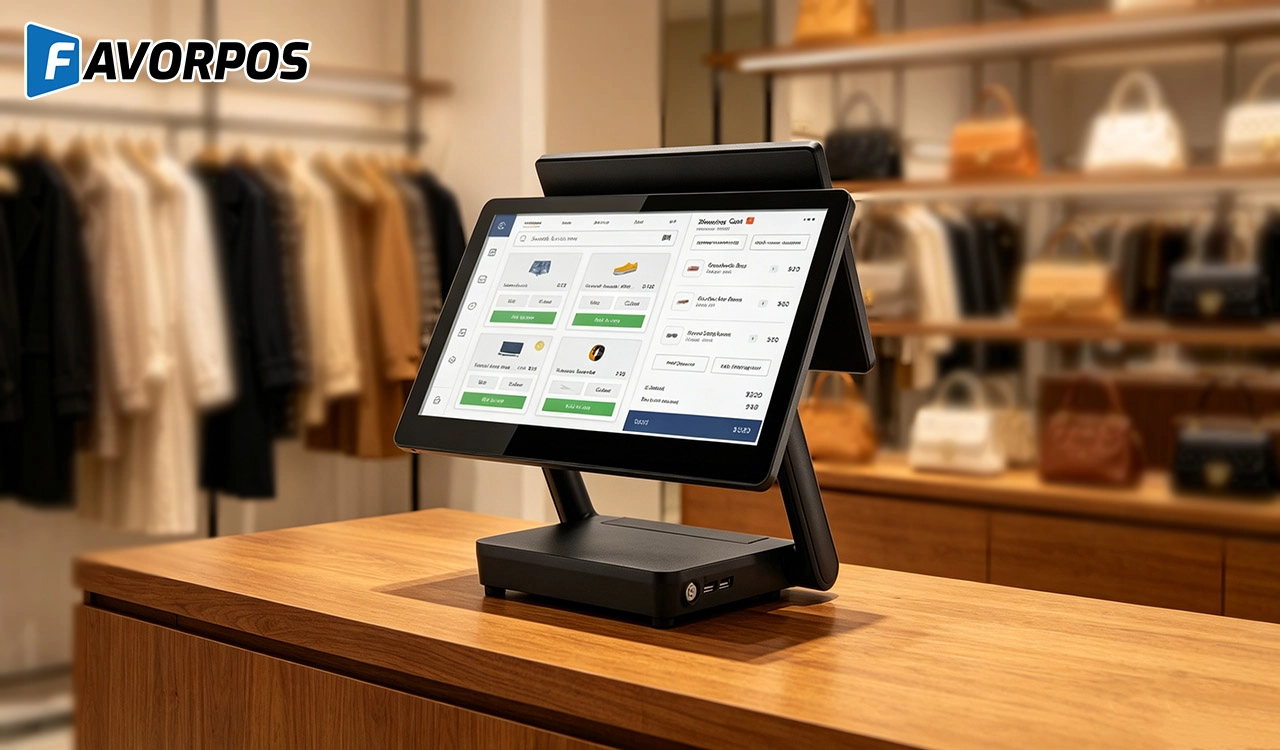
Why a 15.6” Touch POS Terminal Is Becoming the New Standard in High-Traffic Retail
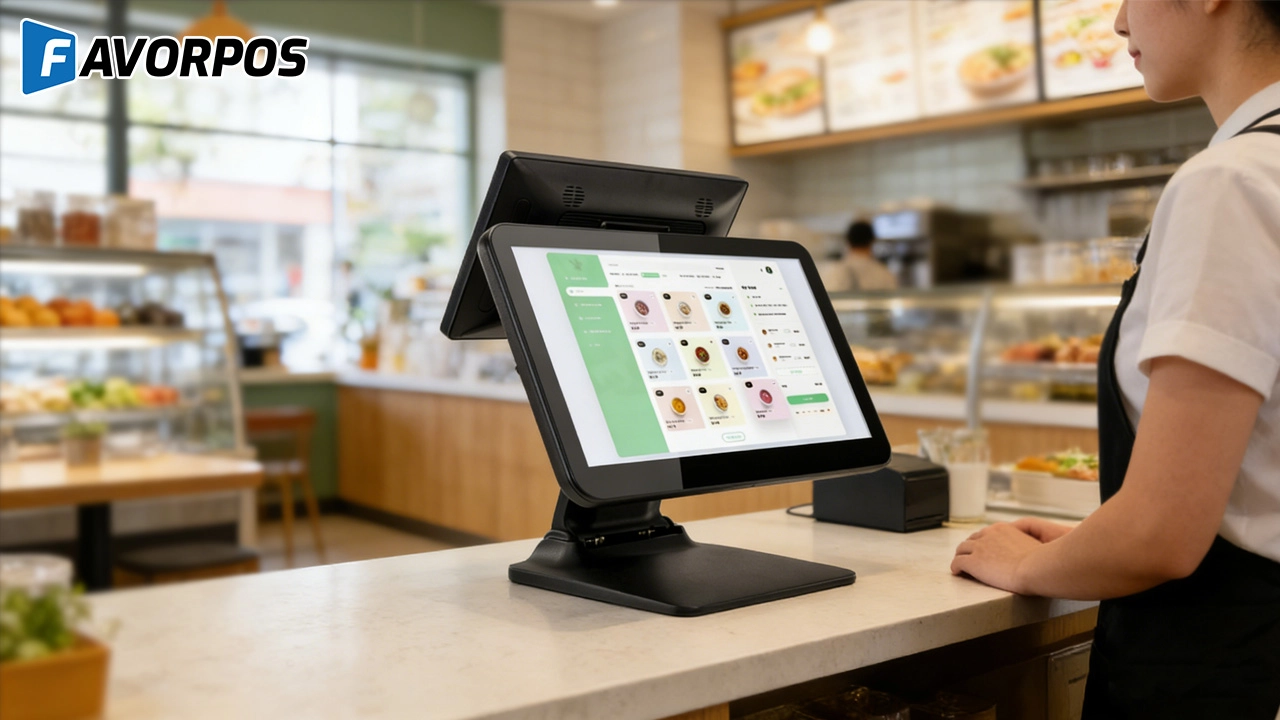
Beyond Checkout: How a 15.6-Inch Aluminum POS System Redefines Retail Efficiency
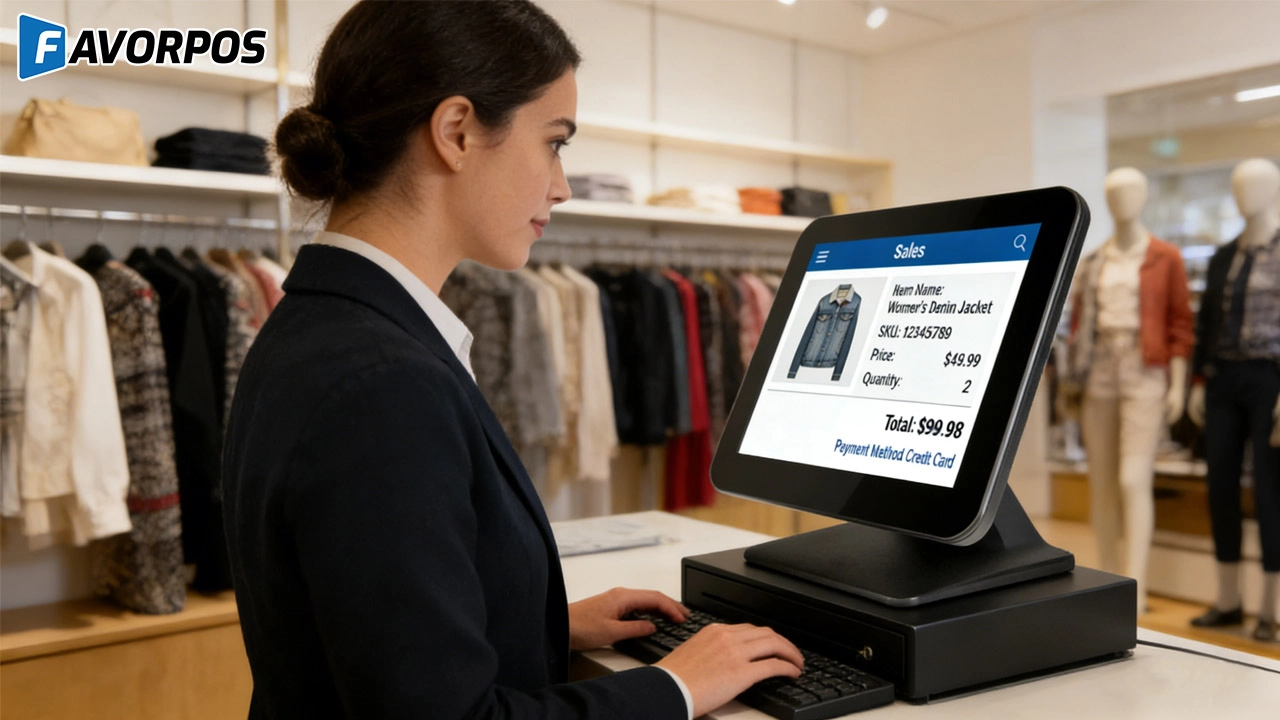
Understanding 15-Inch Aluminum POS Terminals in Modern Commercial Use
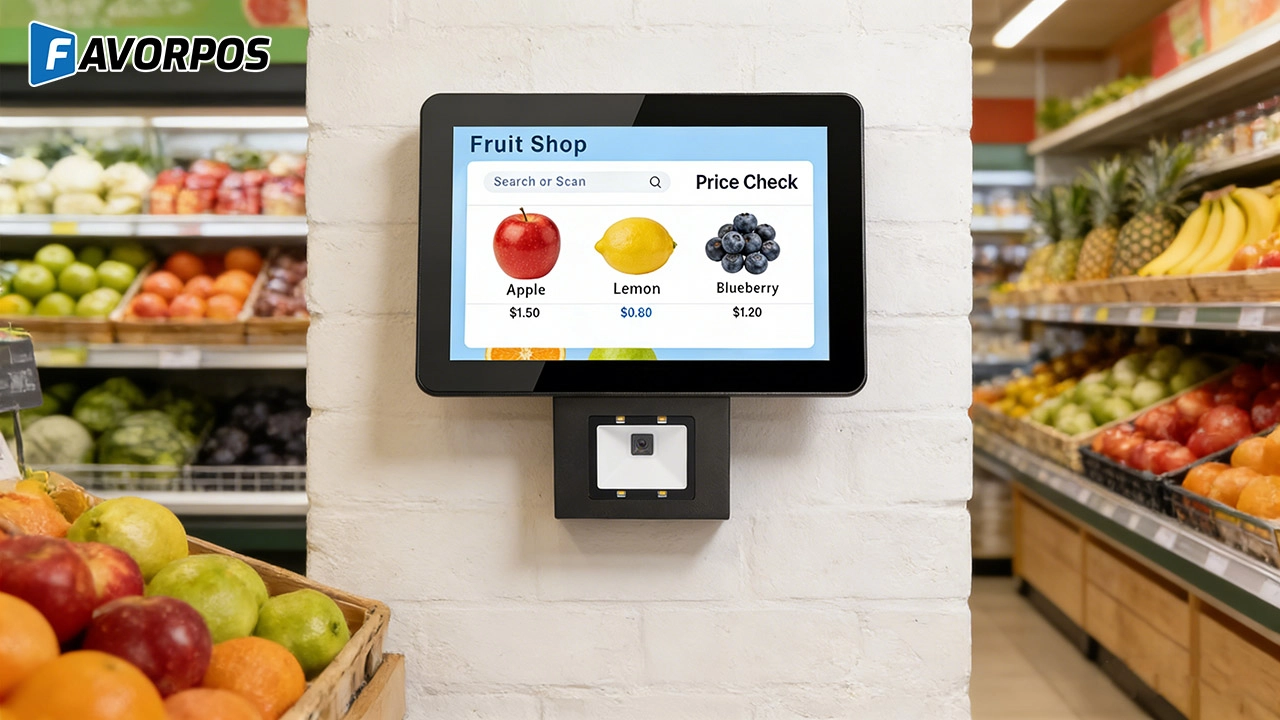
The Smart Way to Check Prices: How a 10.1-Inch Wall-Mounted Price Checker Transforms Retail Stores
For Beauty and Wellness
How does your POS system integrate with online booking platforms?
Our POS system integrates seamlessly with online booking platforms, allowing customers to book appointments online and synchronize them with in-store appointments.
For Bakeries
Can your POS system handle both retail and wholesale orders?
Yes, FAVORPOS's system can manage both retail sales and wholesale orders and offer different price structures for each customer type.
For Grocery and Supermarkets
How secure is your POS system?
Our POS system is PCI-DSS compliant and uses advanced encryption technology to protect the security of all transactions and customer data.
For Healthcare
Can the POS system manage multiple locations?
Yes, our system supports multi-location management, allowing for centralized management of multiple facilities or departments.
For Distributor
Can I distribute your products in multiple regions?
Yes, we support resellers who wish to operate in multiple regions. We will work with you to understand the regional market requirements and provide the necessary support to ensure successful operations.
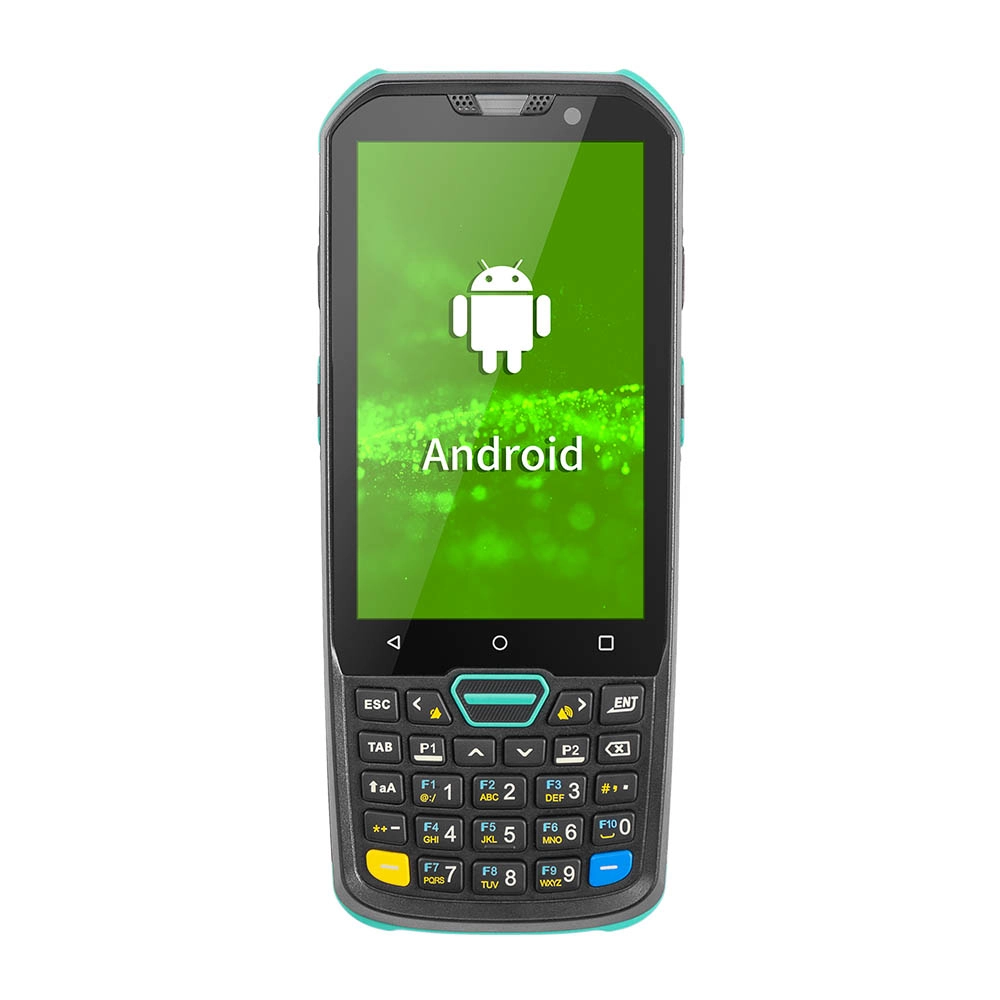
Factory Smart 4 inch Mobile PDA Data Collector with Keyboard
Our Factory Smart 4-Inch Mobile PDA Data Collector is equipped with a convenient keyboard for easy data entry. This compact device is designed for efficient inventory management and logistics operations, offering robust performance in a lightweight design. With a bright display and user-friendly interface, it allows for quick access to essential data on the go. Its durable construction ensures reliability in demanding environments, making it an ideal choice for retail, warehousing, and field operations.
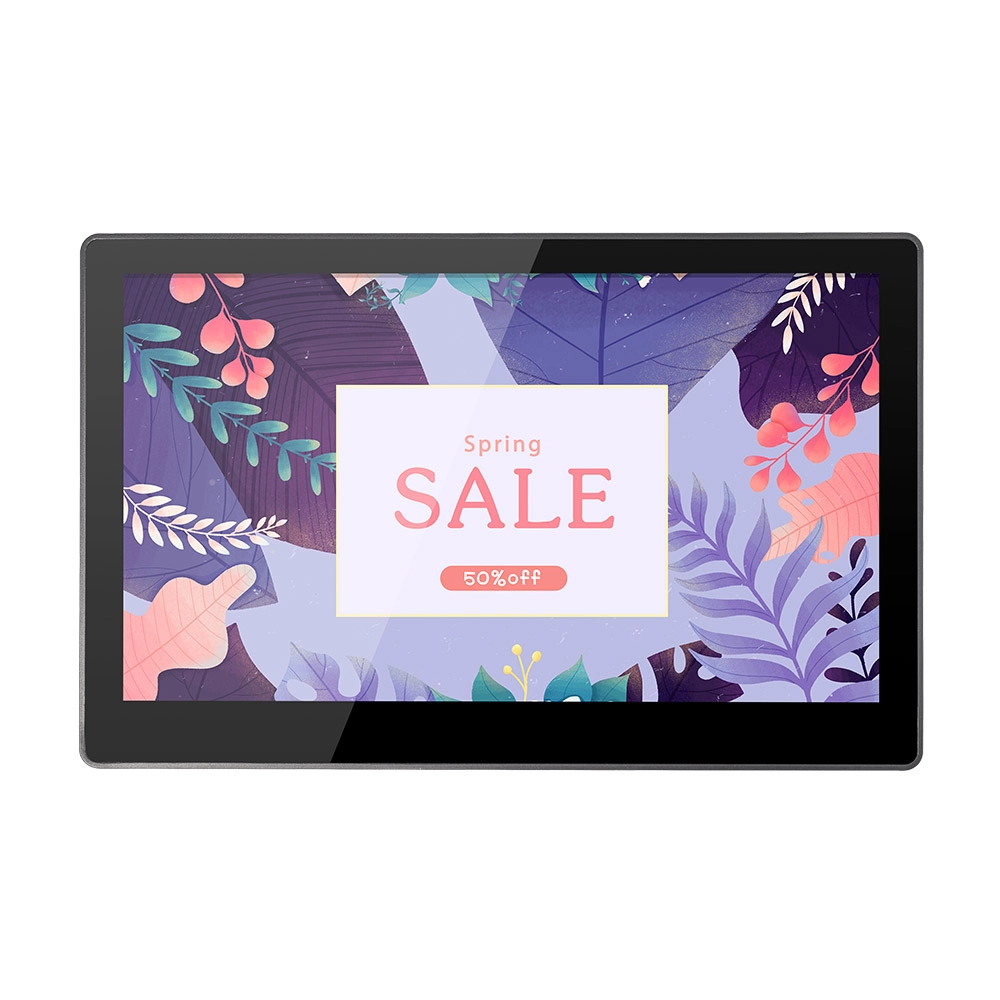
11.6 inch Capacitive Touchscreen for POS Machine POS Monitor
FAVORPOS 11.6-inch capacitive touchscreen, specifically designed for POS machines to deliver a seamless and responsive user experience. This high-definition display offers vibrant visuals and crystal clear clarity, making it easy for staff to navigate through transactions efficiently. The capacitive technology ensures quick and accurate touch recognition, reducing wait times and enhancing customer satisfaction. Built to withstand the rigors of daily use, this touchscreen is perfect for retail and hospitality environments.
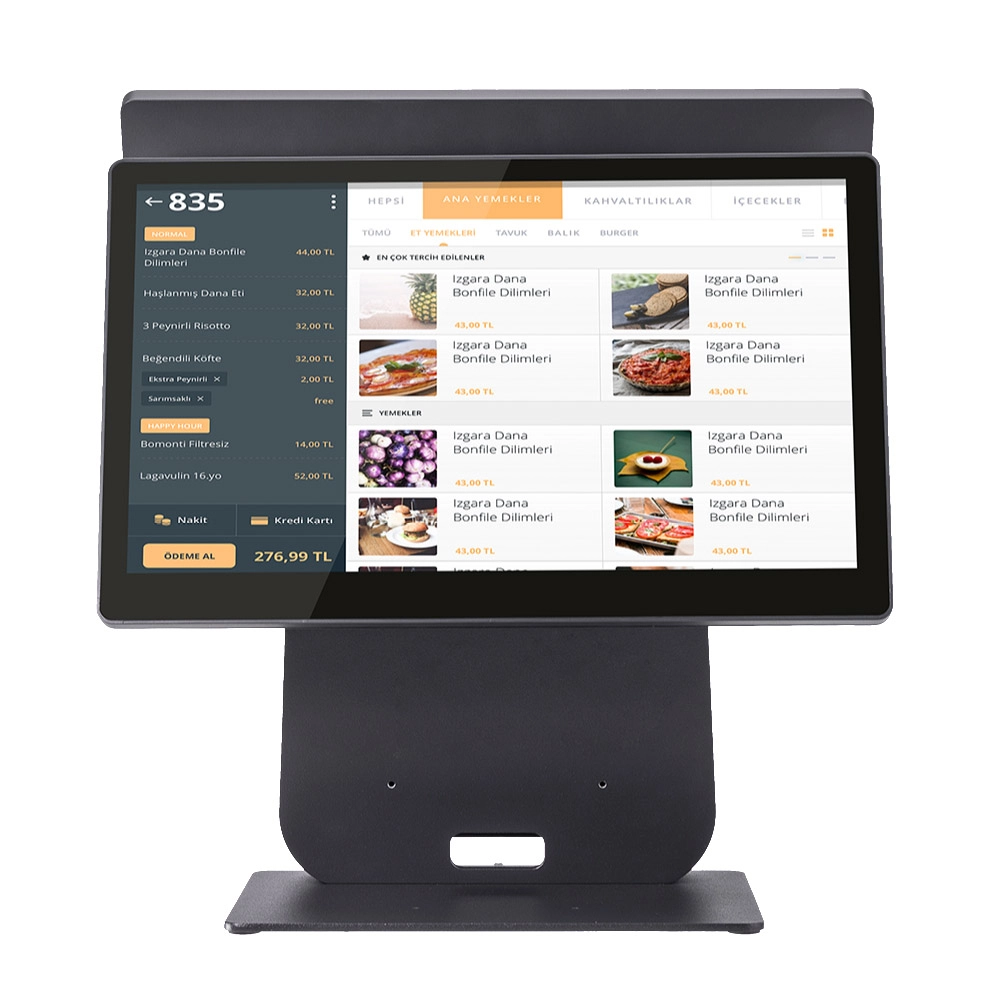
HD Dual Screen POS Machine Aluminum Hardware Android Windows Supplier
This dual-screen POS machine supports both Android and Windows systems, providing flexibility for various applications. The dual screens enhance customer interaction and streamline the checkout process, making transactions quicker and more engaging. Perfect for modern businesses looking to elevate their service and improve customer satisfaction, this POS machine is your ultimate partner in success!
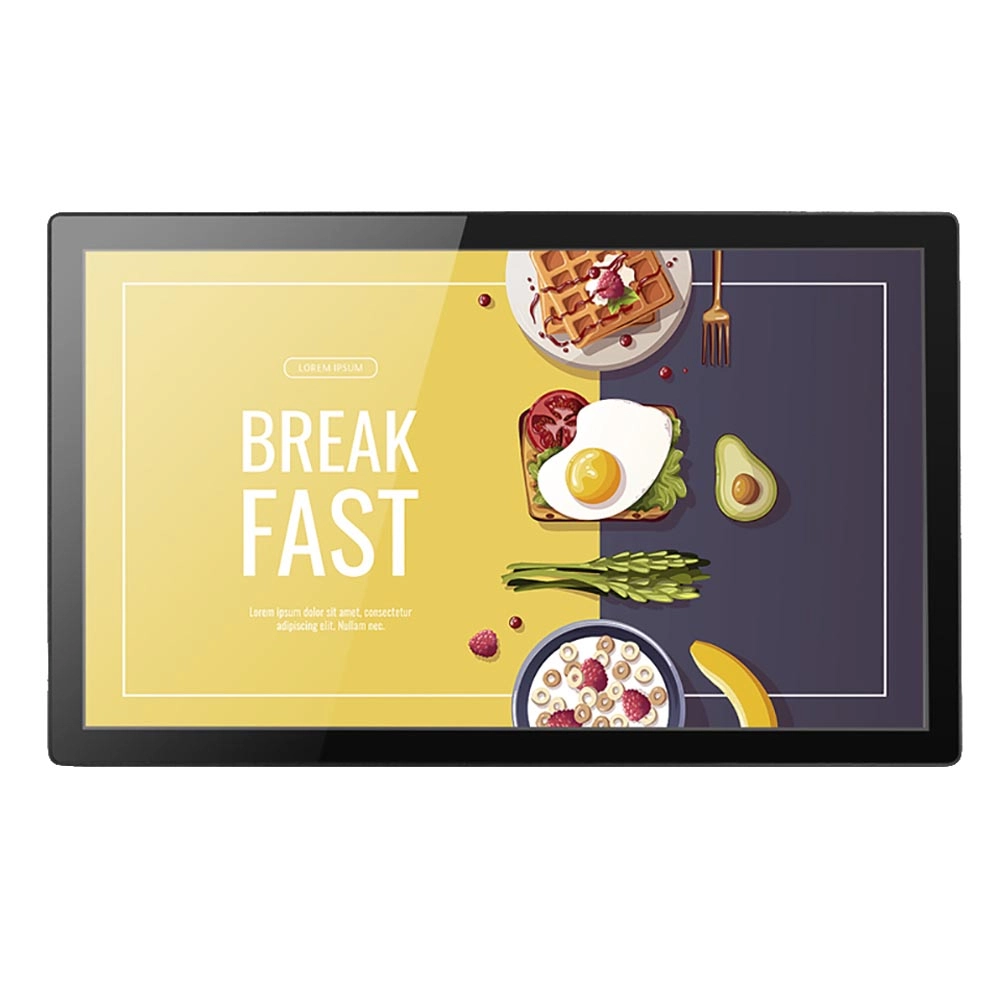
Wall Mount Cash Register POS 21.5 inch for Supermarket Touchscreen Windows Factory
Our sleek and modern wall-mounted POS system features a stunning 21.5-inch LED display, providing exceptional visibility and clarity for seamless customer interactions. The capacitive touchscreen ensures a highly responsive and intuitive user experience, perfect for fast-paced retail environments. With its space-saving wall-mounted design, this POS solution is ideal for optimizing floor space while maintaining a professional and contemporary appearance.
Get in touch
Interested in becoming a POS system dealer? Contact us for more information and start the process of joining our dealer network.
We look forward to working with you to expand the market together.


Copyright © 2025 Favorpos All Rights Reserved.
