
Which restaurant POS systems integrate with delivery platforms?
- 1) Which restaurant POS systems integrate directly with major delivery platforms, and when do I need a middleware/aggregator?
- 2) How do I prevent mispriced or missing items when syncing modifiers, combos and inventory across POS and multiple delivery platforms?
- 3) What hidden costs should I plan for when integrating POS systems with delivery platforms (aggregator fees, commissions, transaction fees, and hardware)?
- 4) How should I reconcile sales, fees and tips in my accounting when delivery orders flow from multiple platforms into a single POS?
- 5) Do third-party delivery integrations change my PCI compliance scope and card data security responsibilities?
- 6) How do I scale delivery across 10+ locations using a restaurant POS systems list without manual work for menus, pricing and inventory?
Selecting a restaurant POS systems list that reliably integrates with third-party delivery platforms is one of the most consequential tech decisions for modern restaurants. Below are six specific, pain-point-focused questions beginners and operators still struggle to find definitive answers for — each followed by an in-depth, actionable answer grounded in vendor capabilities and industry best practice.
1) Which restaurant POS systems integrate directly with major delivery platforms, and when do I need a middleware/aggregator?
Short answer: Some POS vendors offer direct (native) integrations to one or more delivery services, but most restaurants get broader, more reliable coverage using middleware (aggregators) that handle menu mapping, routing and failover across multiple delivery partners.
Details and action steps:
- Native integrations: Vendors such as Toast, Clover and Square have built-in marketplace integrations or partner connectors that allow orders from select delivery partners to flow into the POS without a third-party bridge. Native integrations are usually simpler to set up and cheaper in monthly costs. However, they commonly cover a subset of platforms (for example one or two partners) and may lack advanced mapping features.
- Aggregator approach: Aggregators like Chowly, Cuboh, Ordermark (acquired by Olo), and Omnivore connect multiple delivery platforms (DoorDash, Uber Eats, Grubhub, Postmates, ChowNow, etc.) into a single stream and push those orders into many POS vendors, including Toast, Lightspeed, Revel, TouchBistro, Clover and Square. Aggregators focus on menu sync, modifiers, order routing and redundancy — useful when you work with 2+ delivery partners.
- When to choose which: If you only plan to work with one delivery partner and your POS provides a native connector for that partner, native may be faster and cheaper. If you use multiple delivery marketplaces, need unified reporting, or require robust modifier/inventory mapping, choose an aggregator for consistent, scalable integration.
- Actionable checklist: (1) List the delivery partners you will use, (2) ask shortlisted POS vendors which partners they support natively, (3) ask aggregators which POS vendors they support, and (4) request a test order to verify modifier/menu behavior before signing contracts.
2) How do I prevent mispriced or missing items when syncing modifiers, combos and inventory across POS and multiple delivery platforms?
Mispriced items and missing modifiers are a leading cause of refunds, complaints and wasted food. The core problem is mismatched menu logic between marketplace menus and your POS menu tree. Fixing it requires disciplined mapping and workflow changes.
Practical steps to avoid errors:
- Design a delivery-specific menu in the POS: Create a delivery menu version with only the items and modifiers you want available online. Simplify combo logic and remove inventory-dependent items during peak times.
- Use SKU and modifier mapping: Ensure each marketplace menu item is mapped to a single POS SKU. For modifiers (e.g., extra cheese, no onion), map each marketplace modifier to a POS modifier rather than free-text notes; aggregators help enforce this mapping.
- Test edge cases: Run a 50–100 order test that includes combos, custom modifications, split modifiers, and refunds to confirm how they appear in the KDS, receipts and sales reports.
- Inventory reconciliation: If you use inventory tracking, link delivery SKUs to the same recipes/ingredients in your POS so stock levels reflect third-party orders. Pause items that are out of stock on all channels to avoid overselling.
- Operational discipline: Train staff to treat delivery tickets as equal priority to in-house orders, and set prep-time buffers for delivery items if packaging takes longer.
3) What hidden costs should I plan for when integrating POS systems with delivery platforms (aggregator fees, commissions, transaction fees, and hardware)?
Many operators budget only for card processing and marketplace commissions, but integration adds other predictable and less-obvious costs. Expect to analyze total cost of ownership (TCO) across several categories.
Cost categories to review:
- Marketplace commissions: Third-party delivery marketplaces typically charge per-order commissions (commonly a portion of order value). These vary by platform and contract — confirm your percentage and whether fixed-fee options exist.
- POS-native fees: Some POS vendors charge for marketplace connectors as a High Quality marketplace or add-on service. Confirm setup and monthly connector fees in your POS contract.
- Aggregator charges: Aggregators usually charge a monthly subscription and/or per-order fee to route and map orders. Pricing models vary widely (flat monthly fee, percentage, or hybrid). Ask for a full pricing schedule and sample invoice templates.
- Payment processing: Delivery orders may be settled differently (marketplace collects vs. merchant collects). If your restaurant processes card payments, confirm gateway and transaction fees for marketplace orders as they can differ from in-person EMV transactions.
- Hardware & implementation: Expect costs for tablets, a reliable internet connection, potential KDS upgrades, and an initial setup/implementation fee (especially for complex mapping). Aggregators sometimes charge a one-time onboarding fee for menu mapping.
- Operational costs: Packaging upgrades, higher food costs for delivery-specific packaging, and increased labor for pick-and-pack operations should be included in TCO modeling.
Actionable advice: Obtain line-item quotes from marketplaces, your POS vendor and any aggregator. Build a 12-month cashflow model that includes all fees and expected order volume to compute breakeven commission thresholds before committing to promotions or additional platforms.
4) How should I reconcile sales, fees and tips in my accounting when delivery orders flow from multiple platforms into a single POS?
Mismatches between gross sales, net deposits and fee allocations create time-consuming reconciliations. The best practice is to ensure each order carries metadata (order source, marketplace fee, transaction ID) and to tag these consistently in your POS or aggregator before exporting to accounting software.
Reconciliation workflow and tools:
- Tag orders at source: Use the POS or aggregator to tag each order with the marketplace name and a unique order ID. This enables line-by-line matching during reconciliation.
- Map fee types to GL accounts: Create separate general ledger (GL) accounts for marketplace commissions, aggregator fees, delivery fees, tips, and payment processing fees. Map exports so fees appear in the correct accounts automatically.
- Use native accounting integrations: Many POS systems (Toast, Lightspeed, Square, Revel) offer native integrations to QuickBooks or Xero. Aggregators typically pass-through order detail so the POS export remains the single source of truth.
- Reconcile net deposits to bank statements: Marketplaces often remit net amounts after deducting commissions. Use marketplace remittance reports (and aggregator remittance if applicable) to match deposits to gross sales minus fees.
- Automate where possible: Use software that reconciles marketplaces, POS and bank deposits automatically or exports standardized CSVs. Aggregators and many POS vendors provide invoice summaries that simplify matching.
Action step: During vendor evaluation, request sample reports from each vendor (POS, marketplace, aggregator) and run a reconciliation test for one week of real orders to confirm you can match gross sales to net deposits and fee lines quickly.
5) Do third-party delivery integrations change my PCI compliance scope and card data security responsibilities?
Yes — connecting delivery platforms and aggregators can change your PCI scope depending on how card data is captured, stored and transmitted. Minimizing your PCI scope reduces audit burden and risk.
Security controls and recommendations:
- Prefer tokenization and gateway-hosted flows: Use POS vendors and gateways that tokenize card data and offer end-to-end encryption. If the marketplace or aggregator handles payments (they collect and remit), your card data exposure is reduced.
- Check vendor PCI attestations: Obtain PCI DSS compliance statements or AOC (Attestation of Compliance) from your POS vendor, payment gateway and any aggregator handling card information.
- Network segmentation: Put POS hardware and KDS devices on a separate network or VLAN from guest Wi‑Fi and non-critical devices to limit exposure.
- Data handling agreements: Ensure you have data processing agreements and clear responsibilities documented with aggregators and marketplaces, and understand who retains transaction records and for how long.
- Operational security: Keep POS software updated, enforce strong passwords and 2FA for admin portals, and limit user permissions to reduce internal risk.
Action step: During procurement, request vendor security documentation and a short security checklist (tokenization, EMV support, encryption in transit, PCI AOC). If unsure, engage your payment processor to clarify whether integrations increase your PCI SAQ requirements.
6) How do I scale delivery across 10+ locations using a restaurant POS systems list without manual work for menus, pricing and inventory?
Scaling delivery across many locations introduces complexity: per-store pricing, fulfillment zones, inventory differences and location-based promos. Choose a POS with centralized management or pair it with a menu-management platform designed for multi-location operations.
Scaling recommendations and architecture:
- Centralized menu management: Use a POS or an external menu manager that supports master menus and location overrides. This lets you push global changes while permitting local price or availability overrides.
- Location mapping with delivery zones: Manage delivery zones at the location level so each store only receives orders within its fulfillment area. Aggregators and marketplaces need correct Store IDs mapped to the right marketplace storefront.
- Inventory and recipe sharing: Link central recipes and ingredient SKUs to each location; sync thresholds so low-stock items are automatically removed from delivery channels for that store.
- Automated provisioning: For onboarding new locations, use template-based provisioning to create POS profiles (tax rates, printer routing, KDS settings) instead of manual setup for each store.
- Reporting & commission allocation: Ensure your POS or aggregator reports break down orders and fees by location so you can manage per-store profitability and refine delivery channel strategy location-by-location.
Vendor examples: Enterprise-grade POS platforms such as Revel, Lightspeed and Toast provide multi-location management features. Aggregators and platforms like Olo and Ordermark are commonly used by multi-unit operators to centralize marketplace routing and reporting across many locations.
Action step: Build a 30/60/90 day onboarding template that includes menu versions, promo settings, KDS routing, delivery zone polygons and accounting GL mappings — then replicate via the POS or provisioning tool to onboard new stores with minimal manual work.
Conclusion
Choosing the right restaurant POS systems list and delivery integration strategy unlocks reliable online ordering, reduces manual work and preserves margins. The advantages of a well-architected solution include unified reporting, fewer order errors (thanks to accurate menu and modifier mapping), easier accounting reconciliation, reduced PCI scope when tokenization is used, and the ability to scale delivery across many locations without exponential manual effort. Whether you lean on native POS connectors for simplicity or use an aggregator for breadth and resilience, plan for menu design, inventory mapping, fee reconciliation and security early in procurement.
For a tailored recommendation and implementation quote for your restaurant(s), contact us: www.favorpos.com or email sales2@wllpos.com.
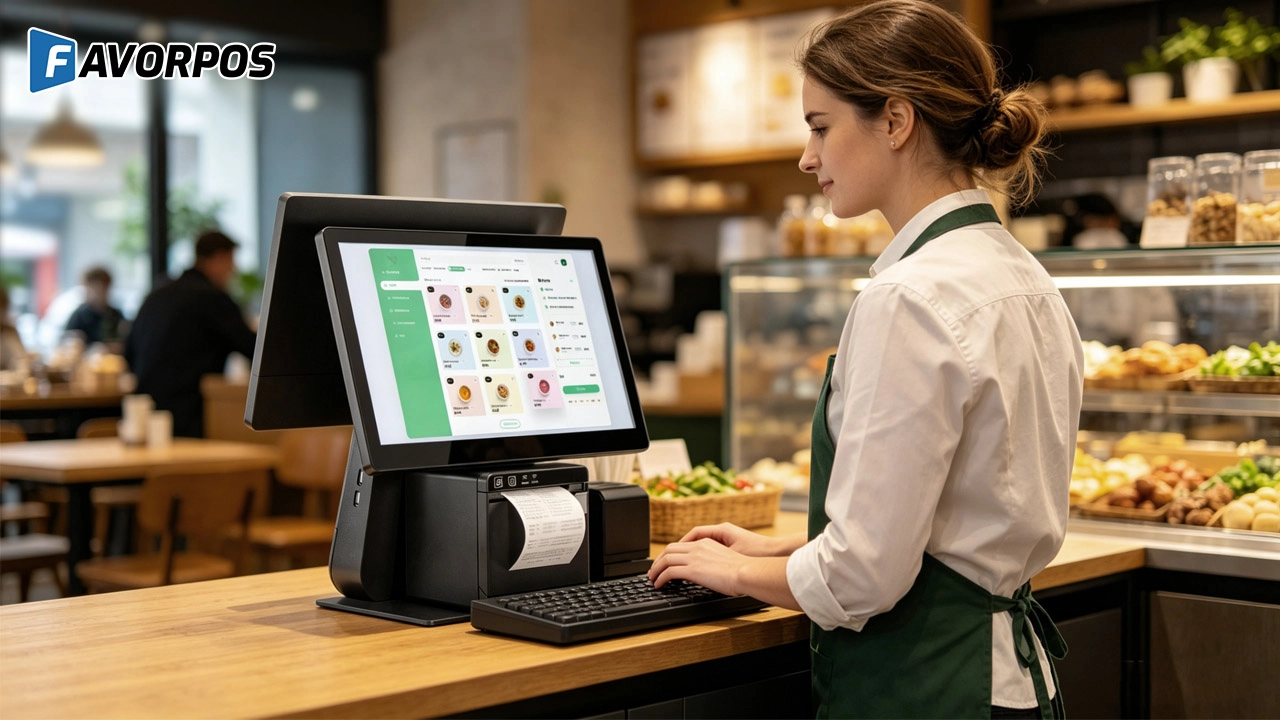
Smart Checkout, Simplified: Exploring the Power of a 15.6-Inch All-in-One POS Terminal
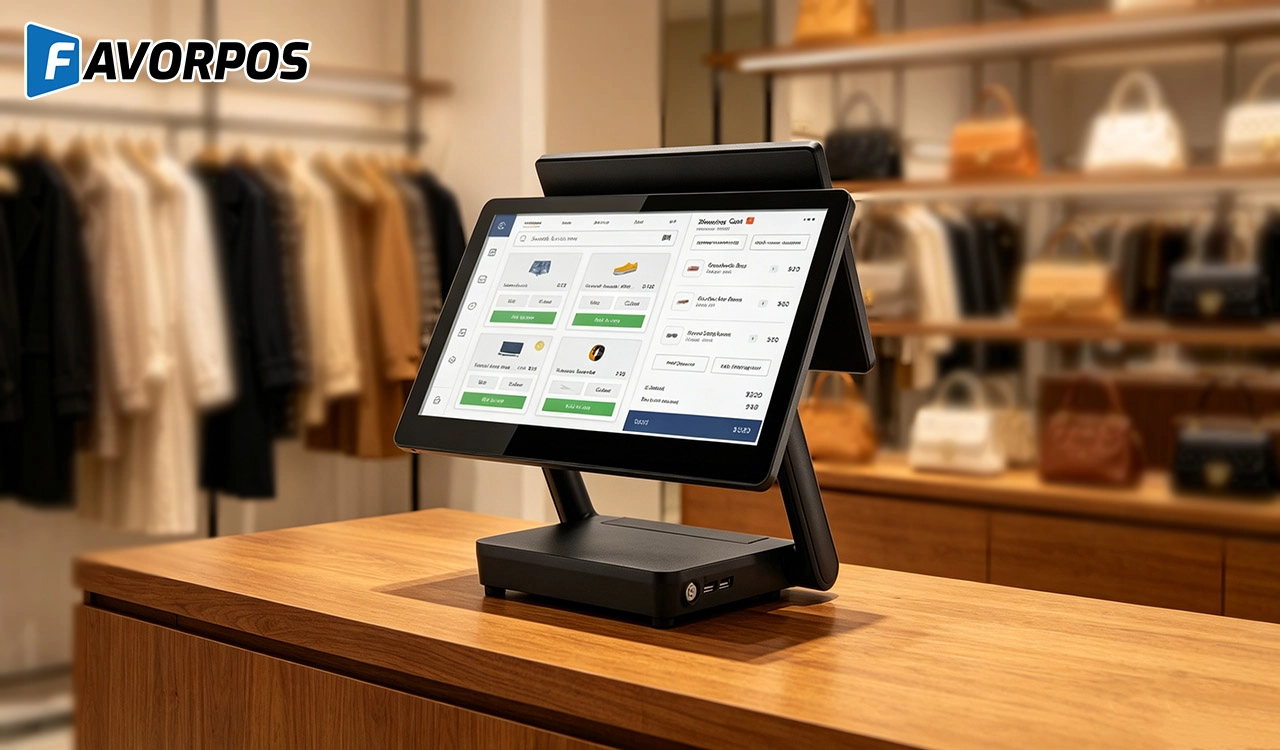
Why a 15.6” Touch POS Terminal Is Becoming the New Standard in High-Traffic Retail
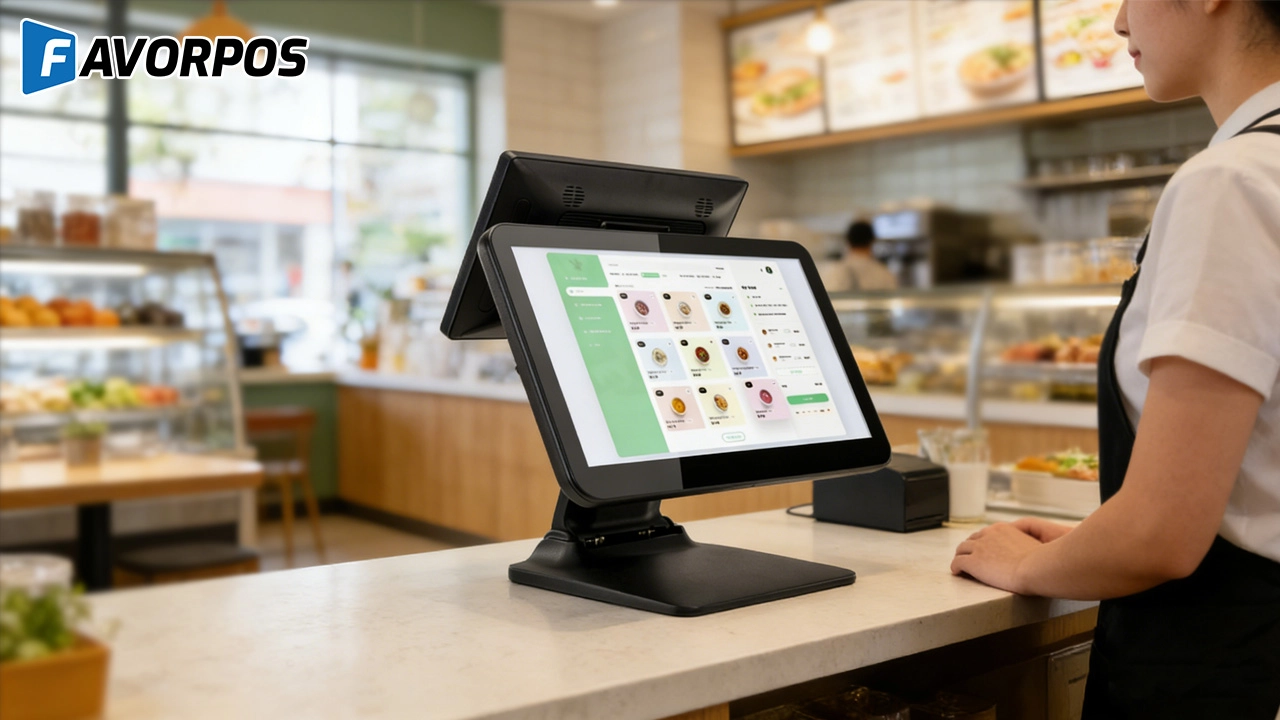
Beyond Checkout: How a 15.6-Inch Aluminum POS System Redefines Retail Efficiency
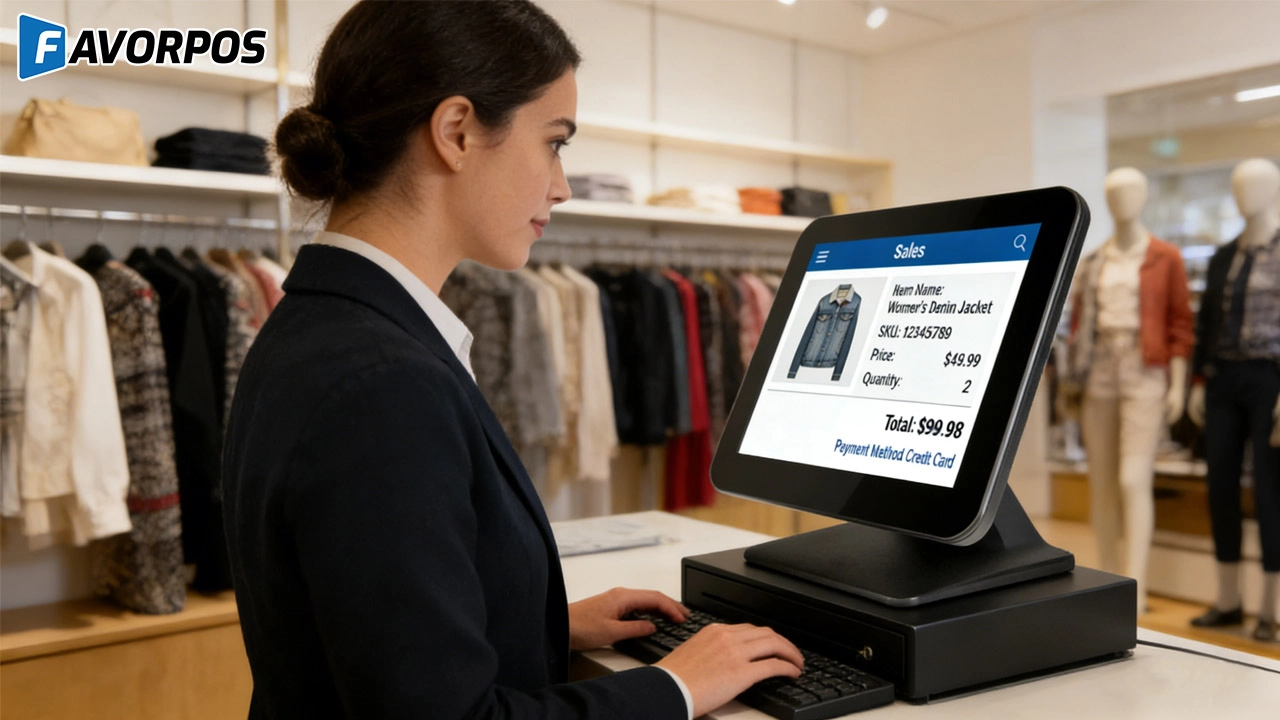
Understanding 15-Inch Aluminum POS Terminals in Modern Commercial Use
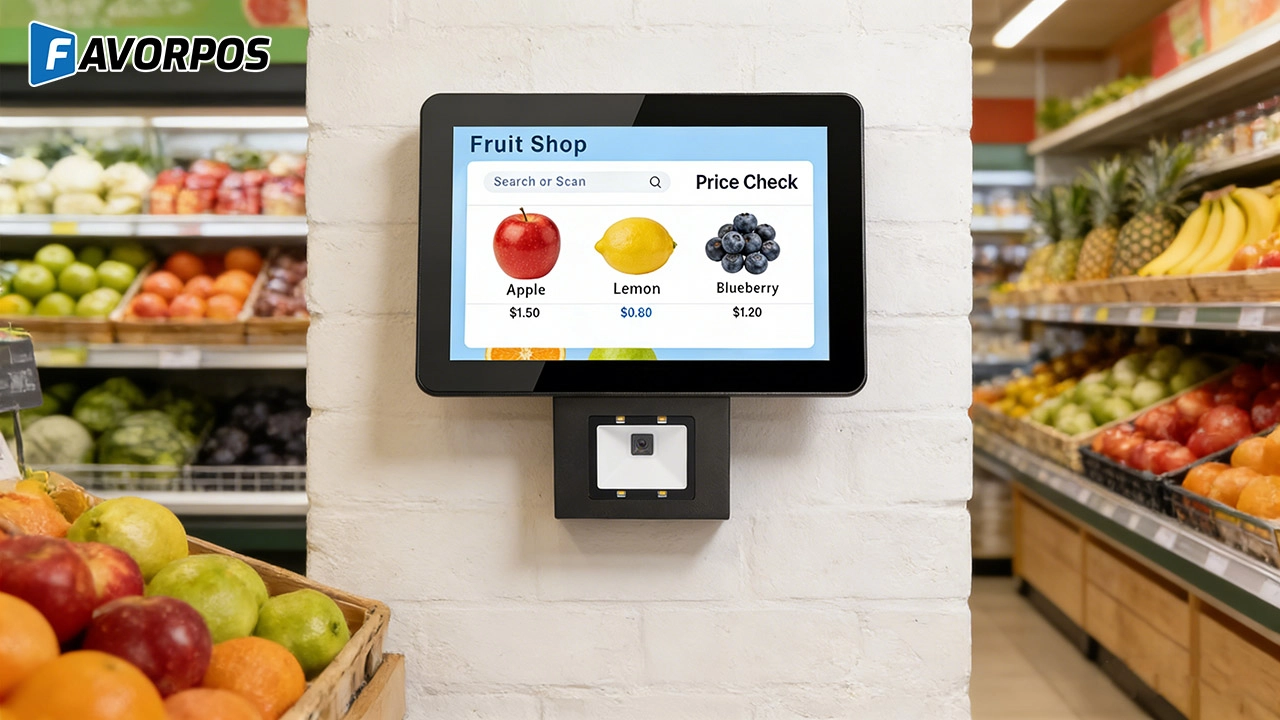
The Smart Way to Check Prices: How a 10.1-Inch Wall-Mounted Price Checker Transforms Retail Stores
For ODM
Does the product comply with international standards and certifications?
Our POS machines comply with various international standards and certification requirements, including safety, electrical performance and environmental standards. We ensure that all products comply with relevant regulations during the production process so that they are suitable for the global market.
For Healthcare
Do you provide training for our employees?
Yes, we provide comprehensive training materials to ensure that your employees are proficient in using the new machine.
For Distributor
What kind of support will I receive as a reseller?
As a reseller, you will receive comprehensive support, including product training, technical assistance, and support from a dedicated account management team.
For Government and Public
What support is provided after deployment?
We provide 24/7 technical support, regular hardware updates, hardware maintenance, and training resources to ensure your POS system remains operating efficiently.
For Entertainment & Events
Can your POS system handle ticket sales and on-site catering at the same time?
Yes, our system can seamlessly manage ticket sales, catering services and merchandise, ensuring efficient and smooth online and on-site sales operations.

Factory Smart 4 inch Mobile PDA Data Collector with Keyboard
Our Factory Smart 4-Inch Mobile PDA Data Collector is equipped with a convenient keyboard for easy data entry. This compact device is designed for efficient inventory management and logistics operations, offering robust performance in a lightweight design. With a bright display and user-friendly interface, it allows for quick access to essential data on the go. Its durable construction ensures reliability in demanding environments, making it an ideal choice for retail, warehousing, and field operations.

11.6 inch Capacitive Touchscreen for POS Machine POS Monitor
FAVORPOS 11.6-inch capacitive touchscreen, specifically designed for POS machines to deliver a seamless and responsive user experience. This high-definition display offers vibrant visuals and crystal clear clarity, making it easy for staff to navigate through transactions efficiently. The capacitive technology ensures quick and accurate touch recognition, reducing wait times and enhancing customer satisfaction. Built to withstand the rigors of daily use, this touchscreen is perfect for retail and hospitality environments.
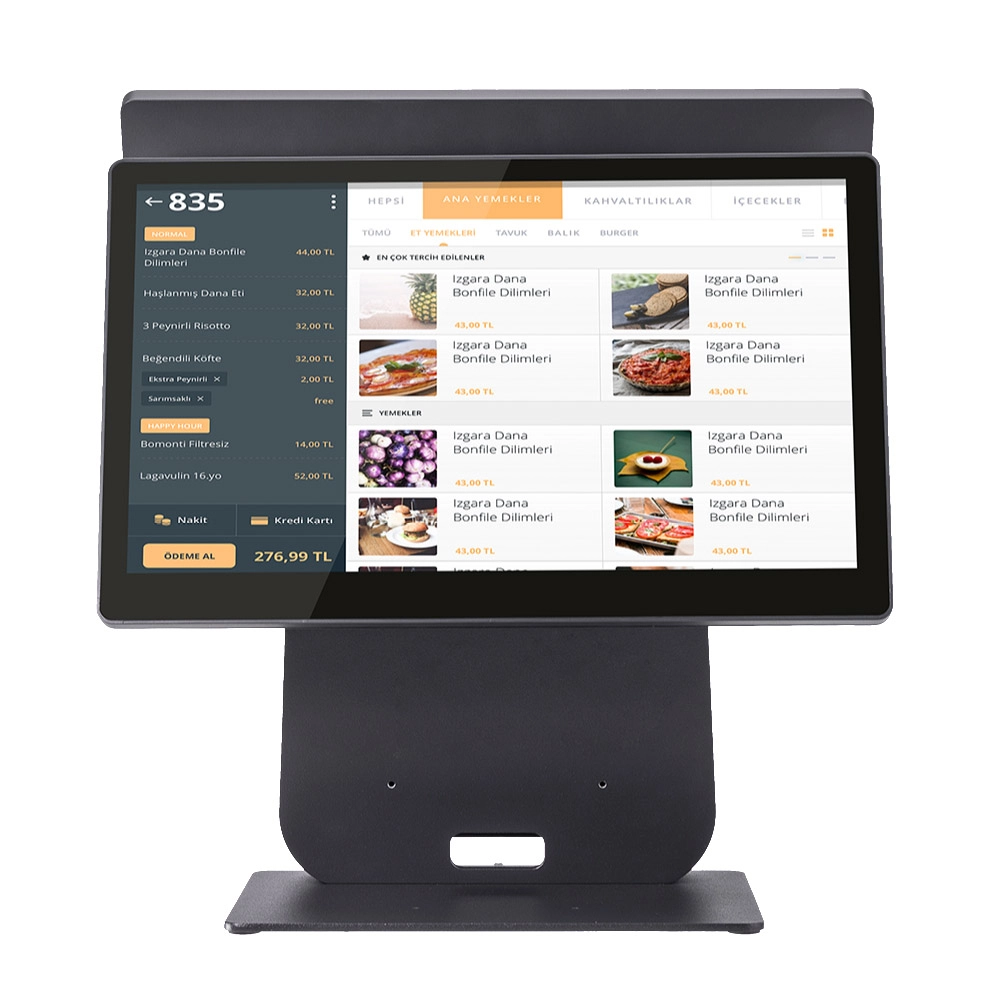
HD Dual Screen POS Machine Aluminum Hardware Android Windows Supplier
This dual-screen POS machine supports both Android and Windows systems, providing flexibility for various applications. The dual screens enhance customer interaction and streamline the checkout process, making transactions quicker and more engaging. Perfect for modern businesses looking to elevate their service and improve customer satisfaction, this POS machine is your ultimate partner in success!
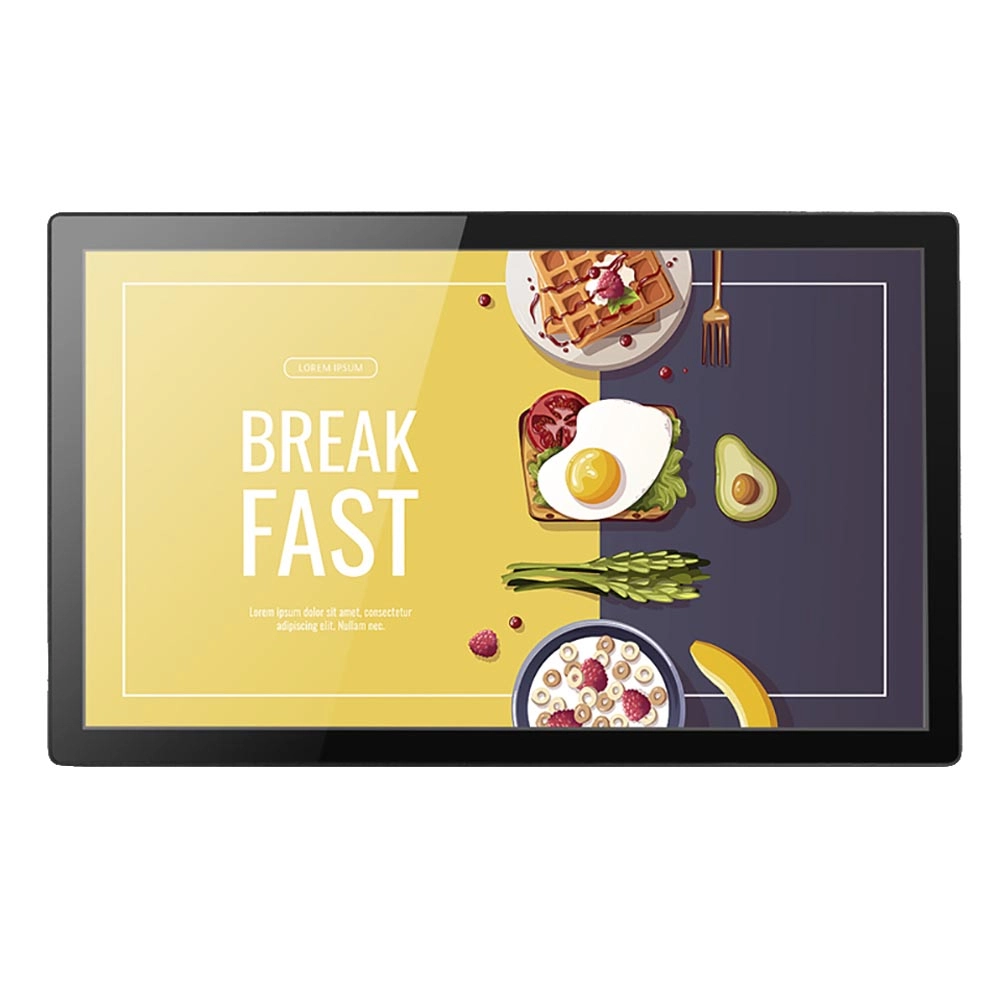
Wall Mount Cash Register POS 21.5 inch for Supermarket Touchscreen Windows Factory
Our sleek and modern wall-mounted POS system features a stunning 21.5-inch LED display, providing exceptional visibility and clarity for seamless customer interactions. The capacitive touchscreen ensures a highly responsive and intuitive user experience, perfect for fast-paced retail environments. With its space-saving wall-mounted design, this POS solution is ideal for optimizing floor space while maintaining a professional and contemporary appearance.
Get in touch
Interested in becoming a POS system dealer? Contact us for more information and start the process of joining our dealer network.
We look forward to working with you to expand the market together.


Copyright © 2025 Favorpos All Rights Reserved.
