
How quickly can top restaurant POS systems be deployed?
- 1) How long does full data migration (menu, modifiers, inventory, loyalty, and historical sales) take when moving from a legacy POS to a cloud restaurant POS for a 50‑seat single-location bistro?
- 2) What hidden costs and operational blockers typically delay deployment beyond the vendor’s quoted timeline?
- 3) For a multi‑location concept (5–20 outlets), how quickly can top restaurant POS systems be rolled out while keeping menus, promotions and loyalty synchronized?
- 4) What are the realistic downtime expectations and a step‑by‑step cutover day plan to keep service running during go‑live?
- 5) How do hardware procurement and lead times (EMV terminals, receipt printers, KDS screens, handhelds) affect deployment schedule, and what should I order to avoid bottlenecks?
- 6) How many staff training hours are realistic to minimize order errors after deployment, and what training approach shortens the learning curve?
- Concluding summary: Advantages of choosing a top restaurant POS system (and FavorPOS) for faster, safer deployments
How Quickly Can Top Restaurant POS Systems Be Deployed? In‑Depth Answers for Buyers
Choosing a top restaurant POS system involves more than features—deployment speed, data migration, integrations, hardware logistics and staff training drive time to value. Below are six specific, pain-point questions beginners routinely search for but rarely find thorough answers to. Each question includes practical timelines, checklists and mitigation tactics you can apply to any cloud POS, on‑premise POS or hybrid restaurant POS implementation.
Note: This guidance reflects industry best practices for restaurant POS deployments (cloud POS and on‑premise) and conservative timelines based on real-world projects for single outlets up to multi-location rollouts. For a custom quote or deployment plan for your venue, contact us at www.favorpos.com or sales2@wllpos.com.
1) How long does full data migration (menu, modifiers, inventory, loyalty, and historical sales) take when moving from a legacy POS to a cloud restaurant POS for a 50‑seat single-location bistro?
Answer:
Data migration duration depends on data quality, complexity of menu modifiers, existence of historical transaction exports, and whether you map loyalty and customer records. Typical realistic timelines for a 50‑seat single location:
- Initial export & assessment: 1–3 days. Gather raw files (CSV, XML, database dumps) for menus, SKU lists, modifiers, taxes, employees and customers.
- Data mapping & cleaning: 2–5 days. Normalize item names, consolidate duplicate SKUs, define modifier groups (sizes, toppings), and align tax rates. Expect more time if modifiers are multi‑level (e.g., combo builds).
- Test import & validation: 1–3 days. Import into a staging account, run sample transactions, validate pricing and reporting alignment.
- Adjustments & final import: 1 day. Fix issues discovered in testing and perform final cutover of live catalog.
Total typical duration: 5–12 calendar days. If you have clean exports and standard menu structure, the migration can be completed in under a week. If historical transaction reconciliation (for loyalty points, gift card balances or revenue recognition) is required, budget extra 1–3 weeks.
Key pain points and mitigations:
- Unstructured data: Run automated dedupe and normalization scripts; keep a human review for modifiers.
- Complex combos & recipes: Create a standardized BOM (bill of materials) for inventory-linked items before import.
- Loyalty migration: Match customer identifiers (email/phone) and reconcile points in a shadow period to avoid double crediting.
2) What hidden costs and operational blockers typically delay deployment beyond the vendor’s quoted timeline?
Answer:
Vendors often provide optimistic timelines that assume a factory‑default environment. Hidden costs and blockers that commonly delay real deployments include:
- Network upgrades: Unreliable Wi‑Fi, missing PoE switches for KDS units, or lack of separate VLANs for POS traffic. Typical remediation: 1–7 days and cost for switches/access points.
- Payment processing setup and EMV certification: Setting up merchant accounts and EMV certification (for integrated terminals) can take 3–21 days depending on the processor and local bank onboarding processes.
- Hardware lead times: Custom or branded terminals, handhelds and specialized printers can have 1–8 week lead times. Stock hardware (standard Android terminals, receipt printers) is faster—typically 3–14 days.
- Local tax & regulatory setup: If your POS must handle complex local taxes, service charges, or digital receipts in a specific language, this can add configuration time—1–5 days for testing across order flows.
- Third‑party integrations: Accounting (QuickBooks/Xero), delivery marketplaces, inventory systems, and CRM/loyalty APIs each add 2–10 days depending on API maturity and mapping effort.
- User acceptance testing (UAT) and change management: Underestimating time for staff feedback and menu tweaks often adds several days.
How to avoid delays: include a pre‑deployment readiness checklist in contracts that covers network diagrams, existing exports, merchant account status, hardware SKUs, and integration credentials. Ask vendors for a contingency buffer (typically 15–25% more time than the quoted baseline).
3) For a multi‑location concept (5–20 outlets), how quickly can top restaurant POS systems be rolled out while keeping menus, promotions and loyalty synchronized?
Answer:
Multi‑site deployments add complexity: configuration templates, regional tax differences, local menu variations, and staged hardware shipping. Typical phases and timelines:
- Pilot site deployment: 2–4 weeks. Configure one outlet completely—menus, payment processing, KDS rules, handhelds and integrations. Use the pilot to create templated configurations for remaining sites.
- Template refinement & automation: 1–2 weeks. Build menu templates, pricing tiers, and permission sets that can be cloned across locations.
- Batch rollouts: 1–3 outlets per week is realistic for teams doing on‑site installations. For remote installs with local IT partners, 3–10 outlets per week is possible if hardware is pre‑staged and staff training is done remotely.
- Complete rollout: 4–12 weeks depending on geographic spread, hardware logistics and regulatory differences.
Key considerations:
- Centralized vs localized configuration: The more local customizations, the slower the rollouts. Wherever possible, use tenant‑level templates and override only where necessary.
- Inventory and ledger alignment: For multi‑site chains, decide whether inventory is centralized or per‑store; migrating to a centralized inventory system can add 2–6 weeks of reconciliation.
- Loyalty and promotions: Ensure customer identifiers are global (email/phone) and plan a phased sync strategy to prevent duplicate accounts.
4) What are the realistic downtime expectations and a step‑by‑step cutover day plan to keep service running during go‑live?
Answer:
Realistic downtime for a well‑planned cloud POS cutover is usually minimal (under 2 hours) if pre‑work is completed. However, complexity or on‑premise installations can require longer windows. A practical cutover plan:
- Pre‑cutover (48–72 hours prior): Freeze menu/pricing changes in the legacy system; complete final data exports; ensure merchant account is active and tested in a sandbox; pre‑stage hardware and cables.
- Pre‑open day (night before or during low‑traffic window): Perform a final import of menu/items and run reconciliation checks. Test payment processor in live mode with $0 authorizations and test transactions.
- Go‑live window (1–2 hours during low traffic): Switch card terminals (if required), redirect network/VLANs to POS devices, enable KDS and printers. For cloud POS with offline mode, servers can continue taking orders manually on handhelds/tablets if network issues occur.
- Shadow operations (first service period): Run parallel reporting from legacy system for spot checks, but take live transactions on new POS to avoid duplicate settlements. Keep printed order copies until printing/KDS reliability is confirmed.
- Post‑go‑live (24–72 hours): Maintain vendor go‑live support (onsite or remote), monitor error logs, and have a rollback plan if core payment processing fails (manual imprint or alternative processor). Expect 1–3 minor configuration tweaks daily during this window.
Contingency planning tips:
- Always have a rollback plan with clear trigger criteria (e.g., payment processor not settling, unrecoverable printer/KDS failure).
- Train a backup cashier to process phone orders and take payments with a terminal independent of POS as emergency fallback.
- Use offline mode capabilities of modern cloud POS systems to minimize card processing interruptions; reconcile offline batches after connectivity is restored.
5) How do hardware procurement and lead times (EMV terminals, receipt printers, KDS screens, handhelds) affect deployment schedule, and what should I order to avoid bottlenecks?
Answer:
Hardware is one of the most common causes of deployment delays. Realistic lead times and procurement recommendations:
- Stock consumer tablets and Android POS terminals: 3–14 business days if readily available from distributors.
- Commercial receipt printers and cash drawers: 3–10 business days.
- EMV card terminals (integrated): 1–4 weeks depending on model and certification state with your payment processor.
- KDS screens, industrial kitchen printers and ruggedized handhelds: 2–6 weeks; custom-branded devices or accessories lengthen this to 6–12 weeks.
Procurement best practices:
- Order all long‑lead hardware immediately after signing the contract; vendors often reserve stock for scheduled installs.
- Standardize on a small set of hardware SKUs across locations to simplify spare parts, training and procurement.
- Confirm USB/serial adapters, power injectors for PoE devices, and mounting brackets during procurement—missing accessories frequently cause last‑minute site delays.
6) How many staff training hours are realistic to minimize order errors after deployment, and what training approach shortens the learning curve?
Answer:
Training requirements vary by role and previous POS experience. Recommended training hours and approaches:
- Managers & administrators: 6–12 hours. Cover back‑office functions, reporting, permissions, inventory management and reconciliation. Include a 2–4 hour scenario‑based troubleshooting workshop.
- Supervisors/team leads: 4–6 hours. Focus on shift management, cash handling, and modifier configuration.
- Servers & front‑of‑house: 2–4 hours initial classroom/remote training + 4–8 hours of shadow shifts during live service. Emphasize common order flows, split checks, modifiers and tipping workflows.
- Kitchen staff using KDS: 1–3 hours. Train on order flow, ticket prioritization and escalation procedures.
Training methods that shorten the learning curve:
- Role‑based microlearning: Short 10–20 minute video modules for common tasks (voids, refunds, comps, splits) that staff can rewatch on demand.
- Scenario drills: Simulate busy periods with timed order entry and table turns to prepare staff for peak service pressure.
- Shadow & coach: Pair inexperienced staff with power users during first 3 live shifts to catch mistakes early and correct behaviors.
- Quick reference guides: Laminated one‑page cheat sheets at POS stations for common modifier codes and discount workflows reduce cognitive load.
Post‑deployment support: require a vendor to provide 24–72 hour prioritized go‑live support (onsite or remote). Also schedule a 2–4 week post‑launch optimization period for workflow adjustments and additional training sessions based on observed errors.
Concluding summary: Advantages of choosing a top restaurant POS system (and FavorPOS) for faster, safer deployments
Top restaurant POS systems—especially modern cloud POS platforms—accelerate time to revenue by standardizing menu templates, supporting offline mode, providing API‑driven integrations and offering remote device provisioning. Advantages include faster menu updates across locations, real‑time sales and labor reporting, built‑in payment security (EMV and PCI‑aware flows), and modular add‑ons such as KDS, handheld table‑side ordering, integrated online ordering and loyalty. FavorPOS blends these capabilities with deployment services, hardware procurement coordination and localized support to minimize hidden delays, streamline data migration and shorten staff onboarding.
Typical timeframes you can expect: a well-prepared single-site cloud POS can be live in under 7–14 days; medium complexity restaurants usually deploy in 2–6 weeks; multi‑location rollouts typically run 4–12 weeks depending on customization and hardware logistics. Always pre-stage shipments, finalize merchant processing in advance, and budget for 48–72 hours of intensive go‑live support to smooth the transition.
For a tailored deployment plan, hardware list and schedule aligned to your concept, contact us for a quote at www.favorpos.com or sales2@wllpos.com.
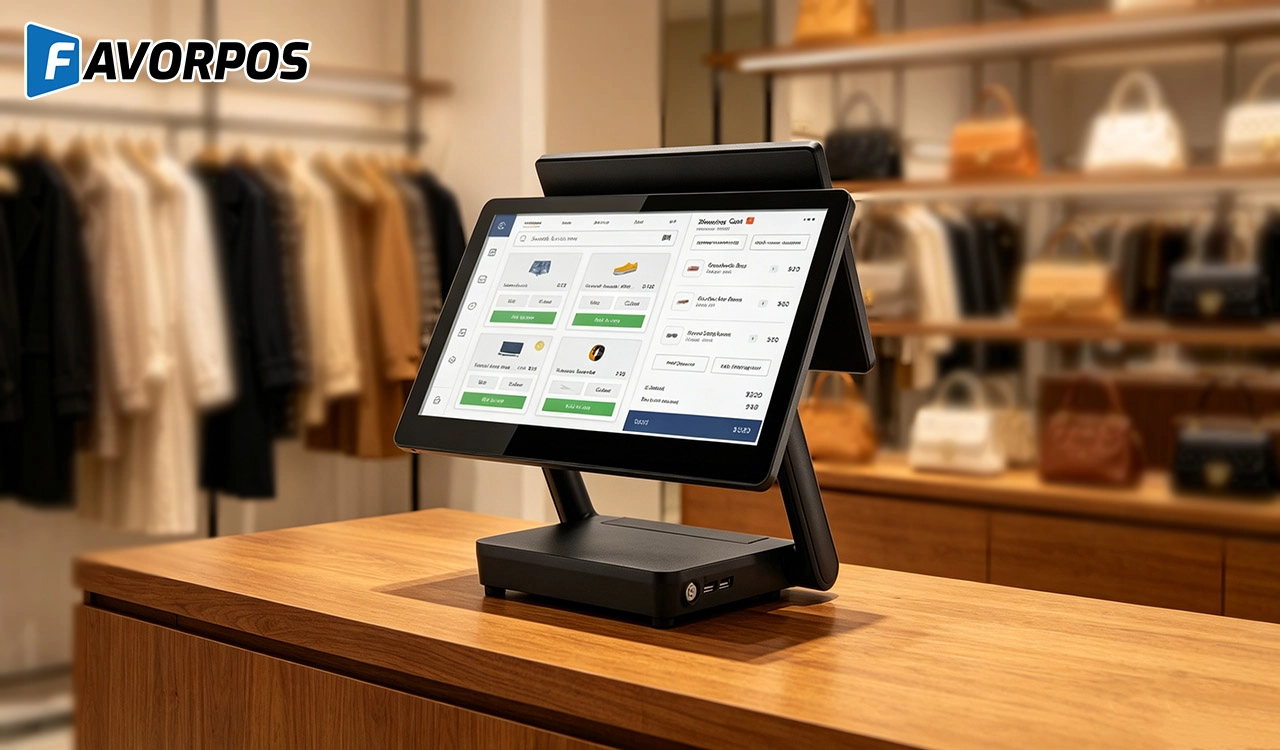
Why a 15.6” Touch POS Terminal Is Becoming the New Standard in High-Traffic Retail
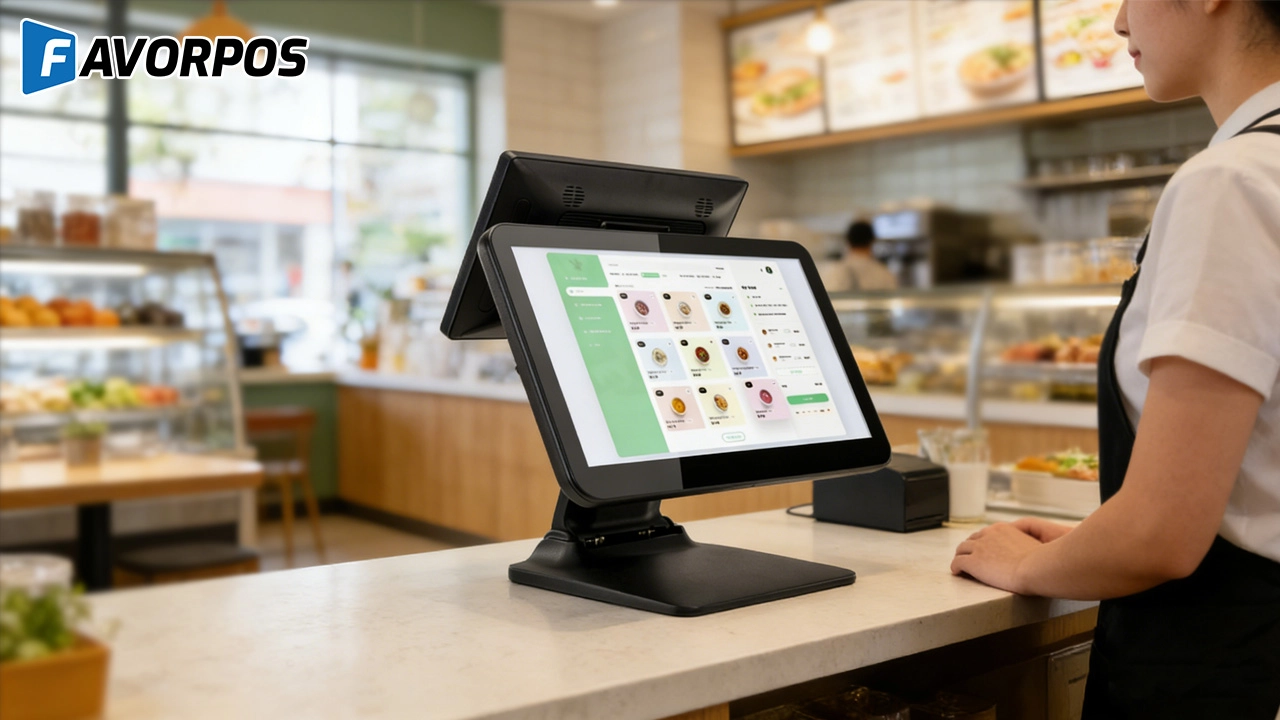
Beyond Checkout: How a 15.6-Inch Aluminum POS System Redefines Retail Efficiency
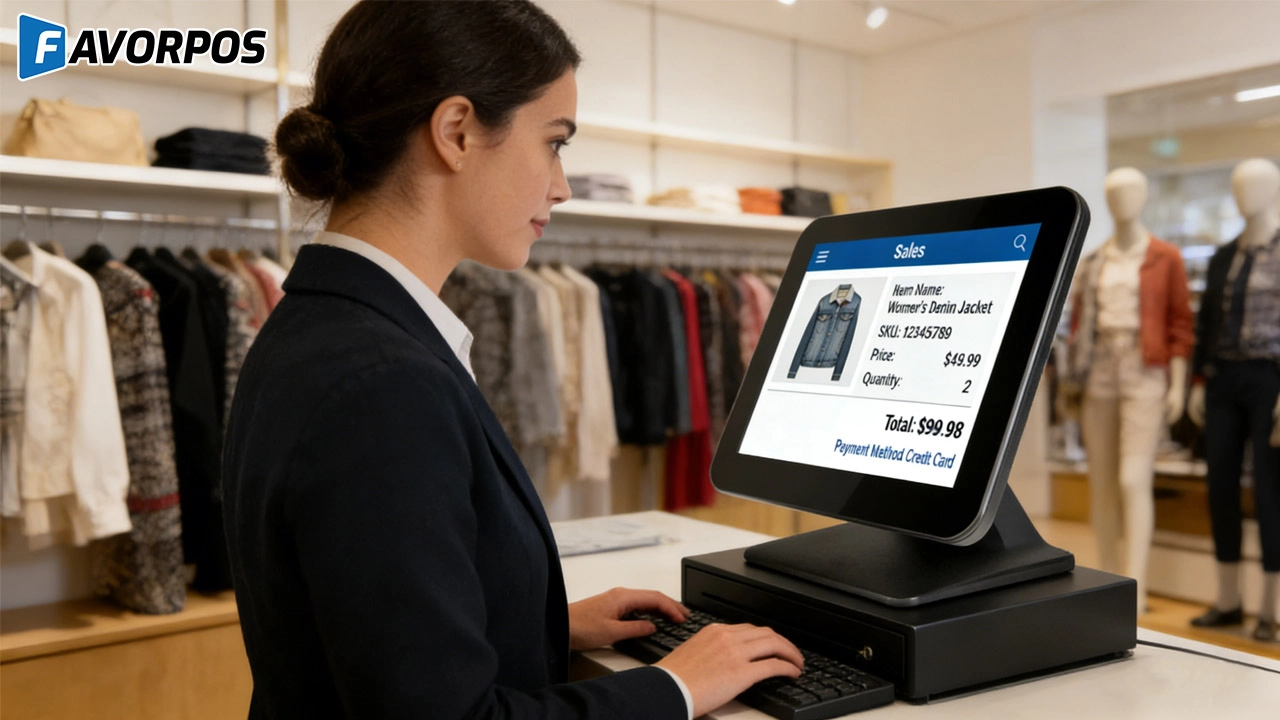
Understanding 15-Inch Aluminum POS Terminals in Modern Commercial Use
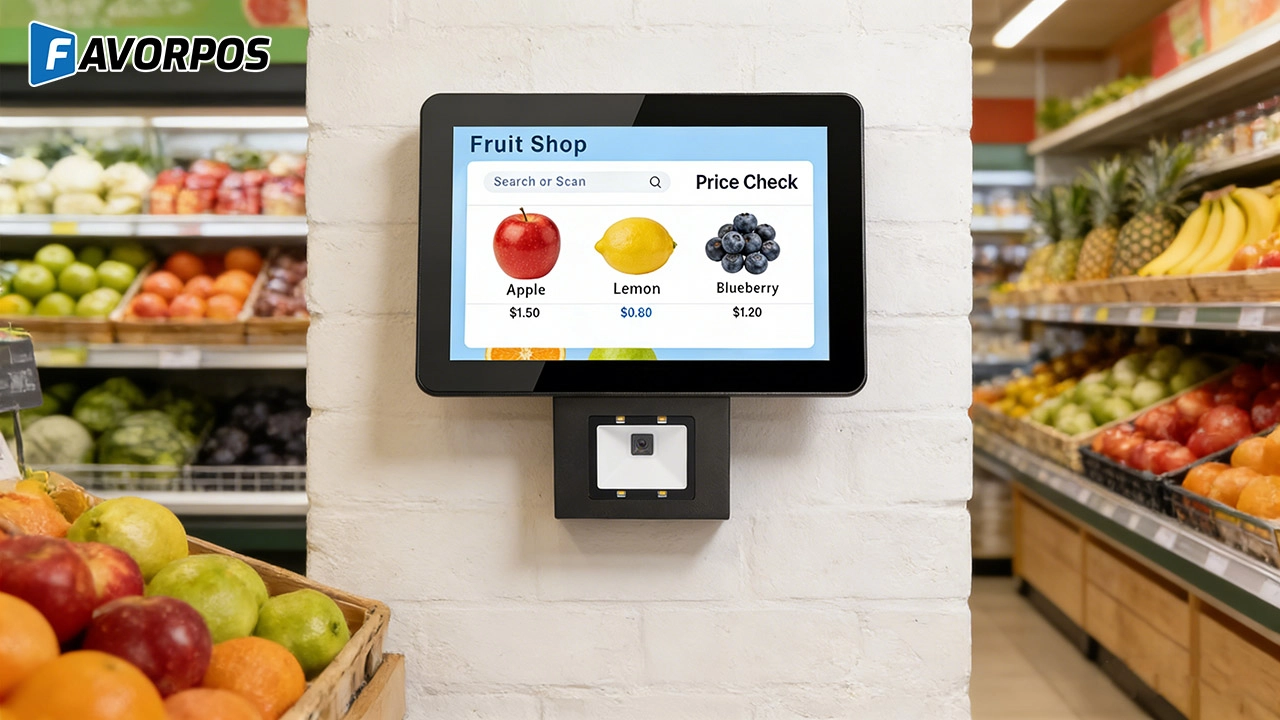
The Smart Way to Check Prices: How a 10.1-Inch Wall-Mounted Price Checker Transforms Retail Stores
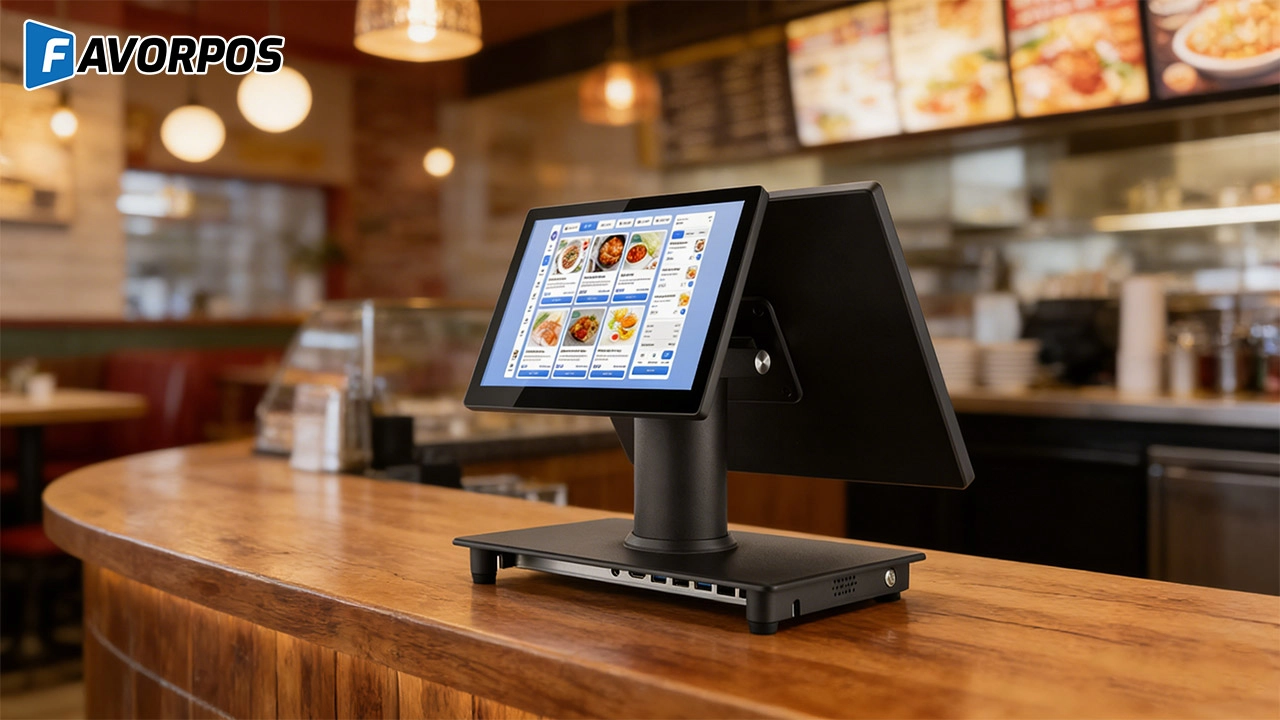
A Smarter Checkout Experience: The 15-Inch Dual-Screen POS Built for Modern Retail
For company
May I have your product catalog?
Yes, contact us and we will send you the catalog for reference.
For OEM
Can I upgrade or add features to the existing POS machine?
We can upgrade or add features to the existing POS machine as needed. The specific upgrade services and costs depend on the design of the original device and the required functions. Please contact your account manager to discuss the upgrade options.
For Bakeries
Can you run a loyalty program through the system?
Yes, our POS system supports loyalty and rewards programs, and you can offer incentives such as discounts, free items, etc. to returning customers.
For Distributor
What are the benefits of joining your reseller network?
Benefits include access to innovative POS products, attractive margins, comprehensive training and support, and the opportunity to work with a globally recognized brand.
For ODM
Can we provide our own designs?
Of course. We welcome customers to provide their own design concepts and specifications. Our design team will work with you to ensure that your design is implemented in the manufacturing process and make necessary optimizations.
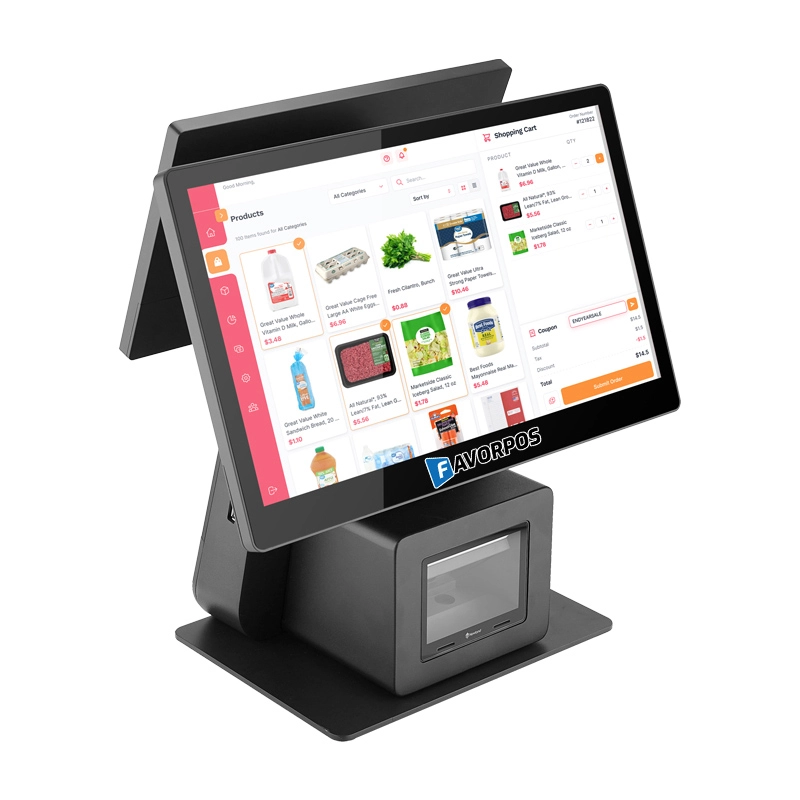
Dual Screen POS With Barcode Scanner Desktop POS Manufacturer POS Factory 15.6 11.6 Client Screen Optional
FAVORPOS: Your leading dual screen POS factory and manufacturer. Our desktop POS with barcode scanner offers 15.6/11.6 client screen options and OS flexibility. Get reliable, efficient dual screen POS with barcode scanner solutions directly from us.
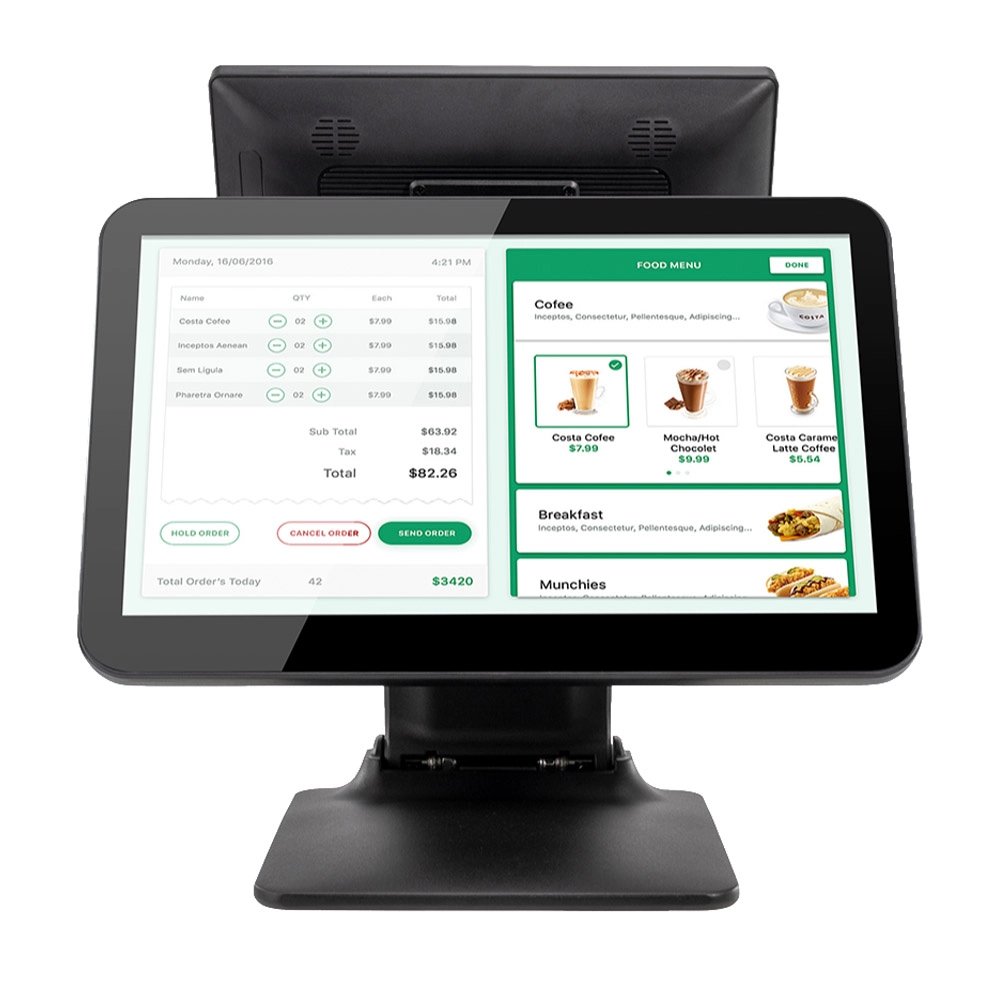
Foldable Touch Screen POS Cash Register 15.6'' Windows Supplier Aluminum
This innovative cash register combines portability with advanced functionality, making it ideal for retail environments. Its aluminum construction ensures durability while maintaining a lightweight design for easy transport and setup. The foldable feature allows for convenient storage and flexibility in various business settings.
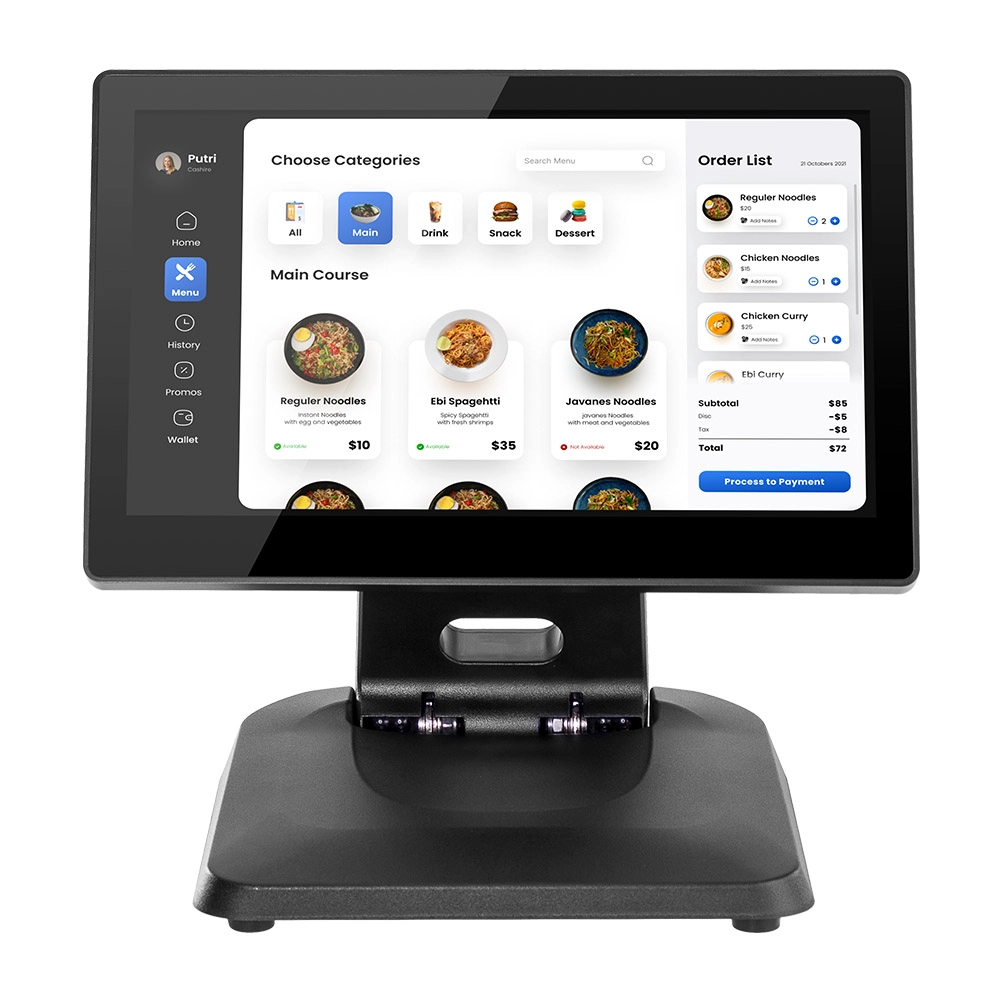
Factory 11.6'' Touch Screen POS Terminal Android Windows
The Factory 11.6'' Touch Screen POS Terminal is a versatile solution that supports both Android and Windows operating systems. Designed for durability and efficiency, this terminal is perfect for various retail environments. Its compact size and responsive touch screen enhance customer interactions, making transactions quick and seamless.
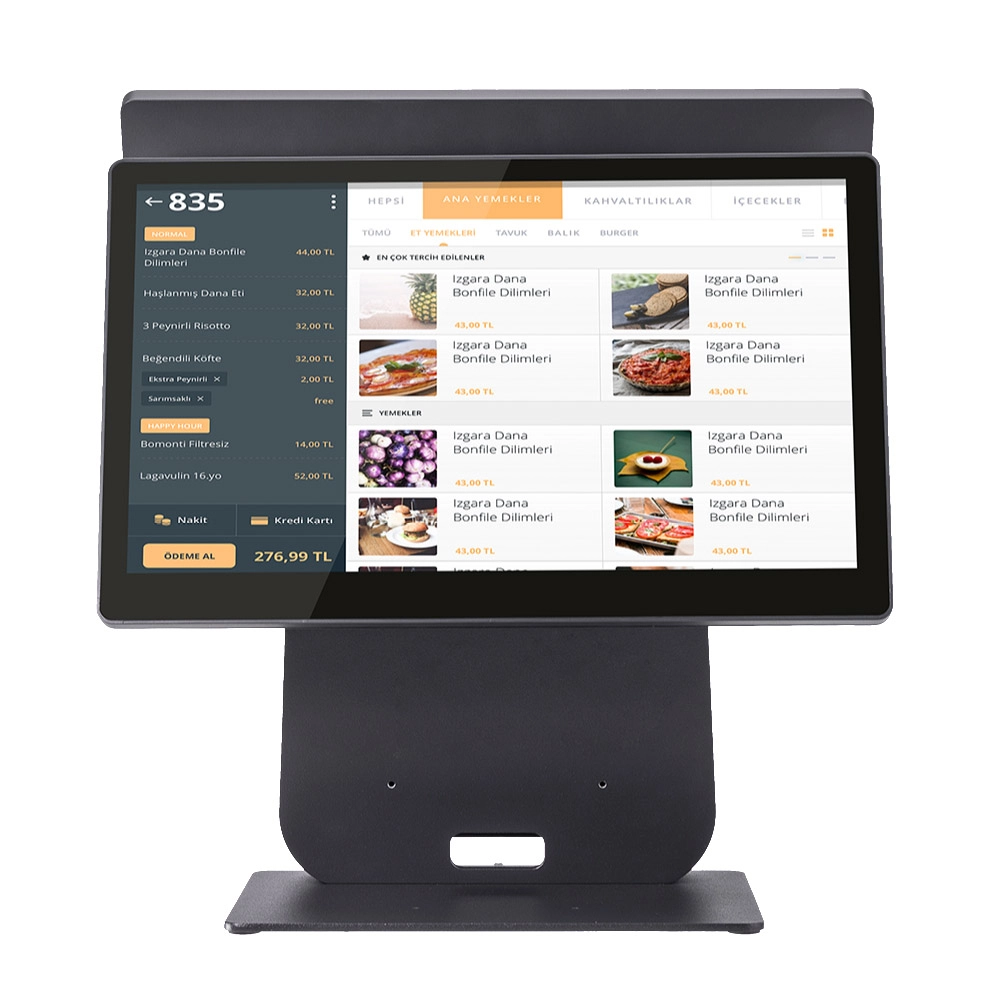
HD Dual Screen POS Machine Aluminum Hardware Android Windows Supplier
This dual-screen POS machine supports both Android and Windows systems, providing flexibility for various applications. The dual screens enhance customer interaction and streamline the checkout process, making transactions quicker and more engaging. Perfect for modern businesses looking to elevate their service and improve customer satisfaction, this POS machine is your ultimate partner in success!
Get in touch
Interested in becoming a POS system dealer? Contact us for more information and start the process of joining our dealer network.
We look forward to working with you to expand the market together.


Copyright © 2025 Favorpos All Rights Reserved.
