
How Does a Thermal Printer Work? Understanding the Technology Behind Modern POS Printing
- How Does a Thermal Printer Work? Understanding the Technology Behind Modern POS Printing
- What is a Thermal Printer?
- The Working Principle of Thermal Printing
- Key Components of a Thermal Printer
- Advantages of Thermal Printers in POS Systems
- Applications of Thermal Printers in Different Markets
- Why Choose FAVORPOS Thermal Printers?
- How Thermal Printers Enhance Business Efficiency
- Future Trends in Thermal Printing Technology
- Conclusion: Embrace Thermal Printing for Modern POS Success
How Does a Thermal Printer Work? Understanding the Technology Behind Modern POS Printing
Thermal printers have become essential peripherals in modern Point of Sale (POS) systems, especially in industries such as retail, catering, and supermarkets. But what exactly is a thermal printer, and how does it work? This article will explain the mechanism behind thermal printing, its advantages, and why FAVORPOS thermal printers stand out as a premier choice for businesses aiming to streamline their operations.
What is a Thermal Printer?
A thermal printer is a device that creates images on paper by selectively heating coated thermal paper when the paper passes over the thermal print head. Unlike traditional printers that use ink or toner, thermal printers use heat to generate printed output, making them faster and less noisy.
The Working Principle of Thermal Printing
Thermal printers operate using either direct thermal or thermal transfer technology.
Direct Thermal Printing: In this method, the printer applies heat directly to thermal paper, which has a heat-sensitive coating. When heated, the coating changes color, producing the image or text. This method is highly efficient but best suited for short-term use since the image can fade over time due to exposure to light or heat.
Thermal Transfer Printing: This process uses a ribbon coated with wax or resin between the print head and the paper. The heat melts the ribbon coating onto the paper, creating durable images that are resistant to fading and smudging. This method is ideal for labels requiring longevity.
Key Components of a Thermal Printer
- Thermal Print Head: The critical element that generates heat in specific patterns to form the image or text.
- Thermal Paper or Ribbon: Specially coated paper sensitive to heat or ribbon for transfer printing.
- Platen Roller: Feeds the paper through the printer ensuring precise movement.
- Controller Board: Manages printer operations and interprets the data sent from the POS system.
Advantages of Thermal Printers in POS Systems
Thermal printers have distinct benefits that make them preferred for POS applications:
- Speed: Thermal printers print receipts quickly, reducing customer wait times and improving throughput at checkout counters.
- Quiet Operation: Unlike impact printers, thermal printers operate silently, enhancing customer experience in a quiet retail environment.
- Low Maintenance: Fewer moving parts mean less mechanical wear and fewer replacement parts, leading to lower maintenance costs.
- High Print Quality: Thermal technology produces sharp, clear images and text, crucial for barcode readability and professional receipts.
- Cost-Effective: Without the need for ink or toner, operational costs are reduced.
Applications of Thermal Printers in Different Markets
Thermal printers serve versatile roles in various market segments:
- Retail: Printing sales receipts, gift receipts, and coupons.
- Catering and Food Service: Order tickets, receipts, and kitchen labels.
- Supermarkets: Price tags, receipts, and shelf labels with barcode printing.
- Logistics and Warehousing: Generating shipping labels and inventory tags.
Why Choose FAVORPOS Thermal Printers?
FAVORPOS is a trusted provider of advanced POS systems and peripherals, including thermal printers engineered for diverse business needs. Our thermal printers boast reliable performance, strong compatibility with various POS setups, and customizable options through OEM and ODM services to match specific operational requirements.
Choosing FAVORPOS means benefiting from:
- Industry-Leading Durability: Designed for continuous, high-volume use without compromising print quality.
- Advanced Connectivity: Support for USB, Bluetooth, and Ethernet interfaces to fit seamless integration.
- Optimized Printing Speed and Clarity: Enhance customer satisfaction by generating crisp receipts swiftly.
- Comprehensive Support and Service: Dedicated assistance and tailored solutions to maximize uptime and productivity.
How Thermal Printers Enhance Business Efficiency
Implementing thermal printers in your POS environment can significantly improve operational efficiencies. Fast printing reduces queue times, minimizing customer dissatisfaction. Clear and durable receipts cut down on errors and disputes. Moreover, thermal technology lowers consumable costs and minimizes printer downtime, saving businesses both time and money in the long run.
Future Trends in Thermal Printing Technology
As POS systems evolve, thermal printers are adopting new features such as enhanced wireless connectivity, improved energy efficiency, and integration with cloud POS solutions. FAVORPOS continuously invests in innovation to keep its thermal printers aligned with these technological advancements, ensuring your business remains competitive.
Conclusion: Embrace Thermal Printing for Modern POS Success
Understanding how a thermal printer works helps businesses appreciate why this technology is integral to modern POS systems. Its speed, reliability, and cost-efficiency make it indispensable for retail, catering, supermarkets, and many other industries. FAVORPOS offers cutting-edge thermal printers designed to enhance your point of sale setup, supporting your business growth and operational efficiency reliably.
Explore FAVORPOS’s full lineup of thermal printers and POS solutions today at favorpos.com and take the next step in upgrading your business technology.
Common Questions about Thermal Printers
How long do thermal printer receipts last?
Direct thermal receipts typically last 6 months to 1 year under normal conditions. Thermal transfer prints can last several years since they are more durable.
Can thermal printers print barcodes?
Yes, thermal printers are widely used for printing barcodes due to their high print clarity and speed.
Are thermal printers expensive to maintain?
No, thermal printers have low maintenance costs because they have fewer moving parts and do not require ink or toner.
What kind of paper does a thermal printer use?
Thermal printers use specially coated thermal paper that reacts to heat. Thermal transfer printers also require a ribbon.
Can thermal printers be used for color printing?
Most thermal printers are monochrome. However, specialized thermal printers exist that support limited color printing, but these are less common.
How to manufacturing best pos touch screen monitor in Europe
All-in-One POS Systems vs Modular POS: Pros and Cons
What are the different types of mobile based pos?
Tips for Wholesale cash register pos system for sale in Germany
For ODM
Does the product comply with international standards and certifications?
Our POS machines comply with various international standards and certification requirements, including safety, electrical performance and environmental standards. We ensure that all products comply with relevant regulations during the production process so that they are suitable for the global market.
For OEM
What is the development cost of a customized POS machine?
The development cost of a customized POS machine depends on the required design and functional specifications. We will provide a detailed quotation after the initial consultation. The cost includes design, prototyping, production and other related services.
For Restaurants & Cafes
Is your POS system suitable for different types of catering businesses?
Yes, our POS system is suitable for a variety of catering businesses, including fast food restaurants, high-end restaurants, cafes, as well as food trucks and pop-up restaurants. The system functions can be customized according to different business types to meet specific needs.
How is the installation and training of the POS system carried out?
We provide comprehensive installation and training services. Our technical team will assist you in completing the installation of the POS machine and provide detailed operation training for your staff. In addition, we also provide online training resources and operation manuals to help your team get started quickly.
For E-commerce
What kind of support do you provide after the system is implemented?
We provide 24/7 technical support, regular firmware updates, and ongoing maintenance to ensure that the system always maintains optimal performance.
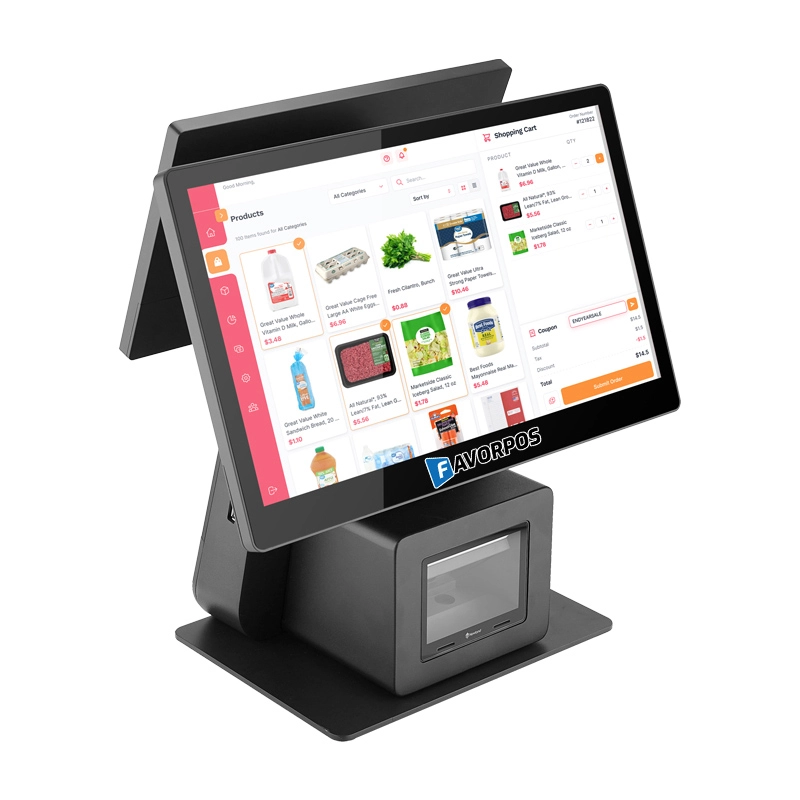
Dual Screen POS With Barcode Scanner Desktop POS Manufacturer POS Factory 15.6 11.6 Client Screen Optional
FAVORPOS: Your leading dual screen POS factory and manufacturer. Our desktop POS with barcode scanner offers 15.6/11.6 client screen options and OS flexibility. Get reliable, efficient dual screen POS with barcode scanner solutions directly from us.
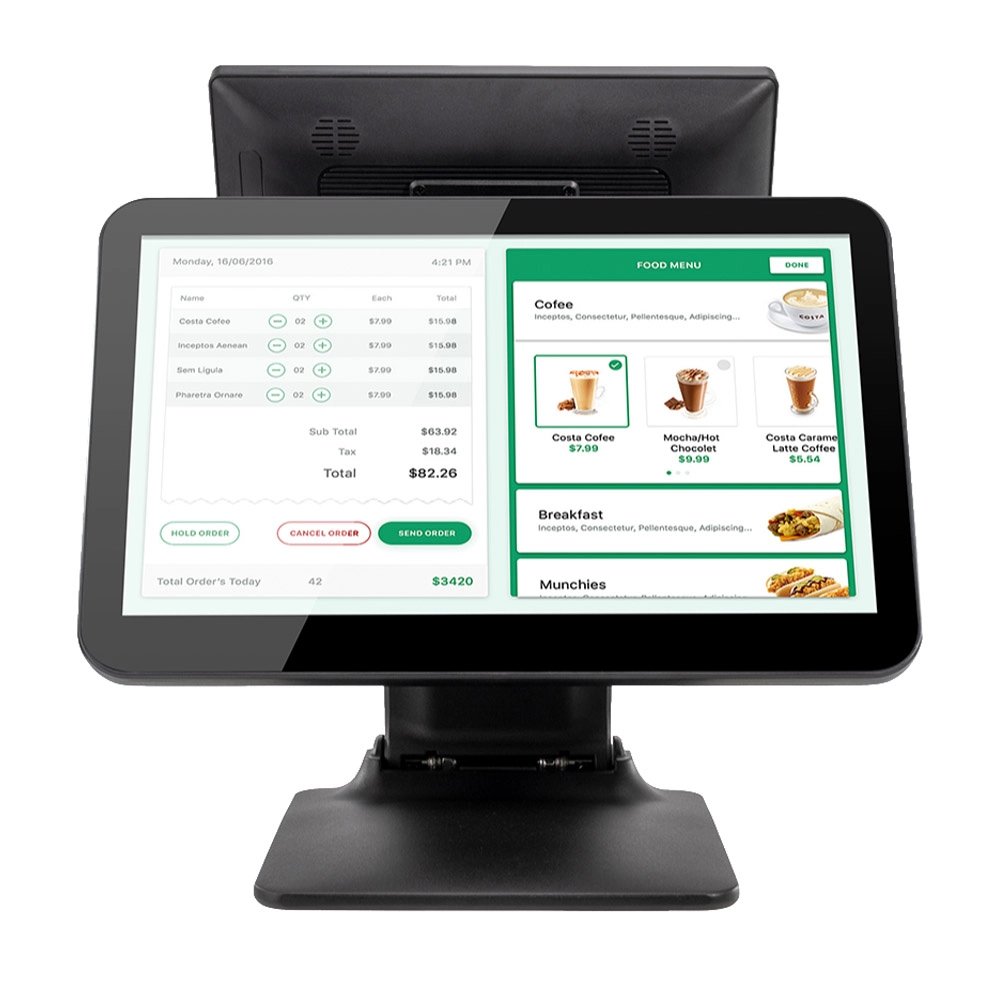
Foldable Touch Screen POS Cash Register 15.6'' Windows Supplier Aluminum
This innovative cash register combines portability with advanced functionality, making it ideal for retail environments. Its aluminum construction ensures durability while maintaining a lightweight design for easy transport and setup. The foldable feature allows for convenient storage and flexibility in various business settings.
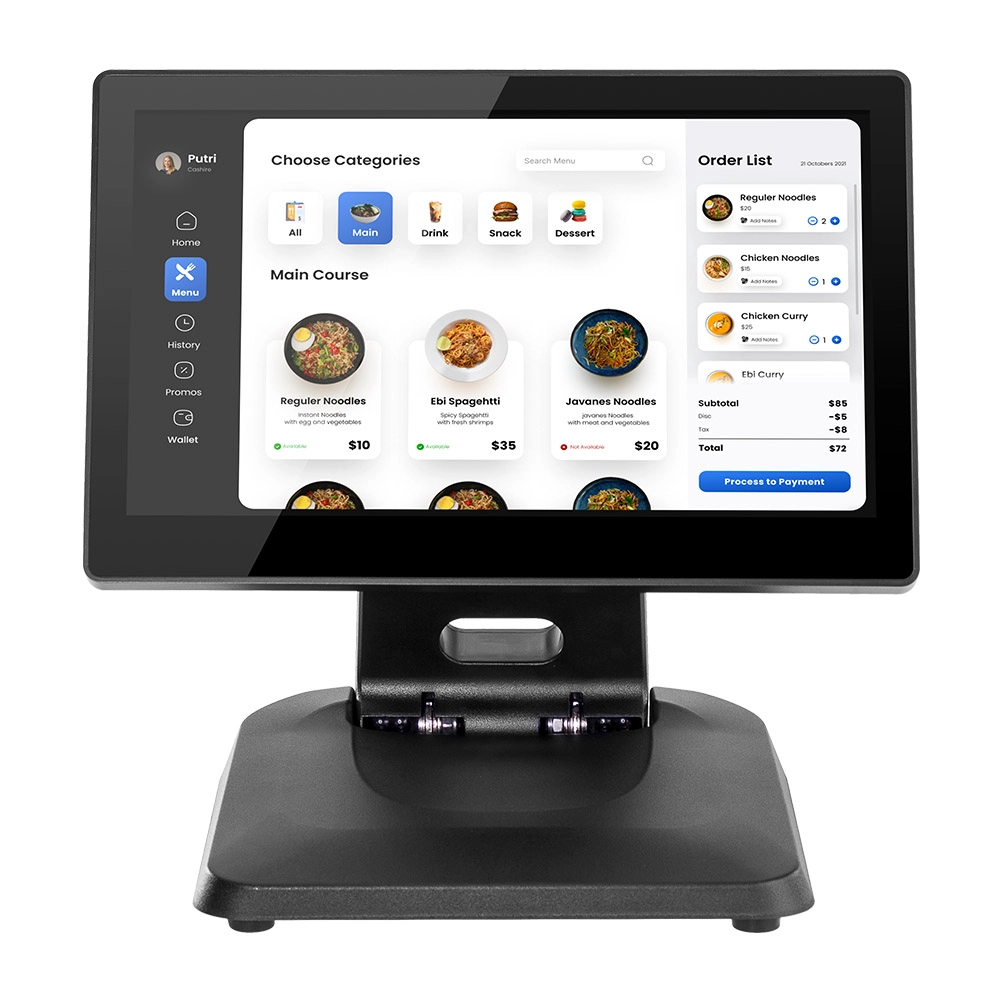
Factory 11.6'' Touch Screen POS Terminal Android Windows
The Factory 11.6'' Touch Screen POS Terminal is a versatile solution that supports both Android and Windows operating systems. Designed for durability and efficiency, this terminal is perfect for various retail environments. Its compact size and responsive touch screen enhance customer interactions, making transactions quick and seamless.
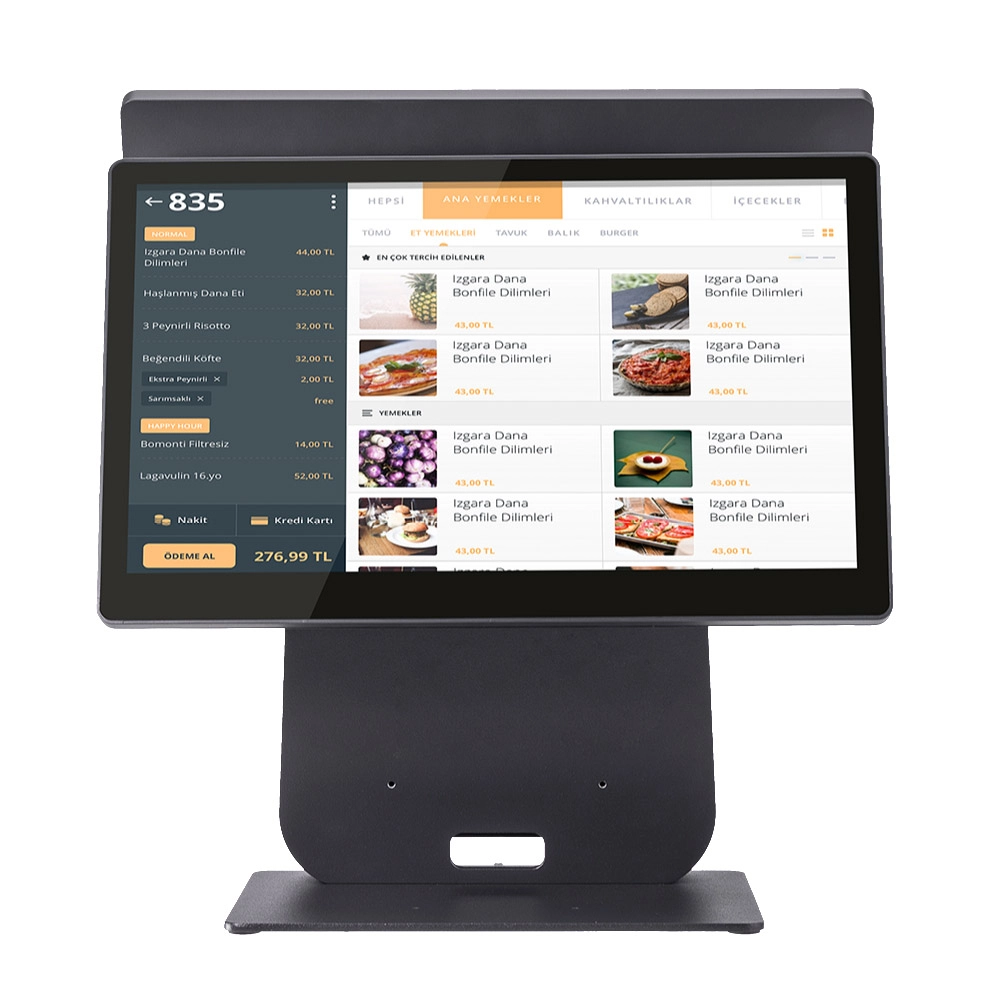
HD Dual Screen POS Machine Aluminum Hardware Android Windows Supplier
This dual-screen POS machine supports both Android and Windows systems, providing flexibility for various applications. The dual screens enhance customer interaction and streamline the checkout process, making transactions quicker and more engaging. Perfect for modern businesses looking to elevate their service and improve customer satisfaction, this POS machine is your ultimate partner in success!


Copyright © 2025 Favorpos All Rights Reserved.
